

Coconut Butter vs Oil: A Complete Breakdown of Taste, Texture & Use
 Photo Credit: Canva Pro
Coconut butter vs oil are not the same. Coconut butter is thick and made from the whole coconut. Coconut oil is just the fat. To make spreads and sweets, butter is the best. Using oil is better when cooking. They feel different, taste different, and work in recipes in different ways.
Find out when to use each one, how they impact your health, and why it matters for your skin, food, and routine in this article.
Featured Pantry Pick
Coconut Secret // Coconut Aminos - 8 oz
Loading...
Can I Substitute Coconut Butter With Coconut Oil?
 Photo Credit: Canva Pro
Texture, Fat Content & Flavor Differences
People often get coconut butter and coconut oil mixed up, but they are not at all the same. They taste, feel, and work in recipes differently. Knowing the difference between coconut butter and oil will help you use the right one for the job.
-
Texture: When it's warm, coconut oil is smooth and easy to pour. Whole coconut flesh is used to make coconut butter, which has a thick, paste-like texture.
-
Fat Content: Coconut oil is pure saturated fat. Coconut butter also contains saturated fats, which are metabolized differently than other fats, but should be consumed in moderation.
-
Flavor: Refined coconut oil doesn't taste like anything. The taste of coconut is strong in virgin coconut oil and coconut butter.
-
Structure: If you take oil from a coconut, you get coconut oil. The coconut flesh goes in the coconut butter, which makes it denser and healthier.
-
Usage: Coconut oil is great for cooking on the stove and in savory foods. For sweet treats and raw foods, coconut butter works best.
When Substitution Works And When It Fails
You can substitute coconut oil for coconut butter in limited situations, but they are not true replacements. Their different melting points and structures change recipes drastically.
-
Use Oil For Cooking: Substitute coconut butter with coconut oil only in high heat cooking like frying or baking banana bread.
-
Avoid Butter on Heat: Coconut butter burns easily. It’s best for spreading, smoothies, or frosting, never stovetop cooking.
-
Think Texture: The consistency of coconut butter is like a thick paste. Since coconut oil melts quickly, it can't give frostings the creamy texture they need.
-
Right Recipes: Coconut oil works in baked goods and savory dishes. Coconut butter fits best in coconut flour treats and energy bites.
-
Storage Tip: Butter should be kept in jars and warmed slowly. Pour into ice cube trays to make portions.
Is Coconut Butter Healthy For You?
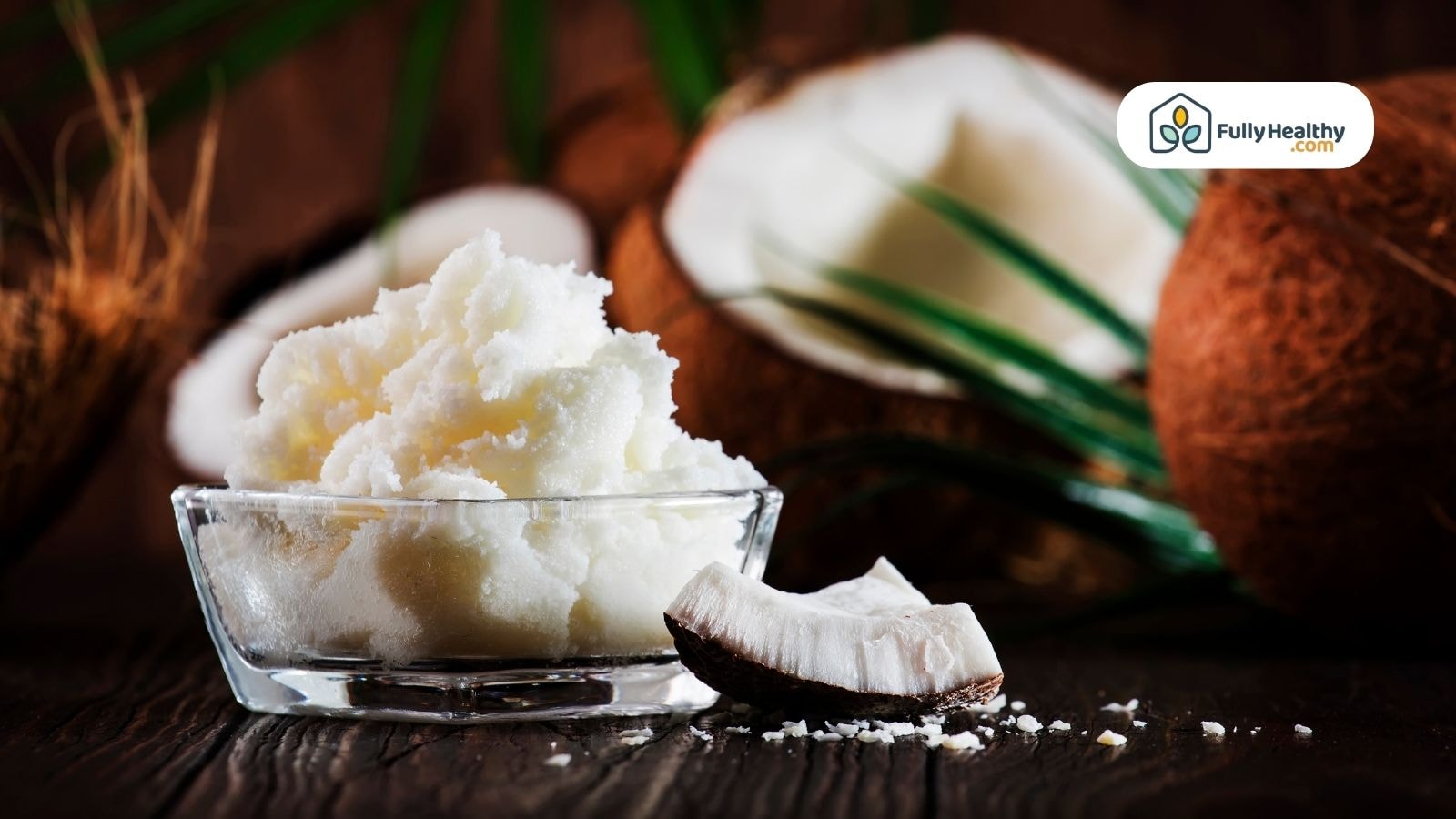 Photo Credit: Canva Pro
Nutritional Profile & Lauric Acid Benefits
Coconut butter is more than just a spread. It offers fiber and some nutrients, though it does not have same health benefits in fat and protein profile from traditional nut butters.
-
Macronutrients: Medium-chain fatty acids, fiber, and plant-based protein are all found in coconut butter. Coconut oil doesn't have any fiber at all.
-
Micronutrients: In contrast to pure coconut oil, it has iron, magnesium, and potassium in it.
-
Lauric Acid: Lauric acid, which is found in both coconut oil and coconut butter, may help keep your immune system healthy and raise HDL cholesterol.
-
Fatty Acids: They help you get healthy fats and are easier for your body to break down than trans fats or peanut oil.
-
Source Material: Coconut butter is made from whole coconut flesh, making it richer in nutritional content than just the oil.
Keto-Friendly? Anti-Inflammatory? Here's What We Know
People who eat low-carb foods can use coconut butter. Compared to other spreads made from coconut cream or coconut milk, it has a lot of fat and not many carbs.
-
Net Carbs: Each serving of coconut butter has less than 5 grams of net carbs, so it can be used on keto diets.
-
Anti-Inflammatory: The fatty acids may support anti inflammatory properties though effects of coconut fats are still under debate. They are metabolized faster than those in monounsaturated fat sources like olive oil.
-
Whole Food Advantage: Coconut butter keeps the nutrients and dried coconut that give you long-lasting energy and fullness.
-
Gut-Friendly: Coconut butter has more fiber than coconut oil alone, which makes digestion better.
-
Allergen-Free: It’s often safe for people avoiding tree nuts or dairy-based creamy butter.
Is Coconut Oil Or Butter Better For Cholesterol?
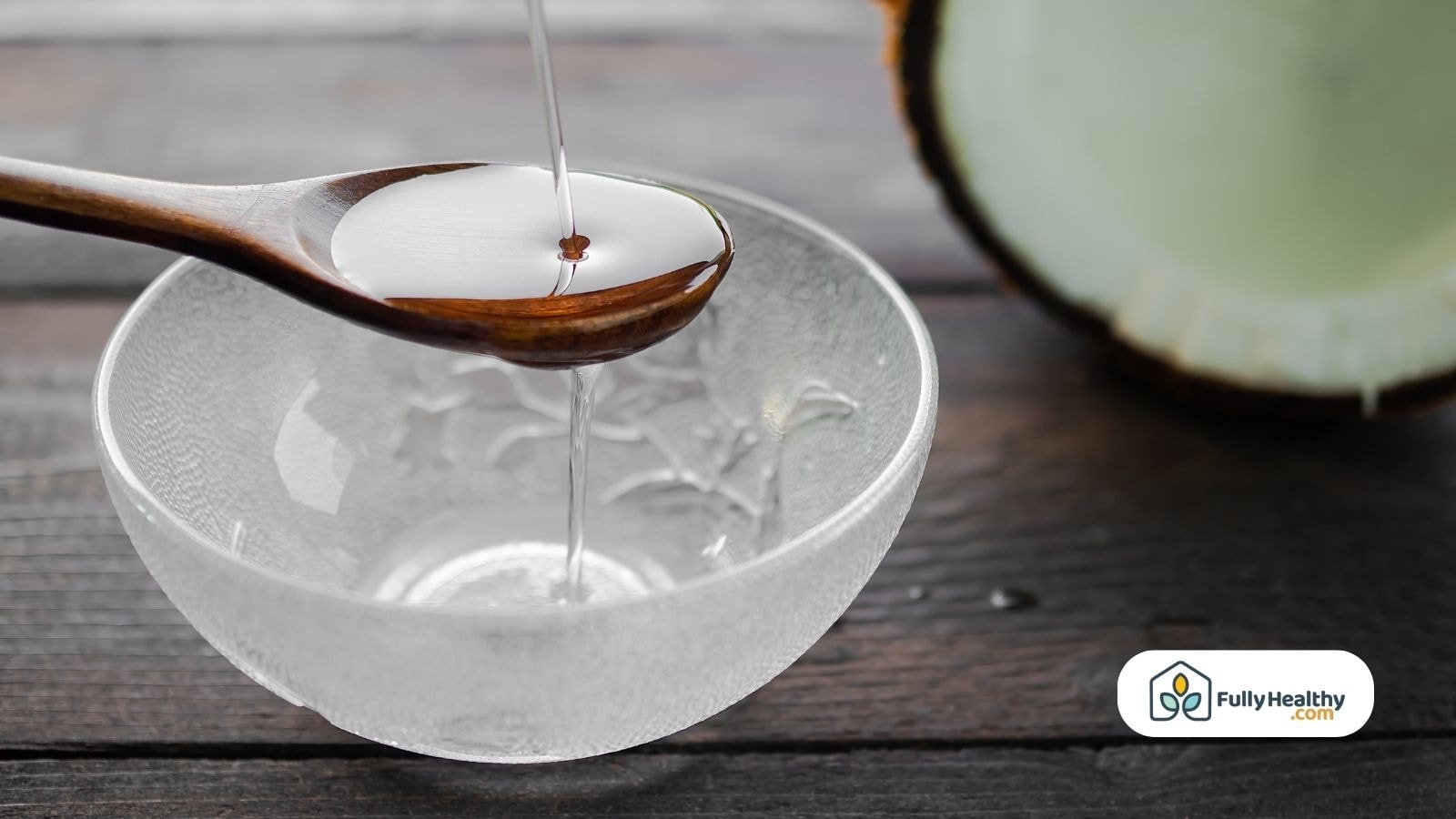 Photo Credit: Canva Pro
What The Science Says About LDL & HDL
Coconut butter and coconut oil both change cholesterol, but not in the same way. More saturated fat is found in coconut oil. Saturated fat raises both LDL (bad) and HDL (good) cholesterol.
-
LDL Cholesterol: Studies show coconut oil increases LDL, which may raise heart risks in some people.
-
HDL Benefits: Lauric acid in both coconut butter and coconut oil helps raise good HDL cholesterol.
-
No Trans Fats: There are no trans fats in coconut oil or butter, which is different from some cooking oils.
-
Comparison: Butter vs coconut oil shows butter has more fiber and less saturated fat per tablespoon.
Which One Is Heart-Healthier Overall?
Because it comes from whole foods, coconut butter has more minerals and fiber. However, both are high in saturated fat, which may raise LDL cholesterol and hurt heart health. Both should be used cautiously in heart-healthy diets.
-
Fiber Content: Some dietary fiber is found in coconut butter, which may help with digestion and make you feel full, but its effect on lowering LDL cholesterol is small and not well-established.
-
Minimal Processing: Coconut butter is made from whole coconut flesh or shredded coconut, making it less processed than refined oils.
-
Nutrient Density: Though both are high in saturated fat, coconut butter includes small amounts of micronutrients like iron and magnesium.
-
Nutritional Context: Coconut butter has more nutrients than just fat and calories, but that doesn't mean it's "better" for your heart.
-
Usage Tip: Coconut butter works best in smoothies and desserts. Coconut oil is more suitable for high-heat cooking like frying or sautéing.
Can You Cook With Coconut Butter?
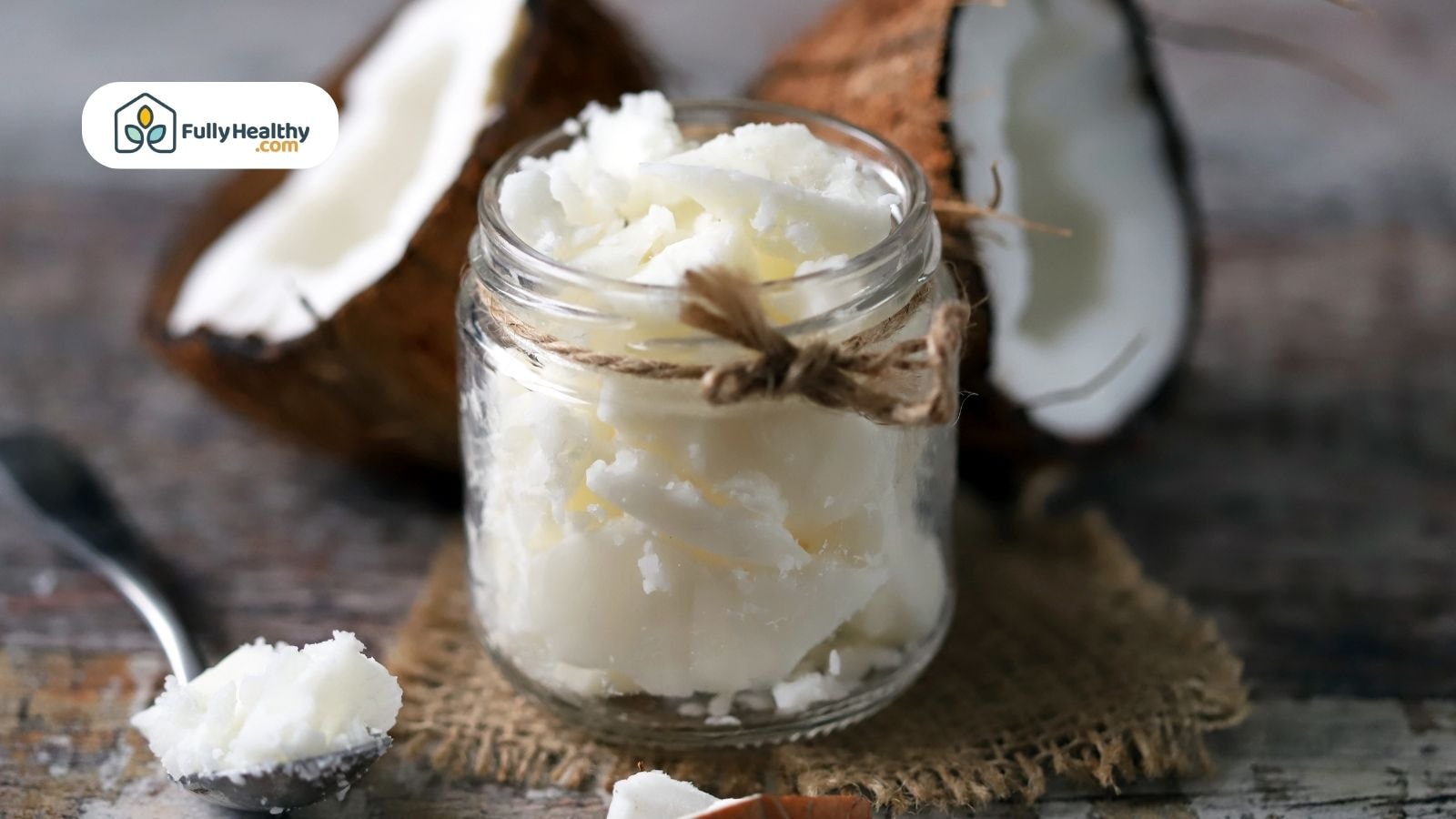 Photo Credit: Canva Pro
Temperature Cautions & Creative Recipes
Coconut butter takes a while to melt and can quickly catch fire. Do not put it directly on the heat or use it in recipes that call for quick browning or frying.
-
Heat Sensitivity: Use only over very low heat or in warm dishes, never for high heat cooking.
-
Softening Tip: Warm the jar in hot water or microwave in short bursts.
-
Ice Cube Trays: Pour into ice cube trays to portion out pure coconut butter for later use.
-
No Frying: Unlike coconut oil or peanut oil, coconut butter is not suited for frying.
-
Beauty Use: Its creamy butter texture also makes it useful in beauty regimen masks and dry skin treatments.
Ideal Uses: From Oatmeal To Stir-Fry
Coconut butter can be used in many ways in the kitchen, but it doesn't work well with high heat. It's better for gentle or raw uses because it's thick and made from whole coconut.
-
Best Uses: Add to oatmeal, smoothies, sweet desserts, and coconut flour cookies.
-
Flavor Profile: Provides a deep coconut flavor that pairs well with fresh coconut or banana bread.
-
Creamy Texture: Works like nut butters in spreads and sauces.
-
No Bake Recipes: Ideal for no-bake fudge, frosting, and coconut cream dips.
-
Savory Foods: Not suitable for most savory foods due to its sweetness and texture.
Get to Know FullyHealthy
Who We Are: Mission, Vision & Values
FullyHealthy is an online market that focuses on healthy, allergen-friendly foods that are high in nutrients. They serve people who follow the AIP, Paleo, and Whole30 diets.
-
Focus: Sells products free from common allergens and additives like trans fats.
-
Values: Transparency, sustainability, and clean labeling.
-
Audience: Ideal for anyone seeking whole food options like nut butters and coconut-based products.
-
Vision: Make healthy eating convenient and accessible.
-
Platform: Built for users who want to find coconut butter, coconut flour, or other specialty items easily.
Shop Artisana Coconut Butter: Why It's Special
One of our best-selling items is Artisana Coconut Butter, which is known for being made with just one ingredient and having a thick consistency. Rather than just using coconut oil, the whole coconut meat is blended into a smooth spread.
-
Ingredients: 100% organic raw coconut.
-
Certifications: USDA Organic, Non-GMO, Paleo and Whole30 approved.
-
Formats: Available in 8 oz and 14 oz jars.
-
Flavor & Texture: Offers strong coconut flavor and a creamy, spreadable paste.
-
Comparison: Unlike coconut oil, Artisana Coconut Butter retains fiber and minerals from dried coconut.
Final Thoughts
Coconut butter and oil come from the same plant, but they are used for different things. Coconut butter is good for you because it has fiber and flavor from fresh coconut meat, and coconut oil is good for cooking with high heat.
You can use both to help your skin, hair growth, or even to calm down skin that is itchy or flaky. If you use a food processor to blend it or cold press it, this natural oil works hard to support skin deeply and make it more flexible. Try them both and choose the one that works best for you.
FAQs
Can I eat coconut butter every day?
Yes, eating coconut butter made from mature coconut and dried coconut meat daily may support skin benefits and hydrate skin deeply, reducing flaky skin.
Is coconut butter inflammatory?
Coconut butter may have anti inflammatory properties and may soothe irritated skin due to its natural oil and fatty acid content.
Is butter or coconut oil better for weight loss with coconut oil benefits?
Coconut oil benefits fat burning with medium chain fatty acids, but both coconut butter vs oil offer different effects on weight loss.
Does coconut oil increase estrogen?
Coconut oil doesn’t directly increase estrogen but supports skin elasticity, dry scalp, and overall skin health due to lauric acid and being cold pressed.
How to find coconut oil or make it in a food processor?
You can make or find coconut oil at home by cold pressing mature coconut or blending fresh coconut meat in a food processor.
Leave a comment