

Do Almonds Go Bad? Signs You Should Never Ignore
Do almonds go bad, or can they last forever in your pantry? Almonds have a long shelf life, but they can spoil if exposed to heat, light, moisture, and air. Their natural oils can go bad over time, which can change the way they taste, smell, and feel.
This guide explains how long almonds last, how to tell if they’re bad, what happens if you eat spoiled almonds, and how to store them properly.
Featured Pantry Pick
Artisana // Raw Almond Butter - 14 oz
Loading...
Do Almonds Go Bad?
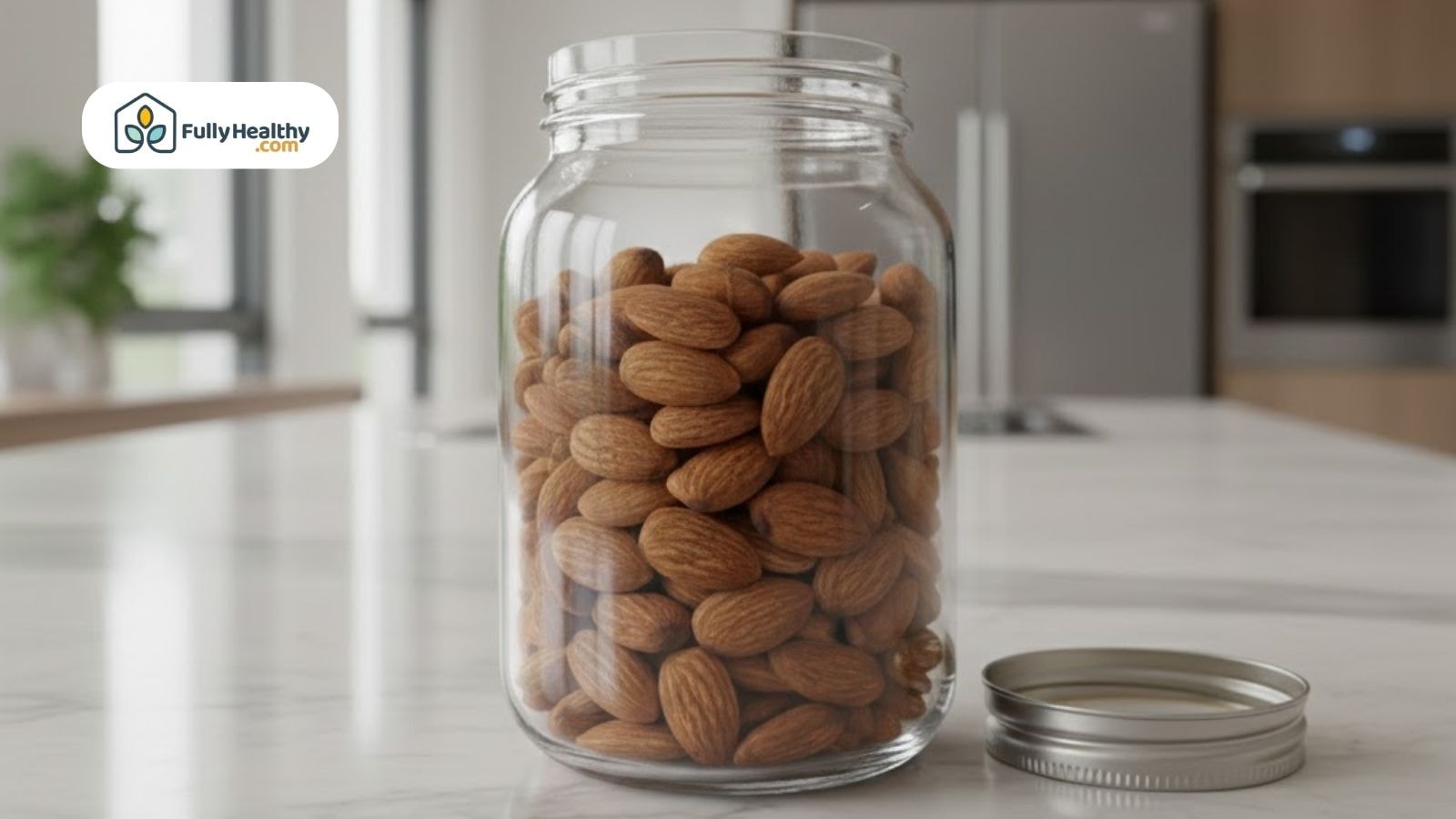
While almonds are thought to be shelf-stable, that doesn't mean they don't go bad over time. How the nuts are stored, how they are packed, and how much heat, moisture, oxygen, and light they are exposed to all affect how long almonds will last.
Almond Shelf Life In Pantry, Fridge, And Freezer
How long almonds last depends on where they are stored and how well they are protected from things in the environment that break down oil. Both raw and roasted almonds can stay fresh for a much longer time than most other nuts if they are stored properly in cool, controlled environments.
-
Pantry Storage: Raw almonds and roasted almonds stored in a cool pantry away from direct sunlight typically last about 6 to 12 months.
-
Refrigerator Storage: Almonds kept in an airtight container inside the refrigerator can stay fresh for up to 2 years because cooler temperatures slow oil oxidation.
-
Freezer Storage: For long term storage, almonds placed in a sealed bag or airtight container in the freezer may maintain a longer shelf life of 2 years or more under controlled conditions.
-
Why They Last: Almonds are low in moisture, which slows spoilage, but their natural oil can still turn rancid when exposed to oxygen and heat over time.
What Shortens Almond Freshness?
When nuts are exposed to air, heat, and humidity, they lose quality more quickly because these things speed up chemical reactions that change the way they taste and smell. If the packaging is broken or the bag is opened and left open a lot, even fresh almonds can go bad faster.
-
Heat Exposure: Temperatures above 70°F accelerate the breakdown of natural oil in almonds and reduce shelf life significantly.
-
Light Exposure: Direct sunlight increases oxidation, which causes rancid almonds and loss of freshness.
-
Moisture Contact: High humidity can introduce moisture that raises the risk of mold and spoilage.
-
Oxygen Exposure: Air entering an opened bag speeds rancidity and reduces almond shelf life.
-
Broken Packaging: A torn sealed bag allows air and moisture inside, leading to shorter shelf life and faster flavor decline.
How To Tell If Almonds Are Spoiled?
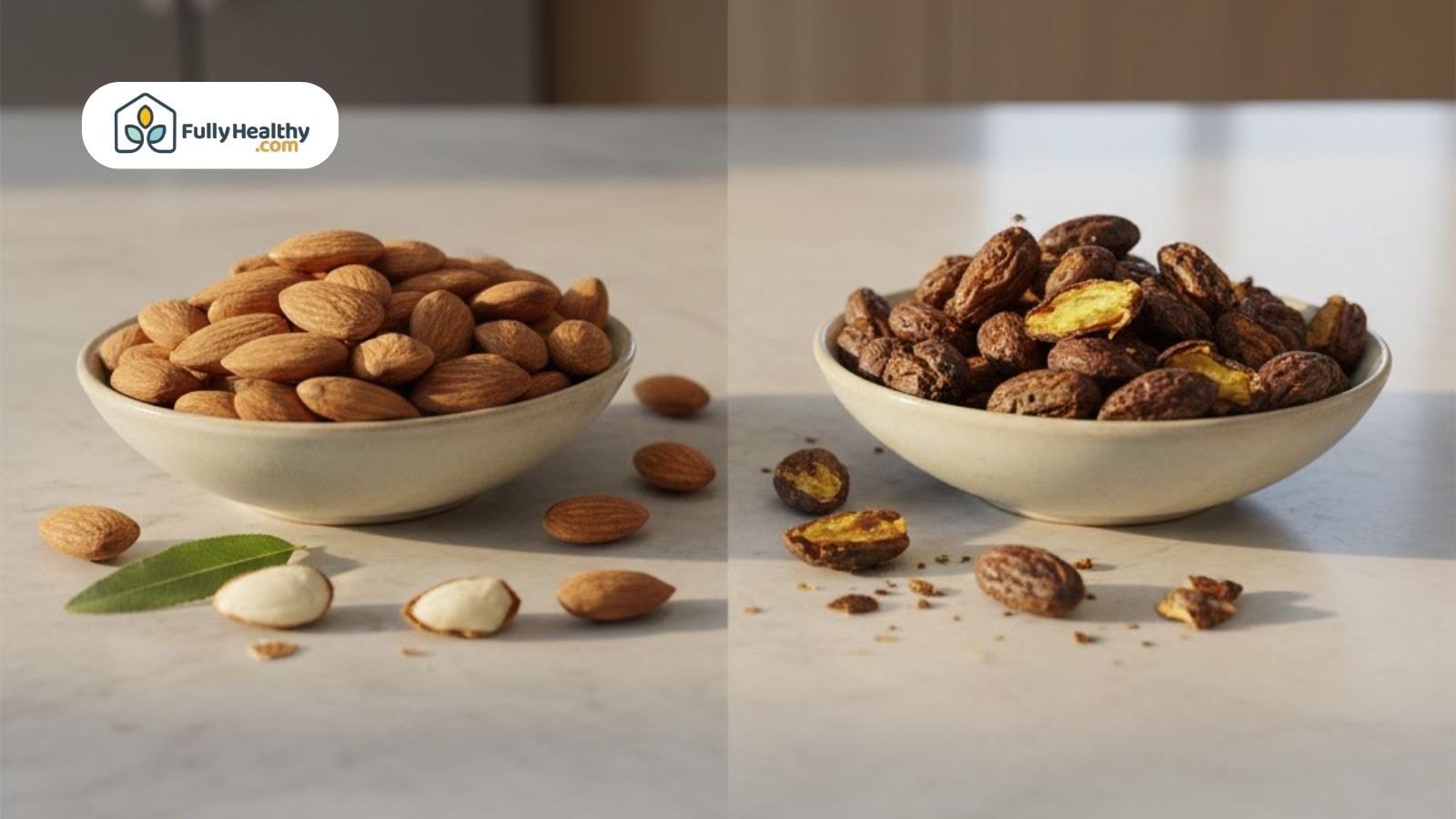
Spoiled almonds usually show noticeable changes before becoming unsafe to eat, especially in smell, taste, and texture. Recognizing these signs helps prevent consuming spoiled almonds and protects overall almond quality.
Smell, Taste, And Texture Changes
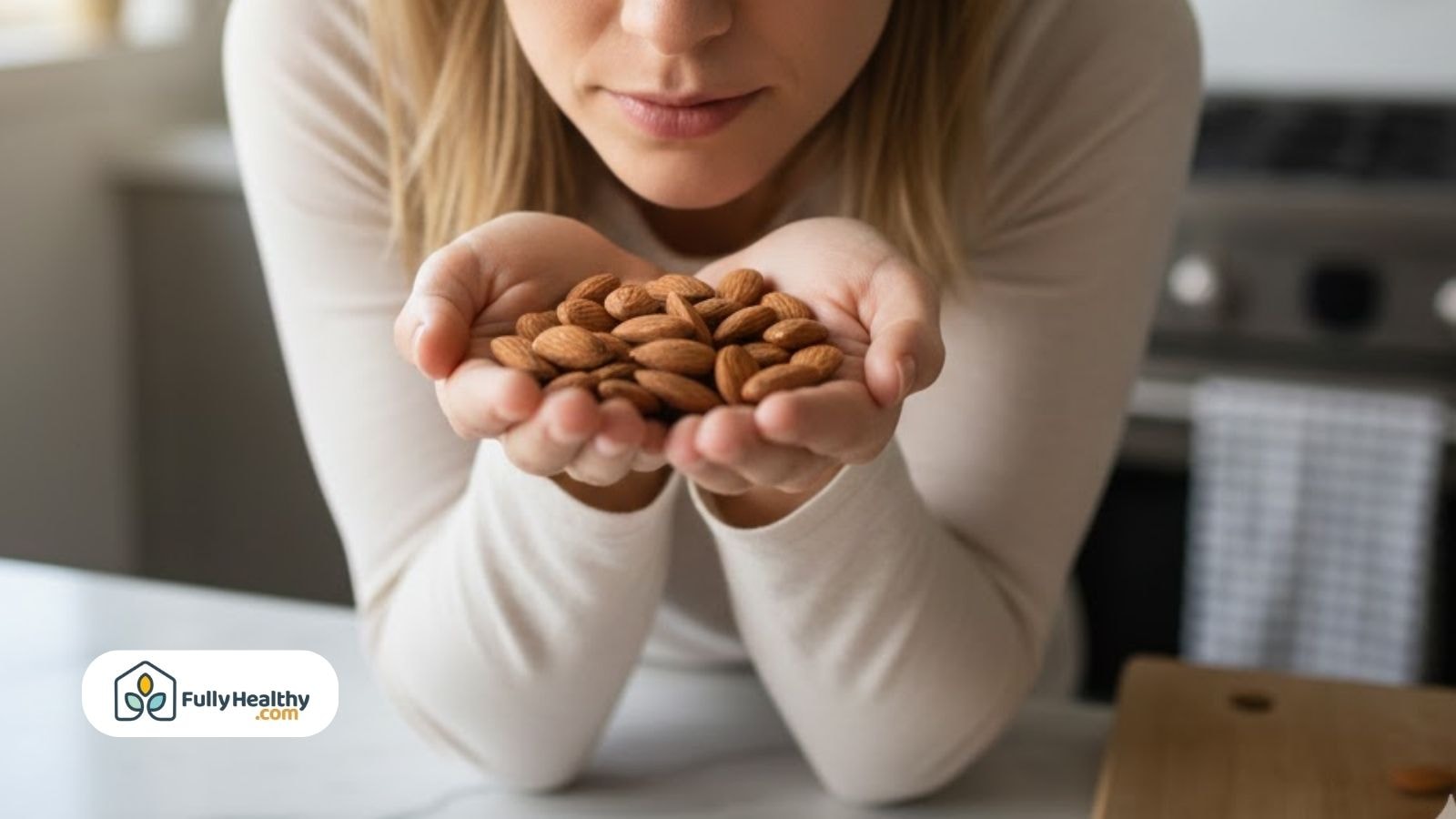
The natural oil in rancid almonds has broken down when it comes in contact with oxygen, which changes the way they smell and taste. If you smell almonds, they don't smell fresh and nutty. Instead, they smell sour or like chemicals or paint.
-
Unpleasant Smell: If almonds smell sour or musty instead of fresh and nutty, the oils may have turned rancid.
-
Bitter Taste: A sharp or sour taste often indicates rancid almonds rather than fresh almonds.
-
Texture Change: Fresh almonds feel crunchy and firm, while spoiled almonds may feel soft, rubbery, or slightly oily on the surface.
-
Loss Of Flavor: The mild, smooth flavor disappears and becomes flat or harsh.
Visual And Physical Warning Signs
Visual cues also help determine if almonds expire or lose freshness, especially when storage conditions are poor. While mold is uncommon in properly stored nuts, moisture exposure increases the chance of visible spoilage.
-
Color Changes: Dark spots or uneven coloring may indicate that almonds have begun to spoil.
-
Mold Growth: Visible mold or fuzzy patches mean almonds should not be consumed.
-
Shriveling: Excess dryness or wrinkling can signal aging, though not always active spoilage.
-
Packaging Issues: Condensation inside the bag suggests moisture exposure that affects almond quality.
What Happens If I Eat Bad Almonds?
Some types of spoilage can be bad for your health, but the effects depend on the type of spoilage. Almonds that have gone bad are more often to blame than dangerous contamination.
Effects Of Eating Rancid Almonds
When you eat rancid almonds, they usually taste bad and may cause mild digestive problems in sensitive people. The main worry is that oxidation will lower the nutritional value because it breaks down some vitamins and healthy fats.
-
Digestive Upset: Some people may experience nausea or mild stomach discomfort.
-
Nutrient Loss: Oxidation reduces certain nutrients and weakens some health benefits.
-
Flavor Impact: Rancid taste makes almonds unappealing but not usually acutely toxic.
Bitter Almonds And Cyanide Risk
The almonds that are sold in stores in the US are sweet almonds, which are safe to eat and are often used in baking and snacks. There is a chemical in bitter almonds called amygdalin that can release cyanide, but these are not usually sold to be eaten directly.
-
Sweet Almonds: Regular almonds consumed in a normal diet are safe when stored properly.
-
Bitter Almonds: Raw bitter almonds contain amygdalin that can release cyanide if eaten in large amounts.
-
Processing Controls: Commercial roasting and regulation reduce risk in foods made from almonds.
How Many Almonds Is Okay To Eat Per Day?
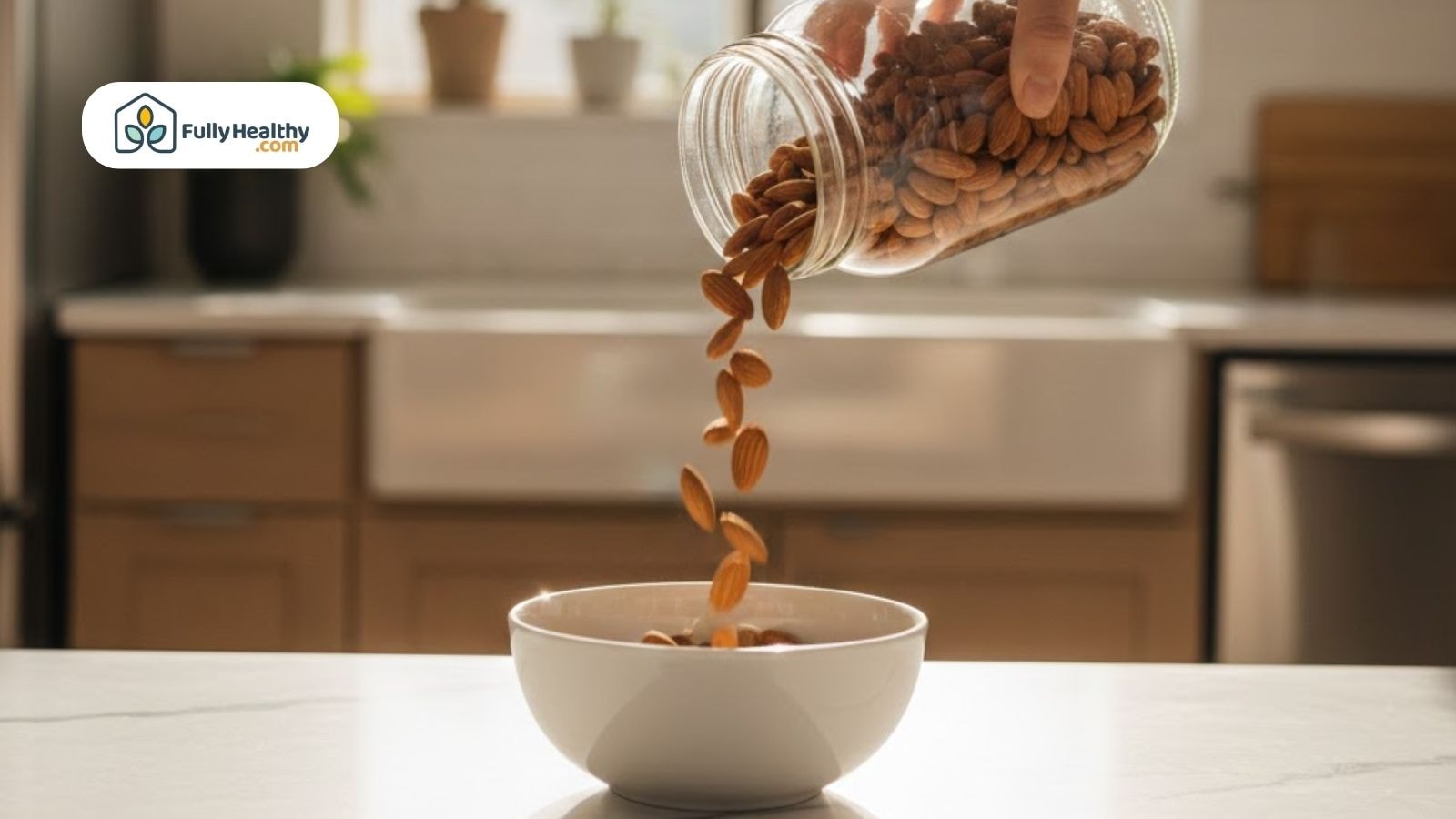
Almonds provide fiber, vitamins, minerals, and healthy fats, making them a nutrient-dense snack when consumed in moderation. Daily intake should balance calorie density with overall diet needs.
Recommended Daily Portion Size
A standard serving of almonds is about 1 ounce, which equals roughly 23 almonds and contains about 160 to 170 calories. This portion supports health benefits such as improved heart markers and steady energy due to fiber and healthy oil content.
-
Portion Control: About 23 almonds is considered one serving.
-
Nutrient Density: Almonds supply vitamin E, magnesium, fiber, and healthy fats.
-
Balanced Diet: Including almonds in smoothies, baking, or snacks supports a varied diet.
When Almond Intake Becomes Excessive
Because they are high in fiber and fat, eating a lot of almonds may make your stomach hurt. A high calorie density also means that eating too much can make it harder to control your weight.
-
Digestive Effects: Too much fiber can lead to bloating or stomach discomfort.
-
Calorie Awareness: Multiple servings increase calorie intake quickly.
-
Moderation Matters: Almonds are beneficial when consumed in reasonable portions.
Why FullyHealthy Supports Clean Ingredient Living
FullyHealthy focuses on clean-label, allergen-conscious foods that support alternative diets and baking needs. The platform offers a variety of almond-based mixes and products designed for convenience and quality.
About FullyHealthy
FullyHealthy is an online marketplace that specializes in hand-picked foods that are good for people with certain dietary needs. Products stress using simple ingredients and following standards for storage and packaging that help keep almonds fresh and of good quality.
-
Specialty Foods: Offers clean-label products designed for specific diet needs and ingredient sensitivities.
-
Almond-Based Options: Features almond flour mixes and snacks made from high-quality almonds.
-
Storage Guidance: Encourages proper storage practices to help products stay fresh longer.
-
Careful Packaging: Uses secure packaging methods to reduce exposure to light, moisture, and oxygen.
-
Ingredient Transparency: Focuses on simple formulations that support balanced nutrition and health benefits.
Almond Flour Products Available
FullyHealthy offers Simple Mills almond flour mixes designed for baking and everyday cooking. These products use almonds as a base ingredient to deliver flavor, texture, and versatility in alternative foods.
-
Simple Mills Pizza Dough Almond Flour Mix: Almond flour blend crafted for homemade crust with balanced flavor and structure.
-
Simple Mills Pancake & Waffle Almond Flour Mix: Designed for breakfast baking, offering a light texture using almond flour as the primary base.
-
Simple Mills Artisan Bread Almond Flour Mix: Grain-free bread option formulated to provide structure and flavor from almonds.
-
Simple Mills Banana Muffin & Bread Almond Flour Mix: Almond flour blend created for sweet baking with banana flavor notes.
-
Simple Mills Pumpkin Muffin & Bread Almond Flour Mix: Seasonal-inspired mix using almond flour for moist texture and pumpkin flavor.
-
Simple Mills Crunchy Almond Flour Cookies Toasted Pecan 5.5 oz: Ready-to-enjoy cookies featuring toasted pecan flavor with an almond flour base for a crunchy bite.
Final Thoughts
Almond shelf life depends on how you store almonds, and almonds depends on proper storage, packaging, and temperature control in a dry place away from odors and heat. While expiration dates give guidance, almonds can last a few months in the pantry and much longer beneficial in the refrigerator or freezer when stored properly.
Keep them sealed, cool, and protected to protect freshness and flavor, and always trust your senses before you eat!
FAQs
When should you not eat almonds?
You should not eat almonds if they smell sour, have an unpleasant smell, show mold, or taste bitter because these signs indicate rancid oils and possible spoilage.
Can you eat 3 year old almonds?
You can eat 3 year old almonds if they were stored properly in a freezer under controlled conditions, but check smell, taste, and texture first.
What does rancid almond taste like?
Rancid almond taste is sharp, sour, and bitter, lacking the fresh nutty aroma and smooth flavor of fresh almonds.
Can you get sick from bad almonds?
You may experience mild digestive discomfort from spoiled almonds, but most rancid almonds mainly cause unpleasant taste rather than serious illness.
What is the unhealthiest nut to eat?
While all nuts provide nutritional benefits, macadamia nuts and pecans are often considered the unhealthiest due to having the highest calorie and fat content, along with lower protein levels.
Leave a comment