

Do Apricot Seeds Increase Testosterone in Men? Benefits vs. Risks
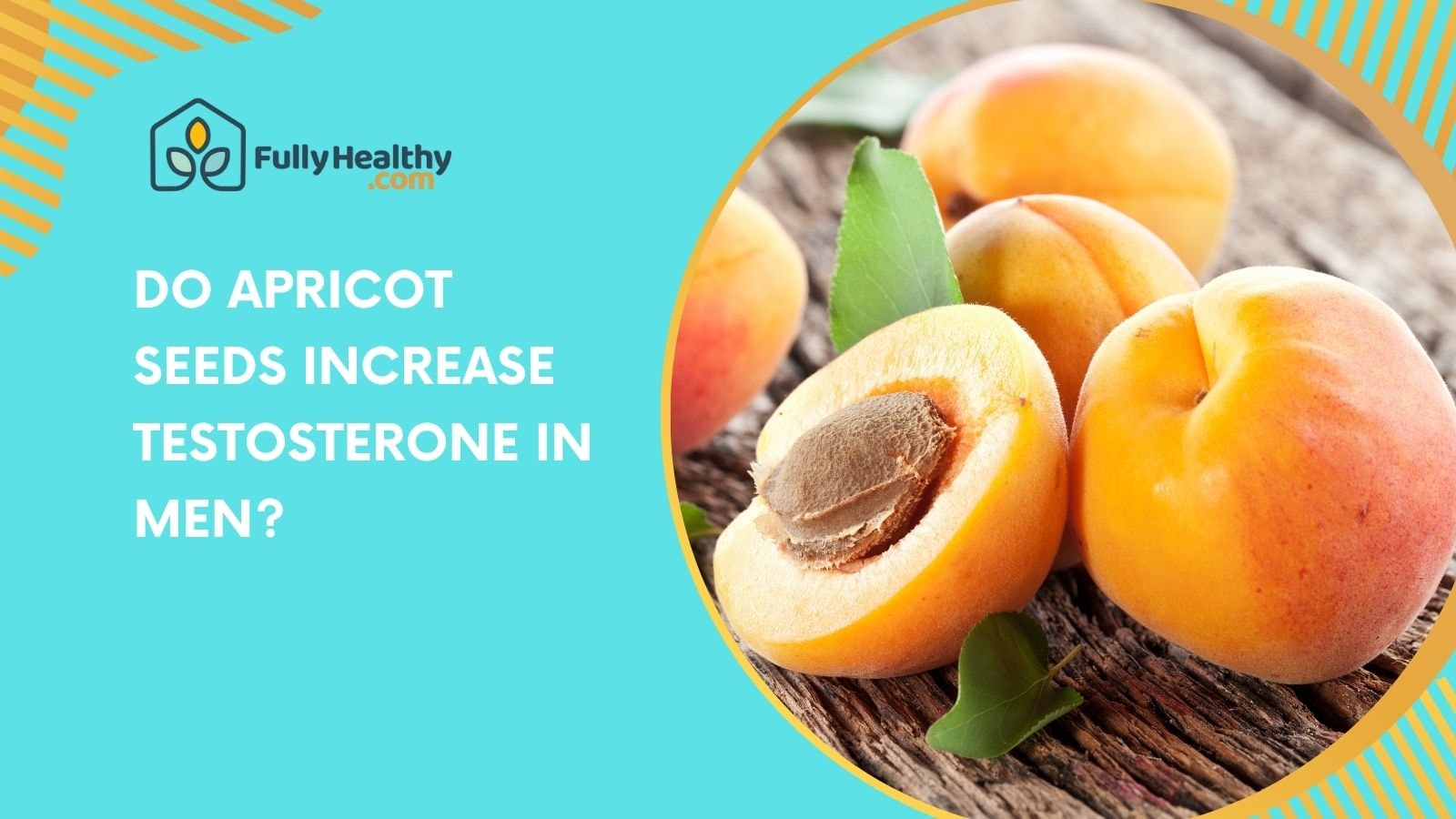 Photo Credit: Canva Pro
Do apricot seeds increase testosterone in men? There are some claims, but there aren't many studies on men, and the evidence isn't clear. Most of the clinical data comes from studies on women, but some studies on animals show that the effects might be different in men.
Bitter apricot seeds may help hormones because they have nutrients in them, but they also have risks. This article tells you what you need to know about natural ways to boost testosterone, including the risks and benefits.
Featured Pantry Pick
St Dalfour // Apricot Conserves - 10 oz
Loading...
Do Apricot Seeds Increase Testosterone Levels?
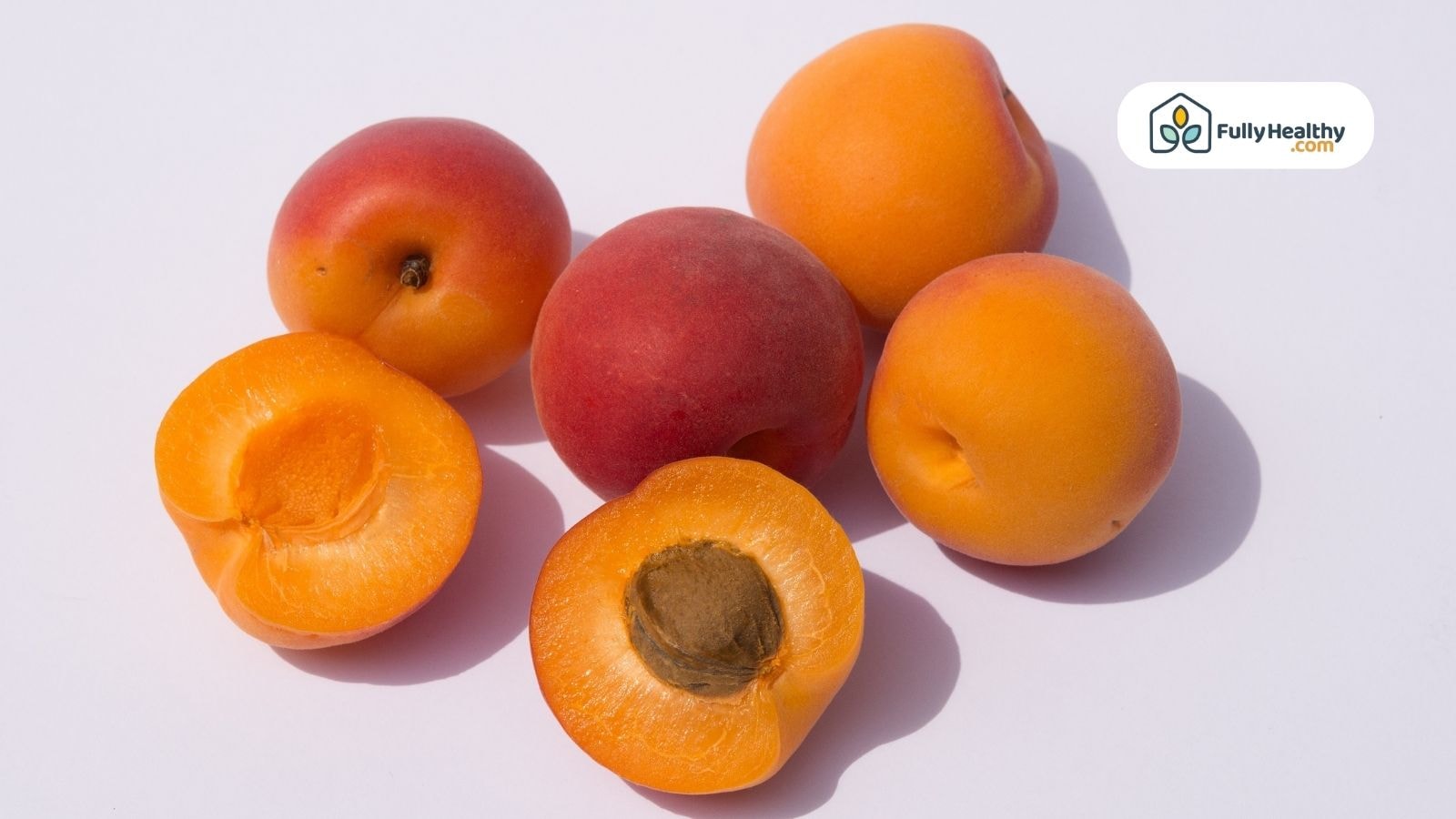 Photo Credit: Canva Pro
What the Science Says About Apricot Seeds and Testosterone
A study found that women who ate bitter apricot seeds for 21 days had higher levels of prolactin (PRL) and testosterone and lower levels of estrogen (E2). These effects have not been shown in men.
-
Study details: Apricot kernels raised testosterone and follicle stimulating hormone in women of reproductive age.
-
Hormonal effect: Changes were also seen in total cholesterol and triglycerides, indicating an altered lipid and endocrine profile.
-
Bioactive compounds: Apricot seeds may contain phenolic compounds, but d-aspartic acid presence is unverified.
Risks and Limitations of Using Apricot Seeds for Testosterone
Cyanogenic glycoside amygdalin can make hydrogen cyanide when taken in large amounts, so apricot seed extract is not a good idea for your health.
-
Toxicity risk: Bitter apricot seeds contain hydrocyanic acid and cyanogenic glycosides, leading to harmful effects if overused.
-
Regulatory warning: The FDA prohibits the use of apricot extracts for hormone or cancer treatment.
-
Gender limitation: The available data comes from female-only studies, not men.
-
Dose caution: Very small amounts may be tolerated, but consistent use is unsafe without clinical oversight.
What Do Apricot Seeds Do for Your Body?
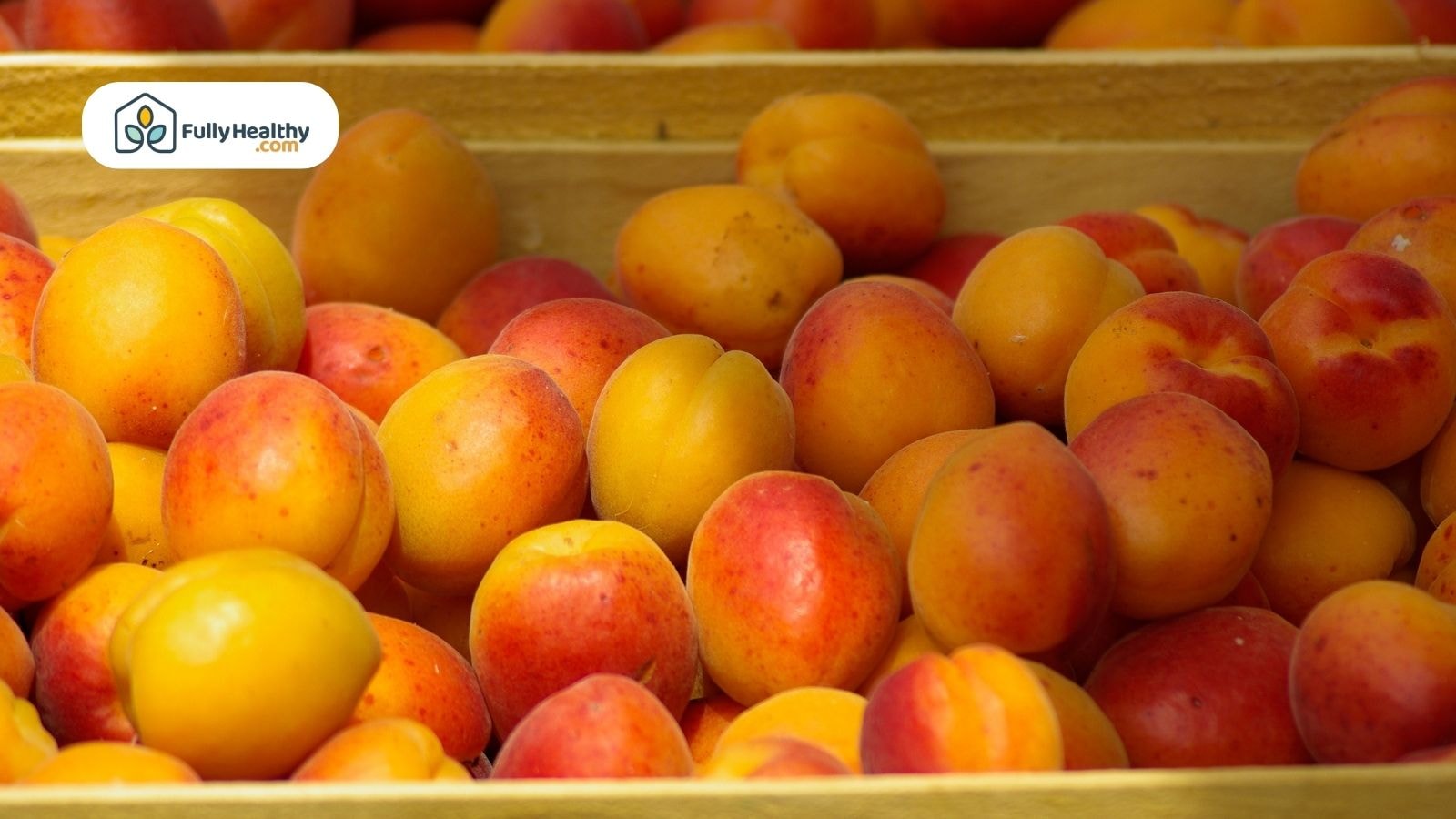 Photo Credit: Canva Pro
Nutritional and Potential Health Benefits
The apricot seed has healthy fats, antioxidants, and essential oil. The seed oil and fleshy outer layer may help protect cells, lower oxidative stress, and soothe skin that is irritated.
-
Core nutrients: Includes beta carotene, vitamin E, magnesium, and unsaturated fats.
-
Antioxidant support: Offers protective antioxidant effects from volatile compounds and phenolic content.
-
Skin health: Seed oil helps soothe dry or irritated skin and may improve skin color tone.
-
Digestive role: Dried fruit supports fiber intake and gut health.
Cancer Claims, Cyanide Danger, and Legal Status
A lot of people think that apricot seed can cure cancer when it really can't. Some lab studies have shown that it can cause apoptosis, but this is dangerous because of the hydrogen cyanide risk.
-
Cancer myths: Claims that apricot kernels treat cancer are not backed by clinical evidence.
-
Toxic component: Amygdalin, also called vitamin B17, is highly toxic in large doses.
-
Legal status: Apricot seed extract is banned for use as a cancer treatment in many countries.
-
Scientific position: Studies in journals like food chem toxicol and environ sci health highlight both potential and danger.
How Many Apricots Should I Eat a Day?
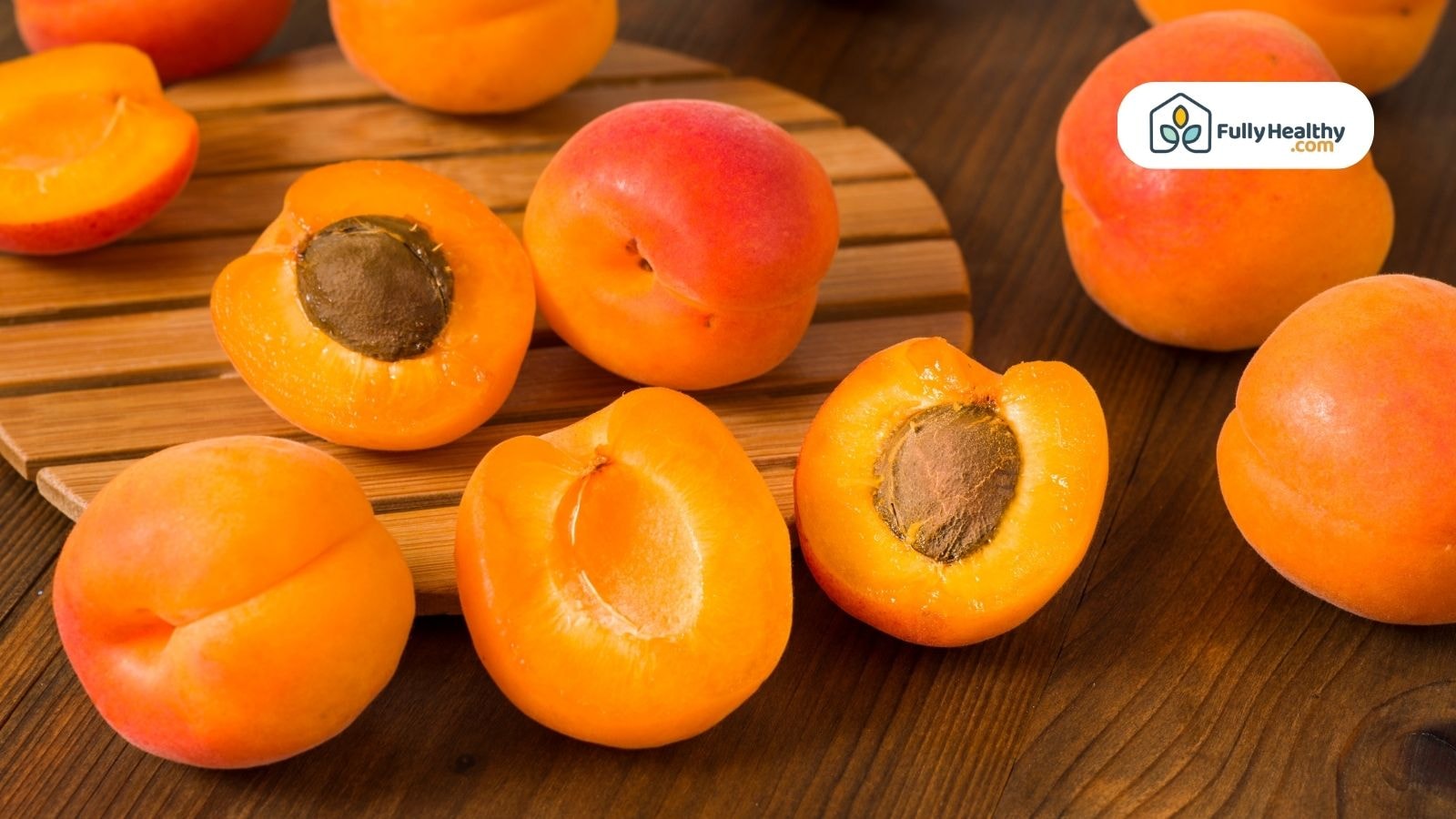 Photo Credit: Canva Pro
Dried vs. Fresh Apricots – Safe Daily Intake
While apricot fruit is high in nutrients, it's important to watch how much you eat. Dried apricots are high in sugar, while fresh ones are higher in water content and lower in calories.
-
Serving size: 4–6 dried apricots or 1–2 fresh apricots daily is generally safe.
-
Nutritional value: Provides vitamin A, fiber, beta carotene, and potassium.
-
Sugar caution: Dried fruit can raise blood sugar if eaten in excess.
-
Body weight impact: High intake of dried apricots may contribute to weight gain over time.
Ayurvedic and Traditional Use Guidelines
Carefully chosen apricot kernels were used in traditional systems like Ayurveda. Bitter apricot seeds were often mixed with very small amounts of other plants that were used for medicine.
-
Historical use: Semen armeniacae from prunus armeniaca was used to treat constipation and respiratory diseases.
-
Risk awareness: Ancient texts like zhonghua nan ke xue noted adverse effects from excess use.
-
Cultural methods: Used in topical form with seed oil or essential oil for skin and vaginal infections.
-
Modern limits: Medicinal use is discouraged today due to risk of hydrogen cyanide toxicity.
What Fruit Gives You the Most Testosterone?
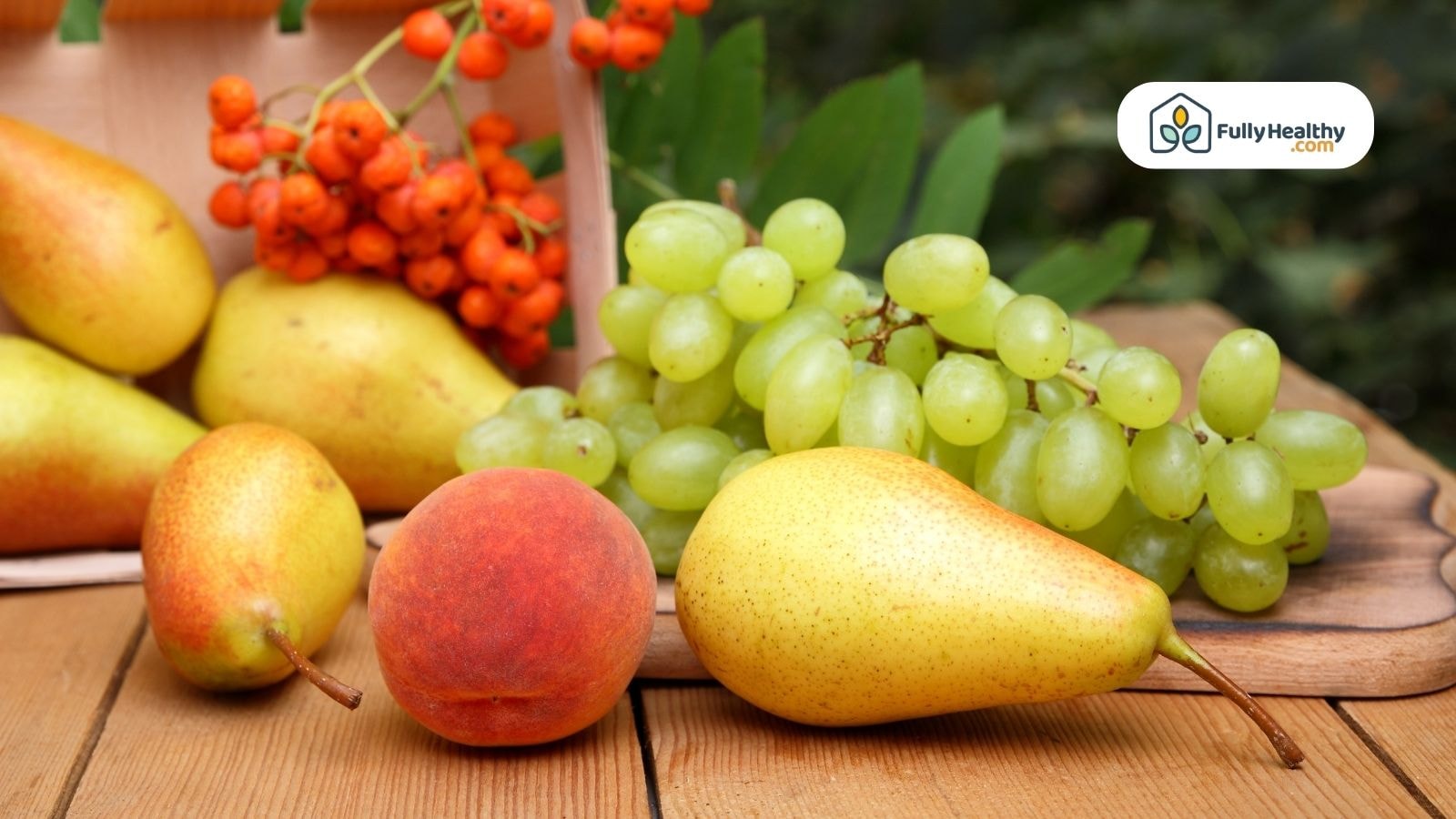 Photo Credit: Canva Pro
Top Fruits for Testosterone Support
Some fruits help testosterone levels by changing the way hormones are made through natural compounds. Pomegranate and avocado are two of the best options because they are high in nutrients and have been shown to work in both human and animal studies.
-
Pomegranate benefits: May reduce cortisol and improve testosterone based on in vitro study data.
-
Avocado power: Contains monounsaturated fats and vitamin E that support luteinizing hormone function.
-
Banana factor: Includes d-aspartic acid and enzymes linked to testosterone production.
-
Apricot contribution: Apricot fruit offers minerals and phenolic compounds that assist hormone regulation.
Essential Nutrients from Fruit That Impact Hormones
Some nutrients have a direct effect on the levels of testosterone and other hormones. Minerals, vitamins, and bioactives like these can be found in a lot of fleshy fruits, like apricot extracts and dried fruit.
-
Magnesium: Present in fruits like banana and avocado; supports enzyme activity and testosterone levels.
-
Zinc: Found in dried apricots and legumes; essential for male hormone health.
-
Vitamin D: Vitamin D is not found in apricots or seeds naturally, but is available in fortified products.
-
Flavonoids: Present in apricot kernels and skin; known for protective antioxidant effects.
Inside FullyHealthy: Natural Wellness & Apricot Products
What Is FullyHealthy?
FullyHealthy is an online store that sells high-quality health and wellness products. It has snacks, foods, and supplements that are meant to help with digestion, hormone balance, and overall health.
-
Core mission: Offers clean, tested products for natural hormone and nutrition support.
-
Audience served: Targets general consumers seeking natural, non-synthetic health options.
-
Ingredient transparency: Products feature small amounts of real fruit, seeds, and essential oil.
-
Focus area: Includes apricot-based items and other medicinal plants in snack form.
Apricot-Based Products We Offer
There are many healthy products at FullyHealthy that contain apricots and highlight the nutritional benefits of this fruit. Each product has exactly the right amount of ingredients that support hormone health without the bad effects that come from bitter apricot seeds.
-
That’s It Apple Apricot Bar: Combines apple and apricot fruit without added sugars or preservatives.
-
Made in Nature Dried Apricots: Organic dried apricots rich in fiber, beta carotene, and iron.
-
Wild Zora Orchard Mix: Includes cherries, apples, and apricots in a whole-food snack format.
-
St. Dalfour Apricot Conserves: Made from whole apricots. Ideal as a healthy spread for breakfast.
Final Thoughts
Studies by Kováčik A, Kováčiková E, and Kopčeková J suggest that bitter apricot kernels may not help hormones very much. However, the sweet peach flavor and cyanogenic compounds make them less safe.
Appropriate compounds have strong anti-amyloidogenic activity in agricultural and phytochemical research, but they should only be used in food if they are good, not just because they are popular. More research needs to be done on how armeniaca vulgaris lam works with other medicinal plants. Always prioritize your health before following trends.
FAQs
Do bitter apricot seeds affect lipid and endocrine profile?
Yes, bitter apricot seeds may alter lipid and endocrine profile based on in vivo study with armeniaca vulgaris lam and kovacik a.
Does dried apricots increase testosterone?
Dried apricots provide minerals and fiber, but there’s no direct evidence linking them to increased testosterone.
Do apricots increase estrogen?
Apricot fruit and extracts have shown mild estrogen-like effects in diet studies from phytother res and food chem toxicol.
Are apricot seeds high in arginine?
Apricot seeds contain very small amounts of arginine and enzymes that impact quality and enzyme activity.
Are bitter apricot kernels studied for potent anti amyloidogenic activity?
Yes, bitter apricot kernels have shown potent anti amyloidogenic activity in vitro based on agric food chem and phytother res.
Leave a comment