

Do Bananas Have Seeds? What Most People Get Wrong with the Banana Plants
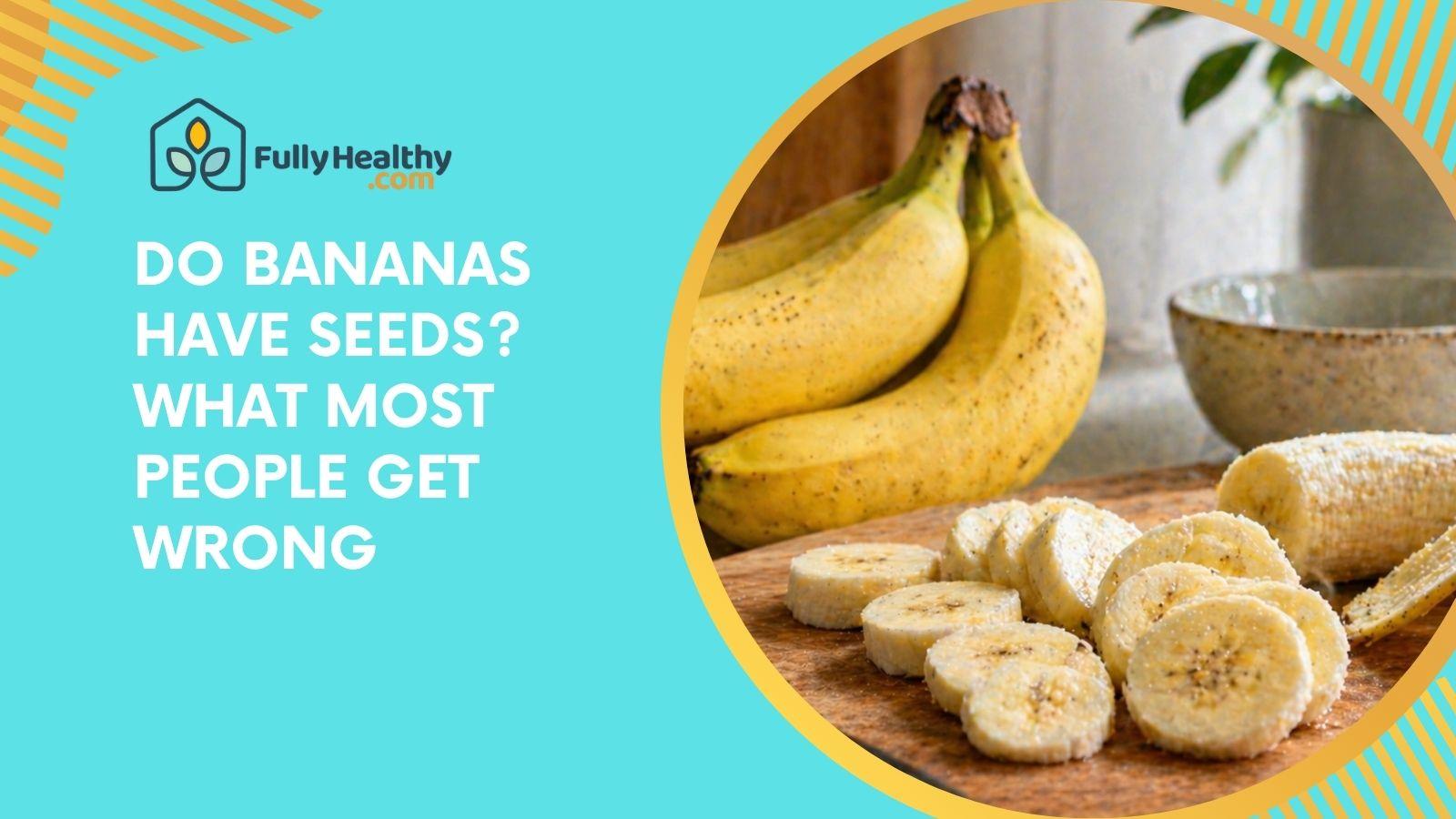
Do bananas have seeds? The seeds in wild bananas work, but most bananas you buy in stores don't. It's not possible to grow new plants with the tiny black dots inside. Today, most edible bananas are propagated vegetatively from suckers, corms/rhizomes, or tissue-cultured plants rather than seeds.
This makes them easier to eat, but it also makes them more likely to get sick. This article will explain why bananas don't have seeds and show how they stack up against other fruits.
Do Bananas Have Seeds?
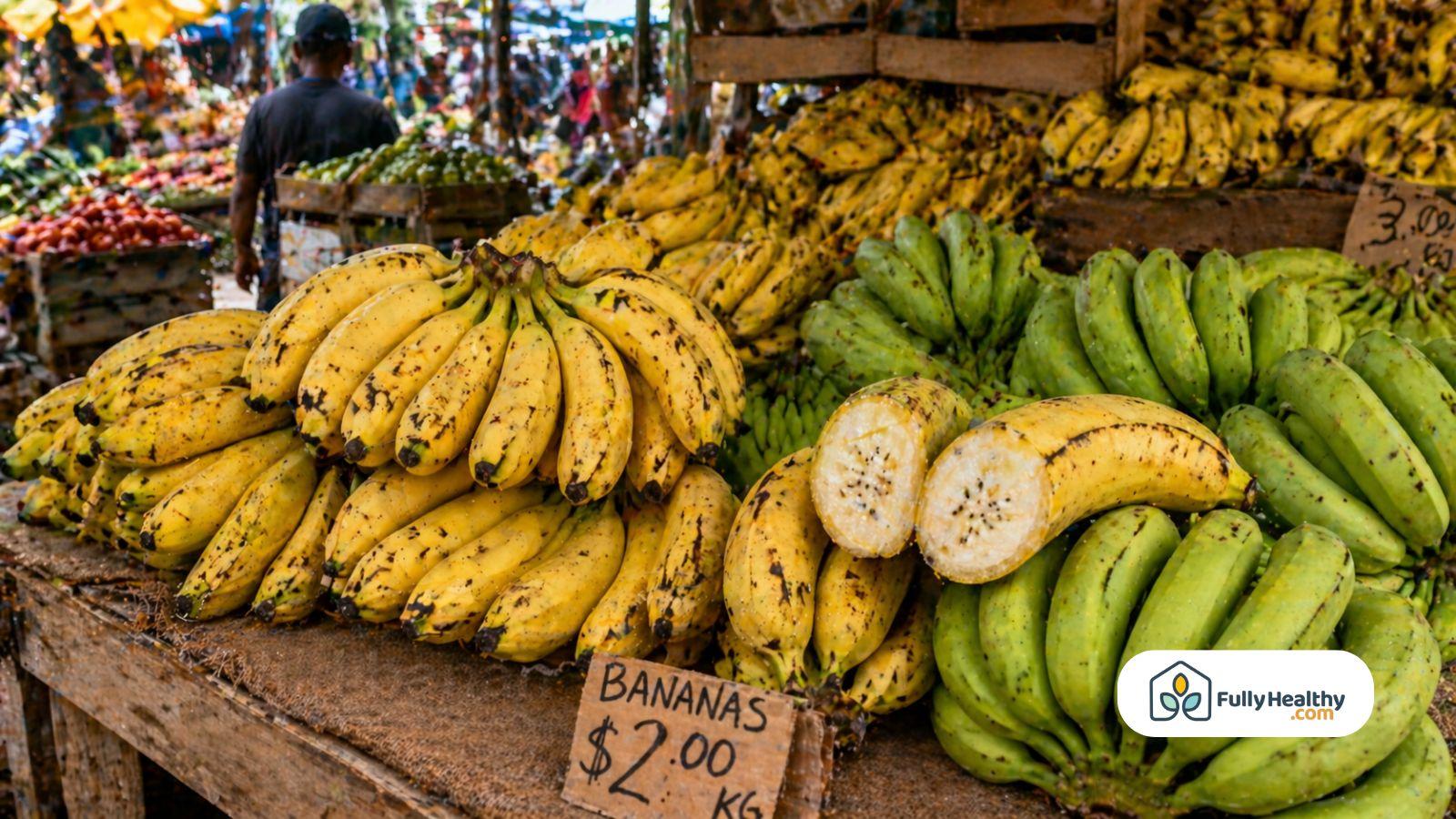
Wild banana species contain large banana seeds. For example, wild bananas have hard seeds, but bananas you buy in stores usually don't. The flesh of modern bananas is soft, sweet flavor, and easy to eat.
Do Bananas Have Seeds In The Wild Vs. Today
Wide-ranging types of bananas have big banana seeds. As a result, these tough seeds make the fruit hard to consume. Similar to Cavendish bananas, store-bought bananas only have small black dots inside. These dots are undeveloped ovules/seeds and are not viable seeds.
-
Wild bananas: They have hard seeds and are not easy to eat.
-
Modern bananas: They are soft, sweet, and usually seedless.
-
Small black dots: These are undeveloped seeds, not viable seeds.
-
Main difference: Wild bananas commonly reproduce by seeds; cultivated edible bananas are mainly propagated vegetatively.
Why Modern Bananas Don’t Have Visible Seeds
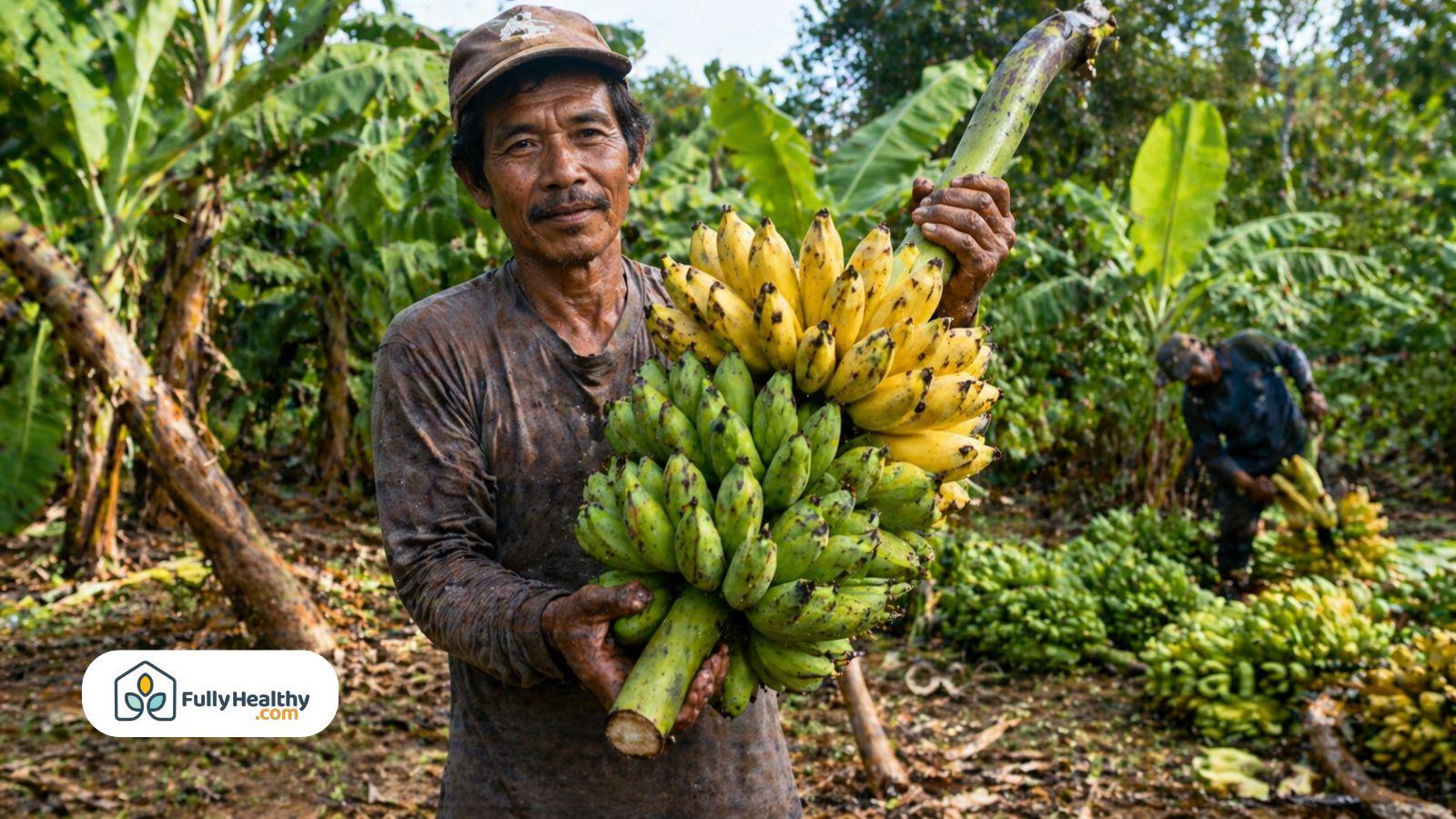
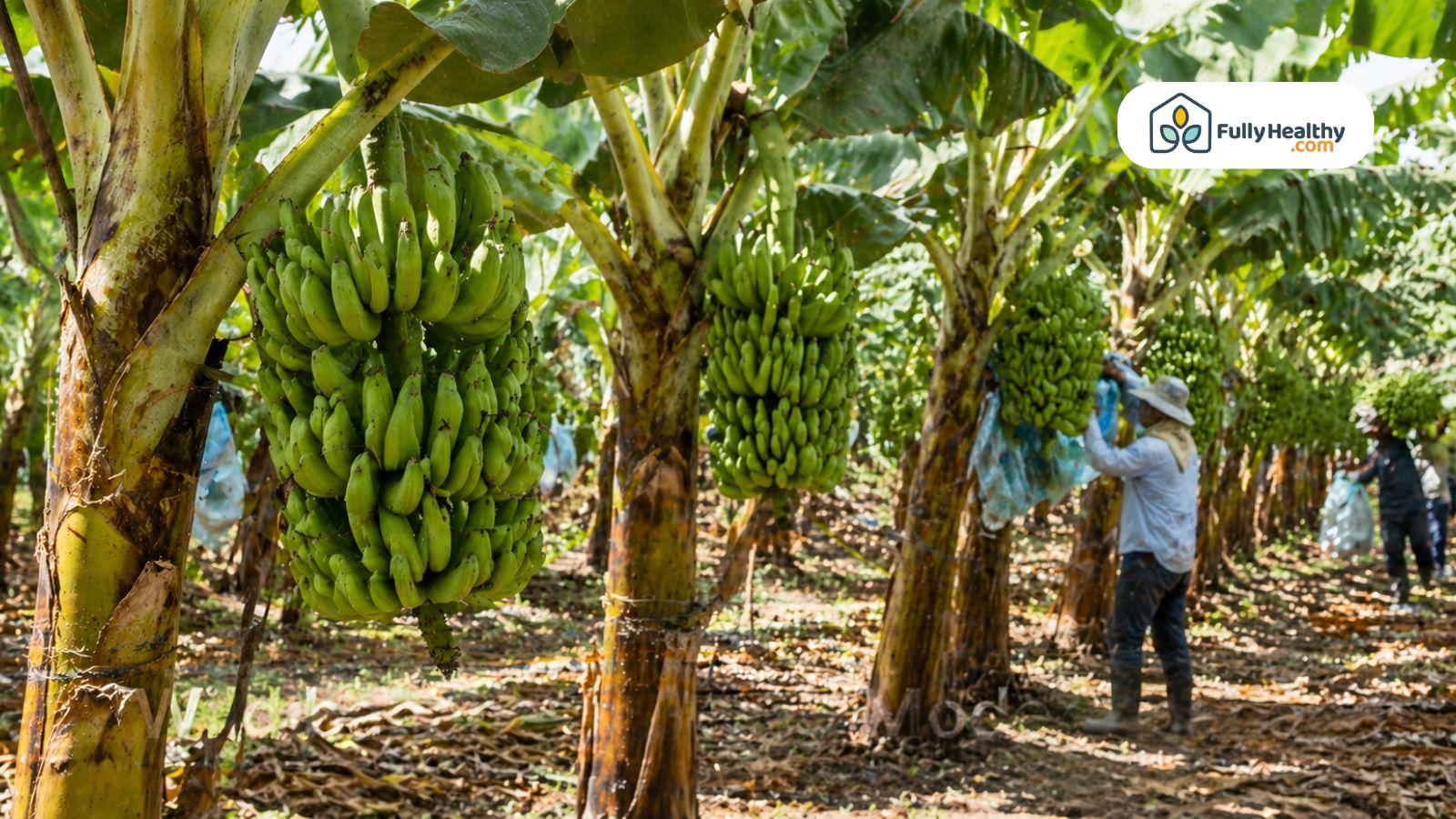
Most store-bought bananas are cultivated varieties. Growing them from shoots or cuttings instead of seeds is how farmers do it. Keeping the fruit the same size, taste, and texture is important.
-
Seedless growth: Store-bought bananas cannot grow from normal seeds.
-
Banana plant: New plants grow from the roots or underground stem.
-
Easy eating: No hard seeds means the flesh is smoother.
-
Main risk: Low genetic diversity makes bananas more likely to suffer from disease.
Are Bananas A Seedless Fruit?
Yes, bananas are generally called fruits without seeds. Even though they're not seeds, they are still real fruits. This is why most people never see banana seeds when they peel and eat one.
What “Seedless Fruit” Actually Means
A seedless fruit generally lacks viable seeds, so it usually cannot be used to grow the same plant from seed. Any little dark spots on a banana are not seeds that can grow.
-
Seedless fruit: It has no viable seeds for planting.
-
Banana specks: The tiny dots inside are undeveloped seeds.
-
Edible bananas: They were bred to be softer and easier to eat.
-
Simple meaning: Seedless does not always mean zero seed traces.
How Humans Made Bananas Seedless Over Time
It was easier to eat bananas that had fewer seeds, so people chose those types. Breeding has helped make the sweet bananas we eat today possible over time.
-
Breeding goal: Farmers wanted better taste, softer flesh, and fewer seeds.
-
Cultivated varieties: These bananas became common because they were convenient.
-
Cavendish bananas: Cavendish bananas dominate the global export market, though many other banana cultivars are grown and eaten locally.
-
Disease problem: Similar banana plants can be highly susceptible to crop disease.
Which Fruit Has 1000 Seeds?
Large pomegranates can contain about 1,000 arils or more, with seed number varying by cultivar and fruit size. This number is different for each type and size of fruit. It's not at all like bananas today because of this.
Why Pomegranates Are Known For Many Seeds
The many juicy seeds in pomegranates are known as arils. Each aril contains a seed; both the juicy aril and seed are edible. There may be more than 1,000 seeds in some pomegranates.
-
Seed count: A pomegranate can have about 200 to over 1,000 seeds.
-
Arils: These are the juicy, edible parts around each seed.
-
Fruit purpose: Seeds help plants reproduce and spread.
-
Reader takeaway: Bananas are unusual because they do not rely on visible seeds.
How Seed-Rich Fruits Differ From Bananas
Fruits that are full of seeds help new plants grow. Bananas are different because they are grown from shoots or cuttings instead of fruit.
-
Pomegranates: They produce many seeds for reproduction.
-
Bananas: They are usually grown from new growth near the parent plant.
-
Genetic diversity: Seed-grown plants usually have more natural variation.
-
Farming impact: Cloned banana plants are consistent but more vulnerable to disease.
Which Fruit Has No Seeds?
Some fruits don't have hard, visible seeds, so they look like they don't have any. Seedless bananas are a good example. Even though they come from a banana fruit, they don't produce seeds that can grow into new plants. This makes them easier to eat as an edible fruit.
Common Seedless Fruits You Already Eat
It's possible to eat a lot of fruits without or almost without seeds. Some examples are bananas, grapes without seeds, some citrus fruits, and some cultivated types.
-
Seedless bananas: These are the common bananas sold in most stores.
-
Grapes: Many table grapes are bred to be seedless.
-
Citrus fruits: Some oranges and clementines have few or no seeds.
-
Easy eating: Seedless fruits save time and are more convenient.
Are Truly Seedless Fruits Natural Or Man-Made
Many commercial seedless fruits result from selective breeding or cultivation, though seedlessness can also occur naturally. Farmers breed bananas and other fruits to reduce seeds while keeping good taste, texture, and sweetness.
-
Wild species: Wild banana varieties usually have hard seeds.
-
Modern bananas: Triploid bananas can produce fruit but not viable seeds.
-
Parent plants: Two wild species, Musa acuminata and Musa balbisiana, helped form today’s bananas.
-
Origin history: Ethnobotany research links early banana use to Southeast Asia, New Guinea, and later regions such as West Africa.
What Does Fully Healthy Offer Related To Bananas And Seedless Diets?
Fully Healthy is an online store for people who need to follow a certain dietary plan. It doesn't explain how bananas grow, but it does help people on special diets find healthy foods that they can eat. This helps people who are looking at whole foods, banana-based recipes, and fruit options without seeds.
How FullyHealthy Supports Specialized, Clean Eating
Fully Healthy focuses on foods that are good for people on the AIP, gluten-free, and allergy-friendly diets. It helps people avoid labels that are hard to understand and find foods that are good for simple eating.
-
Diet support: The site offers foods for people avoiding gluten, allergens, or certain ingredients.
-
Clean choices: Products are organized to make shopping easier.
-
Better planning: Readers can choose foods that match their health goals.
-
Helpful context: Clean eating still depends on balanced nutrients, good soil, and careful food sourcing.
Which Banana-Related Or Relevant Products Can You Find
Fully Healthy sells natural sweeteners, snack mixes, seasonings, and baking mixes. Some items work well with banana-based recipes or easy desserts.
-
Banana-related option: The site lists an AIP-friendly banana bread mix.
-
Natural sweeteners: Coconut sugar and maple sugar can add sweetness without refined white sugar.
-
Recipe use: These products may help with snacks, breakfast, or baking.
-
Reader value: Always check ingredients to match your diet, taste needs, and health goals.
Final Thoughts
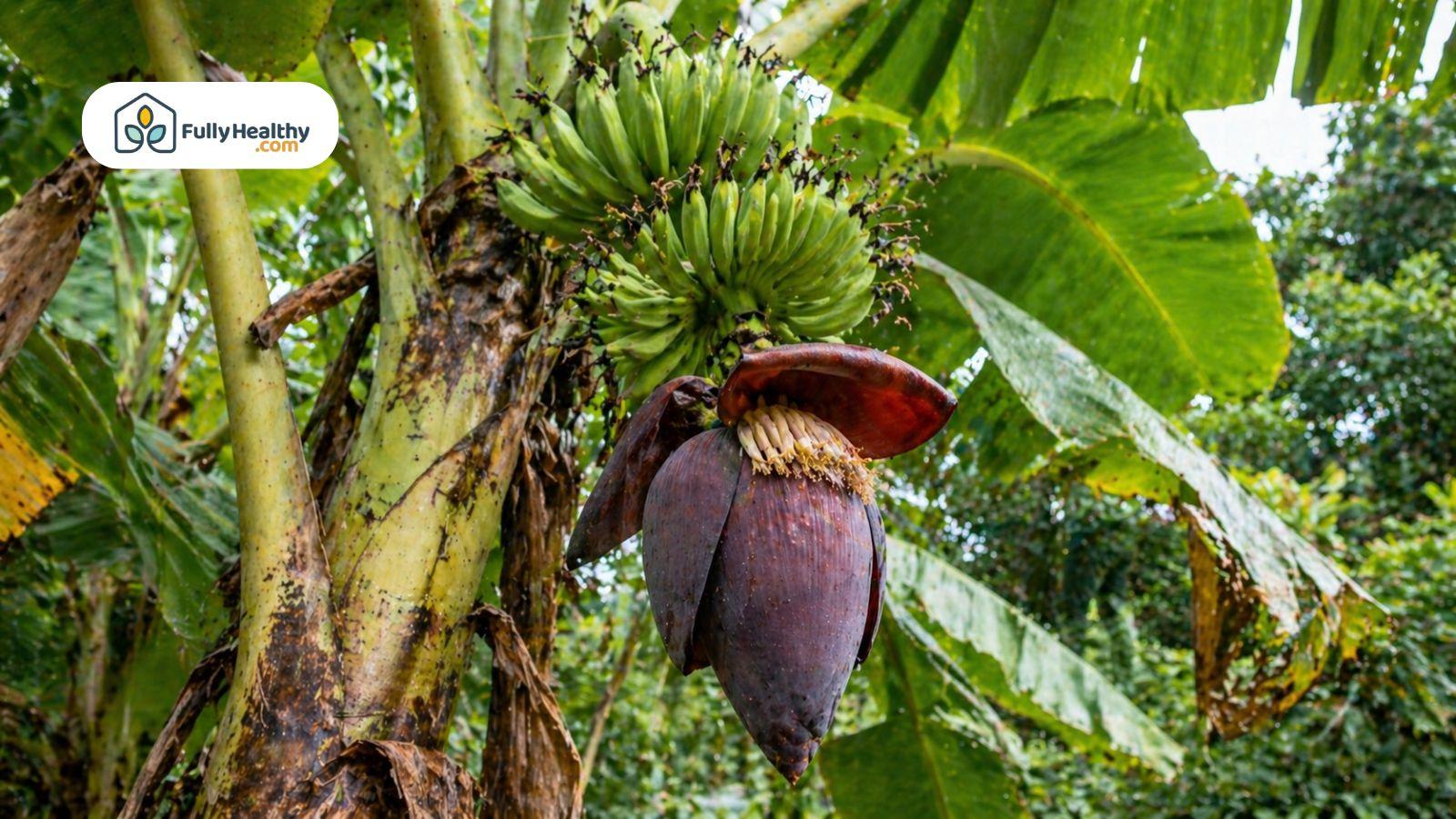
Bananas are botanically classified as berries, even though most people do not think of them that way. These days, banana plantations grow bananas from shoots instead of seeds. This is because cultivated bananas have female flowers that make fruit without fertile seeds. Even though this makes bananas easy to eat, but healthy growth still depends on good soil, care, and disease control.
FAQs.
What are the 7 super seeds?
The 7 super seeds include chia, flax, pumpkin, sunflower, sesame, hemp, and poppy seeds, often used in a garden diet and harvested from plants that grow close to the ground or on a stalk, similar to how fruits like strawberries or apple develop after pollination.
What is the #1 healthiest seed?
Chia seeds are nutrient-dense, but no single seed is scientifically established as the ‘#1 healthiest.
What is the rarest seed in the world?
Coco de Mer produces the world’s largest known seed and is rare/endangered; calling it the single rarest seed is unsupported.
What happens if I eat 1 spoon of chia seeds daily?
Eating one spoon daily can support heart health, digestion, and energy levels, as these seeds absorb water and expand, working efficiently in the body like nutrients absorbed from the ground.
What seed is a superfood?
Chia seeds are widely considered a superfood because they are rich in fiber, protein, and antioxidants, helping the body function well, similar to how plants grow from a strong stalk and produce fruit after proper pollination.
Leave a comment