

Do Bees Eat Honey? Facts You Didn’t See Coming
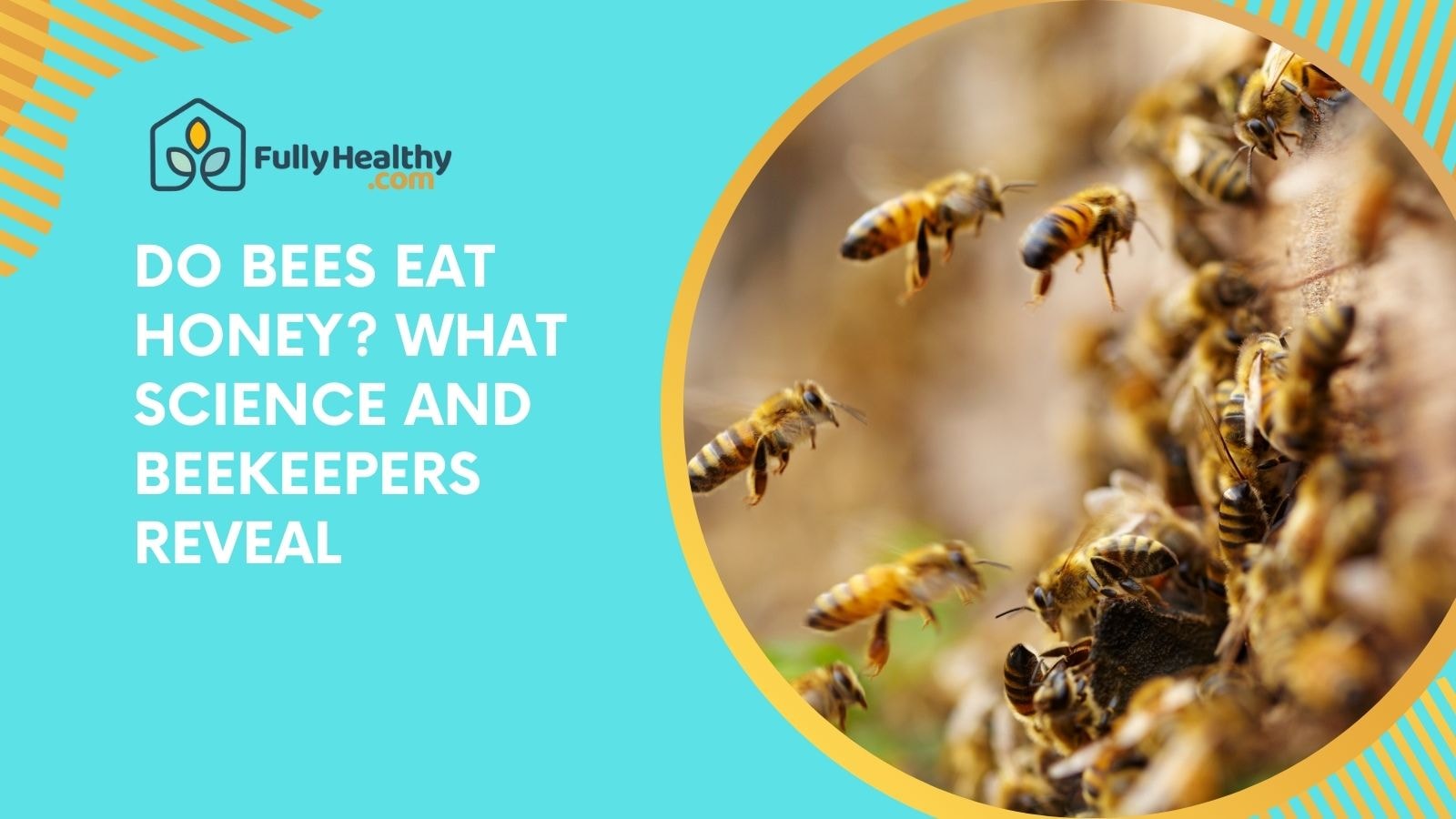 Photo Credit: Canva Pro
Do bees eat honey? Bees love honey. Indeed, honey is their main source of food, especially in the winter or when flowers aren't around. From nectar, they make honey and store it in the hive for food and energy. Some bees depend on honey, but not all of them do. Learn why bees eat honey, when they need it most, and how collecting honey can change them in this article.
🌞 Crunch Into Clean Energy – Try Lovebird Honey Cereal Now!
Do Bees Eat Honey?
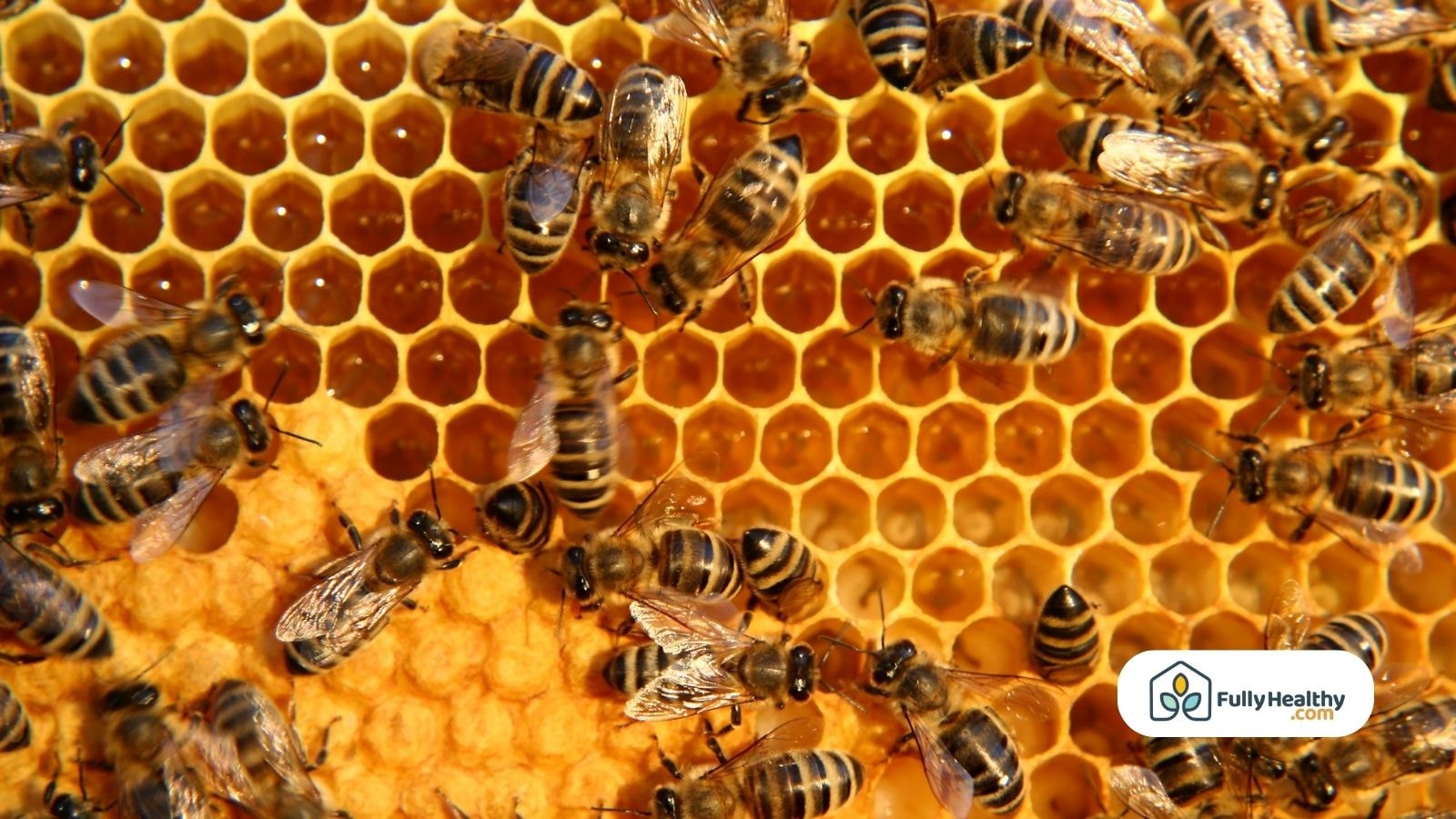 Photo Credit: Canva Pro
Do bees eat honey? Bees eat honey. In fact, honey is an important part of their diet and gives them energy. Honey bees work hard to gather nectar and turn it into sweet honey, not just for human beings but also for their own survival. Bees feed on the honey they make when they can't get fresh nectar, which happens a lot when it's cold outside. It helps the entire colony stay alive during bad weather.
Why Bees Eat Their Own Honey
When they can't find fresh nectar, bees eat honey to keep themselves going. The honey they make helps them fly and keeps the hive at the right temperature.
-
Main energy source: Honey has a lot of sugars that give instant energy for foraging bees.
-
Winter survival: Bees store honey to eat during cold weather, and there aren't many flowers around.
-
Different bee roles: Worker bees eat honey to stay strong for their jobs in the hive, and male bees (called drones) live off of honey that has been stored.
-
Brood care: Nurse bees mix honey with pollen grains to make a protein-rich paste called bee bread for the larvae.
-
Colony balance: Bees need to eat their own honey to keep the hive warm and raise their young.
When Bees Rely Most On Honey
When plants can't give them enough nectar, bees need honey the most. This happens with the seasons or when the environment is stressed.
-
During winter: Bees need honey that has been stored because flowers don't bloom.
-
Droughts or poor blooms: If there is less nectar, bees will eat more honey.
-
Supporting the hive: Beekeepers often feed the bees sugar syrup or dry sugar to keep them from going hungry.
-
Proper feeding: Feeding helps keep the colony alive, but only if it is done carefully and doesn't get pure honey dirty.
Can You Get Honey Without Killing Bees?
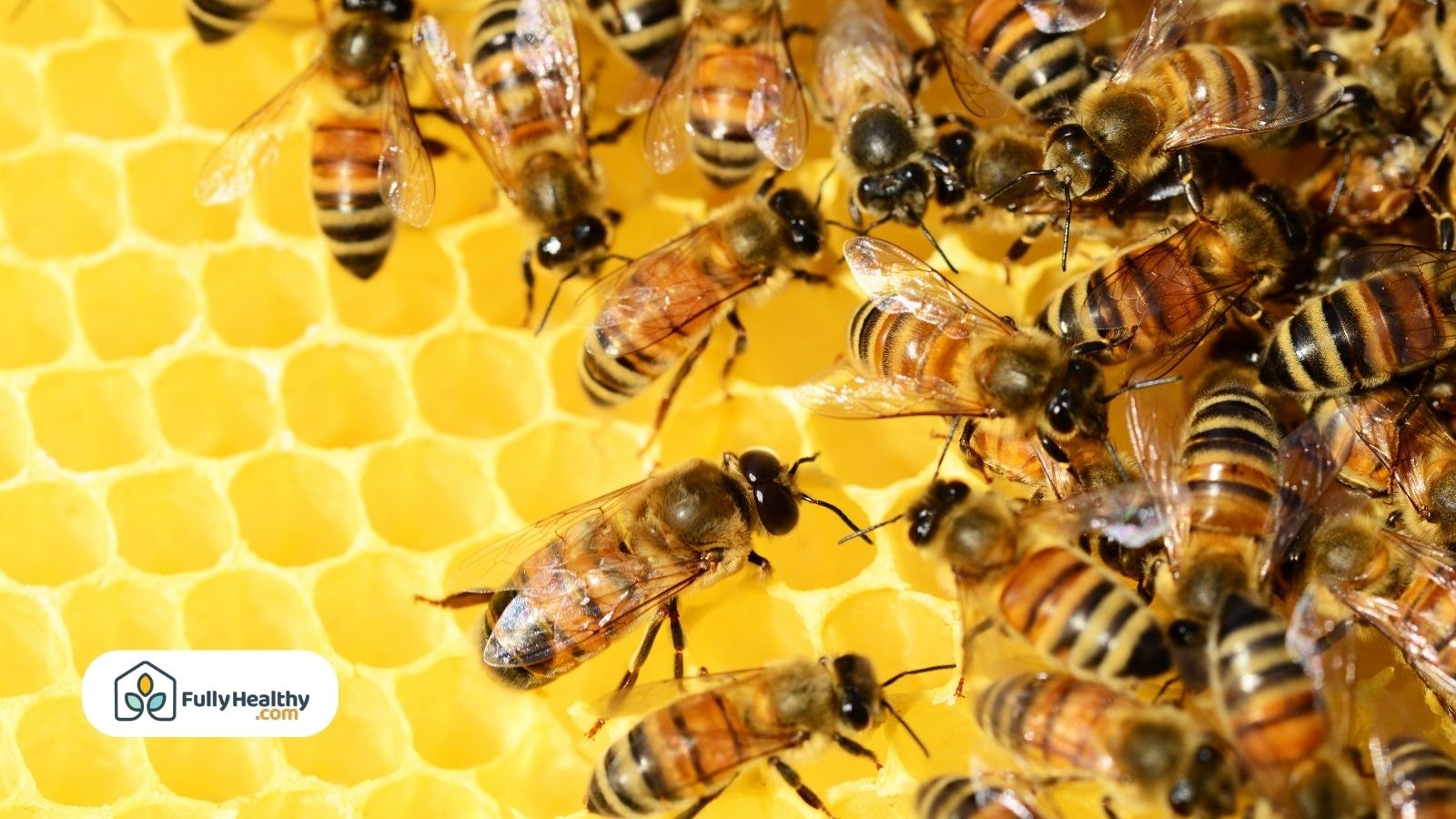 Photo Credit: Canva Pro
Bees produce honey to live, but people have figured out how to get extra honey from the hive without hurting it. Beekeepers who are responsible only take what the bees don't need and help the hive bees when they need it.
The Honey Harvesting Process
Bees make more honey than they need, and people can get that extra honey. However, not all honey production is moral.
-
Gentle removal: Movers of bees don't hurt them when they use smoke or brushes.
-
Honeycomb cells: To protect the brood nest, only capped honey is taken.
-
Raw honey vs. pure honey: Often, raw honey hasn't been filtered and is more like the honey that bees make.
-
Supporting bees: Beekeepers either leave enough honey or use sugar syrup as a backup food source.
How Beekeepers Protect The Hive
Not all human intervention is harmful. The colony stays healthy and strong thanks to skilled beekeepers.
-
Balanced harvesting: Extra honey is taken, but there is still enough for the winter.
-
Feeding help: When bees are low on sugar, they use dry sugar or sugar syrup.
-
Monitoring stores: You should check on the bees often to make sure they have the food they need.
-
New hive care: When keeping bees, hive health is very important.
Is Honey Really Bee Barf?
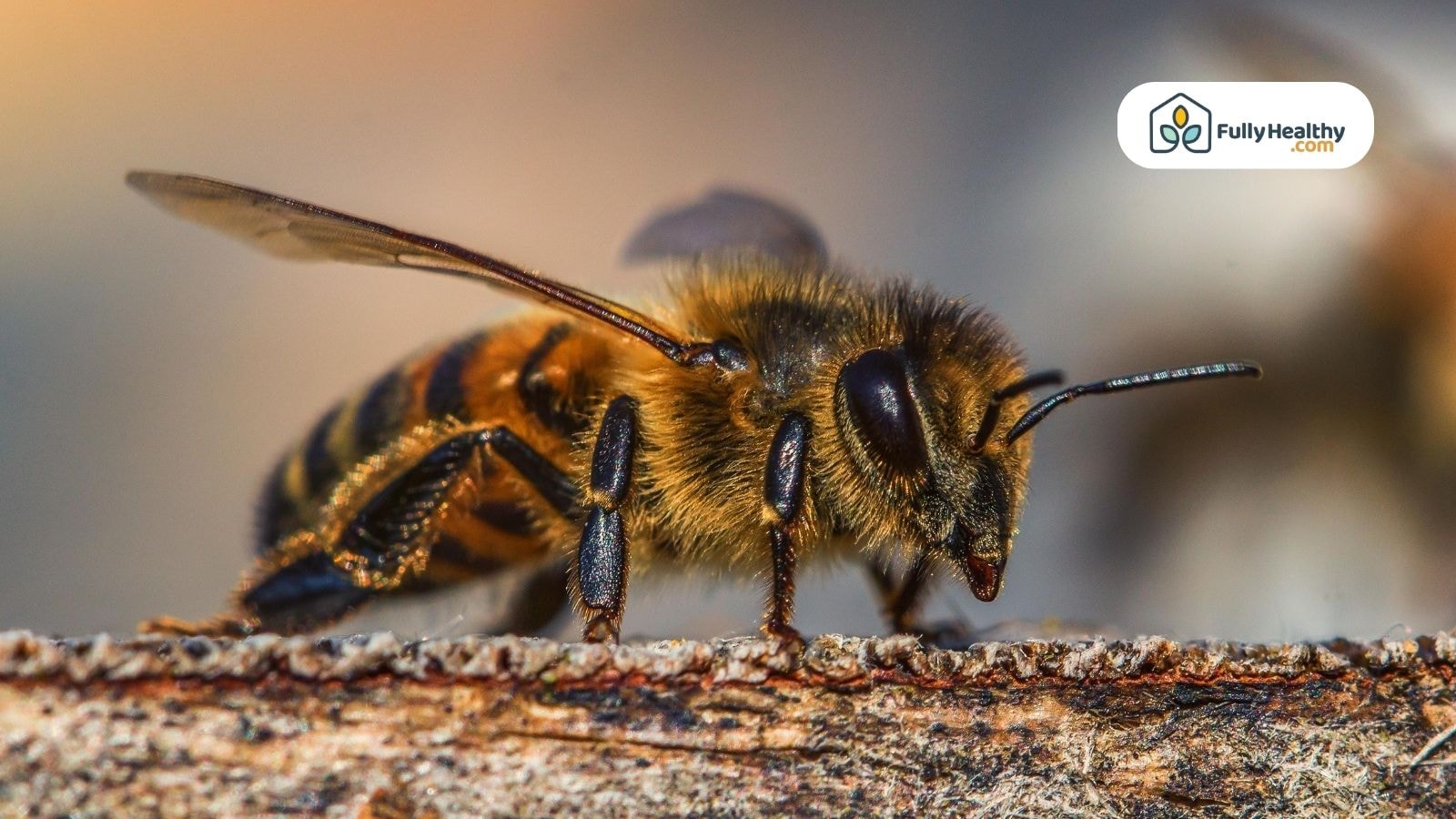 Photo Credit: Canva Pro
A lot of people say that honey is bee poop, but that's not true. The word "vomit" is wrong and gives the wrong impression.
What Science Says About Bee Digestion
Honeybees use a special part of their bodies called the honey stomach to make honey. It's not the same as their stomach.
-
Two stomachs: The honey stomach is where nectar is stored, and the digestive stomach is where food goes.
-
Enzyme action: Nectar is broken down into simpler sugars by enzymes such as invertase.
-
Regurgitation, not vomiting: Bees pass nectar back and forth, and it gets thicker, but it is never broken down.
-
Pollen transport: Female worker bees use pollen baskets to gather pollen, which they then use to make bee bread.
Why The Barf Claim Persists
People think bees vomit because they don't understand how bees make honey.
-
Trophallaxis: Bees that are out foraging share nectar with other bees by moving it from mouth to mouth.
-
Feeding larvae: First, the larvae are fed royal jelly. Then, a mix of honey and pollen is given to them.
-
Queen bee diet: While queen bees are primarily fed royal jelly, adult queens may also consume small amounts of honey for energy.
-
Public confusion: Myths about how honey is made are spread by using words like "barf" in the wrong way.
Is Honey Cruelty Free?
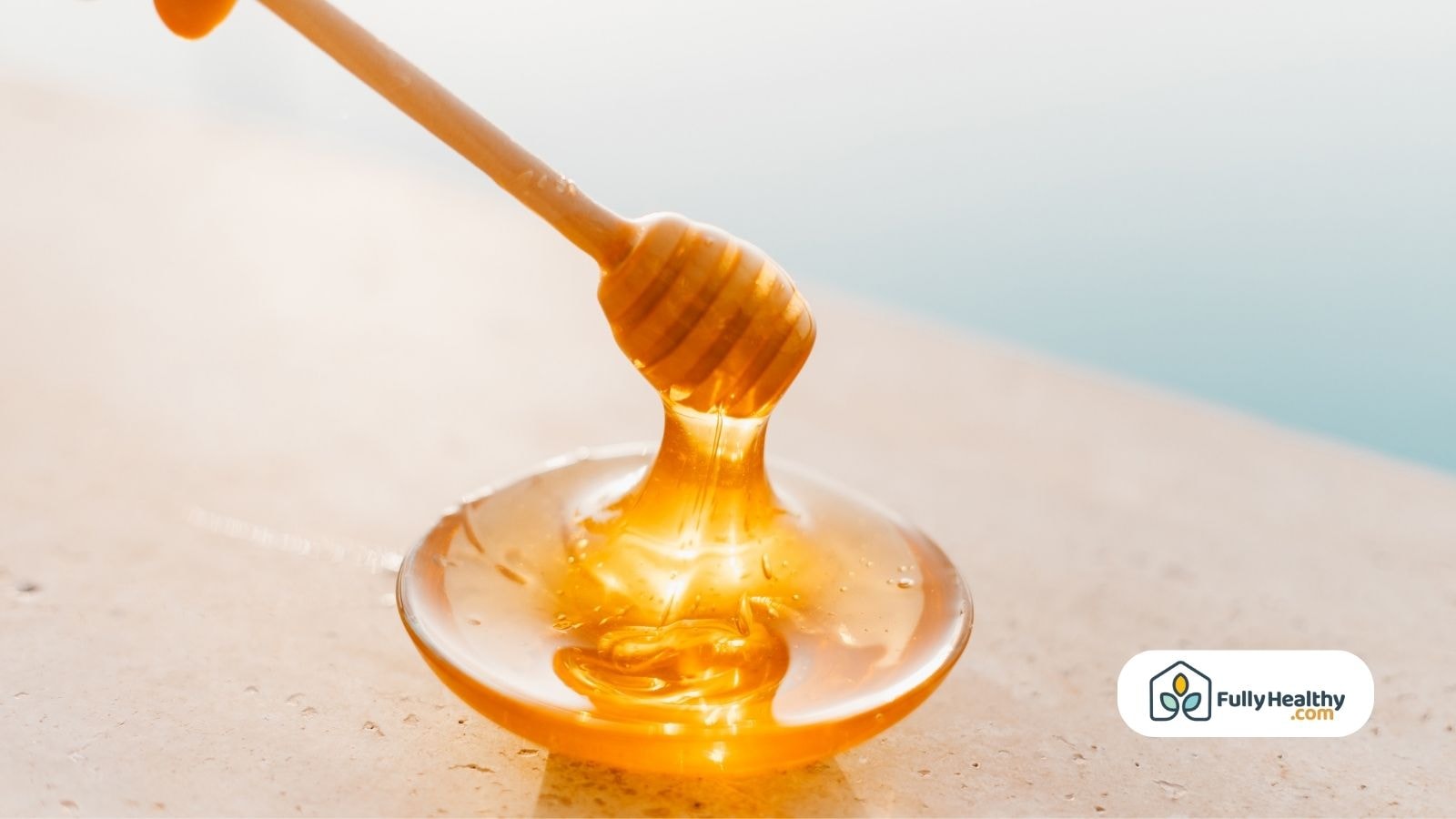 Photo Credit: Canva Pro
A lot of people aren't sure if honey really doesn't involve any animals. Honeybees make honey for themselves, but eating it raises moral questions. Unlike bees, butterflies do not produce honey; they consume nectar solely for their own energy needs. They do this to take care of their hive.
Human activity in commercial settings can disrupt bee nutrition, stress colonies, put stress on colonies, and even hurt whole bee populations. The real question is not "Do bees eat honey?" but "Are we hurting them when we take it?"
Ethical Issues In Commercial Honey
For higher yields, commercial honey production often involves managing or controlling the hive bees. In addition to causing stress, this can change how bees normally act.
-
Queen bee control: Within some operations, the queen bee may have her wings cut off so she can't leave the hive.
-
Feeding substitutes: While sugar syrup can be used instead of honey, it is missing important nutrients and amino acids.
-
Stressful practices: Bees' ability to eat and interact with each other can be changed by using smoke and hive confinement.
-
Colony losses: Some colonies, especially new colonies or weak ones, might not have enough honey left over after harvest to make it through the winter.
What Ethical Beekeeping Looks Like
Beekeepers don't always hurt bees. Responsible practices and leaving enough honey are important parts of ethical beekeeping.
-
Balanced harvesting: The bees will eat honey when they need it most if you only take the extra honey in.
-
Proper feeding: Carbohydrate supplements are carefully chosen and only used when natural food sources are depleted.
-
Support for wild bees: Ethics-based actions help protect bee populations and encourage pollination by other insects and pollinators.
-
Preserving bee health: Responsible beekeepers keep worker bees safe and make sure the hive has a varied diet with a variety of plants.
What Does FullyHealthy.com Say About Honey?
FullyHealthy.com sells products that are good for people who have to watch what they eat and don't use ingredients that could hurt bee populations or raise ethical concerns. They don't sell honey or promote products made with honey. Instead, they focus on alternatives that are better for people's health and don't attract bees.
Does FullyHealthy Sell Honey Or Honey-Based Products?
FullyHealthy does not sell delicious honey or honey products that are safe for people to eat. However, they do offer sweeteners made from plants.
-
Honey products: They don't sell raw honey, only an unfiltered creamed honey.
-
Honey-free options: Instead of excess honey, maple sugar and sweeteners made from coconut are used.
How FullyHealthy Supports Alternative Diets
This site helps people stay away from allergens and promotes healthy eating.
-
No animal products: Some foods that are related to bees, like royal jelly and bee bread, are not in their catalog.
-
AIP support: Products are safe for people who don't want to eat pollen grains or sweeteners made from flowers.
-
Plant-based focus: They help food sources that don't depend on beehives or bother bee colonies.
Final Thoughts
Bees need honey to stay alive, especially when flowers aren't blooming, like in the winter. Honey bees make honey from nectar and store it in the hive as an important food source. Bees, including the queen bee and worker bees, need honey stores to stay alive.
Ethical beekeepers help protect bee populations by not taking too much honey and leaving enough for the bees to eat. Whether it's for people to eat or to keep bees healthy, making honey helps more than just sore throats; it helps life.
FAQs
Can you eat 20-year-old honey?
Yes, raw honey lasts forever and is safe for human consumption, though the top box may crystallize.
Can bees eat raw honey?
Yes, bees eat raw honey from honey stores when nectar and flowers are low, especially in the winter months.
How long do bees live?
Worker bees live around 5–6 weeks during summer and up to several months in winter; queen bees live for years, but all bees need food like pollen and fed jelly.
Can humans make honey without bees?
Humans can produce honey alternatives using plant-based syrups, but these do not replicate the enzymatic process of honey production by bees.
Can honey bees survive without a queen?
No, without a queen bee, a honey bee colony cannot reproduce or maintain hive structure, eventually leading to colony collapse.
Leave a comment