

Do Bumble Bees Make Honey? The Truth Behind Their Tiny Nectar Pots
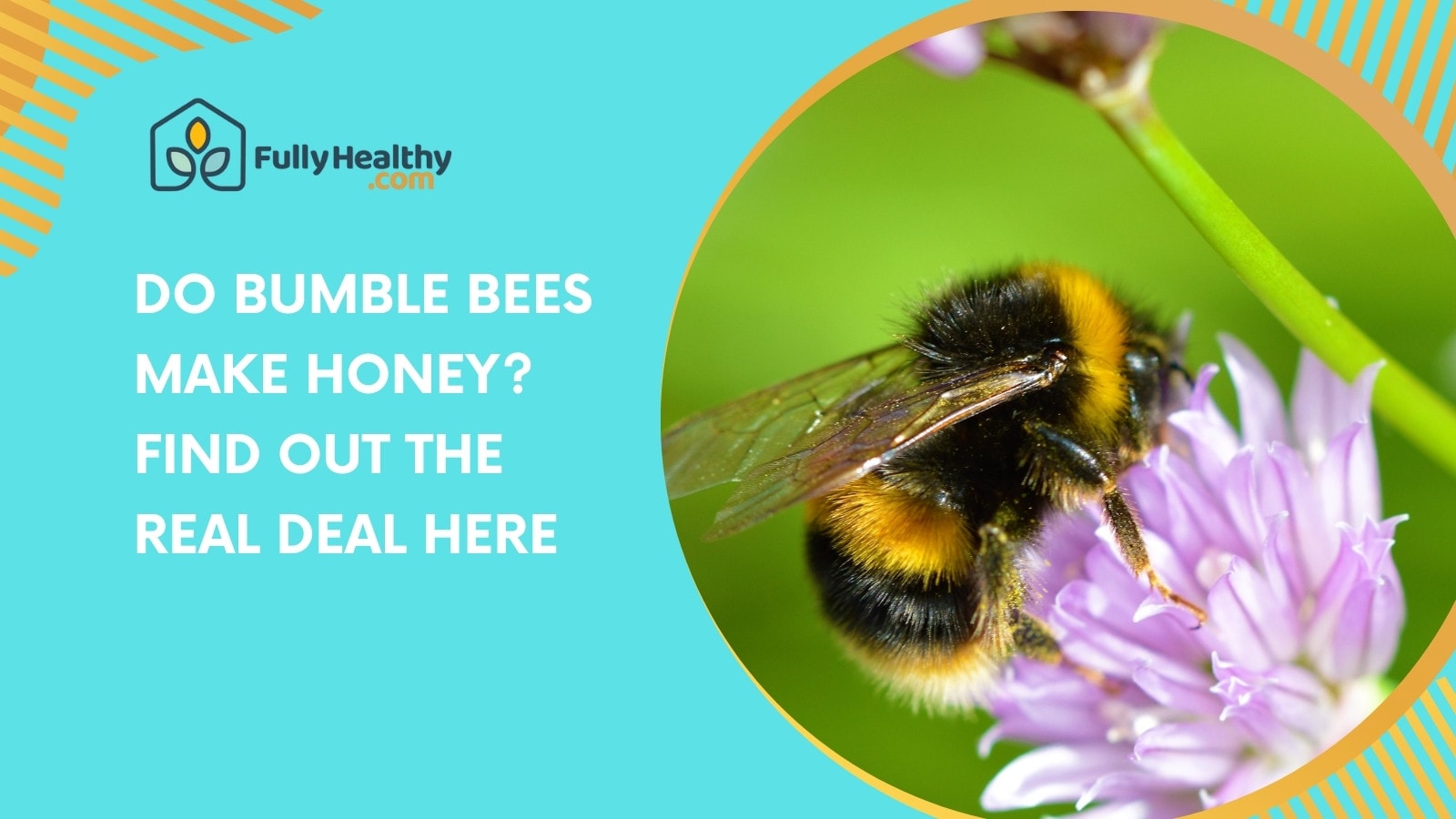 Photo Credit: Canva Pro
Do bumble bees make honey? Bumble bees produce small amounts of nectar-derived substance, but not true honey as defined by Apis mellifera standards.
Unlike honeybee hives, bumble bee colonies are small and seasonal. Their “honey” is rarely seen and never sold in stores. This article breaks down what bumblebee honey is, if you can eat it, and how it compares to the honey you know.
🍯 Brighten Your Morning – Lovebird Honey Cereal Awaits!
Do Bumble Bees Make Honey?
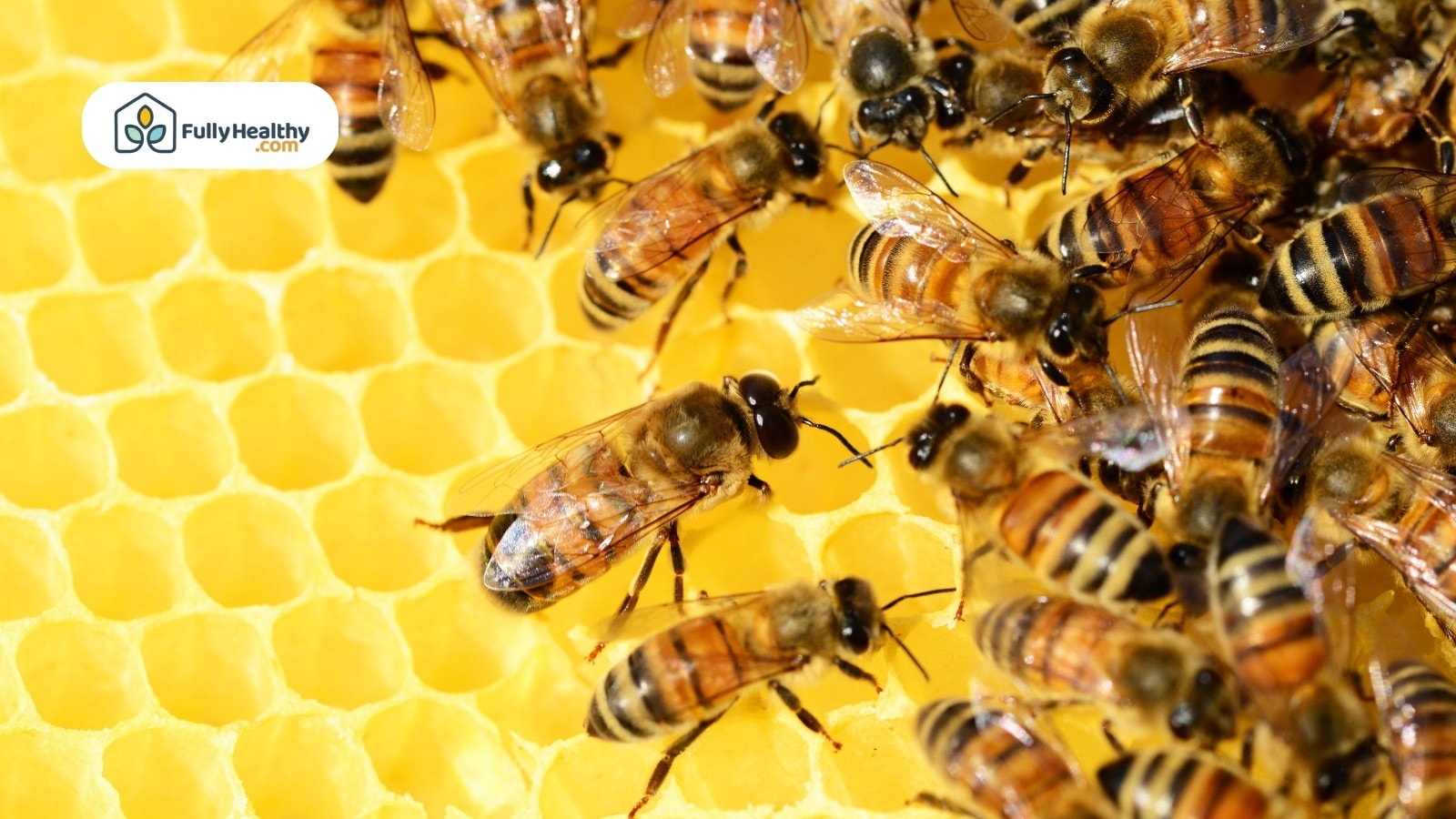 Photo Credit: Canva Pro
Bumble bees make honey, but bumble bees don't make it the same way. Theirs is a thin, nectar-like liquid that they make in small amounts to feed their colony. This "honey" isn't meant to be stored or harvested, and people don't gather it. The main goal is to keep the colony alive for one season, not all winter like honey bees do.
What Kind of “Honey” Do Bumble Bees Make?
Nectar is stored in wax pots within bumblebee nests, but it undergoes limited processing and does not become true honey. Adult bumblebees store it in small wax pots and feed it to the rest of the colony.
-
Purpose of the honey: It's mostly used to feed bumblebee larvae, the bumblebee queen, and female worker bees when it's cold outside.
-
Form and texture: It's more like stored nectar, it's thin and watery, and it's not as sweet or lasting as honey.
-
Short life cycle: Since most species of bumblebees don't live all year, they don't need to make a lot of honey.
Why Bumble Honey Bees Don’t Produce Harvestable Honey
The honey bees make a lot of honey to get them through the winter. They live in big, permanent colonies. Bees that sting don't work that way, though.
-
Seasonal colonies: During the winter months, bumblebee nests die, and only new queens live to start the colony over in the spring.
-
Small populations: Buff-tailed bumblebees and other species often only have a few hundred bees in their colonies, which is a lot less than honey bee colonies.
-
No extra honey: There is no extra honey to harvest from a bumblebee nest because the bees feed their young every day.
Can You Eat Bumble Bee Honey?
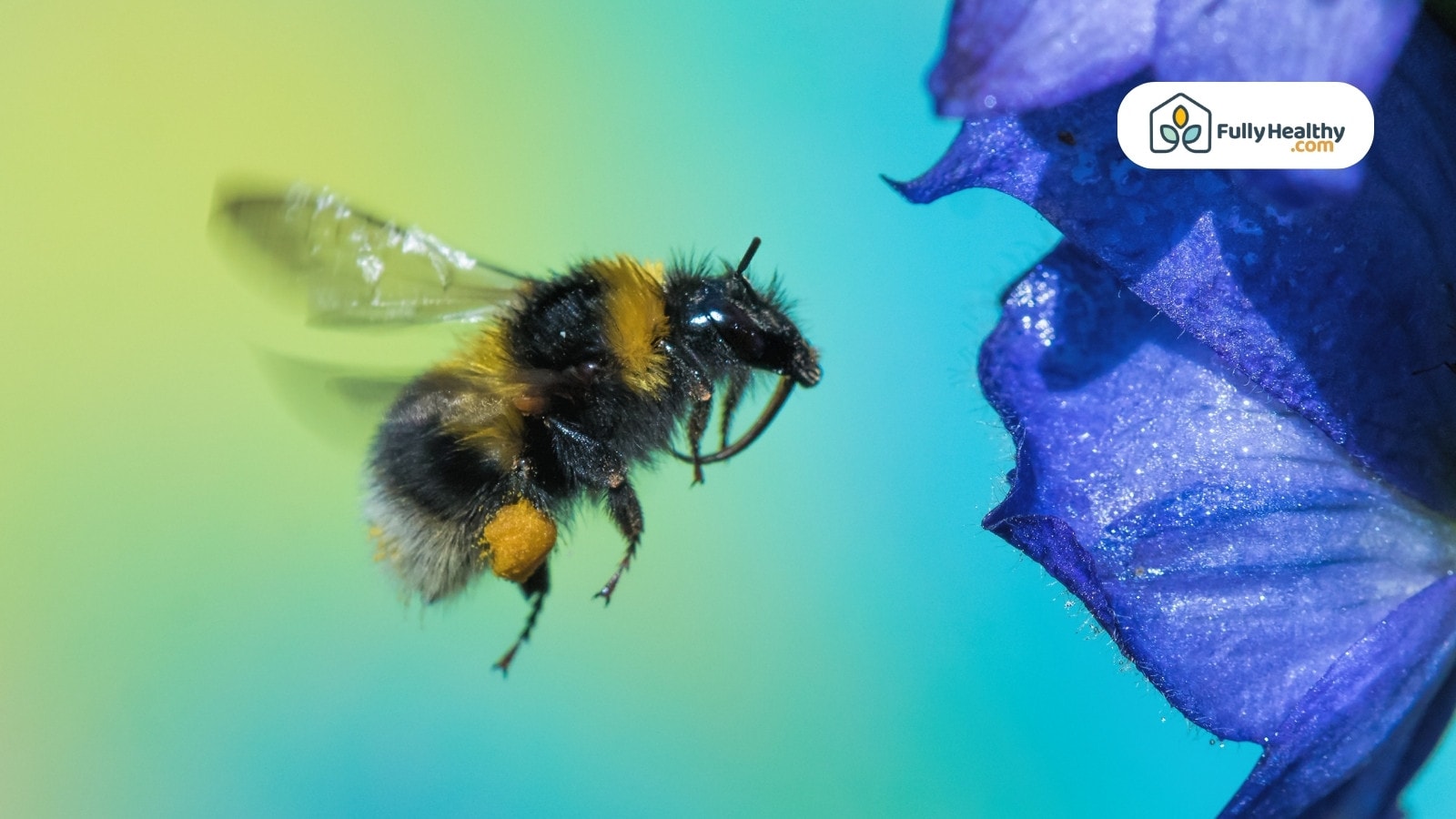 Photo Credit: Canva Pro
Though technically edible, accessing bumblebee nectar stores may disrupt wild colonies and is discouraged due to ecological concerns. It's hard to find, deep in nests, and not sold in stores. Bees should only use bumblebee honey; it's not for people.
Is Bumblebee Honey Edible and Safe?
Bumblebee honey isn't bad for you, but it hasn't been cleaned or processed for people. It is natural and raw, and it's mostly used inside the bumblebee nest.
-
Safe to consume: It’s edible, but it's not filtered like store-bought honey.
-
Made for bees: Bumblebees feed on this honey during bad weather or when food is scarce.
-
Found in the wild: You’d only find it if you came across a wild nest, maybe in a compost heap or underground.
Why You’ll Never See It on Store Shelves
Bumble bees don't make extra honey like honey bees or stingless bees do. Bumblebee colonies are too small to produce enough to harvest, even when they are at their busiest.
-
Low production: At least some species produce small amounts of nectar stored for short-term use.
-
No large-scale farming: Cuckoo bumblebees and other bees don’t make their own honey at all.
-
Focus is survival: Bumblebee honey is made only for feeding the colony—not for storing or selling.
Does Bumblebee Honey Taste Good?
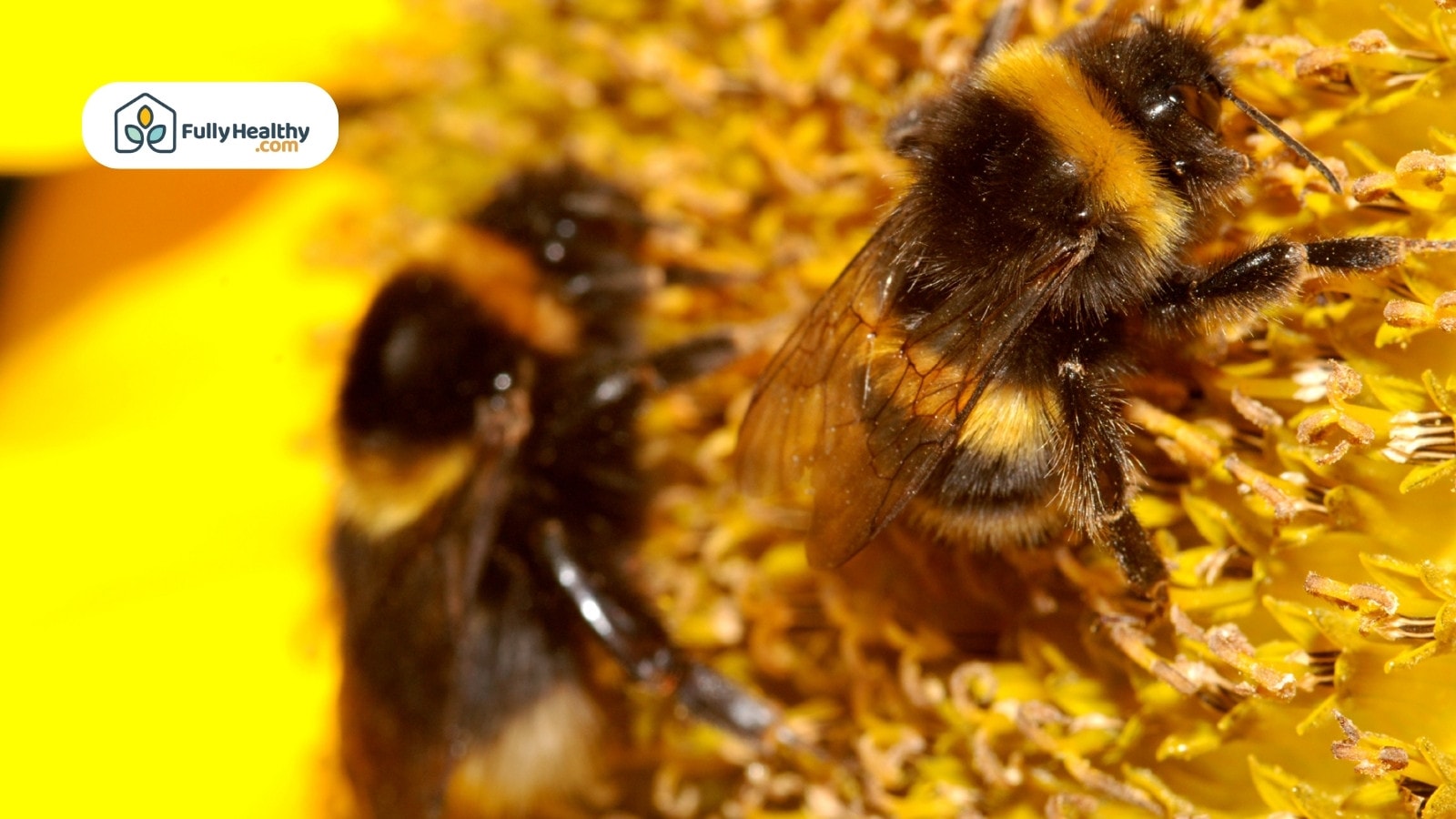 Photo Credit: Canva Pro
In rare cases, researchers and native groups have tasted bumblebee honey. Limited studies suggest that nectar stored by different bumblebee species may vary in taste and consistency, but data is sparse. It's lighter, tangier, and tastes different.
What People Say About the Flavor
Honey from bumblebees tastes very different, according to studies from South America and the Nordic countries.
-
Sour and earthy: It’s been described as grassy, tangy, or sour, depending on the bumblebee species.
-
Less sweet: It’s more watery and not as sugary as honey made by a honeybee queen’s colony.
-
Flavor changes by type: For example, bombus terrestris may produce honey that tastes different from the short haired bumblebee.
How It Compares to Honeybee Honey
Honey from honey bees is thick, sweet, and made in large amounts. Stored nectar from bumblebees is highly perishable and not intended for storage or consumption outside the nest.
-
Different purposes: Honey bees produce honey to last through winter; bumblebees feed their young queens and workers right away.
-
Not for storage: Bumblebee honey isn’t kept long-term like that of honey bees.
-
Not fit for markets: Only honey bees and stingless bees are useful in honey production for people.
Do Bumble Bees Sting You?
 Photo Credit: Canva Pro
Yes, bumble bees can sting, but they don’t do it often. These soft-bodied bugs try to stay out of fights and focus more on pollination than on being mean. Not like wasps, bumble bees only sting when they feel threatened, usually when they are close to their nest.
When and Why Bumble Bees Sting
Bees like the queen bumblebee and worker bees are the only ones that can sting. Men can't. These bees will sting you if they feel trapped or if you move their nest.
-
Stings are rare: Bumble bees are peaceful pollinators and avoid stinging unless forced to defend themselves.
-
Males don’t sting: Only females have stingers; males are harmless even if they fly close.
-
No barbed stinger: Bumble bees can sting more than once, unlike honey bees, but still rarely do.
-
Nest disturbance triggers stings: Accidentally stepping on a ground nest or poking around plants can provoke a defensive response.
Types of Reactions and What to Do
Different people react differently to stings. Most people with allergies only have mild symptoms, but some can have very bad ones.
-
Mild symptoms: Redness, pain, or swelling around the sting area.
-
Moderate reactions: Larger swelling or itching that spreads beyond the sting site.
-
Severe reactions: Trouble breathing, dizziness, or swelling in the face may indicate an allergy—seek emergency care.
-
Safety tip: Avoid touching bumble bees or their nests, especially during summer when egg laying is at its peak.
Can You Eat Honey Straight From a Beehive?
Yes, you can eat the honeycomb along with the honey straight from the hive. Honey straight from the hive tastes and feels different and is full of natural nutrients. Most people can do it without getting sick, and many people enjoy it for its health benefits.
What’s Inside Raw Honeycomb?
There is more in honeycomb than just honey. It has pollen, beeswax, and sometimes propolis bits in it. These are all things that bugs, like honey bees, make to keep their hive strong.
-
Raw honey: Contains enzymes, antioxidants, and trace amounts of pollen from nearby flowers.
-
Beeswax: Edible and chewy—some chew it like gum; others spit it out.
-
Pollen and propolis: Help support immune health and are often used in natural remedies.
-
High water content: Raw honey has slightly more moisture than processed honey, giving it a soft, smooth texture.
Is It Safe to Eat Raw from the Comb?
Most healthy adults can eat raw honeycomb without getting sick. Make sure it comes from a good place. Some people should stay away from it, like babies younger than 1 year old.
-
Safe for adults: Most people can eat honeycomb straight from the hive with no issues.
-
Avoid giving to infants: It may contain bacteria spores that are dangerous for babies.
-
Buy from trusted beekeepers: This lowers the risk of contamination from parasites or dirty handling.
-
Store it right: Keep honeycomb in a cool, dry place to prevent spoilage from its water content.
What Fullyhealthy Can Do for You
You can trust Fullyhealthy to sell real food made with clean, simple ingredients. They focus on things that are safe for sensitive diets and good for gut health, energy, and immune health.
Real-Ingredient Honey and Cereal Products
Fullyhealthy can help you find natural foods that were made with care. They have options that are naturally sweetened with honey and are full of nutrients, making them great for families and health-conscious shoppers.
-
Madhava Organic Creamed Honey: Unfiltered and smooth, it’s great for baking or spreading.
-
Lovebird Rise and Fly Honey Cereal: Sweetened with organic honey and made without grains.
-
Lovebird Cinnamon Cereal: A crunchy, real-food breakfast that skips refined sugar.
A Clean Mission Backed by Nature
Fullyhealthy backs eco-friendly products that are good for bugs, pollinators, and the earth. They only sell things that have high standards for ingredients and ethics.
-
Pollinator-friendly sourcing: Products help protect bees and support pollination through clean agriculture.
-
No synthetic ingredients: You won’t find fake flavors, additives, or preservatives.
-
Eco-conscious mission: Many products are from farms that care for the soil, plants, and pollinators.
-
Great for sensitive diets: Ideal for those avoiding grains, refined sugar, or processed foods.
Final Thoughts
Honey that bumble bees make isn't like the honey you buy in stores. They build smaller, seasonal nests that are more for survival than storage. These amazing insects are very important for pollination, food gathering, and keeping plants healthy in temperate areas.
They are very important to nature, even though they don't make honey that can be harvested like honey bees do. Bees like bumblebees are important pollinators, whether you see them gathering pollen or watching their wings flap through a garden. Consider their job and buy clean, eco-friendly brands that will help keep them and other animals in their ecosystem safe.
FAQs
Do bumble bees collect pollen while foraging?
Yes, bumble bees collect pollen during foraging and bring it back to their nests in temperate regions.
Can bumble bees overwinter like other members of the genus?
Only the queen bumblebee can overwinter; other members of the genus die off before winter.
Do bumble bees use wings for mating or escaping predators?
Yes, wings help bumble bees fly during mating flights and avoid predators.
Can you imagine bumble bees making jars of honey?
Imagine it, but no—bumble bees don’t make enough honey for jars or sale.
Is bumble bee life cycle about mating, overwinter, and foraging?
Yes, their cycle includes mating, overwinter survival by queens, and summer foraging.
Leave a comment