

Do Carrots Help Your Eyesight? Clear Answers for Healthy Eyes
Do carrots help your eyesight? This question comes up whenever eye health and diet are discussed. Carrots are good for your eyes because they contain nutrients, especially vitamin A, that the eyes need to work properly.
They help keep your eyesight normal, but they don't make your vision better than it naturally is. Knowing this difference helps keep your eyes healthy by giving you clear goals.
🥕 Taste the Veggie Twist — Carrot-Powered Marinara Without the Sugar!
Do Carrots Help Your Eyesight?
How Vitamin A Supports Normal Vision
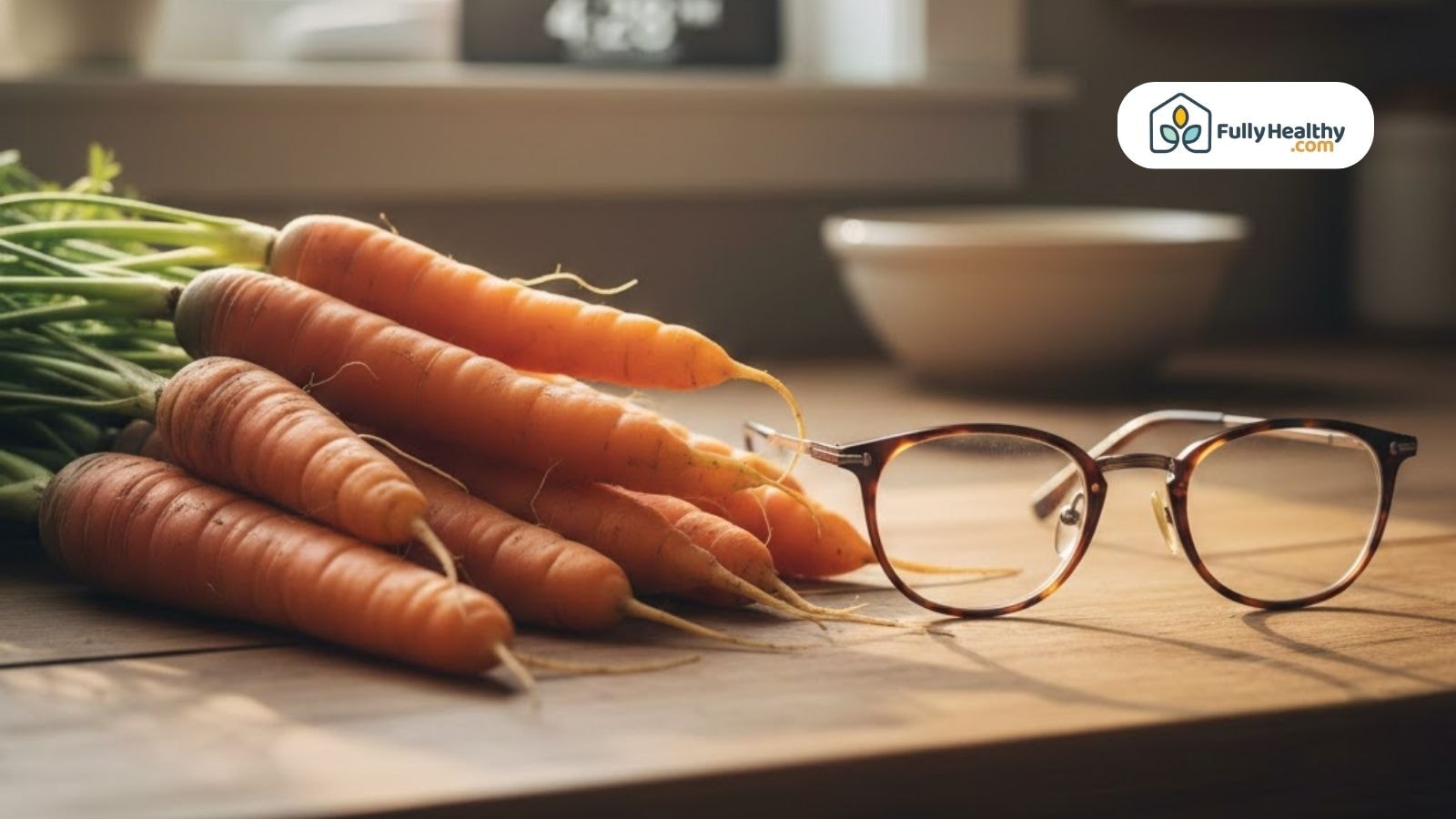
Carrots are good for your eyes because they have beta carotene, a red-orange pigment found in many orange fruits that your body turns into vitamin A. Vitamin A is very important for eyesight because it helps them process light and keep their eyes healthy, especially at night.
-
Beta carotene conversion: The body converts beta carotene into vitamin a, a produce vitamin needed for healthy eyes.
-
Night vision support: Enough vitamin a helps the eyes form rhodopsin, which allows the eyes to see in the dark and adjust to low light.
-
Deficiency prevention: Vitamin a deficiency can lead to night blindness, vision loss, and other eye diseases.
-
Overall eye health: Regular intake supports optimal eye health rather than dramatic changes in eyesight.
Why Carrots Don’t Improve Vision Beyond Baseline
Carrots are good for your eyes, but they don't make your vision better than what a normal person already has. This means that they don't improve your visual acuity or guarantee that you'll have good eyesight.
-
Baseline vision limits: Carrots improve eye health but do not improve eyesight or allow vision in complete darkness.
-
Historical myth: During world war ii, great britain promoted carrots to explain night vision advantages and protect military secrets.
-
Realistic outcomes: Eating carrots supports healthy vision but cannot replace glasses or regular eye exams.
-
Modern truth: Vision changes still require an eye doctor and proper medical care.
What Organ Do Carrots Help?

Heart, Immune, and Digestive Benefits
Because they are high in nutrients that are good for the heart, digestion, and immune system, carrots are good for your health in general. Their fibre, vitamins, and antioxidants help the body work well and keep it healthy, which is especially important for people with diabetes or who are trying to lose weight.
-
Heart health support: Fiber and antioxidants help support circulation and reduce strain on the heart.
-
Immune system role: Vitamin a and vitamin c help the immune system respond to illness and infection.
-
Digestive health: Fiber supports digestion, gut balance, and helps regulate blood sugar and glycemic index.
-
Whole body benefits: These nutrients contribute to long-term health beyond vision alone.
Skin and Cellular Health Support
Another way carrots help protect the body is by giving cells antioxidants that fight damage from the sun and other light sources. These nutrients help keep your skin and eyes healthy and help cells repair themselves, but they don't claim to cure disease.
-
Antioxidant protection: Antioxidants protect cells from damage that can affect vision and overall health.
-
Skin support: Vitamin a supports skin renewal and helps maintain healthy eyes and skin together.
-
Cellular maintenance: Nutrients help protect cells from stress linked to aging and chronic health conditions.
Are Carrots Healthier Raw or Cooked?
Raw vs Cooked: What Changes Nutritionally
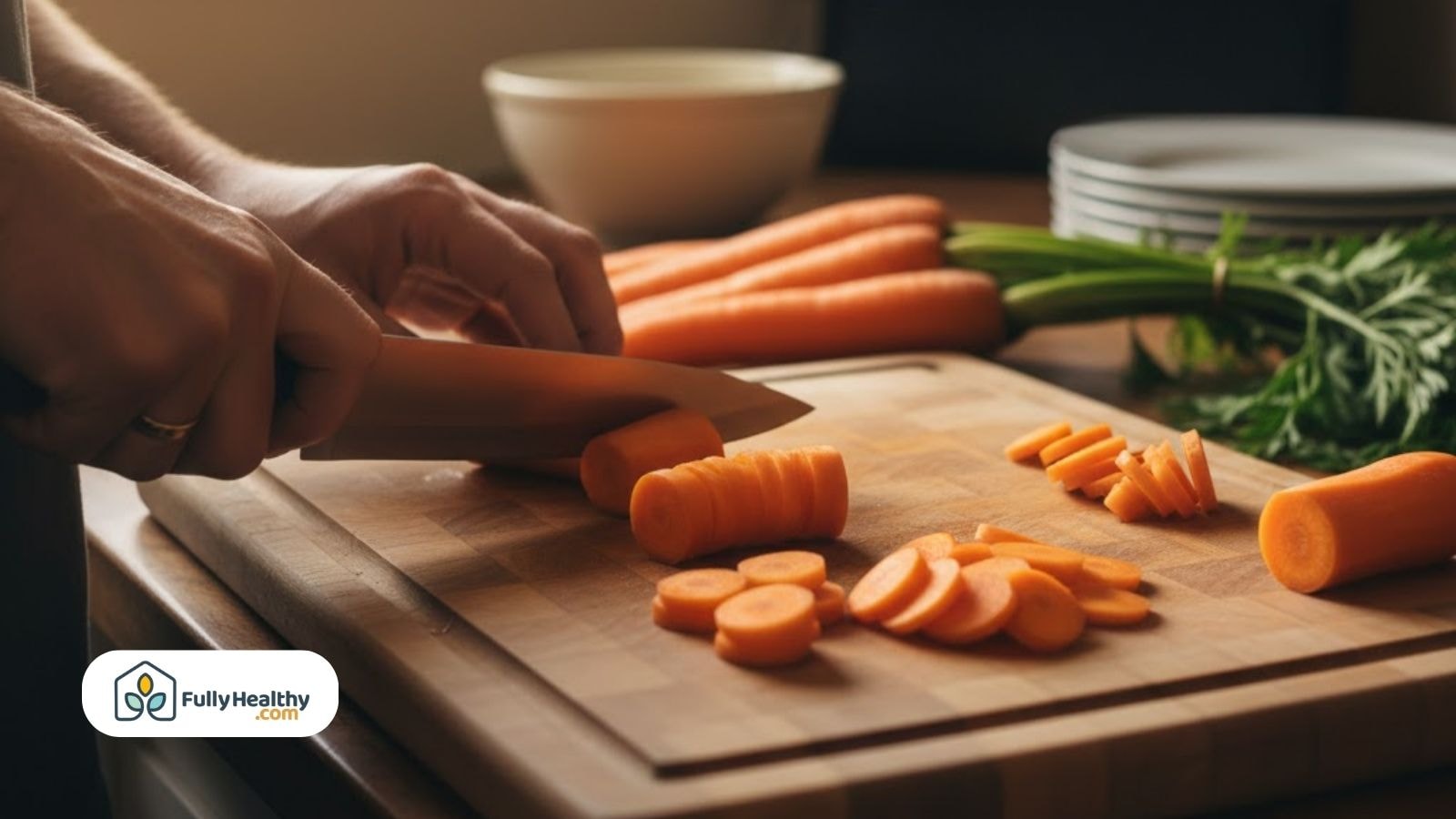
Carrots can be healthy both raw and cooked, but preparation changes how nutrients are absorbed by the body. In an eye healthy diet, cooking carrots makes it easier for the body to absorb beta carotene, while eating them raw keeps more of the fiber.
-
Beta carotene absorption: Cooking breaks down cell walls, helping the body absorb more beta carotene.
-
Fiber retention: Raw carrots retain more fiber, which supports digestion and weight loss.
-
Balanced approach: Including both raw and cooked carrots supports overall health and vision.
-
Nutrient balance: Preparation affects how the body uses vitamins and antioxidants.
Best Ways to Prepare Carrots for Nutrition
Carrots are easier for the body to use when they are cooked in a way that keeps the nutrients and makes them easier to absorb. When you eat carrots with healthy fats, your body absorbs nutrients better.
-
Gentle cooking: Steaming or roasting helps preserve vitamins without excessive nutrient loss.
-
Healthy fats: Adding olive oil or eating carrots with eggs helps absorb fat-soluble vitamin a.
-
Diet flexibility: Carrots fit easily into a balanced diet with vegetables, fruits, and proteins.
-
Practical eating: Simple preparation supports long-term healthy eating habits.
What Foods Improve Eyesight?
Everyday Foods That Support Eye Health
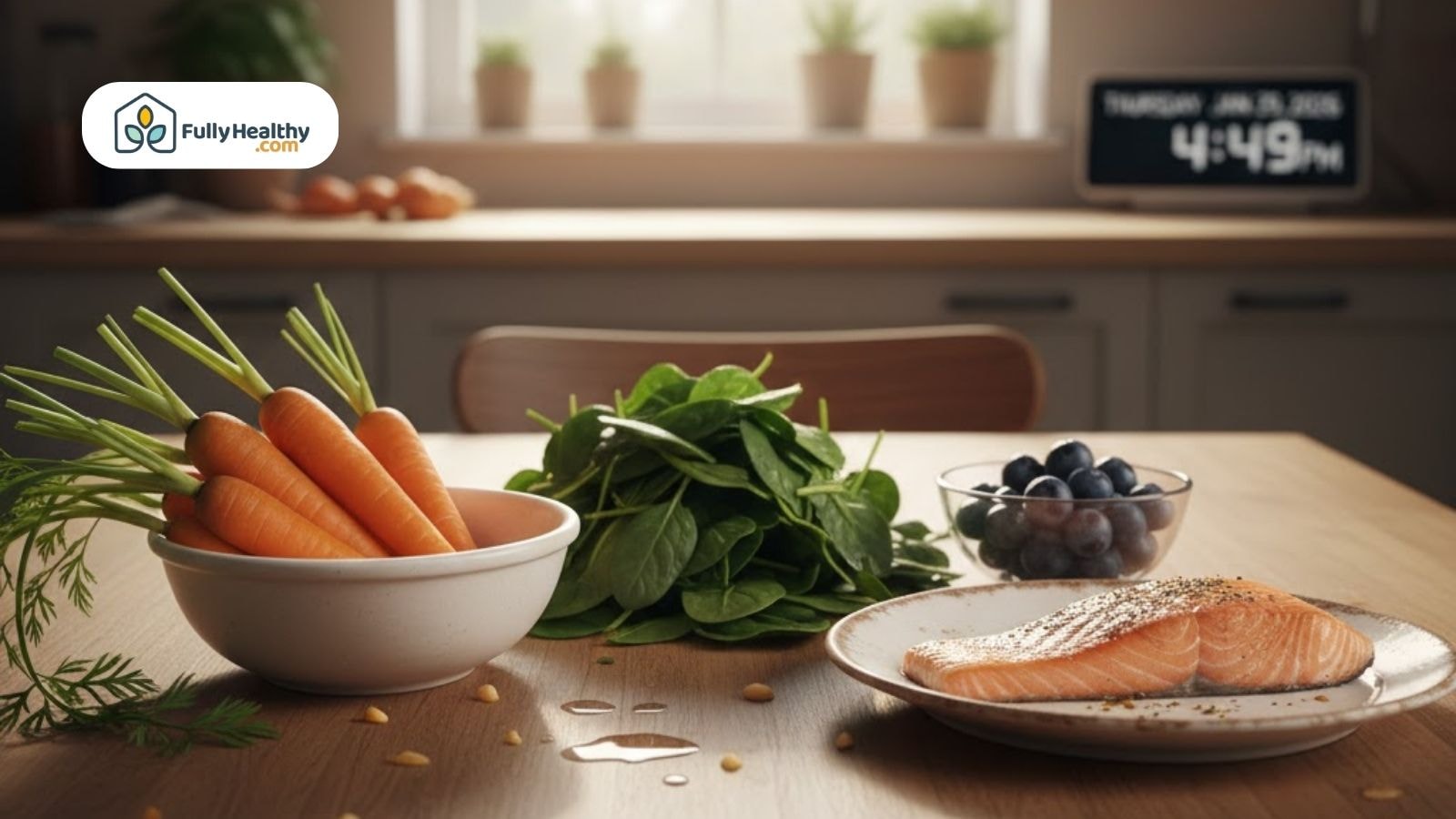
As part of an eye healthy diet, many everyday foods can help keep your eyes healthy. These foods are good for you because they have vitamins, antioxidants, and healthy fats that are good for your eyes and overall health.
-
Leafy greens: Spinach and kale are rich in lutein and nutrients that support retinal health.
-
Eggs: Egg yolks provide lutein and help the body absorb vitamin a more effectively.
-
Fatty and cold water fish: Salmon and sardines provide omega-3s that support vision and heart health.
-
Citrus fruits: Oranges and other citrus fruits provide vitamin c, which supports eye tissues and blood vessels.
-
Balanced eating: Combining vegetables, fruits, and foods rich in nutrients supports optimal eye health and healthy eyes over time.
Key Nutrients That Protect Vision
There are many nutrients that are important for eye health. These nutrients help protect vision over time rather than instantly improving it. Omega-3 fats, zinc, vitamins, and nutrients like lutein and zeaxanthin all work together to keep your eyes healthy and lower your risk of getting eye diseases that come with getting older.
-
Lutein and zeaxanthin: These antioxidants protect the retina and are linked to lower risk of macular degeneration and age related macular degeneration.
-
Omega-3 fatty acids: Found in cold water fish and fatty fish, they support retinal structure and overall eye health.
-
Zinc and vitamins: Zinc helps transport vitamin a, while vitamin c and vitamin e help protect eye cells from damage.
-
Long-term protection: These nutrients support healthy vision rather than dramatic changes in eyesight.
FullyHealthy: Where Specialized Diets Meet Everyday Foods
What FullyHealthy Offers
FullyHealthy focusses on offering foods that are good for your health as a whole and also meet specific dietary needs, such as options that are grain-free and gluten-free. The platform helps people eat a balanced diet by choosing foods that are good for the eyes, the heart, and long-term healthy vision.
-
Clean ingredient focus: Products avoid unnecessary additives and emphasize whole food nutritional benefits.
-
Special diet support: Options are designed for people managing diabetes, food sensitivities, or health goals.
-
Everyday nutrition: Foods help support eye health, immune system function, and overall health.
-
Lifestyle friendly: Products fit easily into daily meals without compromising dietary needs.
Featured Carrot-Containing Products
Several FullyHealthy products include carrots as part of a broader mix of vegetables, fruits, and nutrients that support eye health and healthy eyes.
-
KC Natural Carrot Marinara Paleo Pasta Sauce: This sauce blends carrots with tomatoes and herbs, providing antioxidants and vegetables that support vision and overall health.
-
Wild Zora Quick Quinoa Meal Herb Roasted Chicken with Carrots: This meal combines carrots, leafy greens, and protein, supporting an eye healthy diet and balanced nutrition.
-
Wild Zora Instant Cereal Carrot Cake: This cereal includes carrots and spices, offering nutritional benefits while fitting grain free and special diet needs.
-
Wild Zora Instant Soup French Lentil with Carrots:This soup pairs carrots with lentils and vegetables, providing fiber and nutrients that support eye health and overall health.
Final Thoughts
Carrots are good for your eyes because they have vitamin A and antioxidants that help keep your eyes healthy. However, they don't make your eyesight better or give you better night vision. Carrots are good for your eyes and health in general when eaten as part of a balanced diet that also includes fruits, vegetables, and healthy fats.
The health benefits of potatoes are also true for sweet potatoes. Pick a variety of vegetables instead of too many carrots. To keep your eyes healthy over time, eat well, protect your eyes, and see an eye doctor often.
FAQs
Which vegetable is best for eyesight?
Leafy greens like spinach and kale are best for eyesight because they contain lutein and zeaxanthin, while sweet potatoes and other orange colored fruits help by supplying vitamin A that supports night vision.
Is 2 carrots a day too much?
Eating two carrots a day is safe for most people, but too many carrots over time can cause harmless skin yellowing and still will not improve eyesight, despite the carrot myth.
Which fruit clears eyes?
Citrus fruits such as oranges and grapefruit help support eye health by providing vitamin C, which protects eye blood vessels from oxidative stress and sun exposure.
Which oil is best for eyesight?
Oils like olive oil and avocado oil are best for better vision because healthy fats help the body absorb fat-soluble vitamins such as vitamin A and vitamin E.
Who should not eat raw carrots?
People with digestive issues, sensitive stomachs, or difficulty chewing may avoid raw carrots and choose cooked carrots for easier digestion and better nutrient absorption.
Leave a comment