

Do Cucumbers Have Fiber? Simple Answer + Benefits
Do cucumbers have fiber? Yes, but not a lot. A medium cucumber (~300 g) contains ~1–1.5 g of fiber (~0.5 g per 100 g). Still, the water and fiber in cucumbers help digestion.
In addition to supporting gut health, they may help keep bowel movements regular. You will learn in this article how cucumbers affect digestion, if they work as a laxative, and if it's fine to eat them every day.
🥒 Crunch into Real Cucumbers — Dill Pickle Chips with Big Flavor!
Do Cucumbers Have Fiber?
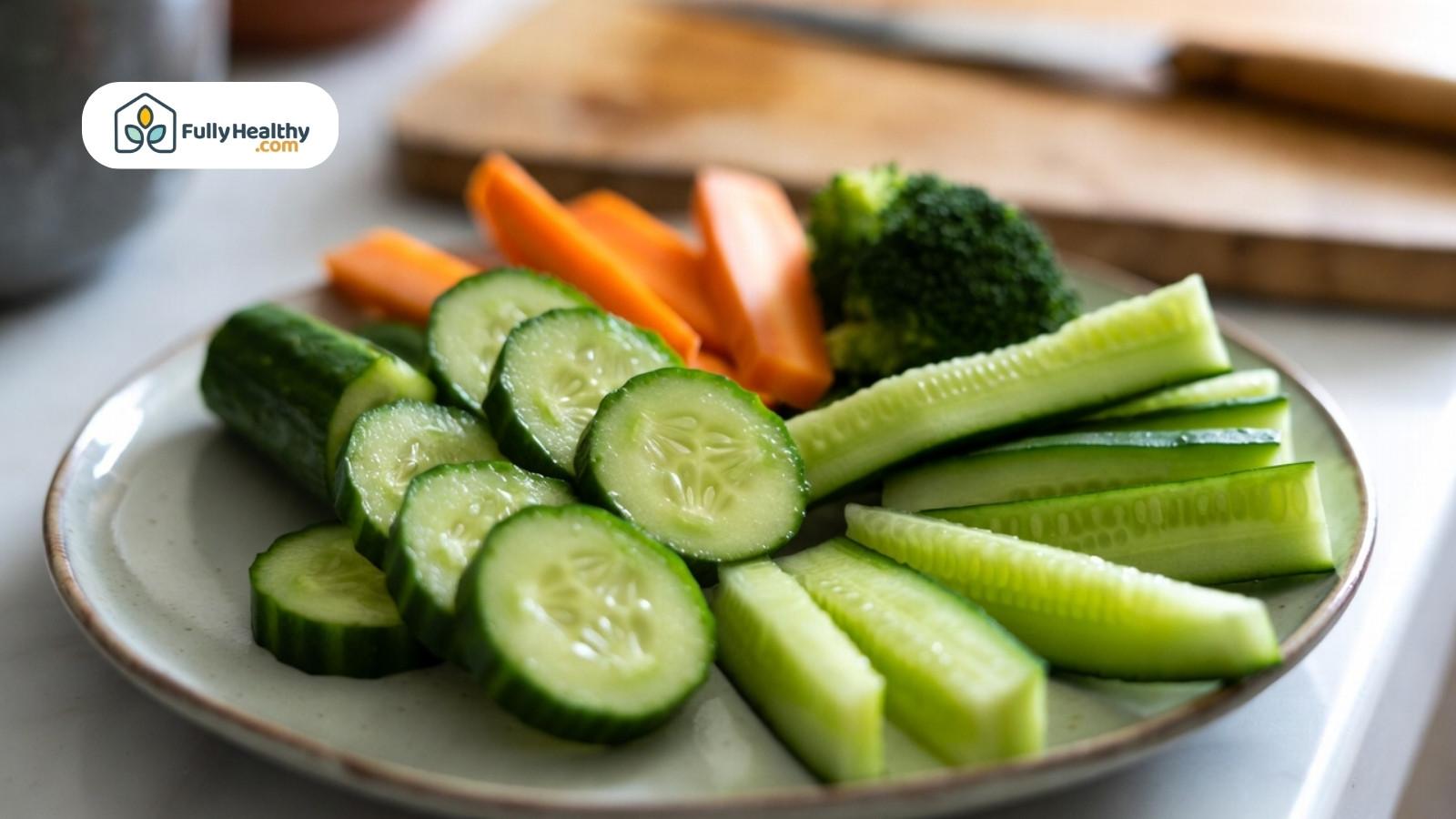
There is some fiber in cucumbers, but not a lot. It's not enough to meet your daily needs, but a whole raw cucumber has only about 1.5 grams. Still, they have good nutrients that help digestion and are good for your health in general when eaten without peeling.
How Much Fiber Is in a Cucumber?
Cucumbers contain small amounts of dietary fiber, primarily insoluble fiber with minor soluble components. Dietary fiber (mainly insoluble) contributes modestly to stool bulk, but cucumbers are not a significant source of fiber for digestive effects.
-
Fiber content: A whole cucumber provides about 1.5 grams of fiber, especially when eaten unpeeled.
-
Key nutrients: Contains vitamin K, vitamin C, and certain plant compounds that support overall health.
-
Antioxidant role: Includes beneficial antioxidants that help fight harmful free radicals.
-
Health impact: May reduce oxidative stress caused by a chemical reaction that forms highly reactive atoms linked to chronic illness.
Does Cucumber Skin Affect Fiber Content?
The skin plays an important role in fiber intake. Removing it lowers both fiber and some key nutrients.
-
Peeling effect: Reduces soluble fiber and important plant compounds.
-
Best choice: Eat cucumber slices with the skin to get more health benefits.
-
Extra support: The peel contains vivo antioxidant properties that help with disease prevention.
Are Cucumbers a Natural Laxative?
Cucumbers are not strong laxatives, but they can support digestion. Their water and fiber work together to help maintain regularity and improve gut health.
How Cucumbers Support Digestion, Promote Hydration and Bowel Movements
Cucumbers promote hydration and help regulate bowel movements. Proper hydration is a major risk factor in preventing constipation.
-
Hydration support: Helps maintain water balance and supports transporting waste products in the body.
-
Fiber action: Soluble fiber helps regulate bowel movements and improve stool consistency.
-
Digestive boost: There is limited evidence that cucumbers alone significantly increase bowel movement frequency.
-
Body function: Supports temperature regulation and smooth digestion.
Can Cucumbers Relieve Constipation Naturally?
Cucumbers may help with constipation, but the effect is mild. They work best when combined with other healthy foods and enough water intake.
-
Mild relief: Not as strong as high-fiber foods like beans or whole grains.
-
Better results: Pair with vegetables like bell peppers for added fiber.
-
Long-term benefit: Helps maintain regularity instead of offering quick relief.
Is It Good to Eat Cucumber Every Day?
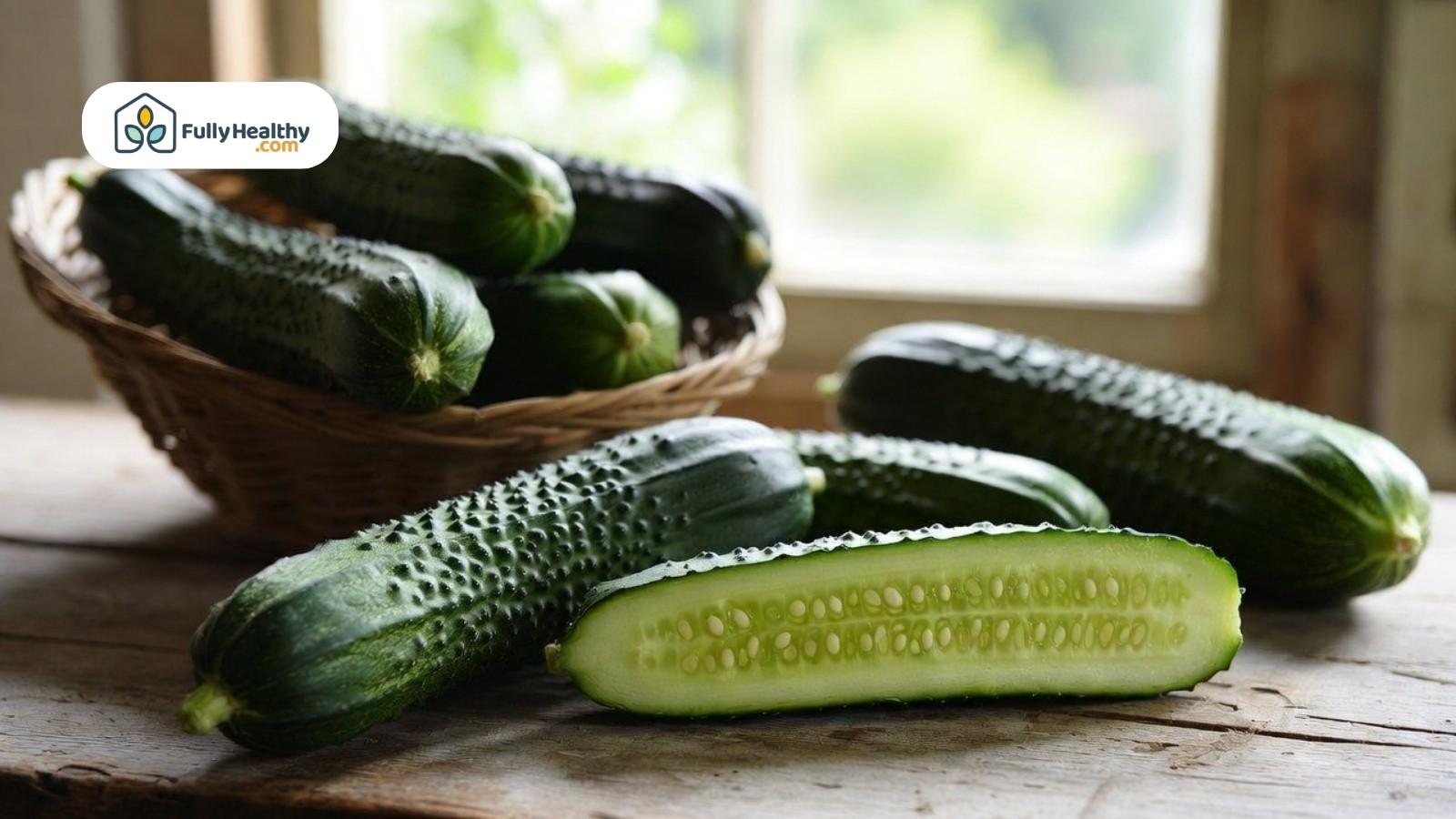
Eating cucumbers every day is generally safe and beneficial. They are refreshing, easy to prepare, and fit well into meals and side dishes.
Benefits of Eating Cucumbers Daily like Weight Loss
Cucumbers offer many health benefits because they are low in calories and rich in water and beneficial nutrients.
-
Weight support: Low in calories, which helps prevent weight gain and replace higher calorie alternatives.
-
Hydration boost: Helps promote hydration and supports daily water intake.
-
Nutrient value: Provides vitamin K, vitamin C, and plant compounds linked to disease prevention.
-
Heart and sugar health: May support healthy blood sugar and blood pressure levels.
Are There Any Side Effects of Eating Too Much Cucumber?
Eating too many cucumbers can cause minor digestive issues. Balance is important for overall health.
-
Digestive changes: Excess intake may cause mild digestive discomfort (e.g., bloating) in some individuals.
-
Possible symptoms: Can lead to bloating or loose stool consistency.
-
Better digestion: Pair with healthy fats like olive oil or use in salad dressing.
-
Balanced diet: Add other foods to avoid missing nutrients important for preventing autoimmune diseases.
Does Cucumber Clean Your Gut?
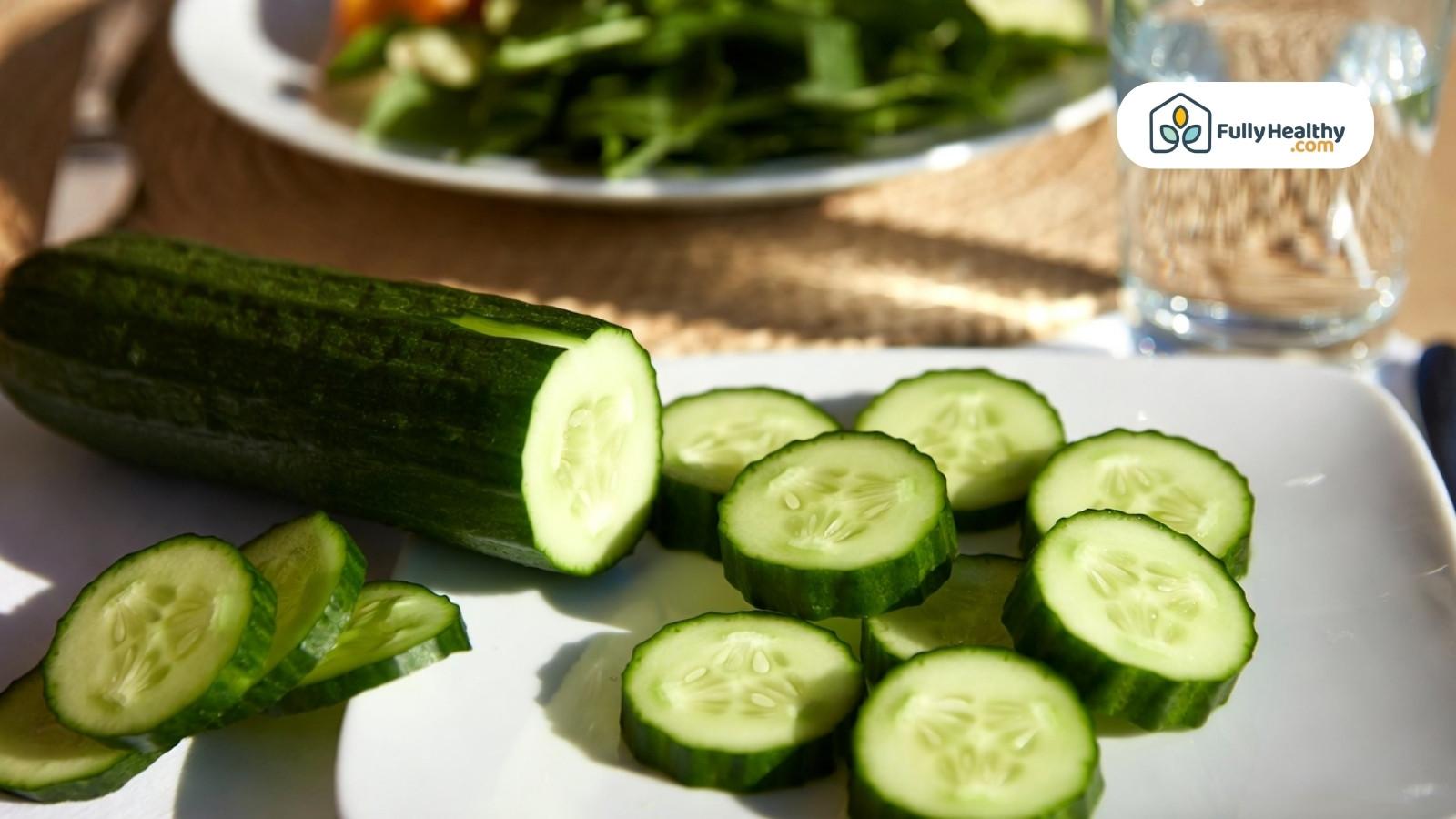
Cucumbers are often linked to gut health, but they do not literally “clean” your gut. Instead, they support digestion in simple and natural ways. Their high water content and fiber help the body stay balanced and function well every day.
Do Cucumbers Improve Gut Health or Detox the Body?
Cucumbers contain water, fiber, and certain vitamins that support digestion. They help the body in a few different ways, but they are not a detox cure.
-
Hydration support: Their high water content helps you meet your daily fluid needs and supports processes that involve transporting waste.
-
Digestive support: Fiber helps move food through the digestive tract and keeps things running smoothly.
-
Real benefit: Supports normal body functions instead of acting like a detox product.
-
Healthy eating: Works best when combined with fruits and vegetables you eat plenty of daily.
How Fiber and Water in Cucumbers Affect the Microbiome
The fiber and water in cucumbers help keep your gut balanced. They support good bacteria and improve digestion over time.
-
Fiber function: Helps regulate digestion and supports healthy gut bacteria.
-
Water role: Supports hydration, which helps physical performance and digestion.
-
Research insight: Some findings from uk population surveys show hydration plays a key role in gut health.
How FullyHealthy Supports Your Gut-Friendly Lifestyle
FullyHealthy helps you find foods that support digestion and overall health. It offers clean products for people with special diets, making it easier to shop without confusion.
Clean, Diet-Friendly Foods for Better Digestion
This platform offers products that support gut health and daily nutrition. Many of these foods are also easy to find in grocery stores.
-
Easy shopping: Helps you quickly find foods with clean nutrient content.
-
Diet support: Offers products with important vitamins and fewer extra calories.
-
Healthy lifestyle: Supports habits linked to weight loss and long-term wellness.
Featured FullyHealthy Products for Gut Health
Some products like Kosher Dill Pickle Snacking Chips can support digestion and add variety to your meals. You can use them in a few different ways for better nutrition.
-
Pickled options: Great for pickling cucumbers and adding flavor without extra calories.
-
Cooking support: Clean fats can be used for preparing meals without lowering nutrient content.
-
Fermented foods: Help support gut balance and digestion when eaten regularly.
-
Simple use: Add to meals like lotus root dishes or salads when slicing cucumbers.
Final Thoughts
Cucumbers are simple but useful. They have a mild flavor and a typical serving size like one cup or about one third of a larger portion. They support staying hydrated, which involves processes like temperature control and playing numerous important roles in the body.
Low-sodium diets help manage blood pressure; cucumbers can be included as a low-sodium food option. Some research, including a pilot comparative study with aged subjects, suggests they may block oxidation. You can eat them with other liquids to stay hydrated and add freshness to meals without extra effort.
FAQs
Do cucumbers have health benefits for hydration and blood pressure?
Yes, cucumbers can help with staying hydrated, and their low sodium content may support high blood pressure control.
What is a typical serving size of cucumbers?
A typical serving size is one cup or about one third of a whole cucumber.
How do cucumbers support the body?
They support hydration, which involves processes like temperature balance and playing numerous important roles in daily health.
Can cucumbers help reduce oxidative stress?
Some studies, including a pilot comparative study with aged subjects, suggest compounds may block oxidation.
How can cucumbers be added to meals easily?
Their mild flavor helps add freshness to dishes, and they pair well with other liquids for better hydration.
Leave a comment