

Do Deer Eat Hibiscus? Safer Picks and Deer-Resistant Flowers
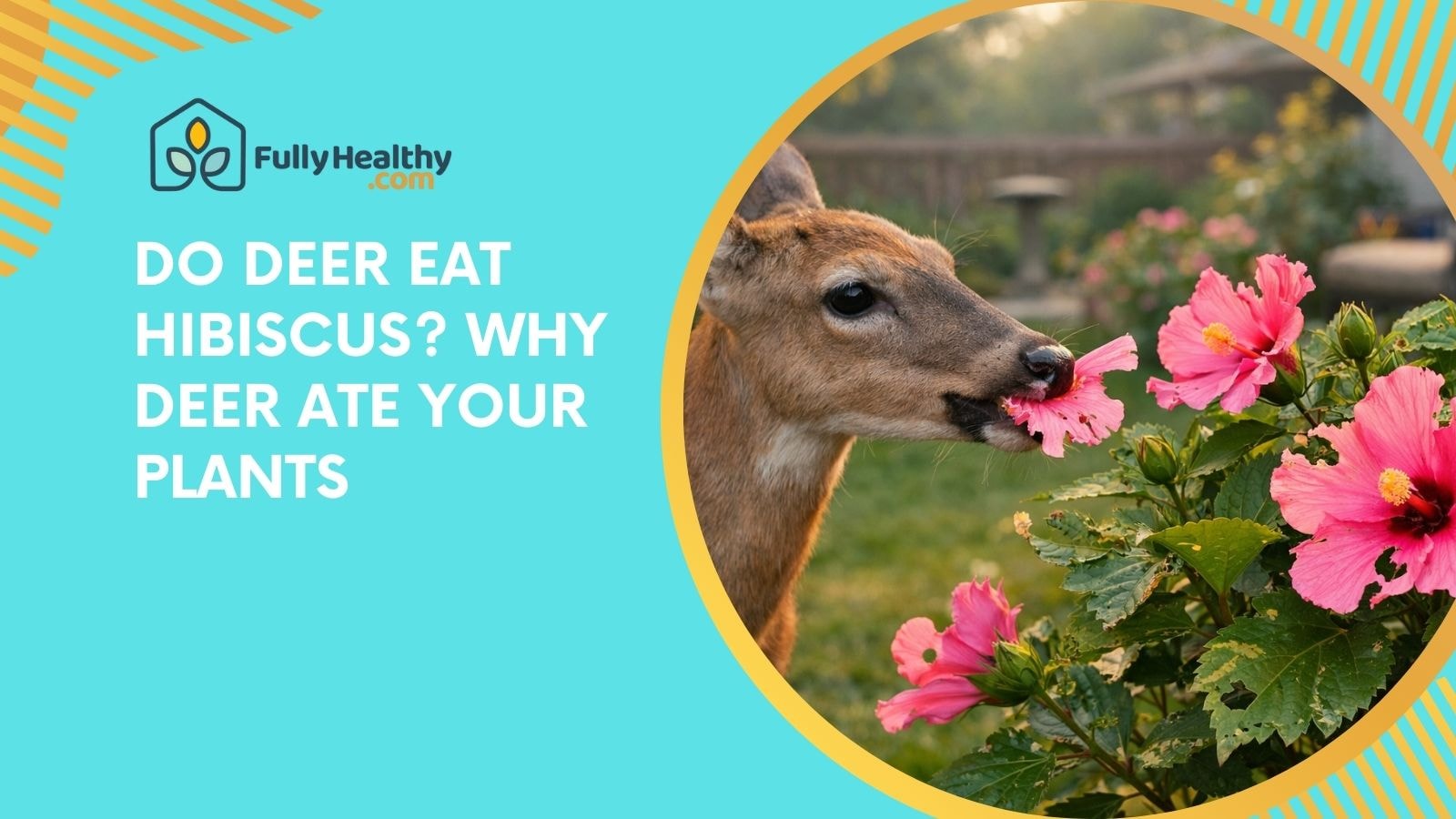
Hibiscus is one of the garden plants that deer are known to eat. The short answer to your question is yes, deer do eat hibiscus. The leaves, buds, and flowers of hibiscus are soft and full of water, which deer like.
This article talks about why deer eat hibiscus, how to keep your plants safe, which flowers deer don't like, and other animals that might hurt your plants.
Featured Tea Pick
Traditional Medicinals // Organic Hibiscus Tea - 16 Bags
Loading...
Do Deer Eat Hibiscus?

Hibiscus plants are a common thing for deer to eat when they stumble into yards. Deer often eat plants overnight, as gardeners find out when leaves or flowers are missing or damaged. Hibiscus is a flowering perennial plant with vibrant flowers that hummingbirds and other animals like. During the growing season, especially spring and summer, deer tend to eat plants that are open and moist.
Why Hibiscus Attracts Deer
Aesthetically pleasing, hibiscus plants have soft growth and new flowers. Deer love soft leaves and new shoots, especially on young plants that are newly planted. Hardy hibiscus are perennials in temperate climates, while tropical hibiscus are perennials only in frost-free regions and are otherwise grown as annuals or houseplants.
-
Soft foliage: It's easy for deer to chew and digest leaves and stems.
-
Tender growth: In early spring, danger is greatest for new shoots and buds.
-
High moisture: This summer, deer stay hydrated by eating juicy plant parts.
Are Any Hibiscus Varieties Deer-Resistant?
No hibiscus species has true deer resistance. Some hardy varieties are labeled "deer resistant," but that just means that deer might avoid them when there are other food sources. Deer eat almost anything, like shrubs, trees, rose bushes, and flowering perennials, when there isn't much food around in the winter or late fall.
-
Misleading labels: "Deer-resistant" doesn't mean that deer won't eat the plant.
-
Seasonal pressure: During frost, winter, and drought, feeling hungry makes animals browse more.
-
Real behavior: If food is scarce, hibiscus plants are often eaten completely.
How Do I Keep Deer From Eating My Hibiscus?
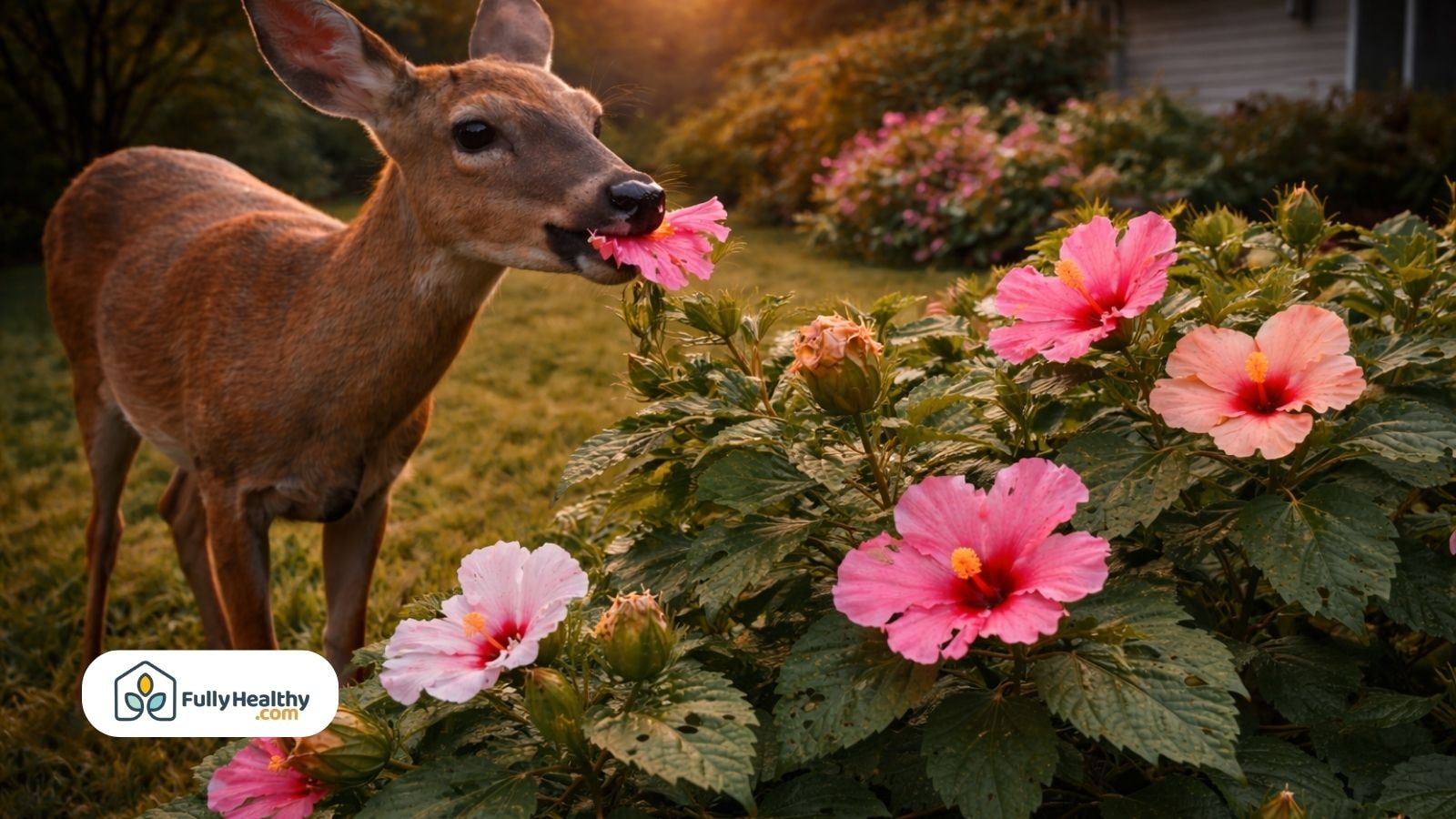
There are several ways to keep deer away. Deer hate loud noises, strong smells, and smells they don't know. Barriers and deer repellents work best when used together, especially in a back yard where deer come back often. When you plant and during the growing season is when protection is most important.
Physical Barriers That Work Best
In the long run, barriers are the best solution. Plants can't be reached by deer if there is a tall fence or chicken wire around them. These choices will help you protect a perennial flower that blooms every year.
-
Fencing: Effective deer fencing typically needs to be 2.1–2.4 meters (7–8 feet) high to prevent deer from jumping over it.
-
Plant cages: Around young plants, chicken wire keeps the new growth safe.
-
Smart placement: Decay rates go down when plants are put near humans and activities.
Repellents And Scare Tactics
To keep deer from eating, commercial deer repellents use smell and taste. Products with predator urine or strong scents may provide short-term deterrence, but their effectiveness is inconsistent and typically requires frequent reapplication. Also, motion-activated sprinklers work well, especially in the morning or at night.
-
Scent deterrents: Deer are easily confused by strong odors, milky sap, and strong or pungent smells.
-
Motion tools: Deer run away from the yard when the water moves quickly.
-
Regular use: For the best results, repellents need to be used again after it rains.
What Is The Most Deer-Resistant Flower?
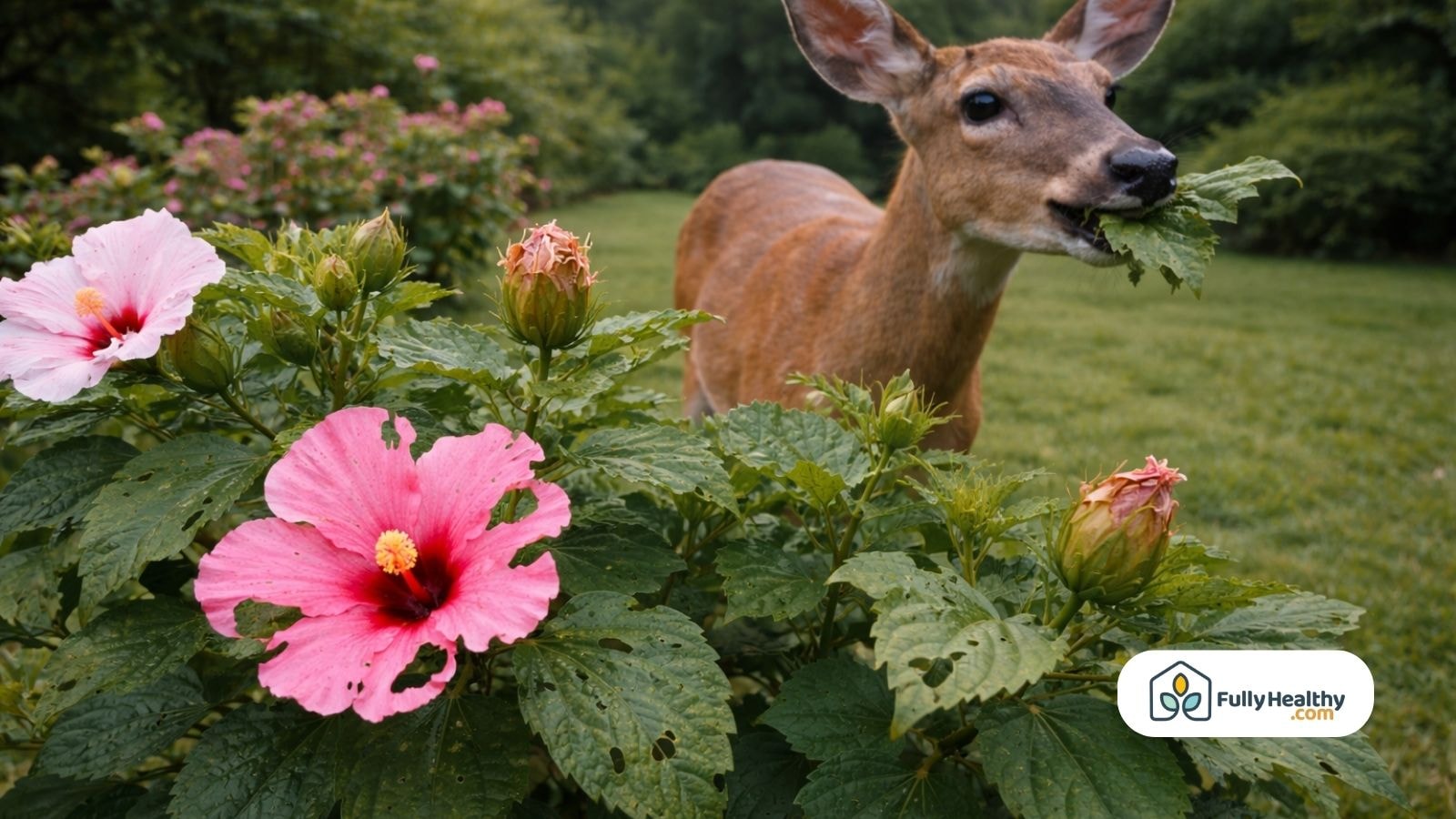
Although some plants look, smell, or taste nice, others are not as appealing. No plant is completely safe from deer, but picking flowers that aren't easily damaged by deer can help. This helps when mixing perennials with hibiscus plants.
What Makes A Flower Deer Resistant
Forage animals like deer stay away from plants that smell bad, have a fuzzy texture, or bite you. By making eating uncomfortable, these features cut down on repeat visits. Wildlife pressure and food sources affect how resistant deer are.
-
Leaf texture: To eat plants, a fuzzy texture makes it harder.
-
Smell: Difficulty browsing is caused by strong scents and fragrances.
-
Taste: Feeding behavior is slowed down by bitter or irritating sap.
Examples Of Flowers Deer Avoid
Because deer don't like certain plants near hibiscus, they do exceptionally well there. Deer don't like the smell of lavender, which is commonly grown. Planting these with other plants helps spread out the risk in the garden.
-
Lavender: Lavender is generally less preferred by deer due to its strong aroma, though browsing may still occur under high feeding pressure.
-
Aromatic shrubs: Booby-repelling plants make animals less likely to browse.
-
Companion planting: Use of deer-resistant flowers protects nearby blooms.
What Animals Will Eat Hibiscus?
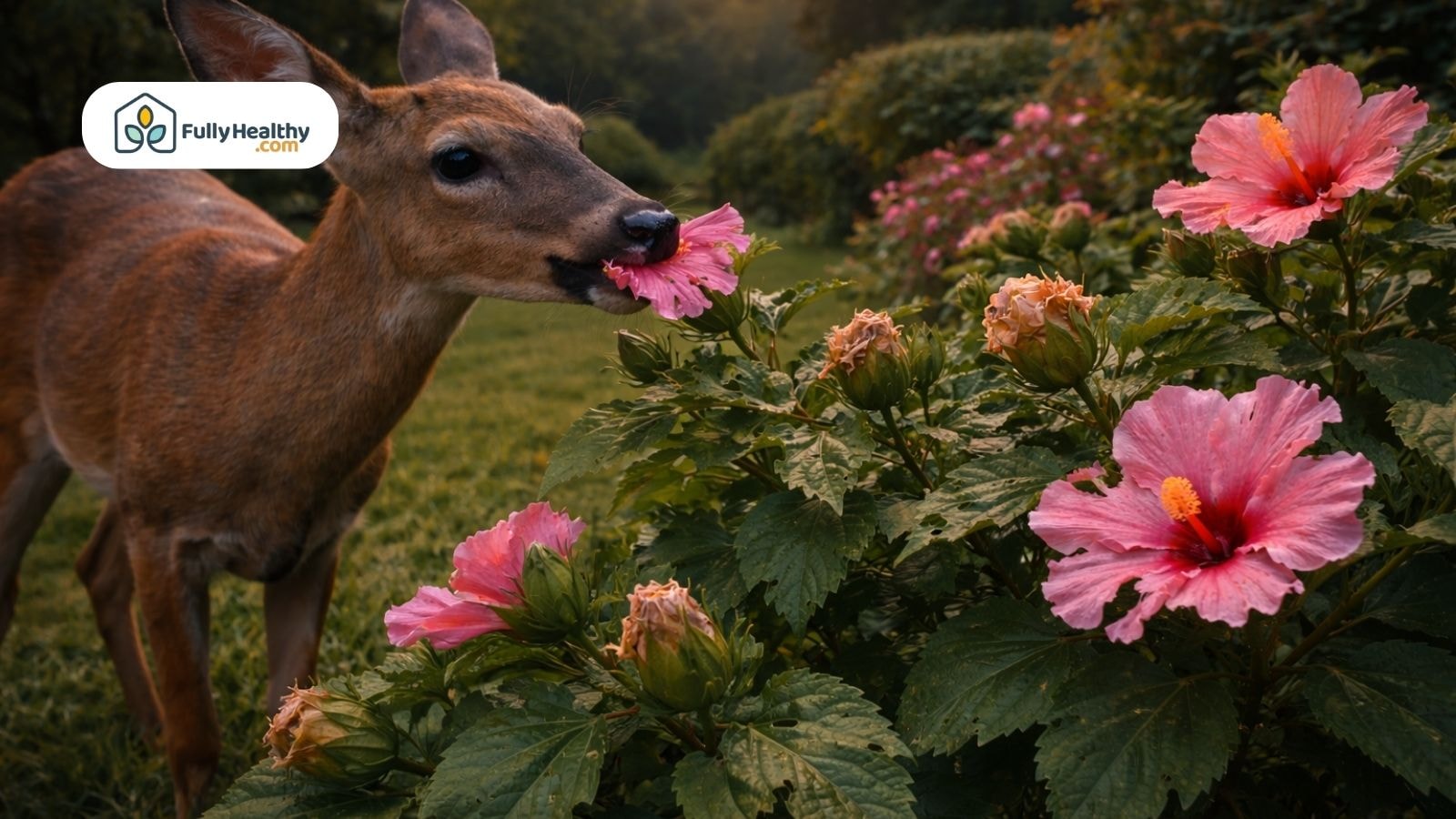
Deer aren't the only ones that like hibiscus plants. A lot of gardeners think deer are to blame when they see leaves or flowers that are damaged, but many other animals eat hibiscus. Hibiscus flowers grow in a soft way, so animals that live in the wild like them. Animals often do the most damage first thing in the morning, when they feel safe coming into the yard.
Mammals That Commonly Eat Hibiscus
Common animals that damage hibiscus include deer and rabbits; insects such as Japanese beetles are also major contributors to damage. Animals like deer and rabbits often come to visit, especially when plants are young or just planted. Deer eat higher up on plants, while rabbits eat close to the ground. It's more likely that someone will target hibiscus plants that are near trees or a line of bushes.
-
Rabbits: In close contact with the ground, they chew on stems and leaves.
-
Deer: Higher plants' buds, leaves, and flowers are what they eat.
-
Plant placement: Animals looking for a place to hide are drawn to plants near cover.
Birds And Small Wildlife Damage
Additionally, birds and other small animals can hurt hibiscus, especially when the flowers start to bloom. Squirrels may pull flowers apart, and birds may occasionally peck at petals during hot, dry conditions, but this is a minor and infrequent source of damage. This kind of damage happens a lot when it's warm and dry outside, and there aren't many natural water sources.
-
Bird activity: The petals are hurt, but the stems are still whole.
-
Small wildlife: It's possible for squirrels to eat buds before they open.
-
Seasonal behavior: When it's dry and hot, damage gets worse.
What Does Fully Healthy Offer That Supports An Outdoor, Garden-Friendly Lifestyle?
While Fully Healthy isn't a gardening website, it does help people who like to do things outside, like gardening. It takes time and effort to take care of flowers, plants, and shrubs. Gardeners can stay active, comfortable, and consistent while working in the yard with Fully Healthy's wellness products.
Overview Of FullyHealthy And Its Wellness Focus
Supplements from Fully Healthy are made to help with everyday health. These items can help gardeners who spend a lot of time planting, watering, and taking care of flowers. Supporting the body during the growing season helps keep it from getting too tired and makes it more comfortable.
-
Active routines: Gardening requires you to move around, bend, and lift things.
-
Outdoor demands: It depends on the weather and how hard you work out.
-
Wellness support: Health products used every day help keep things in balance.
Relevant FullyHealthy Products For Gardeners
A few Fully Healthy products are designed to help your muscles, joints, and immune system. These benefits help gardeners keep up with the tasks they have to do repeatedly throughout the season. When people are healthier, they can care for plants through all of their bloom stages with less pain.
-
Joint support: For kneeling, lifting, and doing the same thing over and over, this helps.
-
Immune support: Helpful when the weather changes and you're outside.
-
Long-term care: Helps people keep up their gardening habits over time.
Final Thoughts
If you are wondering, do deer eat hibiscus? The answer is yes. Animals like deer and rabbits come to hibiscus plants because of their soft leaves and bright flowers. Using barriers, smart planting, and flowers that deer can't eat can help lower the damage. If you do things the right way, you can still have healthy hibiscus and a garden that is in balance in your yard.
FAQs
What smell do deer absolutely hate?
Deer strongly dislike powerful smells such as garlic, predator urine, rotten eggs, and heavily scented soaps like Irish Spring.
What are the disadvantages of hibiscus plants?
Hibiscus plants are not deer resistant, require regular watering, and can suffer damage from pests, frost, and wildlife browsing.
Do coffee grounds keep deer away from flowers?
Coffee grounds may have a short-term effect due to their strong smell, but they do not reliably keep deer away from flowers.
How long does Irish Spring soap last to keep deer away?
Irish Spring soap typically lasts one to two weeks outdoors, depending on rain, humidity, and weather exposure.
What plants prevent deer?
Plants with strong fragrance or unpleasant taste, such as Lavender, Daffodils, Salvia, and Russian Sage, help discourage deer from feeding.
Leave a comment