

Do Multivitamins Expire? What Most People Get Wrong
Do multivitamins expire? For sure, but not when it comes to food. Multiple vitamins may not give you all the nutrients that are listed on the label because they break down over time. Many multivitamins are unlikely to cause harm shortly after their expiration date if stored properly, but safety and potency cannot be guaranteed.
What kind of vitamin it is, how it is stored, and how hot or dry it is can all affect how long it lasts. Know these things before you use them.
Featured Supplement Pick
The Myers Way® // Multivitamin
Loading...
Do Multivitamins Expire?
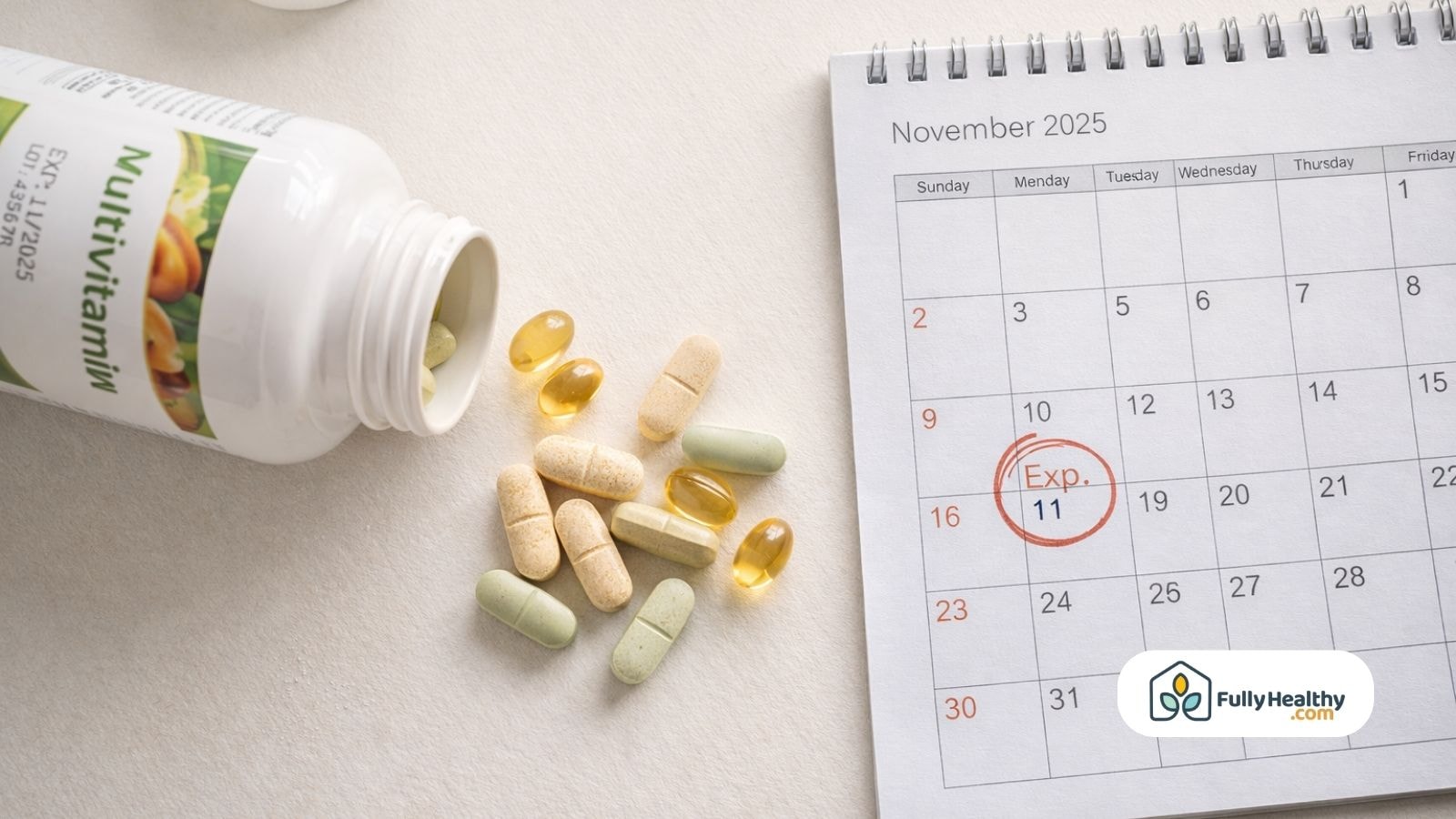
The question "Do multivitamins go bad?" comes up a lot. Vitamins do go bad after a while. They don't go bad like milk does, but they lose their strength. In that case, you might not get all the nutrients that are listed on the label. There is a shelf life on most vitamin supplements and other dietary supplements.
After that date, vitamins slowly lose their effectiveness. Taking vitamins shortly after their expiration date is generally considered low risk for healthy adults if the product was stored properly, though potency may decline and safety cannot be assured.
Do Multivitamins Expire Or Just Lose Potency
Multivitamins mostly lose their effectiveness and don't become unsafe. The FDA does not require dietary supplements to carry an expiration date, but if a manufacturer includes one, it must be supported by stability data.
There are still a lot of supplement companies that put one on the bottle. If the nutrients are stored correctly, that date tells you how long they should stay full of nutrients
-
Potency Guarantee: The expiration date shows how long the nutrients are expected to remain potent, not when they become dangerous.
-
Regulation: The FDA does not require supplement manufacturers to list dates unless supported by proper testing.
-
Form Matters: Products in tablet or capsule form usually remain potent longer than liquid vitamins, liquid supplements, or chewable or gummy vitamins.
-
Storage Conditions: Heat, oxygen exposure, and humid environments can cause vitamins to lose potency faster.
-
Smart Storage: Always store vitamins in their original packaging, keep the bottle tightly closed, and place it in a dry place.
Which Certain Vitamins Break Down Faster
Some vitamins are more weak when it comes to light, air, and heat. Vitamin C, for instance, breaks down quickly when it comes in contact with oxygen and water. Gikonyo D's research in Afr Health Sci shows that stability is affected by many factors. While minerals tend to be more stable, they can still become less strong if they are stored incorrectly.
-
Vitamin C: Breaks down easily with light and air exposure.
-
Gummy Vitamins: Gummy vitamins and chewable vitamins absorb moisture and often have a shorter shelf life.
-
Liquid Vitamins: Liquid supplements degrade faster than tablets and capsules.
-
Minerals: Many mineral compounds are chemically more stable than vitamins, though formulation factors and storage conditions can still affect product quality over time.
How Long Can You Use Multivitamin Medicine After The Expiration Date?
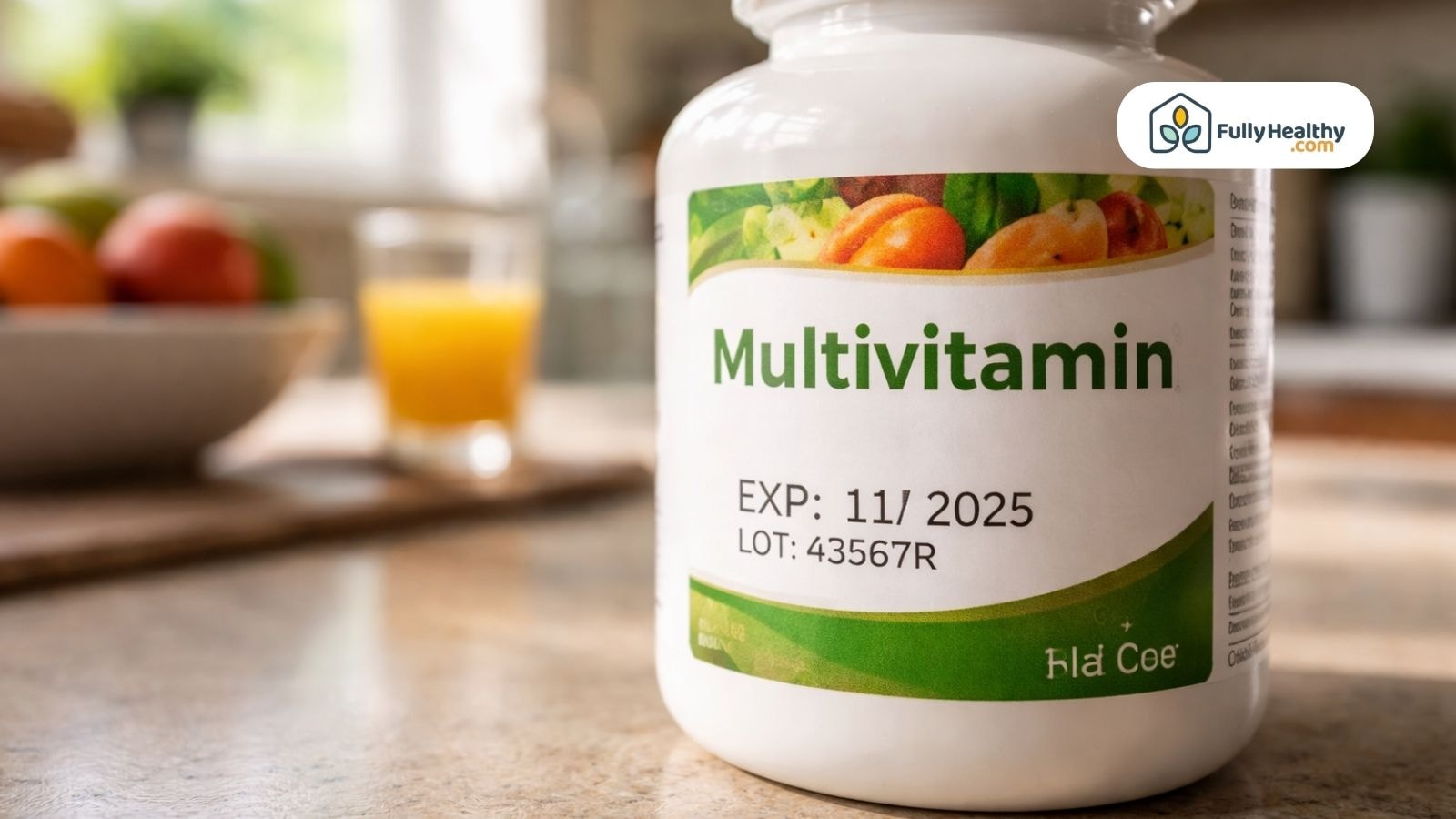
Expired vitamins are unlikely to become toxic under normal storage conditions, but their safety and effectiveness cannot be guaranteed. They are different from some expired medications, which may raise safety concerns. Many times, taking a multivitamin that has passed its expiration date won't hurt you. The main problem is less potency.
You might not be able to reach your health, diet, and nutrition goals as well with old vitamins as with new ones.
Is It Safe Taking Expired Vitamins
It's not likely that taking expired supplements will do you any serious harm. They don't turn bad like milk does when it goes bad. They might not give you the strength you expect, though.
-
Low Risk: Taking expired vitamins rarely causes harm for healthy adults.
-
Reduced Strength: Nutrients gradually lose potency after the printed date.
-
Special Situations: Because adequate folic acid intake before and during early pregnancy is critical for neural tube defect prevention, using supplements within their labeled shelf life is recommended.
-
Professional Advice: Speak with a healthcare provider if you are unsure about taking an expired product.
How Long After Expiration Is Too Long
There is no set time for how long supplements work after they have expired. Some prescription medications stored under controlled conditions have demonstrated extended stability in formal testing programs, but these findings do not apply to dietary supplements. Check the bottle every time before you buy or drink it.
-
Unopened Bottle: May remain potent longer if kept in a cool, dry space.
-
Warning Signs: Discard if you notice changes in smell, color, or texture.
-
Best Practice: Replace expired supplements to ensure full vitamin potency and better health support.
How To Tell If A Multivitamin Has Gone Bad?
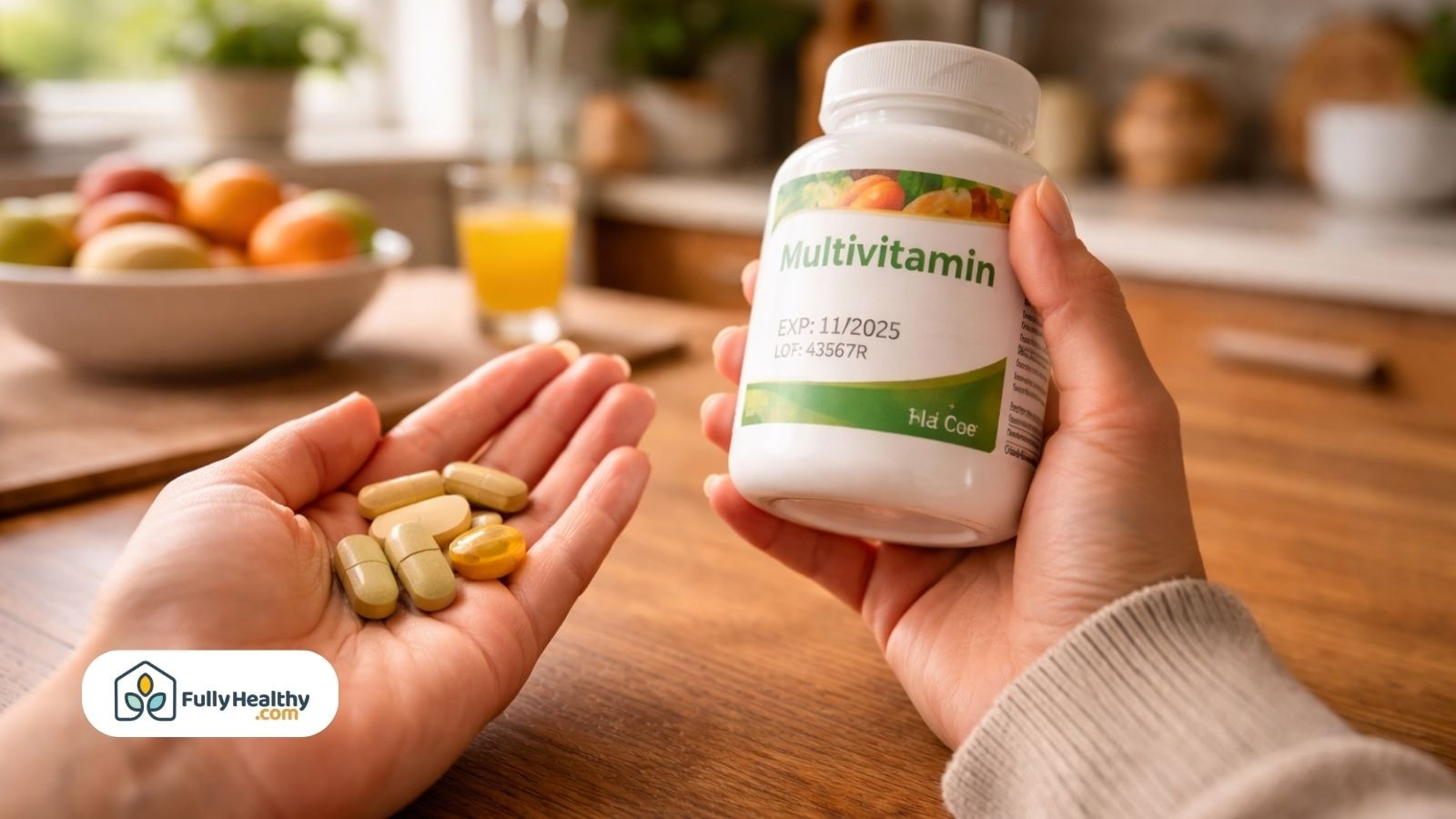
Even before the expiration date, supplements can be harmed by bad storage. Environments with a lot of heat, light, and moisture speed up breakdown. Always keep vitamins out of the sun and in a dry place. Vitamin pills, capsules, and gummy bears should be kept in their original containers with the lids on tight.
Physical Signs Of Spoilage
Take a close look at your supplements before you take them. Changes that can be seen could mean that the product is no longer good.
-
Odor Change: A strong or unusual smell may signal breakdown.
-
Color Change: Dark spots or fading can mean reduced potency.
-
Texture Problems: Clumping tablets or sticky gummy vitamins suggest moisture damage.
-
Mold Presence: If you see mold, do not consume the product.
When There Are No Visible Signs
Supplements may lose their effectiveness without being obvious. They might look normal, but they don't help as much.
-
Hidden Potency Loss: Vitamins past their date may not properly fill nutrient gaps.
-
High-Risk Groups: Expired folic acid may not give enough support during pregnancy.
-
Safer Choice: Purchase a new bottle if you want reliable, potent support.
How Long Do Multivitamins Last?
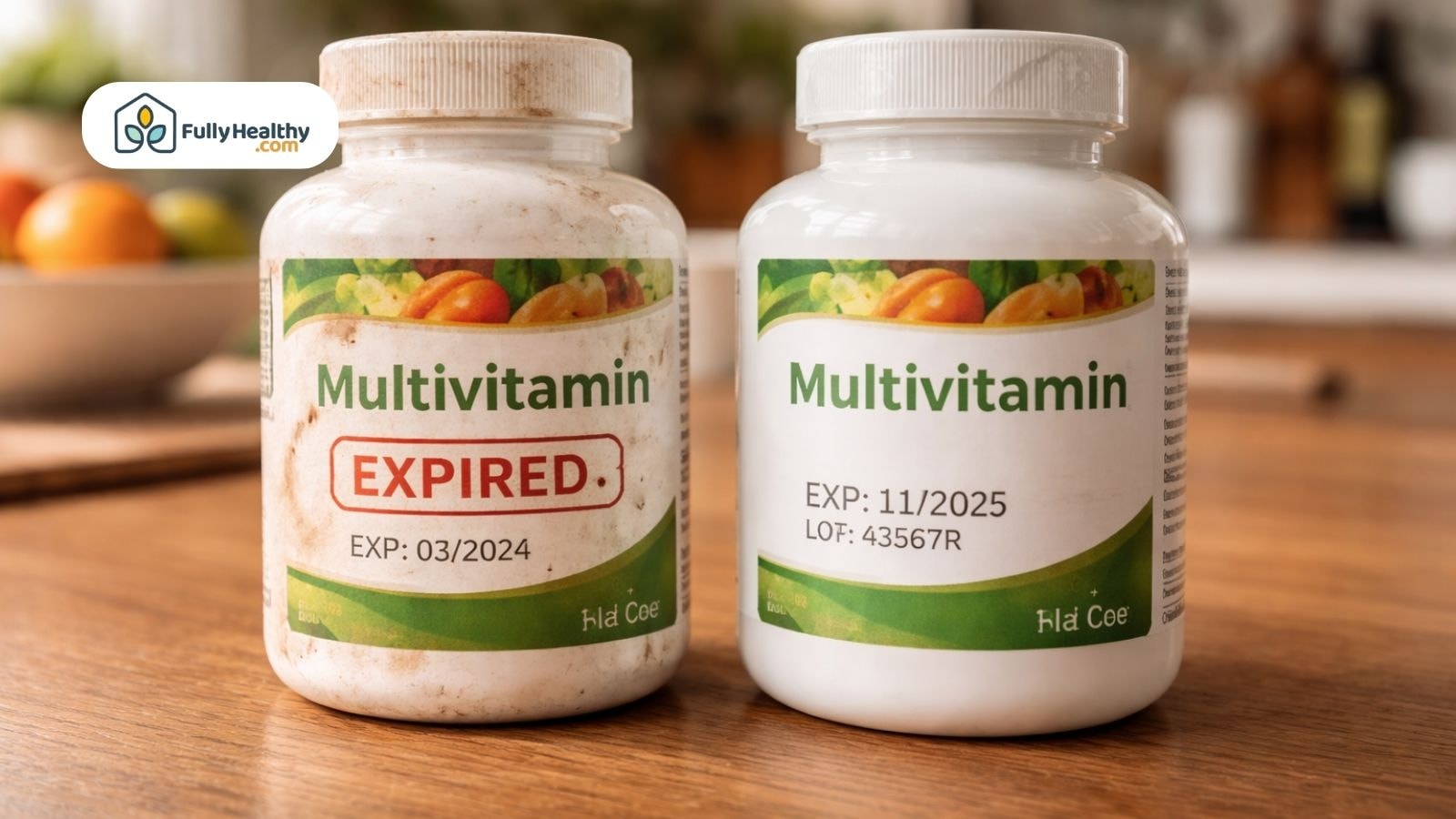
Vitamin supplements don't last forever. Their nutrients gradually get weaker over time. The expiration date is usually printed on most products, and they are good to use until then. Many manufacturers assign a shelf life of around two years, but actual stability depends on formulation, packaging, and storage conditions.
Softer vitamins don't usually last as long as tablet vitamins because they hold more water. Both how you store the bottle and the brand's quality standards affect how long the product lasts.
Average Shelf Life Of Multivitamins
Up until their expiration date, most multivitamins are tested to make sure they stay stable. They should stay as strong as the label says for as long as you keep them in a cool, dry place. It matters how the supplement is made. Tablet vitamins tend to last longer than gummies or liquid vitamins.
-
Typical Shelf Life: Most multivitamins last about two years from the date they are made.
-
More Stable Form: Tablet vitamins usually stay effective longer than soft or chewable forms.
-
Proper Storage: Keeping the bottle in a dry place away from heat and sunlight helps maintain quality.
-
Original Bottle: Storing supplements in their original container protects them from air and moisture.
What Affects Multivitamin Quality Over Time
More than just time affects quality. It also relies on how the supplement was created and tested. Authentic brands adhere to strict rules for safety and cleanliness. Independent testing adds to the confidence that what's on the label is what's in the bottle.
-
Quality Seal: Look for the USP Verified Mark to confirm independent testing.
-
Trusted Authority: The United States Pharmacopeia sets recognized standards for supplement purity and strength.
-
Environmental Exposure: Heat, humidity, and light can reduce nutrient levels faster.
-
Smart Buying: Always check the expiration date before you purchase a new bottle.
What Does Fully Healthy Offer Related To Multivitamins And Specialty Supplements?
Fully Healthy is an online store that sells products for health and special diets. While it's not a medical service, it does sell a lot of different foods for people with different nutritional needs. The site makes it easy for people to find products that are gluten-free, allergen-free, or fit other special diets.
Overview Of FullyHealthy’s Marketplace
Fully Healthy works with smaller brands that care about using clean ingredients and being honest. The website sells supplements and other health products, but it should not be used instead of medical advice from a doctor or nurse. It's just to make shopping easier for people who can't eat certain foods.
-
Special Diet Support: Offers products for gluten-free and allergen-free lifestyles.
-
Wellness Options: Includes health and supplement categories for different needs.
-
Easy Shopping: Brings multiple brands together in one online marketplace.
-
Helpful Content: Shares updates and articles similar to top stories in health and nutrition.
Safe Disposal And Responsible Use Of Supplements
When supplements go bad, you should safely dispose of them. It's bad for the environment to throw them down the toilet or sink. Getting rid of things the right way protects both people and the environment.
-
Community Programs: Use medication take-back programs in your area when available.
-
Government Guidance: Follow advice from the Environmental Protection Agency for safe disposal.
-
Home Disposal Method: Mix unwanted tablets with coffee grounds or cat litter, seal them in a bag, and place them in the trash.
-
Protect Water Systems: Do not flush supplements because they may contaminate the water supply.
Picking supplements that have been tested for quality, keeping them in the right way, and properly getting rid of them are all good ways to protect your health and the environment.
Final Thoughts
So, do multivitamins expire? Yes, vitamins expire and lose their effectiveness over time, but they don't become harmful. Most vitamin supplements and other dietary supplements are still safe to use, but supplements that have passed their expiration date may not provide the full vitamin potency.
Always read the product label, keep vitamins in the right way, and get new bottles when the old ones get empty. If you're not sure what to do, talk to a doctor or nurse to protect your nutrition and health goals.
FAQs
Are 3 year old vitamins still good?
Three-year-old vitamins are usually safe but may have reduced potency, as expired multivitamins are unlikely to cause illness if stored properly, but this cannot be guaranteed.
Is it safe to take expired multivitamins?
Yes, it is generally safe to take expired multivitamins, but they may not deliver the full strength they had when first manufactured.
How long after the expiration date can you use vitamins?
There is no exact rule, but while some products may remain stable past the expiration date, their potency cannot be guaranteed.
When should you throw out expired vitamins?
You should throw out expired vitamins if they show changes in smell, color, texture, or if the expiration date has passed and potency is uncertain.
Are vitamins still good after 5 years?
Vitamins that are several years past their expiration date are likely to have significantly reduced potency, and their safety and effectiveness cannot be assured.
Leave a comment