
Do Mustard Help Burns or Make It Worse? What Science Says

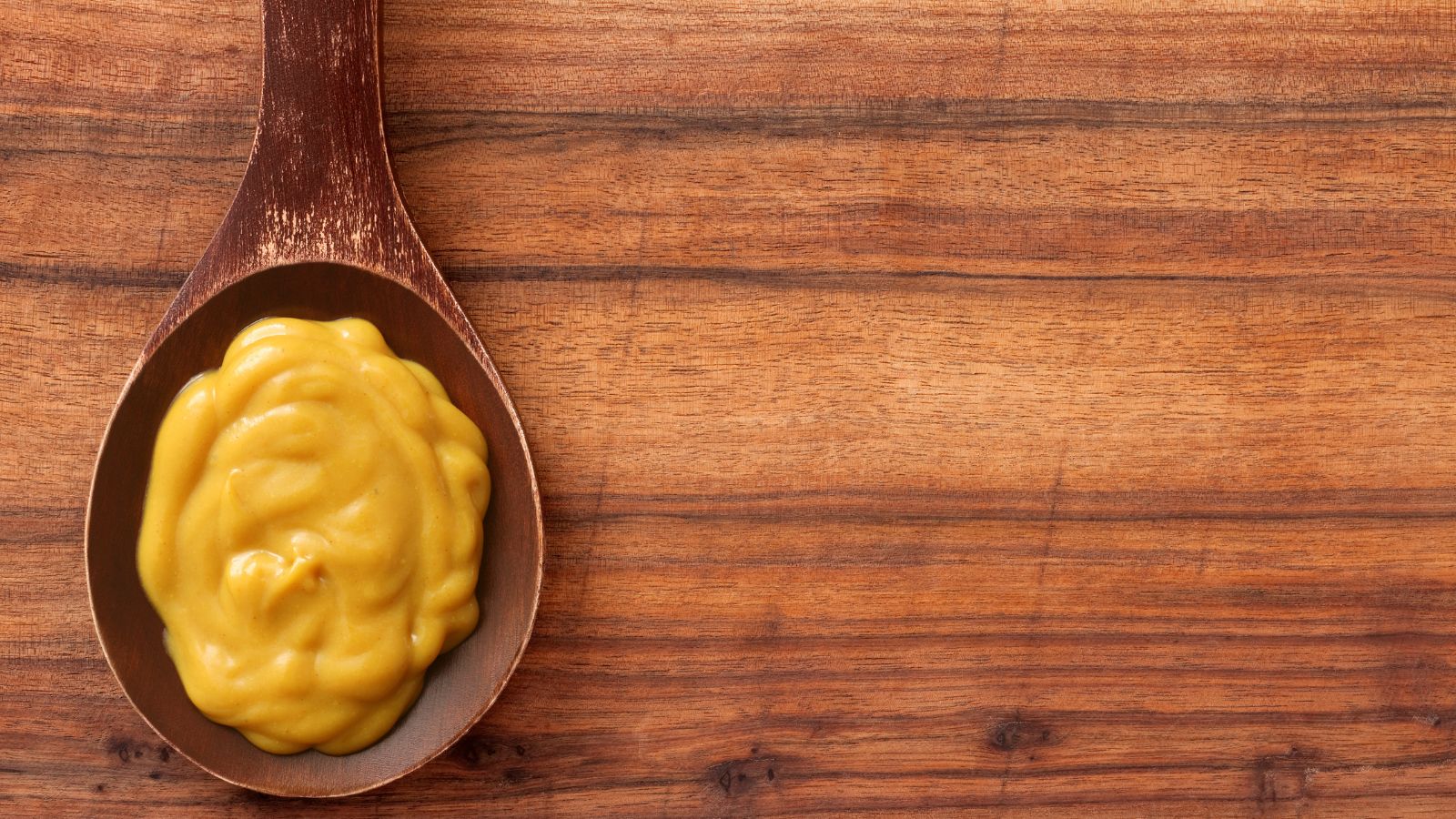
There is no clinical evidence supporting the use of mustard on burns, and many dermatologists advise against it due to its potential to irritate damaged skin. It could make the wound worse and take longer to heal.
This article explains why mustard is not a safe remedy, what to use instead of mustard, how to treat burns at home, and what products may help skin health from the inside out.
🥪 Bold, Tangy, Organic – Click Here for Your New Favorite Mustard!
Do Mustard Help Burns?

Some people think that putting mustard on a burn will make it less painful or stop the damage. Doctors say that's not true. Scientists have not found any proof that mustard can help burns heal. Sometimes it can even make the injury worse.
Medical Verdict – Why Mustard is Not Recommended to Treat Minor Burns
Medical professionals, such as those from WebMD and Healthline, make it very clear that mustard should not be used on burns. Mustard, whether it's yellow mustard or mustard powder, can irritate your skin or slow down the healing process. This applies to first-degree and second-degree burns, and particularly to severe burns requiring medical attention.
-
Can cause skin damage: The acids in mustard can irritate the burn and make it take longer to heal.
-
Increases infection risk: It could catch germs or dirt, which could cause an infection.
-
Not a real treatment: You can't use mustard as part of any official burn care method.
-
Better alternatives exist: It has been shown that things like honey and aloe vera work.
Separating Myths from Facts
A lot of people learn how to use mustard from family or from tips they find online. In a radio show story, Gaiser MR talked about putting mustard on a burn from a hot pan. However, just because it worked for one person doesn't mean it will work for everyone.
-
Stories aren't science: It's not a cure just because it worked for one person.
-
No medical backing: It's not recommended by doctors at all to use mustard on burns.
-
Science matters: Check the facts before you try any home remedies.
-
Safety first: Take good care of your skin, especially after getting hurt.
How Does Mustard Help with Burns?

Although mustard may feel cool when applied, there is no evidence that it contributes to skin regeneration or the healing of burns. It's possible for mustard to make things worse instead of better.
The Anecdotal Origins Behind the Remedy
The idea that mustard can help with small burns probably came from personal experience or old family stories. These are based on how something feels, not how the body works with it.
-
Passed-down advice: A lot of people use it because someone told them to.
-
Lack of research: No peer-reviewed clinical studies have demonstrated that mustard provides any benefit in treating burns.
-
It’s not safe: There are things in mustard that shouldn't be put on skin that is already hurt.
-
Use real treatments: Use evidence-based treatments supported by clinical guidelines and recommended by healthcare professionals.
What Happens When You Apply Mustard to a Second Degree Burns?
Mustard may initially feel cool due to evaporation of liquids, but its acidic content can irritate the skin and increase inflammation in damaged tissue. This is especially true if the skin is open. If you use mustard on superficial burns or second-degree burns, it could make things worse.
-
Skin irritation: Mustard's acids can make the burn worse.
-
Infection risk: The area may get infected more often.
-
No healing power: Mustard doesn't heal skin or make it get better faster.
-
Better options available: Aloe vera or a cool compress should be used instead.
What Is the Best Thing to Put on a Burn?

Burns hurt, but if you act quickly, you can treat most of them at home. It doesn't matter if it is a small kitchen burn or a large burn; if you know what to do, it will heal faster.
Effective and Scientifically Backed Remedies on Treating Burns
It is very important to treat burns properly in the first three hours. Simple steps work best for first-degree or mild burns.
-
Use cool water: For 10 to 20 minutes, hold the burned area under running water.
-
Apply aloe vera: This eases the pain and helps the body heal.
-
Cover gently: To prevent infection, use a clean bandage.
-
Ease discomfort: If the burn hurts, take painkillers like ibuprofen.
What NOT to Put on a Burn
Some things may look like they'll help, but they actually hurt. Do not try home remedies that you don't know how to use.
-
Skip mustard, butter, and oils: They can keep heat in and make the burn worse.
-
Avoid toothpaste and ice: These things might hurt or irritate skin.
-
No sticky bandages: These things can hurt more and pull on skin.
-
Seek help for serious burns: For third-degree burns, always get medical treatment.
How to Heal a Burn Fast at Home

If the burn isn't too deep or bad, you can treat it at home. By giving first aid in the right way, you can ease the pain, stop further damage, and help the skin heal safely. It's important to act quickly, especially in the first few minutes.
Step-by-Step Burn Care Routine
Burns from a pot, fire, or heat need to be treated quickly to keep them from getting scarred and hurting more. If you do things the right way, your skin will heal faster and be less likely to get an infection.
-
Cool with water: For 10 to 20 minutes, rinse the burned area with cool water to ease the pain and heat.
-
Clean gently: To clean your skin, use water and mild soap. Do not scrub the area.
-
Apply burn-safe cream: To calm the skin and stop itching, use aloe or a cream that your doctor has recommended.
-
Cover to protect: Protect the wound and help it heal with a clean, non-stick bandage.
Don't use butter, oils, or turmeric. Even though these common home remedies may feel good, they can trap heat or hurt you.
Signs Your Burn Needs a Doctor
You can't always treat burns at home. You need to see a doctor if your burn is too deep or was caused by chemicals, radiation, or a big flame.
-
Covers a large area: A doctor should always look at burns on the face, hands, or legs.
-
Severe pain or swelling: The damage may be worse than it seems.
-
Blisters that burst: Open wounds are more likely to get infected and need medical care.
-
Signs of infection: Look out for pus, a bad smell, or redness that is spreading.
What FullyHealthy Can Offer for Skin-Supportive Nutrition
FullyHealthy doesn't sell skin creams, but their foods may help the body heal from the inside out. It helps the skin heal and stay strong after a burn to eat well.
Organic Mustard and Fermented Foods for Internal Health
Even though you shouldn't put mustard on burns, eating some clean foods may help you get better.
-
Eden Organic Brown Mustard: Made with simple ingredients, it tastes good but doesn't heal wounds.
-
Dill E Gent Sauerkraut: Dill E Gent Sauerkraut is a probiotic-rich food that may support gut microbiome balance, which in turn can influence immune function, although more research is needed to confirm direct benefits in burn recovery.
-
Not a skin treatment: These are only meant to be eaten; they are not first aid supplies.
Skin-Friendly Nutrition Options
Some foods are very good for you and help your body heal.
-
Butternut squash: It has a lot of vitamin A, which helps your skin heal.
-
Support healing naturally: Scars are less likely to happen if you eat well.
-
Avoid sun exposure: Skin that is healing is sensitive to heat and sunlight, so keep it out of the sun.
Final Thoughts
Burns hurt a lot, but most small ones can heal right at home with the right care. Don't use dangerous home remedies like mustard, even though some people still think it works. Use only tried-and-true first aid items, like cool water, aloe vera, and clean bandages.
Be careful if you get burned near your joints, on your feet, or from the stove. You may need to see a doctor. Don't pick at or touch blisters; let your skin heal itself. To stay safe, you should always wear safety gear when working near heat or fire.
FAQs
Can I put mustard on a burn from the stove?
No, putting mustard on a stove burn may make it worse. It can hurt the skin and delay healing. Use cool water instead.
What happens if I don’t treat a burn on my feet?
A burn on your feet may get infected if not cleaned. It can develop into something more serious, especially near joints.
Can I wear socks after a foot burn?
Avoid tight clothing. Do not wear socks directly over a burn on your feet. Keep it clean and dry instead.
Will my burn develop into a scar?
If treated properly, small burns may not develop scars. Avoid touching or scratching blisters, especially if near joints or feet.
Does every burn hurt the same?
No, first-degree burns may barely hurt, but second and third-degree burns can be very painful—especially on sensitive areas like the joints or feet.
Leave a comment