

Do Nuts Go Bad? How Long They Last And When To Toss
Do nuts go bad? Yes, they do. Nuts contain natural oils that can turn rancid when exposed to air, heat, and light. This affects taste, smell, and freshness over time. In this guide, you’ll learn how long nuts last, how to spot spoilage, and the best ways to store them so they stay fresh and safe to eat.
🍞 Bake Better Bread with Wholesome Almond Flour Goodness!
Do Nuts Go Bad?
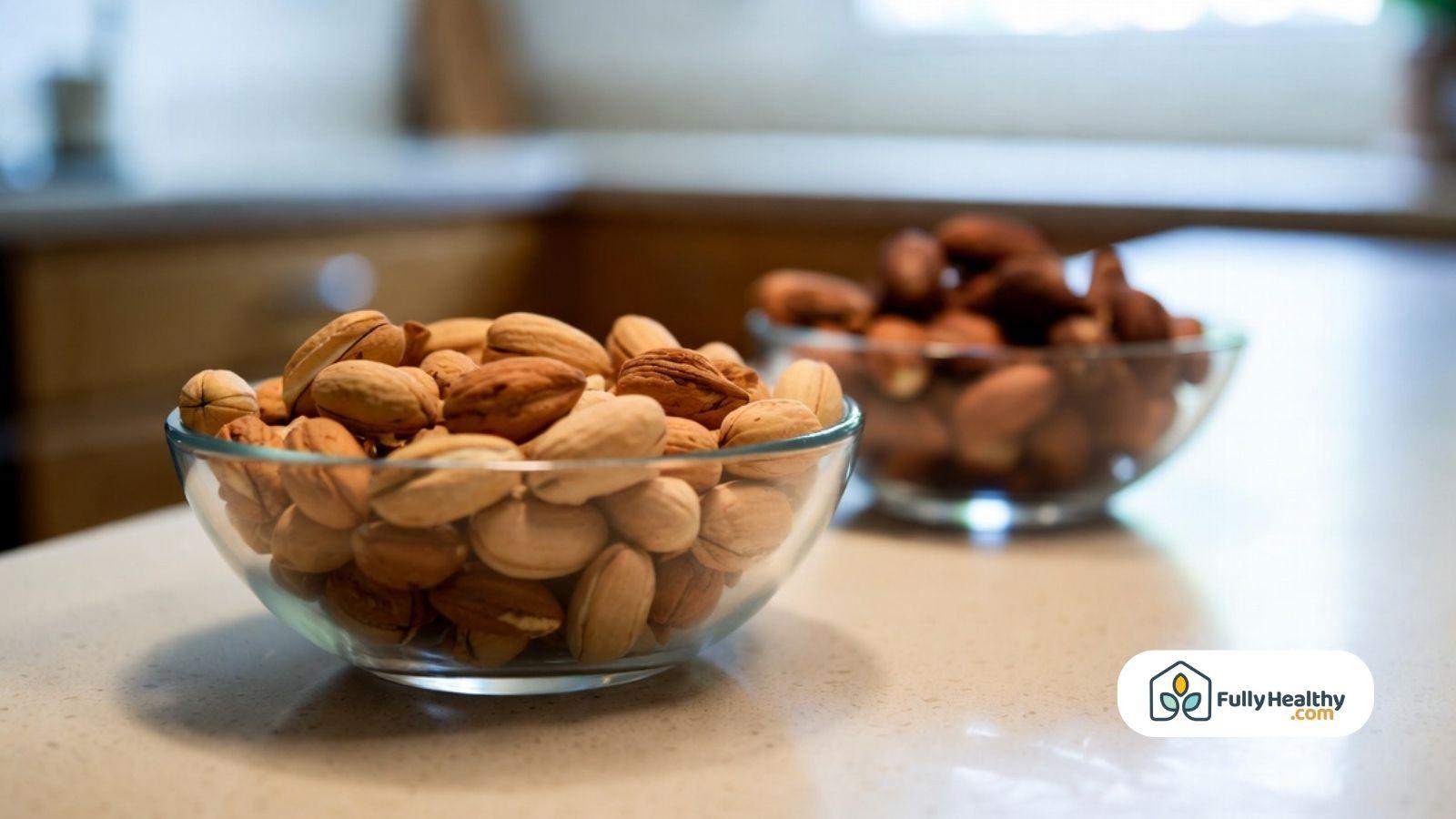
Nuts are a staple in many diets, but their shelf life depends heavily on storage, type of nut, and exposure to air and heat. Understanding how and why they spoil helps maintain freshness and avoid waste.
Why Nuts Turn Rancid Over Time
Nuts go bad when their natural fats react with air, light, and heat, leading to rancidity and a noticeable sour taste and unpleasant smell. This change affects flavor, texture, and overall quality long before it becomes a safety issue.
-
Oxidation process: Unsaturated fats react with oxygen, leading to rancid oils and off flavor.
-
Exposure factors: Heat, light, and moisture speed up spoilage and reduce freshness.
-
Smell changes: Nuts smell like paint thinner or develop a sour smell when rancid.
-
Texture shift: Fresh crunch becomes soft or stale over time.
-
Type of nut: Walnuts and pecans spoil faster than almonds due to higher fat content.
How Long Nuts Actually Last
The shelf life of nuts varies based on storage conditions, but most nuts last a few months in the pantry and much longer when stored in cooler temperatures like the fridge or freezer. The expiration date reflects best quality, not necessarily when nuts expire or become unsafe.
-
Pantry storage: Nuts typically last about 3 to 6 months in the pantry when stored in a cool, dark place.
-
Refrigerator storage: Extends shelf life of nuts up to about a year.
-
Freezer storage: Freezing can preserve most nuts for up to 1 year or longer with minimal flavor loss.
-
Packaged nuts: Sealed packaging slows oxidation but does not stop it completely.
-
General rule: Lower temperature equals longer shelf life and better freshness.
Can Stale Nuts Make You Sick?

Stale nuts often raise concerns about food safety, especially when flavor and smell change noticeably. Knowing the difference between rancid and unsafe helps guide when to eat or discard them.
What Happens When You Eat Rancid Nuts
Stale nuts can taste unpleasant, and eating rancid nuts in large amounts may cause digestive discomfort like nausea or stomach pain due to degraded fats. Small amounts usually only affect taste and are not harmful for most people.
-
Taste impact: Bitter or sour taste replaces the natural nut flavor.
-
Digestive response: Large intake may cause nausea or diarrhea.
-
Rancid oils: Broken-down fats irritate digestion rather than bacterial contamination.
-
Smell indicator: Strong odor often signals rancid condition before eating.
-
Food effect: Quality drops before safety becomes a concern.
When Nuts Become Unsafe To Eat
Nuts become unsafe when mold, moisture, or contamination develops, which goes beyond simple rancidity and creates real food risks. Proper storage helps prevent these conditions and maintains food safety.
-
Mold growth: Visible mold means nuts are bad and should not be eaten.
-
Moisture exposure: Condensation encourages bacterial growth and spoilage.
-
Packaging damage: Broken seals allow oxygen and humidity to enter.
-
Texture change: Soft or slimy texture indicates spoilage beyond staleness.
-
Smell warning: Musty or sour smell signals unsafe food condition.
Do Nuts Go Bad In A Sealed Bag?
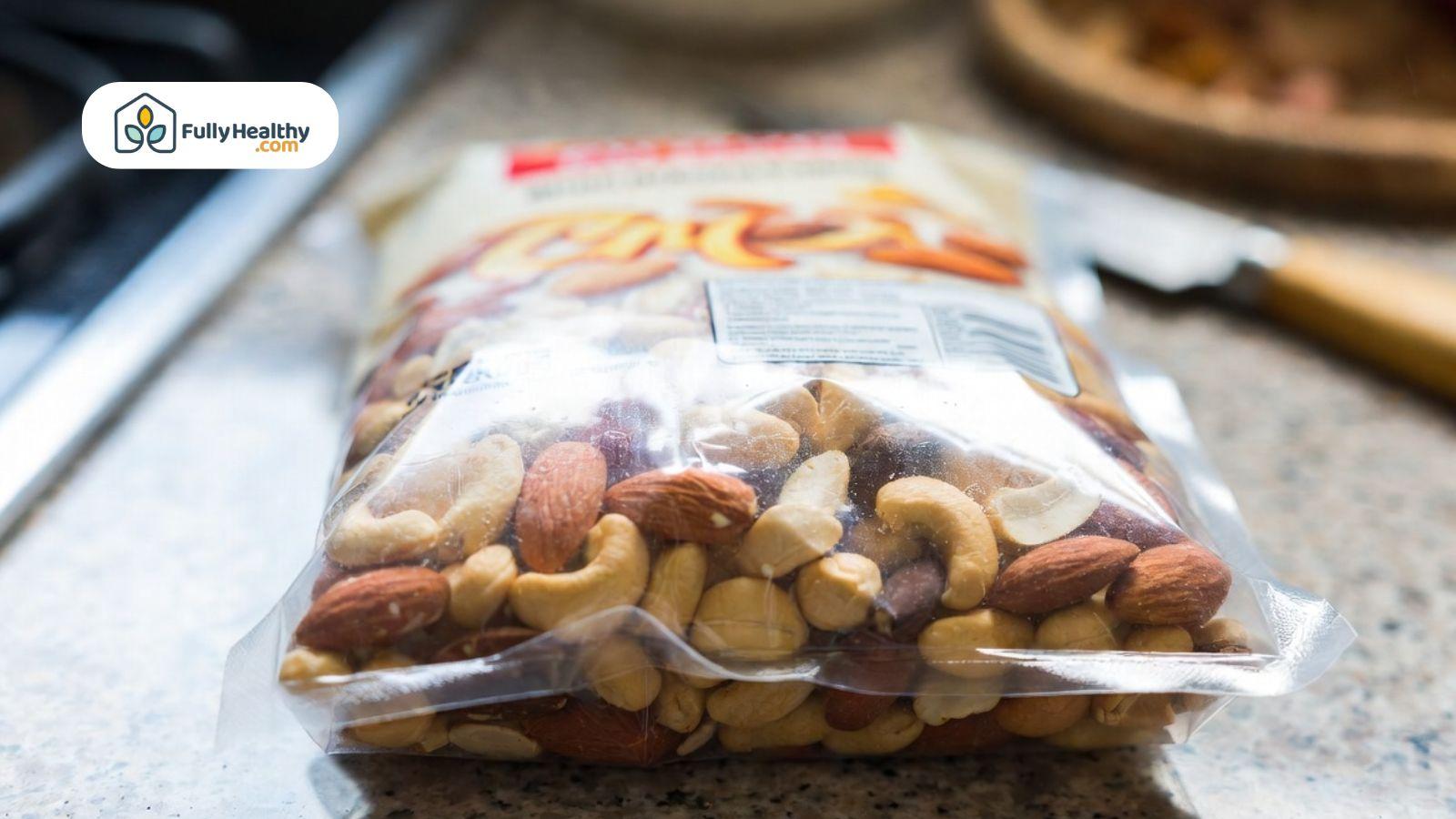
Sealed packaging can help extend the shelf life of nuts, but it does not completely stop spoilage. Storage conditions still play a major role in maintaining quality and freshness.
Why Sealing Slows Down Spoilage
Sealing reduces oxygen exposure, slowing the oxidation process, but packaged nuts still go bad over time because natural oils continue to break down slowly. Temperature and light exposure still affect freshness even in sealed packaging.
-
Oxygen control: Sealing limits air exposure but does not eliminate it.
-
Packaged nuts: Last longer than open nuts but still degrade gradually.
-
Heat exposure: High temperature speeds up spoilage even in sealed bags.
-
Light exposure: Clear packaging allows faster oil breakdown.
-
Storage limit: Sealed nuts have longer shelf life but not indefinite freshness.
Best Storage Method For Maximum Shelf Life
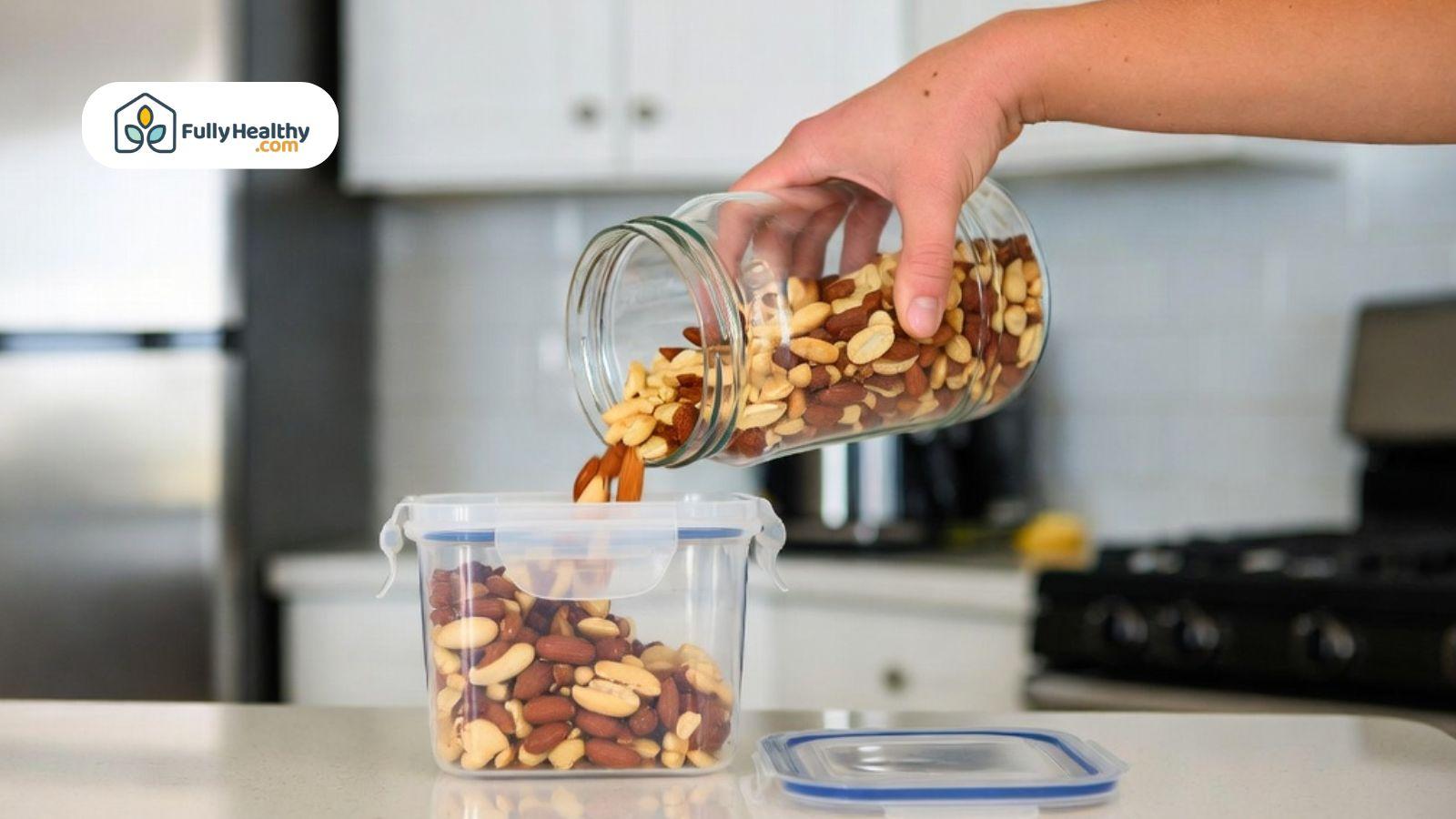
To store nuts for the longest period, cooler temperatures like the refrigerator or freezer are most effective, as they slow down oxidation and preserve flavor. Proper storage ensures nuts stay fresh, crunchy, and safe to eat.
-
Refrigerator storage: Keeps nuts fresh for up to about a year.
-
Freezer storage: Provides the longest shelf life for most nuts.
-
Airtight containers: Protect against moisture and oxygen exposure.
-
Cool and dark: Pantry storage should avoid heat and light.
-
Proper storage: Helps maintain flavor, texture, and overall freshness.
What Are The Top 3 Healthiest Nuts?
Nuts are nutrient-dense food packed with healthy fats, fiber, and essential nutrients, but some types offer more benefits depending on their profile. Choosing the right type of nut helps balance flavor, nutrition, and shelf life.
Top 3 Healthiest Nuts To Eat Daily
Walnuts, almonds, and pistachios rank among the most nuts with strong nutritional value, supporting heart health, satiety, and overall wellness when eaten in moderate portions. About a month of consistent intake at small serving sizes can support better diet balance.
-
Walnuts: High in omega-3 fats that support brain and heart health.
-
Almonds: Rich in vitamin E and magnesium for skin and muscle function.
-
Pistachios: Provide protein, fiber, and antioxidants for fullness.
-
Serving size: One ounce daily supports balanced fat and calorie intake.
-
Versatility: Works well for baking, cooking, or eating fresh as snacks.
Nuts To Limit Or Watch Closely
Some nuts or nut-based food can be high in calories, added oils, or spices, which may reduce their health value when eaten in excess. Paying attention to preparation and portion size helps avoid unnecessary intake.
-
Salted nuts: Added sodium can affect overall diet balance.
-
Flavored nuts: Spices and coatings may include excess sugar or oils.
-
Roasted nuts: Heat exposure can reduce some nutrients and freshness.
-
Portion size: High calorie density can lead to overeating quickly.
-
Processing level: Ground or heavily processed nuts lose texture and crunch.
Clean And Specialty Foods at FullyHealthy
FullyHealthy focuses on curated food options designed for specific diets, offering products that emphasize clean ingredients and proper storage practices. This approach helps maintain freshness and supports better long-term food choices.
What FullyHealthy Offers For Clean Eating
FullyHealthy provides a selection of food and snacks aligned with specialized diets, including nut-based products and alternatives that support balanced nutrition. Their offerings focus on quality ingredients and proper packaging to maintain shelf life.
-
Diet focus: Supports gluten-free, grain-free, and specialty diets.
-
Ingredient quality: Emphasizes clean, minimally processed food.
-
Packaging: Designed to preserve freshness and reduce exposure.
-
Product range: Includes nuts, seeds, and related food options.
-
Storage guidance: Encourages proper storage for longer shelf life.
Featured Nut And Related Products To Try
FullyHealthy offers products that incorporate nuts and seeds into everyday food, making it easier to maintain variety and nutrition in meals. These options also highlight how proper storage and packaging support freshness and flavor.
-
Mauna Loa Hawaiian Sea Salt Macadamia Nuts 4oz: Rich, buttery macadamia nuts with a light sea salt finish and high healthy fat content.
-
Base Culture Gluten-Free Seven Nut And Seed Bread 16 oz: Dense, nutrient-packed bread combining nuts and seeds for texture, flavor, and balanced nutrition.
-
Wild Zora Instant Grain-Free Hot Cereal Original 1.8 oz: Convenient grain-free cereal made with seeds and nut ingredients for a quick, balanced meal.
-
Convenience: Ready-to-eat options reduce preparation time.
-
Flavor retention: Packaging helps preserve crunch and freshness.
Final Thoughts
Nuts are simple food, but they need proper storage to stay fresh and safe to eat. Their fats break down over time, which affects smell, taste, and texture before safety becomes an issue. Paying attention to storage, temperature, and packaging helps extend shelf life and maintain quality. Use basic tips like sealing, cooling, and checking freshness so your nuts stay enjoyable longer and ready whenever you need them.
FAQs
How Do You Store Raw Nuts?
Store raw nuts in airtight containers at cooler temperatures like the fridge or freezer, since putting them away properly reduces oxygen exposure and helps prevent them from smell rancid while keeping freshness longer.
How Long Do Nuts Last?
How long do nuts last depends on storage, but most nuts like cashews and peanuts last a few months in the pantry and up to a year in the fridge when stored properly.
Can You Eat Nuts 3 Years Out Of Date?
Eating nuts 3 years past the expiration date is not recommended because the oils turn rancid, affecting taste, smell, and overall food quality even if they look fine.
Can Nuts Get Too Old To Eat?
Yes, nuts can get too old to eat when they become rancid or develop mold, especially if moisture, poor packaging, or exposure affects chopped or whole nuts over time.
Which Nut Has The Longest Shelf Life?
Almonds typically have the longest shelf life among most nuts, lasting longer than walnuts or legumes when stored properly using good tips like sealing, cooling, and limiting exposure.
Leave a comment