

Do Peptides Really Work? What to Know About Safety and Results

Do peptides really work? Yes, but the answer depends on the specific peptide and its intended use. Some peptides are FDA-approved medications with proven benefits, while others are still being studied.
This guide explains what the research says, how long peptides take to work, where they are injected, who should avoid them, and how to choose high-quality collagen peptides.
Do Peptides Really Work?

Yes, peptides do work, but their effectiveness depends on the specific peptide and its intended use. Some FDA-approved peptides have strong clinical evidence, while many research grade peptides still need further research before they can be recommended for human use.
The Current Scientific Evidence
Peptides are short chains of amino acids, and amino acids are the building blocks of protein. Some peptides help regulate hormones, immune responses, healing, and other essential functions, but effects vary by peptide.
-
Amino Acids: Peptides are made from linked amino acids.
-
Body Functions: They help support hormones, healing, and health.
-
FDA-Approved Peptides: Some have proven safety and efficacy.
-
Research Grade Peptides: Most still need larger clinical trials.
-
Evidence: Many purported benefits require further research.
Peptides With the Strongest Clinical Support
Different peptides perform different jobs, so results depend on the individual product rather than the entire category. Research provides the strongest support for FDA-approved peptide drugs, while collagen peptides have moderate evidence for skin hydration and elasticity.
-
Insulin: An FDA-approved peptide for diabetes treatment.
-
Collagen Peptides: They may support skin hydration, elasticity, and wrinkles, but results vary.
-
Copper Peptides: Popular active ingredients in skin care products.
-
Growth Hormone: Certain peptides are prescribed for specific conditions.
-
Current Research: Effectiveness varies between different peptides.
How Long Does it Take for Peptides to Work?
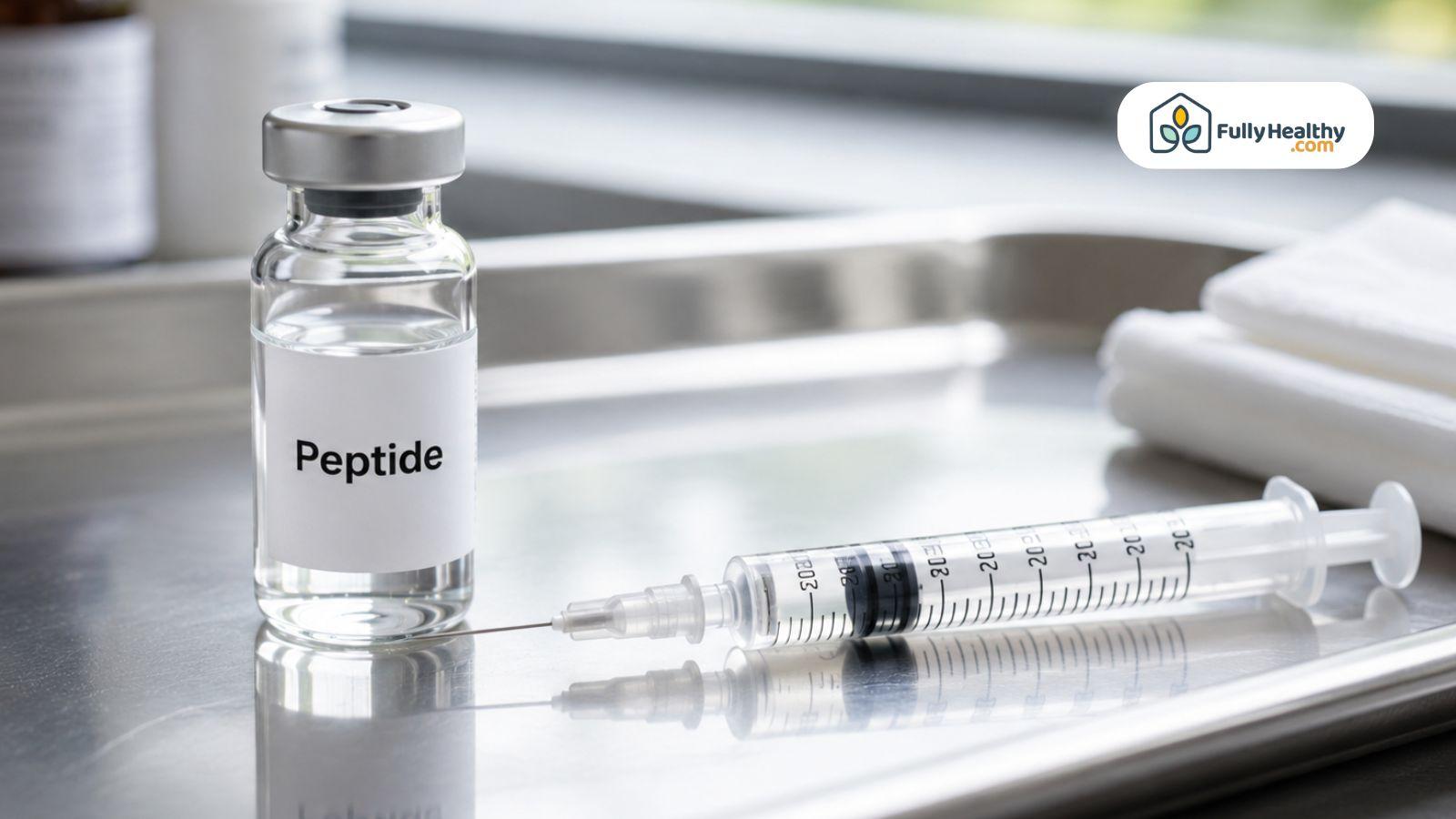
There is no single timeline because peptides work differently depending on their purpose. Prescription treatments, collagen peptides, and skin care products all produce results at different speeds.
Typical Timelines for Different Peptides
Some peptides begin working inside the body quickly, but visible improvements often take longer. Research shows that realistic expectations depend on the treatment goal and consistent use.
-
Prescription Peptides: Some act quickly, but noticeable results depend on the drug and condition treated.
-
Collagen Peptides: Skin and collagen changes may take several weeks.
-
Skin Care Products: Creams and serums require regular application.
-
Muscle Growth: Evidence remains limited for many synthetic peptides.
-
Individual Results: Aging, health, and lifestyle all influence outcomes.
Factors That Influence Results
Even proven treatments produce different results from one person to another. Nutrition, exercise, product quality, and medical supervision all affect efficacy and safety.
-
Consistency: Follow the recommended schedule every day.
-
Nutrition: Protein and vitamins support healing and collagen production.
-
Exercise: Healthy habits may complement approved treatments.
-
Quality Control: Choose products from trusted manufacturers.
-
Medical Guidance: Professional care helps monitor safety and progress.
Where Should Peptides Be Injected?
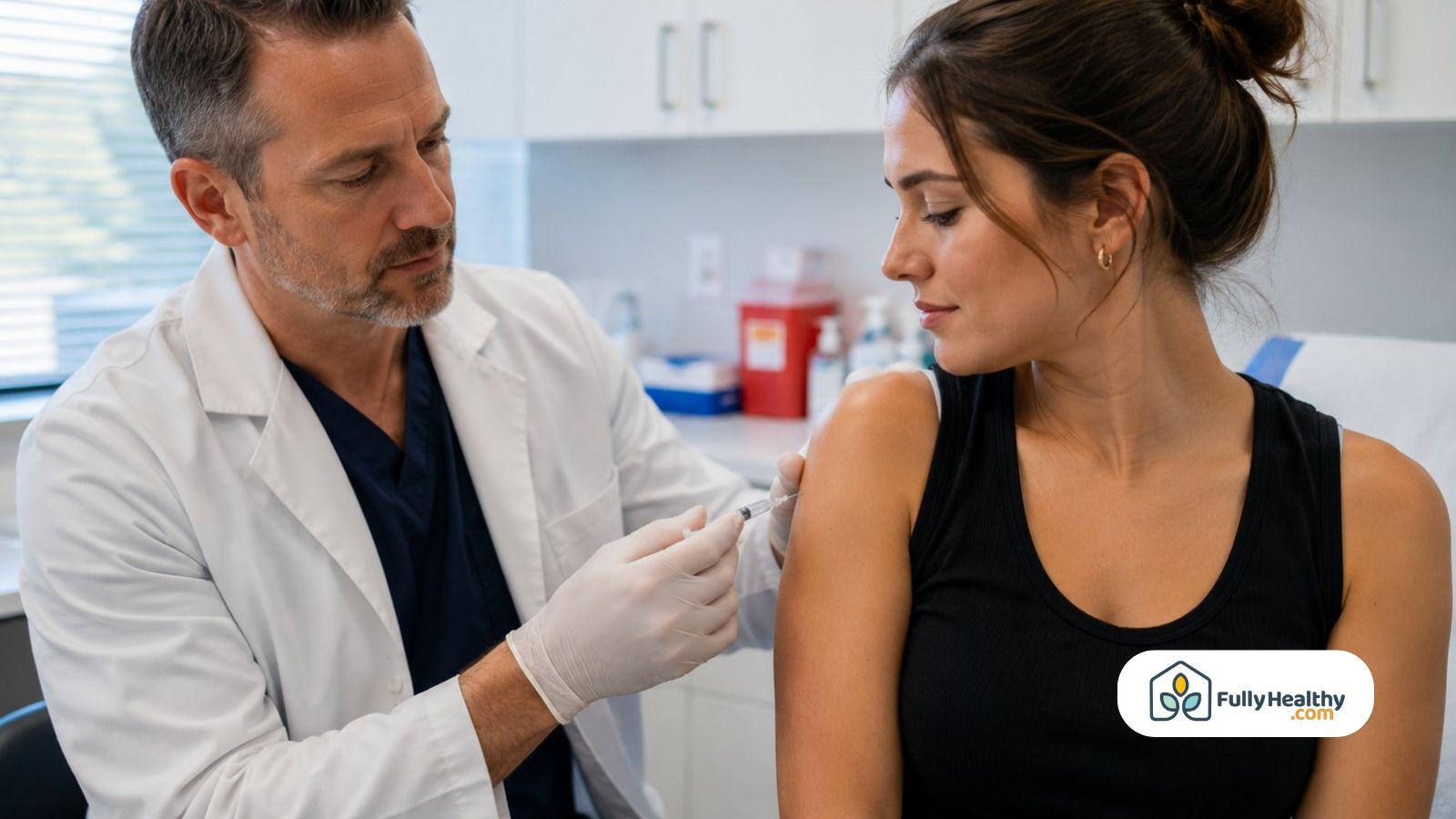
Peptides are typically injected into the fatty tissue beneath the skin, usually in the abdomen, front of the thigh, or back of the upper arm. The safest injection site and technique should always be determined by a qualified healthcare professional.
Recommended Injection Sites
Many FDA-approved peptides are administered as subcutaneous injections. Healthcare providers commonly recommend the abdomen, front of the thigh, or back of the upper arm because these areas contain enough fatty tissue for proper absorption.
-
Abdomen: Choose the fatty tissue at least 2 inches away from the belly button.
-
Front of the Thigh: Select the fatty area on the front or outer part of the thigh.
-
Back of the Upper Arm: Use the fatty tissue on the back of the upper arm, preferably with assistance if needed.
-
Site Rotation: Move to a different injection spot each time to help reduce irritation.
-
Areas to Avoid: Skip skin that is bruised, scarred, swollen, infected, or irritated.
The Importance of Professional Guidance
Every peptide has its own dosing schedule, storage instructions, and administration method. A healthcare professional can teach proper injection technique, monitor safety, and help reduce the risk of complications.
-
Proper Technique: Helps improve safety and comfort.
-
Medical Supervision: Supports correct dosing and treatment.
-
Prescription Instructions: Follow directions for FDA-approved drugs.
-
Patient Safety: Report allergic reactions or unusual symptoms.
-
Research Peptides: Avoid products sold without FDA approval.
Who Should Not Take Peptides?

Peptides may not be appropriate for everyone. People who are pregnant, breastfeeding, have certain medical conditions, or take specific medications should speak with a healthcare provider before using peptide treatments or supplements.
People Who May Need to Avoid Peptides
Certain people may have a higher risk of side effects or complications from peptide therapy. A healthcare provider can determine if the potential benefits outweigh the risks.
-
Pregnancy: Peptides are generally not recommended.
-
Breastfeeding: Safety information remains limited.
-
Certain Cancers: Some peptide therapies may be inappropriate depending on cancer type and treatment history.
-
Allergies: Watch for allergic reactions to ingredients.
-
Medical Conditions: Discuss existing health concerns before treatment.
Medical Screening Before Starting Peptides
A medical evaluation helps identify possible risks before treatment begins. It also allows healthcare providers to review medications, treatment goals, and the most appropriate options for your health.
-
Medical History: Share all current and past conditions.
-
Current Medications: Some drugs may interact with peptides.
-
Treatment Goals: Choose therapies supported by research.
-
Quality Control: Purchase products from reputable sources.
-
Regular Monitoring: Follow up to assess safety and efficacy.
Why Choose FullyHealthy for Collagen Peptides?
FullyHealthy offers carefully selected collagen peptides from trusted brands, making it easier to choose products that prioritize quality and ingredient transparency.
About FullyHealthy
FullyHealthy specializes in wellness products for people with a variety of dietary needs. The online store focuses on trusted brands, clear product information, and educational resources to help customers make informed purchasing decisions.
-
Trusted Brands: Products come from established wellness manufacturers.
-
Quality Standards: Carefully selected products emphasize ingredient transparency.
-
Specialty Diets: Options are available for different dietary preferences.
-
Educational Resources: Helpful information supports smarter product choices.
-
Wellness Focus: The selection includes supplements for everyday health goals.
Featured Collagen Peptide Products
FullyHealthy carries several Great Lakes Wellness collagen peptides that provide high-quality protein and amino acids to support collagen production. Each product offers unique benefits based on its source and formulation.
-
Great Lakes Wellness Grass-Fed Bovine Collagen Peptides, Unflavored (20 Packs): Convenient single-serve collagen peptides that support skin, joints, and connective tissues.
-
Great Lakes Gelatin Co. Marine Collagen Peptides (8 oz): Marine-sourced collagen peptides for those who prefer a fish-based collagen supplement.
-
Great Lakes Gelatin Co. Grass-Fed Collagen Hydrolysate, Unflavored (16 oz): An unflavored collagen powder that mixes easily into coffee, smoothies, and other beverages.
Final Thoughts
Peptides can be effective, but the results depend on the specific product and its intended use. FDA-approved peptides have the strongest scientific evidence.
Collagen peptides and skin care ingredients may support the skin barrier, skin rejuvenation, anti aging, elastin, reducing inflammation, and the body's ability to use nutrients. Speak with a healthcare provider before adding peptides to your routine.
FAQs
Are Peptides Actually Worth It?
Yes. FDA-approved peptides have proven medical uses, while collagen peptides may support skin health and joint health, but many other products still need more research to support every claim.
Are Peptides Hard on Your Liver?
There is no strong evidence that FDA-approved peptides harm the liver when prescribed appropriately, but the safety of many research peptides and supplements remains uncertain.
Can I Use Peptides Every Day?
It depends on the product. Some collagen peptides, skin care products, retinoids, and other active ingredients are intended for daily use, while prescription peptides should only be used exactly as directed.
Which FDA Approved Peptides Are Available?
Common FDA approved peptides include insulin, GLP-1 medications, and certain hormone therapies prescribed for specific medical conditions, while collagen peptides and copper peptides are not FDA-approved drugs.
Do Peptides Help With Muscle Growth?
Some peptides are being studied for muscle growth and the ability to build muscle, but current science shows that most still require larger clinical trials before their efficacy can be confirmed.
Leave a comment