

Does Apple Cider Vinegar Go Off? What You Should Know
Many people keep a bottle of apple cider vinegar in the pantry for years, which raises a common question: does apple cider vinegar go off? In most cases, the short answer is "no."
Because it is very acidic, apple cider vinegar doesn't go bad very often. But over time, it may taste, look, and be less clear. How to use it safely, how long it lasts, and how to tell when it changes are all covered in this guide.
🌞 Enjoy Apple Cider Vinegar the Tasty Way — Zesty Citrus, Ginger & the Mother!
Does Apple Cider Vinegar Go Off?
A lot of people want to know if apple cider vinegar goes bad after a while because it lasts so long. Because of its highly acidic nature, vinegar naturally resists bacterial growth and spoilage. Even an ancient bottle found in the pantry is usually safe to use. However, its taste, smell, and look can slowly change if it is not stored properly.
Why Apple Cider Vinegar Rarely Spoils
For apple cider vinegar to form, it has to naturally ferment. Apples that have been crushed first turn into apple juice, and then alcohol is turned into acetic acid by bacteria in the air. This main component makes the vinegar's environment very acidic. Because it is acidic, vinegar can last for a long time and stop bad bacteria from growing.
-
Fermentation process: Apples contain natural sugars that ferment with yeast and natural bacteria. During this process, alcohol forms and then converts into acetic acid, which gives vinegar its sour taste.
-
Natural protection: Vinegar contains natural antimicrobial properties that help prevent bacterial growth and protect against harmful bacteria.
-
Scientific findings: Research shows vinegar has antibacterial characteristics that can affect microbes such as staphylococcus aureus and candida albicans. Some studies even describe vinegar as having the most antibacterial characteristics among several common liquids.
-
Functional food benefits: Raw apple cider vinegar and organic apple cider vinegar are often used in functional foods because they may support gut health, improve digestion, and provide more nutrients.
Signs Your Apple Cider Vinegar Has Aged Or Changed
It's not often that vinegar goes bad, but over time it can change how it looks and tastes. The liquid may change when it comes in contact with air, but this usually doesn't make it unsafe. Old vinegar might just have a cloudy appearance or a stronger taste.
-
Appearance changes: Unfiltered vinegar or raw apple cider vinegar may develop cloudy sediment over time. This sediment often comes from the “mother,” which contains natural strands of beneficial compounds, aka probiotics.
-
Oxygen exposure: Opening the bottle often lets in oxygen. This can lead to small chemical changes that release compounds such as citric acid or sulfur dioxide.
-
Taste differences: The flavor may become sharper or stronger as the vinegar ages, but it is usually still safe to consume if stored properly.
-
Expiration label: The expiration date mainly refers to best quality rather than safety. Vinegar can remain usable long after the date on the bottle.
Does ACV Lower Potassium?
Apple cider vinegar has several health benefits, but it is still important to use it in moderation. Drinking too much may affect certain mineral levels in the body. One possible concern is potassium, which plays an important role in muscle and nerve function.
How Apple Cider Vinegar May Affect Potassium Levels
Drinking large amounts of vinegar regularly may influence electrolyte balance. Because vinegar is highly acidic, excessive intake could reduce potassium levels in some situations.
-
Electrolyte balance: Large amounts of vinegar may affect potassium levels, especially when consumed daily in high quantities.
-
Digestive effects: Some people experience acid reflux or stomach discomfort when drinking strong vinegar mixtures.
-
Weight goals: Many people drink apple cider vinegar for weight loss or weight management, but it should be consumed carefully.
-
Recommended intake: Most guidelines suggest limiting intake to one or two tablespoons diluted in water.
Who Should Be Careful With Apple Cider Vinegar
Although apple cider vinegar good for many people, some individuals should use extra caution. Health conditions or medications may increase sensitivity to vinegar’s acidity.
-
Medication interactions: Some medications that lower potassium levels may interact with frequent vinegar consumption.
-
Digestive sensitivity: People who already have acid reflux or stomach irritation may find strong vinegar uncomfortable.
-
Safe consumption: Diluting vinegar in water helps reduce its strong acidity and makes it easier to drink.
-
Balanced use: Using vinegar in cooking or dressings is usually safe for most people.
Is Expired Apple Cider Safe To Drink?

Apple cider and apple cider vinegar are not the same product. Apple cider comes from fresh apple juice and contains natural sugars. Because it lacks vinegar’s highly acidic environment, cider has a shorter shelf life and can spoil faster.
What Happens When Apple Cider Expires
When cider sits for too long, fermentation continues naturally. The natural sugars begin turning into alcohol and other compounds, which changes the flavor and smell.
-
Fermentation process: Natural sugars in cider slowly convert into alcohol and acids when fermentation continues.
-
Taste changes: A sweet drink may develop a sour or vinegary flavor after a few weeks.
-
Visible signs: Darker color, bubbles, or a thin surface film may show that fermentation is still happening.
-
Safety note: Sour cider may taste unpleasant, but it usually does not become dangerous immediately.
How Long Apple Cider Typically Lasts
The shelf life of cider depends on how it is processed and stored. Fresh cider spoils faster than pasteurized versions.
-
Fresh cider storage: Unpasteurized cider usually lasts only a few weeks when kept in the refrigerator.
-
Opened bottle life: Pasteurized cider may remain drinkable for several days after opening if stored properly.
-
Proper storage: Keeping cider in the refrigerator and away from direct sunlight helps slow fermentation.
-
Vinegar comparison: Vinegar lasts much longer than cider. Other vinegars like rice vinegar, white wine vinegar, or mixtures with lemon juice can also have long shelf lives when stored in a dark place.
What Can I Use Expired Apple Cider Vinegar For?
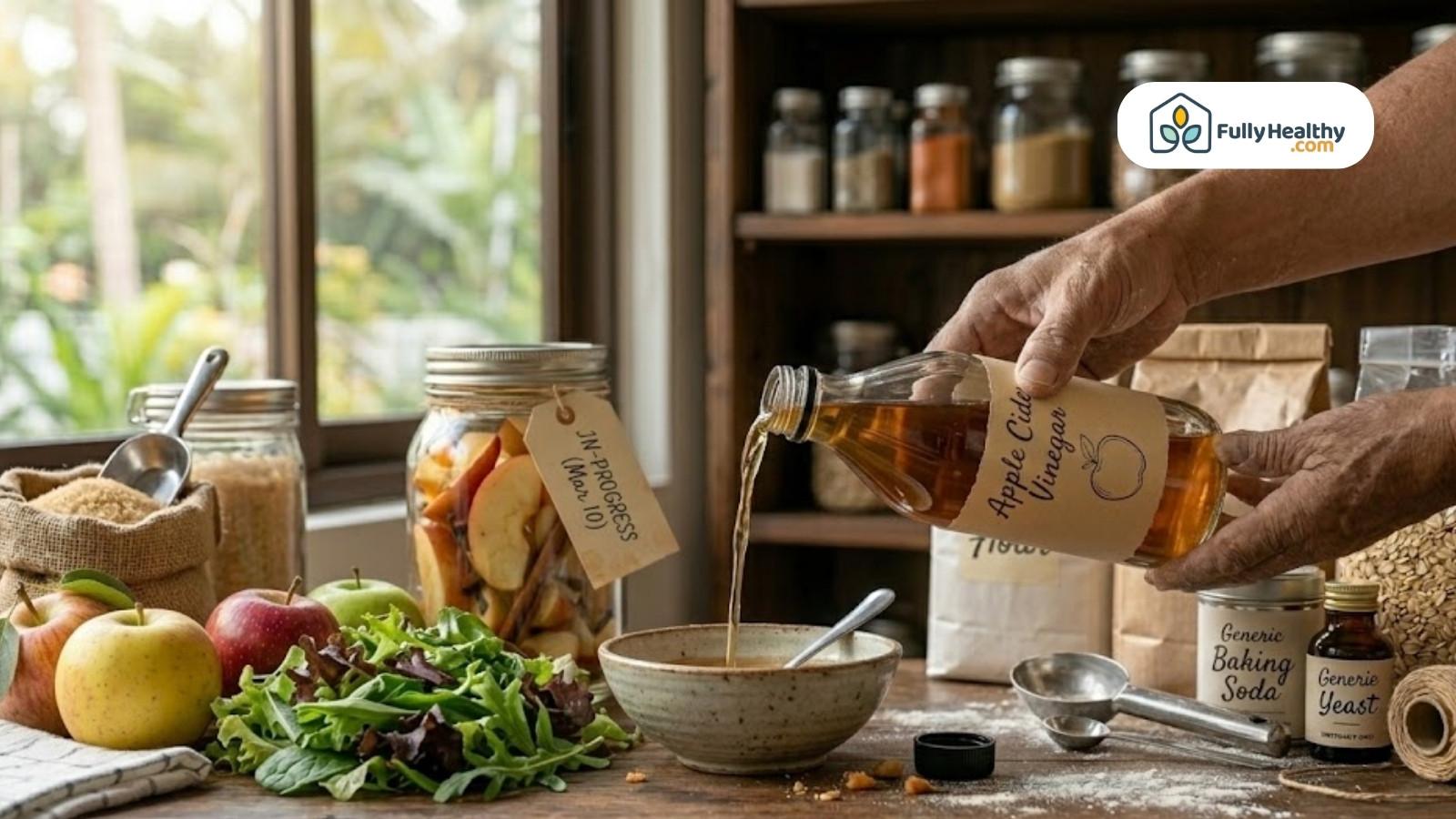
Apple cider vinegar is naturally self preserving, so it rarely becomes unsafe to use. Over time, you may notice aesthetic changes like a murky look or more sediment in the bottle. These changes happen as the vinegar ages and interacts with air. They usually affect appearance rather than safety, which means older vinegar can still be useful in many practical ways.
Household Uses For Old Apple Cider Vinegar
Old vinegar can still work well around the home. Its acidity helps break down residue, grease, and light stains. This makes it a simple and natural cleaning option for everyday tasks.
-
Surface cleaner: Diluted vinegar can help clean countertops, sinks, and small kitchen appliances by removing grease and light buildup.
-
Odor neutralizer: A small amount poured into drains or mixed with water can help reduce unpleasant kitchen odors.
-
Produce rinse: A mild vinegar solution can help rinse fruits and vegetables before cooking or storing them.
-
Glass cleaning: Mixing vinegar with water can help clean windows and mirrors while reducing streaks.
Beauty And Cooking Uses For Older Vinegar
If the flavor is still acceptable, older vinegar can still be used in the kitchen. It also works well in simple personal care routines because of its mild cleansing qualities.
-
Hair rinse: Diluted vinegar can help remove product buildup from hair and leave it feeling smoother and cleaner.
-
Salad dressings: Older vinegar can still work well in vinaigrettes or marinades where a stronger flavor is useful.
-
Food preparation: Vinegar can help tenderize meat and balance flavors in sauces, soups, and marinades.
-
Kitchen ingredient: Small amounts can still work in pickling mixtures or other culinary uses where acidity is needed.
Where To Buy Quality Vinegar Options From FullyHealthy
Choosing a good vinegar can improve both flavor and cooking results. FullyHealthy is an online marketplace that offers specialty foods designed for different dietary needs. The store focuses on high-quality ingredients that support overall health and simple, clean eating.
Why FullyHealthy Is A Trusted Specialty Food Marketplace
FullyHealthy helps shoppers find specialty foods without searching multiple stores. The platform carefully selects products from brands known for quality ingredients and dietary compatibility.
-
Special diet focus: The marketplace offers products that support gluten-free, allergen-friendly, and other specialty diet plans.
-
Curated brands: FullyHealthy partners with brands that focus on clean ingredients and transparent sourcing.
-
Convenient shopping: Customers can buy pantry staples in one place instead of searching different stores.
-
Health-focused products: Many items are designed to support overall health through better food choices.
Apple Cider Vinegar And Specialty Vinegars Available
FullyHealthy offers several vinegar options that work well in everyday cooking. These products are suitable for dressings, marinades, and other culinary uses.
-
Bragg organic apple cider vinegar with the mother: A raw vinegar known for natural fermentation and a strong, balanced flavor.
-
Bragg citrus ginger apple cider vinegar blend: This flavored vinegar adds citrus and ginger for extra taste in drinks or recipes.
-
Napa Valley Naturals champagne vinegar: A mild vinegar with a crisp flavor, commonly used in vinaigrettes and marinades.
-
Storage tip: To store apple cider vinegar for the best quality, simply store the bottle in a cool cabinet away from heat and direct light.
Final Thoughts
Many people ask if apple cider vinegar goes off, but the truth is that vinegar is mostly self-preserving. Because of its strong acidity and natural stability, an old bottle often stays usable for a long time. You may notice small aesthetic changes like a cloudy look or sediment, but these changes usually affect appearance more than safety. Proper storage helps keep vinegar at its best quality.
Simply keep the bottle sealed and away from heat or sunlight. Even though vinegar may contain compounds sometimes described as two preservatives formed during aging, it still remains stable. In most cases, you can continue using apple cider vinegar for cooking, cleaning, or simple kitchen tasks without worrying about spoilage.
FAQs
Does apple cider vinegar go bad because of two preservatives?
Apple cider vinegar is self preserving and may contain two preservatives like citric acid and sulfur dioxide formed during aging, but it usually does not spoil.
Can I still use an old bottle if it contains two preservatives?
Yes, an old bottle with two preservatives or natural compounds formed during aging is usually still safe if it smells and tastes normal.
Why does vinegar sometimes show two preservatives on labels or discussions?
Some sources mention two preservatives such as citric acid and sulfur dioxide because they can appear during oxidation and aging.
Does the presence of two preservatives change vinegar quality?
The presence of two preservatives does not usually make vinegar unsafe; it mostly reflects normal chemical changes over time.
Should I throw away vinegar if I read about two preservatives?
No, apple cider vinegar remains stable and self preserving even when discussions mention two preservatives, as long as it looks and smells normal.
Leave a comment