

Does Beef Tallow Need to Be Refrigerated? Simple Storage Guide
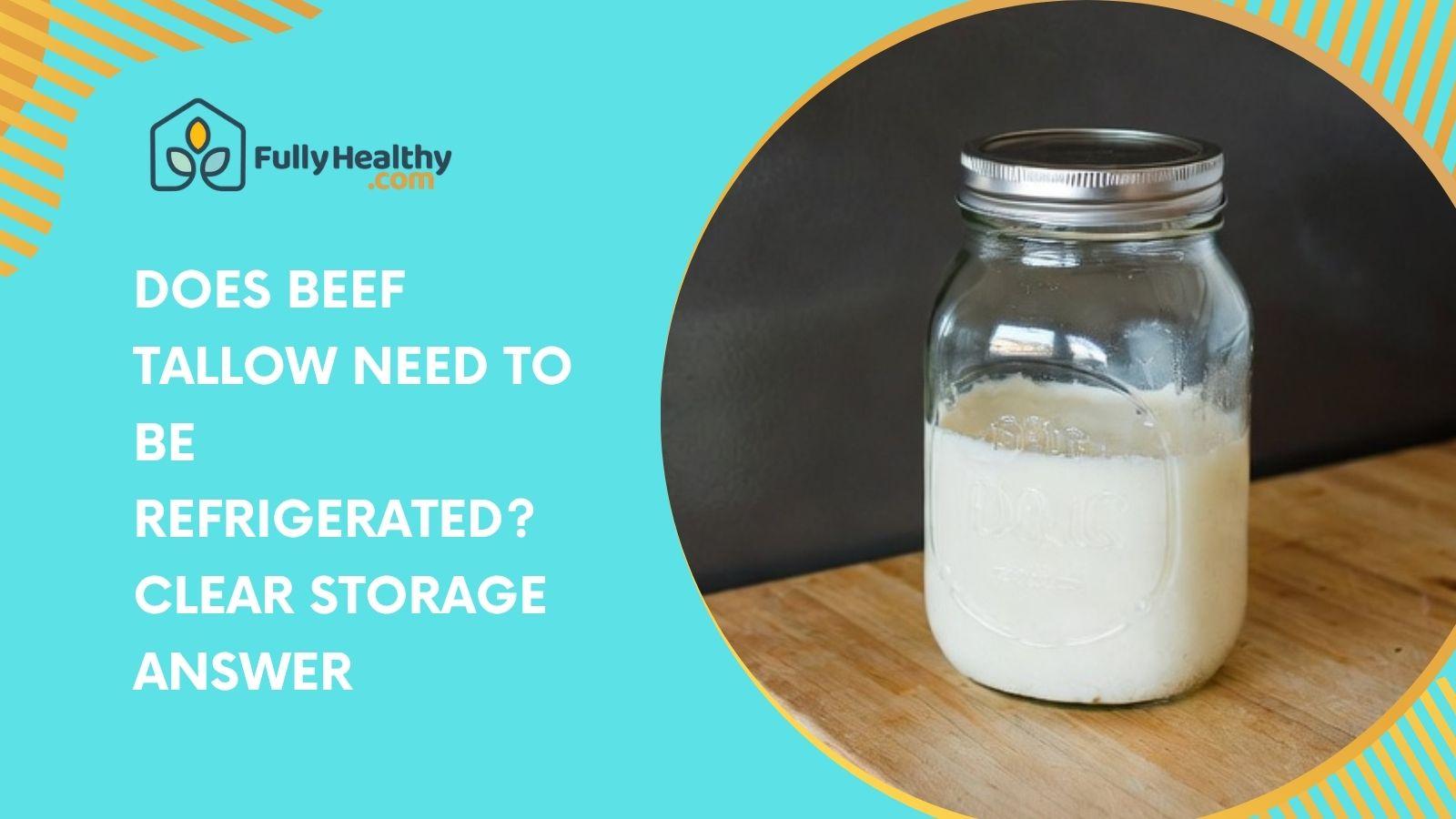
Does beef tallow need to be refrigerated, or can you safely keep it at room temperature? It does not always need refrigeration if stored correctly. Beef tallow can stay fresh in a sealed container, away from heat and light. Find out how long beef tallow lasts, how to store it, and when it makes more sense to use the fridge or freezer.
Featured Pantry Pick
EPIC // Grass Fed Beef Tallow - 11 oz
Loading...
Does Beef Tallow Need to be Refrigerated?
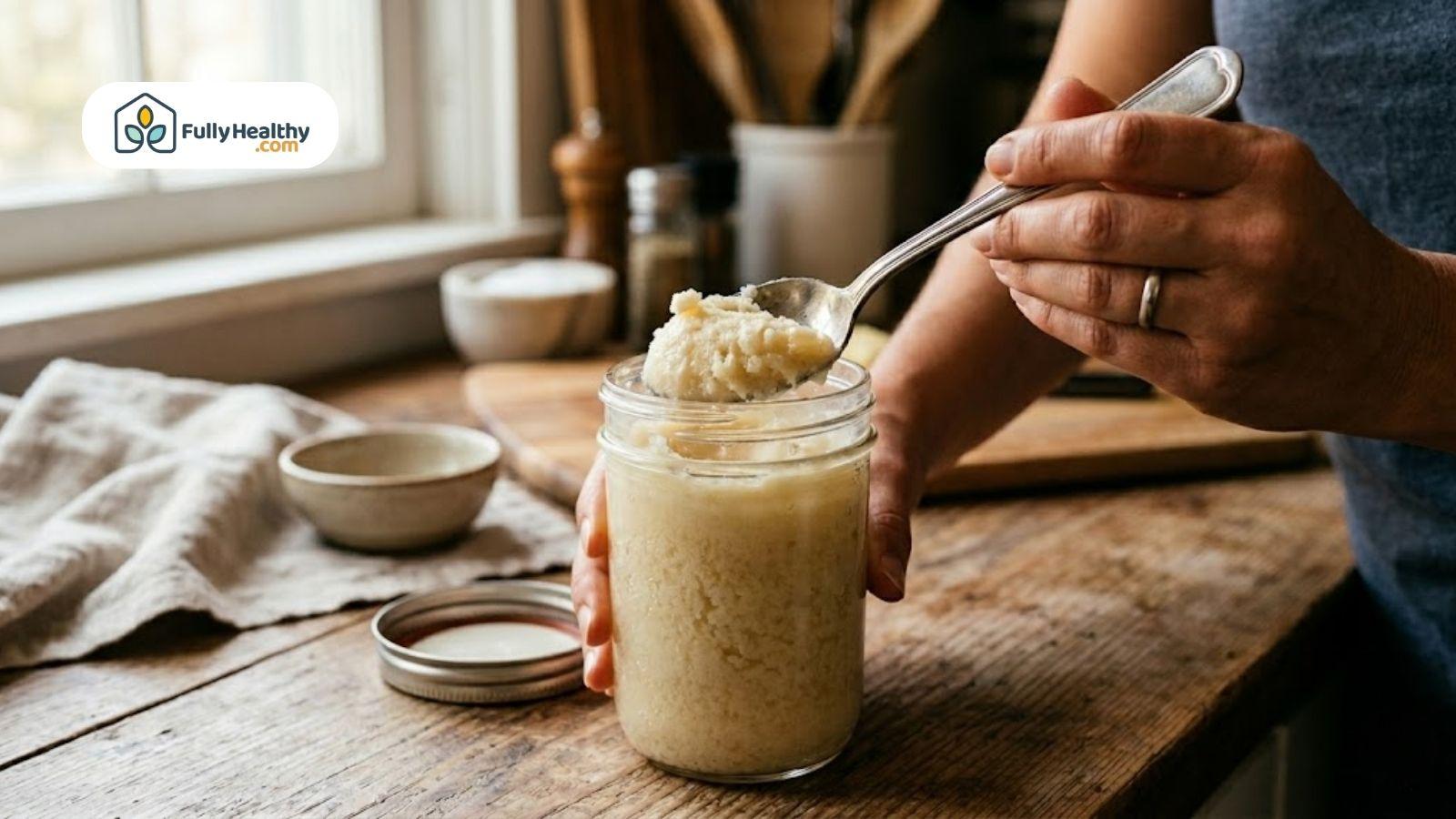
Beef tallow is naturally shelf stable when rendered properly, but storage conditions still affect how long it will remain safe and usable.
Room Temperature Storage Explained
Beef tallow can stay fresh at room temperature because rendering removes moisture and impurities, reducing microbial growth and slowing oxidation. When stored correctly in an airtight container, it can remain safe for several months without refrigeration.
-
Shelf Stable: Properly rendered tallow stays shelf stable due to low moisture content.
-
Storage Location: Keep in a cool, dry place like a pantry or dark place.
-
Light Exposure: Avoid direct sunlight, uv rays, and direct light to prevent oxidation.
-
Cooking Benefit: Works well for cooking and deep frying due to high smoke point.
When Refrigeration Makes Sense
Putting beef tallow in the fridge helps it last longer and keeps it from going bad in warmer places. It's helpful for storing things for a long time, in large amounts, or when there are heat sources and humidity around.
-
Extended Shelf Life: Refrigerated tallow typically lasts up to 12 months, and potentially longer under ideal storage conditions.
-
Temperature Control: Keeps fat stable when room temperature is too warm.
-
Storage Method: Store tallow in airtight container inside the refrigerator or fridge.
-
Texture Change: Tallow becomes firm and harder but remains safe and usable.
-
Longer Storage: Best option when planning to store beef tallow for longer periods.
How Long Will Tallow Last Unrefrigerated?

The life of beef tallow at room temperature varies based on storage conditions, quality of rendering, and exposure to heat or moisture. When stored correctly, it can last several months without spoiling.
Typical Shelf Life at Room Temperature
Most beef tallow will last between 12 to 18 months in a pantry when stored in ideal conditions. Several factors such as moisture, air exposure, and temperature influence the actual shelf life.
-
Average Range: Typically lasts several months up to one year.
-
Ideal Conditions: Store in a cool, dark environment between 60–70°F.
-
Airtight Storage: Prevent air exposure using mason jars or sealed container.
-
Clean Handling: Use clean utensils to avoid introducing bacteria or moisture.
-
Stable Fat: Saturated fats slow spoilage compared to olive oil or butter.
Signs Your Tallow Has Gone Bad
Beef tallow can turn rancid over time, especially if exposed to heat, air, or moisture. Checking smell, texture, and color helps determine if it is still safe to use.
-
Rancid Smell: Sour or off odor signals the fat has gone bad.
-
Color Change: Yellow or gray tones indicate oxidation.
-
Texture Issues: Grainy or sticky texture means spoilage.
-
Taste Change: Bitter or unusual flavor during cooking is a warning.
-
Discard Rule: If rancid, do not use and dispose of immediately.
What is the Best Way to Store Beef Tallow?
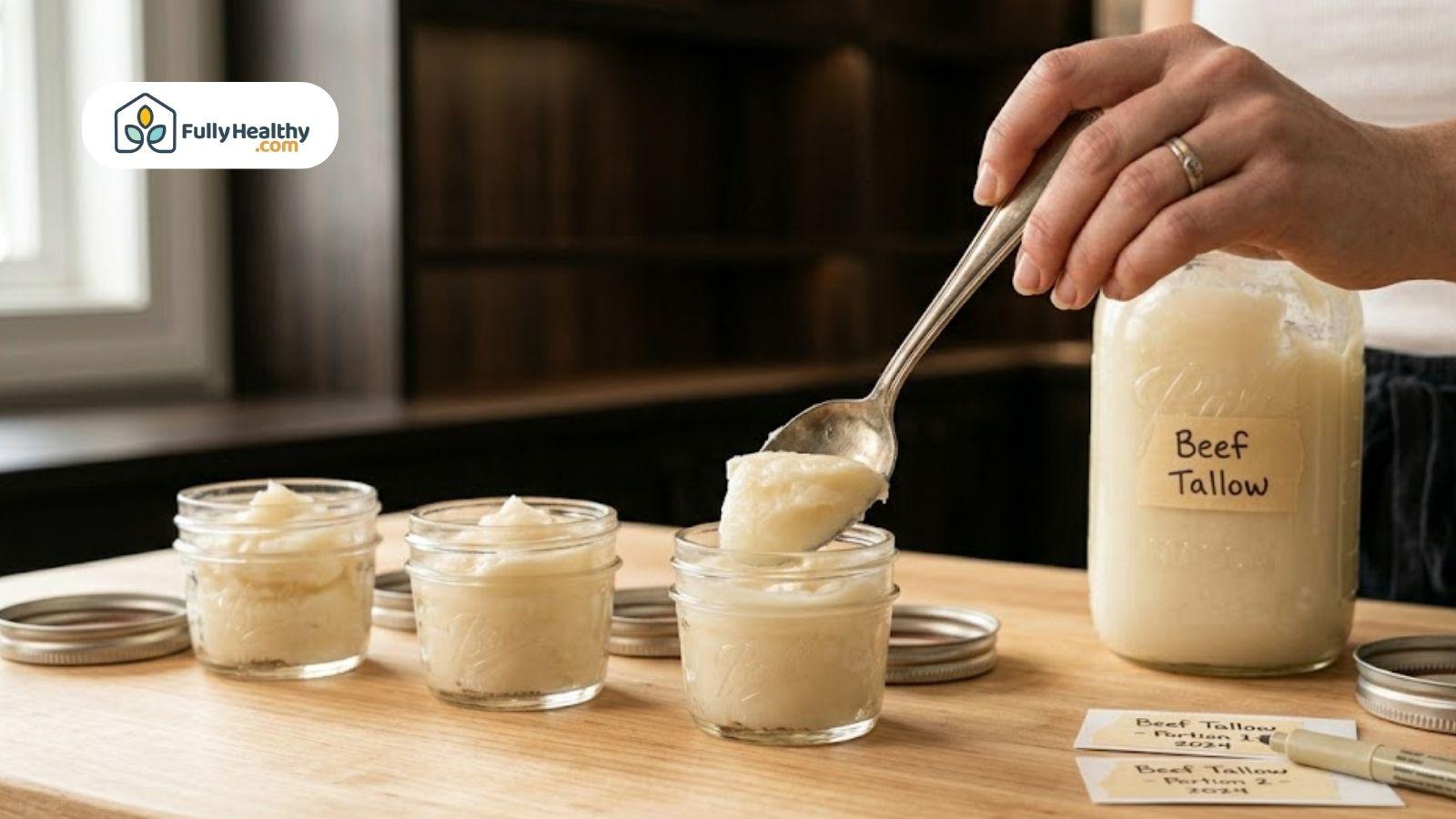
Proper storage keeps beef tallow fresh, prevents spoilage, and extends its usability for cooking or other uses. Simple storage tips help maintain flavor, texture, and safety.
Ideal Storage Setup for Maximum Freshness
The best way to store beef tallow is using airtight containers in a cool, dark place with minimal exposure to air and moisture. This setup helps maintain freshness and prevents early spoilage.
-
Container Choice: Use glass jars or glass containers for best results.
-
Storage Area: Keep in a pantry or dark place away from heat sources.
-
Air Protection: Prevent air exposure by sealing tightly after each use.
-
Batch Storage: Store large quantities separately for future use.
-
Freezing Option: Freeze beef tallow in ice cube trays or freezer safe containers.
Storage Mistakes to Avoid
Improper handling can cause beef tallow to spoil quickly even if it is naturally shelf stable. Avoiding common mistakes ensures longer storage and better quality.
-
Heat Exposure: Storing near heat sources can cause fat to degrade faster.
-
Moisture Contact: Water contamination leads to bacterial growth.
-
Open Containers: Leaving container unsealed allows oxidation.
-
Dirty Utensils: Introducing food particles speeds up spoilage.
-
Direct Light: Exposure to sunlight or uv rays can turn tallow rancid.
Is Beef Tallow Just Melted Beef Fat?
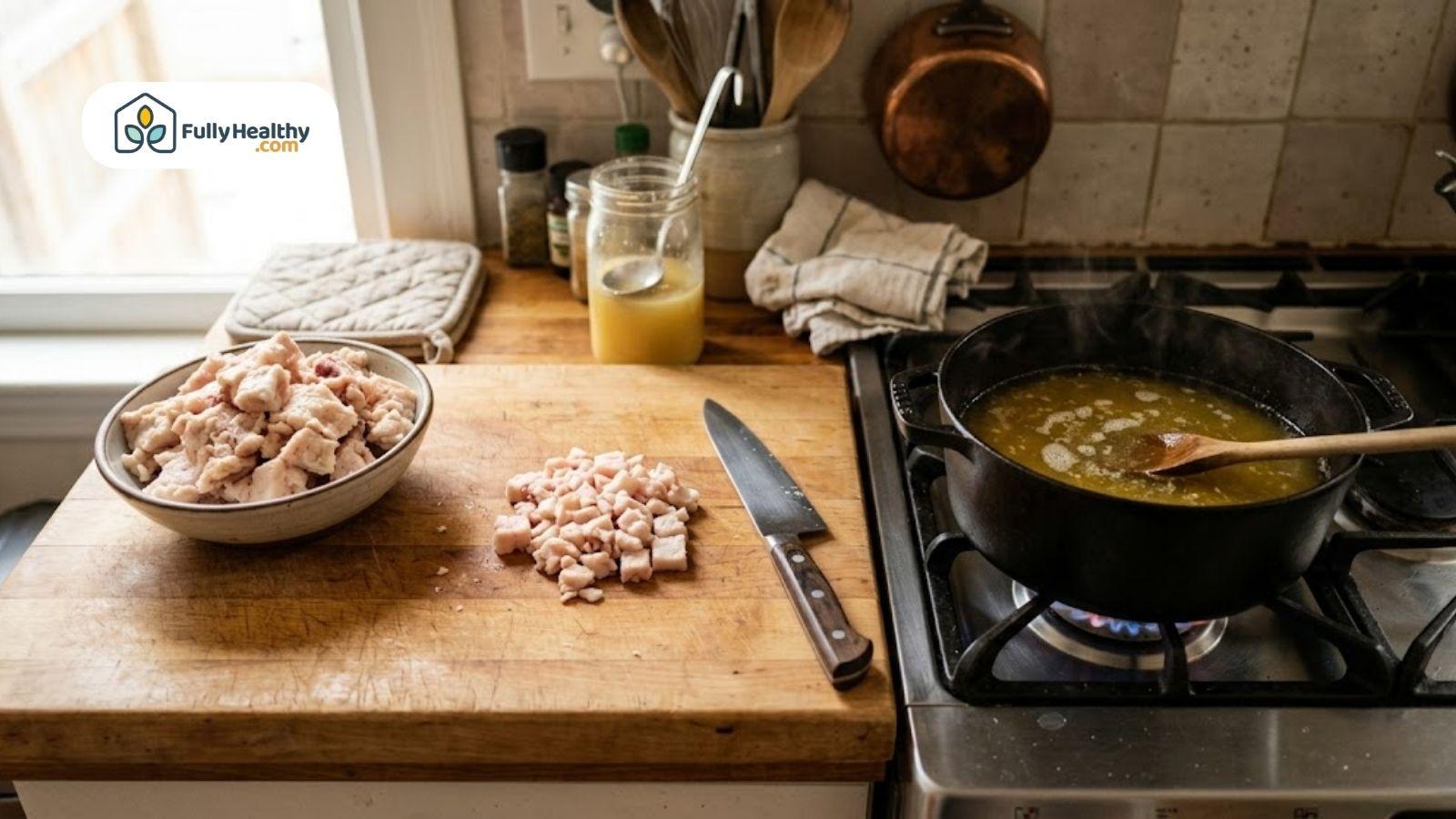
Beef tallow is a form of rendered fat that has been processed to remove impurities, making it stable and versatile. It is widely used in cooking, skincare, and even candle making due to its durability.
What Beef Tallow Actually is
Beef tallow is rendered fat from beef, often sourced from suet, which is the dense fat around the kidneys. The rendering process removes moisture and impurities, allowing it to remain safe and shelf stable.
-
Rendered Fat: Made by slowly heating beef fat to separate liquid fat.
-
Purification: Removes moisture and solids that cause spoilage.
-
Shelf Stability: Low moisture content helps prevent bacterial growth.
-
Fat Type: High in saturated fats, making it stable at room temperature.
-
Versatility: Used in cooking, skincare, and other applications.
How Tallow is Made and Why it Lasts Long
The rendering process transforms raw beef fat into a clean, stable fat that resists spoilage. This process explains why tallow has a longer shelf life compared to other fats.
-
Low Heat Process: Fat is slowly melted and strained to remove impurities.
-
Straining Step: Removes connective tissue and moisture.
-
Final Product: Solidifies into a clean, stable fat when cooled.
-
Long Shelf Life: Properly rendered tallow slows bacterial growth and oxidation but will still degrade over time.
-
Multiple Uses: Suitable for cooking, tallow balm, and skin health.
About FullyHealthy
FullyHealthy offers a curated selection of clean foods and animal-based products designed for people focused on ingredient quality. It includes products made from beef tallow and other minimally processed foods.
What FullyHealthy Offers
FullyHealthy provides access to clean-label foods, including grass fed beef tallow and nutrient-dense options for cooking and health-focused diets.
-
Clean Products: Focus on simple ingredients without harmful chemicals.
-
Diet Support: Suitable for elimination diets and sensitive skin needs.
-
Wide Range: Includes fats, snacks, and specialty foods.
-
Quality Focus: Emphasis on sourcing and minimal processing.
-
Convenience: Easy access to curated healthy foods.
Featured Beef and Animal-Based Products
FullyHealthy offers a range of beef-based products designed for cooking, snacking, and personal care, making it easier to use beef tallow in daily routines. These options support both kitchen use and skin health with clean, simple ingredients.
-
Epic Grass-Fed Beef Tallow 11 oz: Grass fed beef tallow ideal for cooking, deep frying, and long term storage due to its stable fat profile.
-
Hearty Sauces Handcrafted Beef Tallow Balm 2 oz: Tallow balm formulated for skin health and sensitive skin, free from harmful chemicals.
-
Epic Beef Apple Uncured Bacon Bar 1.5 oz: Protein-rich beef snack combining savory beef and apple for convenient on-the-go nutrition.
-
Epic Wagyu Beef Steak Strip 0.8 oz: Premium wagyu beef snack offering high-quality fat and flavor in a compact format.
-
Chomps Sea Salt Beef Stick 1.15 oz: Simple, clean beef snack with sea salt, suitable for everyday snacking and balanced diets.
Final Thoughts
If you store beef tallow in the right way, in a container that keeps air out and away from heat, moisture, and direct light, it will stay fresh for longer. At room temperature, it stays stable on the shelf, but storing it in the fridge or freezer extends the shelf life and keeps it from going bad.
For long term storage, you can freeze tallow in freezer safe containers to avoid freezer burn and keep it fine for future use.
FAQs
Is beef tallow healthier for you than butter?
Beef tallow and butter both contain saturated fats, but beef tallow may have fewer health implications when used for high heat cooking compared to butter or lard.
How to make beef tallow not stink?
To prevent odor, render the fat properly, remove moisture, and store tallow in a clean airtight container away from heat so it does not turn rancid.
What's the best container for beef tallow?
The best container to store beef tallow is glass jars or freezer safe containers that prevent air exposure and help keep the fat fresh.
Why is beef tallow expensive?
Beef tallow can cost more due to sourcing quality beef fat, careful rendering, and demand for grass fed beef tallow used in cooking and skincare.
Can you save and reuse beef tallow?
Yes, you can save and reuse beef tallow for cooking by straining it after use, storing it properly, and you can also freeze tallow for later use.
Leave a comment