

Does Bone Broth Have Protein? What It Actually Adds To Your Diet
Does bone broth have protein? Yes. Bone broth contains protein, usually about 8 to 10 grams per cup, mainly from collagen released during slow cooking of animal bones. It can support daily protein intake, but it is not a complete protein source and works best alongside other protein-rich foods.
Featured Pantry Pick
EPIC // Tuscan Style Chicken Bone Broth - 14 oz
Loading...
Is Bone Broth Actually a Good Source of Protein?
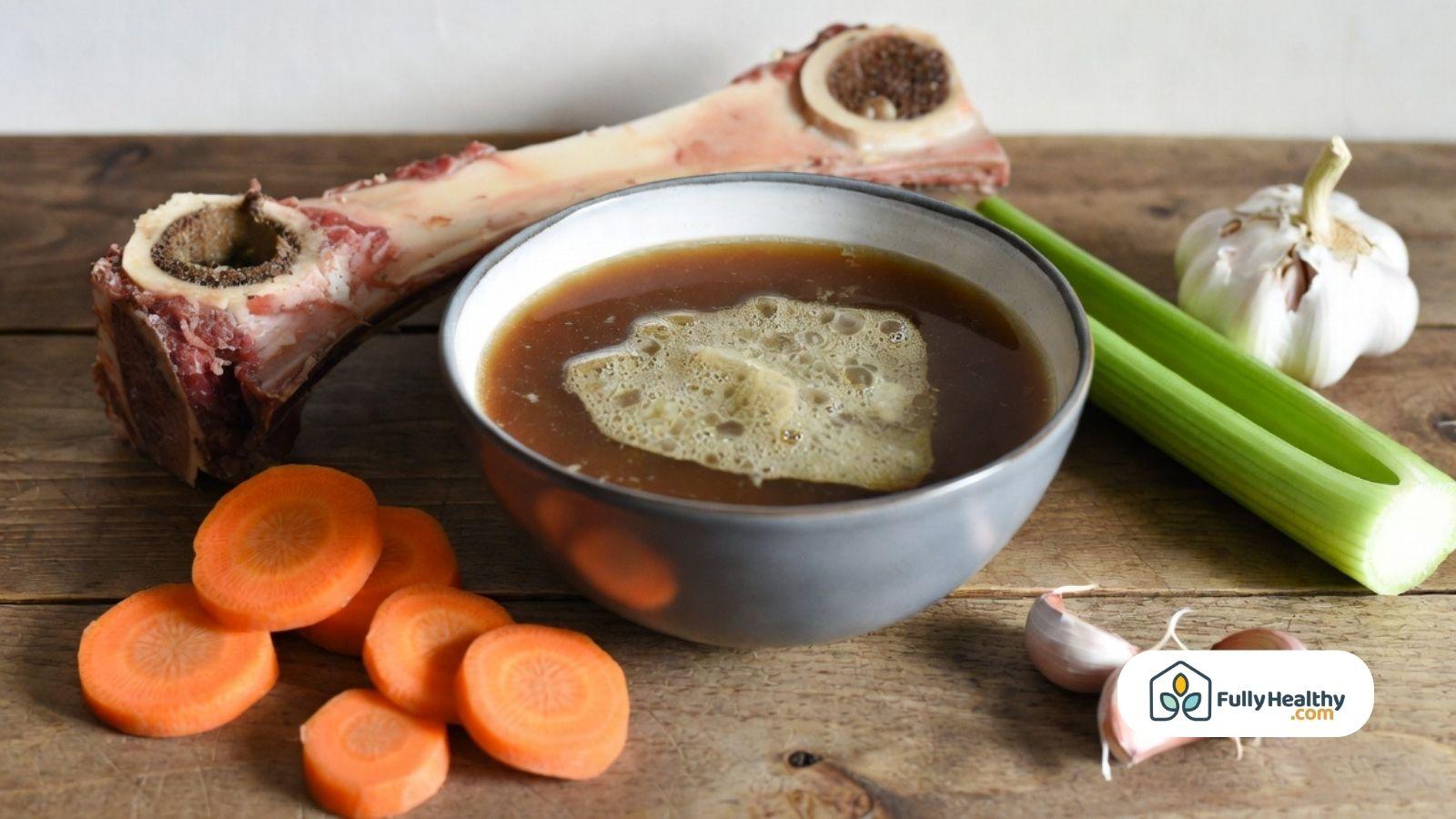
Bone broth is widely used to support protein intake, but its role depends on how much protein it actually provides and how the body uses it.
How Much Protein Bone Broth Really Contains
Bone broth provides about 8 to 10 grams of protein per cup, which is higher than regular broth but still lower than most whole protein foods. This protein content comes from simmering animal bones and connective tissue over long periods.
-
Protein Content: About 8 to 10 grams of protein per cup, compared to 2 to 6 grams in regular broth.
-
Cooking Process: Bone broth is typically simmered for at least 6 hours and often 12 to 24 hours, which increases collagen and amino acid extraction.
-
Source: Protein comes from connective tissue, marrow bones, and beef bones or chicken bone broth.
-
Variability: Homemade bone broth or own bone broth can provide more protein depending on preparation.
-
Nutritional Value: Bone broth may provide more protein and small amounts of minerals than regular broth, but nutrient levels vary widely by recipe and processing.
Why Collagen Protein Works Differently
Bone broth contains collagen, the most abundant protein in the body, which breaks into amino acids. These amino acids are involved in collagen synthesis, but direct joint and bone benefits from bone broth itself remain limited.
-
Collagen Source: Collagen comes from connective tissue and breaks into glycine and proline amino acids.
-
Essential Amino Acids: Bone broth lacks some essential amino acids needed for full muscle mass support.
-
Function: These amino acids help the body build proteins, but evidence for joint support from bone broth itself is limited.
-
Limitation: Bone broth protein is not equivalent to complete protein powders or meat.
-
Role: It works best as a supplement to overall protein intake, not a replacement.
What Happens If I Drink A Cup Of Bone Broth Every Day?
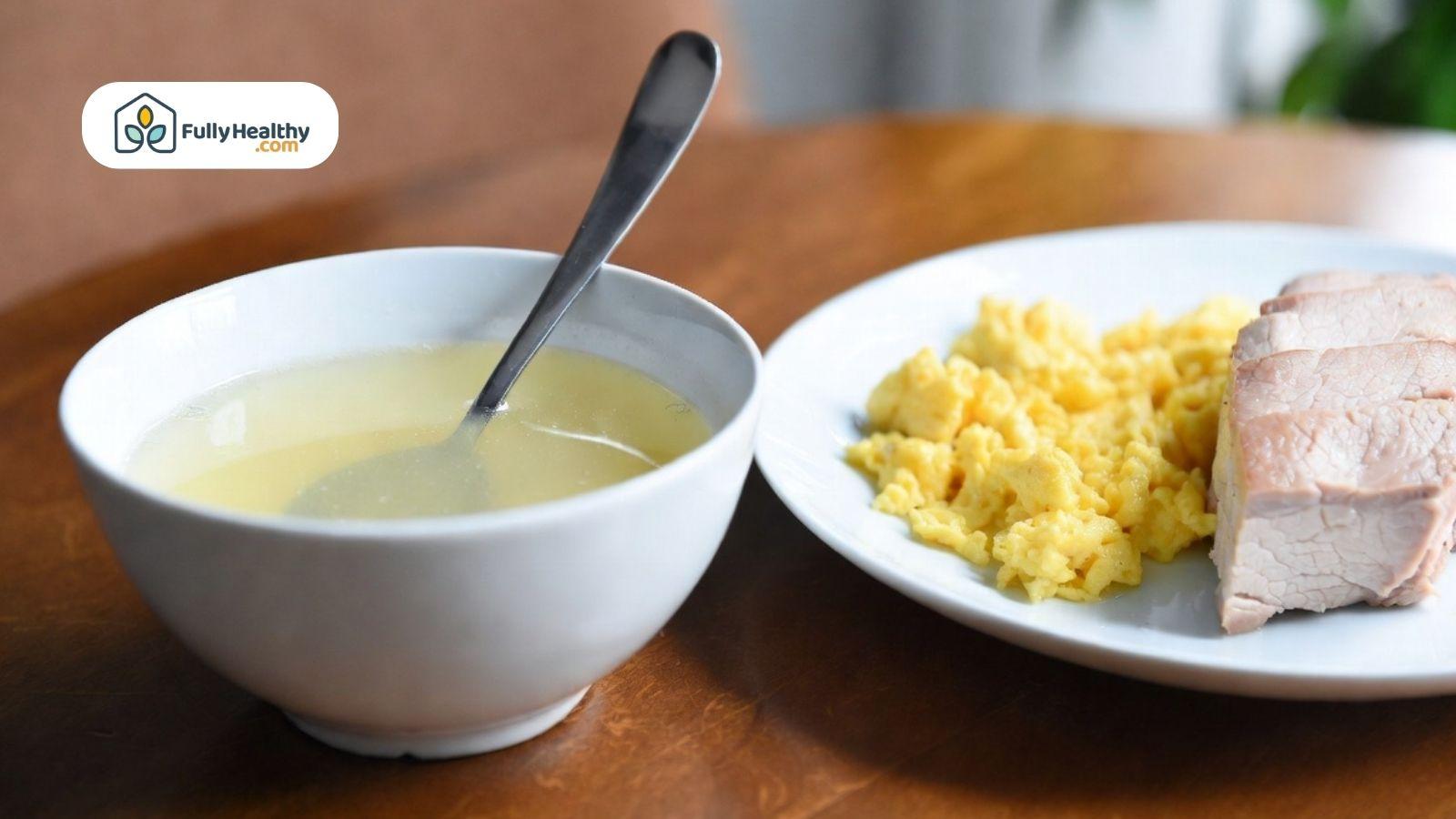
Drinking bone broth daily can add small amounts of protein and nutrients, but the overall impact depends on diet quality and consistency.
Nutrients You Get Daily From Bone Broth
A daily cup of bone broth provides protein, amino acids, and small amounts of minerals, and it can contribute to fluid intake. Claims about long-term joint benefits from bone broth itself remain limited.
-
Protein Intake: About 8 to 10 grams of protein helps support daily protein intake.
-
Amino Acids: Glycine, proline, and other amino acids support general protein functions in the body.
-
Minerals Bone Broth: Bone broth contains small amounts of minerals like calcium, magnesium, and phosphorus.
-
Hydration: Warm liquid contributes to overall fluid intake.
-
Nutritional Content: Bone broth may contain more protein than regular broth, but nutrient levels vary widely.
Real Benefits And What Evidence Actually Says
Bone broth may support fullness and routine hydration, but research on gut health, reducing inflammation, and wound healing remains limited without strong randomized controlled trials. Most benefits come from its role within a balanced diet.
-
Fullness: Drinking bone broth may help with fullness, which can support calorie control in some diets.
-
Gut Health: Some links to intestinal permeability and leaky gut exist, but evidence is limited.
-
Joint Support: Bone broth contains collagen-derived amino acids, but evidence for joint pain relief is limited.
-
Anti Inflammatory Capacity: Claims exist, but research is still emerging and not definitive.
-
Collagen Research: Studies show collagen levels in broth may not reach a therapeutic dose.
What Is The Healthiest Bone Broth To Buy?
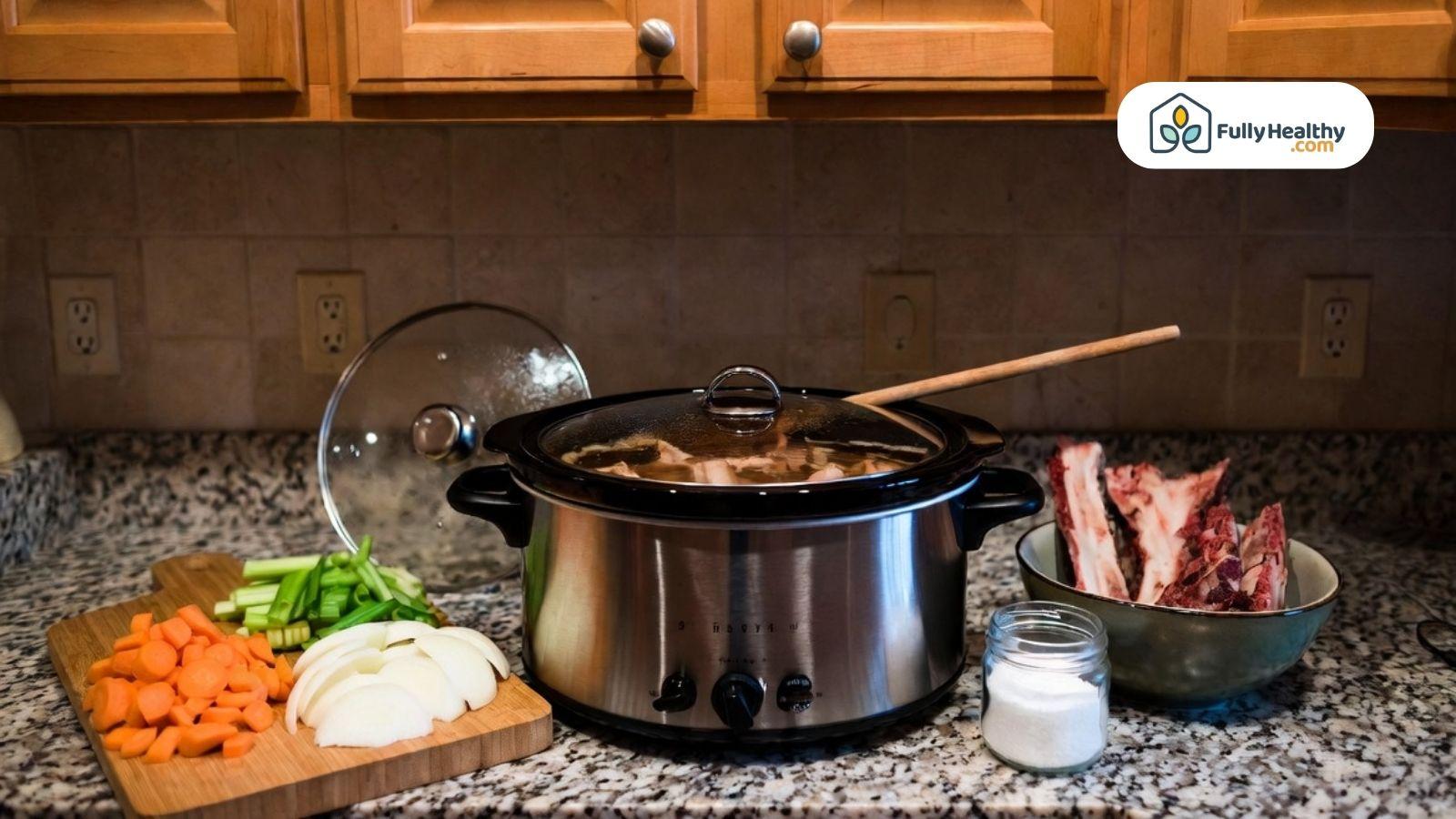
Choosing the best bone broth depends on ingredient quality, preparation method, and nutrient consistency rather than branding.
What To Look For In Quality Bone Broth
A better choice is bone broth made with simple ingredients and lower sodium levels. Nutrient content still varies widely depending on recipe, cooking time, and processing.
-
Source Quality: Choose simple, clearly labeled ingredients that fit your needs.
-
Ingredients: Water, bones, vegetables, and apple cider vinegar are common basics.
-
Cooking Process: Longer simmering can increase extraction, but results still vary.
-
Sodium Levels: Lower sodium supports better daily use.
-
Nutritional Value: Label values are more reliable than general assumptions.
Chicken Vs Beef Bone Broth Differences
Chicken bone broth is often lighter in flavor, while beef bone broth is richer. Protein and nutrient levels depend more on preparation than the animal type.
-
Chicken Bone Broth: Lighter taste and commonly used for regular drinking.
-
Beef Bone Broth: Rich flavor from marrow bones and beef bones.
-
Collagen Levels: Both contain collagen-derived amino acids.
-
Use Case: Chicken works well for daily use, beef suits meals.
-
Protein Content: Both provide similar grams of protein per serving.
Who Should Not Have Bone Broth?

Bone broth is generally safe, but some people should be cautious based on their health needs.
Health Conditions That Require Caution
People with kidney disease or high blood pressure should monitor sodium intake, and those with gout may need to limit meat-based broths due to purines.
-
Kidney Disease: Monitor sodium and consult a clinician if needed.
-
High Blood Pressure: Sodium levels can affect blood pressure.
-
Gout Risk: Meat-based broths may contain purines.
-
Protein Needs: Bone broth alone does not meet complete protein needs.
-
Weight Loss: Low calorie intake may not provide enough protein.
Sensitivities And Special Cases To Consider
Some individuals may react to compounds in bone broth depending on sensitivity and preparation.
-
Histamine Intolerance: Long cooking times can increase histamine levels.
-
Digestive Issues: People with histamine intolerance or SIBO may react more easily.
-
Heavy Metals: Trace lead has been detected in some broths, but levels are generally low.
-
Glutamate Sensitivity: Natural compounds may affect sensitive individuals.
-
Digestive System: Some people may experience discomfort with frequent intake.
About FullyHealthy And Bone Broth Options
Access to different bone broth formats makes it easier to include it in daily routines without always making bone broth from scratch.
What FullyHealthy Offers For Specialized Diets
FullyHealthy curates products designed for people managing dietary needs like gluten-free, allergen-sensitive, and clean ingredient lifestyles. This helps you choose foods that meet your specific nutritional needs while still helping you get enough protein and nutrients overall.
-
Specialized Selection: Focus on gluten-free, allergen-friendly, and diet-specific products.
-
Clean Ingredients: Many options avoid additives and support simple ingredient preferences.
-
Convenience: Helps avoid the time required for making bone broth at home.
-
Diet Support: Useful for structured plans targeting gut health or weight loss.
-
Accessibility: Products are available online instead of relying on limited grocery stores.
Types Of Bone Broth Products Available
Bone broth comes in different forms, making it easy to use based on your routine and cooking needs. These options help you include bone broth without always making it from scratch.
-
Epic Homestyle Savory Chicken Bone Broth: Ready-to-drink chicken bone broth with a rich flavor, suitable for daily protein intake and quick meals.
-
Bare Bones Instant Chicken Flavored Bone Broth: Lightweight instant powder that dissolves quickly, ideal for convenient drinking bone broth routines.
-
Bare Bones Instant Beef Flavored Bone Broth: Portable beef bone broth powder with a rich taste from beef bones and easy preparation.
-
Kettle & Fire Gluten Free Beef Bone Broth: Liquid beef bone broth made from grass fed animal bones, offering consistent nutritional value.
-
Epic Tuscan Style Chicken Bone Broth: Chicken bone broth with added herbs for a richer flavor, suitable for soups and meals.
-
Kettle & Fire Organic Mushroom Chicken Bone Broth: Blend of chicken bone broth and mushrooms, offering more nutrients and flavor variety.
-
Fond Liquid Light Chicken Bone Broth: Light chicken bone broth option with a cleaner taste for frequent use and hydration.
Final Thoughts
Bone broth provides protein, amino acids, and minerals bone broth that support joint health and the digestive system. Consuming bone broth adds nutritional value but does not replace complete protein sources like protein powders. Bone broth may support reducing inflammation and wound healing, though research remains limited. Use bone broth to support your daily protein intake while keeping meals balanced.
FAQs
Is drinking bone broth good for gut health and digestive enzymes?
Drinking bone broth may be easy on the stomach for some people, with amino acids and digestive enzymes, but evidence for gut health, intestinal permeability, and leaky gut improvement is still limited.
What are the benefits of bone broth for joint health and bone health?
The benefits of bone broth include collagen synthesis, joint support, and bone health support through collagen precursors, though collagen research shows collagen levels may not reach a therapeutic dose.
Does bone broth help lower cholesterol?
Bone broth contains protein and fats from animal bones, but there is no strong evidence from randomized controlled trials that it directly lowers cholesterol levels.
Should I drink bone broth in the morning or night?
Consuming bone broth in the morning or night depends on preference, as its protein content and amino acids can support hydration, weight loss routines, and muscle loss prevention throughout the day.
Does bone broth have collagen?
Bone broth contains collagen from connective tissue broken into amino acids, making it a source of collagen precursors compared to regular broth, though not a complete source of essential amino acids.
Leave a comment