

Does Cereal Go Bad? Here’s How Long It Actually Lasts
 Photo Credit: Canva Pro
Yes, cereal does go bad, but not always in a way that’s dangerous. For the most part, you can eat cereal after the "best-by" date, but they might not taste as good or have as many nutrients.
Some kinds can even go bad if they are stored in the wrong way. How long does cereal really last? How do you know when it's going bad? How do you store it correctly? Read this guide and you'll never have to worry about your breakfast again.
🌱 Warm, Nourishing & Grain-Free – Enjoy Wild Zora Hot Cereal!
Does Cereal Go Bad?
 Photo Credit: Canva Pro
Cereal does go bad, but not as fast as meat or milk. Cereal doesn't quickly turn moldy; instead, it loses its crunch, flavor, and health benefits over time. Breakfast cereal can last a long time after the date it says it should. Still, knowing the difference between stale and truly spoiled food can help you save money and stay safe.
Understanding What “Going Bad” Means for Cereal
Cereal doesn't usually become unsafe overnight. Instead, it goes bad because of moisture or fat oxidation, or it goes stale if it isn't stored properly.
-
Stale cereal: It might not be crunchy, but it's still safe to eat if it's soft or chewy.
-
Rancid smell: A smell like sour paint, especially with higher fat cereals, like cocoa puffs.
-
Loss of flavor: Even though it looks fine, old cereal tastes bland.
-
Safe but not tasty: If the cereal is only stale and not spoiled, you can still eat it.
Storage Conditions That Accelerate Cereal Spoilage
Keep your cereal in a cool, dry place to make it last longer. It depends on how you store cereal whether it lasts a few weeks or a few months.
-
Heat and humidity: Cereal goes bad or even grows mold when it's in warm, damp air.
-
Air exposure: Opened cereal bags should be closed or put in a container that won't let air in.
-
Bad storage spots: Do not put cereal near the dishwasher or stove.
-
Proper storage: To preserve cereal, put it somewhere cool and dry, like a pantry or cupboard.
Is It Safe to Eat 3-Year-Old Cereal?
 Photo Credit: Canva Pro
What kind of cereal it is and how it was stored and packaged makes a difference. Canned cereal that has been kept in a cool, dark place might still be safe. But not all cereal is the same, and some might go bad faster than others.
“Best By” Dates Versus Actual Shelf Stability
The date on cereal boxes tells you when the cereal is at its peak quality, not at its safest. If you store them right, many cereals can still be eaten after that date.
-
Best by ≠ expiration: It just means when the cereal tastes best.
-
Unopened cereal lasts longer: Unopened cereal often lasts 6 to 12 months past the printed date, especially if it is low in fat and stored in foil-lined packaging.
-
Opened cereal: Use within 1–3 months to enjoy full flavor and crunch.
-
Properly stored: A pantry or cupboard is better than the fridge or freeze cereal on freezer.
When Old Cereal Becomes a Health Risk
Most of the time, cereal that is too old is just old. But sometimes it can really go bad, especially if it was out in the heat, air, or bugs.
-
Rancid fats: A bad smell is a clear warning sign.
-
Visible mold or bugs: Toss the box immediately don’t take chances.
-
Check for recalls: Check for recalls on the manufacturer’s website or government food safety portals, as even major brands may occasionally issue safety notices.
-
Don’t eat spoiled cereal: When in doubt, throw it out.
How Long Can You Keep Cereal Unopened?
 Photo Credit: Canva Pro
Cereal that hasn't been opened can stay good for months after the expiration date if it is sealed and kept in the right place. But just how long does cereal last? Depends on the ingredients, how it's packed, and how long it's kept.
Shelf Life Ranges for Unopened Boxes
Different kinds of cereal can have different shelf lives. Dry cereals with less fat last longer than ones that are high in nuts or whole grains.
-
Average shelf life: 6–12 months past the best-by date.
-
Better storage = longer life: Keep in the original box in a dry place.
-
Avoid freezing: Freezing dry cereal is not recommended, as it can lead to moisture absorption and textural degradation upon thawing.
-
Preserve flavor: Cool, dark storage helps retain taste and texture.
Recognizing Nutrient or Flavor Loss Without Spoilage
Old cereal may still be safe, but it may not always taste as good or provide as much nutrition.
-
Faded flavor: Fruity or sweet cereals lose their punch over time.
-
Soggy crunch: Texture disappears cereals like rice krispies, especially if exposed to air.
-
Nutrient loss: Fortified cereals may lose some water-soluble vitamins (like B vitamins) past the date, though mineral content remains largely stable.
-
Still perfectly safe: As long as there’s no smell or mold, you can eat it.
What Are the Two Signs of Cereal Having Gone Bad?
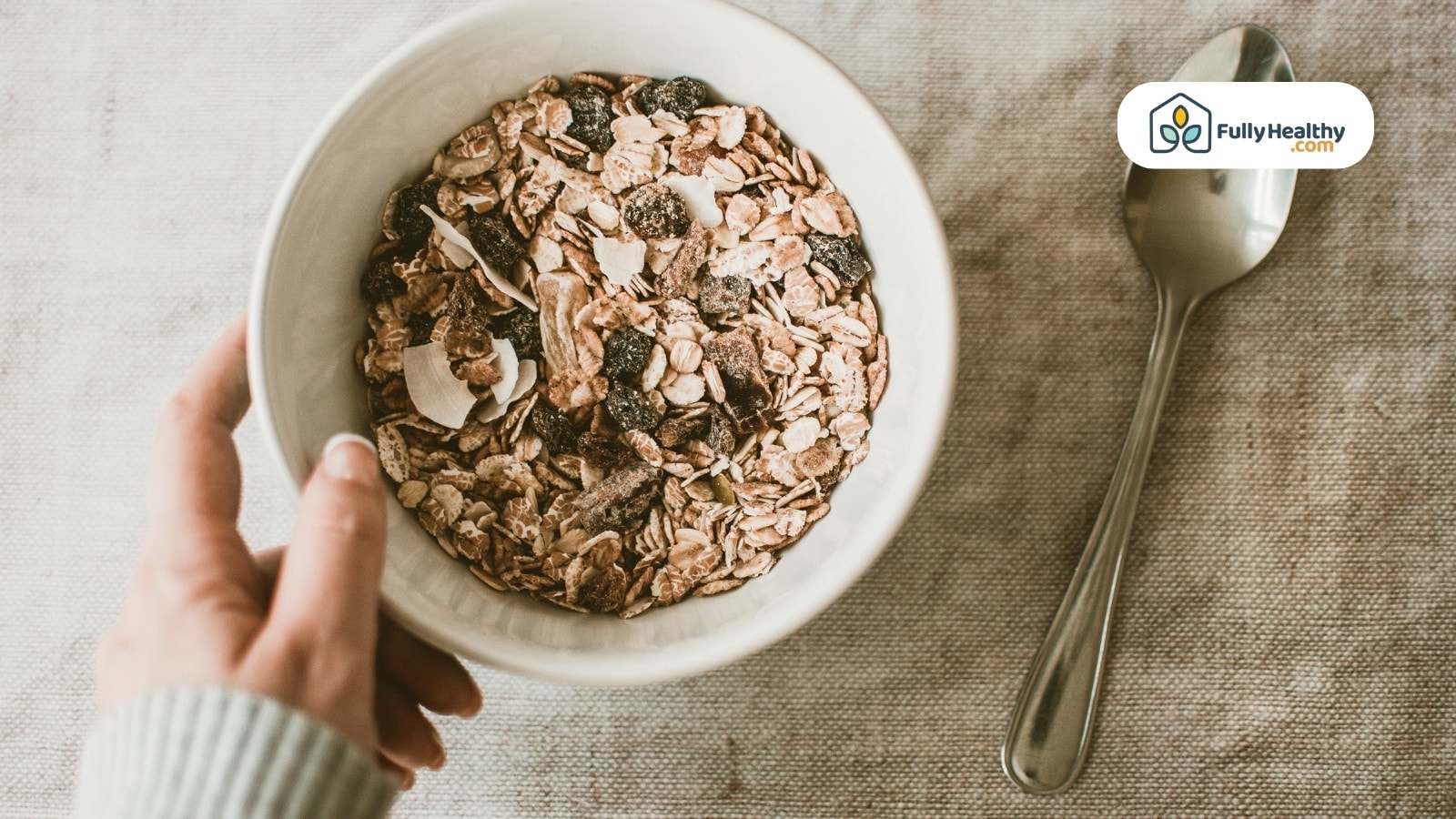 Photo Credit: Canva Pro
Are you sure that your cereal is still safe to eat? It could go bad at any time, even if it looks fine. Your eyes and nose are the best ways to tell if it's still good. Cereal can get stale, but sometimes it really goes bad, especially if it wasn't kept well.
Visual and Sensory Indicators of Spoilage
Granola and cereals made with nuts go bad faster than plain cereals like cheerios because they have more fat in them. With a close look, these signs of spoilage are usually easy to find.
-
Rancid or sour smell: A strong, unpleasant odor means the cereal is no longer safe to eat.
-
Clumps or moisture: If the cereal feels damp or sticky, it may have absorbed moisture and gone bad.
-
Mold or bugs: Mold, dark spots, or insects are clear signs to throw away the whole thing.
-
Strange color changes: If the cereal doesn’t look like it used to, don’t take the risk.
The Difference Between Stale and Unsafe
Not all old cereal is bad for you. It's still safe to eat stale cereal as long as it's not going bad. It's important to know the difference between "old" and "not safe."
-
Stale texture: It may be chewy or lack crunch, but still safe if there’s no smell or mold.
-
Taste changes: Dull or flat flavor usually just means it’s past its freshness window.
-
Check before pouring milk: Look over a small bowl before you eat the whole thing.
-
Storage matters: Cereal kept in a cool, dry place lasts longer without going bad.
FullyHealthy: Clean Cereal Options Worth Trying
Here are some of the best healthier cereals with simple ingredients that you can find at FullyHealthy. Their Lovebird cereal line is all about real food, with no added sugars or preservatives. It's great for people who care about food safety and healthy eating.
Why FullyHealthy Cereal Stands Out
It's easy to enjoy a bowl of cereal with FullyHealthy because it doesn't have any hidden chemicals or added sugars. Each product is made with a purpose in mind, using high-quality ingredients that are good for you.
-
Clean ingredient list: No refined sugar, artificial flavors, or preservatives.
-
Gut-friendly: Made with cassava root, which supports digestion naturally.
-
Great for restricted diets: Grain-free, gluten-free, and free from common allergens.
-
Kid-friendly and adult-approved: Enjoyable for the whole family without compromising on health.
A Look at Lovebird’s Cereal Line
FullyHealthy's Lovebird cereals come in three great flavors that can be used by people with a wide range of dietary needs. There is something for everyone, whether you like your cereal sweet or just plain.
-
Honey flavor: Lightly sweetened with organic honey and coconut sugar—perfect for morning energy.
-
Cinnamon flavor: A warm, comforting taste with zero artificial ingredients.
-
Unsweetened option: A clean, plain cereal for those who want full control over their bowl.
Final Thoughts
It is true that cereal goes bad, but not always in a bad way. Most old cereal is fine, but you should throw it away if it smells bad, feels wet, or looks like mold. Put cereal away in a cool, dry place and in a container that won't let air in.
The right way to store food is important for taste and safety, whether it's Cheerios, granola, or even oatmeal-style blends. Before you pour a bowl of cereal, check the box, and always trust your gut. Don't eat something that doesn't seem right.
FAQs
Can I eat cereal after expiration date with oatmeal?
Yes, you can eat expired cereal or oatmeal if it smells and looks fine, and it was stored properly.
How long does unopened cereal last or not in bowl?
Unopened cereal lasts 6–12 months past the printed date if kept in a cool, dry place.
Is it safe to eat cereal with nuts and oatmeal if it smells okay but box?
If there’s no mold, bugs, or rancid smell, even cereal with nuts and oatmeal is likely safe—even in a damaged box.
What’s the difference between stale cereal and spoiled oatmeal in food safety?
Stale cereal or oatmeal loses crunch and flavor but is safe; spoiled versions pose food safety risks.
Does it matter how I store oatmeal cereal with higher fat content?
Yes, it matters—store oatmeal and higher fat content cereal in airtight containers in a cool, dry place.
Leave a comment