

Does Chocolate Expire? How Long Chocolate Really Lasts
 Does chocolate expire? Not in the way you think. Even though chocolate doesn't go bad like milk or meat does, it can change in taste, texture, and safety over time.
How it's stored is important because each type has a different shelf life. You'll learn how to tell when chocolate isn't good, when it is, and what to do with it before you throw it away.
Featured Baking Pick
Enjoy Life // Semi-Sweet Mini Chocolate Chips - 9 oz
Loading...
Does Chocolate Expire?
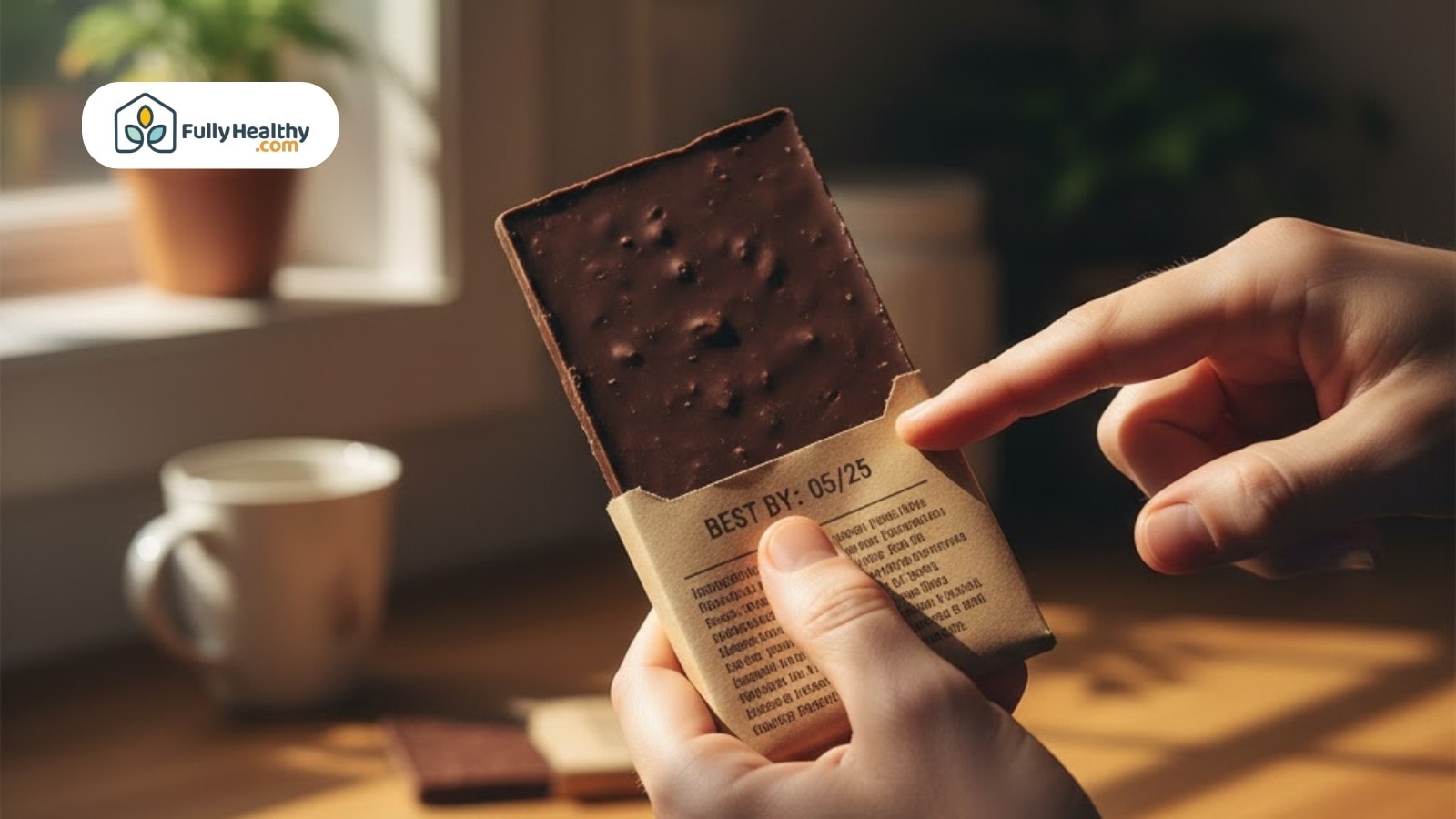
Chocolate does go bad, but not like meat or dairy. It doesn't go bad, but the taste gets worse over time if you don't store it right. How you store chocolate and the kind of chocolate you buy will determine how long it stays good.
What Happens to Chocolate Over Time?
Chocolate can taste, feel, and look different as it ages. These changes happen because of things like milk powder and cocoa butter, as well as heat, light, and moisture from the outside.
-
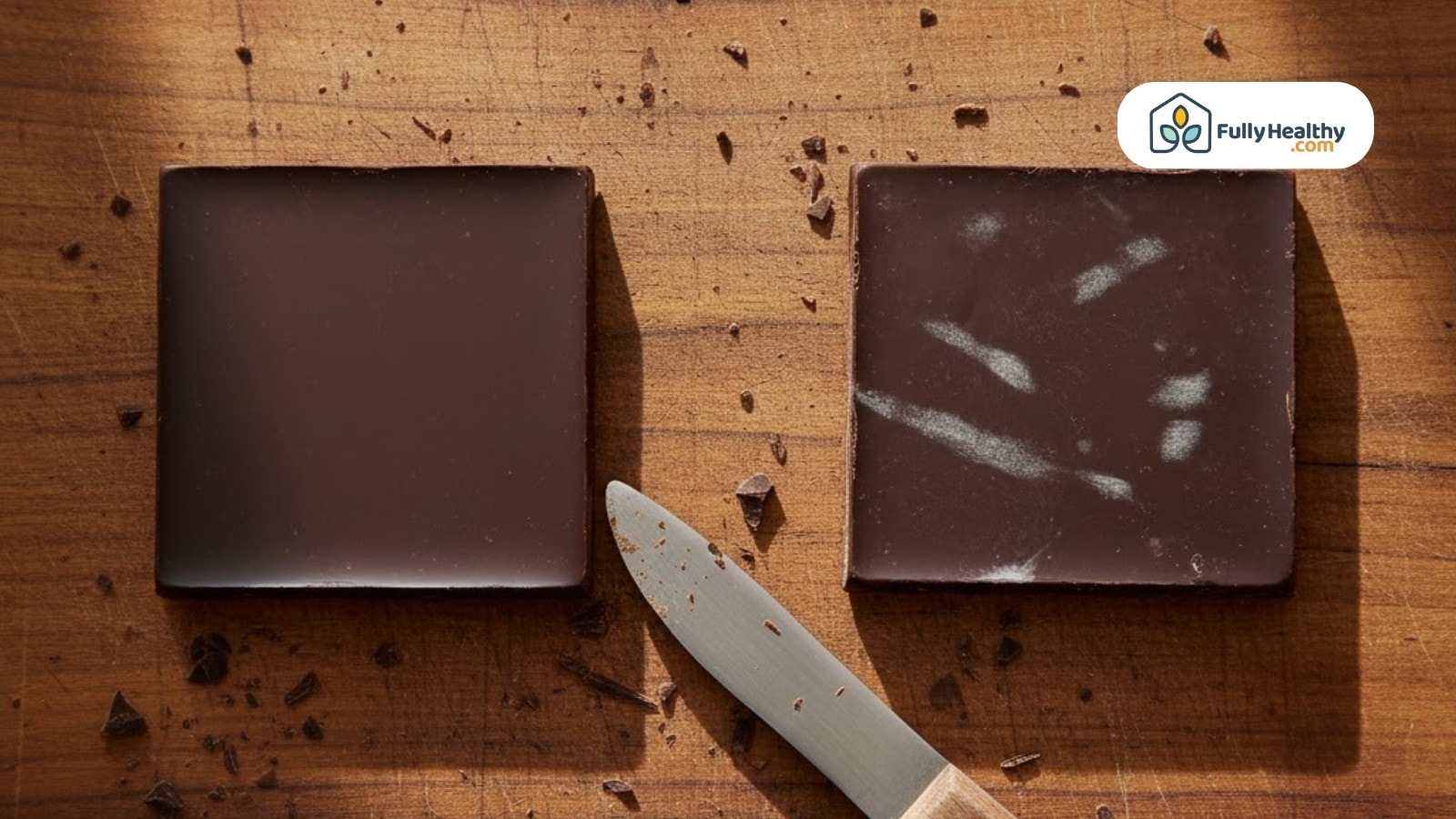
Fat bloom: This is when cocoa butter rises to the surface, leaving pale, greasy streaks on the chocolate's surface.
-
Sugar bloom: Happens when moisture melts the sugar, which then hardens into white spots or patches. This is due to sugar crystals forming on top.
-
Chocolate bloom isn’t spoilage: Bloom may look bad but usually doesn't mean the chocolate is unsafe to eat.
-
Loss of flavor: Over time, cocoa solids can oxidize, making chocolate taste dull or flat.
Shelf Life by Chocolate Type
Chocolate of different kinds can last for different amounts of time. Chocolate goes bad faster if it has more milk and sugar in it.
-
Dark chocolate: Lasts up to 2 years when stored properly in an airtight container at room temperature.
-
Milk chocolate: Has more sugar and milk powder, so it typically lasts about 8 to 12 months.
-
White chocolate: Contains no cocoa solids, only cocoa butter, so its shelf life is even shorter, usually 6 to 10 months.
-
Baking chocolate and chocolate chips: Often last up to 18 months depending on the cocoa content and packaging.
-
Hot chocolate powder: Can stay fresh for 1 to 2 years, but must be kept dry and away from humidity.
How to Know If Chocolate Has Gone Bad?
There aren't always clear signs that chocolate is going bad. So make sure you look, smell, and taste it well before you eat it, especially if it's been around for a while.
Visual and Textural Changes to Watch For
An odd-looking chocolate bar might still be safe. Some changes, though, have made it less good or even dangerous.
-
Fat bloom: Looks like oily or white streaks, caused by cocoa butter moving to the surface.
-
Sugar bloom: Appears as a white, dusty layer, caused by moisture reacting with sugar.
-
Mold or discoloration: If you see green, fuzzy spots, or any odd colors, throw the chocolate away.
-
Dry, crumbly texture: Chocolate that feels grainy or unusually dry (especially from storing chocolate in the fridge) is likely past its prime.
Smell and Taste: Your Best Tools
Your senses can tell you a lot about how fresh chocolate is. Chocolate that is good should taste smooth and smell like cocoa. It shouldn't be sour or bitter.
-
Bad smell: If it smells sour, stale, or musty, it's best not to eat it.
-
Strange taste: Old chocolate may taste off or dull due to aging cocoa beans and degraded cocoa solids.
-
Odor absorption: Chocolate can absorb nearby smells, so store chocolate away from strong-scented foods in an airtight container.
Is It Okay to Eat Expired Chocolate?
Depending on how it was stored and the type of chocolate, it is often safe to eat chocolate that has gone bad.
Understanding Best-By vs Use-By Dates
This is called a "best-by" date, and it has nothing to do with safety. It might be okay if the chocolate still looks, smells, and tastes good.
-
Solid chocolate lasts longer: Dark chocolate bars with high cocoa mass tend to last the longest.
-
White chocolate bars spoil faster: Because they contain more milk and sugar.
-
Filled chocolates spoil first: Items with caramel, fruit, or cream have a shorter shelf life and spoil faster.
-
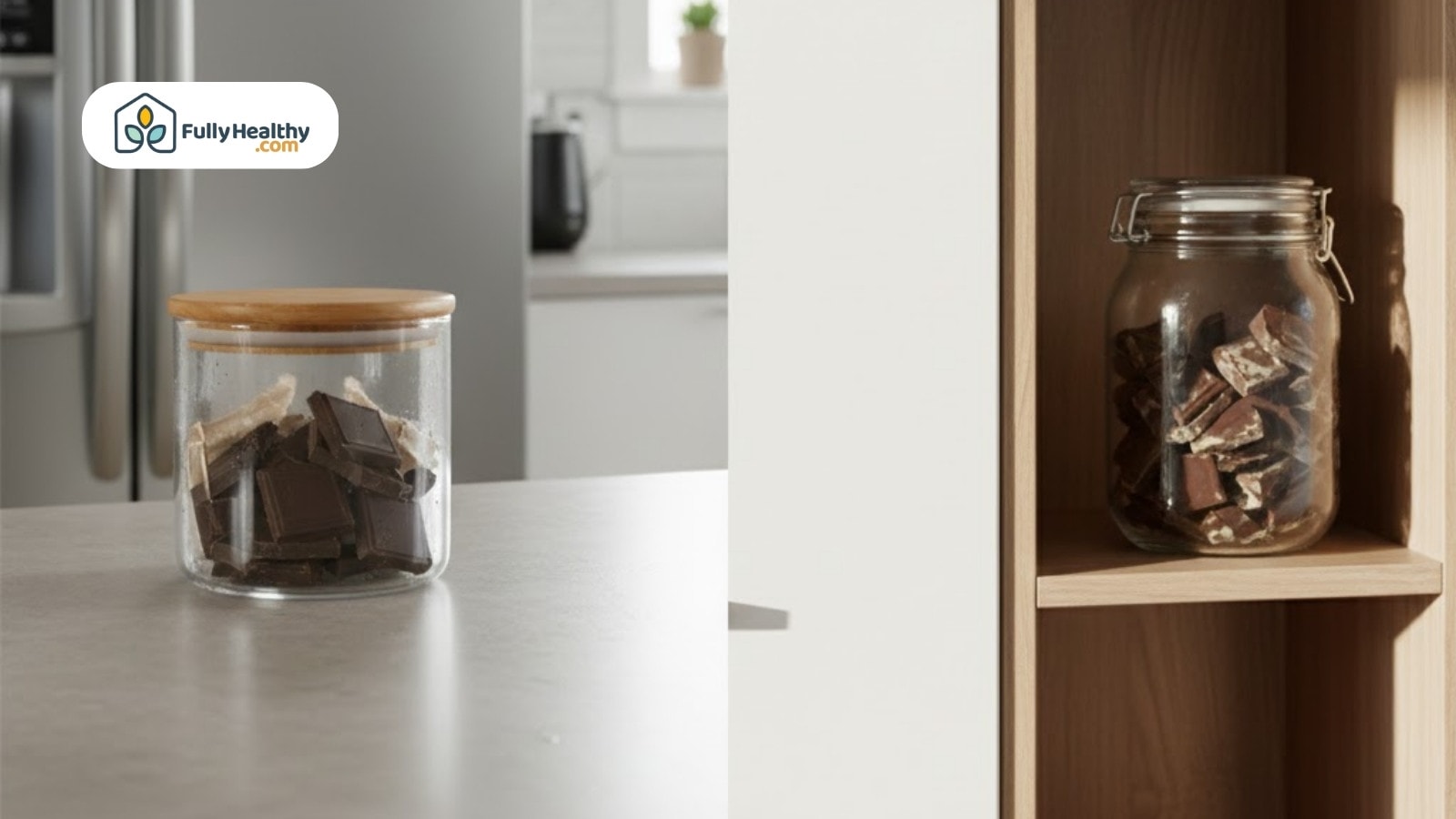
Proper storage matters: Keep chocolate away from heat, moisture, and direct sunlight. Use an airtight container at room temperature.
When You Should Definitely Throw It Out
To be safe, it's sometimes best to let it go.
-
Visible mold: If you see fuzzy spots or unusual colors, toss it.
-
Bad smell or sour taste: Trust your nose and taste, if something’s off, don’t risk it.
-
Sticky or runny fillings: Chocolates with melted or leaking fillings are not safe to eat.
How to Use Expired Chocolate?
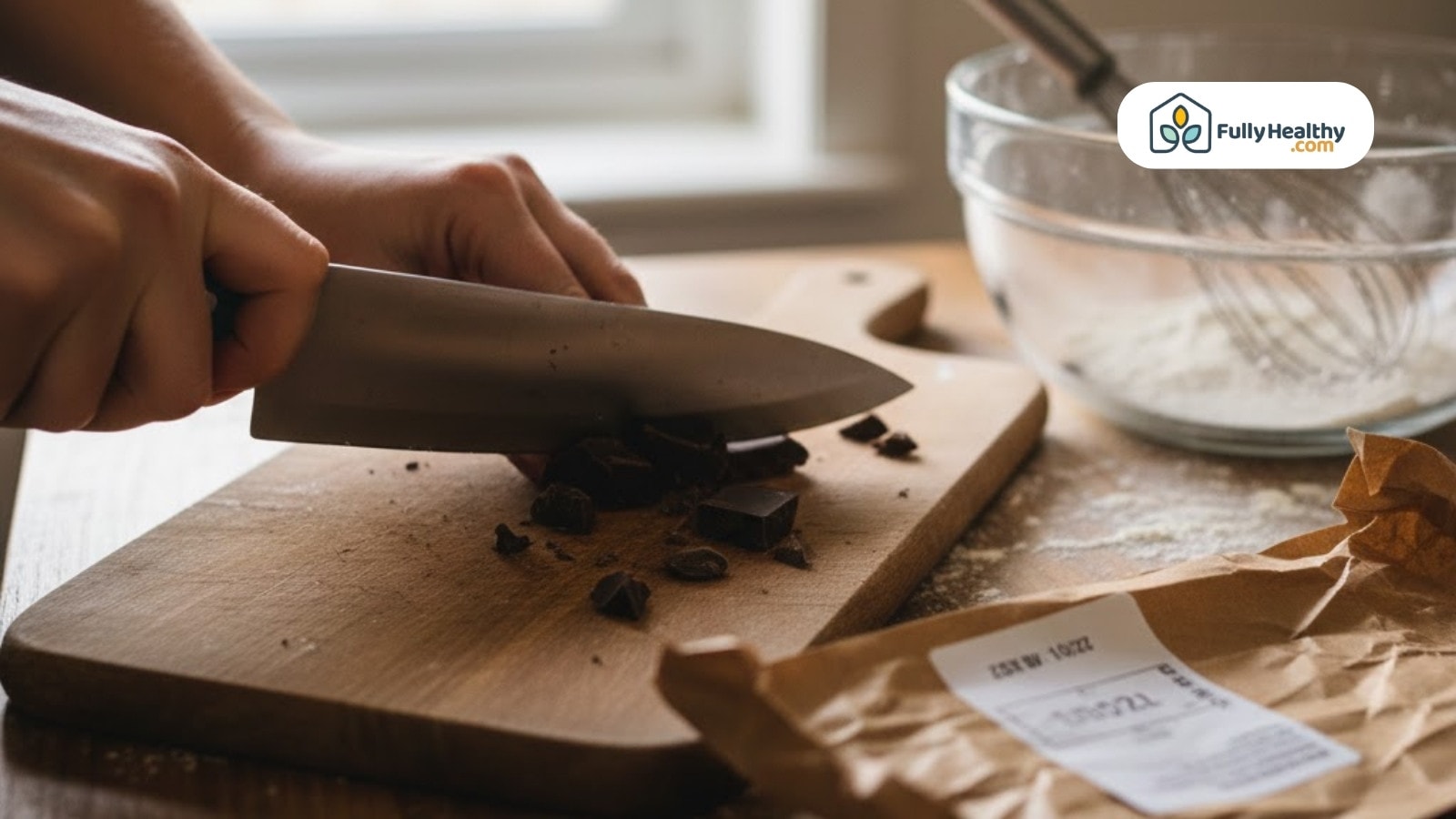
If the chocolate smells and tastes good even though it's past its best before date, you can still use it. It is usually safe to eat for a long time if it is stored correctly. Use it in recipes instead of throwing it away to cut down on food waste and still enjoy the taste.
Cooking and Baking Ideas for Older Chocolate
There are smart ways chocolate can be reused in your kitchen, especially when it doesn’t look ideal but is still shelf stable. Signs of age, like dry spots or chalky white spots, can be smoothed out with heat and blending.
-
Use in baked goods: Melt it into brownies, cakes, or cookies where flavor matters more than texture.
-
Make chocolate sauces: Melt gently for ganache or drizzle over desserts.
-
Add to hot drinks: Use old chocolate in hot chocolate or mochas—it blends well and hides imperfections.
-
Skip filled chocolates: Avoid repurposing expired chocolate with fruit or cream fillings, even if there’s no off smell.
Tips to Mask Texture or Flavor Changes
If chocolate has passed its peak quality, it might not taste as smooth or sharp, but there are some things you can do to make it taste good again.
-
Chop or grate finely: Helps it melt evenly and mix smoothly into recipes.
-
Combine with fresh chocolate: Mixing old and new chocolate balances taste and texture.
-
Store in an air tight container: Keep chocolate fresh by storing it in a cool place, away from other foods and strong odors.
-
Use soon after opening: Once unwrapped, use it within a few hours or days to enjoy the best flavour.
What FullyHealthy Offers for Chocolate Lovers
You can trust FullyHealthy to give you clean, specialty chocolates that fit your lifestyle. Their products are made by chocolate makers who care about quality and focus on AIP, Paleo, and allergen-free diets.
AIP-Friendly Chocolate Products Available
Their chocolate is great for people who don't want added sugars, dairy, or preservatives, but still want it to last longer.
-
Elements Truffles Rose Cardamom Bar: Handcrafted with raw cacao and Ayurvedic spices for a unique taste.
-
Paleo Chocolate Frosting Mix: A baking must-have with clean ingredients like coconut sugar and cocoa.
-
Coco-Carob Hot Chocolate: A creamy, caffeine-free drink mix perfect for cozy days.
Why Shop at FullyHealthy?
Each product is picked based on how pure it is, how long it lasts on the shelf, and how it should be stored. They did the work for you, so you don't have to guess or check the labels.
-
Stored at consistent temperature: Products are kept in a dark place away from high temperatures and temperature fluctuations.
-
Minimizes food waste: Buy only what fits your diet and use it before the expiration date.
-
Clean, simple shopping: Ideal for anyone who wants chocolate fresh and safe, without hidden ingredients.
Final Thoughts
Chocolate doesn’t last forever, but with cool temperature, proper storage, and a little know-how, you can still enjoy it long after the expiration date. While fat crystals and bloom may appear on the surface of the chocolate, they’re not always a clear sign of spoilage.
If it smells fine and has been kept away from high humidity and improper storage, it’s generally safe to eat. Whether it’s dark, milk, or white, chocolate stored the same way, in a dark, airtight space, will always have a better shot at staying good for a few months or longer. Use your senses to tell if chocolate is still fresh, and when in doubt, bake it instead of wasting it.
FAQs
How do you tell if chocolate is bad on the surface of the chocolate?
If you see white spots or streaks, they might be fat crystals, not mold. A clear sign of spoilage is a sour smell or sticky texture.
Is old chocolate generally safe to eat after a few months?
Yes, it’s generally safe, especially if stored at a cool temperature and away from high humidity.
Can improper storage change chocolate the same way for all types?
Yes, improper storage affects milk, dark, and white chocolate the same way—causing bloom, texture loss, and flavor changes.
What is the short answer for how long chocolate lasts?
It depends. Stored right, it can last a few months to over a year, depending on type and conditions.
Can high humidity cause fat crystals and spoilage?
Yes, high humidity speeds up bloom and brings fat crystals to the surface of the chocolate, reducing quality and shelf life.
Leave a comment