
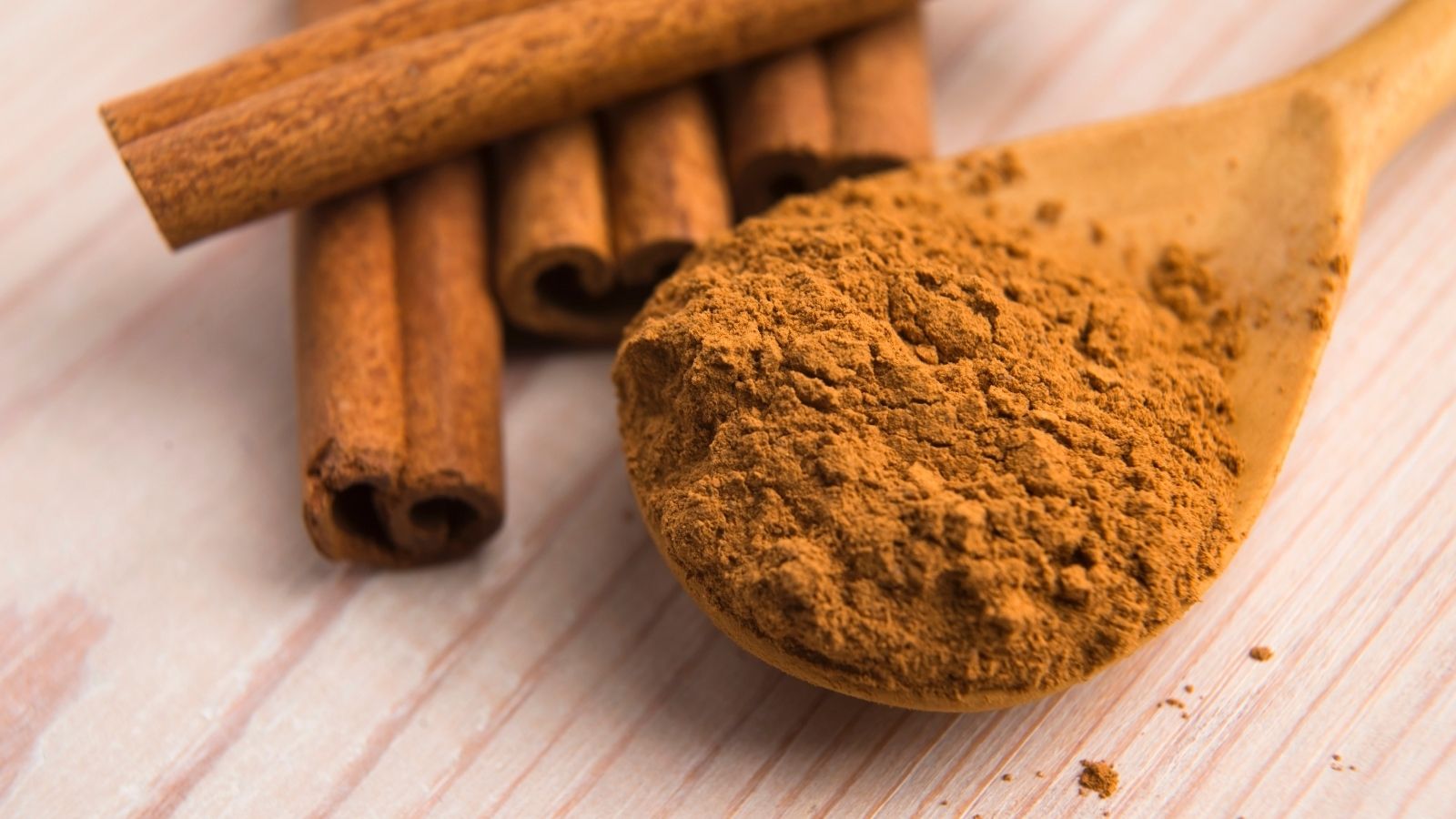
Does Cinnamon Have Calories? Nutrition, Benefits, and Risks Explained

Cinnamon is tasty, but does cinnamon have calories? Yes, but very few. This spice is used in a lot of different foods, from coffee to baked goods. It only takes one teaspoon to add flavor without any fat or sugar. Cinnamon is also good for you because it has fiber and antioxidants.
This article tells you how many calories it has, how it affects weight, if you can eat it every day, and more. Let's keep it easy to understand and useful for everyday life.
🌿 Real Ceylon Cinnamon, Pure & Potent – Click Here to Spice It Right!
Does Cinnamon Have Calories?

Nutritional Breakdown of Cinnamon per Teaspoon
Cinnamon is commonly used in many foods, especially in baking and beverages. Even though it tastes great, it doesn't add many calories to your diet. There are about 6.4 kcal in a teaspoon (2.6 grams) of ground cinnamon. Most of these calories come from carbs and not from fat or protein.
-
Calories per Teaspoon: 6.4 kcal from about 2.6 grams of spices cinnamon ground.
-
Total Dietary: Around 2.1 g of carbs, including dietary fiber.
-
Fat, Protein, Sugar: 0 g fat, 0.1 g protein, 0.1 g sugar.
-
Cholesterol: 0 mg cholesterol per serving.
-
Daily Value: Very low contribution to daily calorie needs.
Beyond Calories – What’s in a Teaspoon of Cinnamon?
This spice is low in calories and has a small amount of vitamins and minerals. Most of these come from the bark of the trees that are used to make the spice. The types that are used most often are Cassia and Ceylon. Because it has less coumarin, Ceylon cinnamon is thought to be safer to use every day.
-
Carbohydrates: About 2.1 g of carbs with 1.4 g of dietary fiber.
-
Minerals: 26 mg calcium, 11.2 mg potassium, trace iron and magnesium.
-
Vitamins: Includes alpha tocopherol (vitamin E), total ascorbic acid (vitamin C), and small amounts of beta carotene.
-
Fats: 0 g total saturated, 0 g total monounsaturated, 0 g total polyunsaturated.
-
Antioxidants: Includes polyphenols, known for anti-inflammatory properties.
Do Cinnamon Help in Losing Weight?

How Cinnamon Affects Metabolism and Fat Storage
In some studies, cinnamon supplements have been looked at for their possible metabolic benefits, but there isn't a lot of strong evidence from human studies. According to some studies, cinnamon may help the body keep blood sugar and insulin levels in check. This could help people with diabetes and people who want to lose fat.
-
Improves Insulin Response: Cinnamaldehyde improves how the body handles glucose.
-
Slows Digestion: Reduces sugar absorption after high-carb meals.
-
Boosts Fullness: Fiber content helps reduce appetite.
-
Regulates Glucose: May stabilize blood glucose spikes.
-
Supports Metabolism: Helps the body use calories more efficiently.
What Studies Say About Cinnamon and Weight Loss
Researchers are still looking into how cinnamon can help people lose weight, but early results look good. Studies on both animals and people point to possible benefits, but more large-scale tests are needed to be sure.
-
Meta-Analysis Results: Some meta-analyses suggest cinnamon may slightly reduce body weight and BMI, though findings vary and effects are typically small.
-
Animal Trials: Mice fed cinnamon showed less belly fat and better fat breakdown.
-
Hormonal Effects: Cinnamon impacts fat-related hormones and energy use.
-
Supplements Used: Most studies used cinnamon supplementation over several weeks.
-
More Data Needed: Current science recommends caution due to varying results.
Is It Safe to Eat Cinnamon Every Day?

Recommended Daily Intake and Safety Limits
Consuming cinnamon in moderation is important for a healthy lifestyle. The distinction between Cassia and Ceylon cinnamon also matters here. Using a lot of cassia every day may increase the risk of liver damage because it has more coumarin in it.
-
Safe Limit: Less than 0.5 teaspoon (one teaspoon) of Cassia daily.
-
Ceylon Advantage: Contains much lower coumarin, safer for regular intake.
-
Supplements Caution: Cinnamon supplementation should be monitored by a doctor.
-
Too Much Risk: Excessive intake may lead to harmful effects on the liver.
-
General Use: Use cinnamon as a spice, not as a primary supplement.
Potential Side Effects and Drug Interactions
Small amounts of cinnamon used in food are thought to be safe. But higher doses, especially those found in supplements, may not work well with some medicines or cause side effects in some people.
-
Liver Damage: High coumarin intake from Cassia can harm the liver.
-
Allergic Reactions: Can cause rashes or breathing issues in sensitive individuals.
-
Blood Sugar Concerns: May lower blood glucose too much in diabetes patients.
-
Medication Interactions: Interferes with blood thinners, antibiotics, and heart drugs.
-
Pregnancy Caution: Not advised in supplement form for pregnant or breastfeeding women.
Is Cinnamon Good for Skin?

Skin Benefits – What Science Suggests
Cinnamon is sometimes used in skincare because of its antioxidant and anti-inflammatory properties. Some studies show that cinnamon extract may be good for the skin in more than one way, but more research is needed.
-
Collagen Support: reliminary studies suggest cinnamon extract might influence collagen synthesis, but more human research is needed.
-
Free Radical Protection: Antioxidants like Cinnamaldehyde help fight oxidative damage.
-
Skin Elasticity: Certain creams with cinnamon bark showed improved firmness.
-
Topical Use: Often found in scrubs, masks, and oils for cosmetic purposes.
-
Anecdotal Effects: May help reduce acne and early signs of aging.
Cinnamon contains compounds like Cinnamate and cinnamic acid that can protect skin cells but are more effective in concentrated forms than ground cinnamon.
Risks of Using Cinnamon on Skin
Cinnamon is used in a lot of do-it-yourself skin care recipes, but it's not always safe to put on your skin. Cinnamon spices might be too strong if they are undiluted.
-
Irritant Properties: Cinnamon is a common cause of contact dermatitis.
-
Reactions: May cause burning, redness, rashes, or discoloration.
-
Essential Oils: Cinnamon oil may burn the skin if not diluted properly.
-
Homemade Scrubs: Cinnamon ground used in DIY masks may worsen sensitive skin.
-
Patch Testing: Always test a small area first before full application.
To avoid issues, consult with a doctor or dermatologist before adding cinnamon to any skincare routine.
FullyHealthy: The Marketplace for Specialty Cinnamon Products
Who They Are and What They Offer
FullyHealthy is an online store that offers allergen-free, AIP-compliant, and specialty foods. They support small brands and cater to people with strict dietary needs.
-
Diet Focused: Offers AIP, gluten-free, and low-inflammatory foods.
-
Brand Support: Helps smaller food producers reach specific communities.
-
Cinnamon Products: Carries cinnamon in several forms for cooking and snacking.
-
Clean Ingredients: Promotes foods without additives or artificial flavorings.
-
Customer Experience: Known for easy navigation, fast shipping, and clear labeling.
Cinnamon-Infused Products Worth Trying
FullyHealthy has an assortment of cinnamon-flavored options that are made for different diets. These foods have ground cinnamon in them and help you eat a wider range of foods.
-
Simply Organic Ground Ceylon Cinnamon: Pure Ceylon cinnamon with low coumarin.
-
Lovebird Rise & Fly Cinnamon Cereal: Gluten-free, grain-free breakfast cereal.
-
Aipeazy Cinnamon Raisin Hot Cereal: Instant hot meal for AIP and paleo diets.
-
Wild Zora Pumpkin Soup with Cinnamon: Savory soup with cinnamon and coconut cream.
-
Sip Herbals Cinnamon Roll Coffee Substitute: Caffeine-free with cinnamon flavor.
Final Thoughts
Cinnamon is small, but it has a lot of health benefits. Cinnamon spices have no monounsaturated or polyunsaturated fats and a tablespoon of them has dietary fiber and antioxidants. It is used in baking, food, and herbs, and even trace amounts of it are good for you.
There’s growing evidence it supports blood sugar, without adding sucrose or cholesterol. Cinnamon fits perfectly in any person’s diet for flavor and wellness. So, will you sprinkle some cinnamon on your next meal?
FAQs
Does ground cinnamon or spices cinnamon ground have fat or sucrose?
No, ground cinnamon and spices cinnamon ground contain 0 g fat and 0 g sucrose, but give beneficial effects to health.
How much cinnamon spices should a person eat per tablespoon?
One tablespoon gives trace nutrients, no monounsaturated fat or polyunsaturated fat, but may still support overall health.
Can cinnamon herbs affect a person’s health based on evidence?
Yes, cinnamon herbs show evidence of beneficial effects in a person’s diet through fiber and antioxidants.
Does cinnamon help without sucrose or fat in food?
Yes, cinnamon adds taste and health benefits without sucrose, monounsaturated fat, or polyunsaturated fat in food.
Are the beneficial effects of cinnamon real based on herbs and evidence?
Studies suggest cinnamon may offer health benefits, but effects can vary between individuals and depend on the type and amount consumed.
Leave a comment