

Does Eating Avocado Help You Gain Weight? Truth About Healthy Fats
 Does eating avocado help you gain weight? No, moderate avocado intake does not appear to cause weight gain according to current research. Avocado contains healthy fats, fiber, potassium, and important nutrients that may support heart health and weight management.
This article explains what studies say about avocado, daily intake, healthy eating habits, and healthy weight gain.
Featured Pantry Pick
Chosen Foods // 100% Pure Avocado Oil Spray - 4.7 oz
Loading...
Does Eating Avocado Help You Gain Weight?
Avocado is a nutrient dense food packed with healthy fats, fiber, vitamins minerals, and potassium. Research suggests people who regularly eat avocados often have better diet quality and lower risk of heart disease.
What Research Shows
Most peer reviewed studies show avocado intake does not significantly increase body weight, BMI, or abdominal fat in healthy adults. A study also reported that daily avocado consumption did not increase waist size or body fat over six months.
-
Scientific Evidence: Research linked avocado consumption with stable body weight in many adults.
-
Healthy Fats: Avocados contain monounsaturated fat and polyunsaturated fat instead of high saturated fat.
-
Heart Health: Avocados may support lower cholesterol and lower risk of coronary heart disease.
-
Diet Quality: People who eat avocados often follow a more well balanced diet.
-
Nutrition: One avocado provides vitamin e, b vitamins, potassium, fiber, and other nutrients.
Why Avocados Feel Filling
Avocados contain fiber content and heart healthy monounsaturated fat that may help people stay full longer after meals. The creamy texture can also help reduce cravings for processed foods during a weight loss plan.
-
Healthy Choice: Adding avocado to meals may reduce overeating later in the day.
-
Balanced Diet: Healthy fats may help slow digestion and improve fullness.
-
Gut Health: Fiber supports digestion and healthy gut bacteria.
-
Calories: A medium avocado still contains calories, so portion size matters.
-
Weight Loss: Satisfying meals may support long term weight management.
What Happens if I Eat Avocado Everyday?
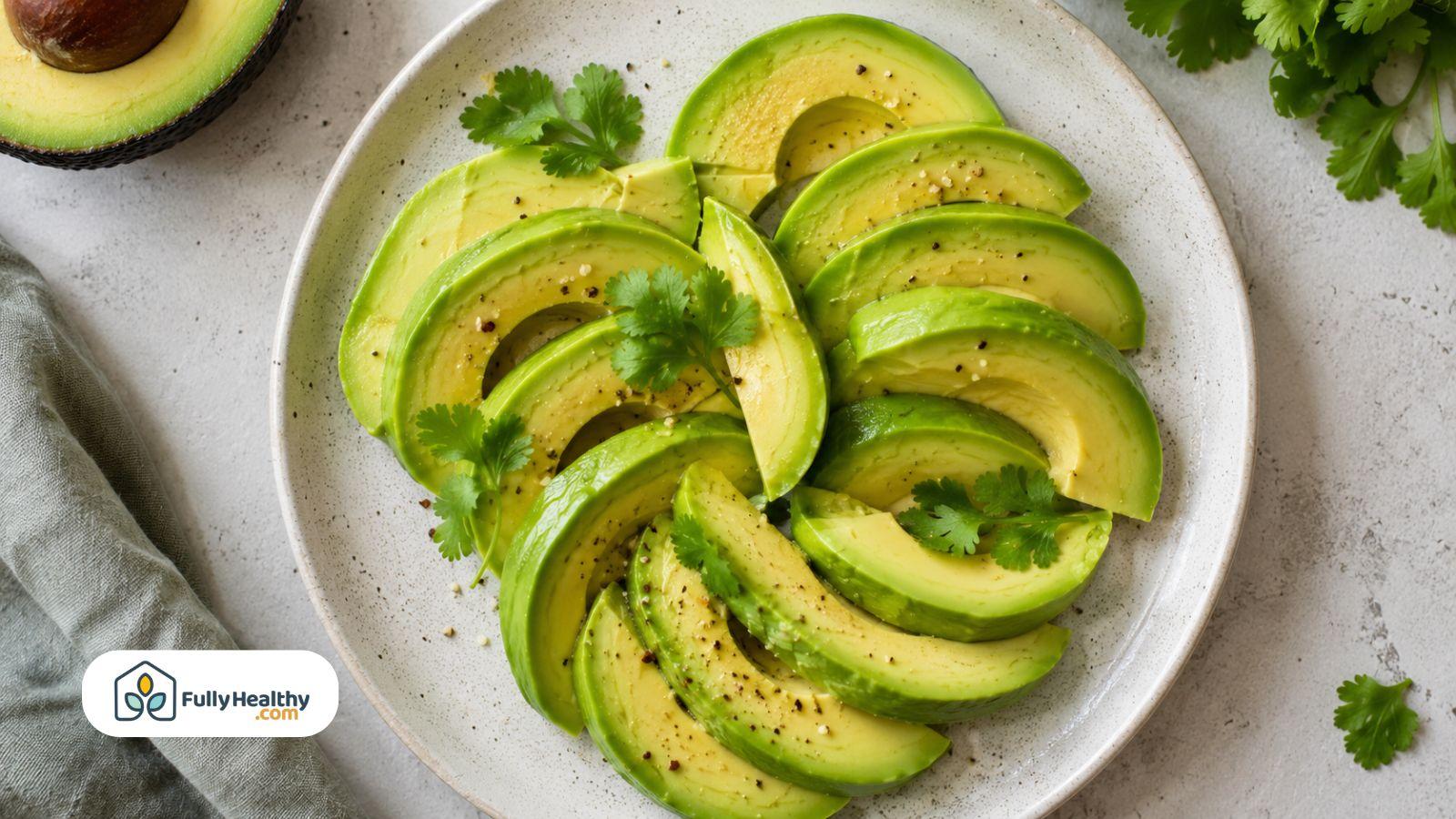
Daily avocado consumption may support heart health, nutrition, and overall health when paired with vegetables, protein, and other healthy foods. Most studies show moderate avocado intake is safe for many adults.
Daily Health Benefits
Daily avocado consumption may help improve cholesterol levels, increase fiber intake, and provide important nutrients like potassium, vitamin E, and B vitamins. Research also links avocado intake with better overall health and lower risk of cardiovascular disease.
-
Heart Healthy: Avocados contain heart healthy monounsaturated fat and oleic acid.
-
Cholesterol: Daily avocado intake may help support healthy cholesterol levels.
-
Potassium: One avocado contains more potassium than many other fruits.
-
Nutrition: Avocados contain vitamins minerals, vitamin e, and b vitamins.
-
Overall Health: Healthy fats may support cardiovascular disease prevention.
Possible Downsides
Eating too much avocado may still contribute to weight gain because avocado contains calories and fat. Some people sensitive to high fiber foods may also notice mild digestive discomfort from consuming avocados often.
-
Calories: A large ripe avocado may contain more than 300 calories.
-
Portion Size: Eating several avocados daily may increase calorie intake.
-
Weight Gain: Excess calories from any foods can increase body weight.
-
Processed Foods: Avocado should replace processed meats and fried foods, not add extra calories.
-
Balanced Diet: Avocado works best inside a nutrient dense diet.
What is the Healthiest Way to Eat Avocado?

Avocado pairs well with vegetables, protein, and healthy fats like olive oil. The healthiest meals usually combine avocado with fiber rich foods instead of heavily processed ingredients.
Smart Ways to Eat Avocado
Many people enjoy mashed avocado, sliced avocado, or diced avocado because it works in breakfast, lunch, and dinner meals. Avocado toast remains popular because it combines healthy fats with carbohydrates and protein.
-
Avocado Toast: Pair mashed avocado with eggs and whole grain bread.
-
Salads: Add sliced avocado to vegetables and black beans.
-
Smoothies: Blend half a ripe avocado into smoothies for creamy texture.
-
Sandwiches: Use avocado instead of high saturated fat spreads.
-
Olive Oil: Combine avocado and olive oil in balanced meals.
Foods That Pair Well
Avocado works best with nutrient dense foods that support fullness and nutrition. Combining avocado with protein and fiber may improve satiety and support weight management goals.
-
Protein: Pair avocado with eggs, fish, chicken, or Greek yogurt.
-
Vegetables: Add diced avocado to salads, bowls, and roasted vegetables.
-
Fiber: Black beans and oats support gut health and fullness.
-
Healthy Fats: Avocado and olive oil contain unsaturated fats.
-
Balanced Meals: A well balanced plate may support heart health and weight loss.
What Should I Eat to Gain Weight?
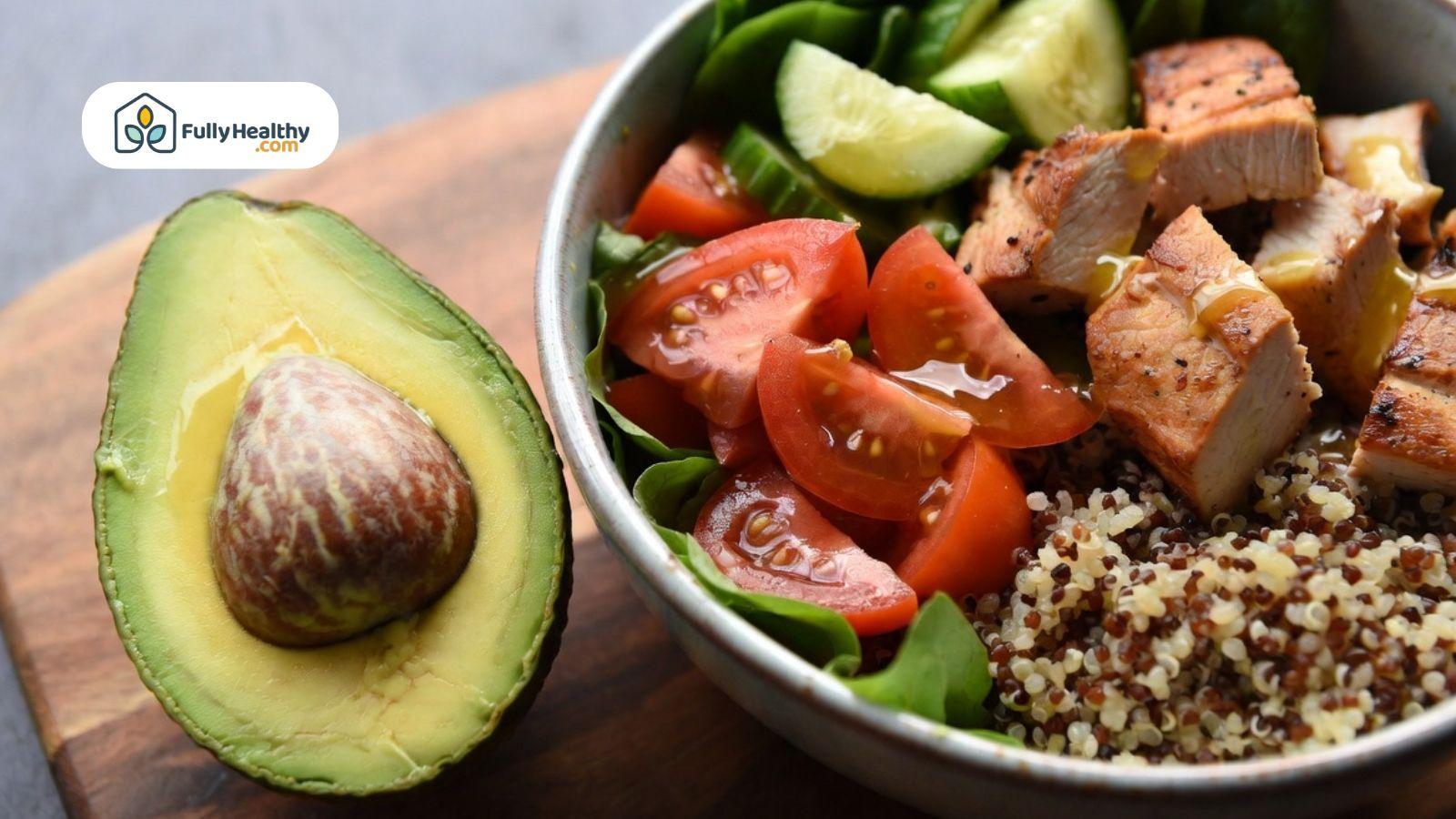
People trying to gain weight should focus on calorie dense foods that also support nutrition and overall health. A healthy weight gain plan usually combines healthy fats, protein, carbohydrates, and strength training instead of relying heavily on processed foods.
Foods That Help Healthy Weight Gain
Healthy fats and nutrient dense foods may help increase calories without sacrificing nutrition. Foods such as avocado, nuts, olive oil, eggs, dairy, oats, rice, potatoes, salmon, nut butter, dried fruit, and protein rich foods can support healthy weight gain as part of a balanced diet.
-
Healthy Fats: Nuts, avocado, olive oil, and seeds help increase calories.
-
Protein: Dairy, eggs, meat, and beans support muscle growth.
-
Carbohydrates: Potatoes, oats, rice, and fruit provide energy.
-
Nutrition: A nutrient dense diet supports overall health and recovery.
-
Weight Management: Balanced meals may reduce unhealthy fat gain.
How to Gain Weight Safely
People should gain weight slowly by increasing calories and building muscle through exercise. Depending heavily on processed foods may increase abdominal fat instead of lean muscle mass.
-
Calories: Increase intake by about 300 to 500 calories daily.
-
Strength Training: Muscle building workouts support healthy weight gain.
-
Protein Intake: Protein helps repair and grow muscle tissue.
-
Healthy Food: Choose whole foods over highly processed foods.
-
Heart Health: Balanced eating may reduce cardiovascular disease risk.
FullyHealthy Avocado Products
FullyHealthy offers specialty foods designed for people following gluten free, Paleo, AIP, and wellness focused diets. Many products support balanced eating with simple ingredients and healthy fats.
About FullyHealthy
FullyHealthy focuses on foods made for people looking for allergy friendly and nutrient focused products. The website includes pantry staples, snacks, oils, and products supporting different diet needs.
-
Healthy Food: Products support a more nutrient dense diet.
-
Diet Options: The store includes Paleo, gluten free, and AIP foods.
-
Well Balanced: Many products use simple ingredients and healthy fats.
-
Nutrition: Products focus on overall health and diet quality.
-
Public Health: Better food choices may support long term wellness.
Avocado-Based Products
FullyHealthy carries avocado oil foods that fit balanced meals and healthy snack routines. These products can support people looking for convenient ways to include healthy fats in their diet.
-
Jackson’s Avocado Oil Sweet Potato Chips: Crispy sweet potato chips cooked with avocado oil for a crunchy snack with healthy fats.
-
Primal Kitchen Avocado Oil: Avocado oil designed for roasting vegetables, cooking proteins, and balanced meal preparation.
-
Chosen Foods Avocado Oil Mayo: Mayo alternative made with avocado oil instead of heavily processed oils.
-
Cacao Clouds: Chocolate flavored snack option that can fit balanced eating routines and healthier dessert choices.
Final Thoughts
Avocado does not automatically cause weight gain when eaten in moderate portions as part of a balanced diet. It contains healthy fats, fiber, potassium, vitamin e, and other nutrients that may support heart health, gut health, and weight management.
Replacing processed foods high in saturated fat with healthier options may support better diet quality and overall health. Adding avocado to meals with vegetables, protein, and whole foods can also help support better eating habits over time.
FAQs
Is avocado good if you have fatty liver?
Yes, avocado may support liver and heart health because it contains healthy fats, fiber, and fewer processed ingredients than many packaged foods.
Can avocado help people lose weight?
Yes, avocado may help with weight loss because healthy fats and fiber help you stay full longer and reduce overeating.
What foods can help a diabetic gain weight?
Healthy fats like avocado, olive oil, nuts, eggs, dairy, oats, and protein rich foods may help diabetics gain weight while supporting balanced blood sugar levels.
How many times a week should you eat avocado?
You should aim to eat two to four servings, or about 1 to 2 avocados per week, as part of a balanced diet because avocados good for nutrition, potassium intake, and overall diet quality.
Can healthy fats help with weight management?
Yes, healthy fats can help with weight management because they keep you full longer and may reduce cravings and overeating.
Leave a comment