

Does Flour Expire? The Safe Signs To Check Before Baking
Does flour expire? Yes, it can lose freshness, flavor, and quality over time. The date on the bag is usually a freshness guide, not an instant danger sign.
Still, old flour can turn rancid, grow mold, attract bugs, or ruin baked goods if stored poorly. The key is checking its smell, color, texture, and storage history before using it. This guide explains when flour is still okay, when to toss it, and how to store it better at home safely.
Featured Baking Pick
Bob's Red Mill // Gluten Free 1-to-1 Baking Flour - 44 oz
Loading...
Does Flour Expire?
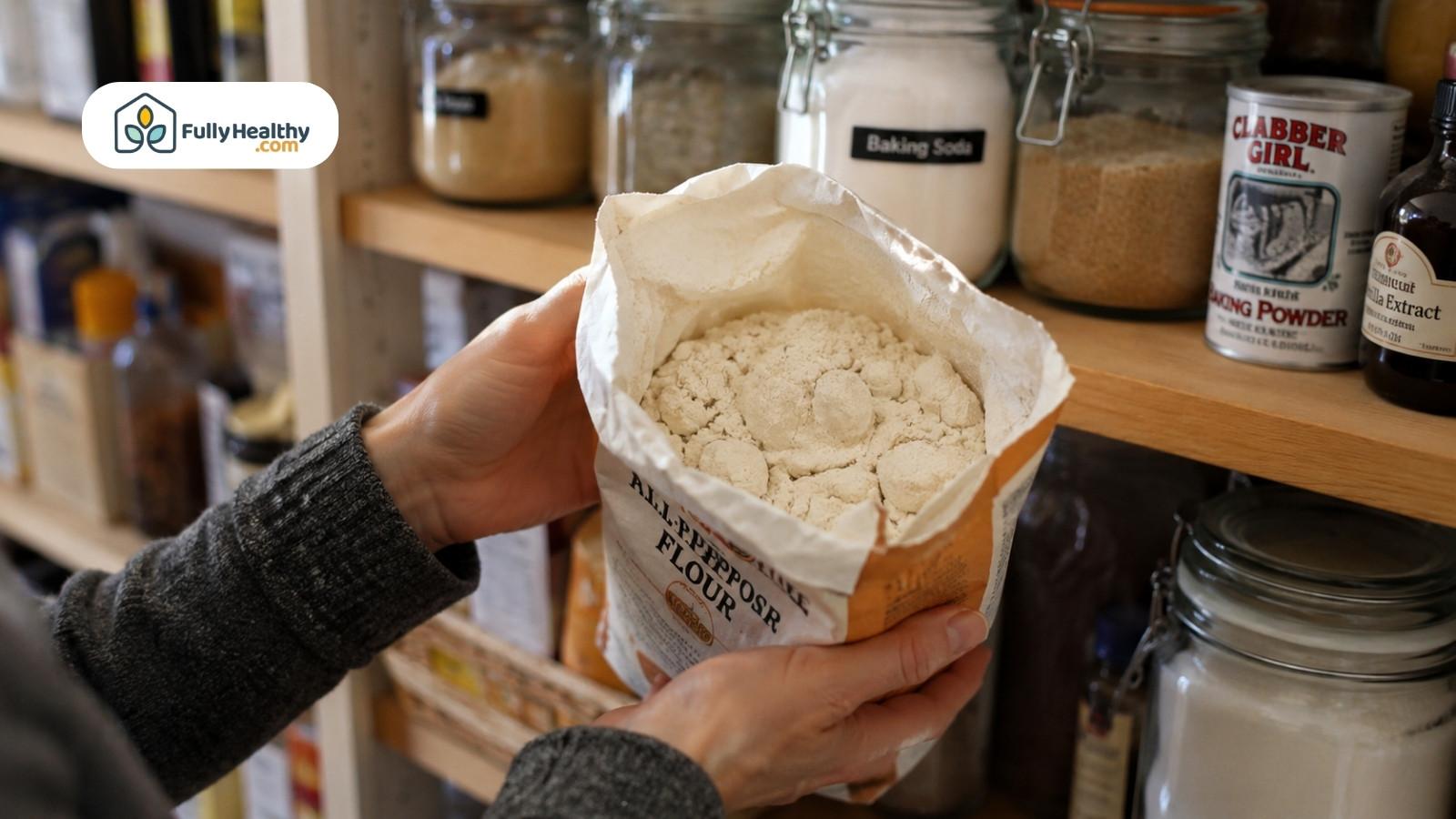
Yes, flour can expire, but the best by date is not always a strict safety deadline. It usually tells you when the flour should taste and work at its best. Still, flour can go bad when it is exposed to heat, air, moisture, bugs, or poor storage conditions. Before baking, check its smell, color, texture, and storage history.
What Does Expired Flour Really Mean?
Expired flour usually means the flour is past its best quality. It may still look fine, but the flavor, texture, and baking results can slowly change over time.
-
Freshness Guide: The date flour makers print on the bag helps you judge quality, not only safety.
-
Safety Check: Throw away spoiled flour if you see mold, bugs, wet clumps, or strange color.
-
Baking Quality: Old wheat flour may make bread, cakes, cookies, or pancakes taste stale or bitter.
Does Flour Expire Faster Based On The Type?
Yes, some flours expire faster because they contain more natural oils. These oils are found in whole grain, bran, germ, seeds, and nuts. Over time, they can turn stale or sour.
-
Longer Lasting: Refined flour and white flour often keep longer because much of the oily germ is removed.
-
Shorter Lasting: Whole grain flours, whole wheat flour, coconut flour, and nut flours can spoil faster.
-
Special Case: Self rising flour may lose its lift because the baking powder inside can weaken over time.
Is It Okay If You Eat Expired Flour?
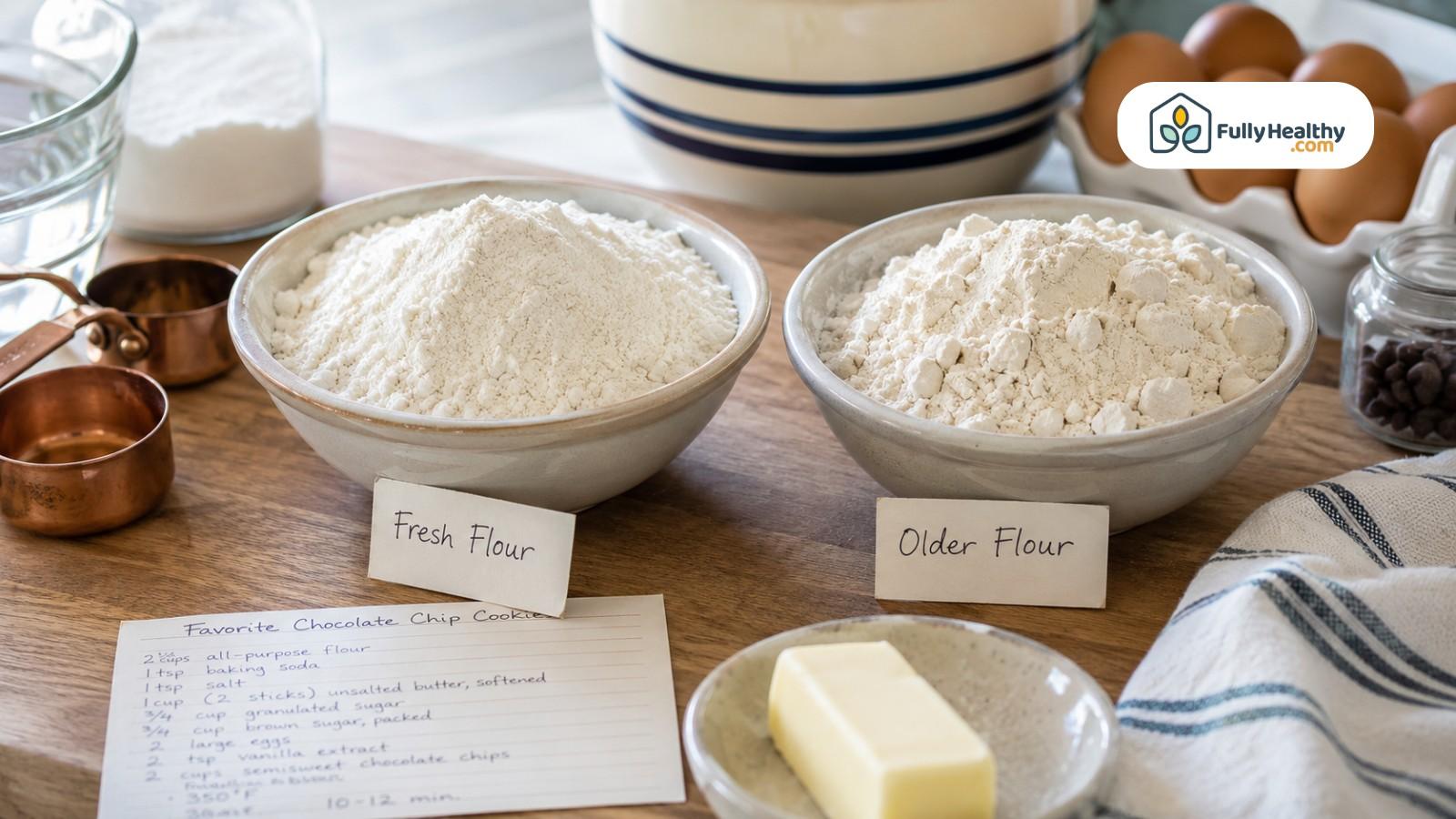
Eating baked goods made with slightly old flour is often a quality issue, not an instant danger. This only applies when the flour stored in your pantry is dry, clean, and smells normal. Do not taste raw flour to check it because raw flour can contain germs before it is baked.
When Expired Flour Is Usually A Quality Problem
If flour was kept dry and sealed, it may still be usable after the printed date. The main problem is usually poor flavor, weak texture, or less reliable baking results.
-
Check The Look: Look for bugs, webbing, dark specks, mold, or hard clumps before using it.
-
Smell The Flour: If it smells neutral, it may still be fine, but toss it if it smells rancid.
-
Think About Taste: Rancid flour can make biscuits, muffins, pancakes, and bread taste unpleasant.
When Expired Flour May Be Unsafe To Eat
Old flour is not safe when it shows signs of moisture, mold, insects, or clear spoilage. These signs mean proper storage failed, and baking may not solve every concern.
-
Moisture Risk: Damp flour can clump, grow mold, and become spoiled flour quickly.
-
Pest Risk: Bugs, larvae, or droppings mean the bag should be discarded, not sifted.
-
Odor Risk: Rancid flour may have a sour, musty, paint-like, or oily smell.
How Long Does Flour Stay Good After The Expiration Date?
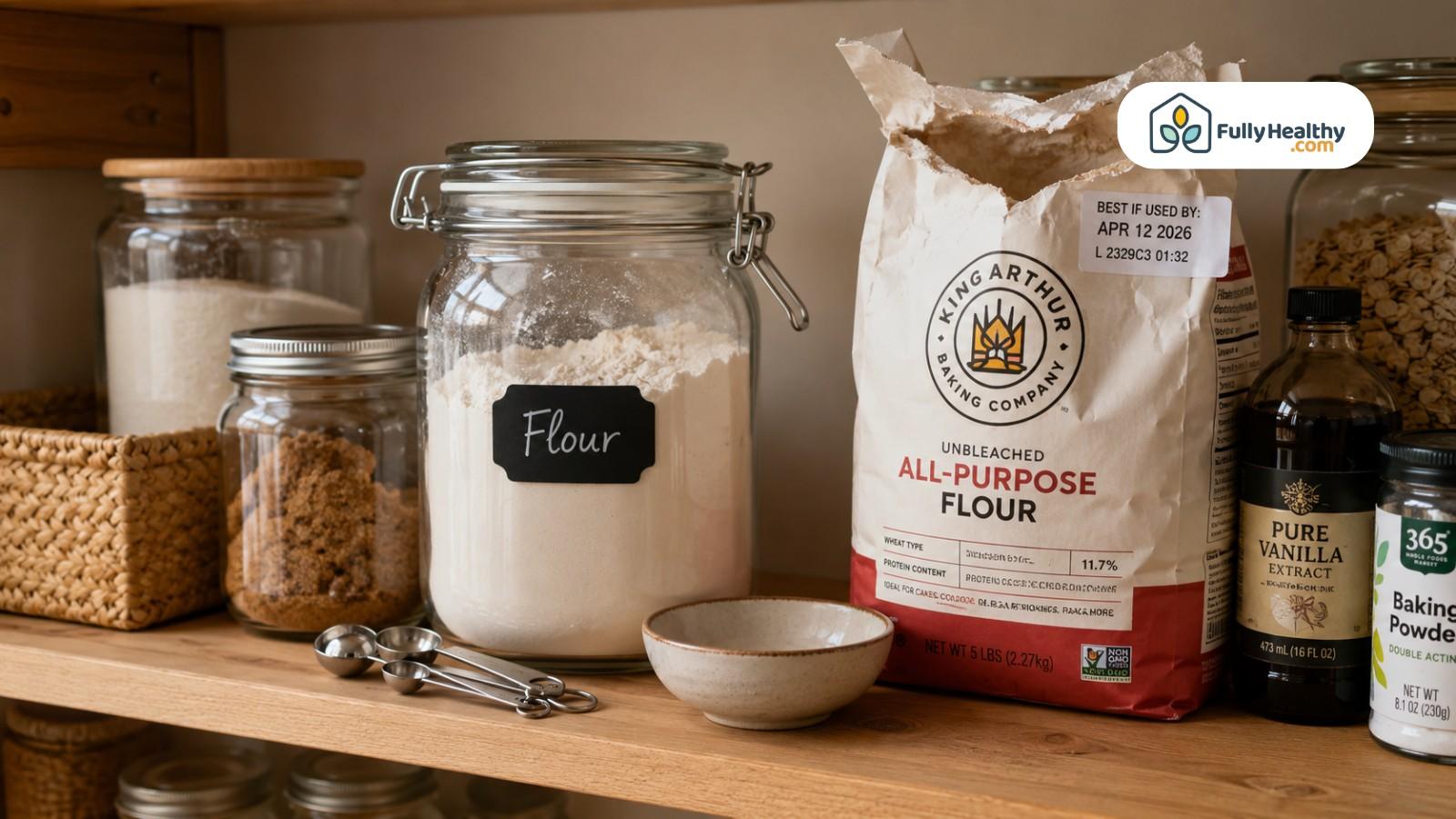
The shelf life of flour depends on the type, package, and storage conditions. Baking experts, including King Arthur, often suggest using your senses along with the printed date. If you store flour well, it may stay useful longer. If it sits near heat or humidity, it can spoil faster.
How Long Different Flours Can Last
There is no single answer for every bag of flour. Grain flours, refined flour, and other flours age differently because they have different amounts of oil, fiber, and starch.
-
White Flour: White flour often lasts longer than whole wheat because it has fewer natural oils.
-
Whole Wheat: Whole wheat flour has more bran and germ, so it can turn rancid sooner.
-
Gluten-Free Options: Coconut flour, nut flours, and some blends may need extra care and faster use.
How Storage Can Extend Or Shorten Flour Freshness
Good storage is the best way to protect flour after opening. An airtight container helps block air, moisture, pantry smells, and insects.
-
Store Flour Properly: Keep flour in a cool, dry, dark place after opening.
-
Seal It Well: Flour stored airtight keeps better than flour left open in a paper bag.
-
Chill When Needed: Refrigerate or freeze whole grain flours if your kitchen is warm or humid.
Is It Okay To Bake With Old Flour?
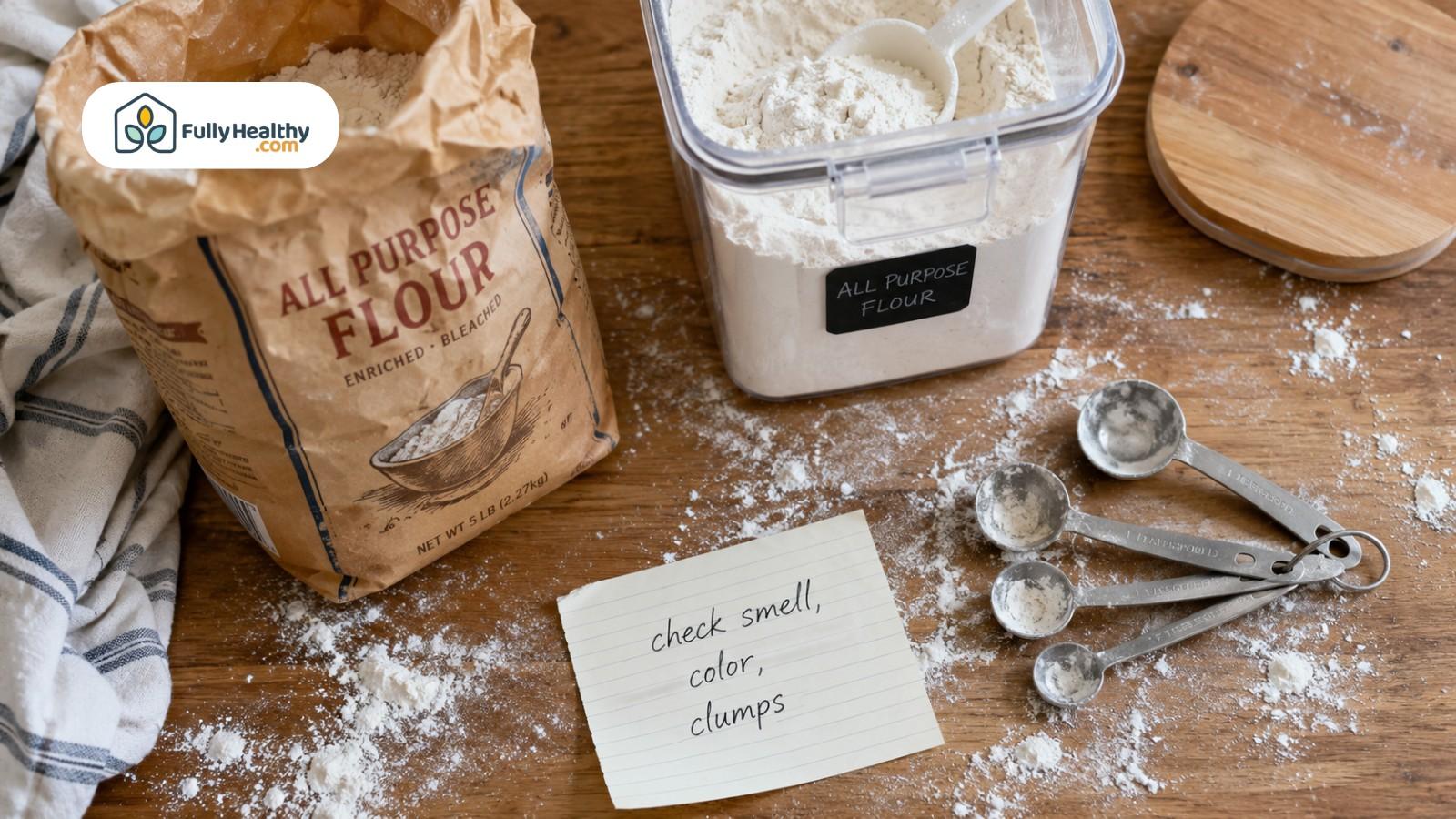
Yes, you can bake with old flour if it still smells fresh, looks clean, and was stored well. The main issue is usually poor flavor, weak rise, or dry texture. But if you see mold, bugs, wet clumps, or a rancid smell, do not use it for cooking or any food recipe.
When Old Flour Can Still Work In Baking
Old flour can still work when it is only a little past the date and has stayed dry. Always check it before adding it to dough, batter, or sauce.
-
Use Your Senses: Check for a normal color, smooth texture, and clean smell before using it.
-
Check The Storage: Flour kept away from heat, air, and light is more likely to stay fresh.
-
Test A Small Amount: Use a pinch first if you are unsure about the taste or smell.
-
Know The Flour Type: Different types of flour age differently, especially flours with more fat.
When Old Flour Can Ruin Your Recipe
Even if old flour is not unsafe, it can still hurt the final result. It may make your baked goods taste stale, dry, heavy, or flat.
-
Bad Flavor: If flour smells sour, oily, musty, or bitter, your recipe may taste unpleasant.
-
Weak Rise: Self-rising flour may not work well because its leavening can lose strength.
-
Poor Texture: Old flour can make dough feel dry, rough, or harder to mix.
-
Safety Concern: If flour go bad because of moisture, pests, or mold, throw it away.
How Fullyhealthy Can Help With Better Baking Options
Fullyhealthy can help you find better flour mixes when your pantry flour is too old or not right for your diet. It offers helpful options for gluten-free, paleo, and allergen-aware baking. These products can make baking easier when you want a fresh mix instead of guessing with an old bag from the fridge or freezer.
Specialty Baking Products For Different Diet Needs
Fullyhealthy has flour-based mixes that fit different baking needs. These can help if regular wheat flour does not work for your recipe, diet, or food preference.
-
Simple Mills Mix: Simple Mills Pumpkin Muffin & Bread Almond Flour Mix works well for quick muffins or bread.
-
Bob’s Red Mill Option: Bob’s Red Mill Gluten Free Baking Flour 1 To 1 can replace regular flour in many recipes.
-
AiPeazy Mix: AiPeazy Flatbread Pizza Crust Mix With Tigernut Flour helps you make an easy pizza crust.
-
Fresh Pantry Choice: A new mix can be better than using flour that may have lost quality.
Which Fullyhealthy Product Fits Your Baking Goal?
Choose the product based on what you want to make. This helps you save time, avoid waste, and get better results.
-
For Muffins: Choose Simple Mills if you want pumpkin flavor and an almond flour base.
-
For Everyday Baking: Choose Bob’s Red Mill for cookies, cakes, muffins, and common recipes.
-
For Pizza Night: Choose AiPeazy if you want a quick flatbread-style crust.
-
For Longer Freshness: Keep opened mixes sealed tightly so they stay fresh longer.
Final Thoughts
Does flour expire? Yes, but the date on the bag is not the only thing to check. Flour can stay useful after the best by date if it was stored well, kept dry, and sealed from air, heat, and pests.
Still, old flour can lose flavor, smell rancid, or affect how your dough rises. Before baking, look for mold, bugs, clumps, odd color, or a sour smell.
If anything feels wrong, throw it out. A fresh bag or mix is better than ruining your food. Once flour is opened or pulled from the pantry, store it in an airtight container to protect freshness and make baking safer at home. This simple habit helps you avoid waste and bake with confidence.
FAQs
Can Expired Flour Make You Sick?
Expired flour may make you sick if it has mold, bugs, moisture, or a rancid smell, so check it before using.
How Can You Tell If Flour Has Gone Bad?
Flour has gone bad if it smells sour, looks discolored, has clumps, shows pests, or feels damp after being pulled from storage.
Can You Bake With Flour Past The Best By Date?
Yes, you can bake with flour past the best by date if it looks clean, smells fresh, and was stored properly.
Should Flour Be Stored In The Fridge Or Freezer?
You can store flour in the fridge or freezer to help keep it fresh longer, especially whole grain or nut flours.
What Is The Best Way To Store Flour At Home?
The best way to store flour is in an airtight container placed in a cool, dry, dark area.
Leave a comment