

Does Ghee Expire? The Truth About Shelf Life

Does ghee expire? For sure, but it lasts a lot longer than butter. As a result of the milk solids being taken out, ghee has very little water, which helps it last longer. Unopened commercial ghee typically has a shelf life of 12–24 months when stored in a cool, dark place, depending on manufacturer guidelines.
Finding out how long ghee lasts, how to tell if it's going bad, whether it needs to be kept in the fridge, and whether it's still safe to use after it's gone bad is covered in this guide.
Featured Pantry Pick
Ahara Rasa // Traditional Ghee
Loading...
Does Ghee Expire?
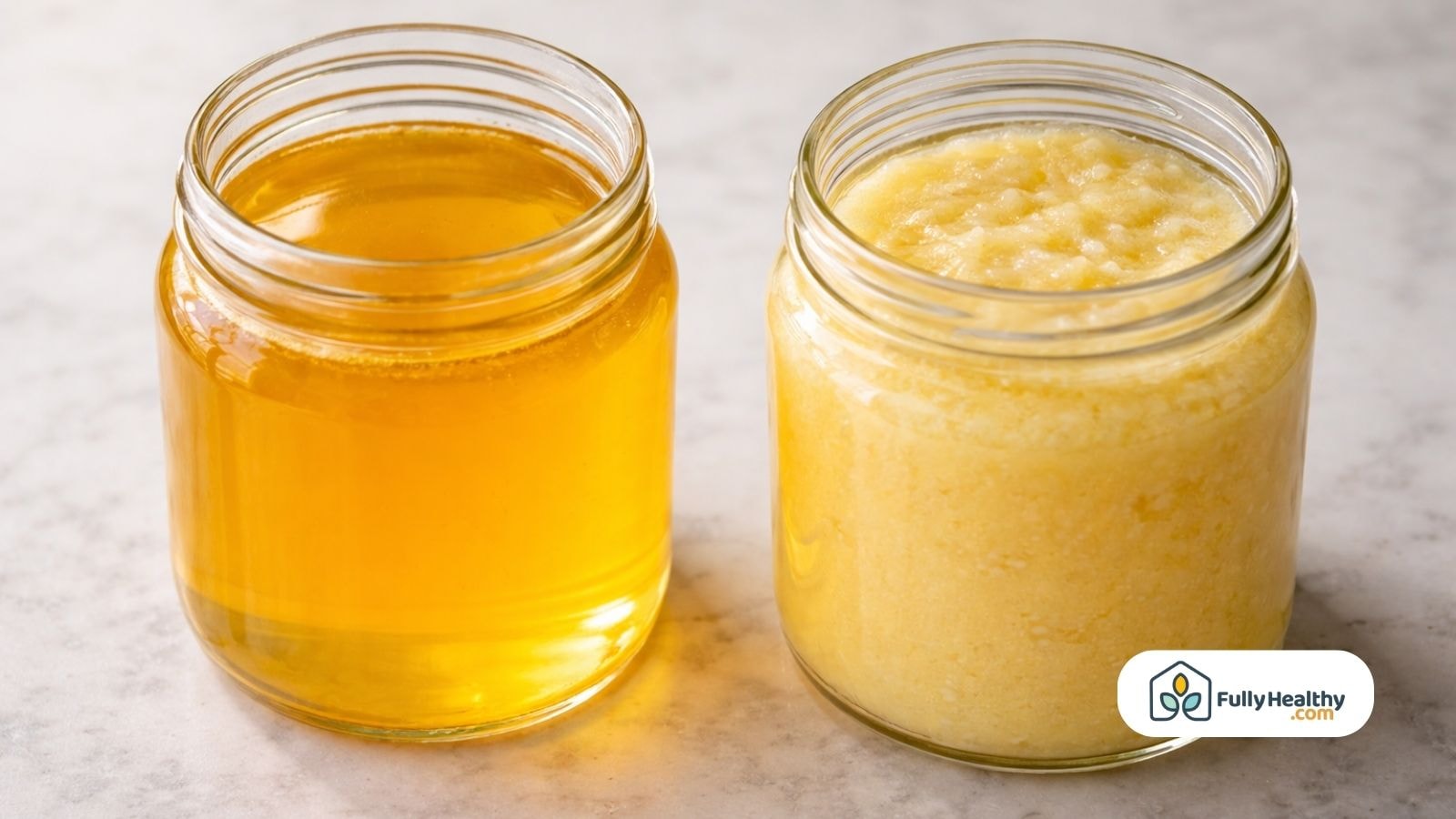
One way to make ghee is to heat unsalted butter until the water and milk proteins are mostly gone. After this process, there is very little water left in the pure butterfat.
This is why a lot of people want to know if ghee goes bad or if it lasts forever. Truth be told, ghee does go bad after a while, but it lasts longer than butter and many other dairy products.
Does Ghee Expire Or Just Lose Quality Over Time
From the point of view of dairy science, fat that doesn't contain water lasts longer. The clarification process takes out the milk proteins and lowers the amount of water in the milk, which stops bacteria from growing.
That's why, if stored properly, ghee that hasn't been opened can stay good for one to two years. Still, the dates on ghee are important because the quality slowly decreases over time.
-
Unopened Ghee: Often remains safe past the printed date if stored properly in a cool, dark place.
-
Expiration Date Vs. Expiry Date: These dates usually show peak quality, not the exact day it becomes unsafe.
-
Low Moisture Content: Because ghee contains very little water, microbial spoilage is limited; however, oxidation of fats remains the primary cause of quality deterioration over time.
-
Bad Eventually: Even shelf-stable fats will break down when exposed to heat, air, or direct light.
How Long Does Ghee Last Once Opened
A lot of people want to know how long ghee stays good after being opened. After opening, ghee often maintains quality for several months and in some cases up to a year if stored properly, though sensory quality may gradually decline. If you don't store it properly, homemade ghee might not last as long as store-bought ghee.
-
Opened Jar: Best used within several months for the best taste and health benefits.
-
Homemade Ghee: Can last months when kept in a cool, dry place away from heat.
-
Storage Conditions: Direct sunlight, direct light, and high heat can accelerate spoilage.
-
Fresh Jar: If the smell and taste are normal, it is usually safe to use.
How Do I Know If Ghee Has Gone Bad?

Even though ghee can stay good for a long time, it can actually go bad. Smell, taste, and texture changes are very clear signs that something is wrong. Rancid ghee develops primarily due to the oxidative breakdown of fats when exposed to oxygen, heat, or light. By being aware of these signs, you can use ghee that hasn't gone bad in your cooking.
What Smell And Taste Changes Signal Spoilage
The best thing you have is your senses. Good quality ghee smells and tastes nutty and is smooth. If something smells sour or sharp, it might not be safe.
-
Unpleasant Odor: A strong or sour smell is a common sign of rancid ghee.
-
Taste Change: A bitter or sour flavor means it is time to discard it.
-
Cross Contamination: Using a wet or dirty spoon can add foreign particles and increase the moisture content.
What Visual Or Texture Changes Mean Ghee Is Bad
The ghee that is brand new is golden and smooth. Any strange look is a sign that something is wrong.
-
Mold Growth: Visible mold means discard the entire jar immediately.
-
Color Change: Very dark or uneven color may show oxidation.
-
Foreign Particles: Dirt, crumbs, or other debris can lead to ghee spoilage.
Can You Use Expired Ghee?

Many people still use ghee after the date it goes bad. It may still be safe most of the time if it was stored properly and doesn't look like it's going bad. However, spoiled or rancid ghee primarily develops unpleasant flavors and odors; while serious illness is uncommon, consumption of degraded fats is not recommended.
Is Expired Ghee Safe If It Smells Normal
Ghee usually stays safe after the printed date if it is kept in a dark cabinet out of direct sunlight and moisture. If you buy ghee at the store, it is made to last while you store it.
-
Stored Properly: Keep ghee in a cool, dry place to protect ghee's shelf life.
-
Airtight Container: Always seal the ghee jar tightly to avoid contamination.
-
Dry Spoon: Use clean utensils or a dry utensil every time to prevent bacterial growth.
What Are The Risks Of Consuming Spoiled Ghee
Not a good idea to eat ghee that has gone bad. It might not always be dangerous, but it can make you sick.
-
Bacterial Growth: Although ghee’s very low moisture content inhibits most bacterial growth, contamination with water or food particles can introduce spoilage risks.
-
Shorter Shelf Life: Heat and light can accelerate spoilage.
-
Freeze Ghee Carefully: If you freeze ghee, use an airtight container to avoid freezer burn.
-
Require Refrigeration: Refrigeration is generally not required for commercially prepared ghee, but in hot or humid climates, it can help preserve flavor and delay oxidation.
-
Cooking Advantage: Its high smoke point makes it suitable for high-heat cooking. Most lactose and casein are removed during clarification, making it tolerable for many (but not all) individuals with lactose intolerance.
Should Ghee Be Refrigerated?

Ghee is known to last longer than many other dairy products. It naturally stays good for a long time because it is a type of clarified butter that has very little water. A lot of people keep it at room temperature with no issues.
Temperature, light, and air flow are the most important things. Ghee can stay fresh and safe for everyday cooking if you take good care of these things.
Does Ghee Need Refrigeration Or Is Pantry Storage Enough
Most of the time, ghee doesn't need to be kept cold. Wherever you put it, it will stay at room temperature. It needs to be kept safe from heat and water. It helps keep its flavor and texture by keeping it in a stable environment.
-
Room Temperature: Safe when the jar is stored in a cool, dry place away from the stove.
-
Dark Place: Keep ghee in a dark cabinet to reduce exposure to light.
-
General Guidelines: Always close the lid tightly and avoid dipping wet utensils into the jar.
-
Airtight Container: Limits air exposure and helps protect freshness.
When Does Refrigeration Extend Ghee’s Shelf Life
It's not necessary to refrigerate, but it can be helpful in hot or humid places. Changes in smell and taste happen more slowly when it's cooler. Things may get firmer in the fridge, but that doesn't change the quality. You can wait a few minutes and use it after letting it sit at room temperature.
-
Fridge Storage: Useful in warm areas where pantry temperatures are high.
-
Stable Quality: Cold conditions slow oxidation and protect flavor.
-
Clean Spoon: Use a dry, clean spoon every time to prevent contamination.
-
Longer Shelf Life: Chilling can help extend freshness beyond normal pantry storage.
What Does Fully Healthy Offer For Specialty-Diet Shoppers Concerned About Does Ghee Expire?
Fully Healthy is an online store that caters to people with special dietary needs. People who follow the Autoimmune Protocol, gluten-free diets, or allergen-free plans can use it. Folks who care about the quality of food and how long it will last often look for sources they can trust. This includes pantry items that can be kept for a long time and follow strict rules about what ingredients can be used.
How Does FullyHealthy Support AIP And Allergen-Free Pantry Shopping
The platform makes it easy to shop by putting items into groups based on different diet stages and restrictions. This cuts down on label confusion and saves time. For people with autoimmune diseases or food allergies, it can help.
-
AIP Collections: Products sorted by elimination and reintroduction stages for easier planning.
-
Gluten-Free Options: Wide range of foods without common allergens.
-
Clean Brands: Focus on companies that value ingredient transparency and quality.
-
Easy Navigation: Clear categories that help shoppers find suitable pantry staples quickly.
What Specialty Pantry Products Align With Ghee-Friendly Diets
Even though ghee isn't always shown on the home page, the store has a lot of other foods that go well with healthy fats. These items help you cook simple, whole foods at home.
-
Seasonings And Spices: Blends designed for restricted diets and everyday cooking.
-
Natural Sweeteners: Coconut sugar and maple products that fit many specialty plans.
-
Snacks And Breakfast Items: Options created for people avoiding gluten and other triggers.
-
Curated Bundles: Pre-selected packages that simplify specialty grocery shopping.
No matter where you buy your food, there are some general rules you should follow when storing it at home. Store things in a cool place with a lid on them and check on them often. Good handling habits keep things in good shape and cut down on waste.
Final Thoughts
So, does ghee expire? Yes, but ghee stays fresh longer than regular butter and many other dairy products because it is mostly butterfat and has little water in it. Whether you make your own ghee or buy it at a store, keeping it in an airtight container at room temperature or in the fridge will help it last longer. Before you use an old ghee jar, you should always smell, taste, and feel it. If you store ghee the right way, it can stay safe and good for a long time after the date it says it should be used by.
FAQs
Is ghee bad if it turns white?
Not always; according to Milkio, ghee can turn white due to temperature changes or moisture exposure, but if it smells fresh and has no off taste, it is usually safe, while a sour odor or mold means it should be discarded.
Can bacteria grow in ghee?
Bon Appétit explains that ghee is extremely shelf stable because the milk solids and moisture are removed, making bacterial growth unlikely unless water or contamination is introduced.
What is the lifespan of ghee?
MasterClass states that unopened ghee can last one to two years if stored well, and an opened jar can stay good for up to a year depending on storage conditions.
What can you do with old ghee?
Pure Indian Foods suggests that if ghee tastes bland but is not spoiled, it can be used in small amounts for cooking or for external uses such as skin care or massage oil.
How do Indians store ghee?
Vinod Steel notes that in India, ghee is traditionally stored at room temperature in a clean, airtight container kept in a cool, dry place away from heat and sunlight.
Leave a comment