

Does Glutathione Lighten Skin? What Studies Really Show
Does glutathione lighten skin? The short answer is yes, both oral and topical glutathione have been shown in small clinical studies to lighten the skin. Melanin is the pigment that gives skin its color. It may influence melanin production by shifting melanin synthesis pathways and modulating tyrosinase activity.
But it takes weeks to see results, there isn't a lot of evidence, and using an IV raises safety concerns. You will learn what research really says about how well it works, when to take it, how much to take, and the risks in this guide.
Featured Supplement Pick
L-Glutamine Capsules
Loading...
Does Glutathione Lighten Skin?
Glutathione as a skin whitening agent is widely discussed in dermatology. These findings are based on small-scale trials, and major dermatology associations do not currently endorse glutathione as a standard treatment for skin lightening. It works by changing the pigment that gives skin its color. Results vary from person to person and usually happen over time.
What The Clinical Evidence Says About Skin Lightening
According to clinical research, using glutathione to lighten your skin may help even out your skin tone over time. There were some randomized double-blind placebo and double-blind placebo controlled trials that showed changes in skin tone that could be seen after long-term use.
-
Study findings: Small randomized controlled trials reported modest reductions in melanin index measurements after 4–12 weeks of daily oral supplementation.
-
Forms studied: Topical and oral glutathione, including topical formulations, showed mild improvement in skin brightness.
-
Evidence limits: Studies are small, and experts say more research is needed before calling it a proven systemic skin lightening effect.
-
Long-term effect: There is no strong proof that glutathione lighten skin permanently after stopping treatment.
How Glutathione Works Inside The Body
The way melanin is made changes when you use glutathione on your skin. It also lowers oxidative stress, which can make skin tone problems caused by too much sun worse.
-
Melanin control: It blocks tyrosinase, the enzyme that makes the pigment responsible for darker skin color.
-
Antioxidant support: It reduces oxidative stress that triggers excess skin pigmentation.
-
Detox role: It supports liver detoxification and supports liver detoxification pathways linked to overall skin health.
-
Whole-body impact: Because it acts inside the body, it is often described as a systemic skin lightening agent.
How Long Does It Take For Glutathione To Whiten Your Skin?
Glutathione whiten skin slowly. Most research on oral glutathione shows visible changes only after several weeks. The speed depends on dose, skin type, and sun exposure.
Timelines Reported In Clinical Trials with Oral Glutathione
Studies on oral and topical formulations give realistic timelines. Changes are usually subtle but measurable.
-
Four weeks: In at least one randomized controlled trial, participants taking 250 mg daily showed small but statistically measurable reductions in melanin index after four weeks.
-
Eight to twelve weeks: Higher doses, such as 500 mg daily, showed better improvement in improving skin tone.
-
Topical use: Topical forms used for about eight weeks improved mild uneven skin tone and skin brightness.
-
Maintenance: Results may fade after stopping, and glutathione lighten skin permanently is not proven.
What Clinics And Brands Claim About Speed
Some clinics promote intravenous glutathione and injection glutathione as faster skin lightening therapies. These claims are often stronger than the science.
-
IV approach: Weekly iv glutathione sessions are promoted to achieve lighter skin more quickly.
-
Combination use: Some providers combine glutathione injections with vitamin C for stronger skin brightening.
-
Safety concern: The food and drug administration in some countries has warned about unapproved glutathione injections due to possible adverse effects.
-
Health risks: Reported risks include liver dysfunction and other adverse effects in rare cases.
Which Is Better For Skin Whitening, Glutathione Or Vitamin C?

Both antioxidants support skin health, but they work in different ways. Choosing the right skin lightening agent depends on your goals.
Glutathione Vs Vitamin C Mechanisms Compared
Glutathione treatment focuses on melanin production, while vitamin C supports skin brightness and structure.
-
Glutathione role: May help glutathione whiten skin by lowering melanin and leading to lighter skin over time.
-
Vitamin C role: Boosts collagen, improves skin elasticity, and supports skin moisture.
-
Oxidative stress control: Both reduce damage caused by sun exposure.
-
Use type: Glutathione for skin is often marketed for glutathione skin whitening, while vitamin C is known for surface skin brightening.
Which Option Makes More Sense For Your Skin Goals?
Your skin concern should guide your choice. Safety and realistic expectations are important.
-
For dark spots: Glutathione for skin lightening may help gradual improving skin tone.
-
For glow: Vitamin C is often better for quick skin brightness.
-
For safety: Oral and topical formulations are generally safer than intravenous glutathione or injection glutathione.
-
For balance: Combining antioxidants may support skin color, skin elasticity, and overall skin health.
How Much Glutathione To Lighten Skin?
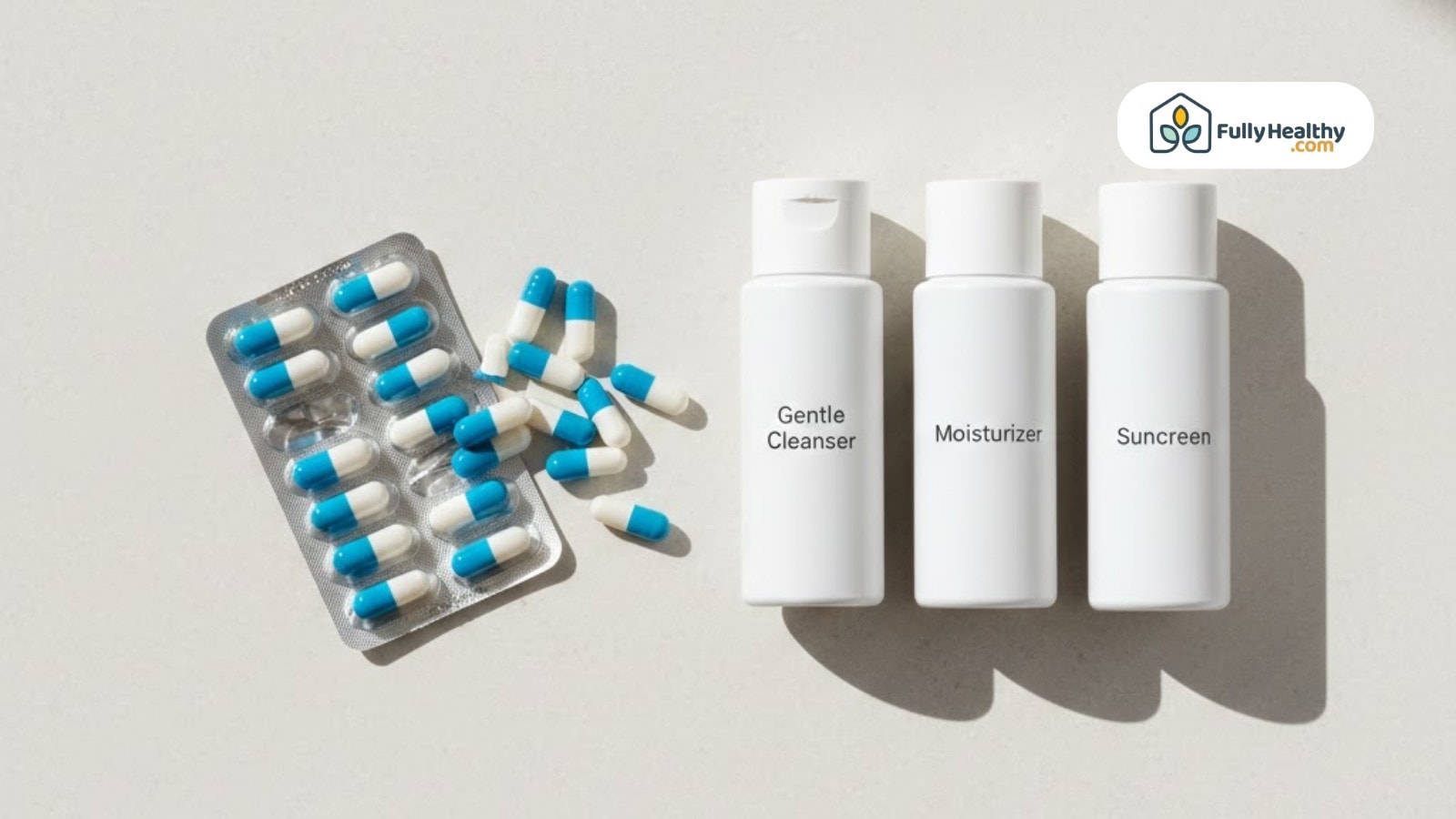
Choosing the right dose is important when using glutathione based treatments. Research shows that oral supplements and topical agents may help reduce pigmentation, but results vary by person. There is no single rule for optimal dosing. A healthcare provider can help you decide what is safe and appropriate.
Dosage Used In Clinical Studies
Several randomized controlled trials give helpful guidance. These studies measured changes using melanin indices and tracked visible skin changes over time.
-
Published research: Reviews in Indian J Dermatol Venereol and J Dermatol Venereol Leprol analyzed clinical findings on glutathione and pigmentation.
-
Oral dosage range: Most trials used 250–500 mg daily and reported a significant reduction in melanin indices after 4 to 12 weeks.
-
Topical application: Topical agents used for several weeks showed significant improvements in mild discoloration, especially in sun exposed areas.
-
Response pattern: People with darker pigment often required more time to see visible changes.
Safety Limits And What To Avoid
Safety should always come first when considering any effective treatment. While many tolerate oral supplements well, risks increase with unsupervised use.
-
IV concerns: Intravenous administration has been associated with adverse events, including rare reports of renal complications, and regulatory authorities have warned against unapproved IV use.
-
Possible side effects: Some users report allergic reactions, stomach upset, or headaches.
-
Regulatory warnings: Authorities have cautioned against unapproved glutathione based treatments delivered through injections.
-
Health monitoring: Checking glutathione levels and general health markers can reduce risk.
How FullyHealthy Supports A Wellness-Focused Approach
Healthy skin often reflects internal balance. FullyHealthy offers products that support immune function and overall wellness. While supplements can support the body, they are not guaranteed skin lightening solutions.
Acetyl-Glutathione For Bioavailable Antioxidant Support
Acetyl-glutathione is available as part of oral supplements designed to support antioxidant balance. It focuses on whole-body wellness rather than direct skin claims.
-
Antioxidant support: Helps maintain healthy glutathione levels and supports immune function.
-
Suggested use: Taken daily, but optimal dosing should follow professional advice.
-
Complementary use: Can be paired with topical agents or safe combination therapies for broader support.
-
Realistic expectation: Benefits relate to overall health, not instant skin changes.
Gut And Lifestyle Foundations For Healthy Skin
Good nutrition and balanced habits help support long-term results. Skin health improves when the body functions well.
-
Digestive balance: Gut-support supplements may help maintain strong immune function.
-
Clean diet: Allergen-aware food choices reduce body stress and support steady glutathione levels.
-
Combination therapies: Healthy nutrition plus safe topical agents may enhance visible improvements.
-
Patience required: Even with effective treatment, results take time and vary by individual.
Final Thoughts
Current findings suggest that glutathione for skin lightening offers modest results, not miracles. A placebo controlled study in dermatology journals showed gradual pigment changes, but not dramatic whitening. As an endogenous antioxidant, glutathione helps regulate oxidative stress; however, its role in systemic ‘detox’ effects related to skin lightening is not well established in clinical trials. Still, it is not a guaranteed fix for deep discoloration.
Oral and topical use appear safer than injections, and expectations should stay realistic. Skin tone changes take time, consistency, and sun protection. Always focus on safety first, especially with IV use. If you want brighter skin, combine evidence-based care, healthy habits, and professional advice for best long-term results.
FAQs
Do findings suggest glutathione really works?
Yes, findings suggest mild improvements in pigmentation, and at least one placebo controlled study reported gradual brightening.
Is glutathione a powerful antioxidant for skin?
Yes, it is a powerful antioxidant that helps reduce oxidative stress linked to uneven tone.
What did a placebo controlled study show about whitening?
A placebo controlled study showed small but measurable changes in pigment levels over weeks.
Can glutathione replace sunscreen?
No, even though it is a powerful antioxidant, it does not replace sun protection.
Are the findings suggest permanent whitening?
No, findings suggest temporary improvements, and more placebo controlled study data is needed.
Leave a comment