

Does Honey Go Bad? How To Tell If Your Jar Is Still Safe
Does honey go bad? Pure honey usually does not spoil when stored the right way. Its low moisture, high sugar, and natural acidity help stop bacteria from growing.
Still, honey can go bad if water, dirty spoons, or food crumbs get inside the jar. Old honey may also crystallize, darken, or thicken, but that does not always mean it is unsafe. This guide explains when honey is still fine, when to toss it, and how to store it properly.
Featured Pantry Pick
Madhava // Organic Creamed Honey Unfiltered - 22 oz
Loading...
Does Honey Go Bad?
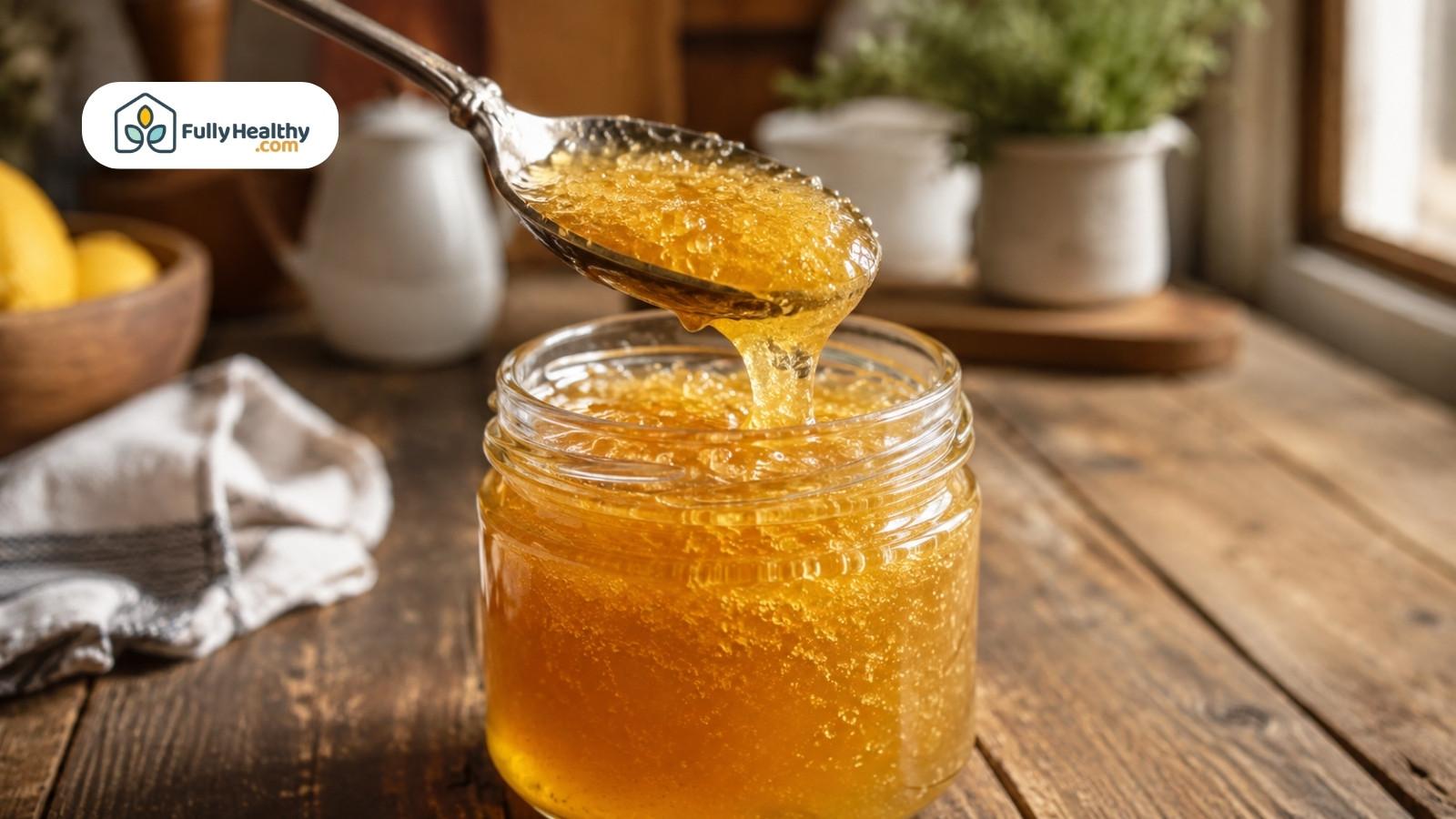
Does honey go bad? Usually, no, if it is clean and stored properly. Real honey has low moisture, natural sugars, and natural acid that make bacteria struggle to grow. Still, honey spoil can happen when water, crumbs, or dirty tools get inside the jar.
Why Pure Honey Usually Does Not Go Bad?
Raw honey lasts because the bees honey making process removes extra water from nectar. This is why properly preserved honey has a long shelf life. The expiration date or best by date often points to quality, not instant spoilage. If learning how bees make honey has made you curious about keeping bees yourself, BeeBuilt’s guide is a helpful place to start.
-
Shelf Life: Properly stored honey can stay safe to eat for years when kept in a sealed jar.
-
Old Honey: Honey has been reported in ancient tombs, but this should be framed as historical/archaeological reporting, not proof that all old honey remains edible.
-
Bottom Line Honey: If honey stored properly smells normal and looks clean, it is usually fine.
Does Honey Go Bad Or Just Change Texture?
Crystallized honey can look spoiled, but it is often part of a natural process. Honey may undergo natural changes when glucose separates from the liquid. This is completely normal and does not mean the honey is unsafe.
-
Gentle Warming: Place the closed jar in warm water and stir gently until the crystals soften.
-
Storage Note: Store honey away from direct sunlight to protect its color, smell, and taste.
-
Line Honey: The bottom line honey advice is simple: crystals alone do not mean spoilage.
Can I Eat 2 Year Expired Honey?
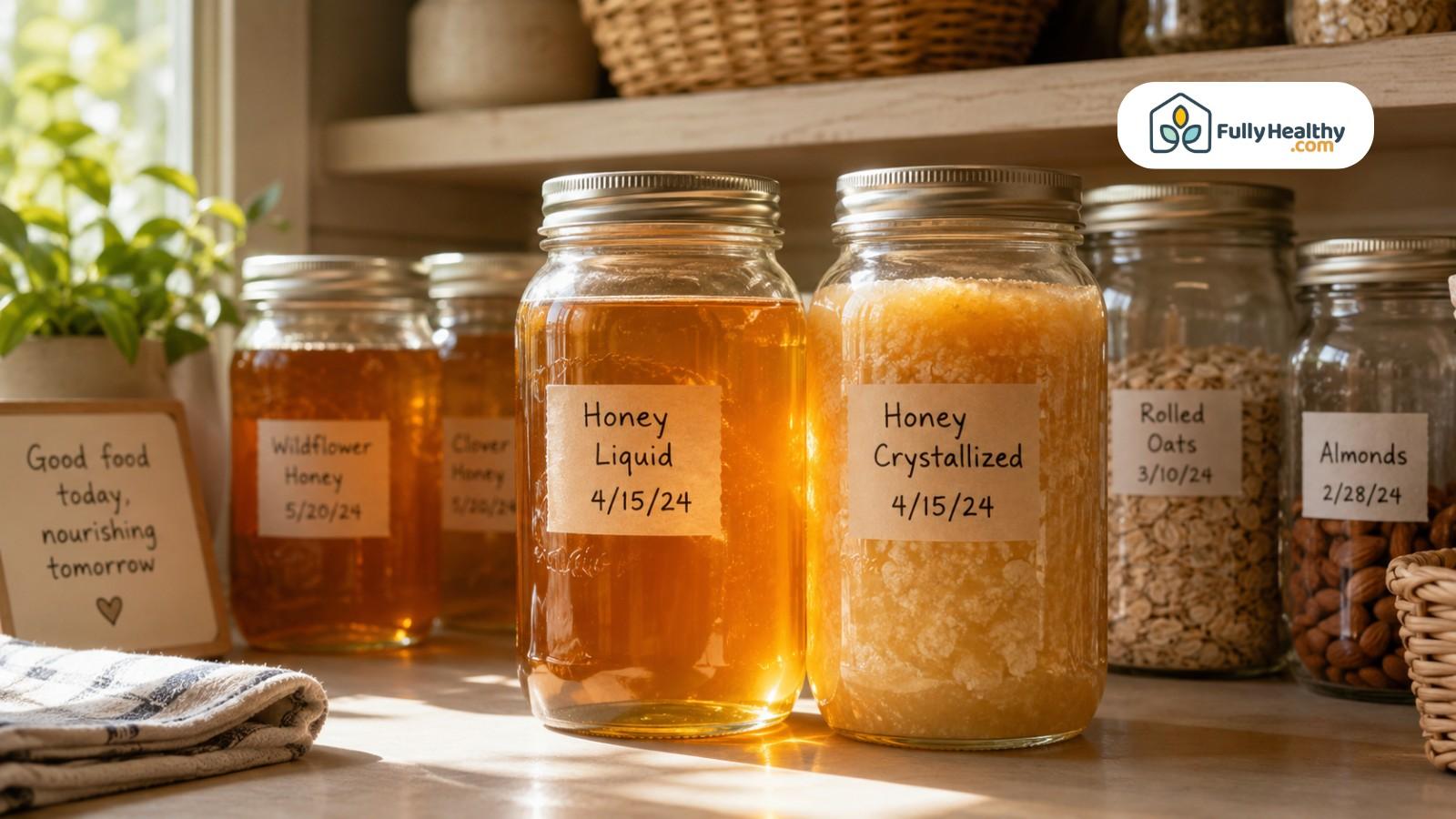
Two-year-old honey is often safe if it was stored properly. Check the jar before using it, especially if it has been opened. Proper storage tips help you decide if the honey good enough for tea, toast, cooking, or honey products.
Is Two-Year-Old Honey Still Safe To Eat?
A date on the label does not always mean honey should be thrown away. Properly stored honey is different from milk, meat, or fruit. Real honey can last longer because germs struggle in its thick, sugary setting.
-
Check First: Look for foam, mold, separation, or a sour smell before using old honey.
-
Use Clean Tools: A wet spoon can add moisture and increase the risk of fermented honey.
-
Type Matters: Manuka honey, raw honey, and processed honey still need clean handling and dry storage.
What To Check Before Eating Expired Honey?
If you thought honey could never spoil, it still helps to look closely. Honey stored in a damp kitchen, dirty jar, or open container can change. It may ferment when moisture enters and yeast becomes active.
-
Smell Test: A sour smell or alcohol-like odor means the honey should not be used.
-
Taste Test: Bitter, sour, or fizzy honey should be thrown away right away.
-
Storage Fix: Store honey tightly closed, dry, and away from direct sunlight.
How Can You Tell If Your Honey Has Gone Bad?
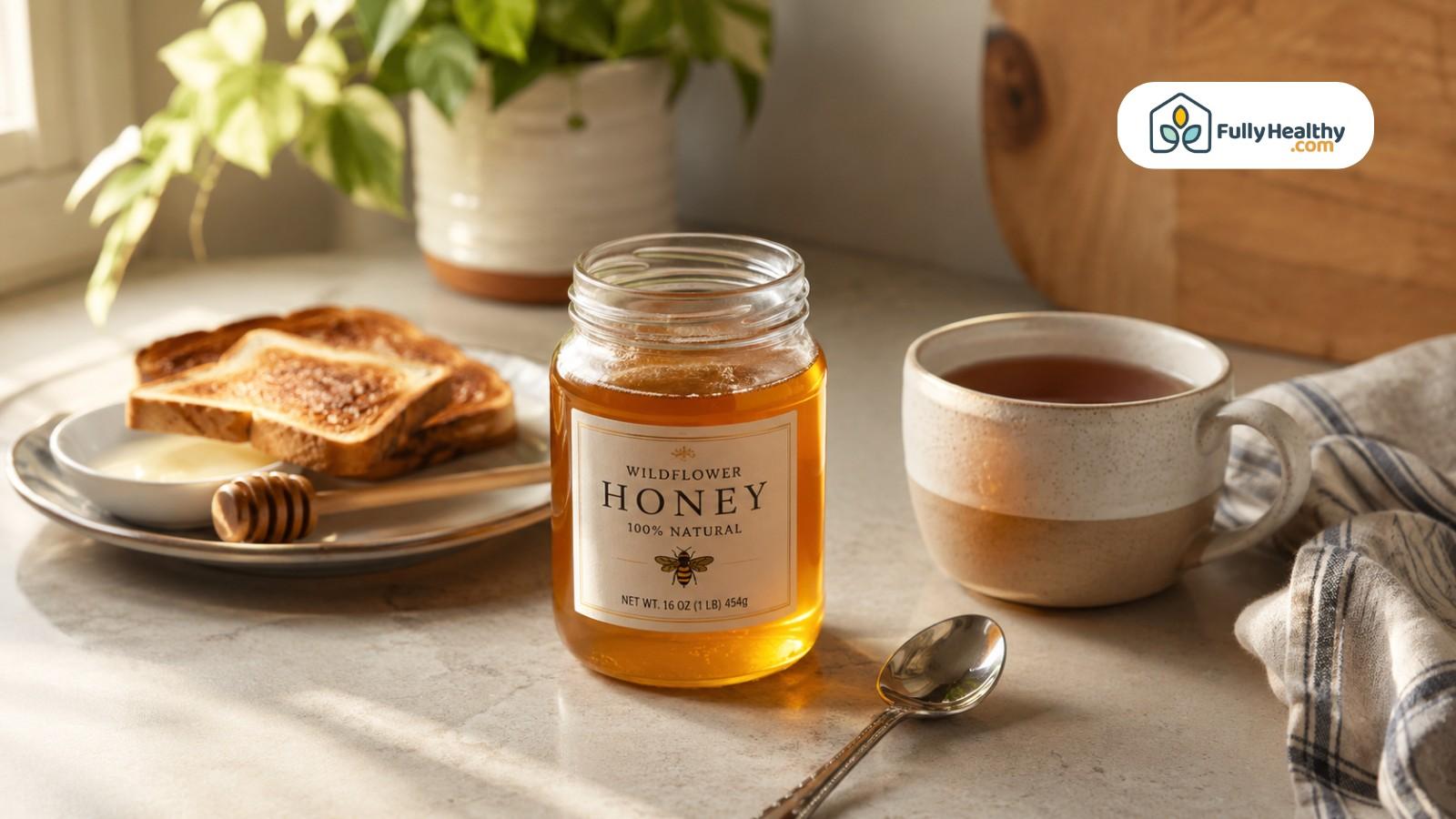
Bad honey is uncommon, but it can happen. The key is knowing the difference between crystallized honey and fermented honey. This helps you spot warning signs without throwing away honey that is still safe to eat.
Signs Your Honey Has Gone Bad
Honey that has spoiled often looks or smells wrong. It may foam, bubble, taste sharp, or smell like alcohol. These signs suggest moisture got inside, and over time honey changed in a way that may not be safe.
-
Sour Smell: A strong sour smell can mean the honey has started to ferment.
-
Foam: Bubbles or foam are more concerning than simple crystals.
-
Contamination: Crumbs, butter, or a wet spoon can add moisture and cause problems.
When Crystallized Honey Is Still Fine?
Crystallized honey is safe to eat when it smells normal and has no foam. It may look cloudy, grainy, or solid, but that is usually natural. Use gentle warming if you want it to become liquid again.
-
Warm Water Method: Set the jar in warm water and stir gently after the honey softens.
-
Best Storage: Keep honey in a cool cabinet, sealed, dry, and away from direct sunlight.
-
Proper Storage: Store honey cleanly so its natural sugars stay stable for a long time.
Can We Eat 10 Year Old Honey?
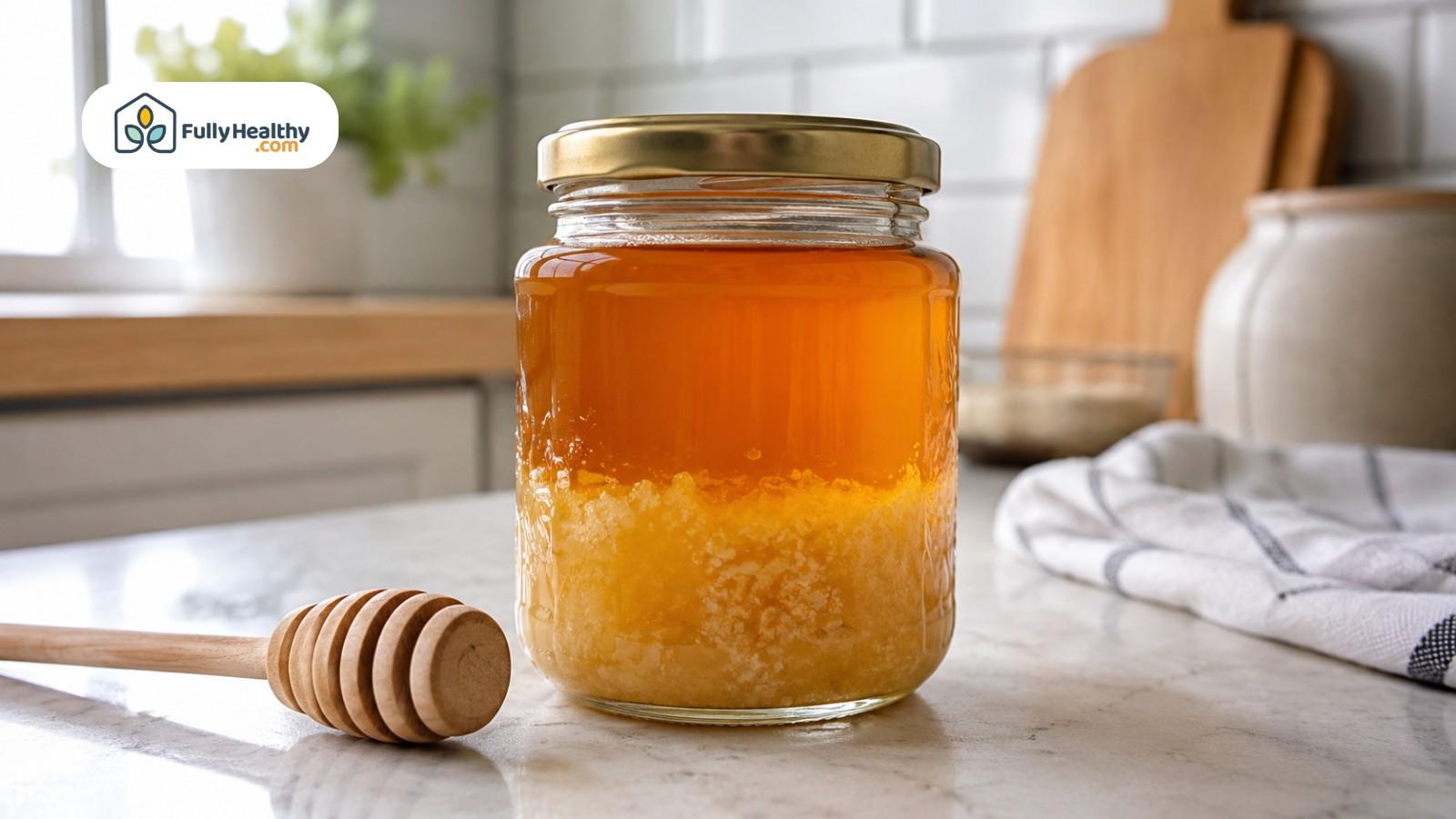
Yes, 10-year-old honey can still be safe if it has been kept clean, sealed, and dry. Honey is different from most foods because its biological makeup helps it remain stable for a long time. Still, you should always check the jar before eating it.
Can Ten-Year-Old Honey Still Be Edible?
Proper honey can last for decades, and sometimes even centuries, because of its high sugar content, low pH, gluconic acid, and natural hydrogen peroxide. These factors slow microbial growth and help explain honey’s magical longevity.
-
Safety Check: If you see visible mold, foam, or notice a sour smell, do not eat it.
-
Storage Clue: Honey kept in sealed containers usually lasts longer than honey in loose or open jars.
-
Texture Note: Dark color, thick texture, and crystals are normal changes, not always signs of spoilage.
Who Should Avoid Honey Even If It Looks Fine?
Adults can usually eat older honey after checking it, but babies under 1 year old should never have honey. The same reason applies to fresh honey, old honey, raw honey, and manuka honey because infants are more sensitive to spores.
-
Baby Safety: Never give honey to infants, even if the jar looks clean and fresh.
-
Adult Use: Older children and adults can usually eat checked honey if there are no spoilage signs.
-
Quality Check: If honey tastes fermented, sour, or strange, it is safer to throw it away.
How FullyHealthy Helps You Shop For Honey-Based Products
FullyHealthy can help readers find honey products for pantry use, breakfast, or wellness needs. It is useful if you want options beyond plain honey. Always check labels, ingredients, and storage notes before buying or using any product.
Honey Products You Can Find On FullyHealthy
FullyHealthy lists Madhava Organic Creamed Honey, Lovebird Rise and Fly Honey Cereal, and Balm of Gilead Manuka Honey Cream. These products have different uses, so readers should not treat each one the same way.
-
Madhava Honey: This food product should be kept in a sealed jar and stored in a cool, dry place.
-
Lovebird Cereal: This cereal uses honey with other foods, so follow the package date and storage guide.
-
Manuka Cream: This is a topical product for skin, not a food to eat indefinitely.
Why FullyHealthy Can Make Special-Diet Shopping Easier
FullyHealthy makes browsing easier because shoppers can compare honey products by use, ingredients, and diet needs. For food items, proper storage matters. Use dry utensils, avoid water, and keep honey away from heat.
-
Liquid State: Use a gentle water bath to soften crystallized honey back to a liquid state.
-
Moisture Content: Added water raises moisture content and may allow bacterial growth.
-
Smart Storage: Keep honey closed so it stays clean and does not affect other foods nearby.
Final Thoughts
Honey is one of the rare pantry foods that can last a very long time when stored well. Its low moisture content, natural acidity, and two sugars help slow bacterial growth and keep it stable. Still, honey is not impossible to damage. If more moisture gets inside, it may ferment, smell sour, or spoil food nearby if the jar leaks. High temperatures can also hurt its flavor and make honey darken over time. Cold storage may make honey crystallize faster, but that is usually normal. The best move is simple: keep honey sealed, use clean dry spoons, store it away from heat, and check for smell, foam, or mold before using old honey.
FAQs
Why does honey last so long?
Honey lasts long because it has low moisture content, two sugars, and natural acidity that make bacterial growth harder.
Can honey spoil food near it?
Honey usually will not spoil food, but a leaking jar with more moisture or contamination can make a sticky mess.
Why does honey crystallize faster in some kitchens?
Honey can crystallize faster in cooler areas, but this is normal and does not mean it is spoiled.
Can high temperatures ruin honey?
Yes, high temperatures can darken honey, weaken its flavor, and lower its overall quality.
What is the safest way to store honey?
Keep honey sealed, dry, and away from heat so it keeps its flavor and stays safe longer.
Leave a comment