

Does Ketchup Need to Be Refrigerated After Opening?
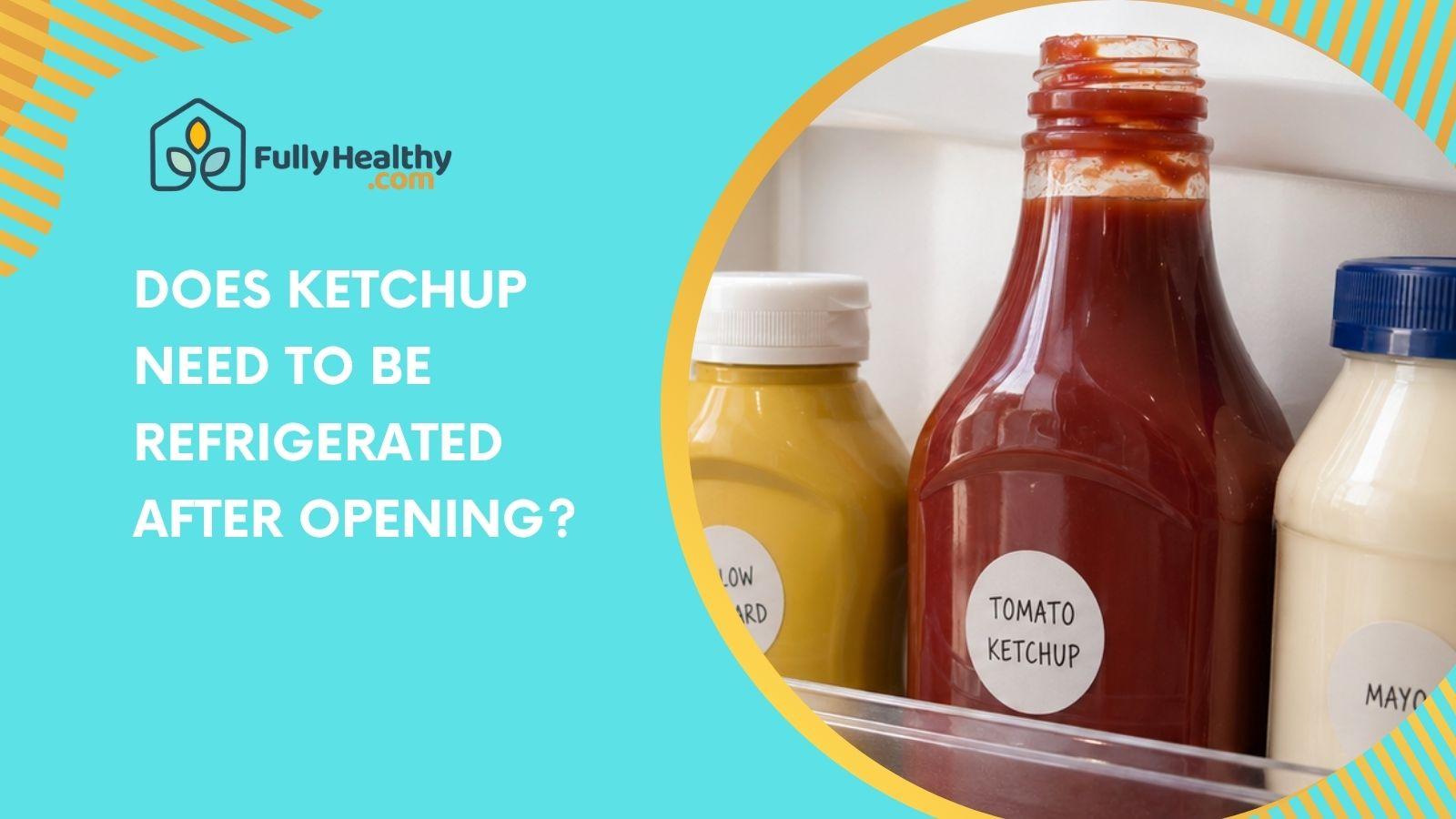
Does ketchup need to be refrigerated after opening? No, but refrigeration is recommended to keep ketchup tasting fresh for longer. Ketchup is naturally shelf stable because of its vinegar, tomatoes, sugar, and salt content.
In this article, you'll learn how long opened ketchup lasts, signs it has gone bad, which condiments can stay in the pantry, and what ketchup options may work better for people with IBS.
Featured Pantry Pick
KC Natural // Carrup Tomato-Free Ketchup 14 oz
Loading...
Does Ketchup Need to Be Refrigerated After Opening?
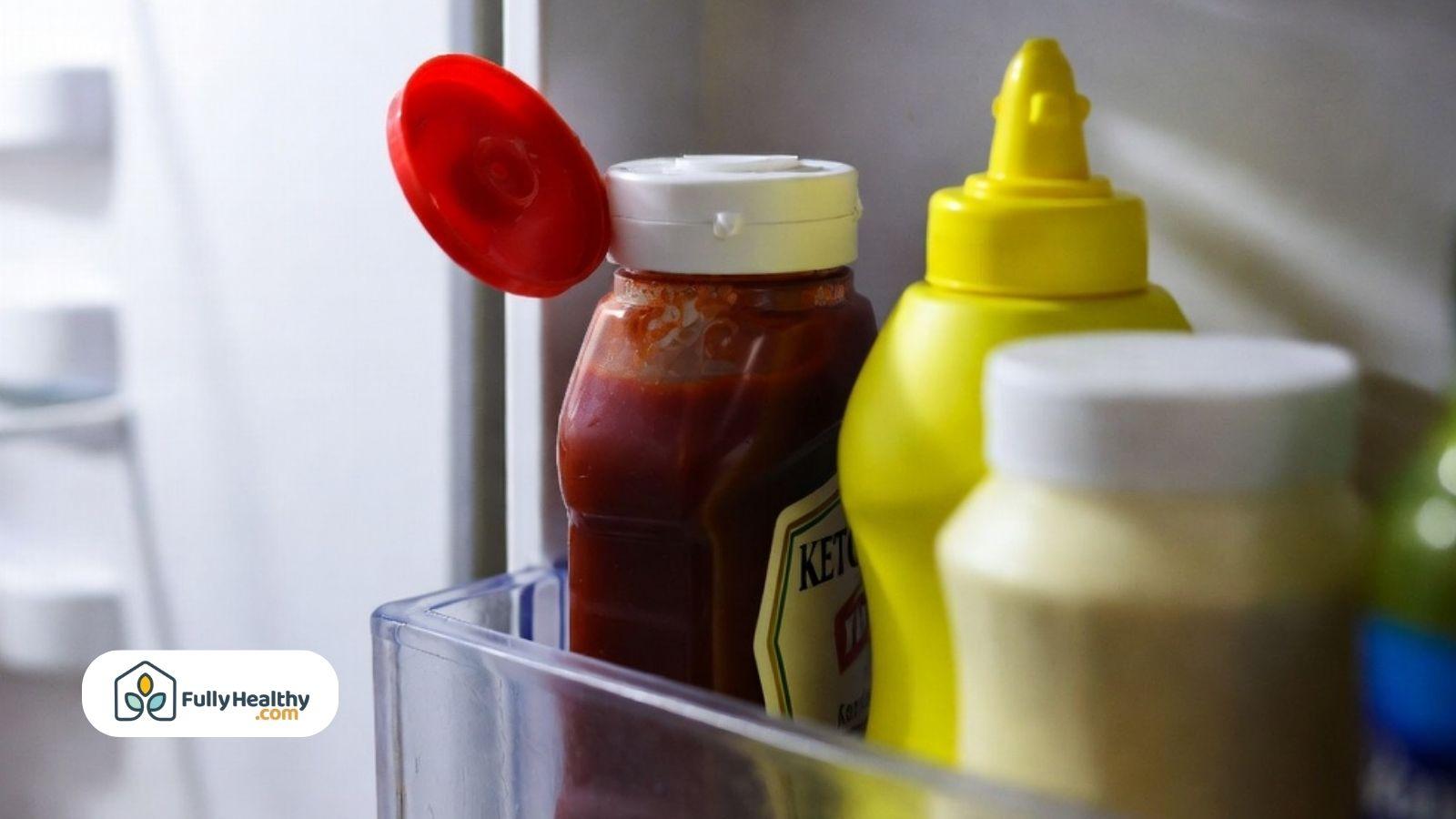
The short answer is no. Ketchup is considered shelf stable because it contains tomatoes, vinegar, sugar, and salt, but refrigeration is still recommended to maintain freshness and quality after opening.
Why Ketchup Can Stay Safe Without Refrigeration
Ketchup can safely stay at room temperature for a period after opening because its ingredients naturally discourage bacterial growth. The combination of vinegar, tomatoes, sugar, and salt creates an acidic environment that helps preserve the sauce.
-
Vinegar: Helps create a naturally acidic environment.
-
Tomatoes: Contribute acidity that supports preservation.
-
Salt: Helps slow the growth of harmful microorganisms.
-
Shelf Stability: Commercial ketchup is designed to remain stable after opening.
-
Restaurant Use: Ketchup often sits on tables because bottles are replaced quickly.
Why Refrigeration Helps Preserve Quality
Even though ketchup remains safe outside the fridge, refrigeration helps preserve its flavor, texture, color, and freshness. It is recommended to store an opened bottle in the refrigerator for the best quality over time.
-
Flavor: Helps maintain the tangy taste people expect.
-
Texture: Reduces watery separation inside the bottle.
-
Color: Helps keep the sauce bright red longer.
-
Freshness: Slows quality changes caused by air exposure.
-
Best Results: Refrigeration helps maintain consistency after opening.
How Long Will Ketchup Last Once Opened?
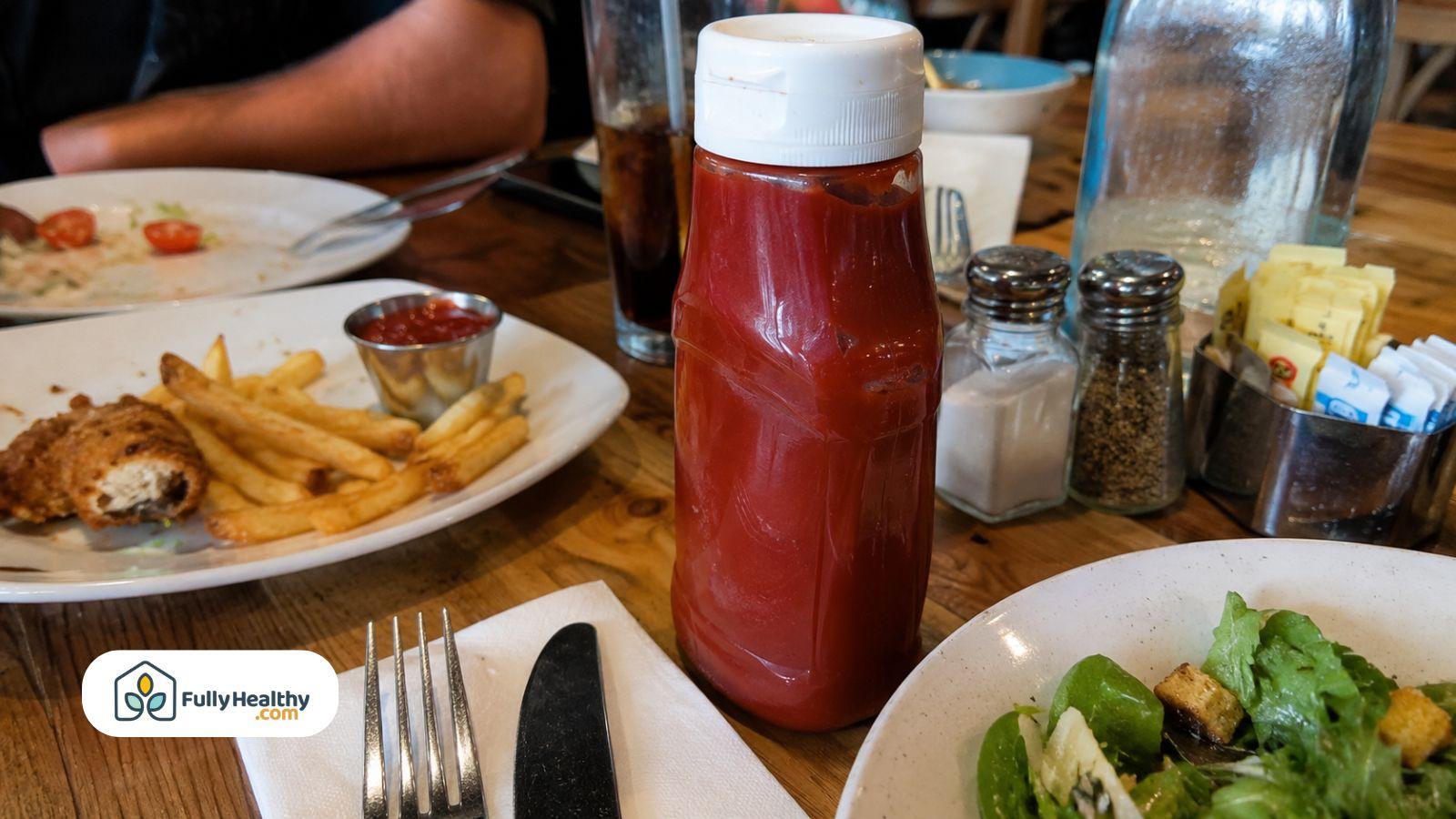
Storage plays a major role in how long ketchup keeps its quality after opening. While it remains safe for a while, the flavor, freshness, and texture can change depending on where you store the bottle.
Refrigerator Shelf Life vs Pantry Shelf Life
An opened bottle stored in the refrigerator can maintain its best quality for about six months or longer. Ketchup kept in the pantry or cupboard is usually best used within about one month because heat and air exposure speed up quality changes.
-
Refrigerator: Helps preserve flavor and freshness for months.
-
Pantry: Suitable for short-term storage in a cool place.
-
Room Temperature: Causes quality to decline faster.
-
Heat: Can speed up color and flavor changes.
-
Opening: Starts the gradual decline in freshness.
How To Tell When Ketchup Has Gone Bad
Ketchup has likely gone bad if you notice mold, a sour smell, bubbling, a swollen bottle, or major changes in color and texture. These signs suggest the product should be discarded rather than eaten.
-
Mold: Visible growth means the ketchup should be discarded immediately.
-
Color: Dark brown ketchup may indicate quality deterioration.
-
Odor: A sour or unpleasant smell is a warning sign.
-
Bottle: Swelling or bubbling can signal spoilage.
-
Texture: Excessive separation that will not mix back together may indicate problems.
What Condiments Don't Need To Be Refrigerated After Opening?
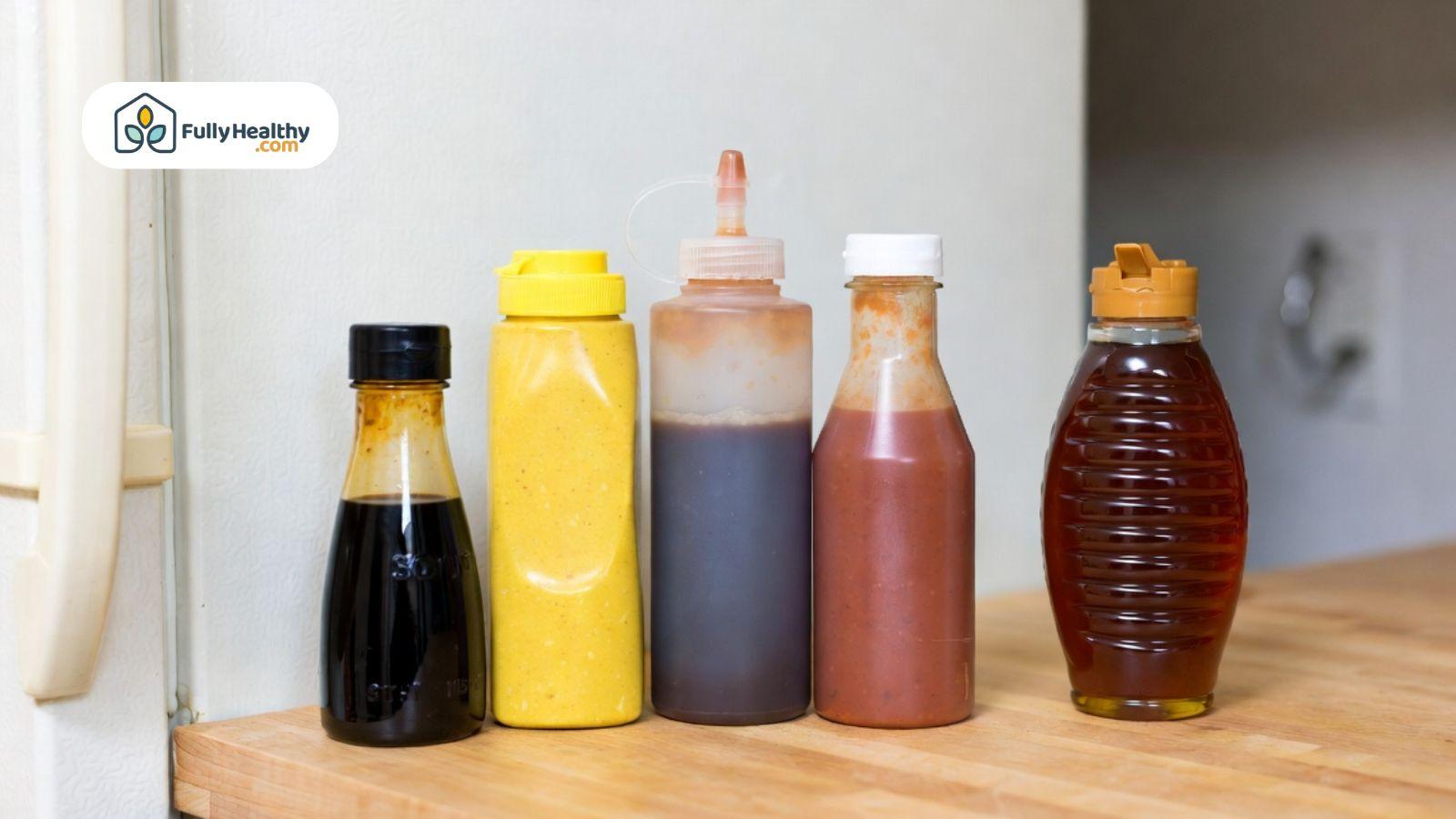
Not all condiments require refrigeration after opening. Many products contain enough acid, salt, or sugar to remain shelf stable for extended periods.
Pantry-Stable Condiments You Can Keep Outside The Fridge
Several condiments can safely stay outside the fridge after opening, including soy sauce, mustard, Worcestershire sauce, honey, and many hot sauces. These products are generally shelf stable because they contain ingredients such as vinegar, salt, or sugar that help slow spoilage and maintain quality.
-
Soy Sauce: High salt content helps preserve it.
-
Mustard: Naturally acidic and remains stable after opening.
-
Worcestershire Sauce: Contains vinegar and fermented ingredients.
-
Honey: Extremely resistant to spoilage.
-
Hot Sauce: Usually stays stable because of vinegar and peppers.
What Makes Some Condiments Shelf Stable?
Shelf stable products contain ingredients that make it difficult for bacteria and mold to grow. This is why most condiments have different storage requirements than fresh food.
-
Acidity: Vinegar lowers the pH and helps preserve products.
-
Salt: Reduces moisture available to microorganisms.
-
Sugar: Acts as a natural preservative.
-
Low Moisture: Slows microbial growth.
-
Food Preservation: Extends product usability after opening.
What Ketchup Is Good For IBS?
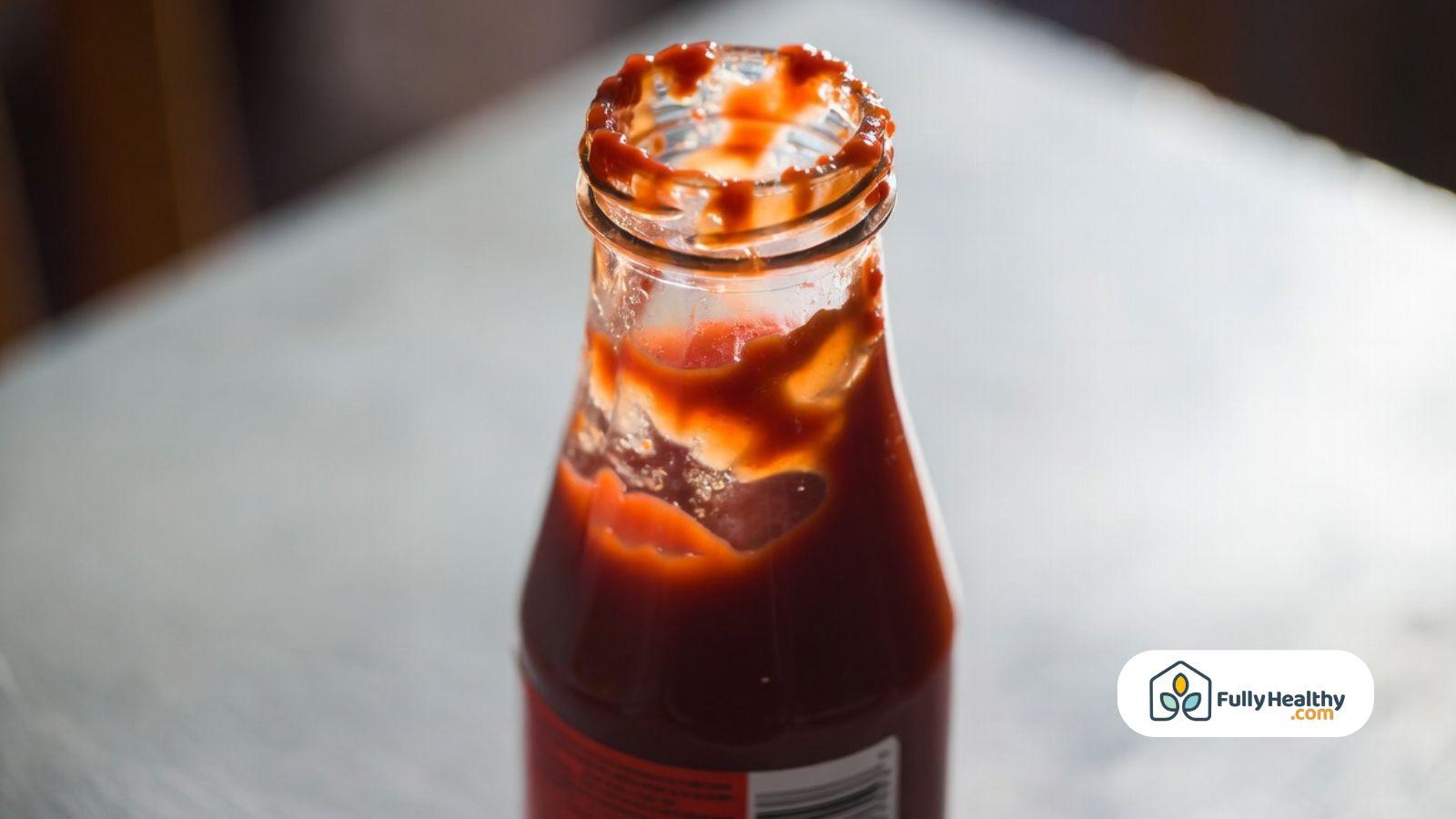
People with IBS often need to pay closer attention to ingredients than storage methods. Some ketchup products contain ingredients that can trigger digestive discomfort.
Ingredients That Commonly Trigger IBS Symptoms
Many traditional ketchup recipes contain ingredients that may cause bloating or stomach discomfort in sensitive individuals. Understanding these triggers can help people make better choices.
-
Onion Powder: A common digestive trigger.
-
Garlic Powder: Frequently associated with IBS symptoms.
-
High-Fructose Corn Syrup: May contribute to digestive discomfort.
-
FODMAPs: Certain carbohydrates that can be difficult to digest.
-
Large Servings: Even tolerated foods can create symptoms when consumed in excess.
What to Look For in Low-FODMAP Ketchup
A good ketchup option for IBS typically avoids common trigger ingredients while maintaining the familiar flavor people enjoy. Some consumers also prefer making their own sauce at home for greater ingredient control.
-
Low-FODMAP Certified: Designed for sensitive digestive systems.
-
No Onion: Helps reduce common triggers.
-
No Garlic: Often easier on digestion.
-
Alternative Sweeteners: May replace high-fructose corn syrup.
-
Simple Ingredients: Easier to account for in daily eating habits.
FullyHealthy: Better Options for Specialty Diets
People following specific dietary plans often need alternatives to traditional condiments. Products made for ingredient-conscious shoppers can help support those goals.
About FullyHealthy
FullyHealthy specializes in products designed for people managing dietary restrictions and ingredient sensitivities. The site focuses on accessibility for shoppers looking beyond conventional grocery store options.
-
Specialty Foods: Supports multiple dietary approaches.
-
Gluten-Free Options: Available across various categories.
-
AIP Products: Designed for autoimmune protocol diets.
-
Digestive Support: Includes products for sensitive eaters.
-
Ingredient Transparency: Makes shopping easier.
Specialty Sauce Alternatives Available
Several products provide alternatives to traditional condiments while supporting specialized dietary needs. These options give consumers additional choices beyond a standard bottle of ketchup.
-
KC Natural Carrup Tomato-Free Ketchup: A tomato-free ketchup alternative made for people avoiding tomatoes while still enjoying a familiar ketchup-style flavor.
-
Eden Foods Organic Brown Mustard: A simple ingredient mustard that works well as a condiment, sandwich spread, or addition to homemade sauces.
-
Hearty Sauces AIP Pesto Mix: An AIP-friendly seasoning mix that helps create pesto-style sauces without common ingredients that some people avoid.
-
Hearty Sauces AIP Taco Seasoning: A taco seasoning mix that adds flavor to meat, vegetables, and recipes while fitting AIP-friendly meal plans.
Final Thoughts
Ketchup is a shelf-stable tomato based condiment, but refrigeration ensures better flavor, freshness, and texture after opening. Ketchup sitting in a pantry is usually safe, though an old ketchup bottle may separate faster than a new bottle.
The only reason to refrigerate ketchup is to maintain quality for a longer period. Knowing how to store it properly can help you get the most out of every bottle.
FAQs
How Long Can Ketchup Stay Out at Room Temperature?
An opened bottle can stay at room temperature for a short period, but refrigeration ensures better quality and freshness over time.
Should You Refrigerate Ketchup After Opening?
Yes, most manufacturers recommend you refrigerate ketchup after opening because it helps maintain flavor, color, and texture.
Why Do Some People Prefer Cold Ketchup?
Many people enjoy cold ketchup because it provides a fresher taste and pairs well with fries and other foods.
Why Do Restaurants Leave Ketchup Bottles on Tables?
Restaurants leave ketchup on tables because it is shelf stable and used quickly. Its acidity, sugar, and salt content help it stay safe at room temperature.
Can Ketchup Separate in the Bottle?
Yes, ketchup can separate naturally after opening, especially if stored outside the fridge, but a quick squeeze usually mixes it back together.
Leave a comment