

Does Kosher Salt Have Iodine? A Simple Guide for Better Choices
Does kosher salt have iodine? Usually, no. Most kosher salt is not iodized, so it should not be your main source of this essential mineral. Iodine helps your thyroid make hormones that support energy, growth, and metabolism.
If you use kosher salt, you can still meet your needs through iodized salt, seafood, dairy foods, eggs, and fortified products. This article explains the differences, daily iodine needs, healthier choices, and how to check labels before you buy or cook at home.
Does Kosher Salt Have Iodine?

Does kosher salt have iodine? In most cases, no. Unlike iodized table salt, standard kosher salt is not fortified with iodine, so it should not be your main source of this essential mineral. Kosher salt is popular in cooking because of its coarse texture and clean taste, but its nutritional role is different from that of table salt.
Does Kosher Salt Naturally Provide Meaningful Iodine?
Kosher salt is made mainly of sodium chloride, just like regular salt. However, it is usually sold without added iodine. Some specialty products may be different, so checking the label is the safest step. This detail is especially important for anyone following a low iodine diet or trying to prevent iodine deficiency.
-
Iodine content: Standard kosher salt is generally not iodized and should not be treated as a reliable iodine source.
-
Main ingredient: It consists mostly of sodium chloride and may contain fewer additives than some types of table salt.
-
Best practice: Read the package instead of assuming that every type of salt contains iodine.
How Can You Tell Whether Kosher Salt Is Iodized?
The easiest way is to read the ingredient list. An iodized product may list potassium iodide or another iodine source. Many kosher salt products do not use anti caking agents, although some brands may add them. Their larger grain size also makes the crystals easier to pinch and spread across a dish.
-
Check the label: Look for the word “iodized” on the front of the package or in the ingredient list.
-
Review the additives: Some table salt contains yellow prussiate of soda or other anti caking agents that prevent clumping.
-
Compare salt types: Sea salt, kosher salt, and other salt varieties are often sold without added iodine.
-
Consider kitchen use: Many chefs prefer kosher salt because it gives them better control during seasoning and preparation.
Am I Getting Enough Iodine If I Use Kosher Salt?

Using kosher salt does not automatically cause iodine deficiency. Your complete diet matters more than a single ingredient. Seafood, dairy products, eggs, and fortified foods can provide iodine. However, replacing iodized table salt with kosher salt may lower your intake if you rarely eat these foods.
Could Switching to Kosher Salt Lower Your Iodine Intake?
People who replace iodized table salt with kosher salt without adding iodine-rich foods may face a greater risk of iodine deficiency. Iodine supports the thyroid gland, which helps control energy, growth, and metabolism. It is especially important during pregnancy because it supports healthy brain development.
-
Higher-risk diets: People who eat little seafood, dairy, or eggs may need to pay closer attention to iodine intake.
-
Processed foods: They may contain plenty of sodium, but the regular salt used in them is not always iodized.
-
Balanced approach: A varied diet is one of the best ways to support healthy iodine levels.
-
Medical guidance: Anyone following a low iodine diet should follow instructions from a qualified healthcare professional.
How Much Iodine Do Adults Need Each Day?
Most adults need about 150 micrograms of iodine each day. Requirements increase during pregnancy and breastfeeding. Instead of consuming more sodium, choose iodine-rich foods or use iodized table salt when appropriate. Too much iodine can also affect the thyroid gland, so balance is important.
-
Adults: Most healthy adults need about 150 micrograms of iodine per day.
-
Pregnancy: Iodine needs rise because the mineral supports the baby’s brain and nervous system.
-
Food sources: Seafood, dairy foods, eggs, and fortified products can help meet daily needs.
-
Supplement safety: Do not rely on iodine supplements unless a healthcare professional recommends them.
Is Kosher Salt Healthier Than Iodized Salt?
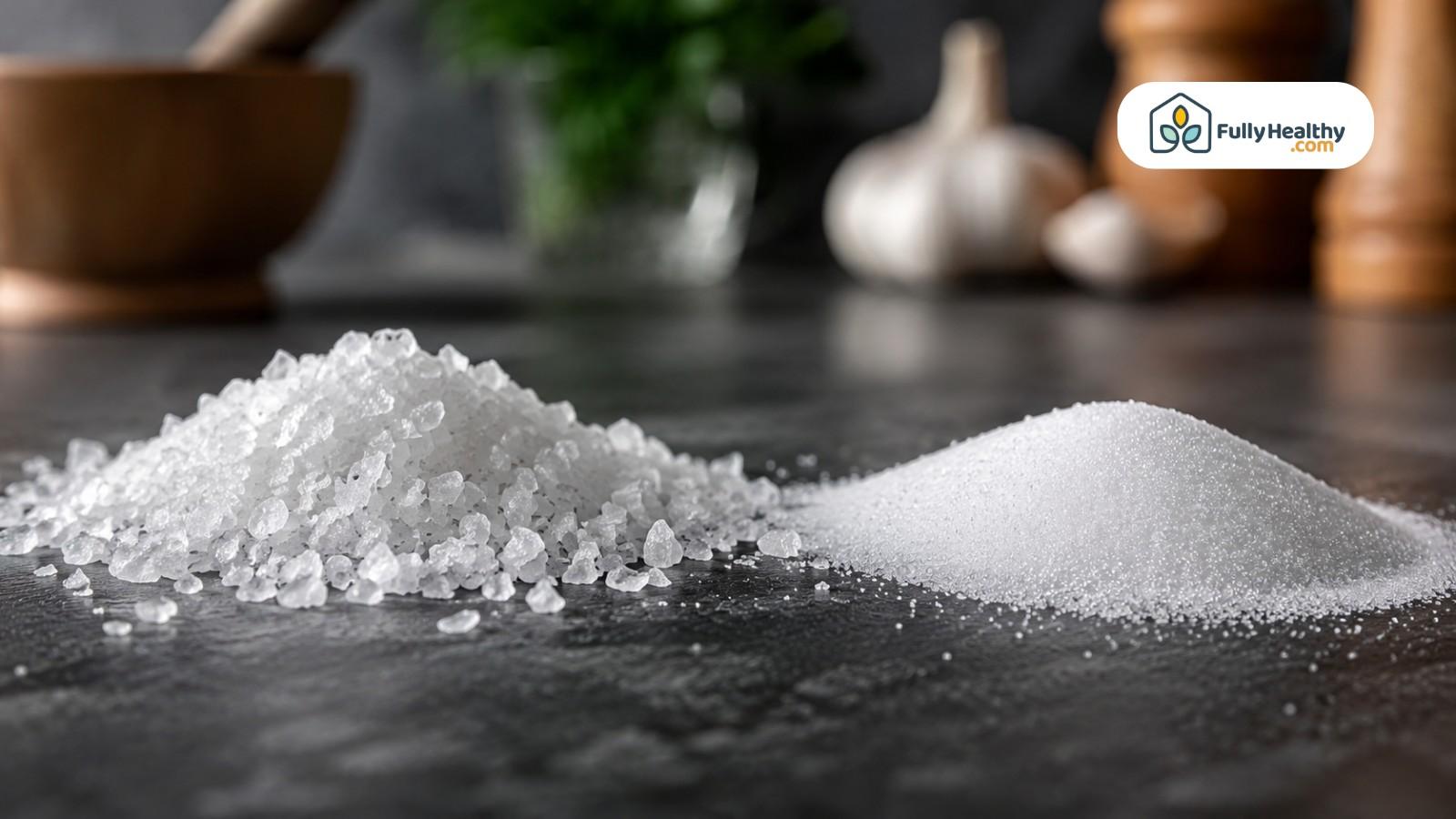
Neither option is always healthier. The best choice depends on your nutritional needs and how you cook. Kosher salt works well in recipes because of its texture, while iodized table salt offers a reliable source of iodine. Both provide similar amounts of sodium by weight, so moderation matters with either type.
Does Kosher Salt Contain Less Sodium Than Table Salt?
By weight, kosher salt and table salt contain similar amounts of sodium. However, kosher salt has a larger grain size, so less of it fits into one teaspoon. This difference can affect baking, seasoning, and measuring when you replace one salt with another in recipes.
-
Grain size: Larger crystals mean that less salt may fit into the same measuring spoon.
-
Recipe accuracy: Measure carefully when replacing one type of salt with another, especially in baking.
-
Brand differences: Diamond Crystal is lighter by volume than many other kosher salt brands.
-
Table measurements: A teaspoon of kosher salt and a teaspoon of fine table salt may not produce the same taste.
When Is Iodized Salt the Better Nutritional Choice?
Iodized table salt is often the better choice when you need a steady source of iodine. Kosher salt is useful in the koshering process because its coarse crystals help draw blood from meat. It is also valued for its taste, texture, and ability to spread evenly during food preparation.
-
Nutrition benefit: Iodized table salt can help lower the risk of iodine deficiency when used in moderate amounts.
-
Culinary benefit: Kosher salt works well for kosher meat, roasting, baking, and seasoning a savory dish.
-
Mineral content: Sea salt and salt taken from ancient salt deposits may contain trace minerals, but the amounts are usually too small to offer major health benefits.
-
Certification difference: Kosher certified salt meets specific production standards, while the term “kosher salt” can also describe its crystal shape and role in preparing meat.
How Much Iodine Is in Two Eggs?
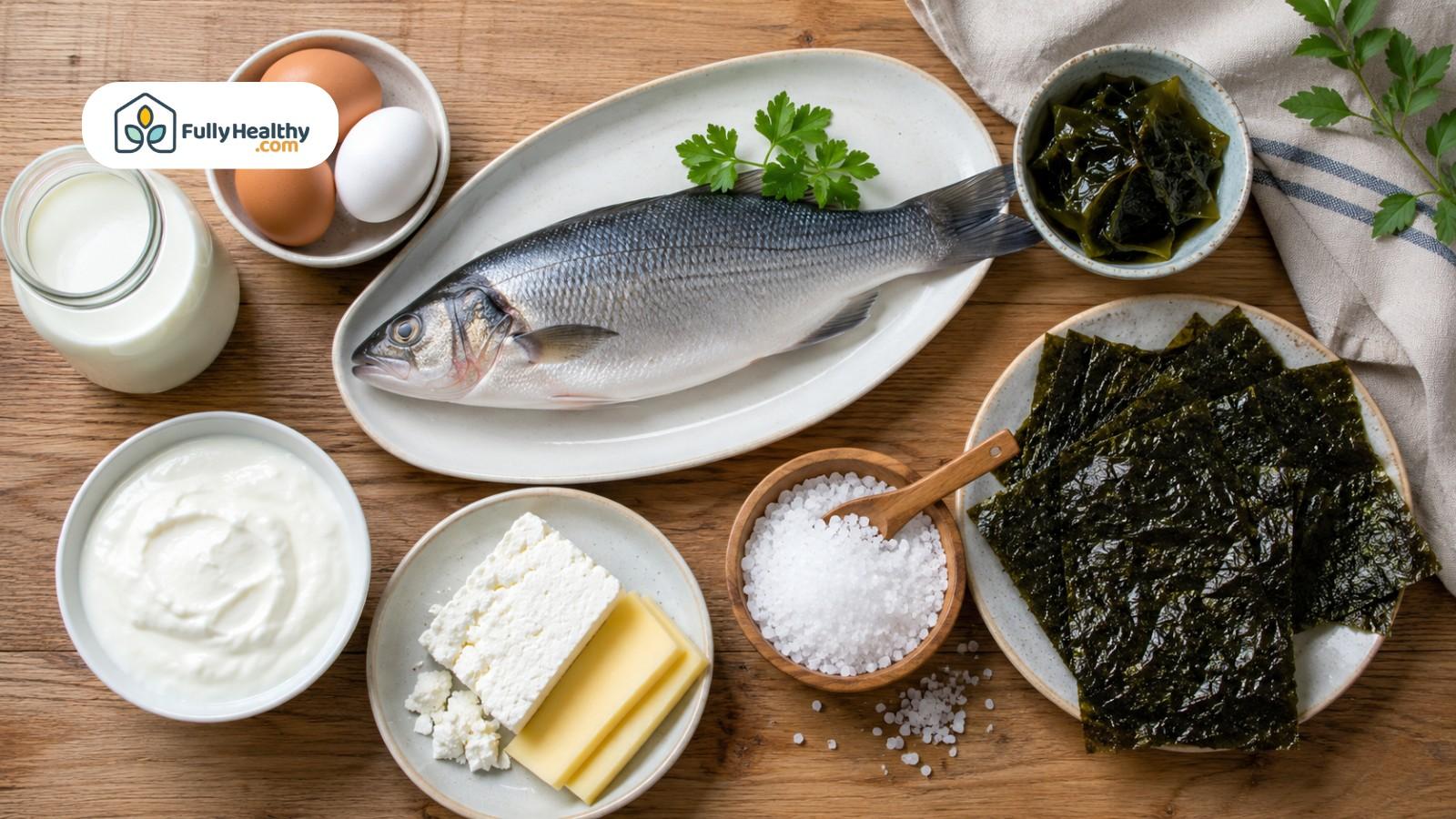
Eggs are a simple way to add iodine to your diet, but they should not be your only source. Two large eggs provide about 48-62 micrograms of iodine, which is only part of the amount most adults need each day. If you use kosher salt instead of iodized salt, eating several iodine-rich foods becomes even more important.
Can Two Eggs Meet Your Daily Iodine Needs?
Two eggs can support your iodine intake, but they do not provide enough to meet the full daily target. Your body needs iodine to make thyroid hormones that support growth, energy, and metabolism. A balanced diet with different food sources is the safest approach.
-
Iodine amount: Iodine content varies, but two large eggs commonly provide approximately 48–62 micrograms, depending on production and analytical data.
-
Daily target: Most adults need about 150 micrograms of iodine each day.
-
Healthy approach: Pair eggs with fish, dairy foods, and other iodine-rich choices.
-
Why it matters: A long-term iodine shortage can lead to goiter and other thyroid concerns.
Which Foods Provide More Iodine Than Eggs?
Several foods provide more iodine than eggs. Fish, shellfish, seaweed, dairy products, and fortified foods are common examples. Seafood often contains more iodine because it comes from seawater, where iodine is naturally present.
-
Seafood choices: Fish, oysters, shrimp, and seaweed are strong natural iodine sources.
-
Everyday foods: Milk, yogurt, cheese, and fortified bread can also support iodine intake.
-
Balanced meals: Include two types of iodine-rich foods during the day when possible.
-
Important note: Iodine levels can vary based on where food is produced and how it is prepared.
How Can FullyHealthy Help You Shop for Kosher Salt and Specialty Foods?
FullyHealthy is an online store that focuses on foods for special diets. It offers options for people following gluten-free, allergen-friendly, AIP, Paleo, Whole30, and other eating plans. The website also gives shoppers product details that can make comparing ingredients and uses easier.
Which Kosher Salt Products Can You Find at FullyHealthy?
FullyHealthy carries two Redmond kosher sea salt products that are suitable for daily cooking, seasoning, brining, pickling, vegetables, poultry, and meat. The store also offers a Bubbies snack product that helps explain the difference between kosher certification and kosher salt.
-
Redmond Real Salt Kosher Sea Salt Pouch, 16 oz: This product contains ancient sea salt and comes in a larger pouch for regular kitchen use.
-
Redmond Real Salt Ancient Kosher Sea Salt Shaker, 10 oz: This shaker offers the same listed ingredient in a smaller, ready-to-use package.
-
Bubbies Kosher Dill Pickle Snacking Chips, 3.5 oz: This kosher-certified snack lists sea salt, not kosher salt, in its ingredients.
-
Iodine reminder: None of these product pages state that the salt is iodized, so shoppers should check the label if iodine is a concern.
Why Does “Kosher” on a Food Label Not Always Mean Kosher Salt?
The word “kosher” can describe either a product’s certification or a style of food. For example, Bubbies Kosher Dill Pickle Snacking Chips are kosher certified, but the ingredient list says sea salt. This means the product follows kosher standards without proving that kosher salt was used.
-
Certification meaning: Kosher certified refers to how a product is made and handled.
-
Salt type: The ingredient list shows which type of salt is actually used.
-
Pickling process: Salt may dissolve into the brine during pickling, but the label remains the best source of information.
-
Helpful comment: Always review ingredients and nutrition details before choosing products for your diet.
Final Thoughts
Does kosher salt have iodine? In most cases, it does not, so it should not be your only source of this essential mineral. If you regularly use kosher salt, make sure your diet also includes iodine-rich foods or iodized salt to support normal thyroid function.
Reading product labels is the easiest way to confirm whether a salt contains added iodine. While kosher salt is popular for cooking because of its texture and flavor, your overall eating habits matter more than the type of salt you choose.
Understanding the differences between kosher salt, table salt, and other specialty salts helps you make informed decisions. A balanced diet and smart food choices are the best way to meet your iodine needs while enjoying your favorite meals.
FAQs
Can I get enough iodine without using iodized salt?
Yes. Many people around the world get iodine from seafood, dairy products, eggs, and other types of iodine-rich foods instead of relying only on iodized salt.
Why do many cooks use kosher salt for curing meat?
Kosher salt is widely accepted for curing and seasoning because its coarse crystals are easy to control, although it should not be chosen for iodine content.
Does unrefined salt contain fewer impurities?
Some unrefined salts naturally contain impurities and trace minerals, but that does not mean they provide enough iodine or are healthier.
Is kosher salt suitable for every cooking method?
Yes. It works well for seasoning, roasting, grilling, and many recipes, although fine salt may be better for baking where crystals need to dissolve quickly during the course of mixing.
Should I choose kosher salt over other specialty salts?
The best choice depends on your cooking style and nutrition goals. Compare kosher salt with other types, check labels, and select the product that best fits your needs.
Leave a comment