

Does Mustard Go Bad? Read This Before You Use It
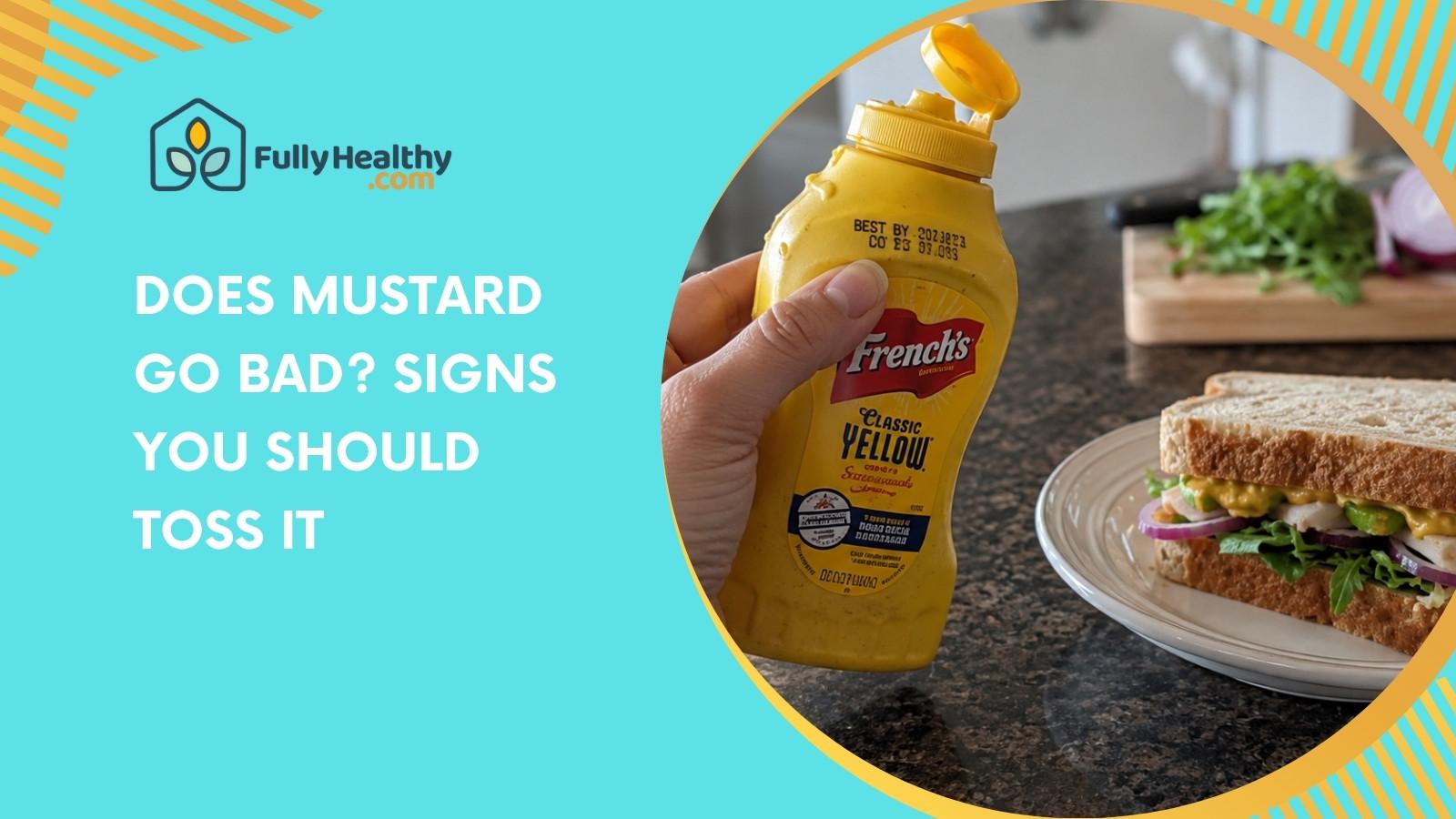
Does mustard go bad? Yes, but it usually takes a long time. Most mustard loses flavor, color, and texture before it becomes unsafe. Vinegar, salt, and mustard seeds help it last longer, especially when stored properly.
Still, old mustard can spoil if it grows mold, smells bad, tastes bitter, or looks strange. In this guide, you’ll learn how long mustard lasts, when expired mustard is still okay, and when it is better to throw it away.
Featured Pantry Pick
Eden Foods // Organic Brown Mustard - 9 oz
Loading...
Does Mustard Go Bad?
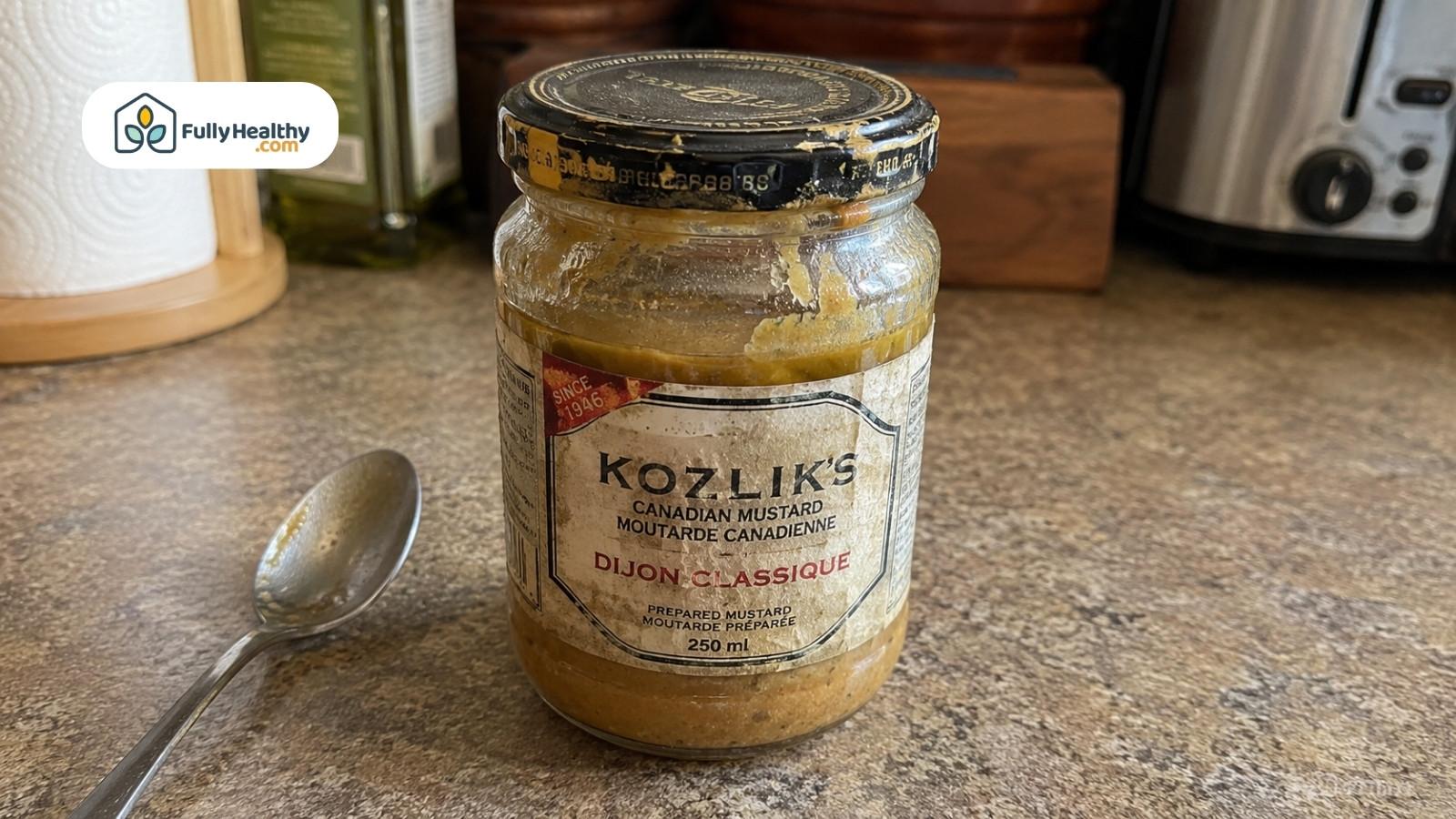
Does mustard go bad? Yes, but it usually happens slowly. Mustard is one of those shelf-stable foods because vinegar, salt, and spices help slow microbial growth. Still, mustard's shelf life depends on the type, the jar, and how well you store mustard.
Does Mustard Go Bad Or Just Lose Quality?
Mustard often loses quality before it becomes unsafe. Yellow mustard, dijon mustard, grain mustard, whole grain mustard, honey mustard, and mustard powder can lose flavor over time. That does not mean mustard spontaneously transforms into something dangerous.
-
Freshness: The best flavor fades first, especially in opened jars that sit for a long time.
-
Texture: Whole grain mustard may separate, but this can be normal if it smells normal.
-
Safety: Throw it out for mold, gas/pressure buildup, off odor, or signs of contamination.
Why Mustard Lasts Longer Than Many Condiments
Mustard lasts longer than many other condiments because it often contains acetic acid from vinegar. This acid makes it harder for germs to grow. Commercial mustard is also pretty resistant, while homemade mustard usually has a shorter shelf life.
-
Unopened jars: Keep them in a pantry at room temp, away from heat and sunlight.
-
Opened mustard: Keep the lid tightly sealed and place the jar in the fridge.
-
Myth check: Old mustard is not rat poison, but spoiled food should always be thrown away.
Is It Okay To Eat Expired Mustard?
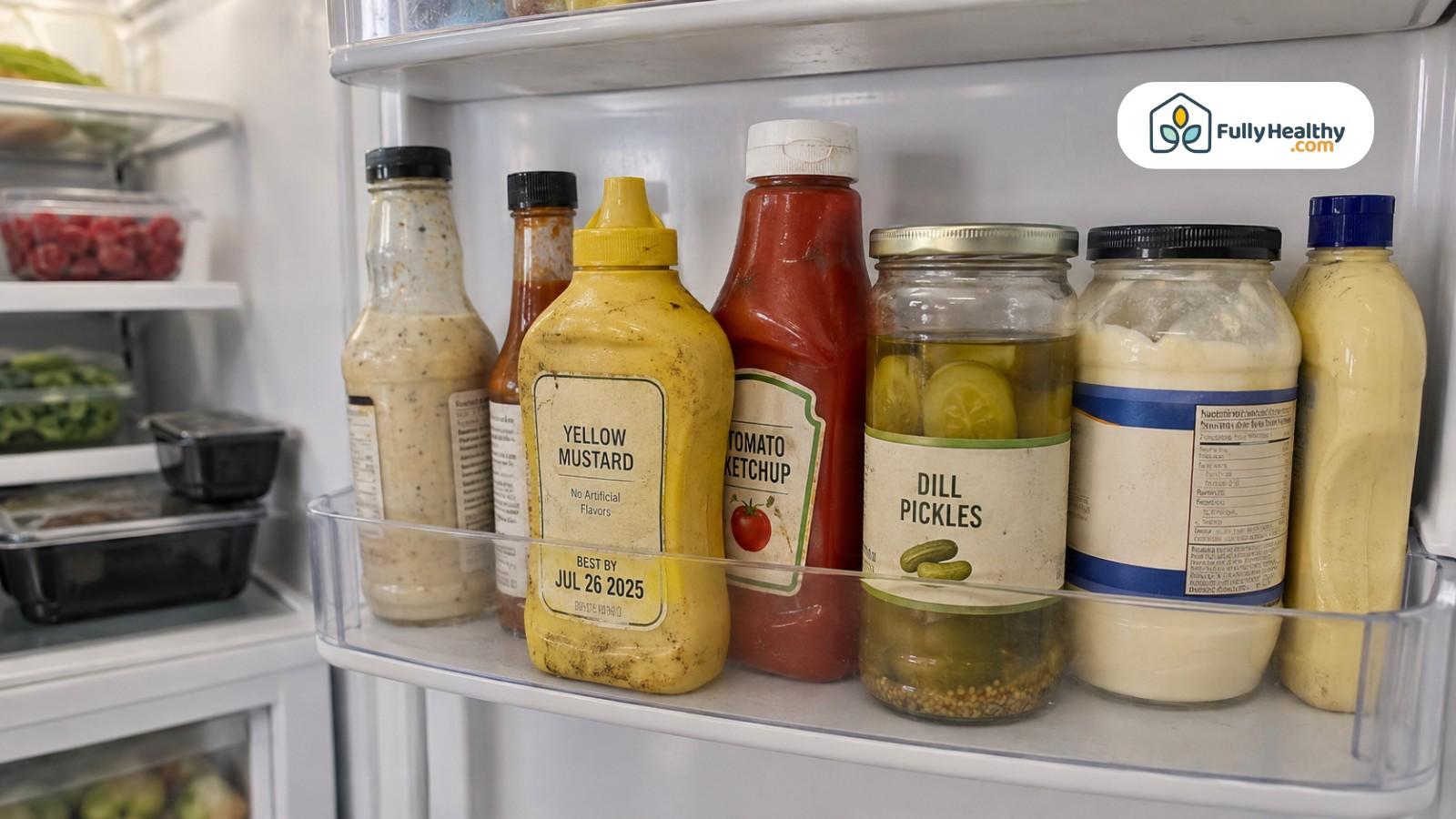
Expired mustard is usually a freshness issue, not an instant foodborne illness risk. Best-by dates mostly guide taste and quality. Unopened yellow mustard and unopened bottles can last past the printed date if stored well, but opened mustard needs a closer check.
Expired Mustard Is Usually A Freshness Issue
If your mustard looks fine, smells normal, and tastes like mustard, it may still be okay to use. The shelf life can change based on ingredients like sugar, wine, white wine, and added spices.
-
Look first: Check for mold, strange color, dry crust, or a slimy texture.
-
Smell first: Do not taste mustard that smells rotten, rancid, or unpleasant.
-
Taste carefully: Use just a handful of caution and try a tiny amount only if it looks and smells safe.
Does Mustard Go Bad After The Printed Date?
Yes, mustard can go bad after the printed date, but the date alone does not decide safety. Opened jars stored in the refrigerator usually keep better than jars left on the counter.
-
Pantry storage: Unopened jars and unopened bottles should stay in a cool, dry place.
-
Fridge storage: Opened mustard keeps its best flavor longer when chilled.
-
Powder storage: Mustard powder should stay dry, sealed, and away from steam.
How To Tell If Your Mustard Is Bad?
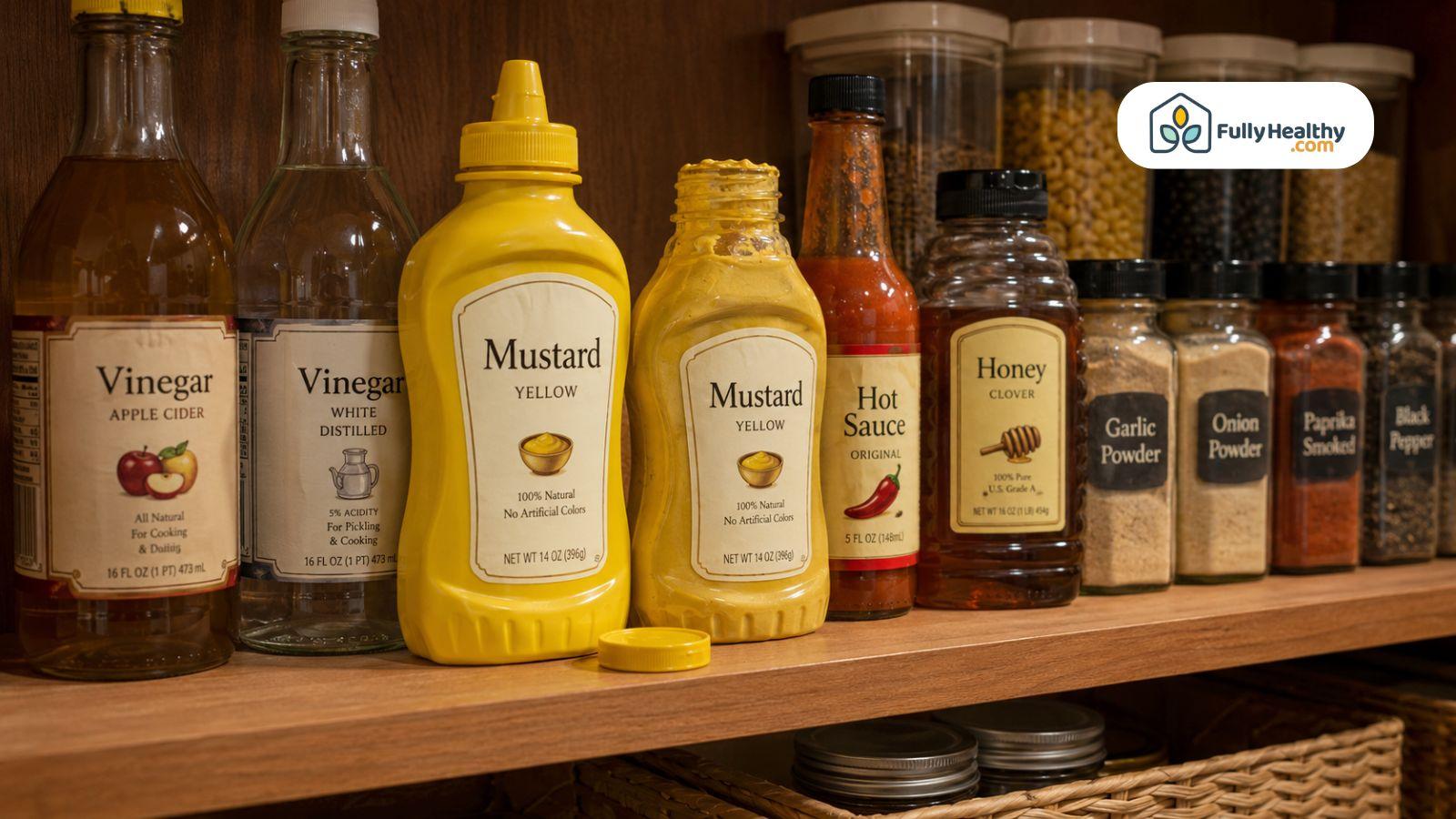
Bad mustard usually gives clear warning signs. The color may darken, the smell may turn harsh, and the texture may become clumpy or slimy. These storage tips also apply to other condiments you use with food.
Check The Smell, Color, And Texture First
Start with your senses before using the jar. If it smells normal, looks normal, and has no mold growth, it may only be old. Do not taste mustard if it shows spoilage signs; discard it based on appearance, odor, mold, gas, or contamination risk.
-
Smell: Rancid, rotten, or overly sour odors are warning signs.
-
Color: Dark patches, fuzzy spots, or unusual changes can point to spoilage.
-
Texture: Slimy, foamy, or badly clumped mustard should not be used.
Look For Mold Or Signs Of Contamination
Contamination often comes from daily use, not the mustard itself. A knife with crumbs, sauce, or meat juices can introduce bacteria into the jar. That is why clean utensils matter every time.
-
Air exposure: Less air inside the bottle helps protect flavor, color, and texture.
-
Shared meals: Avoid dipping used utensils back into opened mustard.
-
Heat: Do not leave opened jars near grills, stoves, windows, or warm counters.
When To Throw Out Mustard?
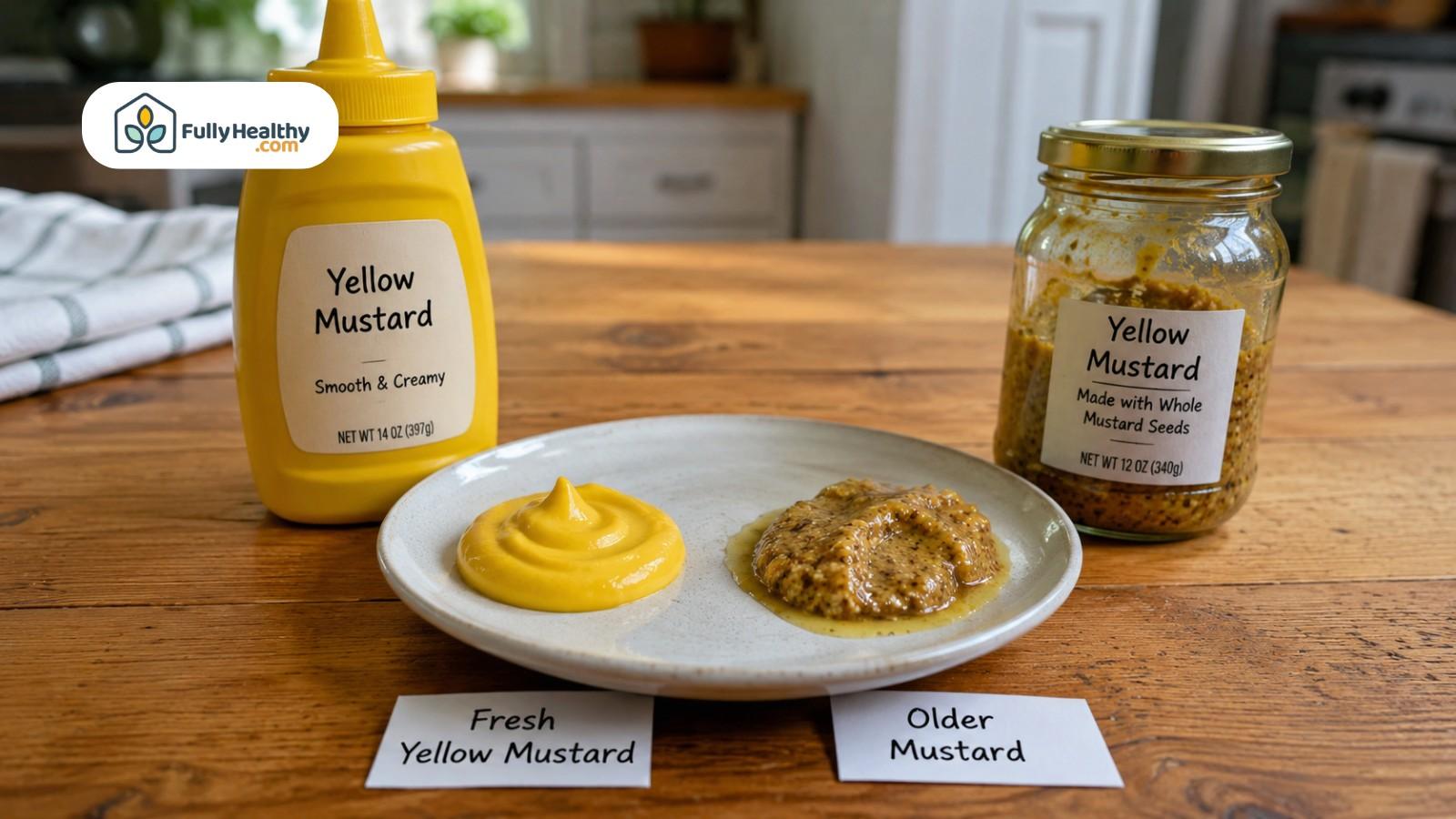
Mustard lasts a long time because it is acidic, but it should not stay in your fridge forever. Even refrigerated condiments can lose quality after enough time. If the jar looks strange, smells bad, or tastes unpleasant, it is safer to replace it.
Throw It Out When Mold, Bad Smell, Or Strange Flavor Appears
Do not keep mustard with clear signs of spoilage. Mold, a rotten smell, or a harsh bitter taste means the jar should go. This is especially important if it was left out too long or not refrigerated after opening.
-
Mold: Fuzzy spots on the surface, lid, or rim mean the mustard is no longer safe.
-
Smell: If it smells rotten, fermented, or far from fresh, throw it away.
-
Taste: If it tastes bitter, stale, or strangely spicy, stop using it.
-
Storage: If the lid was loose or the jar sat in heat, check it more carefully.
Replace Old Mustard When It No Longer Tastes Fresh
Sometimes mustard is not dangerous, but it no longer tastes good. David Zilber is known in the food world for fermentation, where acidity, salt, and time change food. Mustard can also change after enough time.
-
Flavor loss: If the taste is flat, weak, or dull, it has passed its best point.
-
Texture change: If it turns dry, crusty, watery, or hard to mix, buy a new jar.
-
Time check: If it has been open for six months, check the smell, color, and texture.
-
Meal quality: Old mustard can make sandwiches, sauces, and dressings taste less fresh.
How FullyHealthy Can Help You Restock Smarter
Once old mustard is gone, restocking with simple pantry items can make meals easier. FullyHealthy has products that bring tangy, sharp, and bold flavor. These picks can help you build better food without making your meals complicated.
Choose Simple Pantry Products From FullyHealthy
FullyHealthy has Eden Foods Organic Brown Mustard 9 oz, Dill E Gent Organic Raw Sauerkraut 16 oz, and Sushi Sonic 100% Genuine Wasabi 1.5 oz. Each one adds flavor in a different way.
-
Brown mustard: Eden Foods Organic Brown Mustard works well for sandwiches, sauces, and dressings.
-
Raw sauerkraut: Dill E Gent Organic Raw Sauerkraut adds crunch and tang to bowls or plates.
-
Wasabi: Sushi Sonic 100% Genuine Wasabi gives clean heat for sushi, bowls, and sauces.
-
Simple restock: These options help replace old condiments with fresh pantry staples.
Match Bold Flavor With Ingredients You Can Understand
Simple labels make it easier to choose condiments and pantry staples. Brown mustard gives tangy depth. Sauerkraut adds crunch. Wasabi brings clean heat. You do not need milk or heavy ingredients to make food taste satisfying.
-
For sandwiches: Use brown mustard when you want a sharp, rich spread.
-
For bowls: Add sauerkraut when your meal needs crunch, acidity, and freshness.
-
For heat: Use wasabi when you want a spicy lift without a heavy sauce.
-
For balance: Pair acidic foods with rich meals to make each bite taste brighter.
Final Thoughts
Does mustard go bad? Yes, but it usually takes enough time before it becomes unsafe. Mustard is acidic, so it can stay fresh longer than many sauces, especially when refrigerated after opening. Still, check the smell, color, texture, and taste before using old mustard.
If it smells strange, has mold, or tastes bitter, throw it away. Even David Zilber would likely agree that time, acidity, and storage can change food in the world of fermentation.
After six months, opened mustard may still be fine, but the flavor can turn dull. If your mustard tastes too spicy, sour, or odd, replace it. No milk, no guessing, just check the jar and choose fresh food.
FAQs
Can Expired Mustard Still Be Safe To Eat?
Yes, expired mustard may still be safe if it smells fresh, looks normal, and has been refrigerated properly.
Why Does Mustard Last So Long?
Mustard lasts long because it is acidic, which helps slow spoilage and keeps the flavor stable for enough time.
Should Opened Mustard Always Go In The Fridge?
Opened mustard should generally be refrigerated for best quality, but safety depends on formulation, contamination, storage temperature, and label instructions.
Why Does Old Mustard Taste More Spicy Or Sour?
Old mustard can taste spicy, bitter, or sour because ingredients change over time, similar to ideas David Zilber discusses in the food world.
Can I Mix Mustard With Milk Or Other Food?
You can mix mustard with milk or other food, but use fresh mustard and throw it away if it smells bad.
Leave a comment