

Does Mustard Need To Be Refrigerated? What Most People Get Wrong
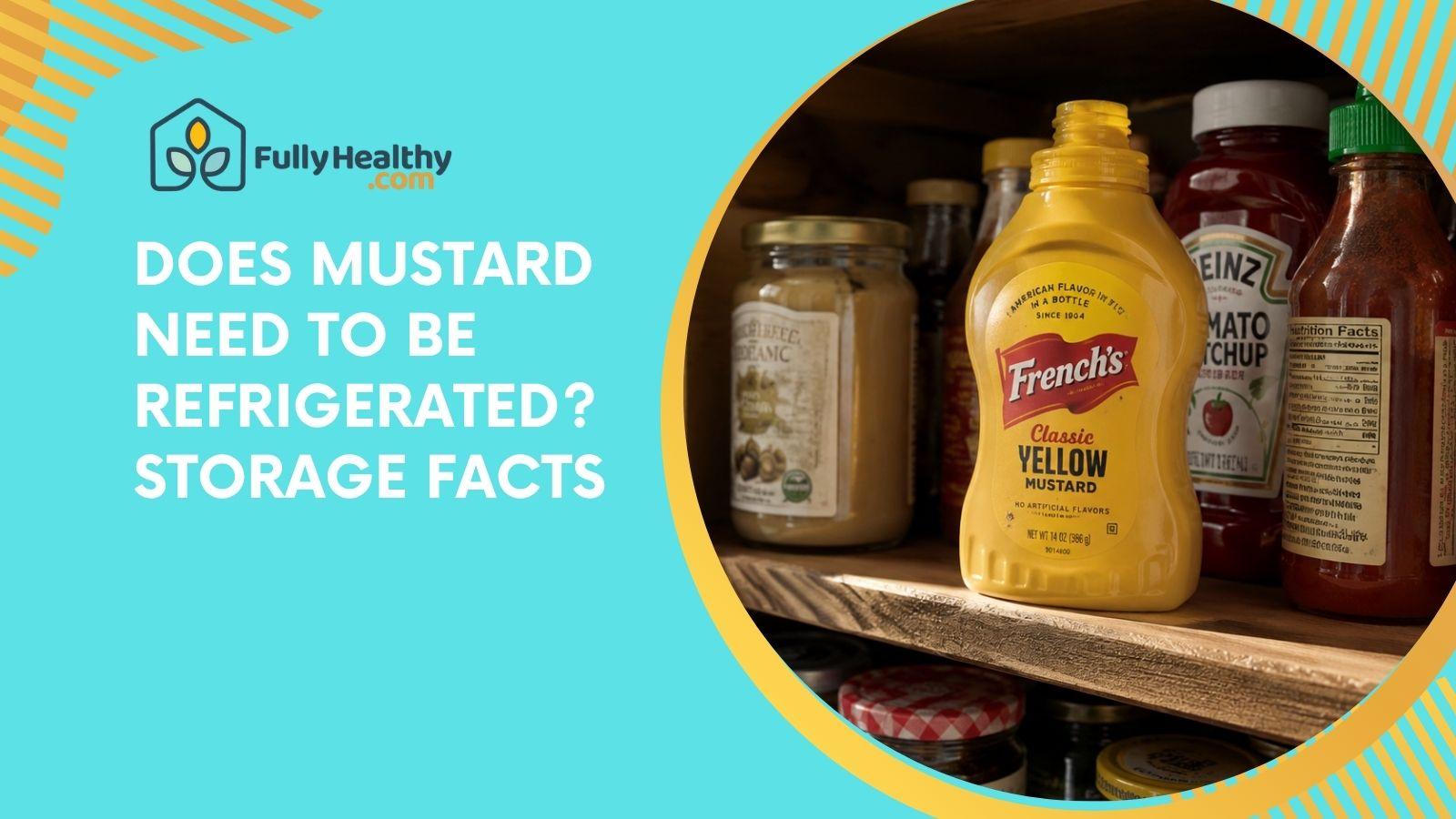
Does mustard need to be refrigerated? Not often. Many commercially prepared mustards are acidic and relatively shelf-stable, but after opening, follow the label; refrigeration is commonly recommended to preserve quality and may be required for some formulations. Many restaurants leave mustard out because they use it quickly.
However, putting it in the fridge after opening can help the flavor last longer. The best choice depends on how fast you use it, where you store it, and what the package says.
Featured Pantry Pick
Eden Foods // Organic Brown Mustard - 9 oz
Loading...
Does Mustard Need To Be Refrigerated?

Many people aren't sure if mustard should be kept in the fridge or at room temperature. There is a short answer: Most unopened store-bought mustard is shelf-stable. After opening, its acidity helps limit microbial growth, but storage should follow the product label, and refrigeration helps maintain it.
There is vinegar, salt, and natural chemicals in mustard that come from the mustard seeds. These things help stop bacteria from growing. Even so, keeping food in the fridge can keep it fresh, tasty, and of the highest quality for a long time.
Quick Question: Does Mustard Need To Be Refrigerated?
Plain commercially prepared mustard is usually low-risk if briefly left unrefrigerated, but opened mustard should be stored according to the label, especially if it contains sweeteners, dairy, eggs, wine, fresh ingredients, or reduced acid. However, the fridge is helpful if you want the taste to last longer.
-
Safety First: Most mustard is highly acidic, which makes it harder for bacteria to grow.
-
Flavor Protection: Mustard kept near heat or light may lose flavor faster.
-
Storage Tip: Keep the bottle or jar closed tightly, and make sure the cap and seal are clean.
Why Mustard Is More Shelf-Stable Than Many Condiments
There is a difference between mustard and mayonnaise, mayo, egg- or dairy-based sauces. Those foods can go bad faster because they make it easier for bacteria to grow. Acid, salt, and sometimes preservatives make mustard more stable.
-
Key Ingredients: Vinegar, mustard seed compounds, and salt help keep mustard safe longer.
-
Better Conditions: Store mustard in a cool, dark environment away from direct sunlight.
-
Common Example: French's mustard, including bottles with the French's yellow mustard cap, is made for easy use and utmost convenience.
How Long Can Mustard Go Unrefrigerated?

Opened plain mustard may tolerate short periods at room temperature, but long-term storage is best guided by the label; refrigeration slows quality loss and reduces risk from contamination.
For most plain commercial mustards, quality usually declines before safety becomes a concern, but safety still depends on formulation, cleanliness, and storage conditions. Darkness, heat, and warm air can slowly change mustard's flavor, color, and freshness.
Room-Temperature Mustard: Safety Vs. Flavor Quality
Sometimes it's okay to eat a mustard bottle that was left out during a meal. Food service businesses often leave condiments on tables since people use them so quickly. At home, the choice comes down to how often you use the mustard.
-
Quality Matters: Mustard stored warm may taste weaker over time.
-
Usage Factor: If you use a desired mustard amount often during meal prep, pantry storage may be fine.
-
Smart Comparison: Soy sauce, hot sauce, fish sauce, and honey are often stored outside the refrigerator when labels allow; ketchup and other condiments should be stored according to their labels.
Signs Your Mustard Should Be Thrown Away
There are times when even food that can be kept for a long time will go bad or lose its quality. You should always check old mustard before you use it in a recipe.
-
Watch For Mold: If you see mold, do not eat the mustard.
-
Check The Cap: Dry crust around the cap can usually be cleaned away, but discard the mustard if you see mold, slime, bubbling, off odors, or signs of contamination.
-
Trust Your Senses: If the smell is rancid, the color looks strange, or the taste is off, throw it away.
Why Should Mustard Not Be Refrigerated?
This question can be confusing. Mustard does not need to be kept in the refrigerator. It simply does not always require cold storage. You can store mustard in the pantry or refrigerator, depending on your needs.
The More Accurate Answer: Refrigeration Is Optional
Cold mustard is not bad. Putting mustard in the fridge actually helps it stay fresh. But storing mustard at room temperature can also work if it is store-bought, well-sealed, and not near heat.
-
Optional Choice: Pantry storage and refrigerator storage can both work safely.
-
Best Quality: Use the fridge if you want the best flavor for a longer time.
-
Check the Label: Always follow the label because some specialty mustards, wine-based mustards, or homemade food may have different rules.
When Pantry Storage Makes More Sense?
When you use mustard a lot, storing it in the pantry works well. Simply pick it up, put it in a small bowl, or use it to get a perfect squeeze while cooking.
-
Best Location: Keep mustard in a cool cabinet away from direct sunlight and strong heat.
-
Good Habit: Store condiments with the cap closed to protect freshness.
-
Final Tip: If you use mustard slowly, the refrigerator is the better choice.
What Condiments Don't Need To Be Refrigerated After Opening?
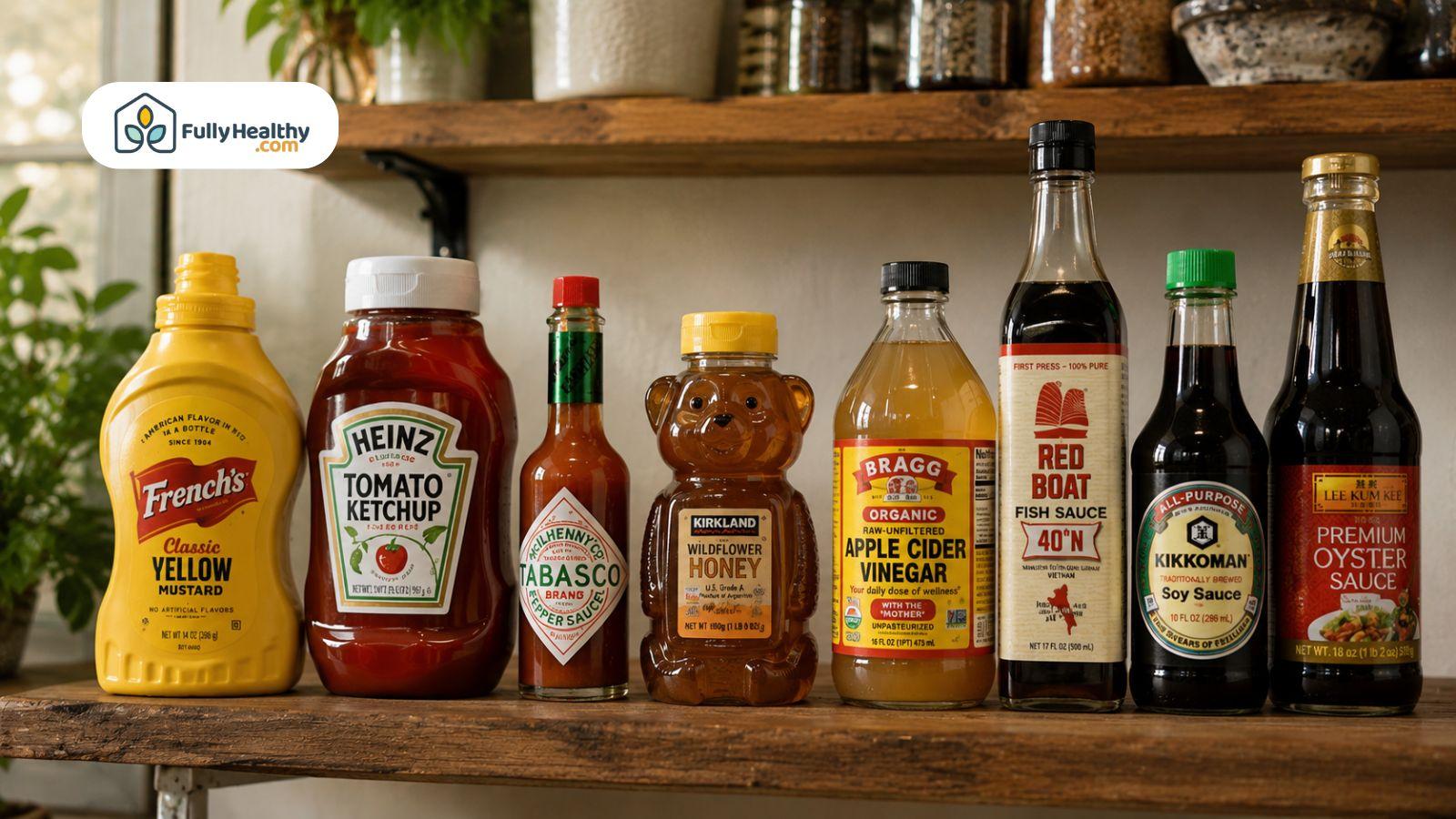
Since they contain acid, salt, or sugar, many condiments can stay out of the fridge after being opened. These things help food last longer. Labels or product pages are always the best places to start when looking for storage instructions.
Pantry-Stable Condiments That Are Usually Safe To Store Outside The Fridge
If you store some condiments the right way, they will last a long time at room temperature. Keep them enclosed and away from heat.
-
Common Examples: Common examples that may be pantry-stable after opening when labels allow include plain mustard, soy sauce, fish sauce, hot sauce, and honey; ketchup and chili crisp should be checked individually.
-
Why They Last: Acid, salt, or sugar helps limit spoilage and keeps the product stable.
-
Best Storage Tip: Keep bottles and jars tightly closed in a cool, dark place.
Condiments That Usually Need Refrigeration After Opening
Since they have fresh ingredients or less acid, some condiments go bad faster. When you open these, you should usually put them in the fridge.
-
Higher-Risk Foods: Refrigerate salsa, homemade mayonnaise, many fruit spreads, and any condiment with fresh, dairy, egg, or low-acid ingredients after opening unless the label states otherwise.
-
Natural Products: Natural peanut butter may be refrigerated after opening to slow rancidity and maintain quality; oil separation is normal and can usually be stirred back in.
-
Check the Label: The label or product page gives the safest storage advice for that exact item.
How Can Fully Healthy Help You Find Specialty-Diet Condiments And Pantry Staples?
You can find foods that are good for certain diets all in one place on Fully Healthy. On the main page, it lists AIP, gluten-free, allergen-friendly, and other special pantry items. You can use this to help you pick out sauces, spices, and other cooking essentials.
What Does FullyHealthy Offer For Special Dietary Needs?
People who have to watch what they eat can find it easier to shop with Fully Healthy. People can look through products made for specific dietary needs instead of going to a lot of stores.
-
Diet-Friendly Choices: The store offers AIP, gluten-free, and allergen-friendly foods.
-
Easy Shopping: Products are grouped into helpful categories, which saves time.
-
Helpful Resource: Shoppers can compare pantry staples before adding them to meals.
Which FullyHealthy Products Are Most Relevant To Condiment Storage?
There are different ways to store the pantry items that Fully Healthy sells. Follow the maker's instructions for storing unopened mustard, sauces, seasonings, snacks, and syrups.
-
Popular Categories: Seasonings, baking mixes, syrups, snacks, and specialty pantry foods are useful for meal planning.
-
Storage Reminder: Always follow the label because each product can have different ingredients.
-
Practical Takeaway: An executive chef would likely say proper storage protects freshness, flavor, and the end result of your food.
Final Thoughts
Usually, mustard is an easy-to-care-for condiment. Because they contain acidic ingredients, most store-bought kinds can stay safe at room temperature for a while. However, putting them in the fridge helps keep the flavor and freshness.
Should you be wondering if mustard left out overnight is safe, the answer is usually yes, as long as there are no signs of going bad. Put mustard away in a cool place, make sure the lid is tight, and check it often for changes in color, smell, or texture.
FAQs
Does mustard help with stomach cramps?
Some people claim mustard helps with cramps, but there is limited scientific evidence to prove it works consistently.
Is it okay to eat mustard that was left out overnight?
Plain commercial mustard left out overnight is usually low-risk if clean and normal-looking, but discard it if contaminated or spoiled, and follow the label for specialty, homemade, honey mustard, or low-acid varieties.
What is the best way to store mustard?
Store mustard with the lid tightly closed in a cool, dark place or in the refrigerator for longer-lasting flavor.
What are the signs of spoiled mustard?
Throw mustard away if you notice mold, a strange odor, unusual discoloration, or major texture changes.
How long does mustard usually last after opening?
Opened mustard typically stays safe for a long time, but its flavor and quality gradually decline, especially if stored in warm conditions.
Leave a comment