

Does Mustard Relieve Burns? Safe First Steps For Burn Care
Does mustard relieve burns? The short answer is no. Mustard does not cool burned skin or help it heal, and current medical guidance advises against using it as a remedy. Putting mustard on a burn may irritate the area and make discomfort feel worse.
This article explains what actually helps, what to avoid, and the safest first steps after a burn.
Featured Pantry Pick
Eden Foods // Organic Brown Mustard - 9 oz
Loading...
Does Rubbing Mustard on a Burn Help?
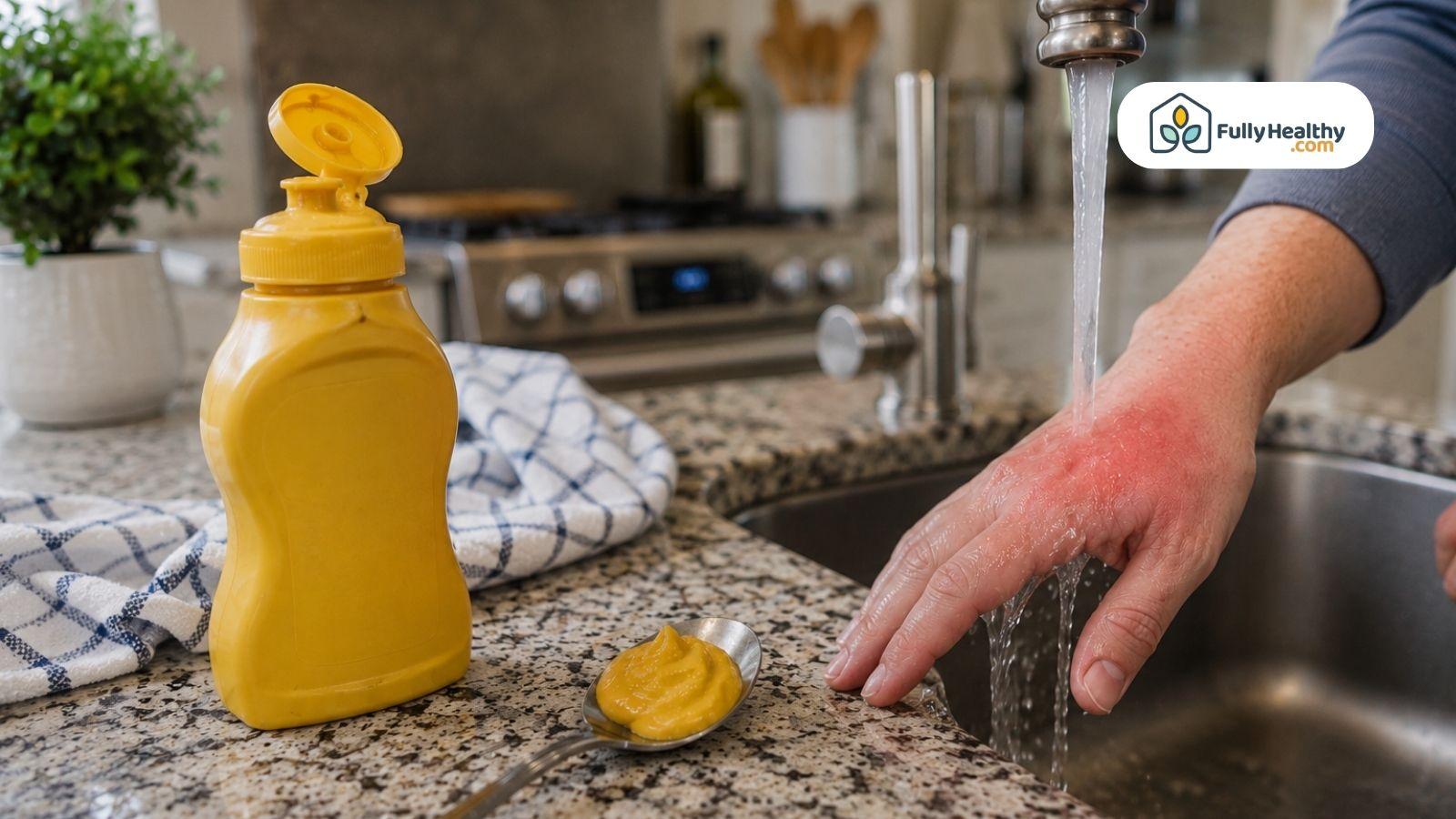
A burn can happen fast from fire, hot liquids, or too much sunlight. The short answer to does mustard relieve burns is no, and medical treatment guidance warns against putting mustard on damaged skin.
Mustard Does Not Relieve Burned Skin
No, mustard does not relieve burns. There is no scientific evidence that mustard helps treat burns, and applying it to skin may irritate the burned area instead of helping it cool.
-
No Proven Relief: Current medical guidance does not support mustard as a safe or effective way to treat burns, including first degree burns and mild burns.
-
Heat Can Stay Trapped: Mustard can leave a thick layer over the burned area, which may slow cooling while the skin is still holding heat.
-
Irritation Risk: Ingredients like vinegar and natural mustard compounds can sting damaged skin and make redness or pain feel worse.
-
Blisters Need Protection: Burns with blisters need a clean surface while healing, and applying food products may increase the chance of infection.
-
Safer First Step: Cool running water for 10 to 20 minutes helps lower skin temperature and is the recommended first step for minor burns and small superficial second degree burns while deciding if medical care is needed.
Why This Home Remedy Still Gets Repeated
This remedy keeps getting repeated because it sounds simple, cheap, and easy to try during a painful moment. The problem is that home remedies can spread faster than medical treatment guidance, especially when a quick tip feels believable.
-
Old Advice: Mustard has been passed around as a burn remedy for years, even though medical sources do not support it.
-
Quick Fix Appeal: A kitchen remedy can feel helpful when someone wants fast pain relief from a minor burn.
-
False Cooling Feeling: Mustard may create a strong sensation on skin, but that does not mean it is healing the burned area.
-
Better First Step: Cool running water is safer because it lowers heat without adding vinegar, oils, or irritating ingredients.
-
Safer Care: Protecting the burn with a clean covering helps prevent infection while the skin starts to heal.
What is the Quickest Relief for Burns?
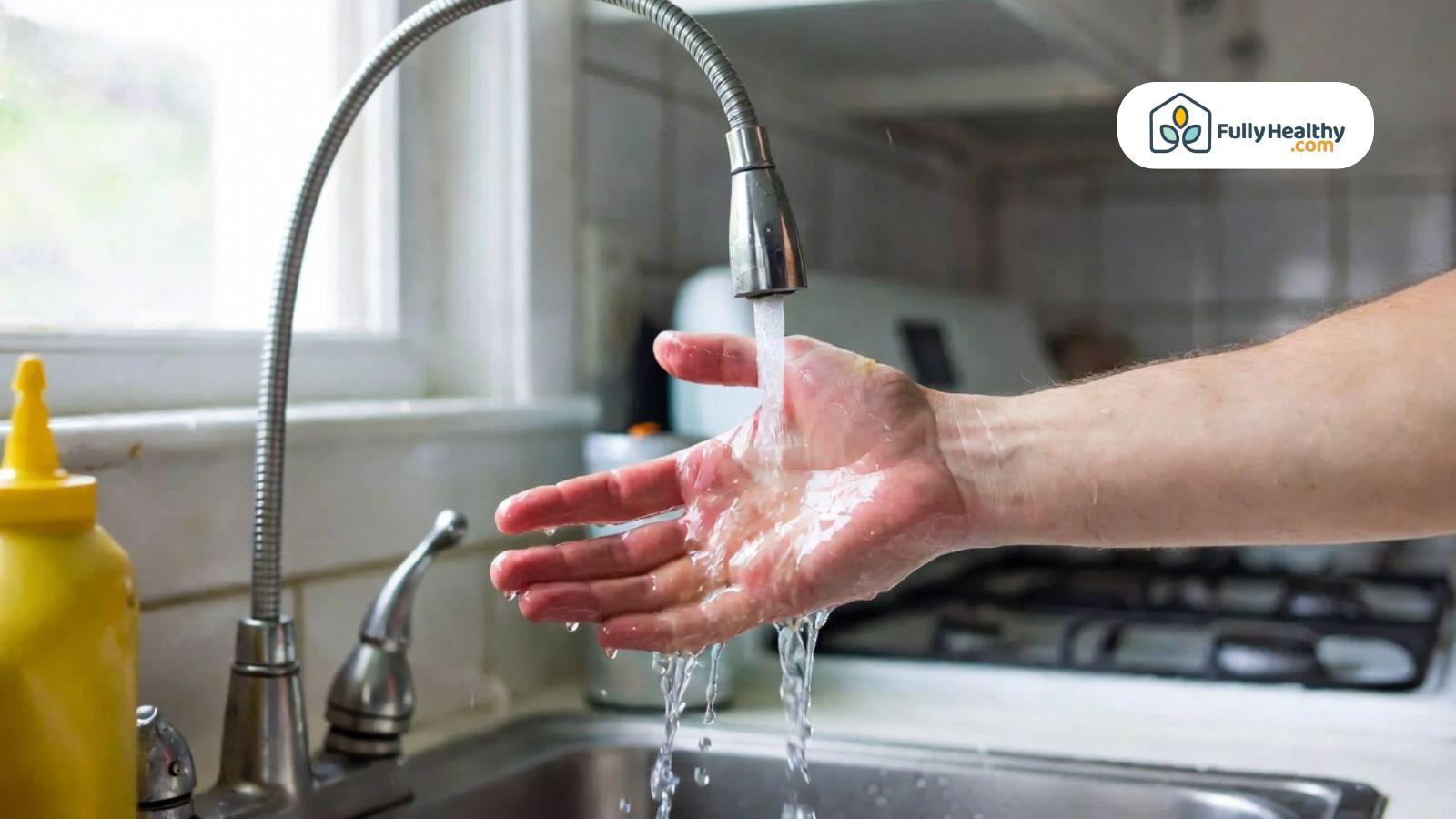
A burn needs cooling and protection as soon as possible. The goal is lowering heat in the skin quickly while helping protect the burned area from added irritation or infection.
Cool Running Water Works Fastest
Cool running water is the quickest recommended first-aid step for minor burns at home. Running water lowers skin temperature, reduces pain, and helps stop heat from moving deeper into the body.
-
Temperature: Use cool water instead of ice because extreme cold can irritate damaged skin and increase pain.
-
Timing: Let running water move across the burned area for about 10 to 20 minutes for steady cooling.
-
Pain Relief: Cooling often reduces painful burning faster than home remedies placed on top of skin.
-
Heat Control: Water helps pull heat away from tissue without trapping it under a layer.
-
Extra Support: A cool compress can help afterward if the area still feels warm.
Simple Steps That Protect a Minor Burn
After cooling the burn, gentle care helps skin recover more comfortably. Protecting the area early also helps prevent infection and reduces the chance of making the injury worse.
-
Cover: Use a clean non-stick cloth or light dressing so the burned area stays protected from pressure and rubbing.
-
Blisters: Leave blisters closed because the skin acts as a barrier while tissue underneath heals.
-
Aloe Vera: Aloe vera gel may soothe minor surface burns after cooling, but it should not be used on deep, open, infected, or severe burns without medical advice.
-
Watch Symptoms: A doctor should check burns that become more painful, look infected, or keep getting worse.
-
Emergency Care: Large burn areas, third degree burns, feet burns, joints, radiation injury, or chemical burns need prompt medical treatment.
What Can Worsen a Burn?
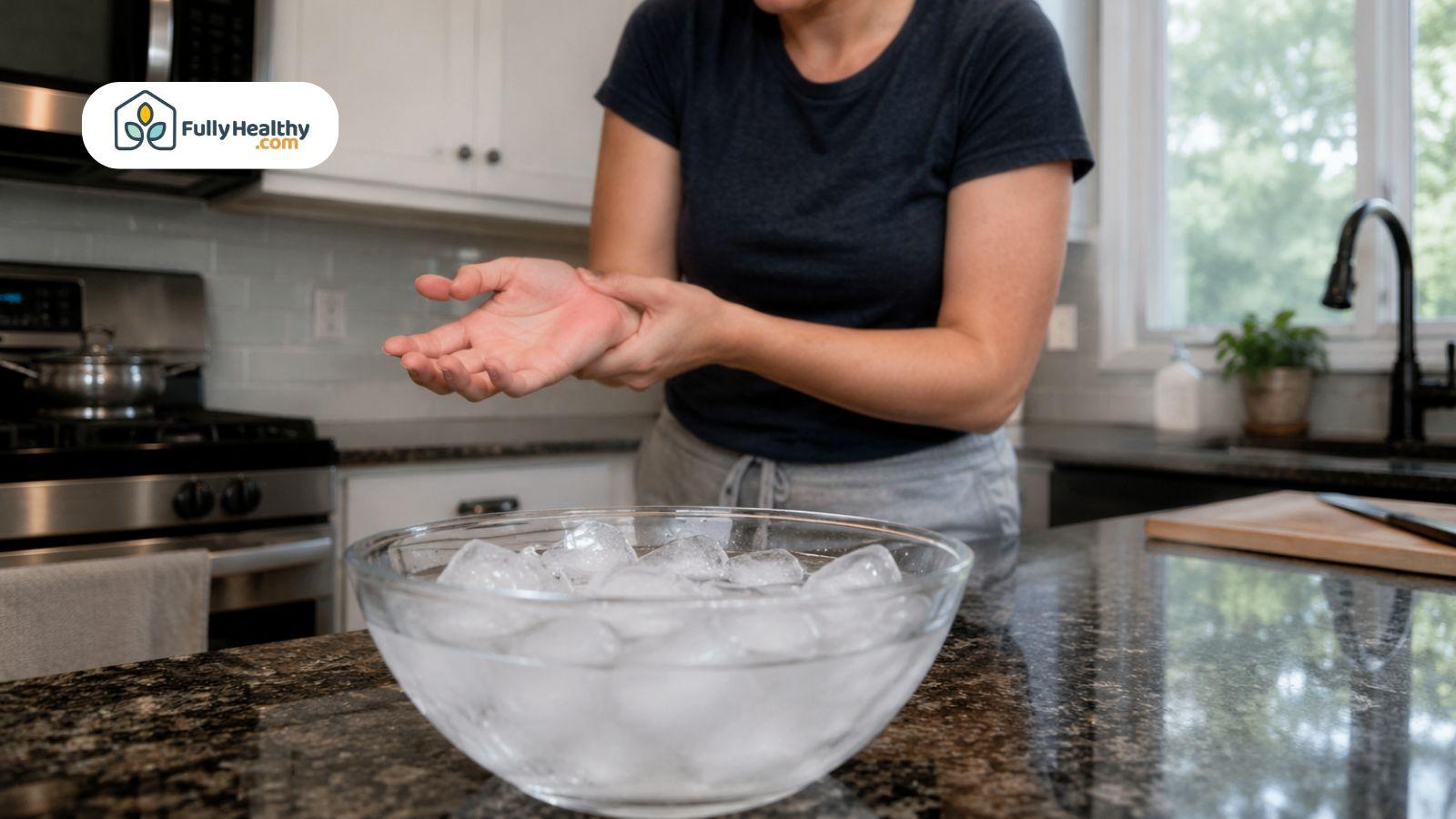
A burn can worsen quickly when heat stays trapped or damaged skin gets irritated again. Keeping the area cool and avoiding harsh remedies matters during the first stage.
Household Remedies That May Irritate Burns
Kitchen remedies often sound helpful but can work against healing. Products like mustard, butter, and toothpaste may trap heat or place irritating chemicals on sensitive skin.
-
Mustard: Yellow mustard contains vinegar and natural compounds that may irritate skin and increase discomfort.
-
Butter: Butter can seal heat against tissue and slow cooling.
-
Honey: Regular pantry honey is different from medical-grade products and may not protect skin safely.
-
Toothpaste: Ingredients inside toothpaste can sting and increase redness.
-
Oils: Oils may leave heat sitting on the skin longer than needed.
Why Ice and Friction Can Slow Healing
Ice can feel like fast relief, but direct contact may damage tissue and add more pain. Friction also irritates skin while the body is trying to heal.
-
Ice Damage: Very cold contact may reduce blood flow and stress already injured tissue.
-
Pressure: Rubbing or pressing the burn can irritate fragile skin.
-
Peeling: Pulling at damaged skin may expose tissue underneath.
-
Pain: Extra contact often feels more painful instead of soothing.
-
Healing Support: Gentle cooling and light protection help wounds recover more safely.
What Does a Spoon of Mustard Help With?
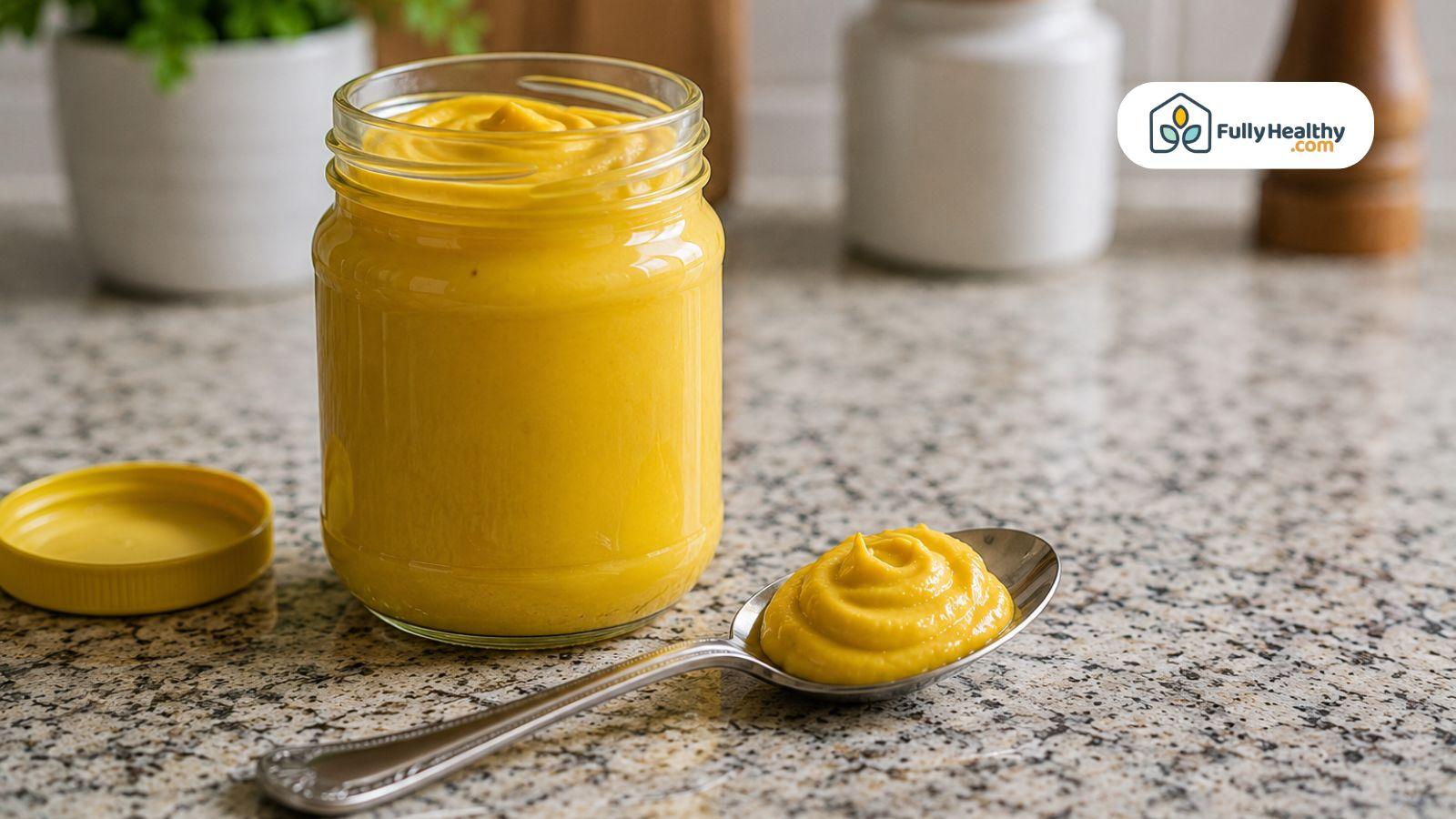
Mustard belongs in the kitchen and works well as a pantry staple. It supports meals with bold flavor and practical use, which is very different from trying to treat burns or cool damaged skin.
Common Culinary Uses For Mustard
A spoon of mustard helps bring flavor and balance into simple meals. Yellow mustard blends smoothly into sauces and liquids, making it useful for everyday cooking without overpowering the rest of the dish.
-
Dressings: Mustard helps oil and vinegar combine more evenly, which gives homemade dressings a smoother texture and more balanced flavor.
-
Marinades: It coats proteins well before cooking over fire and helps seasoning stay spread across the surface.
-
Sauces: It mixes easily with cream, herbs, and seasonings when building quick sauces for vegetables or proteins.
-
Flavor: Mustard adds brightness and sharp taste without making food feel too heavy.
-
Meal Prep: A jar in the fridge stays useful for sandwiches, sauces, and quick recipes throughout the week.
Nutritional Benefits Associated With Mustard
Prepared mustard can be a lighter condiment compared with richer spreads. It also contains mustard seed compounds often associated with practical nutrition, but it does not heal wounds or work as a burn remedy.
-
Lower-Calorie Option: Mustard is often chosen over heavier creamy spreads because it adds flavor without as much richness.
-
Plant Compounds: Mustard seed naturally contains antioxidants and compounds used in food preparation.
-
Simple Pairing: It works well with vegetables, meats, and lighter recipes without needing much added seasoning.
-
Pantry Friendly: It keeps well and stays easy to use in different meals.
-
Clear Difference: Nutritional value in mustard does not mean it can treat injury, degree burns, or infected skin.
About FullyHealthy
Pantry ingredients matter when choosing food products made with simple ingredients. FullyHealthy focuses on specialty foods designed for wellness-focused households.
A Specialty Food Marketplace
FullyHealthy offers ingredient-conscious pantry products for households following specific food preferences. The store includes gluten-free, AIP, Paleo, and specialty products organized for simple online shopping.
-
Diet Support: The store carries options built around AIP, gluten-free, and wellness-focused eating.
-
Pantry Variety: Sauces, seasonings, snacks, and staple foods are grouped clearly.
-
Ingredient Focus: Product selections stay centered around straightforward ingredients.
-
Online Access: The browser experience keeps categories and product details easy to review.
-
Shopping Support: Clear organization helps with pantry planning and info shopping.
Mustard and Pantry Sauces Available On FullyHealthy
FullyHealthy carries mustard and seasoning products made for meals and kitchen use. These pantry staples support recipe prep with practical ingredients and simple flavor options.
-
Eden Foods Organic Brown Mustard: A classic brown mustard with a bold flavor that works well with sandwiches, dressings, roasted vegetables, and everyday meal prep.
-
Hearty Sauces AIP Pesto Mix: A savory pesto seasoning mix made for quick meals, giving vegetables, proteins, and simple sides an herby flavor without complicated prep.
-
Hearty Sauces AIP Ranch Mix: A pantry-friendly ranch blend that works well for dips, dressings, or adding familiar flavor to easy snacks and meals.
-
Hearty Sauces AIP Taco Seasoning: A taco-inspired seasoning blend that adds balanced flavor to proteins, vegetables, and weeknight recipes with minimal effort.
Final Thoughts
Burn care usually feels more manageable when the first step is simple and clear. Cooling the skin quickly, keeping the area protected, and skipping harsh home remedies can support healing and help prevent infection.
Sharing information online and short videos can spread fast, and people may watch special local programs for quick tips, but direct care matters more in the moment. If the burn becomes more painful or starts changing, seek care and protect your skin.
FAQs
Is Yellow Mustard Good for Your Skin?
No, yellow mustard is not recommended for skin after a burn, and videos sharing information about this remedy do not replace proper care.
What are the Three C's of Burn Care?
The three C’s of burn care are cool, cover, and call. Cool the burn with running water, cover it with a clean dressing, and call for medical help if the burn looks severe or keeps getting worse.
Should You Cover A Burn or Let it Breathe?
A minor burn is usually safer when loosely covered because it helps protect skin while healing and reduces irritation.
What Helps Treat Burns Fast at Home?
Cool running water is the safest way to treat burns at home before trying home remedies or watching videos with burn advice.
When Do Second Degree Burns Need Medical Care?
Second degree burns need medical care when blisters are large, pain increases, healing slows, or the burn covers more skin than expected.
Leave a comment