

Does Olive Oil Expire? Store Extra Virgin Oils the Right Way
 Photo Credit: Canva Pro
Does olive oil expire? Even if it looks and smells fine, olive oil goes bad after a while. Based on how they're made and stored, most types last between 12 and 24 months. It goes bad and loses its flavor and nutrients over time.
While small amounts are unlikely to cause immediate illness, consuming oxidized oils over time may pose health risks due to lipid oxidation byproducts. It talks about how long olive oil lasts, how to tell when it's going bad, and the right way to store it.
Featured Pantry Pick
Graza // Sizzle Extra Virgin Olive Oil - 750ml
Loading...
Does Olive Oil Expire?
 Photo Credit: Canva Pro
Olive oil does go bad after a while. It might look like it will last a long time, but because it's made from olives, it naturally goes bad over time. The aging process changes the oil's taste, how fresh it is, and its health benefits. Whether it's extra virgin or refined olive oil, the best way to keep the quality and keep rancid oil from ruining your food is to store it correctly.
How Long Does Olive Oil Last?
Some olive oils go bad after a while. Most of the time, an olive oil bottle is good for 12 to 24 months after it was picked. But how you store olive oil has a big effect on how long it lasts and how fresh it is.
-
Extra Virgin Shelf Life: Extra virgin olive oils typically last 12–18 months.
-
Refined Oils: Since it goes through more steps, refined olive oil can last up to 24 months.
-
Unopened Bottles: Olive oil that hasn't been opened will last longer, but it will still go bad over time.
-
Opened Oils: Once the oil is opened, it starts to lose its natural antioxidants because it is exposed to oxygen.
-
Check the Date: On the label, you should always look for a best-before date or harvest date.
What Shortens Olive Oil's Lifespan?
There are a few things that can make olive oil go bad faster. The oxidation process starts as soon as air, light, and heat hit the oil. This process will go faster if the storage conditions are poor.
-
Light Exposure: The oil breaks down when it's in direct sunlight or a bright kitchen.
-
Heat Sources: Putting olive oil near stoves or other warm appliances makes it age faster.
-
Air Contact: When the bottle is opened, oxygen gets in, and oxidation takes place.
-
Packaging: Oils in clear bottles or containers made of plastic break down faster. Tin or dark glass should be used.
-
Storage Tip: Keep olive oil in a cool, dark place at all times, like a cabinet or pantry.
Is Expired Olive Oil Safe to Use?
 Photo Credit: Canva Pro
Small amounts of expired olive oil aren't bad for you, but they won't give you the health benefits or flavor of new olive oil. If you don't use good olive oil, your dish will turn out badly, and you won't get the health benefits of extra virgin oils. While you don’t need to worry about getting sick, it’s better to cook with oils that are still fresh.
Can Rancid Olive Oil Make You Sick?
Old oil typically doesn't cause acute illness, but prolonged intake of rancid oils may have negative health implications due to degraded compounds. However, the healthy fats and antioxidants that make olive oil good for you are lost during the oxidation process. Also, olive oil that has gone bad can ruin the taste of your food.
-
Taste Issues: When olive oil goes bad, it makes other foods taste bitter and greasy.
-
Health Impact: When oil is oxidized, it loses its natural antioxidants and is less good for you.
-
Safe but Unpleasant: It can be used to cook, but it won't make salads or bread better.
What Happens If You Eat Expired Oil?
While consuming a small amount of expired oil is unlikely to be harmful short term, it may lack health benefits and degrade flavor. Bad olive oil may smell like crayons, putty, or stale nuts, not typically like rotten eggs, which indicates sulfur compounds not present in olive oil. Spotting signs of spoilage helps keep your food and dishes safe.
-
Smell Check: Bad oil will smell waxy, like glue or crayons.
-
Taste Test: Don't use it if it tastes bad, bitter, or old.
-
Visual Signs: Check for cloudiness, strange colors, or seals that are broken.
-
Storage Tip: If you don't use oil very often, buy smaller bottles to maintain its freshness.
Is Olive Oil Good After 5 Years?
 Photo Credit: Canva Pro
Even if it's not opened, most olive oils won't taste good after five years. Even if the bottle is closed, the oxidation process is still going on slowly. The oil's taste, smell, and antioxidants are mostly gone after five years. It might still be safe, but it's not good enough for cooking or salads.
Can Properly Stored Olive Oil Last 5+ Years?
It doesn't happen often, but some oils might last longer in ideal conditions. So keep olive oil somewhere cold and dark, away from heat, light, and air. Still, most producers say you shouldn't keep it that long.
-
Ideal Storage Conditions: That means cool (around 55°F), no light, and containers that are tightly closed.
-
Container Choice: Do not use plastic containers. Instead, use dark glass or metal tins.
-
Fridge Storage: Refrigeration can cause extra virgin olive oil to solidify temporarily, which is harmless and reversible at room temperature. Give it some time to warm up again.
What Makes Old Olive Oil Unusable?
There are clear signs that the olive oil is no longer good. After 24 months, the food is more likely to go bad, especially extra virgin olive oil. Don't use it if it smells or tastes bad.
-
Rancid Smell: If it smells like wax or putty, it's gone bad.
-
Loss of Flavor: Doesn't taste good or have bad smells = expired.
-
Appearance Changes: Damage could be shown by oil that is cloudy or thick.
-
Use Elsewhere: Some suggest reusing mildly expired olive oil for non-edible purposes like polishing wood, though this should only apply to mildly degraded oils and not those with mold or microbial spoilage.
What Are Three Signs Your Olive Oil Is Spoiled?
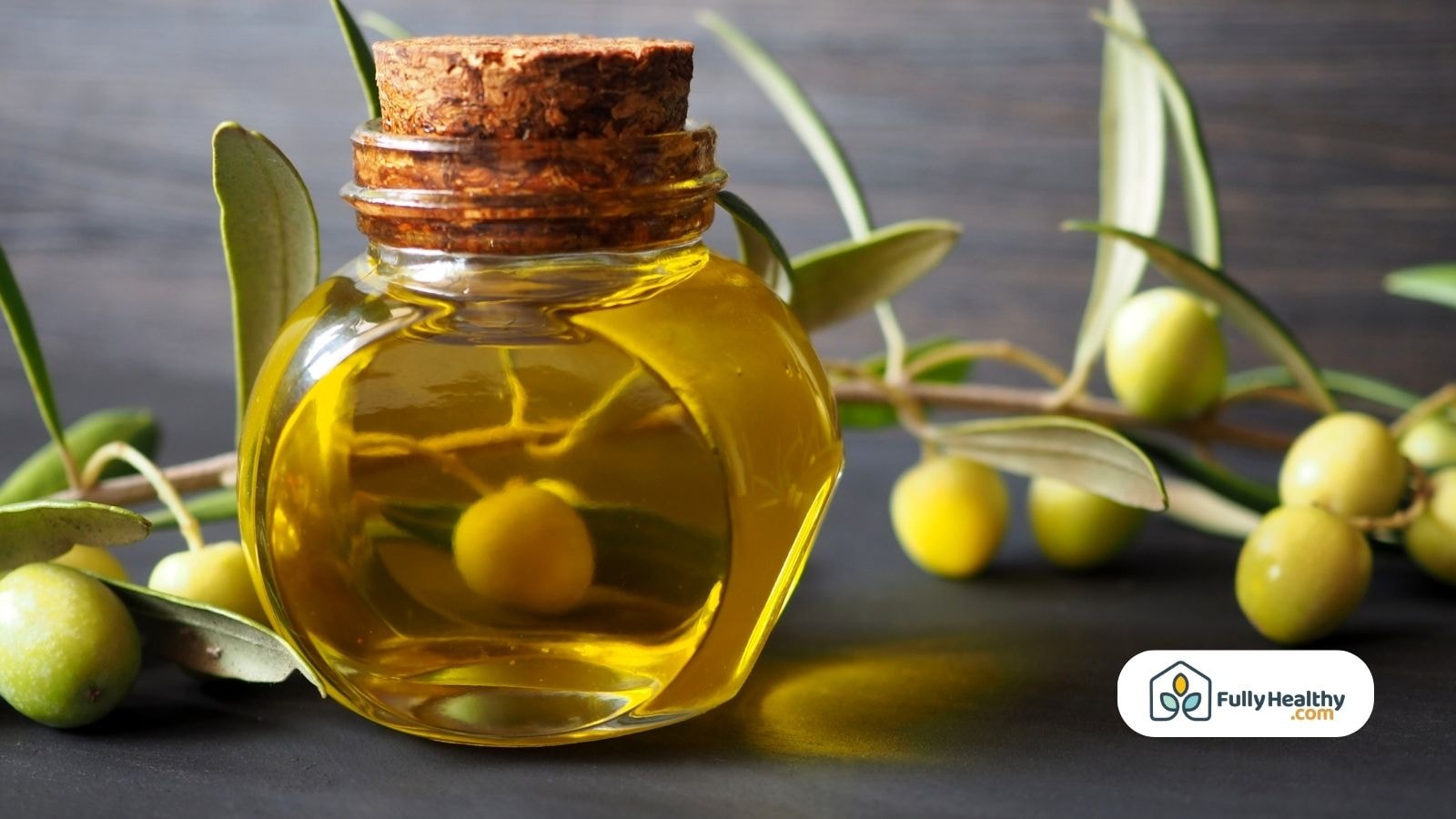 Photo Credit: Canva Pro
Olive oil can go bad even if it looks fine on your counter. Oil doesn't last forever because it is a natural product made from olives. The oil breaks down when it comes in contact with air, light, and heat. This makes it less healthy, less tasty, and less effective. To keep your food safe and fresh, you need to know how to spot bad oil.
The Smell Test
There's a simple way to tell if your olive oil is still good: smell it. The aroma of fresh olive oil is nice and fruity. If you smell something strange or waxy, that's a red flag. Olive oils lose their natural smell and may start to smell funny when they go bad.
-
Smell Clue: If the olive oil smells bad, like crayons or putty, it's no longer fresh.
-
Air Exposure: The smell changes because air breaks down the fats in the oil.
-
Container Tip: Store olive oil in a tight, sealed container to protect it from air.
-
Storage Reminder: Keep it somewhere cool and dark, never on the counter near heat.
Look and Taste Changes
Fresh olive oil should be green or golden and taste clean and smooth. It changes both how it looks and how it tastes when it goes bad. In cold weather, it may cloud over or solidify, which isn't always a bad thing. But if it smells or tastes bad, throw it away.
-
Taste Check: If the oil tastes old, bitter, or metallic, it's no longer good.
-
Visual Sign: Cloudiness in a warm room could mean that the food has gone bad, not just that it was stored in the cold.
-
Color Changes: If it's a darker color than usual, it might be old or broken.
-
Use Your Senses: Smell, taste, and look can all help find spoilage.
What Does Fully Healthy Recommend For Pantry Wellness?
FullyHealthy.com is all about clean foods that are good for people with allergies and go well with fresh olive oils. Their selection supports good pantry practices that help you preserve flavor and avoid waste.
Since olive oil and other pantry staples are used in so many dishes, it's important to store them correctly. People who buy things from this site are told to pay attention to how they store things like oil and how long they last.
How Their AIP-Friendly Products Support Oil Shelf Life
FullyHealthy sells pantry items that don't have any extra ingredients, which helps keep food simple and fresh. These foods, like extra virgin olive oil, need to be stored properly to stay safe and tasty. Their clean seasonings, sauces, and snacks all work well with fresh, high-quality olive oil.
-
Natural Match: Some healthy foods, like EVOO and foods without added chemicals, go well together.
-
Shelf Life Awareness: A lot of things have a clear expiration date written on the label.
-
Preservation Focus: Just like oils, clean things often need better storage.
Pantry Storage Guidance From The Shop
The site tells people to keep food in cool, dry places, which is also the right way to store olive oil. You can keep pantry items, like oils, from going bad by keeping them away from heat and air. The same care should be taken when buying olive oil or any other food to keep it fresh.
-
Cool Storage: To make oil last longer, store it somewhere cool and dark.
-
Avoid Counters: Do not leave your olive oil bottle near heat or out in the open.
-
Use the Right Container: Do not use plastic containers. Instead, use dark glass or metal tins.
-
Fridge Tip: Olive oil may get solid in the fridge, but it melts back into a liquid when it reaches room temperature.
Final Thoughts
Does olive oil expire? Yes, olive oils degrade over time due to oxidation, even when stored properly, particularly extra virgin olive oils with high polyphenol content. Over time, even extra virgin olive oil gets worse. The bottle of olive oil should be kept away from heat, light, and air to keep olive oil fresh and healthy. To find out how long the olive oil lasts, look at the date it was picked.
Look out for things that don't taste or smell right. Keeping pantry items like oils in the right way will keep the fats fresh and improve the quality of your other foods. Putting oils in a cool pantry keeps them for a longer shelf life and prevents early oxidation.
Faqs
How long can you use oil after the expiration date?
You can use olive oil after the expiration date if there’s no bad smell or signs of spoilage, but oxidation lowers the quality and health benefits.
What are the side effects of expired oils?
Expired olive oils may develop off-flavors, lose antioxidants, and potentially contain oxidation byproducts, which could contribute to inflammation if consumed regularly.
How long can you keep good olive oil?
A sealed bottle of extra virgin olive oil in a cool pantry can last up to 24 months before olive oil go bad.
When not to use olive oil?
Avoid putting olive oil in food if it has a rancid smell, strange signs, or is stored wrong with other pantry items.
Is it OK to cook with old oil?
Yes, but olive oil loses health benefits and quality after oxidation, especially if the bottle is stored outside a cool pantry.
Leave a comment