

Does Orange Contain Fiber? How Much You Really Get
Does orange contain fiber? Yes. Oranges are known for their vitamin C, but they also provide dietary fiber that supports digestive health, heart health, and overall wellness. Eating the whole fruit gives you more fiber than orange juice because the pulp and membranes stay intact.
Knowing how much fiber an orange contains can help you make better food choices and get more nutritional value from this everyday citrus fruit.
Does Orange Contain Fiber?
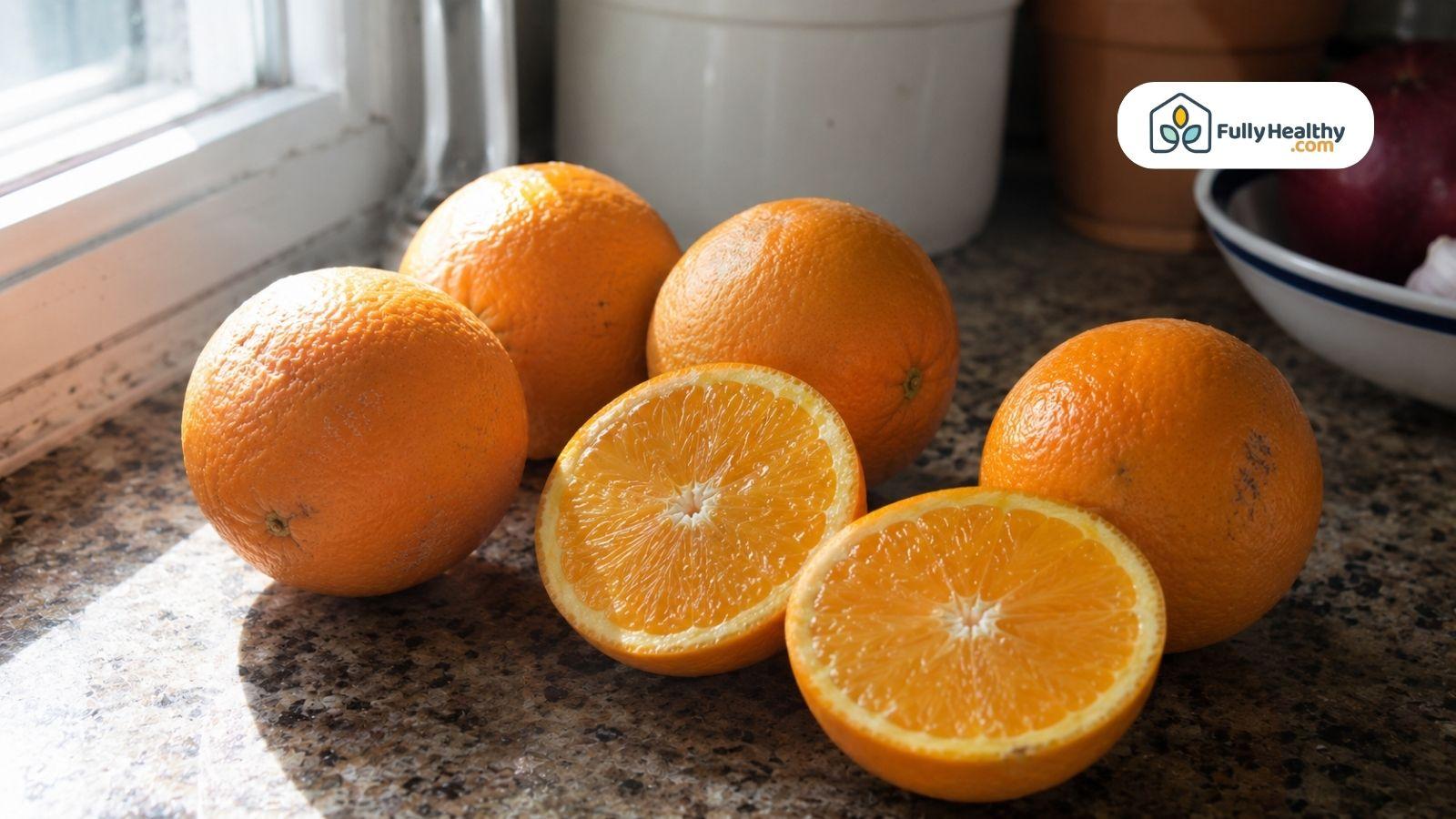
Yes. A medium orange contains about 3 grams of dietary fiber, making it a nutritious choice for a healthy diet. Along with fiber, oranges provide vitamin C, potassium, antioxidants, and other essential nutrients that support digestive health, heart health, immune health, and overall health.
Fiber Content in a Whole Orange
Fiber in oranges is concentrated in the pulp, membranes, and white pith rather than the juice. Eating whole oranges instead of consuming orange juice helps you get more fiber while preserving the fruit's full nutritional value.
-
Fiber content: One medium sized orange provides about 3 grams of dietary fiber, while a large orange contains slightly more.
-
Soluble fiber: Soluble fiber absorbs water and forms a gel that may help lower LDL cholesterol and slow the rise in blood sugar after meals.
-
Insoluble fiber: Insoluble fiber adds bulk to stool and supports regular bowel movements for better digestive health.
-
Whole oranges: Whole oranges provide more fiber than fruit juice because the pulp and membranes remain intact.
-
Other nutrients: Oranges contain vitamin C, potassium, flavonoids, antioxidants, and other beneficial plant compounds that support overall health.
Health Benefits of Orange Fiber
Orange fiber works together with vitamin C, antioxidants, and other nutrients to support several body functions. Instead of acting alone, these nutrients complement one another to help maintain a balanced diet and long-term health.
-
Digestive health: Fiber helps support regular bowel movements and makes it easier to reach your daily fiber intake.
-
Heart health: Soluble fiber may help maintain healthy cholesterol levels and promote heart health as part of a healthy diet.
-
Immune health: The high vitamin C content supports immune function, while antioxidants help protect cells from everyday damage.
-
Blood sugar: Fiber slows digestion, helping reduce rapid increases in blood sugar after meals.
-
Overall health: Plant compounds, including citrus flavonoids, are associated with better cardiovascular health and lower risk of chronic diseases.
Is There More Fiber in a Banana or Orange?
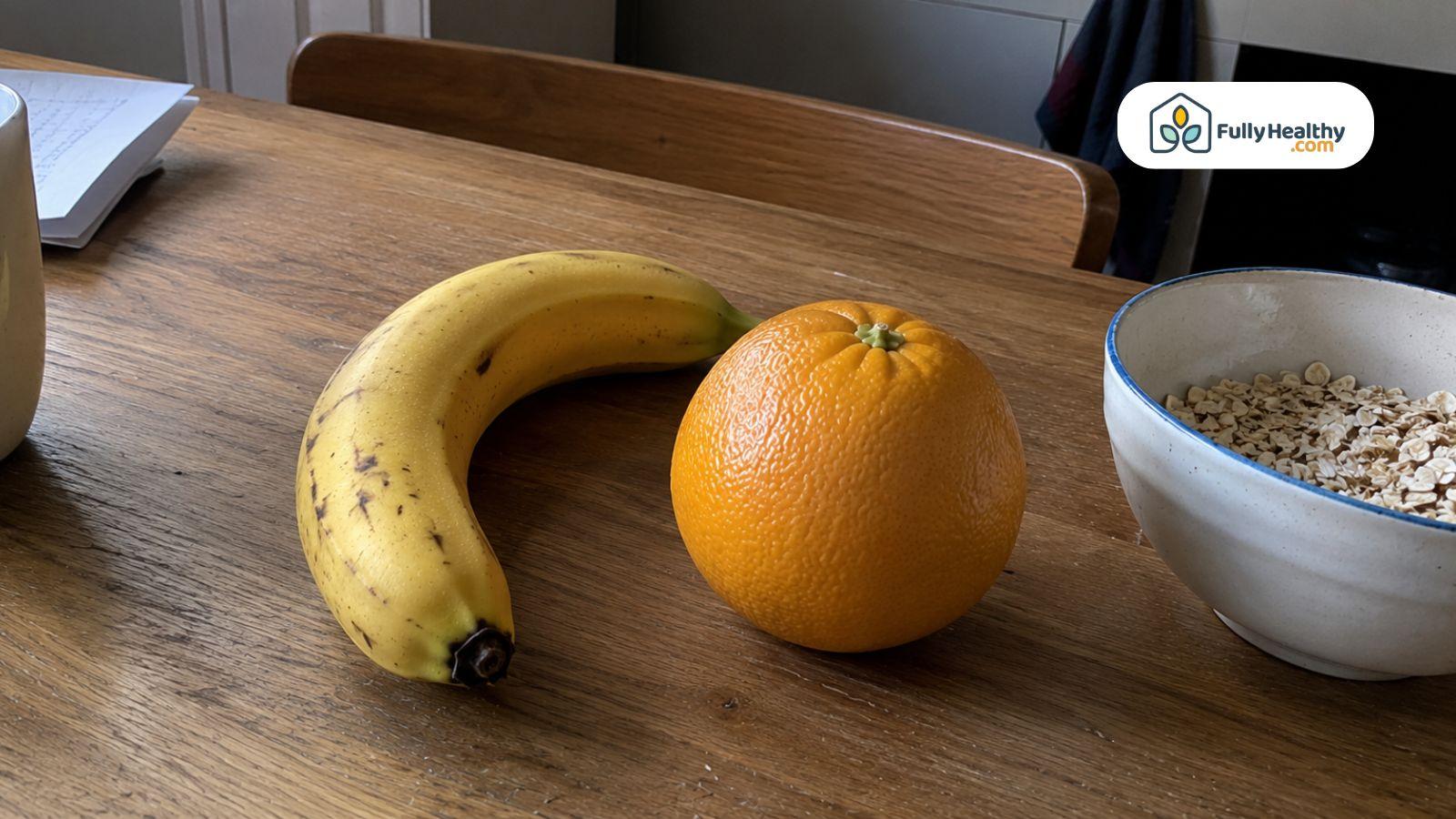
A medium banana and a medium orange contain nearly the same amount of fiber, with about 3 grams each. The difference is small enough that neither fruit is clearly better for fiber alone. Instead, the healthier choice depends on the other nutrients you want because oranges are higher in vitamin C, while bananas provide more potassium.
Fiber Comparison Between Bananas and Oranges
A medium banana and a medium orange provide nearly the same amount of dietary fiber, with about 3 grams each. Small differences between nutrition references usually come from comparing fruit by weight instead of one whole serving.
-
Fiber: A medium orange and a medium banana each provide about 3 grams of dietary fiber.
-
Serving size: Fiber values can vary slightly because some nutrition databases compare 100-gram portions instead of one whole fruit.
-
Digestive health: Both fruits support digestive health and help increase your daily fiber intake.
-
Satiety: The fiber in both fruits helps you stay full longer as part of a balanced diet.
-
Bottom line: Neither fruit has a clear advantage for fiber, making both excellent everyday choices.
Other Nutritional Differences to Consider
While oranges and bananas provide similar amounts of fiber, they differ in other important nutrients. Oranges are higher in vitamin C and water, while bananas provide more potassium and carbohydrates, making each fruit a healthy choice for different nutritional needs.
-
Vitamin C: Oranges contain much more vitamin C, helping support immune health, iron absorption, and antioxidant protection.
-
Potassium: Bananas provide more potassium, which supports healthy blood pressure, muscle function, and heart function.
-
Calories: Oranges are generally lower in calories, making them a lighter snack option.
-
Water content: Oranges contain more water, helping with hydration and making them especially refreshing.
-
Energy: Bananas contain more carbohydrates, making them a popular choice before or after physical activity.
What Fruit is the Highest in Fiber?

Passion fruit is one of the highest-fiber fruits, providing about 24 grams of fiber per cup. Other excellent high-fiber fruits include avocado, guava, raspberries, blackberries, pears, apples, oranges, and bananas.
Fruits Ranked by Fiber Content
Several fruits stand out for their high fiber content, making them excellent additions to a healthy diet. The table below compares common serving sizes to help you choose foods that fit your nutrition goals.
| Fruit | Common Serving | Fiber |
|---|---|---|
| Passion Fruit | 1 cup | About 24 g |
| Avocado | 1 medium | About 10 g |
| Guava | 1 cup | About 9 g |
| Raspberries | 1 cup | About 8 g |
| Blackberries | 1 cup | About 8 g |
| Pear | 1 medium | About 6 g |
| Apple | 1 medium | About 4 g |
| Orange | 1 medium | About 3 g |
| Banana | 1 medium | About 3 g |
Choosing High-Fiber Fruits for Everyday Eating
The best high-fiber fruit depends on your nutrition goals, taste preferences, and lifestyle. Instead of choosing only the fruit with the highest fiber, match your choice to the benefit you're looking for.
-
For digestive health: Choose raspberries, blackberries, pears, or oranges because they provide fiber that supports regular bowel movements.
-
For staying full longer: Avocados and passion fruit are naturally high in fiber, helping keep you satisfied between meals.
-
For immune support: Oranges and guava are rich in vitamin C while also contributing dietary fiber.
-
For a grab-and-go snack: Apples, bananas, and oranges are easy to carry, require little preparation, and fit into most daily routines.
-
For balanced nutrition: Rotate different fruits throughout the week to enjoy a wider variety of fiber, vitamins, minerals, antioxidants, and beneficial plant compounds.
How Many Oranges Can I Eat a Day?

Healthy adults can safely eat one to two oranges a day as part of a balanced diet. While there is no official daily limit, this amount provides fiber, vitamin C, and other nutrients without exceeding general fruit intake recommendations.
Recommended Daily Orange Intake
A reasonable serving depends on your overall diet, activity level, and individual health needs rather than a fixed number. Since oranges are naturally rich in vitamin C and dietary fiber, they can help support your nutrition goals when eaten alongside a variety of other foods.
-
For general health: One orange each day provides fiber, vitamin C, and antioxidants.
-
For higher fruit intake: Two oranges can fit comfortably within daily fruit recommendations for many adults.
-
For active adults: Oranges make a nutritious snack before or after exercise thanks to their water, natural carbohydrates, and vitamin C.
-
For a balanced diet: Pair oranges with other fruits to increase your intake of different nutrients.
-
For the best nutrition: Choose whole oranges more often than orange juice to get the fruit's natural fiber.
When Eating Too Many Oranges May Be a Concern
Although oranges are highly nutritious, eating large amounts may not be ideal for everyone. Paying attention to portion sizes helps you enjoy the health benefits while reducing the chance of unwanted side effects.
-
Acid reflux: The citric acid in oranges may worsen acid reflux or heartburn in people who are sensitive to acidic foods.
-
Tooth health: Frequent exposure to citrus fruits can gradually wear down tooth enamel, so rinsing your mouth with water afterward may help.
-
Digestive discomfort: Eating several oranges in one sitting may lead to bloating or loose stools because of their fiber and natural sugar content.
-
Kidney stones: Most people can safely enjoy oranges, but anyone with a medical condition affecting potassium intake should follow advice from their healthcare provider.
-
Moderation: Eating oranges in reasonable portions lets you enjoy their nutritional value without overdoing any single food.
Enjoy Orange-Inspired Favorites at FullyHealthy
If you enjoy the bright flavor of oranges, FullyHealthy offers specialty foods that make it easy to add citrus-inspired options to your pantry. These products can complement a healthy diet, but they are not intended to replace the nutritional benefits of whole oranges.
About FullyHealthy
FullyHealthy is an online marketplace that focuses on specialty foods designed for a variety of dietary lifestyles. Its collection includes pantry staples, snacks, baking ingredients, and wellness-friendly products that make shopping for specialty foods more convenient.
-
Specialty selection: The store carries products for a variety of dietary preferences and everyday wellness goals.
-
Quality brands: FullyHealthy features trusted brands across snacks, spreads, baking items, and pantry essentials.
-
Convenient shopping: Products are available in one place, making it easier to stock specialty foods for your household.
-
Lifestyle support: The marketplace includes options suited to different eating patterns without making medical claims.
-
Everyday use: Many products can be enjoyed alongside fresh fruits as part of a balanced diet.
Our Orange-Flavored Products
Orange-inspired foods can add variety to meals and snacks while complementing the fresh flavor of whole fruit. They are best enjoyed as part of an overall healthy eating pattern rather than as a replacement for fresh oranges.
-
St. Dalfour Ginger and Orange Marmalade Fruit Spread: A fruit spread made with oranges and ginger for toast, crackers, or baked goods.
-
St. Dalfour Orange Marmalade Fruit Spread: A traditional orange marmalade fruit spread with a sweet citrus flavor.
-
Jack's Paleo Kitchen Orange Chocolate Trail Mix Bites: Bite-sized trail mix snacks made with orange and chocolate flavors.
-
Wild Zora Instant Grain-Free Hot Cereal, Tropical Tart: A grain-free instant hot cereal with tropical tart fruit flavors.
Final Thoughts
Oranges offer much more than a refreshing taste. Along with dietary fiber, they provide vitamin C, antioxidants, and other nutrients that support the immune system and overall health. Choosing whole oranges instead of juice form helps you get more fiber while enjoying their natural sweetness.
Adding them to your balanced diet is a simple way to increase your fiber intake. If you're looking for an easy way to eat more fiber, whole oranges are a smart place to start.
FAQs
Is 2 Oranges a Day Too Much?
No. Eating two oranges a day is generally safe for most healthy adults and can help support the immune system while providing dietary fiber and vitamin C.
Is Orange Good or Bad Fiber?
Orange is a good source of dietary fiber because eating the whole fruit instead of juice form provides more fiber and helps oranges contribute to digestive health.
Are Oranges Good for Digestion?
Yes. The fiber in oranges supports regular digestion, and one cup of orange sections can help increase your daily fiber intake as part of a balanced diet.
Are Oranges High in Sugar?
No, oranges are not high in sugar. A medium orange contains about 12 to 14 grams of natural sugar, and its fiber helps slow how quickly sugar is absorbed into your body.
What's the Best Time to Eat Oranges?
There is no single best time to eat oranges, and they can be enjoyed with meals or as a snack to help you reach your daily value of vitamin C and support overall health.
Leave a comment