

Does Pasta Have Protein? How Much Protein Content You Get and the Best Choices
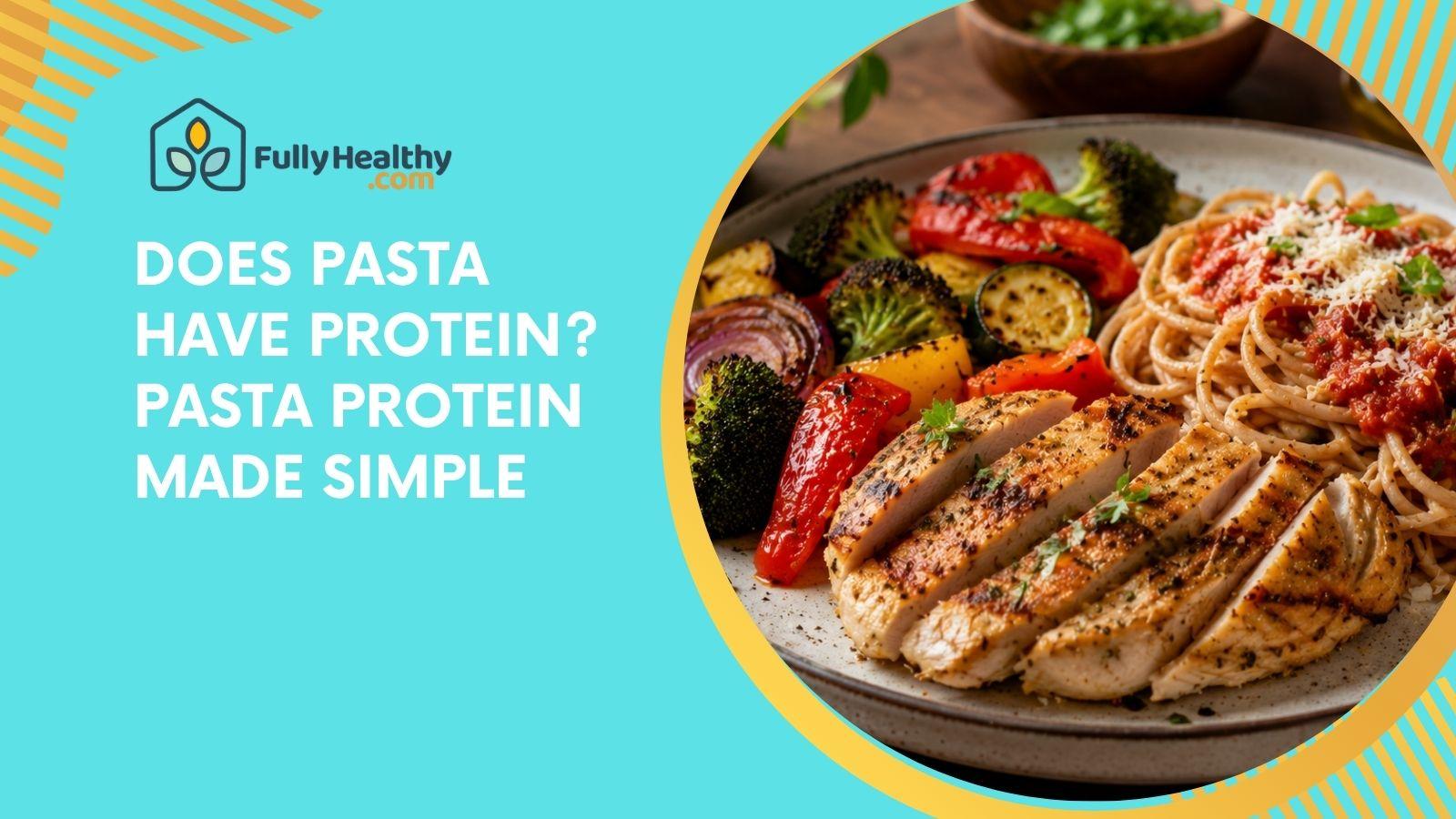
Does pasta have protein? Yes, it does. Most regular pasta has a small but useful amount of protein. On the other hand, chickpea, lentil, and other high-protein pasta forms usually have more.
Since pasta is still mostly carbs, the best choice will depend on your goals, the size of your serving, and what else is in your meal. This article talks about how pasta and rice are alike and different, as well as whether pasta is healthy and how much protein it has.
Does Pasta Have Protein?
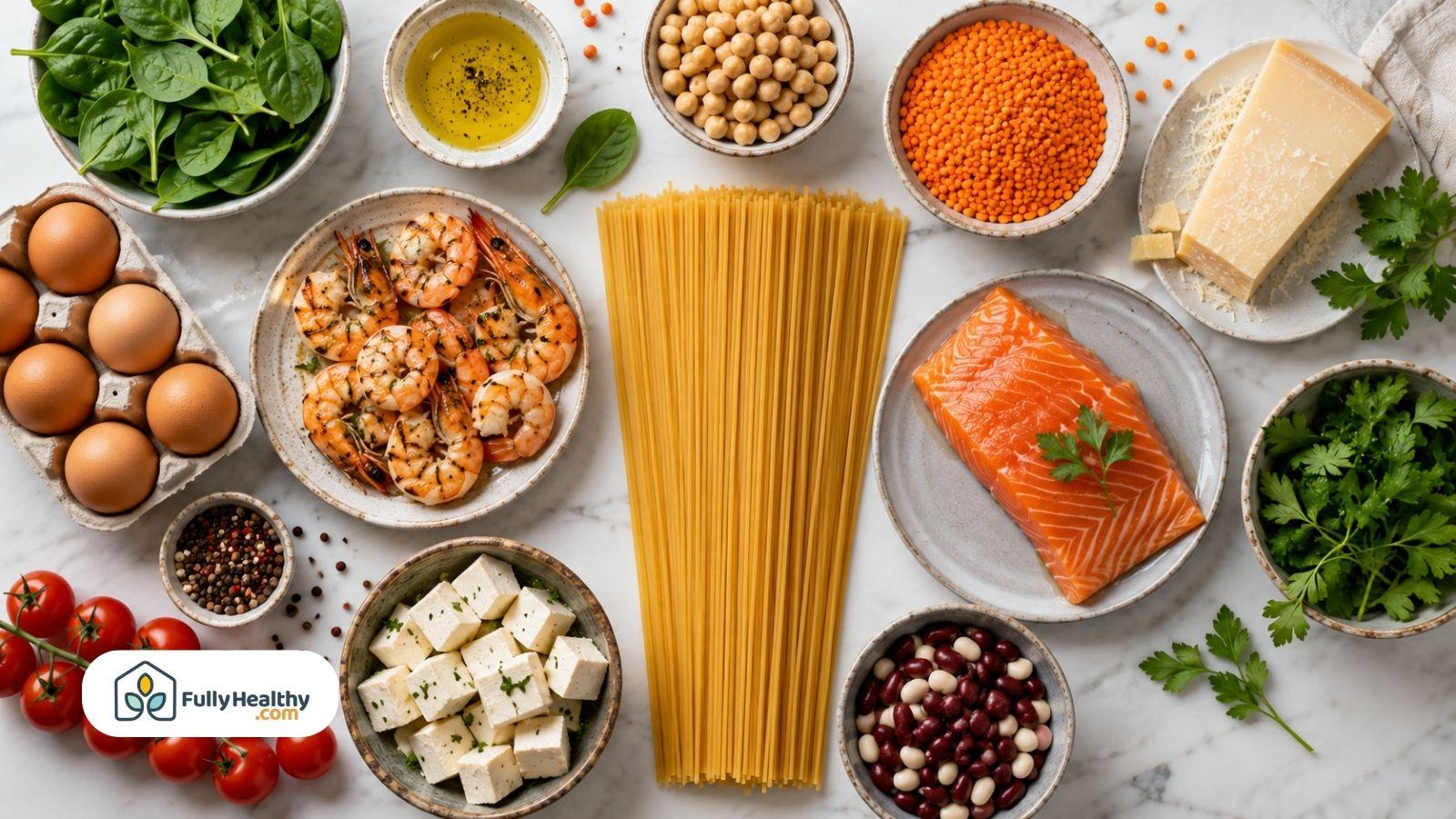
Yes, does pasta have protein? It does. Regular pasta made from wheat flour contains protein, but it is mainly a source of carbs. Protein and energy are both in a serving. Pick lentil pasta, chickpea pasta, or protein pasta if you want more protein. This balance makes it possible to enjoy pasta and get the nutrients you need during a busy day.
How Much Protein Does Traditional Pasta Contain?
Regular wheat pasta provides a modest amount of protein. Wheat contains all essential amino acids, but lysine is present in a relatively low proportion; eating varied protein sources improves overall amino-acid adequacy.
-
Typical Amount: A typical 56 g (2 oz) dry serving of wheat pasta provides approximately 7–8 g of protein; values vary by product.
-
Main Nutrients: Wheat flour supplies carbohydrates, protein, iron, and some minerals.
-
Better Pairing: Add chicken, fish, eggs, tofu, beans, or cheese for enough protein.
-
Balanced Meal: Include vegetables, olive oil, or pasta sauce for more flavor and nutrients.
Does Protein Pasta Offer More Benefits?
Protein pasta often contains legumes, lentils, chickpeas, or added wheat protein. Legume-enriched pasta may increase short-term satiety in some formulations, but effects depend on protein, fiber, processing, portion size, and the overall meal.
-
Higher Protein: Chickpea pasta and lentil pasta usually provide more protein than regular pasta.
-
Extra Benefits: Many options also contain fiber, iron, and useful minerals.
-
Easy Serving: Mix protein pasta with pesto, meat sauce, shrimp, or veggies.
-
Smart Check: Compare equal serving sizes because protein content can vary.
Is Rice Or Pasta Better For Protein?
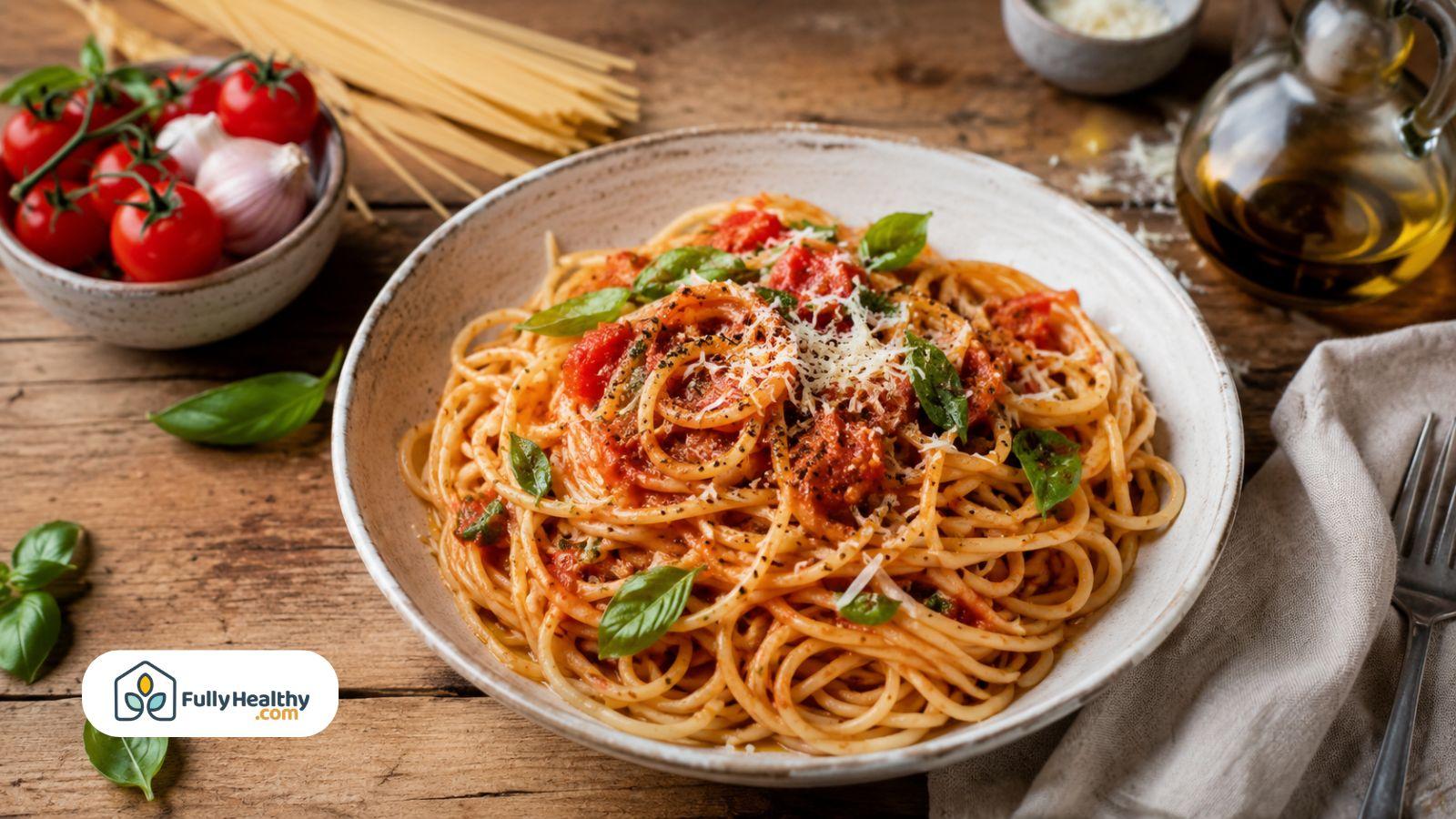
Most of the time, pasta has more protein than white rice. Per equal cooked weight, white rice may contain fewer calories because cooked foods retain different amounts of water; pasta generally provides more protein, while fiber depends on whether the products are refined or whole-grain.
Does Pasta Usually Provide More Protein Than Rice?
When equal cooked portions are compared, pasta often contains more protein than white rice.
-
Direct Comparison: Standard wheat pasta generally contains more protein per 100 g cooked than cooked white rice, although exact ratios vary by product and cooking method.
-
Fair Measure: Compare cooked food with cooked food, using the same weight.
-
Meal Boost: Pair pasta with meat, chicken, eggs, fish, beans, or tofu.
-
Higher Option: Protein pasta can provide an even wider protein range.
When Might Rice Be A Better Choice Than Pasta?
Rice may make sense for people who need a naturally gluten-free food.
-
Gluten-Free Choice: Plain rice is naturally free from gluten.
-
Possible Advantage: Some cooked rice servings contain fewer calories than pasta.
-
Balanced Plate: Add vegetables, lean meat, fish, beans, or eggs.
-
Useful Variety: Switching between rice and pasta can keep meals simple and interesting.
Is Pasta Healthy Yes Or No?

Pasta can be healthy when eaten in sensible portions and paired with nutritious foods. Eating pasta with vegetables, lean protein, and healthy fat can create a delicious, satisfying meal.
Can Pasta Be Part Of A Healthy Diet?
Yes. Pasta provides energy from carbohydrates and also adds protein. Whole-wheat pasta generally provides more fiber than refined pasta, while pasta made predominantly from legumes often provides more protein and fiber; check the nutrition label because formulations vary.
-
Healthy Base: Opt for a sensible portion instead of filling the whole plate.
-
Protein Sources: Add chicken, shrimp, fish, tofu, beans, eggs, or cheese.
-
More Fiber: Choose whole wheat, chickpea, or lentil pasta.
-
Better Balance: Add vegetables and use sauces and oils in portions consistent with your energy and health needs; a sauce’s nutritional value depends on its ingredients and serving size.
What Factors Make A Pasta Meal More Nutritious?
The ingredients you add can improve nutrition and taste. A simple pasta sauce, pesto, meat sauce, seafood, or vegetables can create a balanced meal.
-
Add Vegetables: Mix veggies into spaghetti for fiber and minerals.
-
Boost Protein: Add chicken, shrimp, tofu, beans, fish, or lean meat.
-
Use Cheese Wisely: Add cheese in a small amount for flavor and protein.
-
Good Example: Pair pasta with vegetables, olive oil, and fish for balanced benefits.
Does The Protein From Pasta Count?
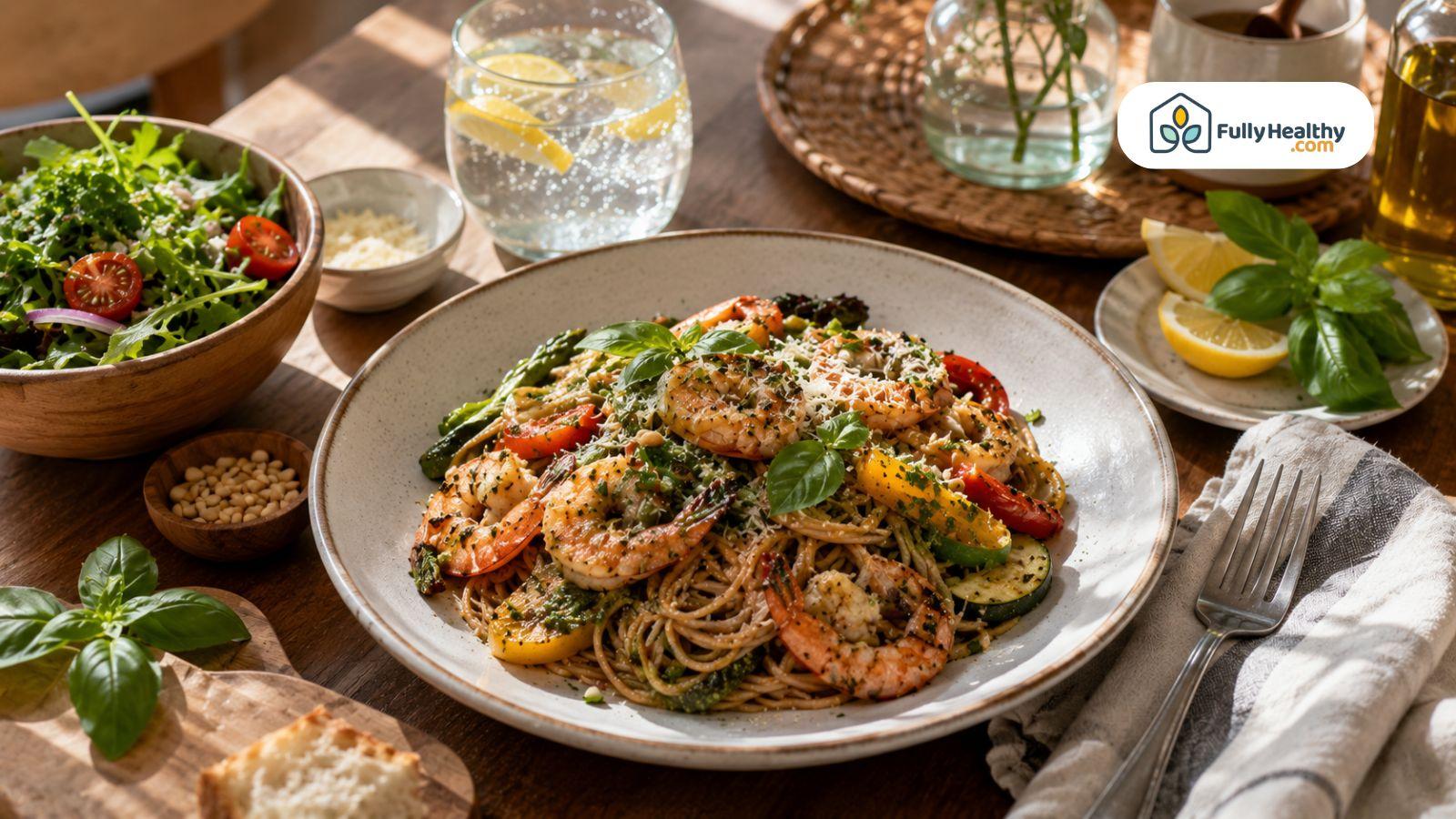
Yes, the protein in pasta counts toward daily intake. Pasta is not the richest source, but every gram supports your nutrition. Wheat pasta contains all essential amino acids, but its protein quality is limited mainly by its relatively low lysine content.
Eating a variety of foods is the best way to go about it. When you're consuming pasta with other foods, the protein content goes up and you feel full.
Does Pasta Protein Count Toward Daily Protein Intake?
Protein from pasta counts like protein from bread, potatoes, and other plant foods. Wheat protein has a less balanced essential-amino-acid profile than many animal proteins, but varied foods eaten across the day can provide complementary amino acids.
This simple method gives readers flexibility while supporting steady nutrition throughout breakfast, lunch, and dinner.
-
Daily Contribution: Every gram of protein in pasta adds to your daily total.
-
Stronger Meal: Pair pasta with eggs, beans, cheese, fish, or meat for a protein punch.
-
Balanced Sources: Combine pasta with other sources of protein to improve amino acid balance.
-
Simple Goal: Aim to eat varied protein-rich foods instead of relying on one item.
When Does Protein Counting Require Medical Guidance?
Most healthy adults do not need to track protein gram by gram when consuming a varied diet, although athletes, older adults, pregnant people, and individuals with certain medical conditions may benefit from individualized guidance.
However, some medical conditions require strict limits. These rules should come from a doctor or registered dietitian, not general advice online.
-
Medical Support: Follow the plan given by your healthcare professional.
-
Everyday Nutrition: Most people can focus on balance, variety, and sensible portions.
-
Important Difference: Clinical protein counting is not the same as normal healthy eating.
-
Reliable Advice: If you hear conflicting claims, choose guidance from a qualified professional.
How Can Fully Healthy Help With Specialty-Diet Shopping?
Shopping for specialty foods can be difficult, especially for people following gluten-free or allergen-conscious diets. Fully Healthy helps shoppers discover suitable products in one place. Its categories make it easier to compare options.
How Can FullyHealthy Simplify Specialty-Diet Shopping?
Fully Healthy groups products by dietary need to save time and reduce confusion. Shoppers can explore foods without visiting several stores. They should still check ingredient lists because recipes and labels can change.
-
Easy Browsing: Search by dietary category instead of checking many stores.
-
Clear Options: Review gluten-free and allergen-conscious products in one place.
-
Better Decisions: Compare ingredients, sizes, and prices before choosing a product.
-
Label Check: Always read the latest package details before buying.
Which Products Were Verified On FullyHealthy?
The reviewed FullyHealthy homepage listed several specialty products. Stock can change. Checking the current website is the best way to confirm availability.
-
Verified Sweeteners: Big Tree Farms Organic Brown Coconut Sugar, Bob’s Red Mill Organic Coconut Sugar, Coombs Family Farms Organic Maple Sugar, Coombs Family Farms Organic Maple Syrup, and Date Lady Date Sugar were listed.
-
Verified Mixes: EAT G.A.N.G.S.T.E.R Cut-Out Sugar Cookie Mix, Banana Bread Mix, and Chewy Choconot Brownie Mix were also shown.
-
Shopping Value: Discover new options by reviewing updated collections and product details.
-
Final Reminder: Prices, stock, and product choices may be lower or higher over time, so confirm current listings before ordering.
Final Thoughts
Does pasta have protein? Yes, and it can be part of a healthy diet when enjoyed in the right portions. Pair pasta with protein-rich foods, vegetables, and other foods to create a balanced meal. Simple cooking methods and nutritious toppings make a big difference.
Aim to fill about half the plate with fruits and vegetables, or emphasize non-starchy vegetables according to the dietary framework being used.
FAQs
Can I Eat Pasta Every Day?
Pasta can be eaten regularly as part of a nutritionally adequate diet, but whether daily intake is appropriate depends on overall dietary variety, portion size, health conditions, and individual energy needs.
Is Pasta Considered A Bad Carb?
No, pasta is not a bad carb because it can fit into a balanced diet, especially when served with protein, fiber-rich vegetables, and healthy toppings.
Is Pasta Healthier Than Bread?
Pasta and bread can both be healthy choices, but the better option depends on the ingredients, portion size, and what you eat with them.
What Pasta Is High In Protein?
However, protein content varies substantially among brands and some products contain blends with only modest increases.
Is Pasta High In Calories?
Plain cooked pasta has moderate energy density, but calorie intake depends on the cooked portion, water content, added fats, sauces, cheese, and other toppings.
Leave a comment