

Does Pink Himalayan Salt Have Iodine? What Every Shopper Should Know
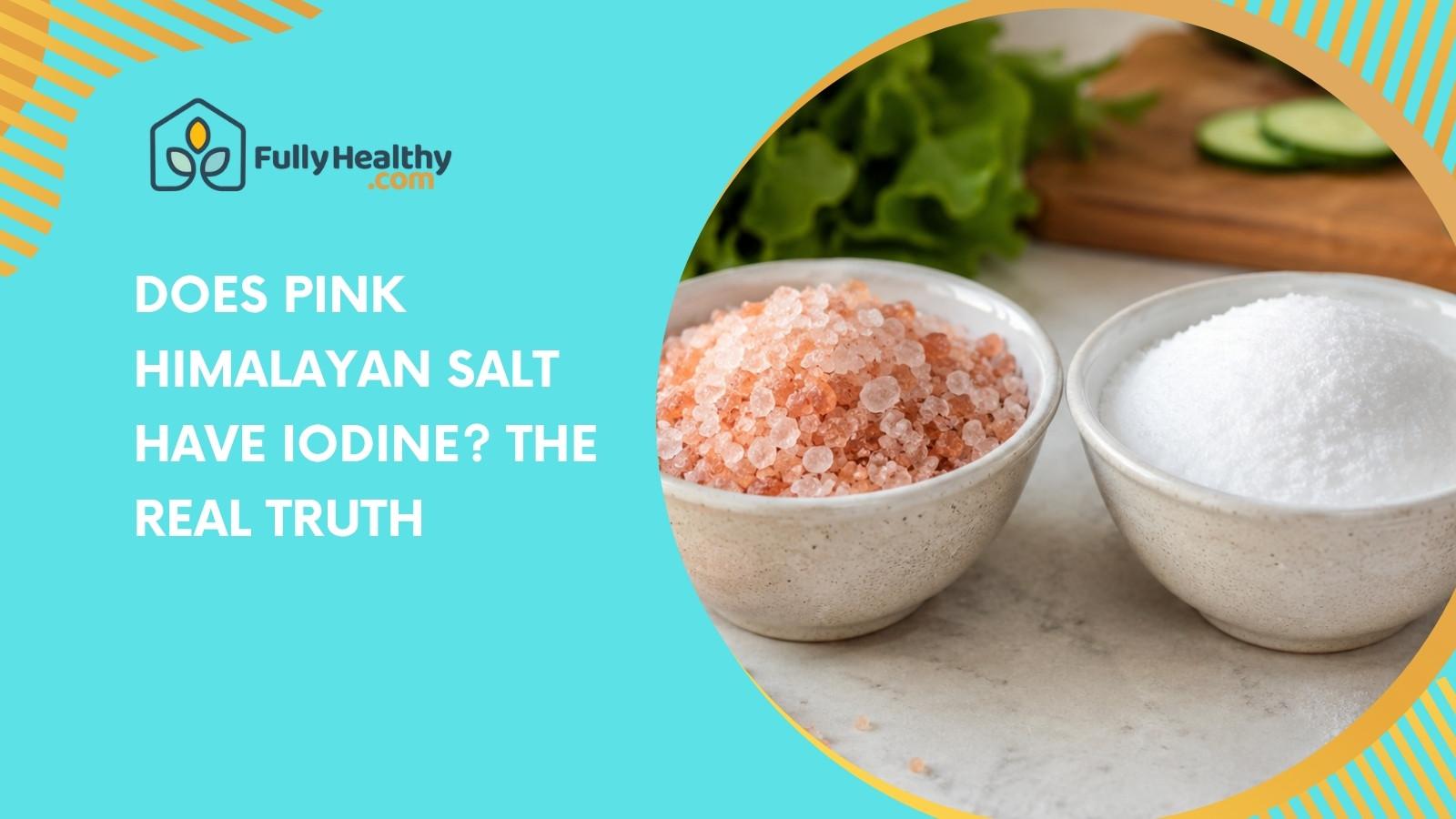
Does pink Himalayan salt have iodine? Usually, only in tiny natural amounts. Most pink salt is not iodized, so it should not be your main source of iodine. Iodized salt is more reliable for supporting normal thyroid function and helping prevent iodine deficiency.
Pink salt may offer flavor, color, and trace minerals, but these do not make it nutritionally superior. This guide explains how both salts compare, which option supports iodine needs, and what to check carefully on product labels.
Does Pink Himalayan Salt Have Iodine?
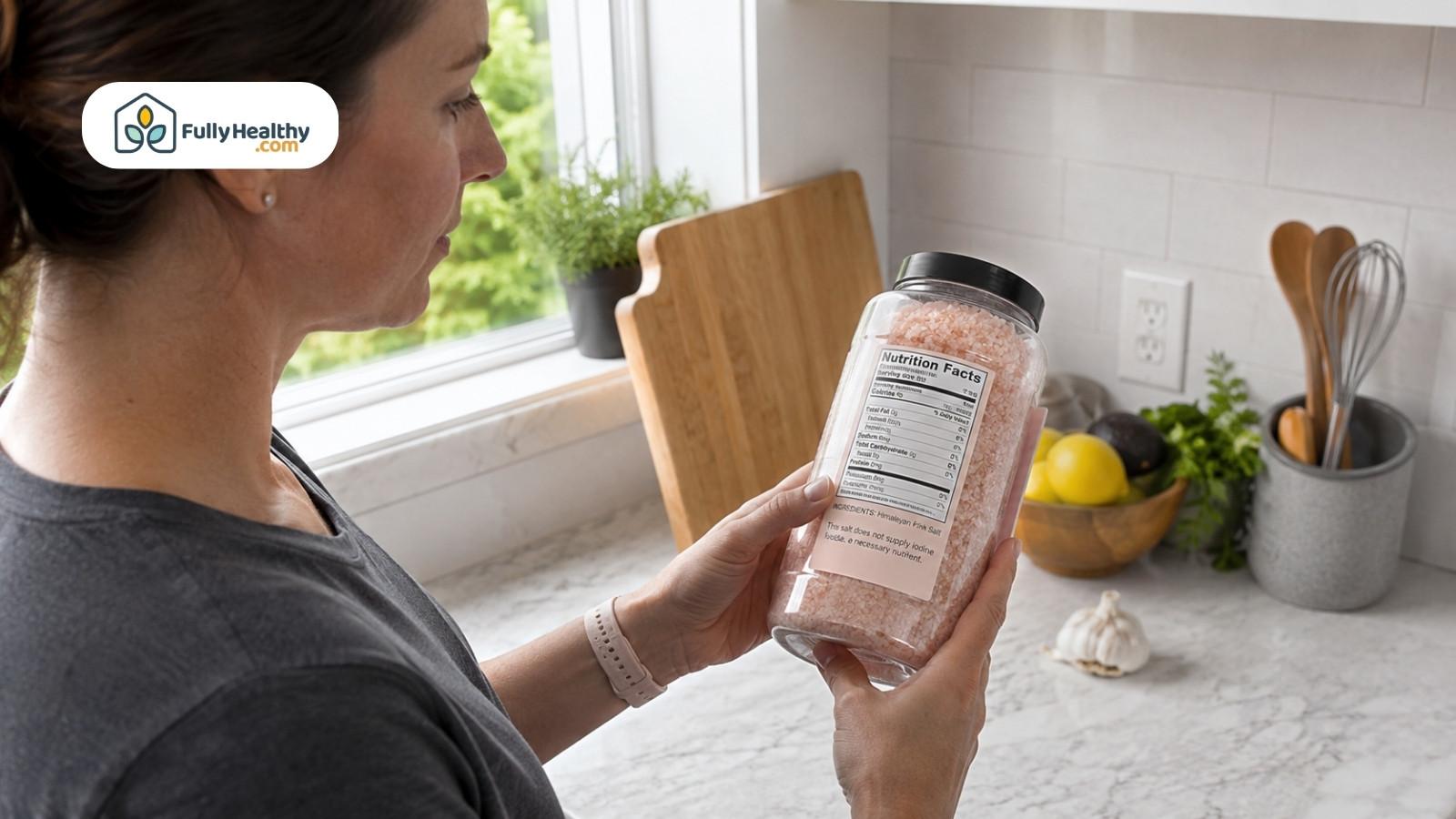
Pink Himalayan salt is often marketed as a natural and healthier alternative. But does pink Himalayan salt have iodine? Usually, it contains only tiny natural traces and is not iodized unless the label says so. Most people should not rely on authentic Himalayan salt alone for iodine intake because the amount is too low and may vary by product.
Does Pink Himalayan Salt Have Iodine Naturally or Is It Usually Non-Iodized?
Pink salt is a type of rock salt mined in Pakistan near the Himalayan mountain range. Like table salt, it is mostly sodium chloride. It also contains small amounts of other minerals, including iron oxides, which give it its pink color. These extra minerals do not provide enough iodine for daily needs.
-
Natural iodine: Himalayan sea salt may contain tiny traces of iodine, but the amount is not consistent.
-
Salt iodization: Regular table salt and ordinary table salt are often fortified with iodine to help prevent iodine deficiency disorders.
-
Label check: Not every salt range contains added iodine, so always read the package carefully.
-
Best use: Choose iodized regular salt for iodine, and use pink salt mainly for taste or texture.
Why Do Many People Think Himalayan Pink Salt Contains More Iodine?
Many health claims focus on the idea that pink salt contains more minerals. While it does have other minerals, the amounts are very small. You would need to eat too much salt to gain real health benefits from them, which could lead to excessive sodium intake.
-
Trace minerals: Extra minerals do not replace the iodine found in iodized salt.
-
Marketing myths: Salt lamps and colorful crystals may look appealing, but they do not prove better nutrition.
-
Sodium risk: Too much sodium may raise the risk of high blood pressure, fluid retention, and kidney disease.
-
Practical choice: Enjoy pink salt for its salty flavor or use it as a finishing salt, not as your main iodine source.
Is Himalayan Pink Salt Good for the Thyroid?
The thyroid needs iodine to make hormones that control energy, growth, and metabolism. Pink salt itself is not harmful, but replacing iodized salt with non-iodized salt may lower iodine intake over time. What matters most is whether the salt has added iodine, not its color, price, or origin.
Why Does the Thyroid Depend on Adequate Iodine Intake?
The body cannot make iodine, so it must come from food. Without enough iodine, the thyroid may struggle to produce hormones. This is why iodized white table salt is widely used along with a balanced diet.
-
Thyroid support: Enough iodine helps the thyroid make hormones normally.
-
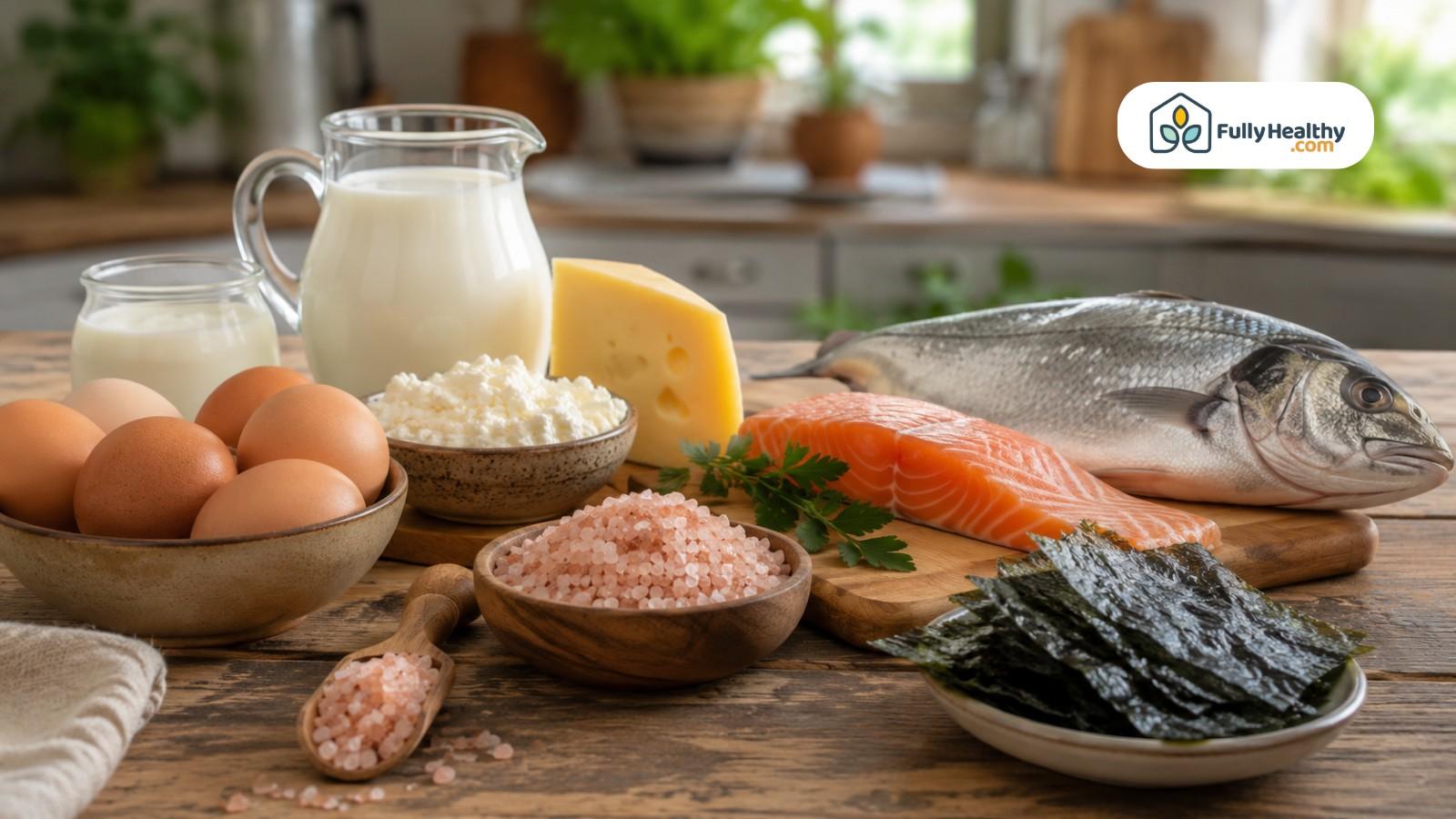
Food sources: Dairy products, seafood, eggs, and fortified foods may also provide iodine.
-
Body function: Thyroid hormones support energy use, growth, and fluid balance.
-
Daily need: Adults consume iodine regularly because the body cannot store large amounts.
Can Pink Himalayan Salt Replace Iodized Salt for Thyroid Health?
Pink salt should not replace iodized salt if your goal is to prevent iodine deficiency. Coarse salt, finely ground pink salt, kosher salt, and sea salt may taste different, but they usually do not contain enough iodine unless the label says “iodized.”
-
Cooking choice: Use Himalayan salt for flavor, texture, or seasoning blends.
-
Nutrition: Iodized ordinary table salt remains a practical choice for everyday cooking.
-
Moderation: Do not increase salt intake to get more iodine because too much sodium can harm your health.
-
Extra support: Ask a healthcare professional before using dietary supplements for iodine.
What Is the Best Salt for Iodine Deficiency?

The best salt for iodine deficiency is one clearly labeled iodized. Sea salt, kosher salt, other salt varieties, and Himalayan products are not reliable iodine sources unless iodine has been added. The label matters more than whether the salt is pink, white, coarse, or finely ground.
Which Salt Provides the Most Reliable Source of Iodine?
Iodized table salt is made to provide a steady amount of iodine. In contrast, authentic Himalayan salt and many sea salt products contain only small and uneven amounts.
-
Reliable choice: Iodized table salt offers a more predictable iodine level.
-
Natural salts: Himalayan sea salt, rock salt, and kosher salt can vary in mineral content.
-
Texture difference: Coarse salt and finely ground salt mainly differ in cooking use, not iodine value.
-
Key point: Check the label instead of assuming one salt is a healthier alternative.
How Can You Get Enough Iodine Without Consuming Excess Salt?
You do not need to raise the sodium content of your diet to meet iodine needs. Use iodized salt in small amounts and include iodine-rich foods in your meals. This supports better health without causing excessive sodium intake.
-
Balanced diet: Include dairy products, seafood, eggs, and fortified foods when suitable.
-
Moderation: Avoid too much salt and do not use salt water as an iodine solution.
-
Heart health: Control your overall salt intake to lower the risk of high blood pressure.
-
Smart choice: Use iodized salt for iodine and pink salt mainly as a finishing salt.
Is Pink Himalayan Salt Better for You Than Iodized Salt?
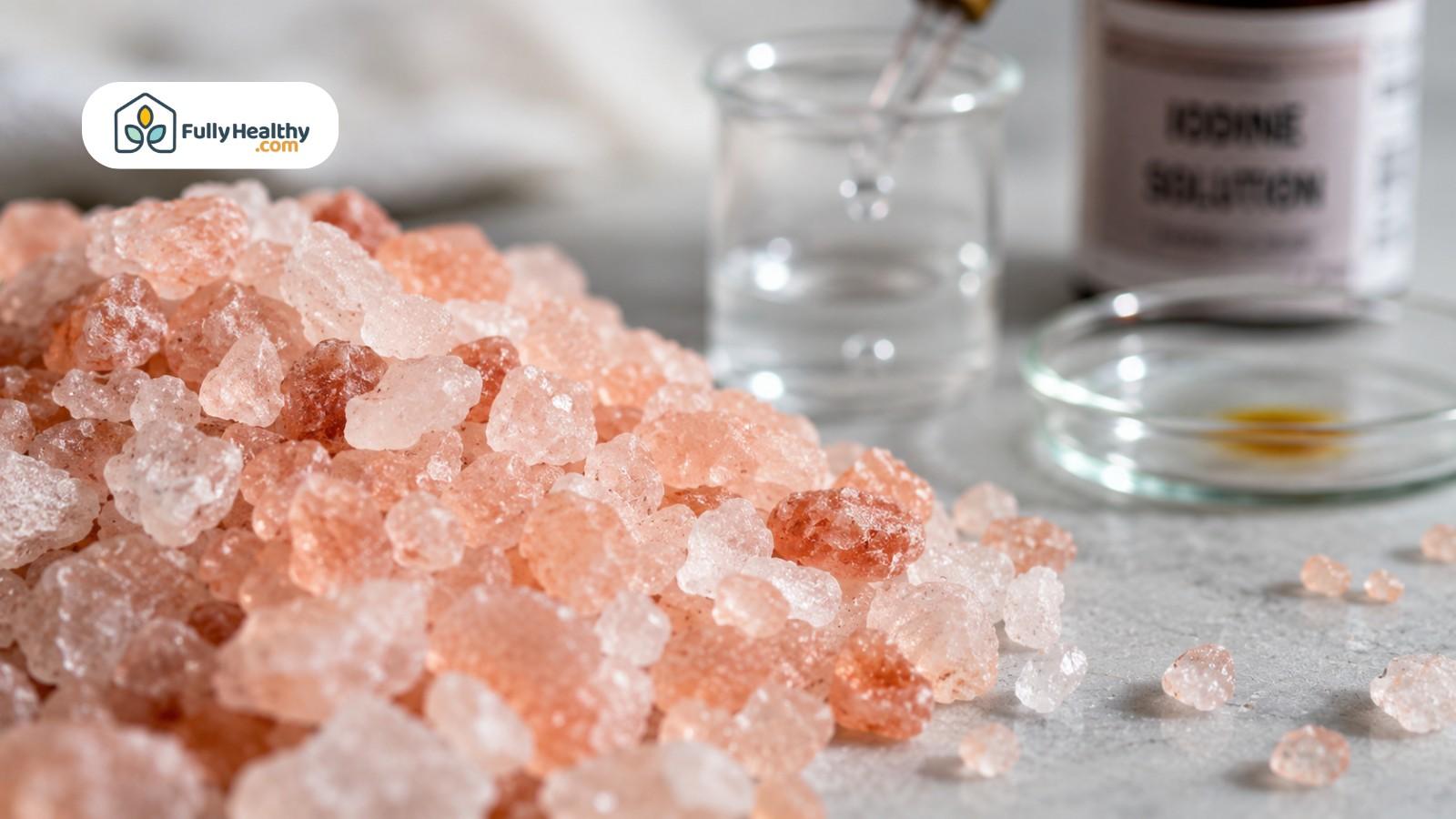
Many view pink Himalayan salt as healthier than iodized salt. However, both are sodium chloride and should be used in moderation. Pink salt is minimally processed and contains tiny amounts of additional minerals, but these differences do not make it healthier.
What Are the Biggest Nutritional Differences Between Pink Salt and Iodized Salt?
Pink Himalayan salt contains trace amounts of calcium, potassium, and magnesium. These may sound beneficial, but the amounts are too small to offer major health benefits. Eating larger quantities to get more minerals could raise the risk of heart disease and kidney problems.
-
Mineral content: Pink salt contains tiny amounts of calcium, potassium, magnesium, and other minerals.
-
Iodine benefit: Iodized salt has added iodine, while most pink salt does not.
-
Safety: Some natural salts may contain trace amounts of heavy metals, although levels vary.
Which Salt Should You Choose for Everyday Cooking?
The better choice depends on your nutrition needs and cooking style. Iodized salt works well for meals because it provides iodine. Pink Himalayan salt is better for flavor, texture, and appearance. It does not support weight loss or offer proven benefits in larger quantities.
-
Daily cooking: Use iodized salt in soups, vegetables, sauces, and baked goods.
-
Finishing dishes: Add pink salt after cooking for texture and a mild salty taste.
-
Key concern: Most Americans eat enough sodium, but some may miss iodine if they avoid iodized salt.
How Can FullyHealthy Help You Find Himalayan Pink Salt Products?
FullyHealthy offers specialty foods made with Himalayan pink salt. The store focuses on gluten-free, AIP-friendly, Paleo, and allergen-aware products. It helps shoppers compare ingredients and find pantry items for dietary needs.
Which Himalayan Pink Salt Products Can You Buy From FullyHealthy?
FullyHealthy carries products that use Himalayan pink salt for flavor. These items are convenient, but they are not promoted as reliable iodine sources.
-
Himalayan Sunrise: Popped water lily seeds made with avocado oil, turmeric, and Himalayan pink salt.
-
Paleo Powder Seasoning: An all-purpose blend with Himalayan pink salt, garlic, onion, cumin, peppers, and chili powder.
-
EPIC Pork Rinds: Oven-baked pork rinds seasoned with pink Himalayan sea salt and sea salt.
Why Shop for Specialty Diet Foods Through FullyHealthy?
FullyHealthy groups specialty foods into categories, making it easier to shop for AIP, gluten-free, Paleo, and allergen-aware products. The site saves time for people checking labels. Still, product descriptions should not replace medical advice, even when written by someone with a bachelor's degree.
-
Curated selection: Find specialty snacks, seasonings, and pantry staples in one place.
-
Diet-friendly choices: Browse products for specific eating plans and ingredient limits.
-
Realistic expectations: Buy these foods for taste and convenience, not unproven medical benefits.
Final Thoughts
Pink Himalayan salt can add flavor and texture to meals, but it is not a dependable source of iodine. While it contains small amounts of natural minerals, these are not enough to replace iodized salt for most people.
If your goal is to support thyroid health and avoid iodine deficiency, choose iodized salt as part of a balanced diet and use pink salt mainly for culinary purposes.
It is also wise to watch your overall sodium intake, regardless of the type of salt you use. Reading product labels and following evidence-based nutrition advice can help you make informed choices that fit your health needs and everyday cooking preferences.
FAQs
Can pink Himalayan salt support normal body functions?
Yes, it adds flavor to food, but muscle contraction and other essential body functions depend on an overall balanced diet rather than pink salt alone.
Does pink Himalayan salt contain ingredients besides salt?
Natural pink salt mainly contains sodium chloride and trace minerals, while some table salts may include other additives to prevent clumping.
Is iodized salt still the best choice for iodine?
Yes, iodized salt remains the most reliable option for meeting iodine needs because most pink Himalayan salt is not fortified with iodine.
Should I replace table salt with pink Himalayan salt?
You can use pink salt for taste and texture, but replacing iodized salt completely may reduce your iodine intake.
Is pink Himalayan salt healthier than regular table salt?
Both can be part of a healthy diet when used in moderation, but the biggest nutritional difference is that iodized table salt provides added iodine.
Leave a comment