

Does Salt Have Calories? Facts About Sodium, Weight, and Health
Does salt have calories? The short answer is no. Pure salt contains zero calories because it is made of sodium chloride, a mineral that does not provide energy. Even so, salt still affects your body in important ways, from fluid balance to blood pressure.
This guide explains how salt fits into a healthy diet, how much you should eat, and how it compares with sugar for calories and overall health.
Does Salt Have Calories?
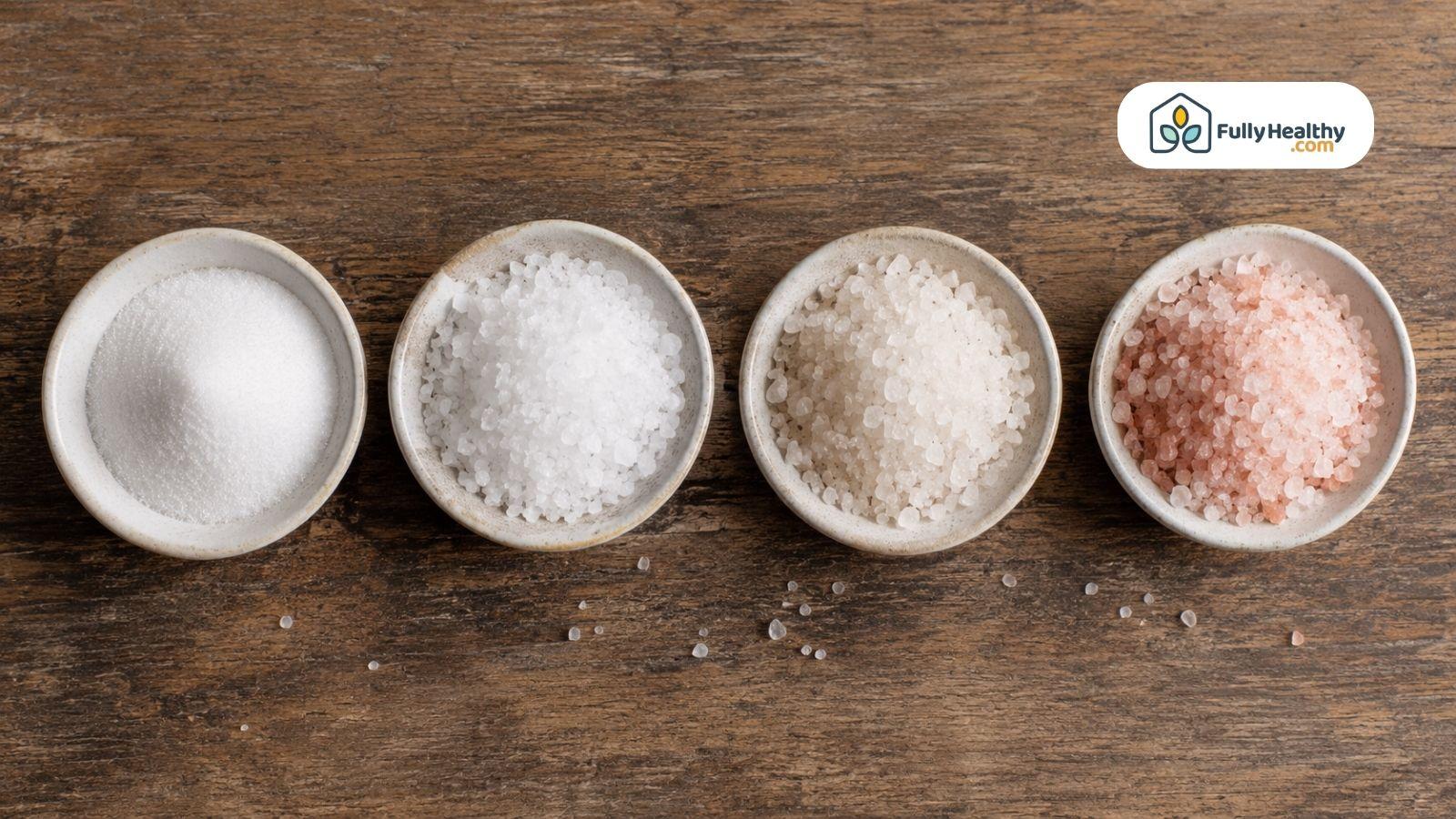
No, salt does not have calories. Pure salt is made of sodium chloride, a mineral that contains no carbohydrates, protein, or fat, so it cannot provide energy. This applies to table salt, sea salt, kosher salt, and Himalayan pink salt.
Why Salt Contains Zero Calories
Salt does not contain calories because it is a mineral rather than a source of energy. The body only gets calories from carbohydrates, protein, and fat, so sodium chloride cannot contribute calories to your diet regardless of how much you use.
-
Sodium chloride: The chemical name for salt and the primary compound found in table salt, sea salt, kosher salt, and Himalayan pink salt.
-
Table salt: Refined table salt contains virtually 100% sodium chloride and remains calorie-free.
-
Sea salt: Sea salt is produced by evaporating sea water and contains no calories despite containing small amounts of trace minerals.
-
Kosher salt: Kosher salt has larger crystals than table salt but does not contain calories.
-
Food palatability: Salt improves the flavor of food without adding calories or affecting its energy value.
-
Contribute calories: Salt does not contribute calories because minerals cannot provide energy.
Sodium, Minerals, And The Nutritional Value Of Salt
Although salt does not provide energy, sodium is an essential mineral that supports fluid balance, nerve function, muscle contractions, and healthy blood flow. The nutrition facts label lists sodium content in mg of sodium because sodium affects health, even though it contains zero calories.
-
Essential mineral: Sodium helps regulate fluid balance and supports normal nerve and muscle function.
-
Nutrition facts: The nutrition facts label shows sodium content instead of calories for salt products.
-
Table salt added: Most table salt added to foods is iodized to help people meet their iodine needs.
-
Trace minerals: Himalayan pink salt and sea salt contain trace minerals, but the amounts are too small to provide meaningful nutritional benefits.
-
Overall health: Following dietary guidelines for sodium daily intake can help reduce excess sodium while supporting overall health.
Is Salt Bad When Trying To Lose Weight?
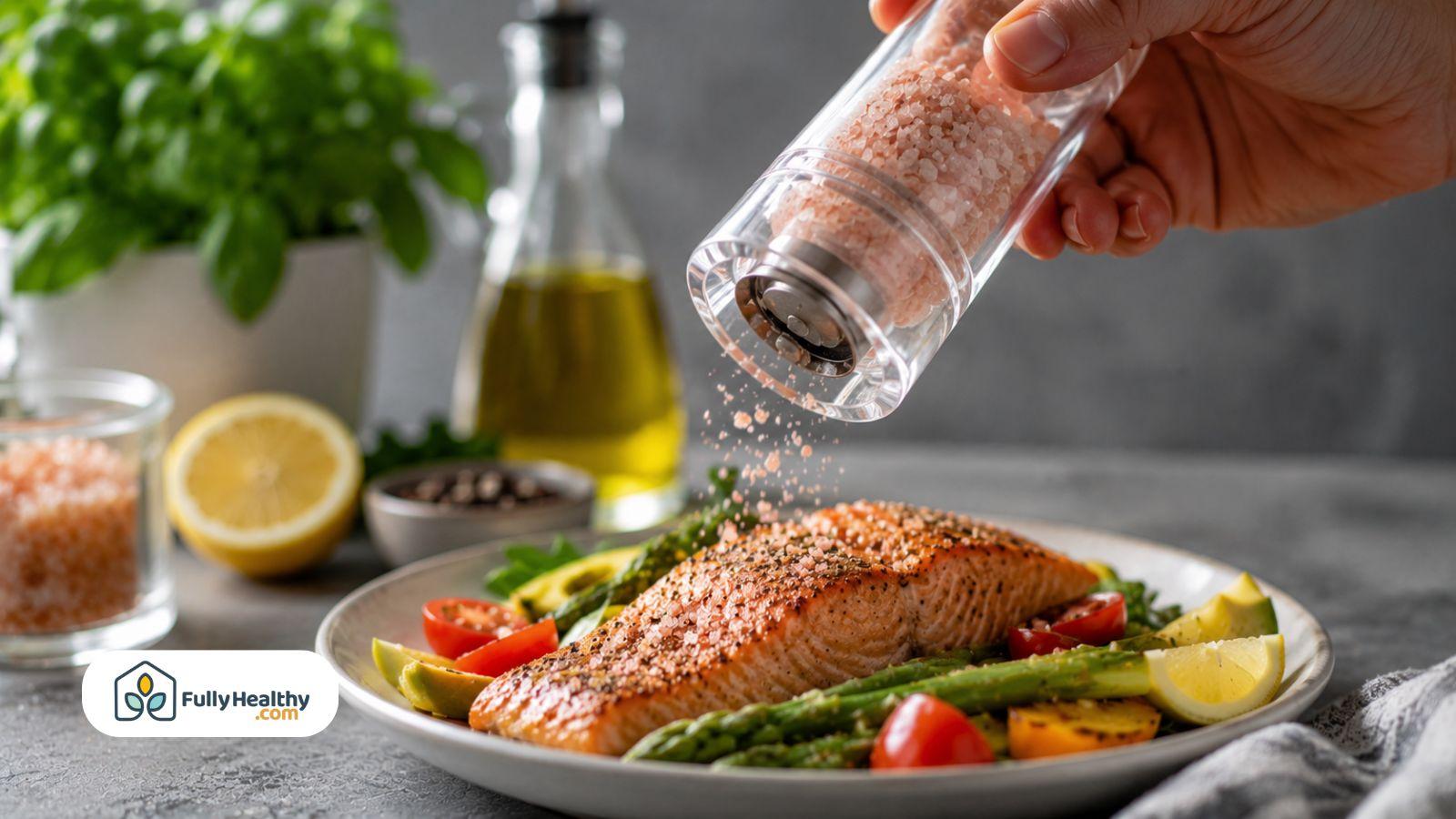
No, salt is not inherently bad for weight loss. It contains zero calories, but consuming too much sodium can cause temporary water retention and make the scale go up without increasing body fat.
Salt, Water Retention, And The Number On The Scale
Salt can make your body weight increase temporarily because it causes fluid retention, not fat gain. When you consume too much sodium, your body holds onto extra water to maintain fluid balance, which can make the scale show a higher number for a short time.
-
Water retention: High sodium intake causes the body to retain more water instead of storing more body fat.
-
Fluid retention: Extra fluid increases body weight temporarily but usually goes away after sodium intake returns to normal.
-
Increased blood volume: Too much sodium increases the amount of fluid in the bloodstream, leading to increased blood volume.
-
Blood pressure: Increased blood volume places more pressure on blood vessels, which can contribute to elevated blood pressure over time.
-
High salt intake: Frequent excessive sodium intake is linked to an increased risk of high blood pressure, heart disease, and kidney disease.
Managing Sodium While Following A Weight Loss Diet
A healthy weight loss plan focuses on your overall diet rather than eliminating salt completely. Lowering sodium intake by choosing fresh foods over processed foods can reduce bloating while supporting better dietary patterns.
-
Processed foods: Some packaged foods contain too much sodium along with excess calories, saturated fats, and added sugars.
-
Fresh vegetables: Fresh vegetables, whole grains, and lean proteins naturally contain less sodium than many packaged foods.
-
Lower sodium intake: Reading the nutrition facts label makes it easier to compare the mg of sodium in different foods.
-
Salt substitutes: Herbs, spices, and salt substitutes can add flavor while helping you use less sodium.
-
Weight loss: Regular physical activity, balanced meals, and moderate salt intake support long-term weight loss more effectively than avoiding salt alone.
How Much Salt Should You Eat Per Day?
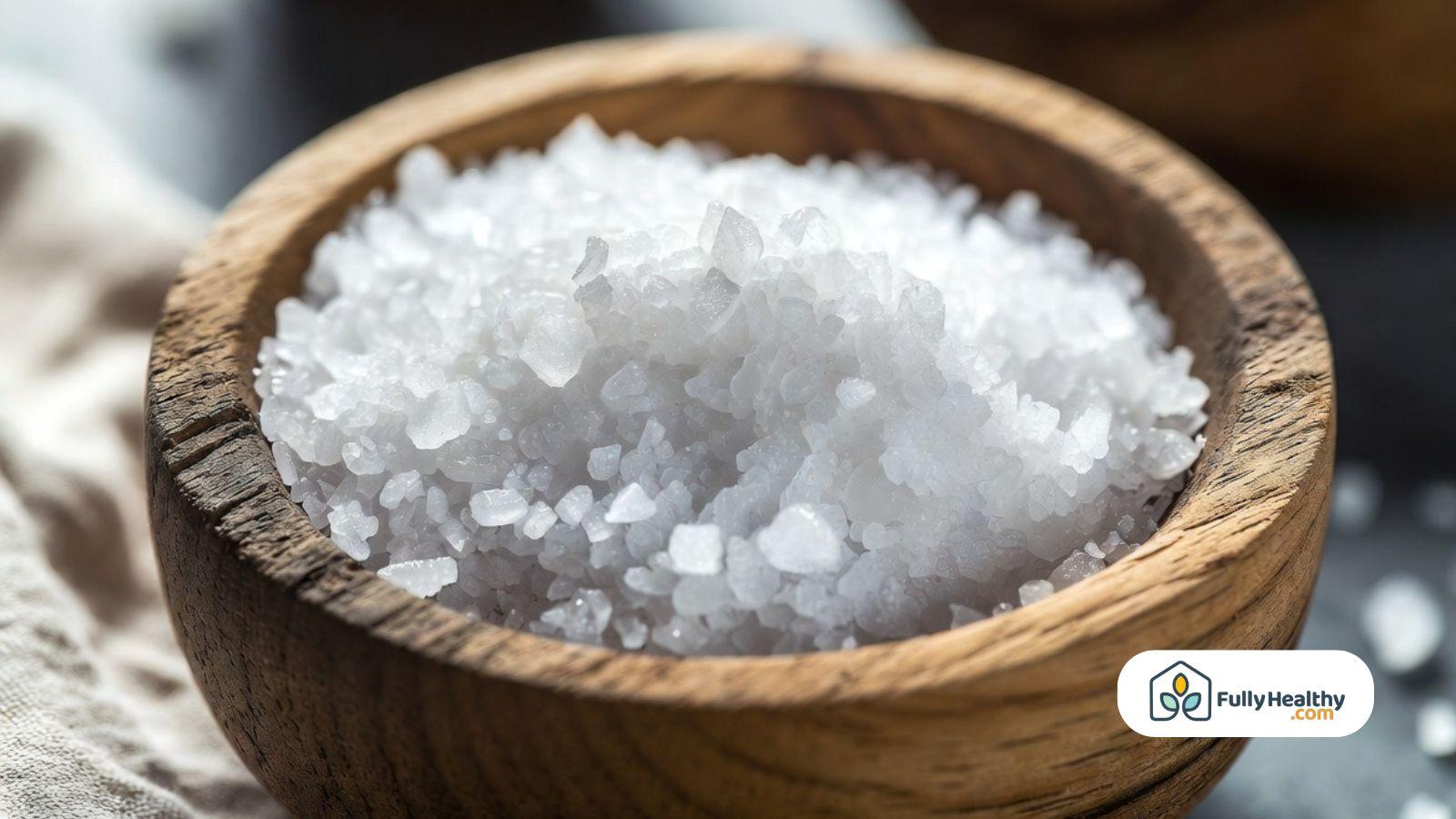
Most adults should consume no more than 2,300 mg of sodium per day, which is about 1 teaspoon (6 grams) of salt. The American Heart Association also recommends an ideal limit of 1,500 mg of sodium per day.
Daily Salt And Sodium Recommendations
Health organizations recommend limiting daily sodium intake because excessive sodium intake can increase the risk of cardiovascular diseases and other health issues. Since salt and sodium are not the same, it is helpful to understand how much sodium is in common serving sizes.
-
Daily sodium intake: Most adults should consume no more than 2,300 mg of sodium per day, or about one teaspoon of table salt.
-
Teaspoon of table salt: One teaspoon of table salt contains approximately 2,300 mg of sodium.
-
Dietary guidelines: Dietary guidelines encourage limiting high sodium intake to support overall health.
-
American Heart Association: The American Heart Association recommends an ideal limit of 1,500 mg of sodium daily for many adults, especially those with elevated blood pressure.
-
How much sodium: Reading food labels makes it easier to understand how much sodium you consume throughout the day.
Practical Ways To Reduce Salt Intake
Reducing salt intake does not mean eating bland meals. Small changes in food choices and cooking habits can help you lower sodium while still enjoying flavorful dishes.
-
Nutrition facts label: Check the nutrition facts label to compare the sodium content of similar products.
-
Fresh vegetables: Build meals around fresh vegetables, fruits, whole grains, and lean proteins instead of processed foods.
-
Seasoned salts: Limit seasoned salts because they often contain added sodium.
-
Salad dressings: Choose lower sodium salad dressings or prepare your own at home.
-
Less sodium: Cook more meals at home and season food with herbs, garlic, onions, lemon juice, or vinegar instead of relying on the salt shaker.
Which Has More Calories, Salt Or Sugar?
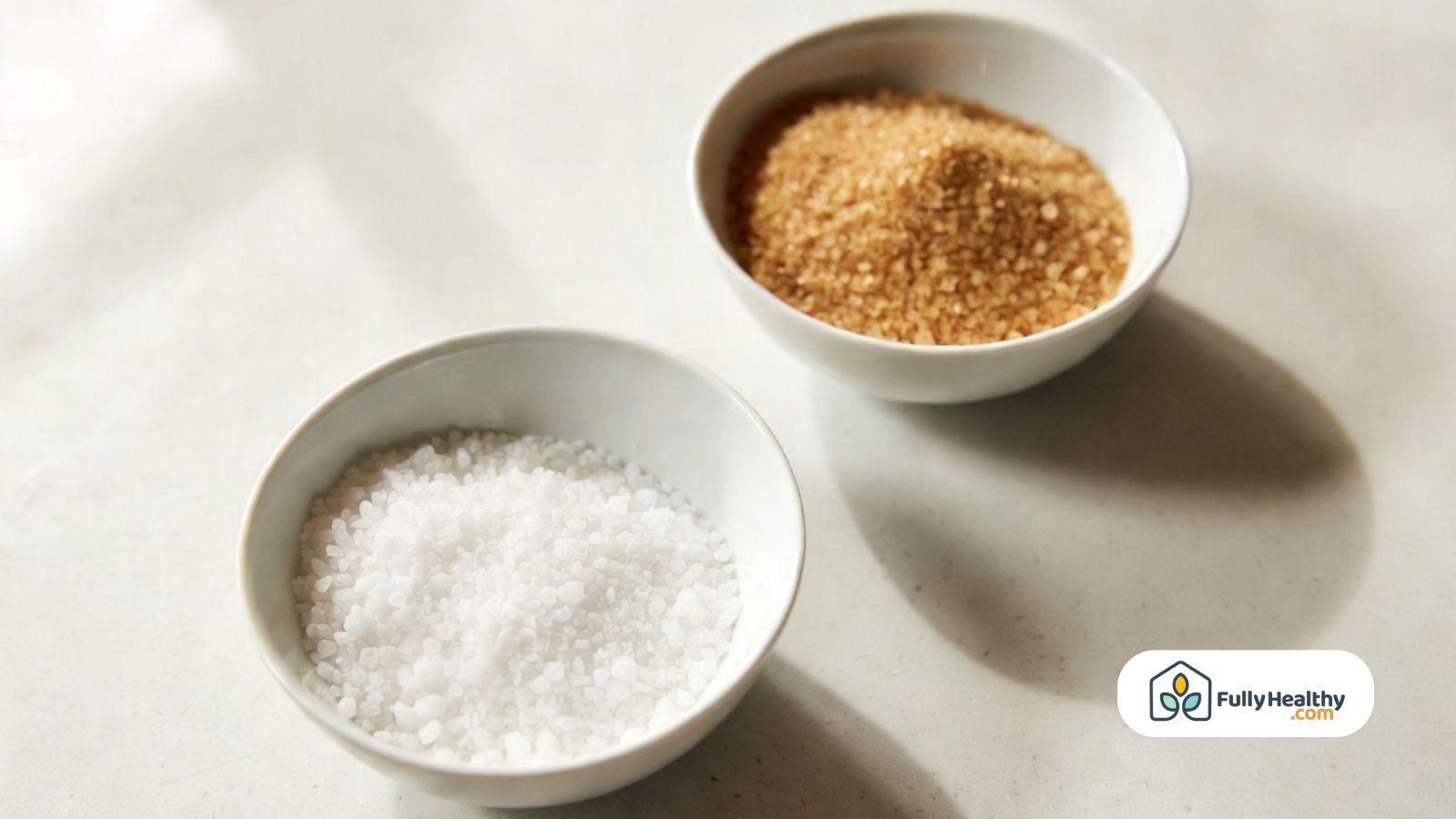
Salt contains 0 calories per gram, while sugar contains about 4 calories per gram, making sugar the higher-calorie ingredient. Salt and sugar are both used to improve the taste of food, but they affect nutrition very differently.
| Feature | Salt | Sugar |
|---|---|---|
| Calories per gram | 0 | About 4 |
| Provides energy | No | Yes |
| Main nutrient | Sodium chloride (mineral) | Carbohydrate |
| Primary role | Adds flavor | Adds sweetness and energy |
| Nutrition label | Lists sodium (mg) | Lists total and added sugars (g) |
-
Contain calories: Salt contains 0 calories per gram, while sugar provides about 4 calories per gram.
-
Provide energy: Sugar supplies energy because it is a carbohydrate, while sodium chloride does not.
-
Food: Both ingredients are widely used in food but serve different nutritional purposes.
-
Daily value: Nutrition labels include a Daily Value for sodium and added sugars to help guide healthier choices.
-
Nutrition facts: Checking the Nutrition Facts label can help you reduce excess sodium and added sugar intake.
How Salt And Sugar Affect Your Health Differently
Too much salt and too much sugar can both affect your health, but they do so in different ways. Limiting both as part of healthy dietary patterns is more beneficial than focusing on only one ingredient.
-
Too much salt: Excessive salt intake can contribute to high blood pressure, increased blood volume, and heart disease.
-
Too much sodium: Too much sodium may increase the risk of kidney disease and cardiovascular diseases over time.
-
Blood vessels: High sodium intake places additional strain on blood vessels by increasing fluid levels in the bloodstream.
-
Saturated fats: Foods high in sodium are also commonly high in saturated fats, especially packaged foods and savory snacks.
-
Dietary patterns: A balanced eating pattern that limits both excess sodium and added sugars supports long-term overall health.
Why Choose FullyHealthy
FullyHealthy offers a wide selection of specialty foods for people following specific dietary lifestyles. Its products are selected to support gluten-free, Paleo, AIP, and other wellness-focused eating patterns.
About FullyHealthy
FullyHealthy specializes in pantry staples and snacks designed for people looking for cleaner ingredients and products that fit specialized diets. The store offers everyday essentials along with unique products that are difficult to find in traditional grocery stores.
-
Specialty products: Shop gluten-free, grain-free, Paleo, AIP, and allergy-friendly foods.
-
Pantry staples: Browse cooking ingredients, seasonings, baking products, snacks, and beverages.
-
Quality brands: FullyHealthy carries trusted brands focused on ingredient quality.
-
Healthy choices: Products are selected to support a variety of dietary needs and preferences.
-
Convenience: Order specialty foods online and have them delivered directly to your home.
Featured Sea Salt Products And Better-For-You Snacks
FullyHealthy carries several sea salt products that work well for everyday cooking and snacking. These options provide convenient choices for people looking for quality seasonings and flavorful snacks.
-
Real Salt Ancient Fine Sea Salt: Unrefined ancient sea salt with a naturally balanced flavor, making it a versatile option for everyday cooking, baking, and seasoning.
-
Real Salt Ancient Fine Sea Salt: A smaller-size version of Real Salt that delivers the same natural taste and mineral content for home kitchens or travel.
-
KC Natural Seasoned Sea Salt: A savory seasoning blend made with sea salt that adds flavor to meats, vegetables, eggs, soups, and other everyday dishes.
-
Artisan Tropic Cassava Strips With Sea Salt: Crispy cassava strips lightly seasoned with sea salt for a simple snack made with recognizable ingredients.
-
Artisan Tropic Plantain Strips With Sea Saltz: Crunchy plantain strips seasoned with sea salt, offering a satisfying alternative to traditional potato chips.
-
Barnana Organic Ridged Plantain Chips Himalayan Pink Salt: Organic ridged plantain chips seasoned with Himalayan pink salt for a crisp texture and balanced salty flavor.
-
Inka Crops Sea Salt Plantain Chips: Thick-cut plantain chips lightly seasoned with sea salt, making them a convenient savory snack.
-
Dang Caramel Sea Salt Coconut Chips: Toasted coconut chips coated with caramel and sea salt for a sweet-and-salty snack with a satisfying crunch.
Final Thoughts
No. Pure salt contains zero calories because it is sodium chloride, not a source of energy. Still, the amount of salt you eat matters since too much sodium can contribute to health concerns like increased blood pressure, even though it does not directly cause weight gain.
Choosing fresh foods over salty foods and following recommended sodium intake can support better long-term health. Use this guide to make informed choices every day.
FAQs
Is anything truly 0 calories?
Yes, pure salt, plain water, and some seasonings are considered 0 calories because they do not provide energy to the body.
Does Salt Make You Gain Calories?
No, salt does not make you gain calories because it contains zero calories, but it can cause temporary water retention that may increase body weight on the scale.
Is 1200 Calories A Day Starving?
Not necessarily. A 1,200-calorie diet may be appropriate for some people under medical guidance, but it is too low for others and should match your individual needs.
Can I Have Salt While Fasting?
Yes, you can have salt while fasting because it contains zero calories and does not raise insulin levels.
Can High Salt Intake And Excess Sodium Affect Your Health?
Yes, high salt intake and excess sodium can raise blood pressure and increase the risk of heart disease and stroke.
Leave a comment