

Does Sugar Expire? The Real Answer + Storage Rules
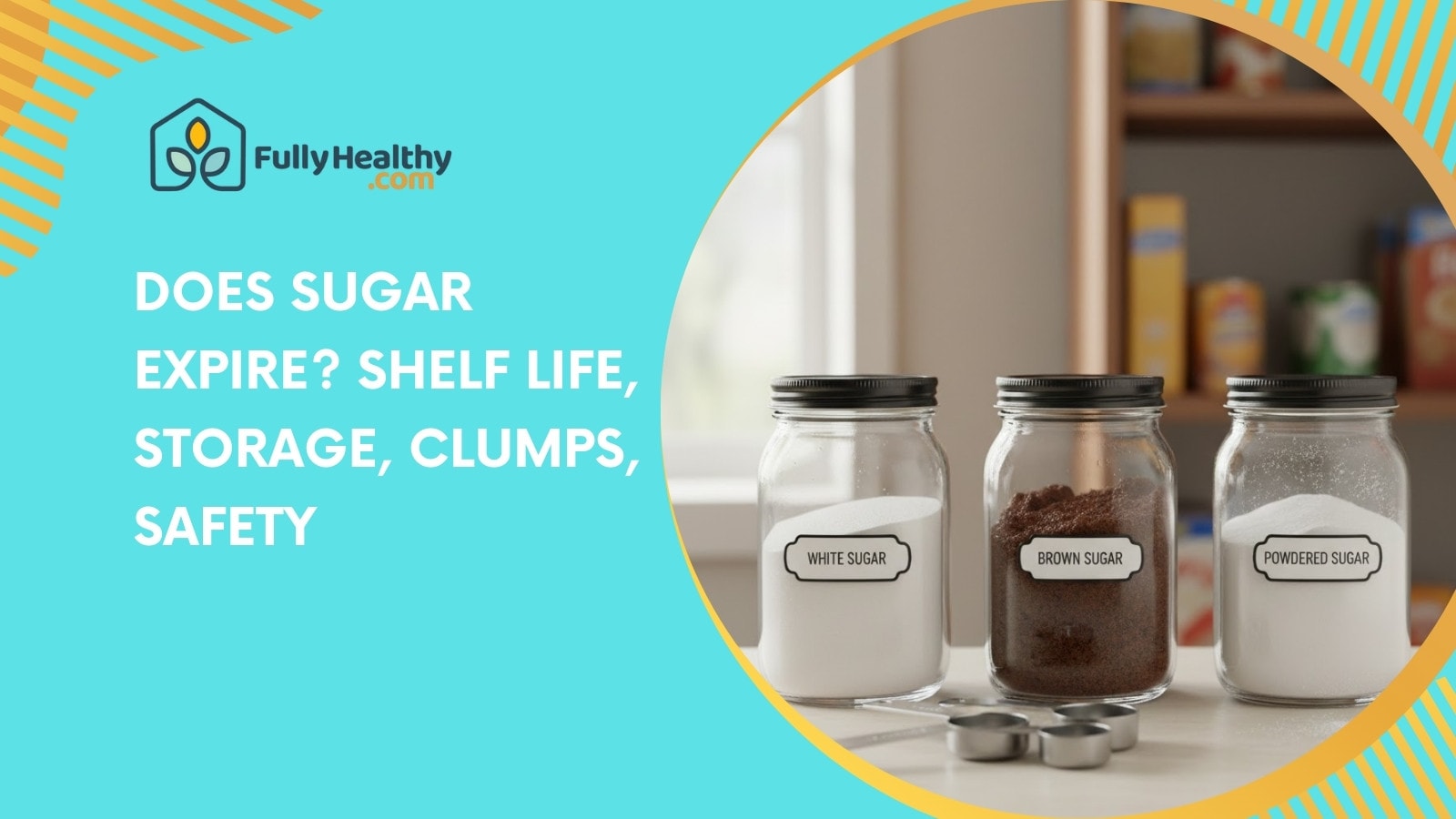
Does sugar go bad? To keep sugar safe for years, most homes don't add water to it. This makes it hard for germs to grow. If you don't store it right, the quality can change it can clump, harden, or pick up smells.
This article tells you how to store white, powdered, and specialty sugars properly at home, how to tell if sugar is really contaminated, and how long sugar keeps its best texture.
🌴 Real Fruit. Real Sweetness. Bake Better with Date Sugar!
Does Sugar Expire?
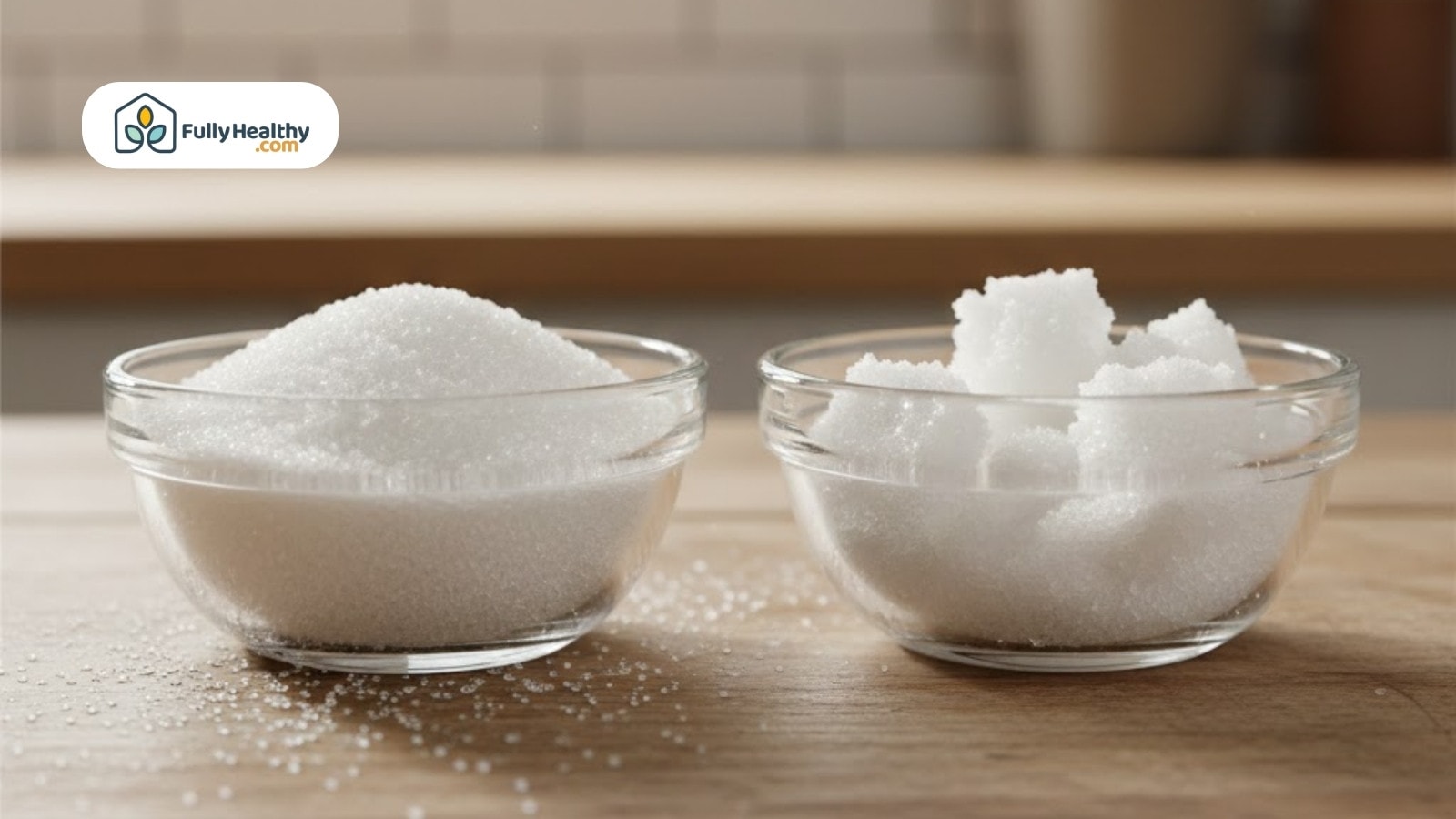
Does sugar expire? Not often, no. Pure sugar doesn't hold much water, so microbes can't grow very quickly and have a hard time living in it. What changes is how long it stays good if it wasn't kept in a cool, dry place the right way.
The Direct Answer: Sugar Rarely Spoils, But Quality Can Drop
Most people think that granulated sugar, granulated white sugar, white sugar, powdered sugar, and raw sugar are safe to eat for years. Most issues are caused by water, strong smells, or pests. Sugar stays easy to use in baking and everyday recipes if you store it well.
-
Why It Lasts: High sugar content means little moisture for microbes to grow.
-
What You May Notice: Lumpy sugar, a hard texture, or a stale taste from odor pickup.
-
Quick Fix: Break clumps, sift if needed, then use it in foods as normal.
Best-By Dates Explained: What They Mean for Texture and Flavor
The date on a bag of sugar's expiration is mostly there to help you judge its quality, not to keep you safe. It can still be used after the printed date if it stayed dry. If you keep the container clean and tightly closed, liquid sugars like maple syrup and corn syrup can crystallize or get thick.
-
What The Date Means: It points to best quality, not the moment sugar becomes unsafe.
-
Clean Handling Matters: Use dry spoons and keep lids clean to avoid added moisture.
-
Odor Protection: Store it away from strong-smelling foods, salt, and cleaners.
Is 5 Year Old Sugar Still Good?
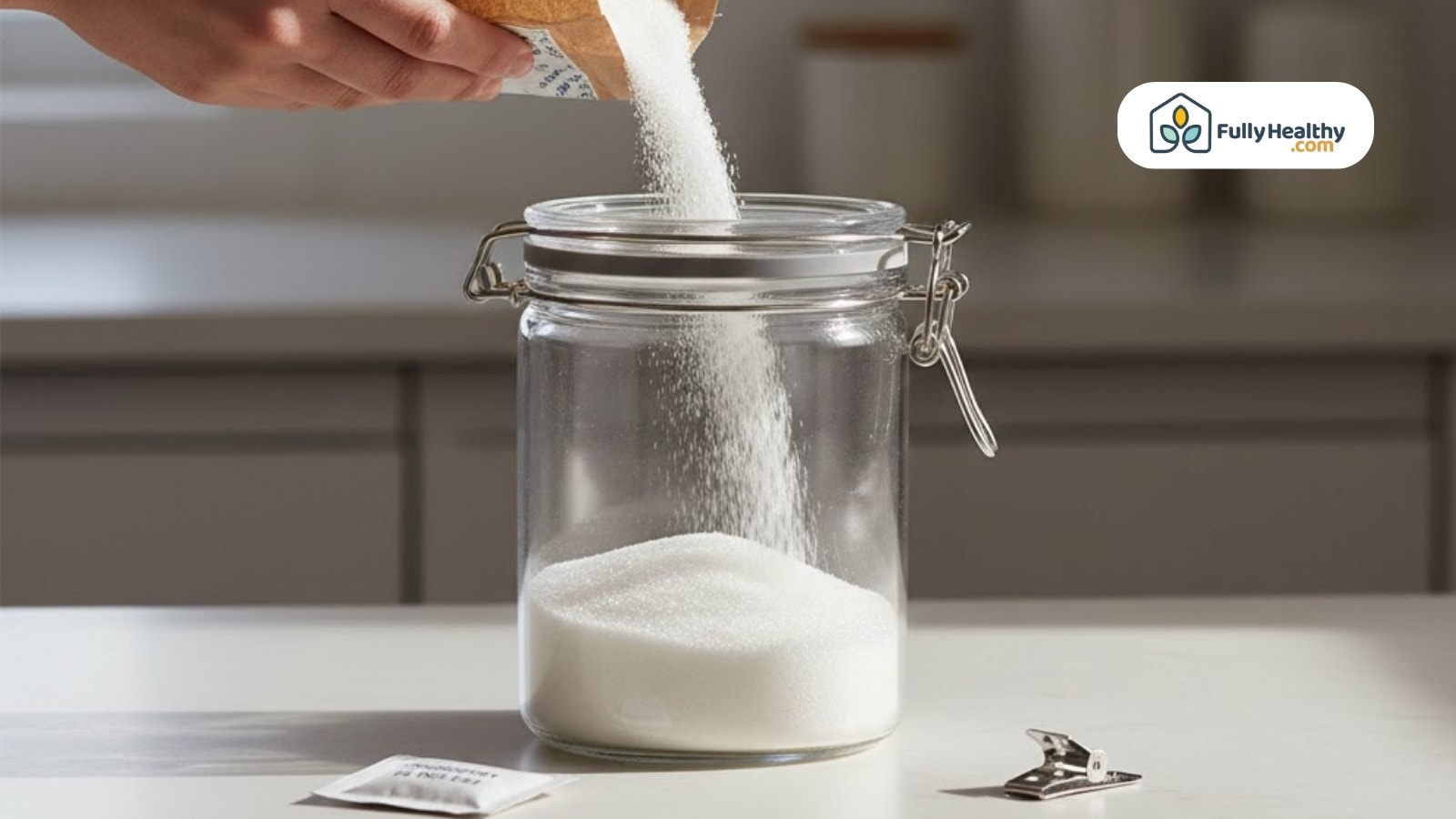
Sugar that is five years old is usually fine as long as it is kept in its original packaging or a container that keeps air out. The smells, humidity, and heat are more important than the time. Having a quick look makes you sure before you eat it or bake with it.
What “5 Years Old” Usually Means for White Sugar
Granulated and white sugar can stick together over time, especially if you keep your kitchen damp. Sugar powder can get hard and pack down. Loss of water can make brown sugar dry out and turn into hard brown sugar.
-
Storage History: If it stayed sealed in a dry place, it is usually fine.
-
Smell Check: Toss it if it smells musty, smoky, or chemical.
-
Pest Signs: Throw it away if you see bugs, webbing, or droppings.
Quick Safety Check Before Baking or Coffee
It's usually safe to use if it looks clean and smells fine. Pulse the sugar in a food processor for short periods of time to make it lumpy. To store brown sugar and make hard brown sugar easier to work with, wrap it in a damp paper towel and let it sit for a few hours.
-
Clumps Only: Safe to use; break it up and measure as usual.
-
Wet Or Sticky Sugar: Discard it, since extra moisture can increase microbial growth risk.
-
Brown Sugar Fix: Add moisture slowly so it softens without getting soggy.
How Long Does Sugar Go Bad?
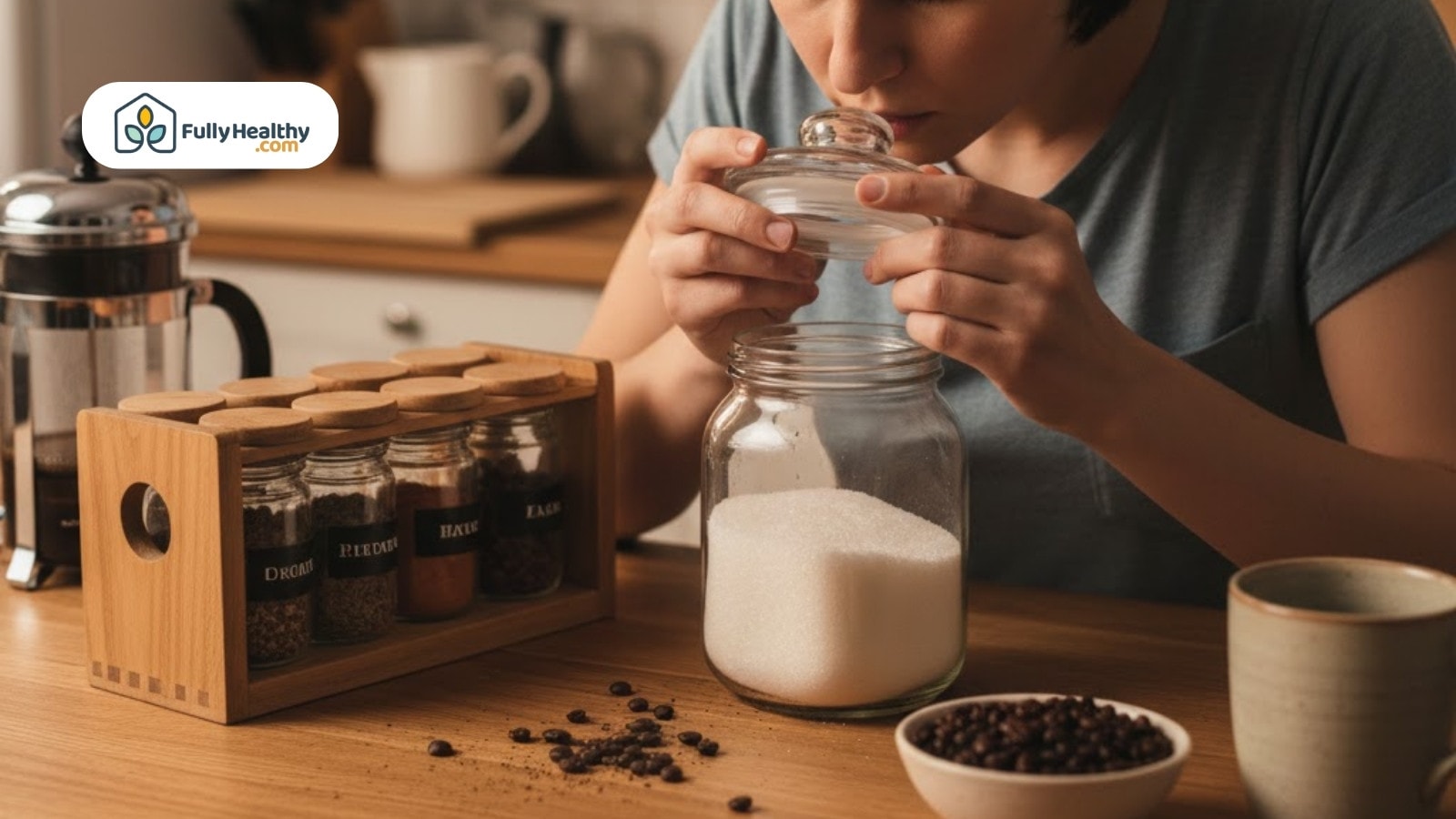
Sugar doesn't go bad quickly, but when air and humidity get in, the quality can change. Sugars that are dry last the longest. After being opened, liquid sugars can change more quickly. To keep foods, flavors, and tastes fresh for a long term storage, keep sugar sealed, cool, and in a dark place.
The Real Timeline: Indefinite Shelf Life vs. Quality Changes
Dry sugar can stay fresh for a long time, but the texture might change over time. When sugar loses water, it hardens, but when sugar is exposed to water, it clumps. Sugars that are liquid, like corn syrup or maple syrup, may turn into crystals. Warming them slowly can help.
-
Dry Sugars: Sweetness stays stable; texture changes are the main issue.
-
Brown Sugar: Can harden as it loses moisture over time.
-
Syrups: May crystallize; warm gently and keep containers clean.
How To Store Sugar So It Stays Fresh and Easy To Use
Use containers that don't let air in, keep them away from steam, and quickly close them. If you want to keep a bag of sugar, clip it shut or put it in a container that can't be opened. If you want better baking results and a better taste, make sure you seal brown sugar extra well when you store it.
-
Container Rule: A tight jar protects better than torn original packaging.
-
Location Rule: Store in a cool, dry place, away from heat and humidity.
-
Simple Habit: Use dry scoops only and close the lid right away.
What Are the Signs of Spoiled Sugar?
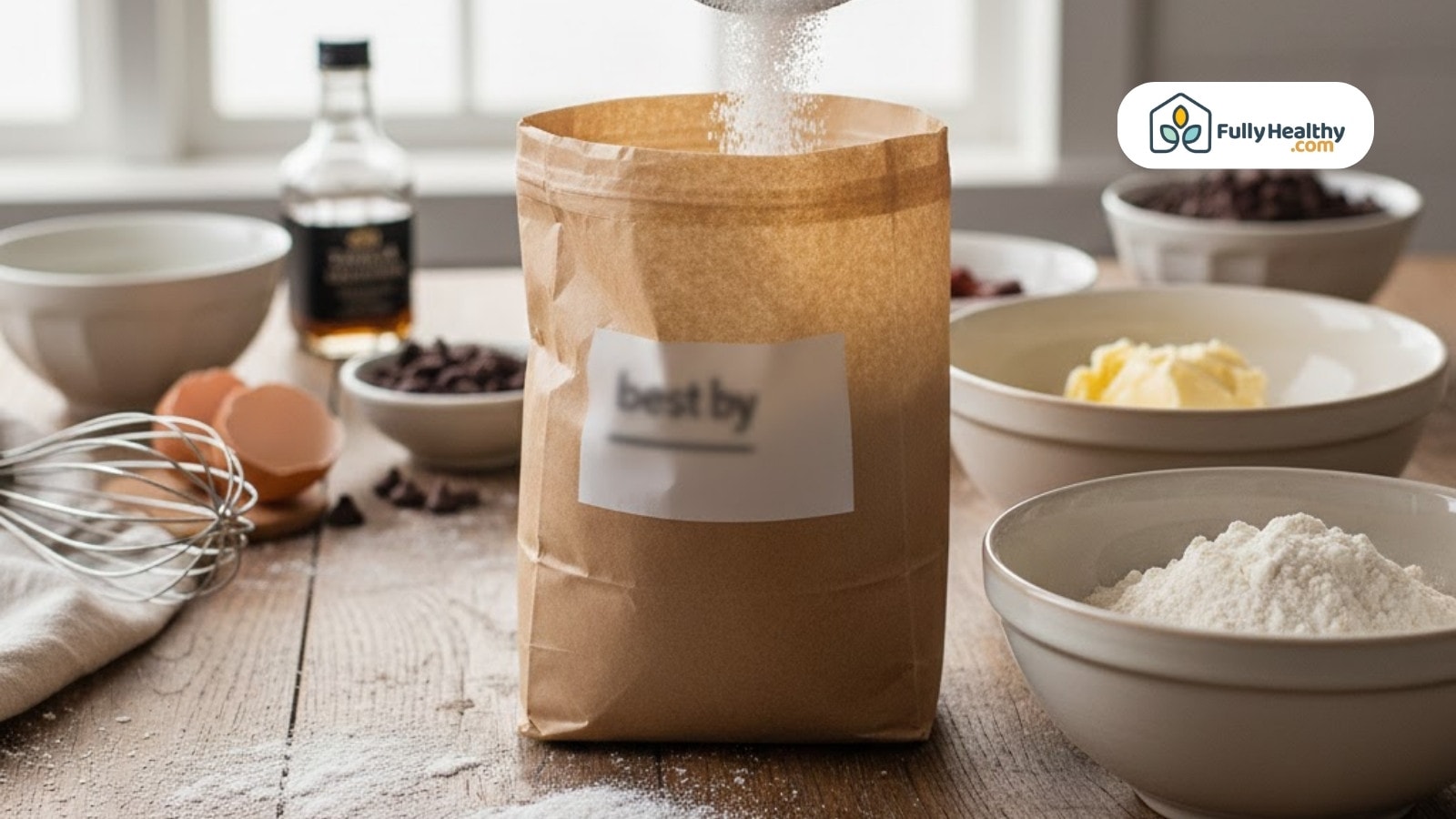
Sugar can last for a long time, but smells, water, and bugs can ruin it. It's more likely to be contaminated than old, so be careful before you eat it. If a bag was in a humid kitchen for a while, check it before you use it to make bread, cakes, or other foods. Quick answers to questions about this subject, along with easy ways to keep your supply safe.
“Clumpy” Is Usually Quality, Not Spoilage
When sugar soaks up water and then dries out, it often turns into lumpy sugar. If it doesn't smell bad, it's probably okay to use for baking. Texture, not health, is the most important thing.
-
Why Clumps Happen: Moisture gets in, then the sugar dries and hardens.
-
How To Fix It: Break it up, or warm it in a microwave carefully in short bursts.
-
What To Check: If it smells like vinegar, meat, or chemicals, toss it.
When To Toss It: Real Contamination Red Flags
If the sugar is wet, dirty, or full of bugs, throw it away. It's almost impossible for sugar to go bad, but water and dirty scoops can. Mold can also grow on sticky sweets like honey and jelly if they get dirty or aren't stored properly. Malt syrup-based sweeteners can also get yeast on them if the tools aren't clean.
-
Wet Or Sticky Patches: This can mean water got in, so discard it.
-
Pest Evidence: Bugs, webbing, or droppings mean contamination.
-
Visible Mold: Any mold means it is not safe to use.
FullyHealthy: Specialty Sugars You Can Buy
FullyHealthy is an online store that sells special sugars for people who are on a certain diet. It can be useful if you want baking-friendly choices. Think about your health and nutrition goals when you buy things. If they sound healthy, they probably hold sugar.
What FullyHealthy Can Do for You
You can find specialty sugars all in one place on FullyHealthy and compare product details. Additionally, it helps to always have enough for baking and everyday recipes.
-
Simple Shopping: You can compare ingredients and sizes quickly.
-
Diet Support: Useful if you want options that fit your diet needs.
-
Smart Storage: Keep products sealed so they are not exposed to moisture.
Products Featured: Maple Sugar, Coconut Sugar, and Date Sugar
They name Big Tree Farms Organic Golden Coconut Sugar, Date Lady Date Sugar, and Coombs Family Farms Organic Maple Sugar, which is made from maple syrup. It tastes and feels different each time. Date sugar comes from dates and has fructose in it, which makes it taste richer when used in baking.
-
Maple Sugar: Adds a light maple flavor to recipes and toppings.
-
Coconut Sugar: Gives a caramel-like taste that works well in baking.
-
Date Sugar: Best for baked goods since it does not dissolve smoothly.
Final Thoughts
Does sugar go bad? Pure sugar has a long shelf life and is generally thought to be safe. This is because the high sugar content stops microbes, moisture, and bacteria from growing. Keep sugar in its original packaging or a container with a lid in a cool, dry, and dark place for the best quality.
This will keep the flavor and baking results stable. Once a bag of sugar turns into lumpy sugar, it is usually still safe to eat, use in recipes, and store to preserve foods and make it fresh.
FAQs
Does sugar expire for granulated sugar, granulated white sugar, and white sugar?
The expiration date is mostly about best quality, and they are generally considered usable for a long shelf life if stored properly.
Does sugar expire faster for powdered sugar and raw sugar?
Powdered sugar and raw sugar can clump from moisture, so store sugar sealed in a dry place, cool area, and watch for odd smell if exposed.
Does sugar expire for brown sugar, and how do I store brown sugar if I have hard brown sugar?
Store brown sugar airtight; use a damp paper towel or paper towel to reduce moisture loss and soften it, or pulse carefully in a food processor.
Does sugar expire for liquid sugars like corn syrup, maple syrup, honey, molasses, and jelly?
Liquid sugars can change texture and may grow mold if contaminated, so keep lids clean, avoid yeast, don’t mix with meat juices, and rewarm crystallized jars in a microwave carefully.
Does sugar expire, and what about health, healthy diet, nutrition, fructose, salt, bread, cakes, foods, and supply?
Related questions vary, but sugar can still affect health and diet even if it lasts forever, so use careful portions in bread, cakes, and other foods, and toss anything that smells like vinegar or shows mold.
Leave a comment