

How Do Almonds Grow? Inside The Almond Life Cycle
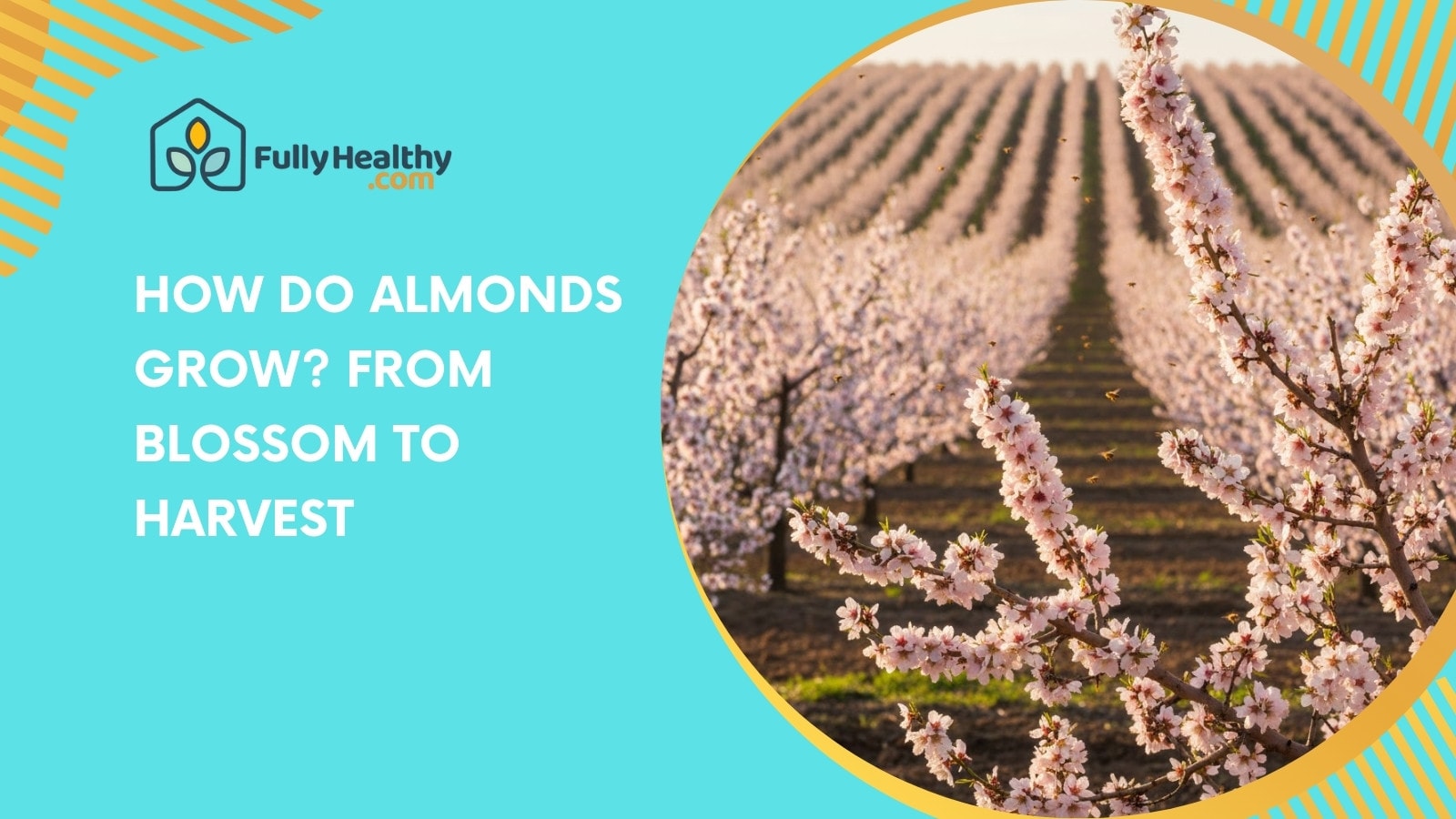
How do almonds grow? Almond trees grow in places that are warm, dry, and have cool winters. The trees bloom with pale flowers in early spring that need bees to spread the pollen.
Once the flower is pollinated, it turns into a green fruit that hardens into a shell with a seed inside. This is the almond that we eat. By late summer, the shell has split open, and the nuts can be picked. Step by step, this is how the whole process works.
Featured Pantry Pick
Artisana // Raw Almond Butter - 14 oz
Loading...
How Do Almonds Grow?
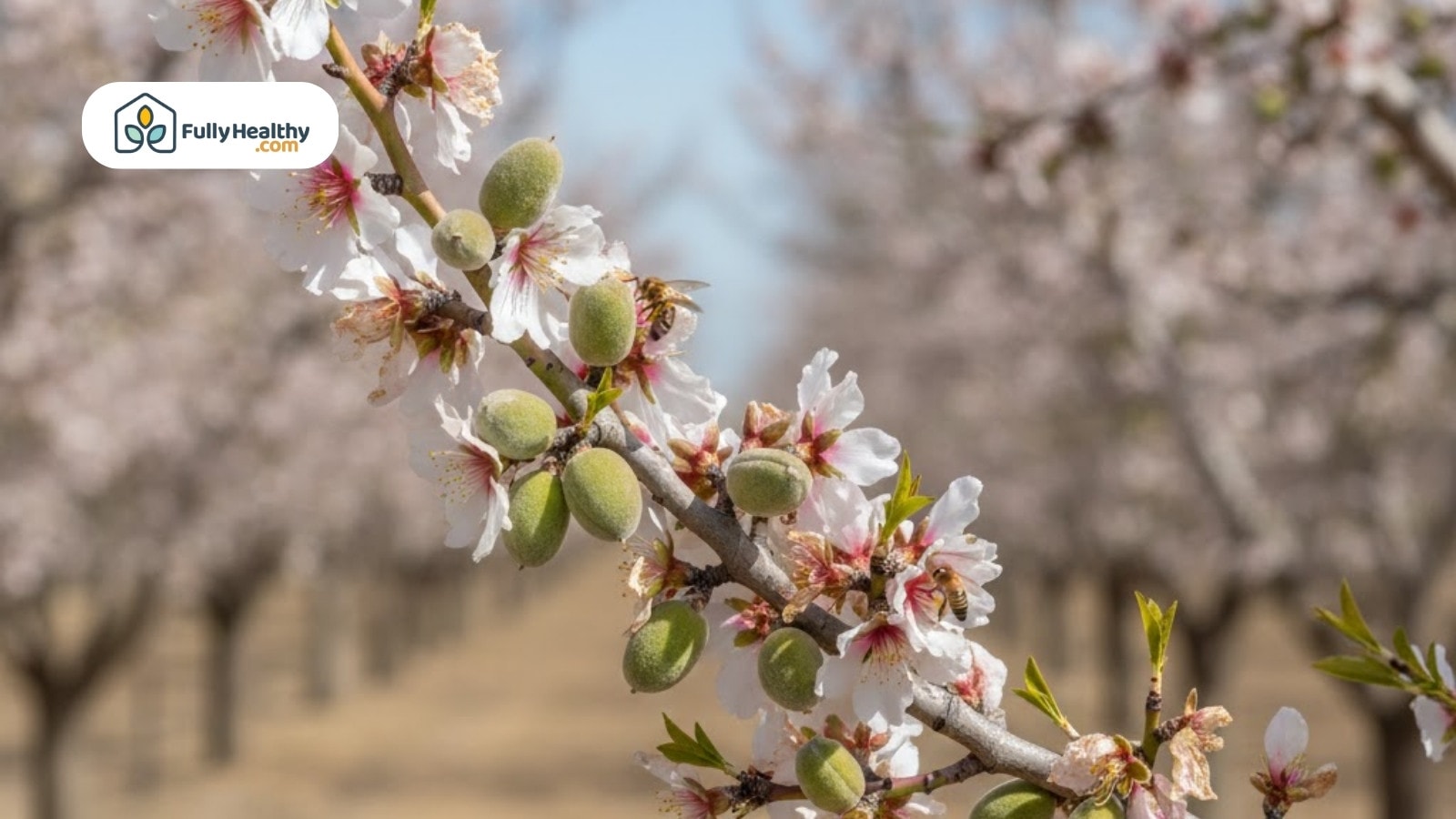
The deciduous fruit tree that gives us almonds is called prunus dulcis. Like peaches and plums, they are stone fruits. Summers that are warm and dry and winters that are cool are best for almond trees. Every year, this weather pattern helps them rest, bloom, and start making almonds.
The Almond Tree, Climate, And Dormancy Cycle
Mediterranean climates are great for almond trees thrive on it. Before they can grow in the spring, they need a cold winter. When the weather gets warmer, the almond bloom begins, and the flowers show up before the leaves do. California almond regions offer ideal growing conditions. This is why they produce a large share of the world's almond supply and support the global almond industry.
-
Climate Needs: Cool winters and hot, dry summers help almond trees grow strong and healthy.
-
Soil Conditions: Well-drained sandy loam soil supports healthy almond plants and root systems.
-
Chilling Hours: Trees need winter chill to wake up properly and prepare to bear fruit.
-
Almond Types: Sweet almonds are grown for edible almonds, while bitter almonds are mainly used for almond oil and flavor extracts.
Pollination, Fruit Development, And Harvest Timeline
Almond orchards depend on honey bees for pollination. Most types of almonds can't pollinate themselves. Bees help trees bear fruit and start producing almonds inside the fruit as it grows. After harvest, almond farmers dry the nuts before removing the hulls and shells. The processed nuts become raw almonds used for almond butter, almond milk, almond paste, and almond oil.
-
Pollination Process: Honey bees move pollen between almond blossoms during early spring.
-
Fruit Structure: The almond fruit has a green outer hull, hard almond shells, and edible almond kernels inside.
-
Growth Timeline: Trees usually bear fruit in year three or four, and mature trees produce higher yields.
-
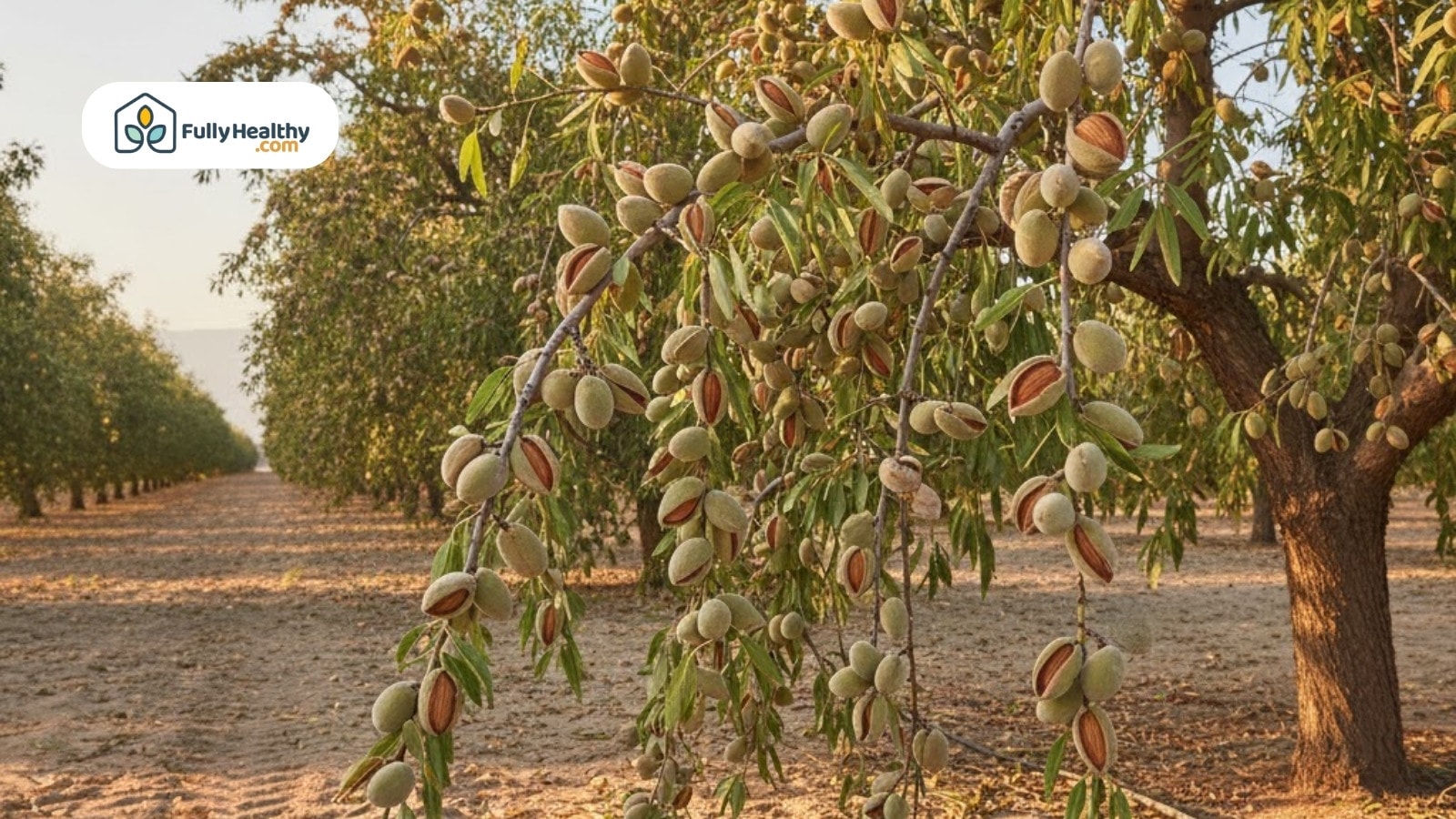
Harvest Season: Almond harvest begins in late summer when the hull naturally splits open.
Can I Eat Almonds Straight Off The Tree?
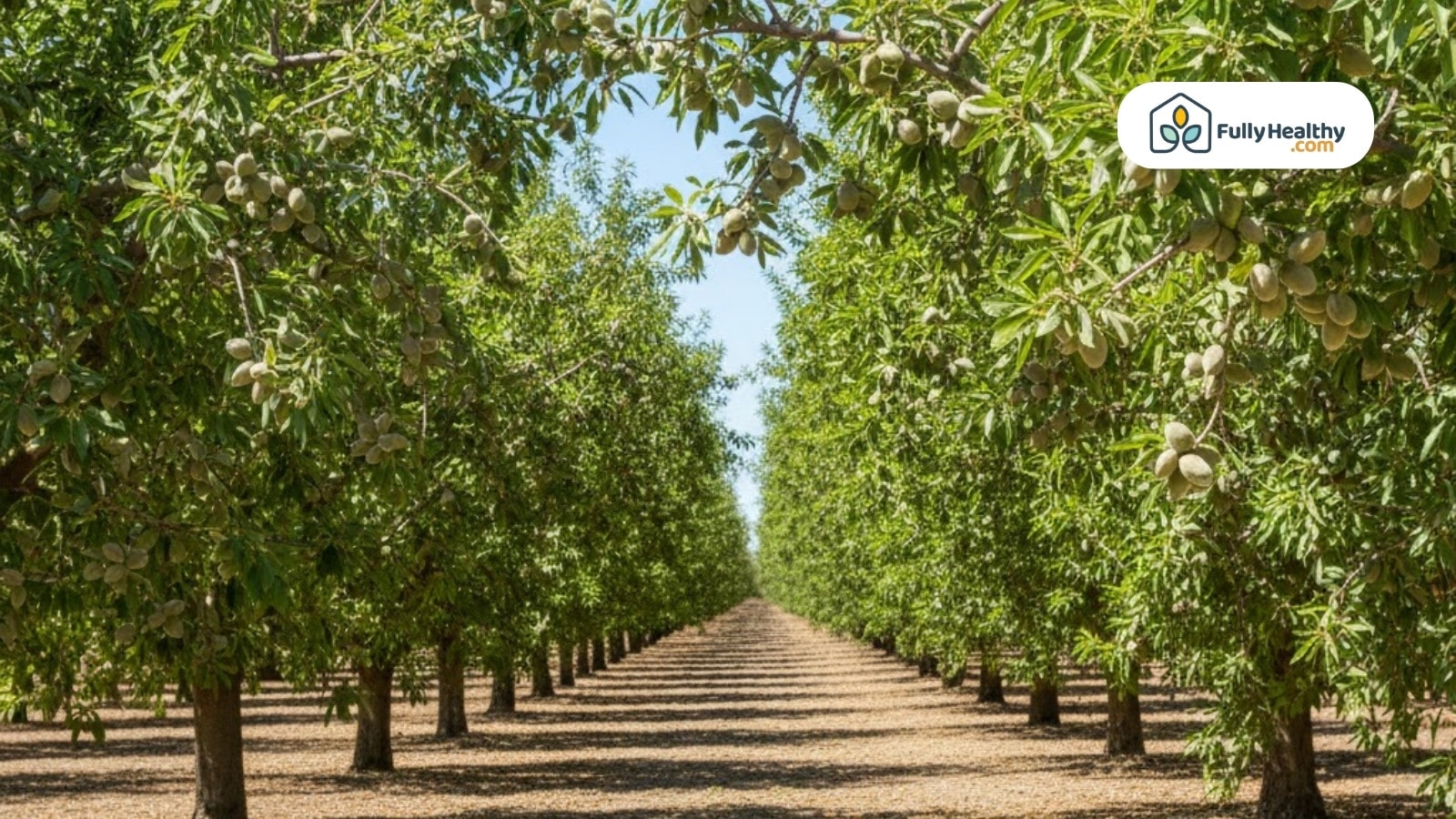
A lot of people want to know if they can eat almonds right off the tree. The answer depends on how old the almond seeds are when they are picked.
Green Almonds Vs. Mature Almonds
Green almonds are young and soft. At this stage, the shell inside has not hardened. The entire fruit can be eaten. As the almond fruit matures, the hull dries and splits open. The almond shells harden to protect the seed inside.
-
Green Stage: The hull is soft, and the inner seed is tender.
-
Flavor Profile: Green almonds taste mildly tart compared to sweet almonds.
-
Texture Difference: They are crisp and moist, unlike dry raw almonds.
Drying, Safety, And Fresh Consumption Considerations
Fresh almonds contain natural moisture. They must be dried properly to prevent mold and protect quality during storage. Proper drying ensures safe and high-quality edible almonds for consumers.
-
Drying Method: After almond harvest, nuts are left to dry before storage and transport.
-
Processing Step: Hulls and shells are removed to produce shelled almonds for sale.
-
Pest Control: Almond pests and moisture are carefully managed by almond growers.
Can You Grow Almonds From An Almond?
Almond trees can be grown from almond seeds, but the type of seed you use will determine how well it grows. Almonds that have not been treated in any way can only sprout.
Germinating Almond Seeds At Home
Growing almond plants from seed requires simple but specific steps. The seeds must go through cold conditions to copy winter.
-
Cold Stratification: Almond seeds need several weeks in cold, moist storage before planting.
-
Planting Location: Use well-drained soil and choose a sunny spot.
-
Watering Care: Keep the soil moist but not waterlogged.
With the right care, the seed can grow into one of many fruit trees.
Seed-Grown Trees Vs. Grafted Orchard Trees
Commercial almond farming uses grafted trees for better results. This method ensures reliable almond varieties and stable production.
-
Consistency: Grafted trees produce predictable sweet almonds for the market.
-
Genetic Variation: Seed-grown trees may differ in nut size, taste, and yield.
-
Industry Standard: Large almond orchards rely on grafted trees to support the almond industry and California almond production.
Is It Okay To Eat Almonds Every Day?
Almonds are a healthy snack that people all over the world love. The healthy fats, protein, and fiber in the seed inside the shell make it edible. Almonds are a healthy part of a balanced diet, according to groups like the Almond Board. When grown through responsible almond cultivation, they also reflect careful use of natural resources and sustainable farming practices.
Recommended Serving Size And Key Nutrients
A small daily portion is enough to enjoy the benefits. Almonds support heart health and steady energy when eaten in moderation. Eating almonds regularly can be part of a simple, balanced routine.
-
Serving Size: About one ounce per day helps manage calories while supporting steady nut production and demand.
-
Core Nutrients: Almonds provide vitamin E, magnesium, fiber, and healthy fats that protect the edible kernel’s value.
-
Heart Support: Replacing snacks like sesame seeds with almonds may improve cholesterol balance.
-
Plant-Based Protein: Almonds offer protein that supports muscle health and fullness.
Heart Health, Blood Sugar, And Weight Management
Almonds may help support healthy blood sugar and weight control. Their mix of fiber, fat, and protein slows digestion and keeps you full longer. Moderation is key, but almonds are a smart daily option for most people.
-
Blood Sugar Balance: Fiber and healthy fats help reduce sugar spikes after meals.
-
Weight Control: Almonds increase fullness, which may reduce overeating.
-
Sustainable Impact: Responsible almond cultivation protects soil health, supports pollinating insects, and reduces waste through dairy feed made from byproducts.
FullyHealthy: Almond-Based Options For Special Diets
FullyHealthy offers almond-based products made with simple ingredients. These foods support almond growers who manage cold weather, flower buds, and controlling pests to protect nut quality. Healthy almond trees grow best in a mild climate where tree's roots stay strong and young trees can produce fruit year after year.
Artisana Raw Almond Butter (14 Oz)
Artisana almond butter is made from organic almonds with minimal processing. It preserves the flavor of the edible seed and supports clean eating.
-
Product Feature: Artisana Raw Almond Butter (14 oz) made with only organic almonds.
-
Ingredient Quality: No added sugar or oils, helping maintain natural nut quality.
-
Versatile Use: Spread on toast, blend into almond milk, or add to smoothies.
This product reflects careful sourcing tied to responsible almond cultivation in regions such as the middle east and California.
Simple Mills Almond Flour Baking And Snacks
Simple Mills products provide convenient options made from almond flour. They are ideal for people looking for grain alternatives while still enjoying baked goods.
-
Pancake & Waffle Mix: Simple Mills Pancake & Waffle Almond Flour Mix (10.4 oz) made for easy baking at home using potting soil–grown and rich soil–supported almonds.
-
Crunchy Cookies: Simple Mills Crunchy Almond Flour Cookies – Toasted Pecan (5.5 oz) made with almond flour for better texture and flavor.
-
Diet-Friendly Choice: Suitable for many lifestyles, including tree free meal planning where specific allergens are avoided.
Choosing these products supports sustainable farming
Final Thoughts
Almond trees have a simple but powerful cycle. From almond flower to fleshy fruit, the process depends on air temperature, wet winters, and a long growing season.
Early farmers in Mediterranean countries understood that healthy trees reach full size only in the right climate. Today, growers use integrated pest management and guidance from California cooperative extension to protect crops.
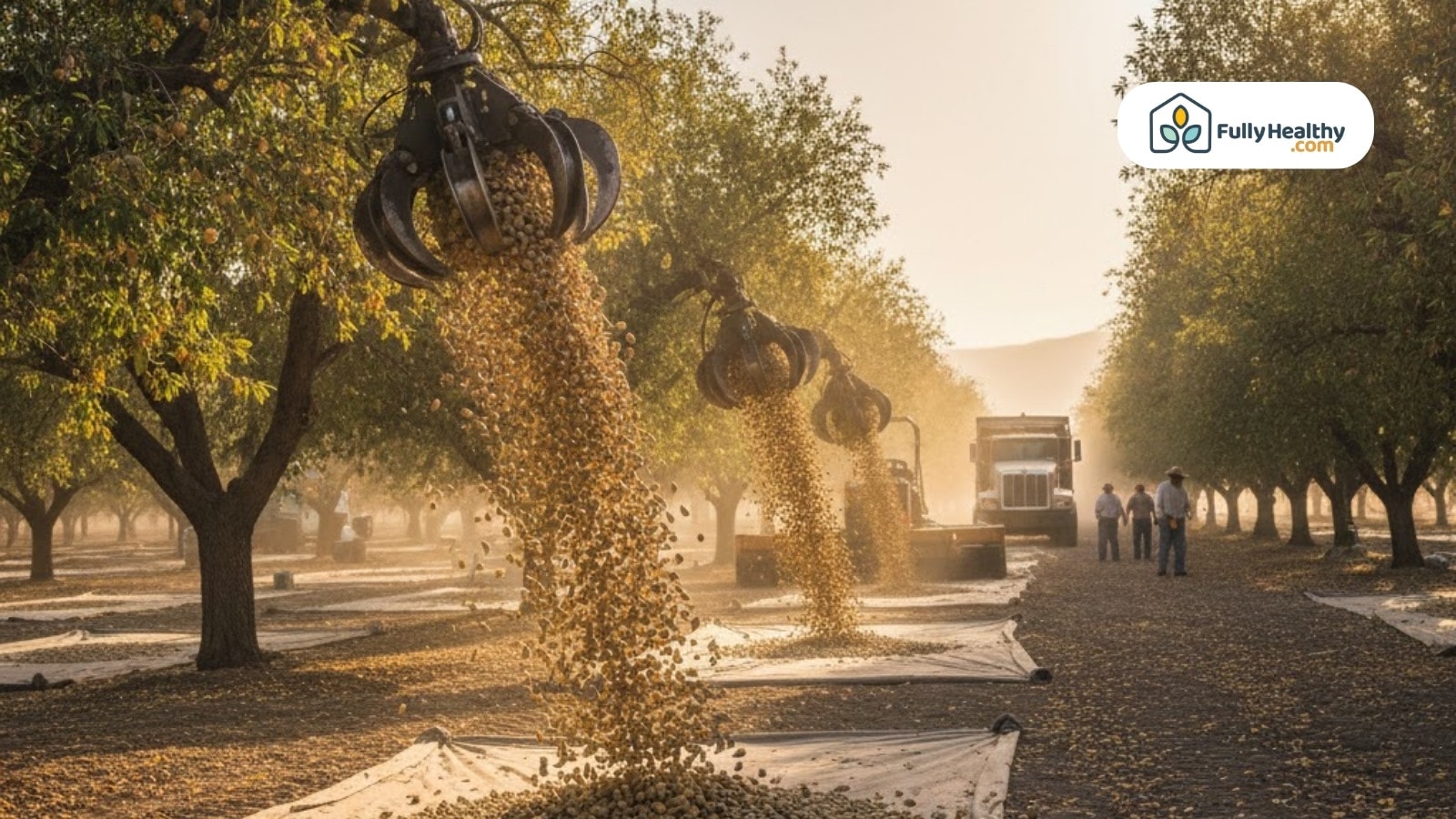
During harvest, tree shakers remove the nuts once the fleshy exterior splits. When conditions are right, trees produce nuts consistently and efficiently. Understanding this journey—from bloom to harvest—helps you see how climate, care, and timing all work together to grow quality almonds year after year.
FAQs
How does the almond flower turn into nuts?
The almond flower develops into a fleshy fruit with a fleshy exterior, and as air temperature rises during the growing season, trees produce nuts once pollinated.
Why are wet winters important for almonds?
Wet winters help trees reach proper dormancy, and early farmers in Mediterranean countries relied on this natural cycle for steady harvests.
How are almonds harvested commercially?
Farmers use tree shakers to remove mature nuts after the fleshy fruit splits open.
How do growers protect almond crops?
They use integrated pest management and research from California cooperative extension to manage pests and climate risks.
When do almond trees reach full production?
With proper care, trees reach maturity after several growing season cycles and continue to produce nuts under stable air temperature conditions.
Leave a comment