

How Do Cashews Grow? What Cashew Trees Hide Inside
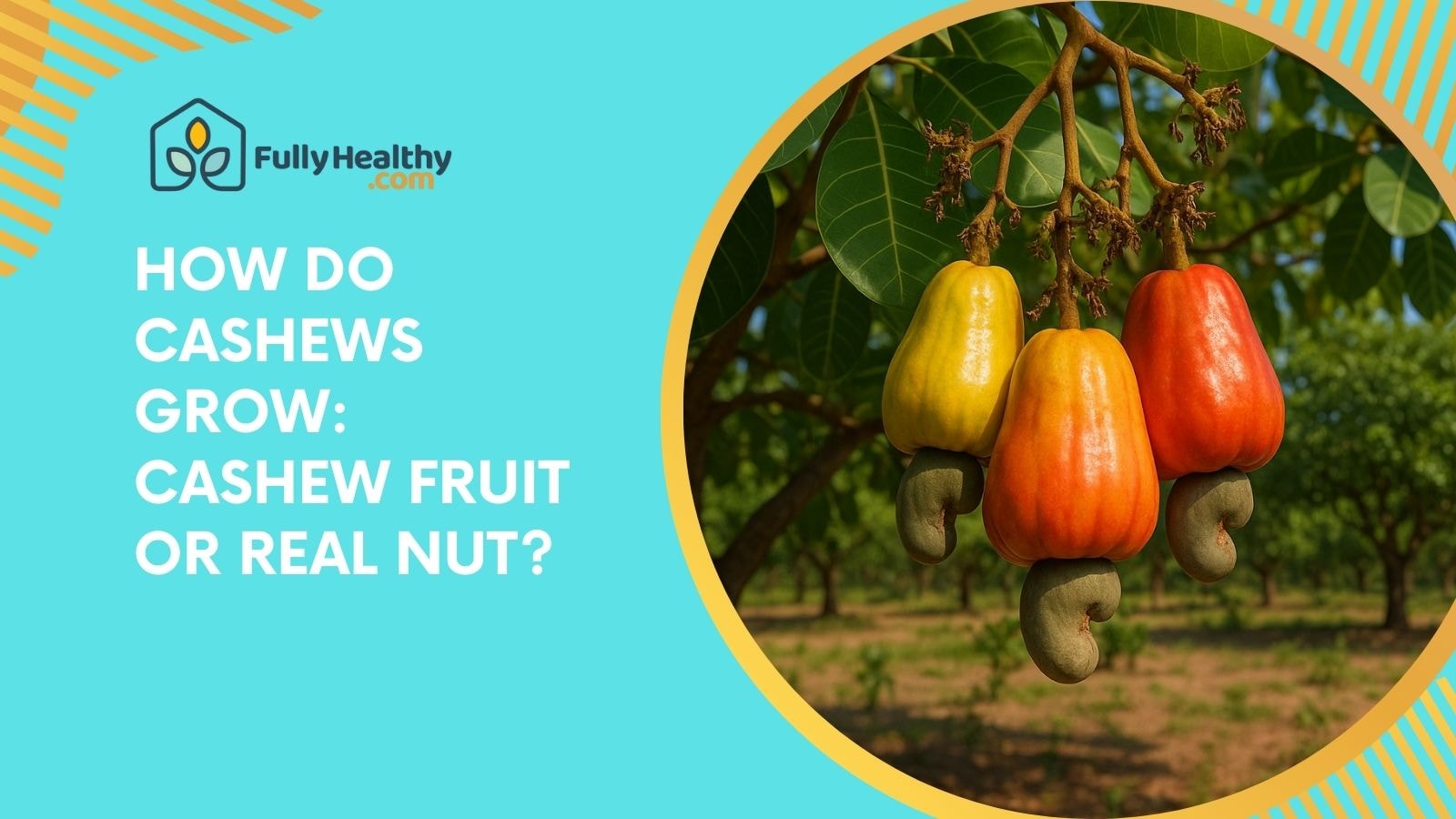
You can't grow cashews like you would other nuts. They grow under a fruit called a cashew apple on a tropical tree. The part you eat is not really a nut; it's a seed. In some places, people also eat cashew apples.
Cashews are good for you, but some people have stomach pain or allergies when they eat them. This piece talks about how cashews grow, what they are, and why some people stay away from them.
✨ Discover Smooth, Nutty Bliss – Try Artisana’s Pecan & Cashew Butter!
Are Cashews a Fruit or a Nut?
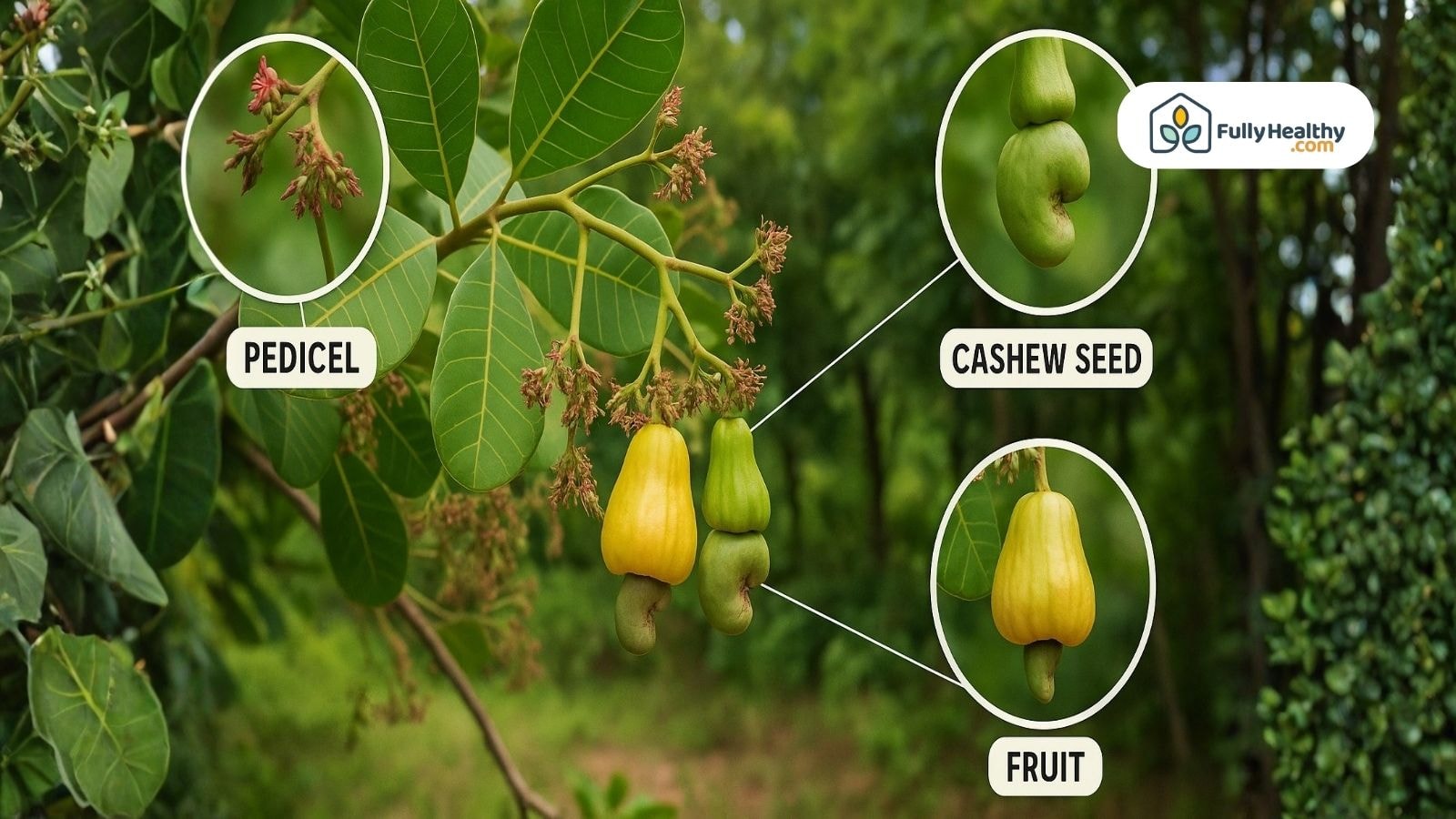
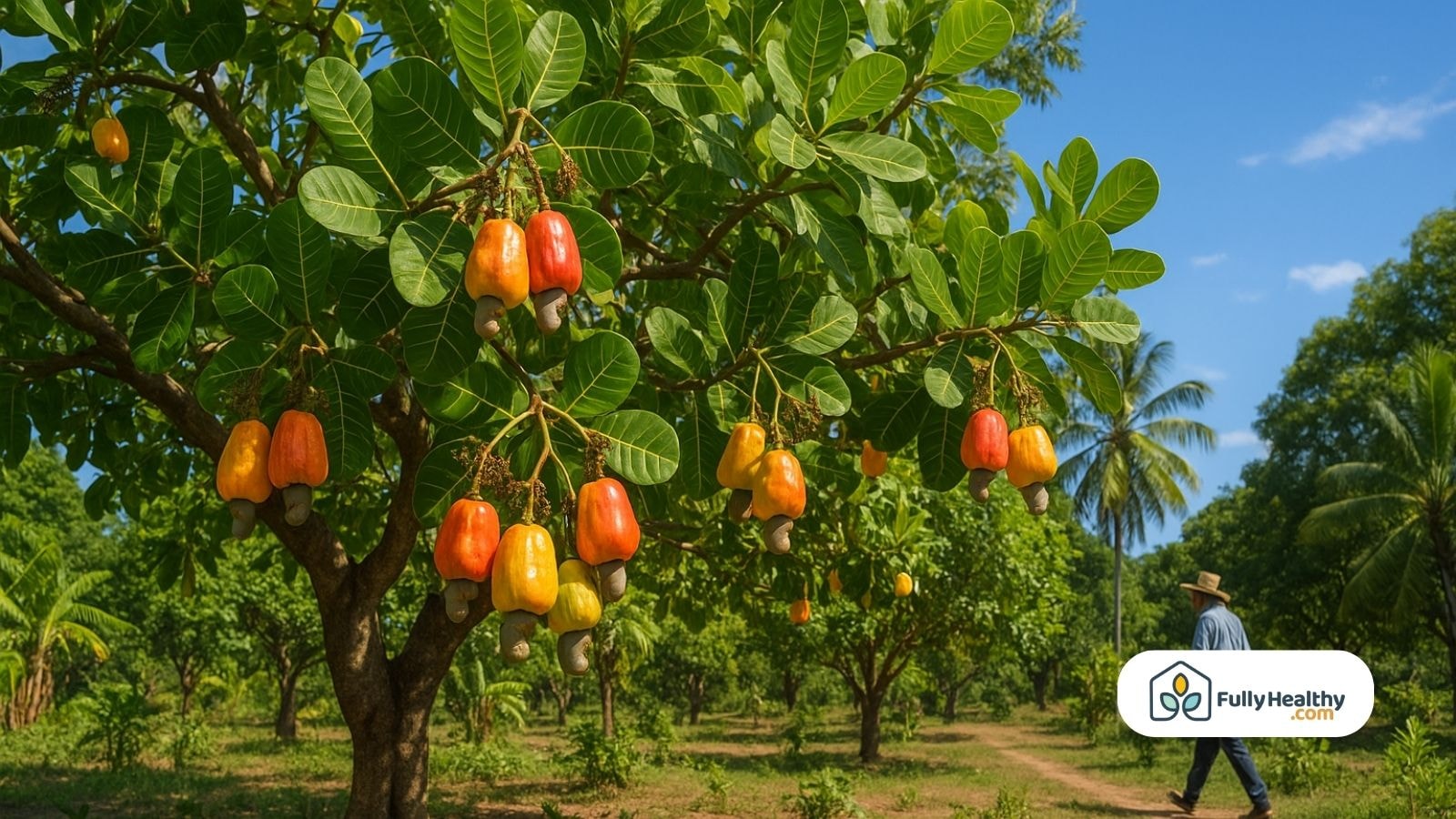
The tropical cashew tree, Anacardium occidentale, is where cashews come from. It was first grown in Brazil and is now grown in West Africa, Southeast Asia, and South America. Even though they are called cashew nuts, they are not botanically nuts.
How do cashews grow then? It's easier to tell the difference between a fruit, nut, and seed when you know how the cashew fruit and seed are formed.
What Is the True Fruit of the Cashew?
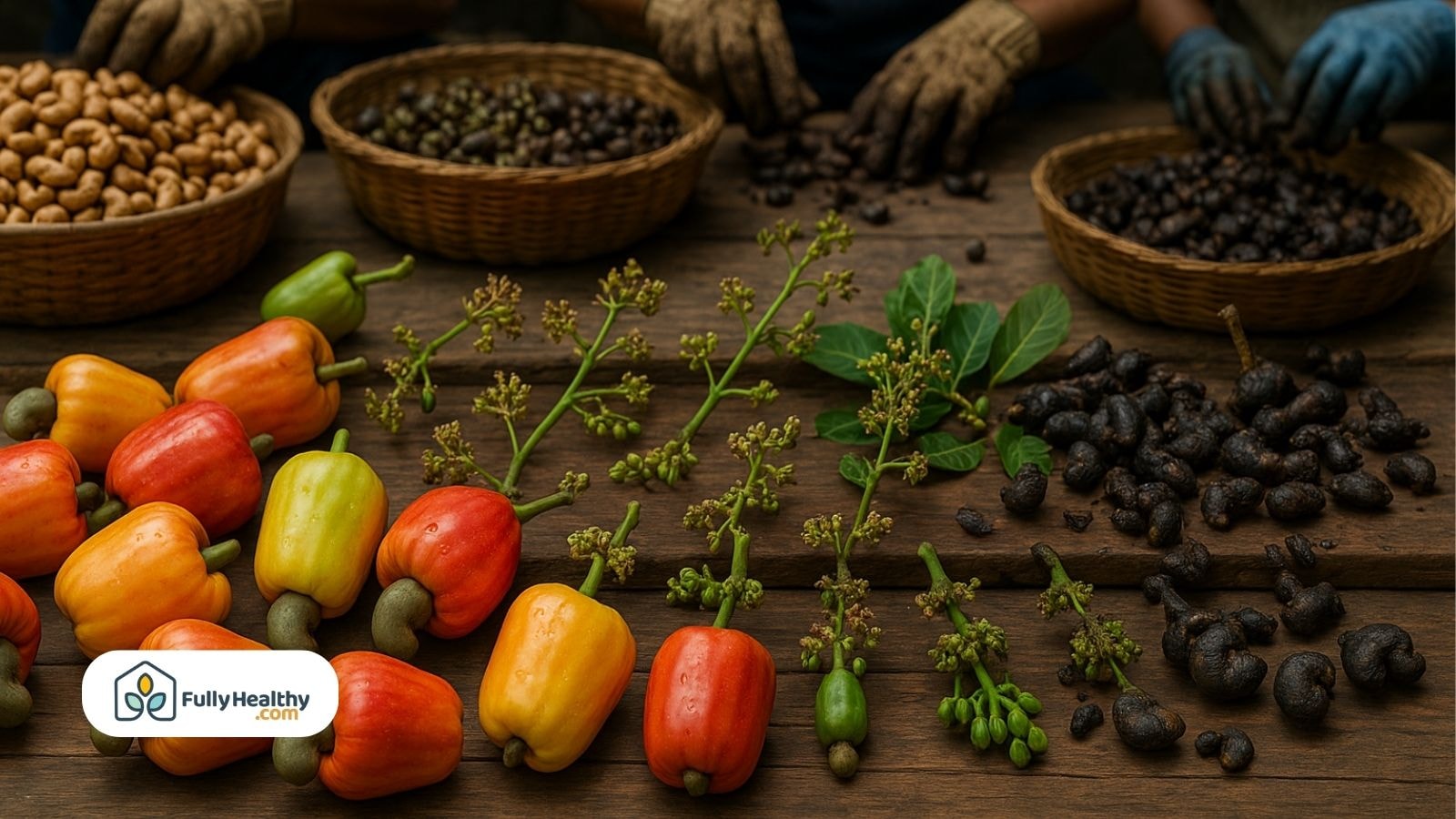
Cashews grow beneath a pear-shaped cashew apple, which is a false fruit. The cashew drupe, which is the kidney-shaped shell attached below, is the real fruit. The cashew seed, which in the culinary sense we call a nut, is inside.
-
Cashew drupe location: Not inside the cashew apple, but under it.
-
True fruit identification: The fruit of the cashew tree is called a drupe.
-
Seed recognition: The cashew that you eat is actually a seed inside the drupe.
Why Are Cashews Called Nuts?
Cashew seeds are botanically seeds, not true tree nuts, but are categorized as tree nuts in medical and dietary contexts due to their allergenic potential and culinary use. When it comes to health and allergy labels, they are labeled as tree nuts.
-
Culinary similarity: Like other tree nuts, it tastes good and is good for you.
-
Allergy concerns: Due to anacardic acid and phenolic lipids that may cause allergies, they are often grouped with tree nuts.
-
Nut-like qualities: It's crunchy, high in fat, and used to make cashew cheese and spreads.
Are Cashew Apples Edible?
People often think that the cashew apple is the fruit, but it's actually the pedicel that grows and gets fleshy. Even though it helps the cashew tree reproduce, it's not the real fruit. Still, people eat it and enjoy it in places where cashew trees grow, like Central America and South East Asia.
What Do Cashew Apples Taste Like?
Cashew apples are juicy and taste both sweet and sour. They don't get eaten raw outside of growing areas very often because they go bad quickly and get bruised easily.
-
Flavor profile: Blend of mango, bell pepper, and sugar.
-
Shelf life: In 24 to 48 hours after harvest, it goes bad.
-
Consumed best: In a juicer, boiled, or with salt on top.
How Are Cashew Apples Used?
Cashew apples are used in local food and drinks because they don't last long. They are turned into a drink called Feni in Goa, India.
-
Juice production: Put through a press to get juice, wine, or vinegar.
-
Preservation methods: Made into syrup or jam.
-
Nutritional value: It has a lot of vitamin C and antioxidants.
Why Does My Stomach Hurt After Eating Cashews?
Some people have trouble breaking down cashew nuts. Even though they are very good for you, they can make your stomach upset.
If cashews make your stomach hurt, it's usually because you ate too many, they were raw, or you are sensitive. You also need to process cashew nuts the right way because the shell contains harmful oil compounds.
Could It Be a Food Intolerance?
Cashews can make some people feel bad because they are intolerable, not because they are allergic to them. These signs can show up hours after you eat, especially if you're not used to eating a lot of fiber or fat.
-
Fiber sensitivity: Bloating can happen when you eat quickly.
-
Fat overload: It's hard for the body to digest too many roasted cashews at once.
-
Portion advice: Limit yourself to 1 oz per day, which is about 18 cashews.
Are Cashews Ever Dangerous?
Like poison ivy, cashew seeds are encased in a double shell containing anacardic acid, cardol, and urushiol-like phenolic lipids that can cause severe skin and digestive irritation if consumed raw.
-
Raw nut warning: To get rid of harmful chemicals, store-bought raw cashews are steamed.
-
Shell toxin: The outside shell has phenolic lipids that are bad for your skin and stomach.
-
Roasting necessity: One method to get rid of these oils is to roast them.
Why Avoid Cashew Nuts?
Even though cashew nuts are tasty and good for you, some people can't handle them well. Even though cashew seeds come from the cashew tree (Anacardium occidentale), they might not be good for your health.
The shell, the oils, and the way the cashew fruit is processed cause a lot of problems. Cashews may trigger allergic reactions and may contribute to kidney stone formation in susceptible individuals due to their oxalate content. You can choose better food when you know about the risks.
What Are the Health Risks of Cashew Nuts?
Cashews are very high in protein, but they can also be bad for you. Due to toxic oils, cashew nuts that are raw or not handled properly are not safe to eat. To stay healthy, you should only eat a small amount of anything, even roasted cashews.
-
Toxic shell oils: The outer shell contains phenolic lipids and anacardic acid, chemicals in the same family as poison ivy.
-
Kidney stone risk: Oxalates, which are found in large amounts in cashew seeds, can cause stones.
-
Allergy concerns: Cashews can make people who are allergic to tree nuts like almonds sick.
-
Weight gain potential: Cashew nuts have a lot of calories and a lot of fat and sugar.
Why Portion Control and Preparation Matter.
How do cashews grow? They grow inside a tough shell that has irritants that need to be taken out by roasting. Even roasted cashews should be eaten with care, and to keep them fresh, they should always be kept in an airtight container.
-
Limit intake: That's about 18 cashew nuts, or 1 ounce.
-
Choose roasted only: When you roast nuts, the oils that are bad for you are taken out.
-
Avoid added salt or sugar: Even more so if you are worried about your weight or blood pressure.
-
Store well: Keep oils from going bad by putting them in an airtight container.
What Does FullyHealthy Offer for Cashew-Sensitive Diets?
People who are allergic to nuts or on special diets need to find safe food from sources they can trust. Allergy-friendly foods have been carefully chosen by FullyHealthy. People who can't eat cashew nuts, milk, grains, or sugar can buy their products.
If you don't want to eat cashews but still like the taste or health benefits of nuts, this store has other options. People who have autoimmune diseases will benefit the most from it.
What Makes FullyHealthy Different?
Fully Healthy focuses on real food alternatives for people who want to stay away from common allergens. Whether you should avoid cashew nuts or other tree nuts because they are allergic, they have foods that don't have those ingredients.
-
Special diet support: AIP, Paleo, and gluten-free.
-
No hidden additives: Focus on clean labels, with no confusing chemicals for plant growth.
What Products Help Replace Cashews?
FullyHealthy has tasty and safe alternatives to cashew nuts that you can use in cooking, baking, and snacking. To still enjoy treats, you don't have to eat cashews. You can use fruit, almonds, or ground seeds instead.
-
Cashew cheese alternatives: Not made with milk or cashews.
-
Nut-free flours: It works great for baking with apples, sugar, or sweeteners made from fruit.
-
Products by region: It has snacks from India, the Ivory Coast, and Brazil that don't contain nuts.
People who use FullyHealthy do better, especially in warm places or places where cashew trees grow. It's a useful tool whether you're trying to avoid nuts, get used to the cashew trees you just planted in your garden, or just make smart decisions.
Final Thoughts
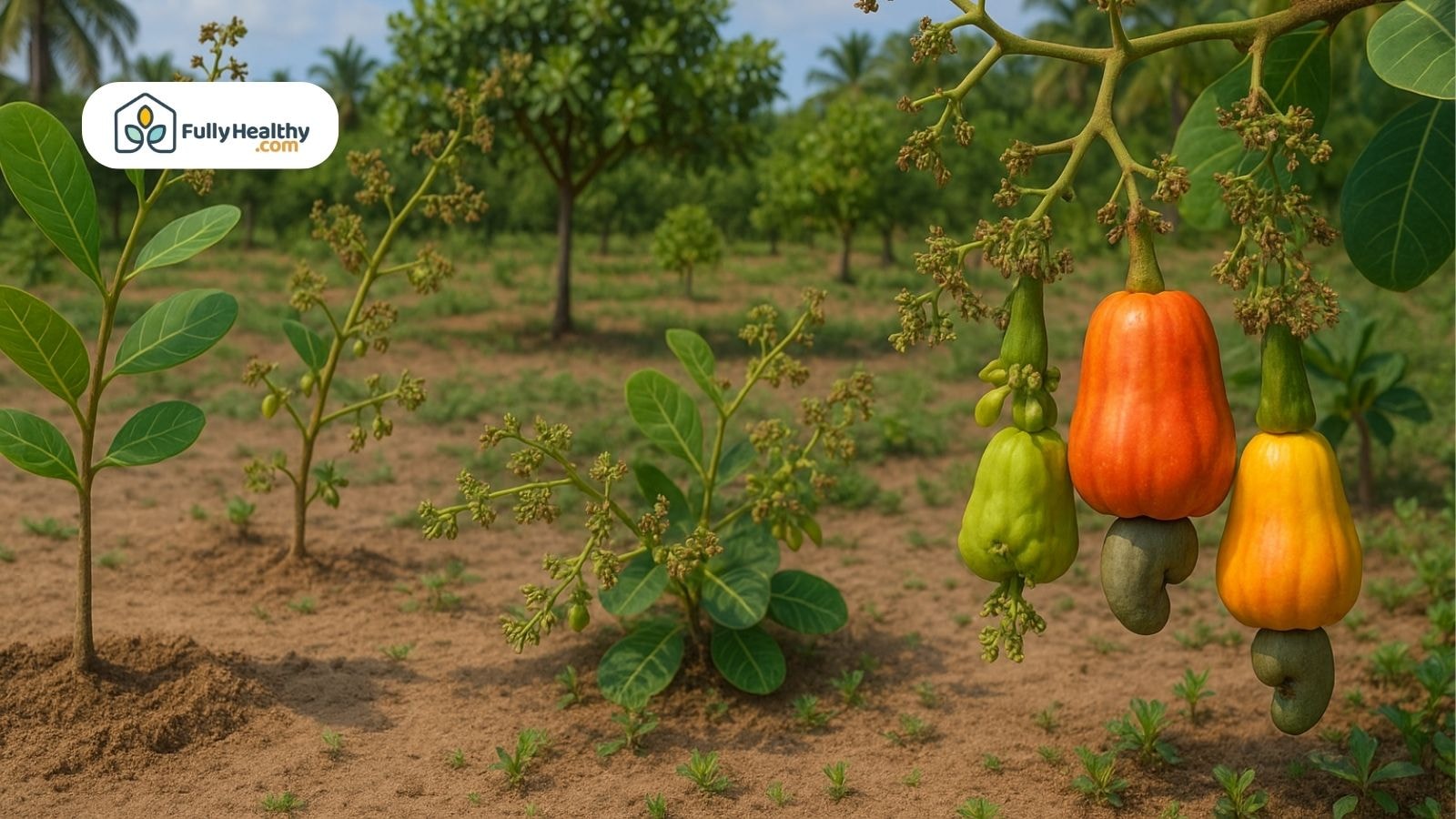
How do cashews grow? Cashews come from a special kind of tree whose pedicel expands into apples and fruit below. Unlike other fruit trees, cashews do best in dry, sandy soils, tropical climates, and prolonged dry periods. Native to Brazil, the Ivory Coast, and home gardens, these dwarf variety trees set fruit from young fruits on mature trees.
Despite being sweet and good for you, cashews need to be processed to get rid of phenolic lipids and anacardic acid, which are chemicals that are like poison ivy. Tree nuts such as cashews and almonds should be stored in airtight containers to preserve freshness and prevent rancidity of their natural oils. Their value is primarily resulting from careful plant care and proper handling of this yellow-hued fruit.
FAQs
Can you eat cashews right off the tree?
No, you cannot eat cashew seeds from a cashew tree raw because they contain anacardic acid and phenolic lipids like poison ivy. Cashew nuts labeled as ‘raw’ are typically pre-steamed to remove toxins and are not truly raw.
How many cashews come from a cashew apple?
Each cashew apple grows one single cashew seed, which makes cashews rare to harvest and more expensive than other tree nuts like almonds.
Why are cashews so expensive?
Cashews grow only one per fruit, and processing removes toxic oils. They need sandy soils, warm climates, and time to grow from newly planted cashew trees to mature cashew trees.
Are cashews healthy to eat?
Yes, cashews offer health benefits, are sweet, and contain plant-based milk fats, good for cooking and ground sauces in India and around the world.
Where do cashews originally come from?
Cashew trees are native to Brazil, but they grow now in India, garden farms, and dwarf variety tree types in yellow-fruiting apples. Always store in an airtight container.
Leave a comment