

How Does Garlic Grow? From Planting Cloves to Perfect Bulbs
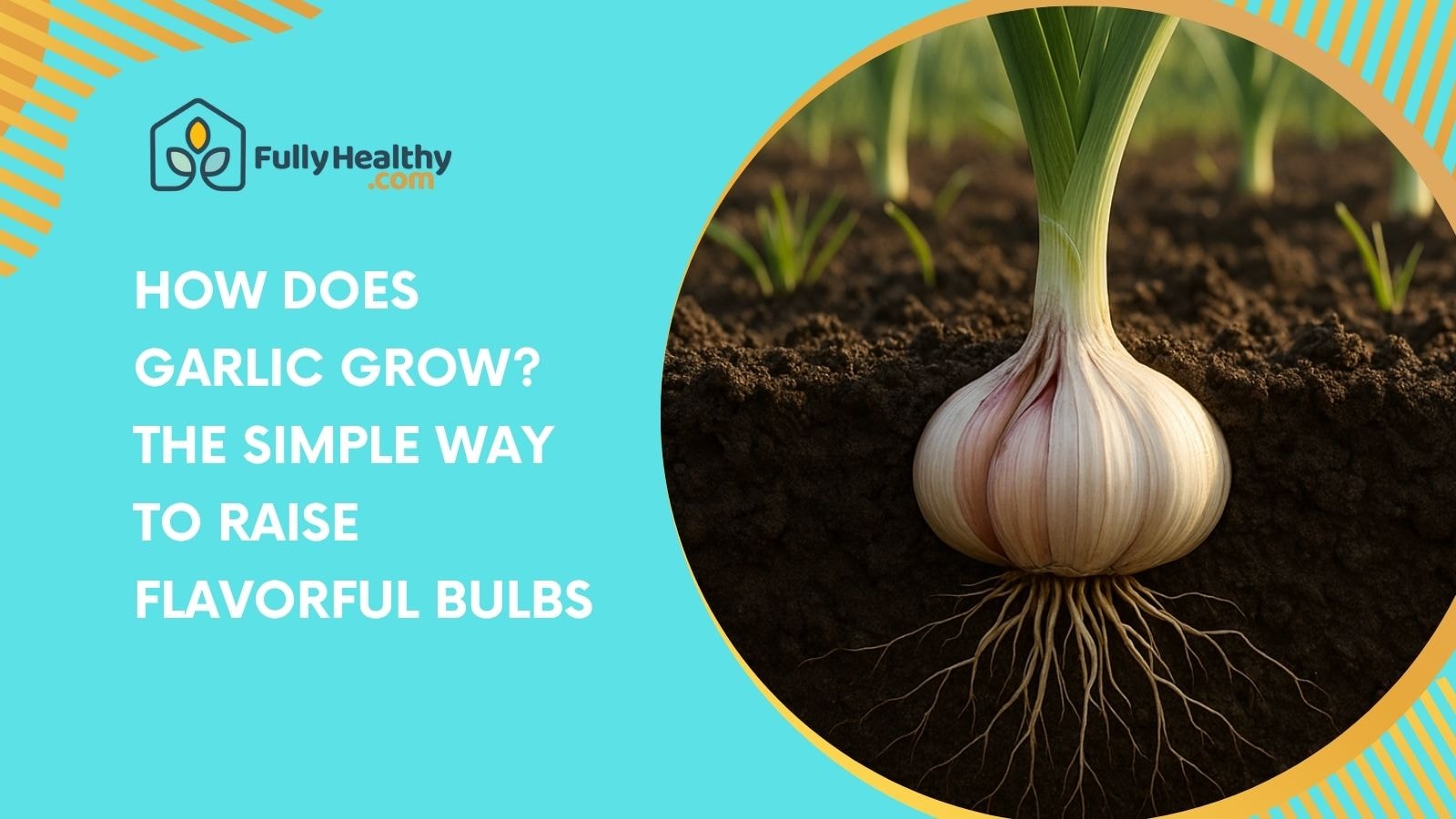
Ever wondered how does garlic grow into those flavorful bulbs you use every day? The process begins with planting one clove in cool ground before winter. For months, until they're ready to be picked, the roots stretch, the stalks rise, and the bulbs get bigger underground.
Garlic is easy to grow, tastes great, and looks great in any home garden. Let's look at how a garlic clove grows into a whole head.
🌿 Add a Zesty Twist to Healthy Eating – Try Pluck’s Bold Garlic Blend!
How Does Garlic Grow?
The Life Cycle of Garlic
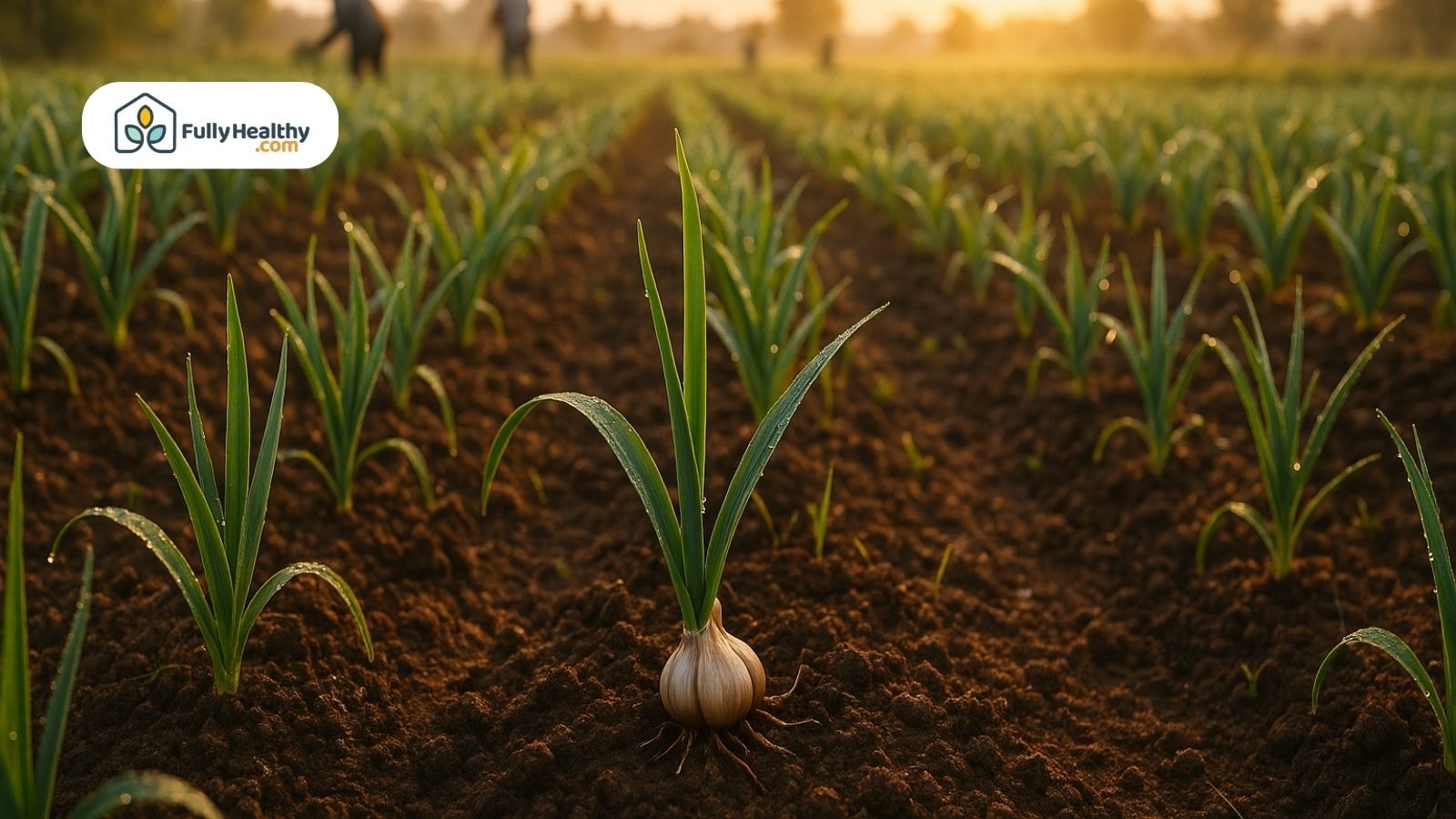
If you plant one garlic clove in the fall, it will grow into a full bulb by summer, ready to be picked. Garlic is one of the easiest plants to grow in a home garden because it needs cool soil for roots to grow and warm light for leaves and bulbs to form.
-
Planting stage: Plant cloves 2–4 inches deep and 6 inches apart before frost.
-
Winter dormancy: Roots grow slowly while bulbs stay underground.
-
Spring growth: Shoots appear in early spring as soil warms.
-
Early summer: Hardneck garlic grows scapes that should be cut off.
-
Harvest stage: When half the leaves turn brown, bulbs are ready to harvest. Cure garlic in a single layer for good air circulation.
Hardneck vs. Softneck Varieties
The two main garlic types differ in flavor, climate tolerance, and storage life. Both grow well when planted in fertile, well drained soil.
-
Hardneck garlic: Suited to cool climates, forms scapes, and has strong flavor.
-
Softneck garlic: Grows in warm climates with milder flavor and longer shelf life.
-
Flavor: Hardneck tastes bold, softneck tastes gentle and sweet.
-
Use: Hardneck for cooking fresh garlic dishes, softneck for storage and braiding.
How Does a Garlic Bulb Grow From a Clove?
Planting and Soil Preparation
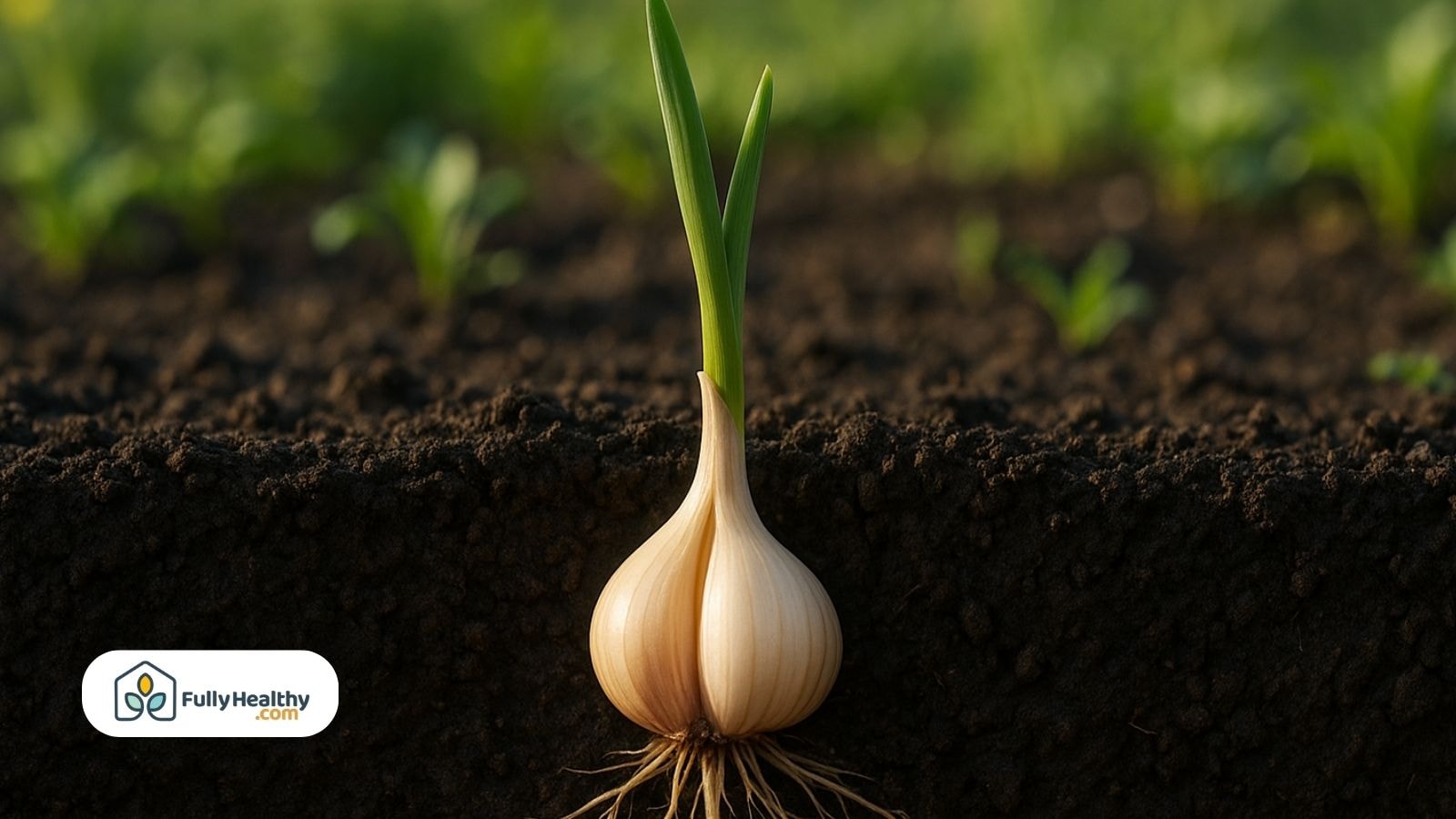
To plant garlic, you must first pick healthy bulbs and separate them into cloves. Each clove starts a plant that grows into a full garlic bulb.
-
Soil: Use fresh compost mixed with worm castings for nutrients.
-
Placement: Plant cloves 2–3 inches deep and 6 inches apart.
-
Position: Keep the flat end down and the pointed end up.
-
Mulch: Add a good layer of grass clippings or straw for winter protection.
Rooting, Shoots, and Bulb Formation
During winter months, roots expand below the surface while shoots rest. In early spring, the garlic plant grows fast and prepares bulbs for summer harvest.
-
Roots: Spread through soil and feed on compost nutrients.
-
Shoots: Appear with longer days and full sun exposure.
-
Scapes: Grow in early summer. Removing them helps form larger bulbs.
-
Bulbs: Mature as leaves turn brown and stalks dry out.
How Long Does Garlic Take to Grow From Cloves?
Month-by-Month Growth Overview
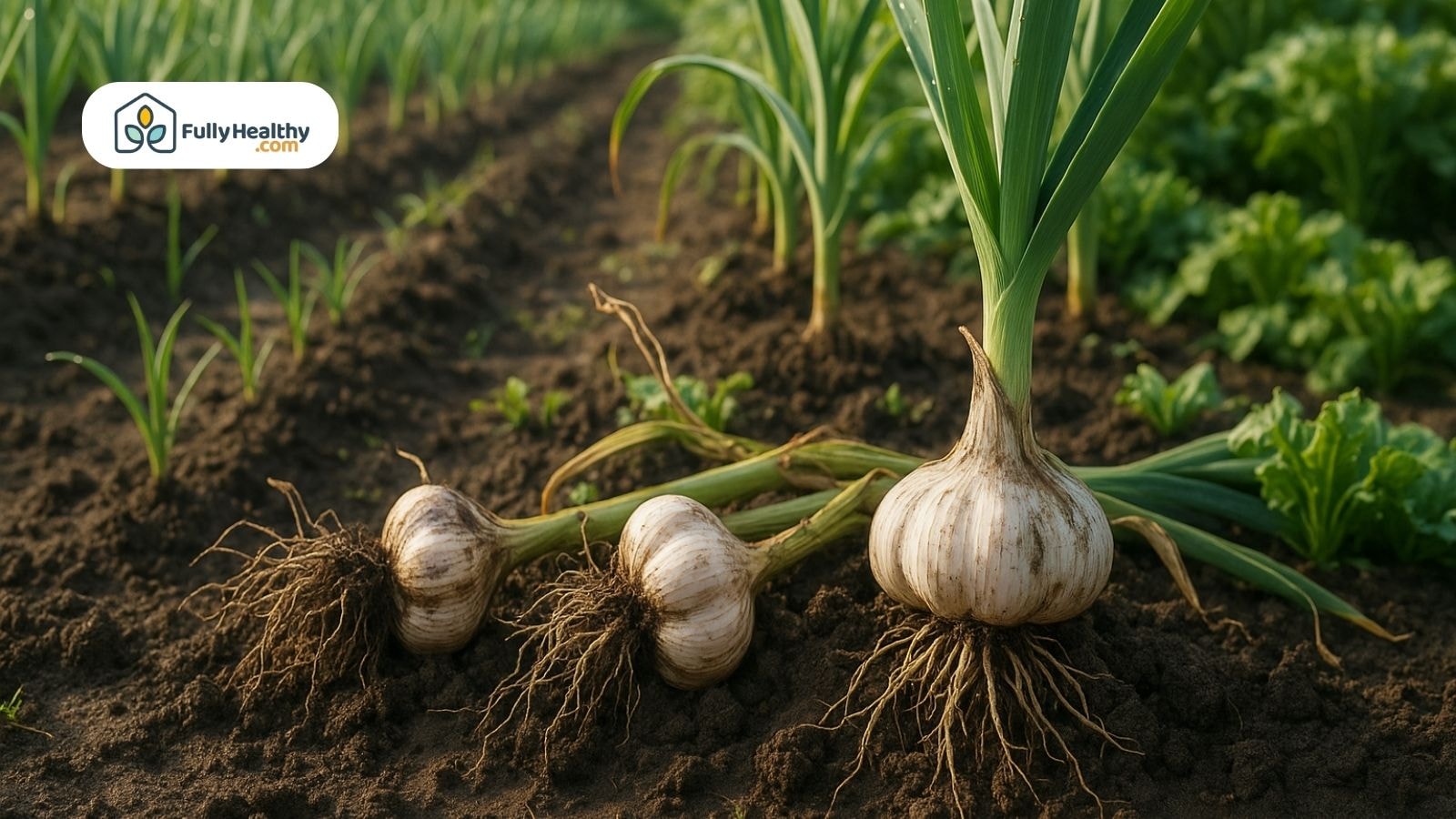
Depending on the type, garlic usually takes 6 to 8 months to grow from planting to harvest. Weather, soil, and care during the growing season all affect how much it grows.
-
Fall: Plant garlic cloves before frost.
-
Winter: Roots grow underground while bulbs rest.
-
Early spring: Shoots rise as temperature warms.
-
Late June: Scapes appear, remove to grow healthy bulbs.
-
Early summer: Bulbs swell and turn brown when ready to harvest.
Factors That Affect Growth Time
How garlic grows and when it's ready to pick depend on a number of factors. If you take care of your bulbs regularly, they will stay healthy and taste better for longer.
-
Climate: Hardneck garlic grows best in cold areas, while softneck in warm climates.
-
Water: Keep soil moist but not soaked.
-
Sunlight: Garlic grows best with full sun.
-
Nutrition: Add fresh compost or organic fertilizer during spring.
-
Harvest: Wait until half the leaves have turned brown for full bulbs.
What Should You Not Plant Next to Garlic?
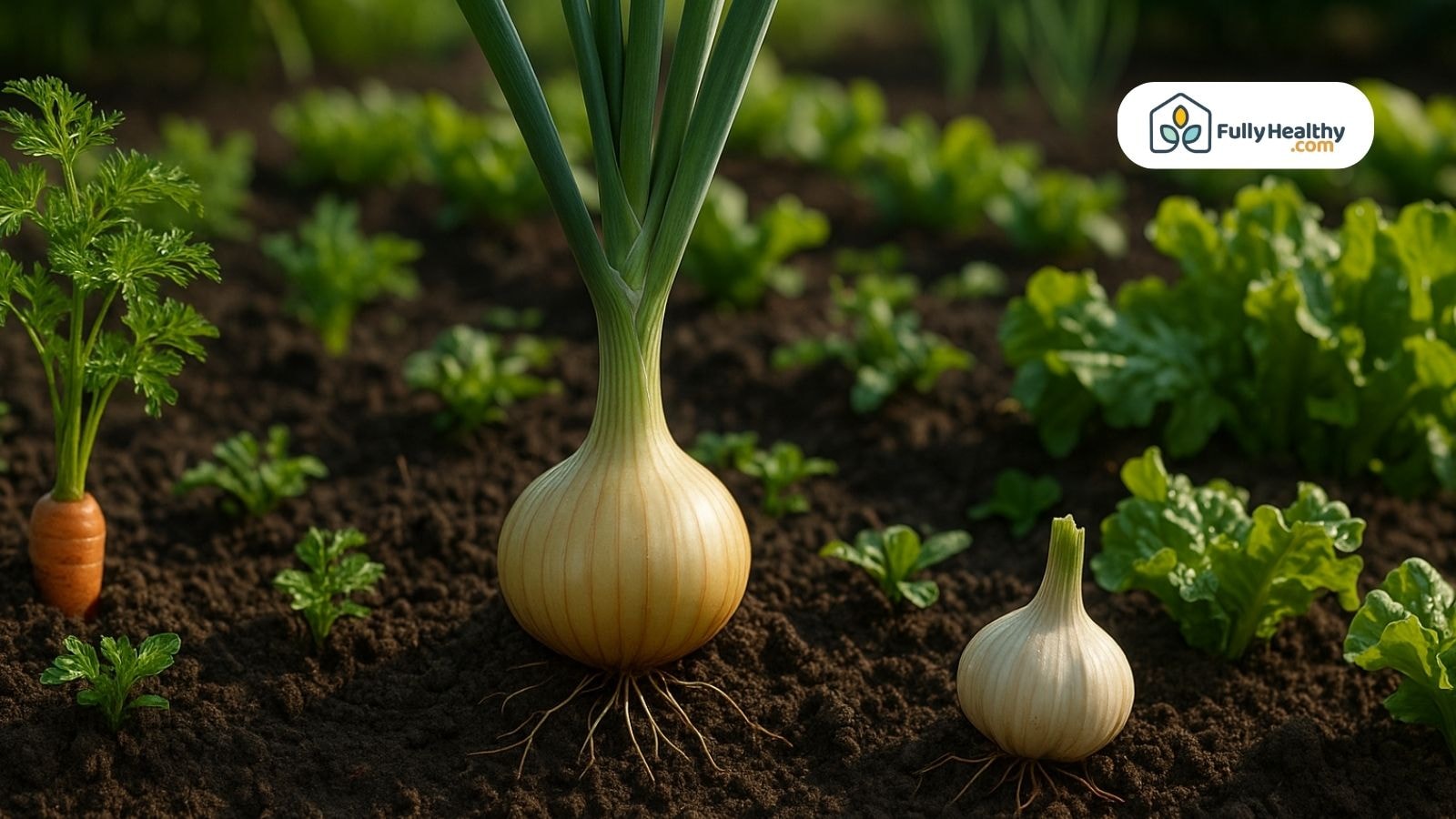
Avoid These Near Garlic
Some plants weaken or compete with garlic for soil nutrients. Avoid planting onions or leeks near garlic to reduce the risk of shared diseases like white rot.
-
Beans and peas: Sensitive to garlic’s sulfur compounds, which stunt growth.
-
Asparagus: Struggles to absorb nutrients near garlic plants.
-
Sage: Prefers drier soil than garlic and slows its growth.
-
Other alliums: Onions and leeks share diseases that harm garlic bulbs.
-
Crop rotation: Wait three years before planting garlic in the same ground.
Garlic’s Best Companions
Garlic grows well beside crops that enjoy similar soil and sunlight conditions. Good companion plants help control pests and improve soil nutrients for healthy bulbs.
-
Carrots: Grow well with garlic and repel root flies.
-
Beets: Benefit from garlic’s pest protection and do not compete for nutrients.
-
Tomatoes: Gain protection from aphids when planted near garlic.
-
Lettuce and spinach: Fit perfectly between garlic rows for efficient garden space.
-
Fruit trees: Garlic may deter some pests when interplanted.
About Our Site – FullyHealthy
Who We Are
FullyHealthy is an online store that sells healthy, clean foods that help you live a balanced life. The store promotes honest and high-quality ingredients and natural products that can be used in everyday cooking and as healthy snacks.
-
Mission: Provide whole foods and clean pantry staples for home cooks.
-
Commitment: Offer organic options free from artificial additives.
-
Focus: Help people build better meals with simple, honest nutrition.
Garlic-Based Products We Love
FullyHealthy carries several garlic-inspired foods that bring taste and nutrition to the table. Each product highlights the versatility of garlic in modern cooking.
-
Simply Organic Garlic Powder: A pantry staple made from pure dried garlic for quick flavor in sauces and soups.
-
Pluck Zesty Garlic Organ Blend: A nutrient-rich seasoning that adds depth to meats and vegetables.
-
Urban AIP Rosemary Garlic Paleo Crackers: Crunchy grain-free snacks infused with herbs and garlic.
-
Basil Garlic Organic Raw Sauerkraut: Probiotic-rich fermented cabbage with a tangy garlic kick.
-
SweetPotato Awesome Dill Garlic Fries: Light, oven-ready fries with a zesty, natural flavor.
Final Thoughts
Growing garlic in your garden gives you taste, health, and satisfaction. If you plant garlic cloves in the fall and then use the same fertilizer or fresh compost every spring, the garlic heads will grow strong and be ready to cook with. Cure garlic and store it somewhere cool.
For next year's crop, add the extra stalks to your compost pile. For better results, don't use garlic from the store. Get your garlic plants going now and enjoy every clove you pick!
FAQs
How do garlic scapes and garlic seed affect growing garlic?
Garlic scapes grow on hardneck varieties and removing them helps bulbs grow larger, while garlic seed takes longer to mature but improves genetic strength when growing garlic.
Is October too late to plant garlic?
No, you can still plant garlic cloves in October if soil is soft enough to dig and you add a layer of mulch for winter protection.
What happens if you wait too long to harvest your garlic?
If you wait too long, garlic heads split apart, lose flavor, and can rot before you cure or store garlic properly.
Can I use supermarket garlic for planting?
You can plant supermarket garlic, but it may carry disease and grow poorly, so start with certified bulbs and rotate fertilizer types based on soil tests to maintain balanced nutrition and health.
Should garlic waste go in the compost pile?
Yes, add leftover stalks, skins, or trimmed roots to your compost pile to enrich soil for next season’s garlic heads and other vegetables.
Leave a comment