

How Is Avocado Oil Made? Clean, Healthy Oil From the Fruit
 Photo Credit: Canva Pro
Did you ever think about how avocado oil is made? Avocados that are ripe are washed, peeled, and mashed into a smooth pulp. The pulp is first gently malaxed, then the oil is separated using centrifugation.
It only contains the rich, green oil from the fruit’s flesh, without including seeds or synthetic additives. This article tells you how it's made, if it's processed, why it's good for you, and more. Let's get into this clean and heart-healthy kitchen item.
🥑 Pure, Healthy & Delicious – Cook Smarter with Primal Avocado Oil!
How Is Avocado Oil Made?
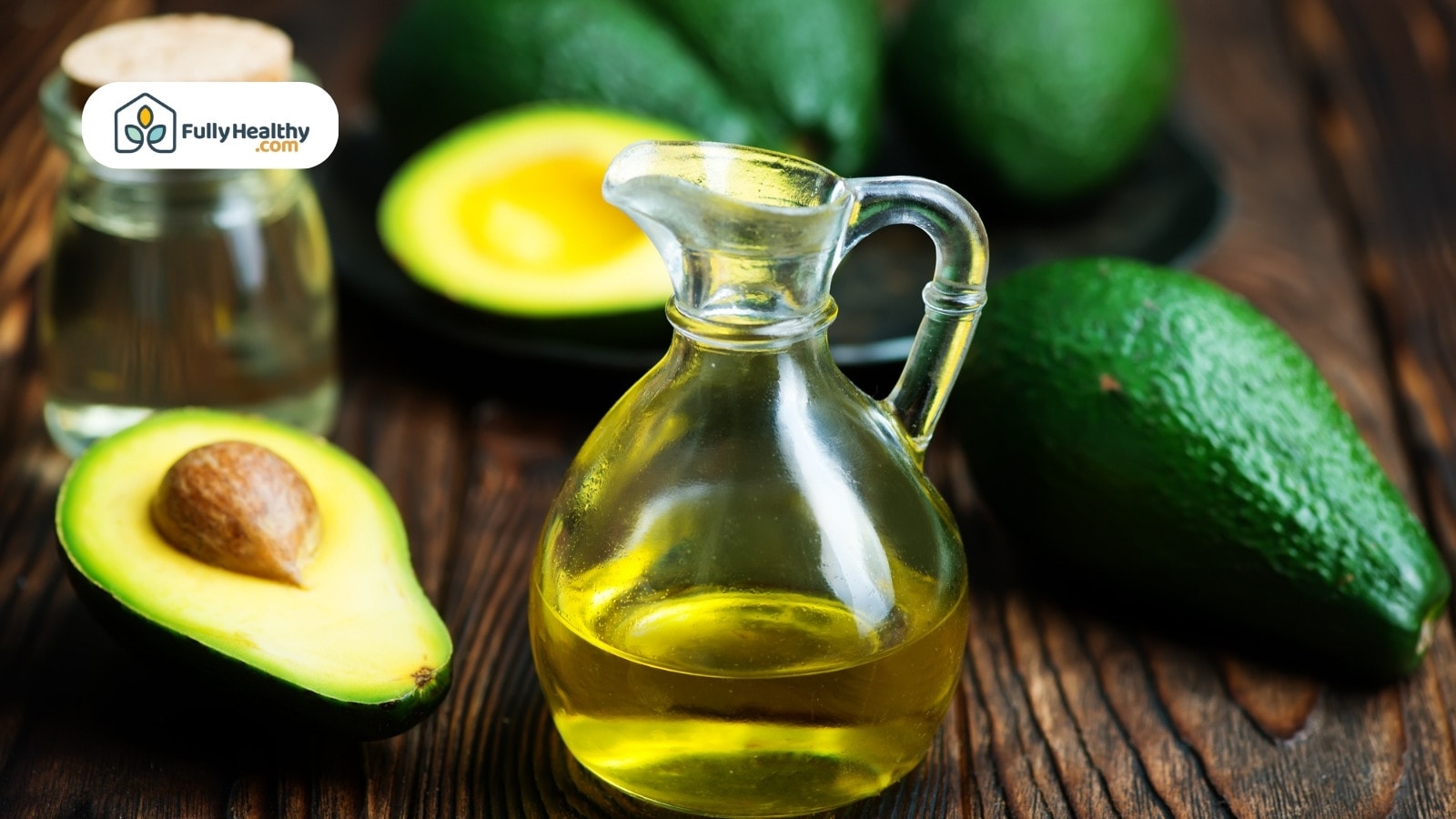 Photo Credit: Canva Pro
To make avocado oil, the pulp of the avocado fruit (not the seed) is slowly pressed to get the oil out. The process focuses on keeping the nutrients in the oil and making a clean, healthy cooking oil. Knowing how it's made helps you make better choices, whether you're adding it to salad dressings or having high heat cooking methods.
From Avocado Flesh to Smooth Paste
The first step is choosing ripe avocados or slightly overripe avocados. The skin and seed are taken off after washing, and the soft avocado flesh is made into a thick, smooth paste. This is the first step in quality oil extraction.
-
Only the pulp is used: The skin and seed are discarded, and the pulp is used for oil extraction.
-
Paste is created gently: To avoid high heat, the flesh is mashed into an avocado paste.
-
Cold or light-heat processing: This helps keep nutrients. A cold process or slow warming can help.
-
No chemical solvents: Some oils are refined in harsh ways, but top brands don't do that.
Separation Through Centrifugation
After that, the paste is worked on to get the oil out of it. Most of the time, a machine called a centrifuge is used to spin the paste very fast. It takes out the oil along with the pulp and water.
-
Centrifuge spins out the oil: High speed separates oil from moisture and solids.
-
Yields unrefined avocado oil: The first result is a pure, brilliant emerald green oil.
-
Filtering improves texture: Removes remaining solids for smoothness and clarity.
-
Refining changes the profile: If processed further, it becomes an odorless yellow oil with less avocado flavor.
Is Avocado Oil Chemically Processed?
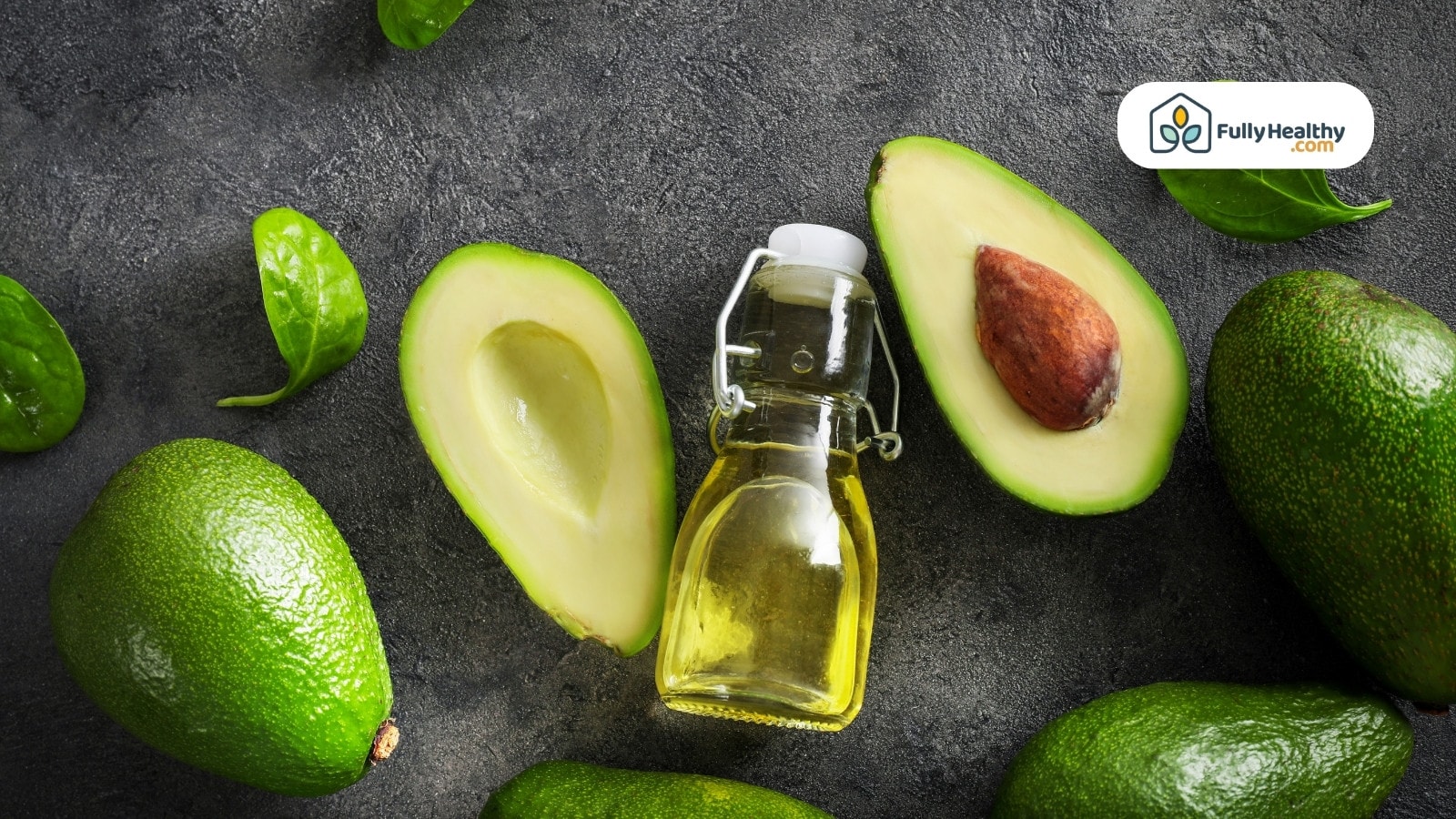 Photo Credit: Canva Pro
This is a common worry. There are different kinds of avocado oil. Some oils are refined to improve shelf life or get rid of their taste, while others are refined to make them taste better. That doesn't always mean processing that is bad, though.
Naturally Refined Avocado Oil vs. Harsh Methods
If no chemicals are used, refining avocado oil can still be good for you. Companies usually filter and lightly process oil to get rid of impurities and make it more stable, especially for cooking at high temperatures.
-
Naturally refined means safe: Some refined oils use physical refining methods, such as steam and filtering, without chemical solvents.
-
Better for high-heat use: It has a high smoke point, great for frying and roasting.
-
Retains good fats: Still rich in oleic acid and monounsaturated fatty acids.
-
Different from industrial oils: Unlike poor-quality oils, these keep their health value.
What Labels to Look For
If you read the label, you can avoid oils that aren't very good or have been processed too much. Before you buy, look at these things.
-
Look for “cold-pressed” or “extra virgin”: These oils are minimally processed and nutrient-rich.
-
Avoid vague claims: Skip products that don’t explain their refining method.
-
Prefer transparency: Choose brands that share their sourcing and processing steps.
-
Check for certifications: Third-party testing ensures purity and quality.
How Do They Extract Oil From Avocados?
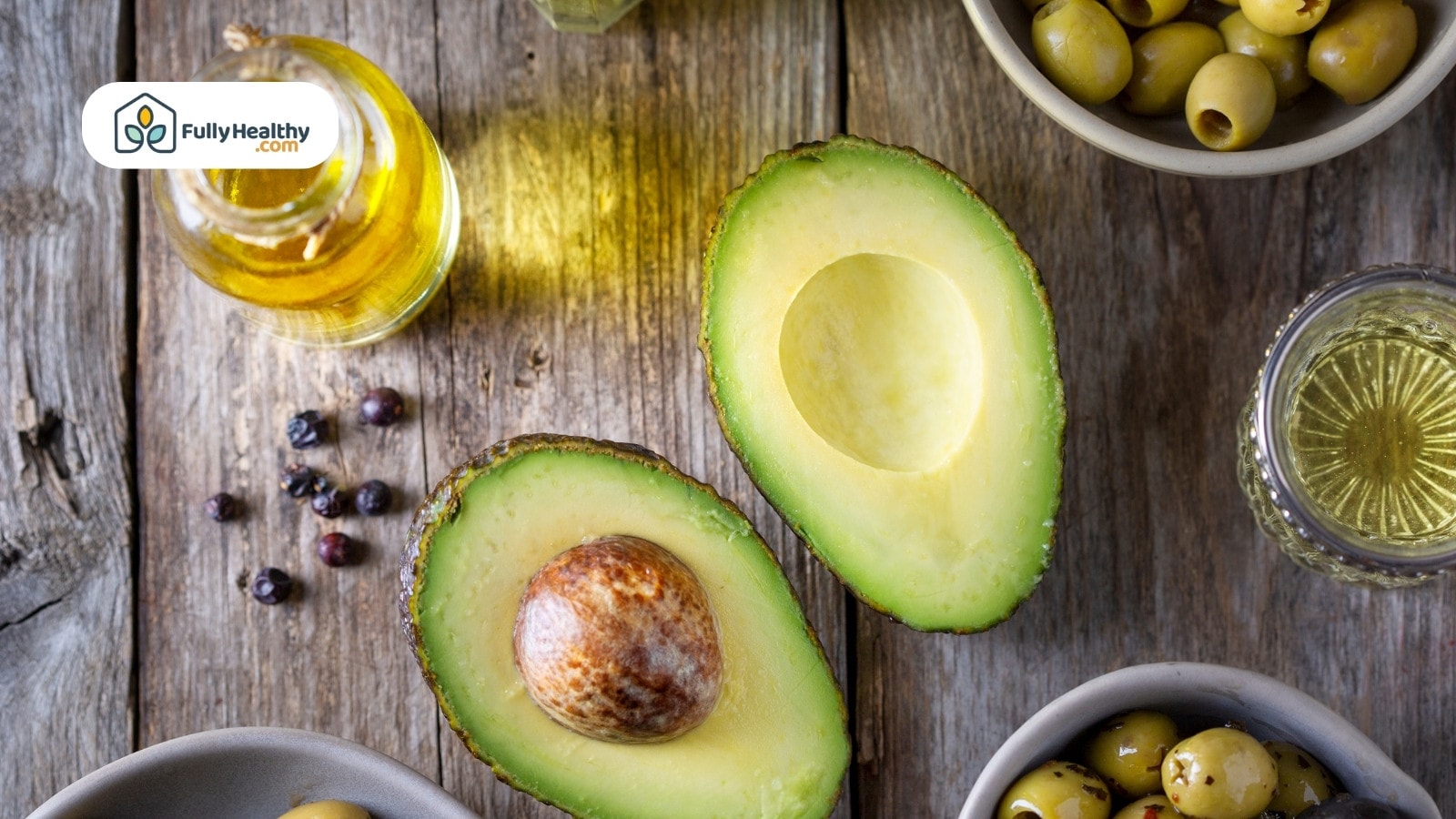 Photo Credit: Canva Pro
The way the oil is extracted changes the color, taste, and nutrients in a big way. The process is similar to making olive oil, but because avocados are wet and have a different texture, the settings are different. The goal is to keep the healthy benefits and taste of the avocado.
Malaxing and Centrifugation
Before it is spun, the avocado paste is malaxing, which means it is slowly mixed over low heat. This helps the oil come out without taking away from its natural benefits.
-
Paste is kneaded, not cooked: Malaxing typically occurs between 35–50°C, depending on whether the oil is cold-pressed or not.
-
Oil is spun out: A centrifuge removes water and solids, leaving clean oil behind.
-
Produces extra virgin quality: Best results create extra virgin avocado oil full of oleic acid.
-
Similar to olive oil: But avocado oil can handle more moisture in the fruit.
Flavor and Color Characteristics of Extra Virgin Avocado Oil
Some avocado oils taste better than others. The flavor and color are affected by the type, the process, and how fresh the food is. Better oils keep more of the nutrients and taste.
-
Extra virgin keeps the flavor: Has a rich, characteristic flavor and bright green color.
-
Refined oils are more neutral: Less taste, ideal for cooking where you want no strong flavor.
-
Different avocados = different tastes: Some have a slightly different flavor profile than others.
-
Texture varies slightly: Some may feel slightly oily or coat food in a thin layer.
Is Avocado Oil Actually Healthy?
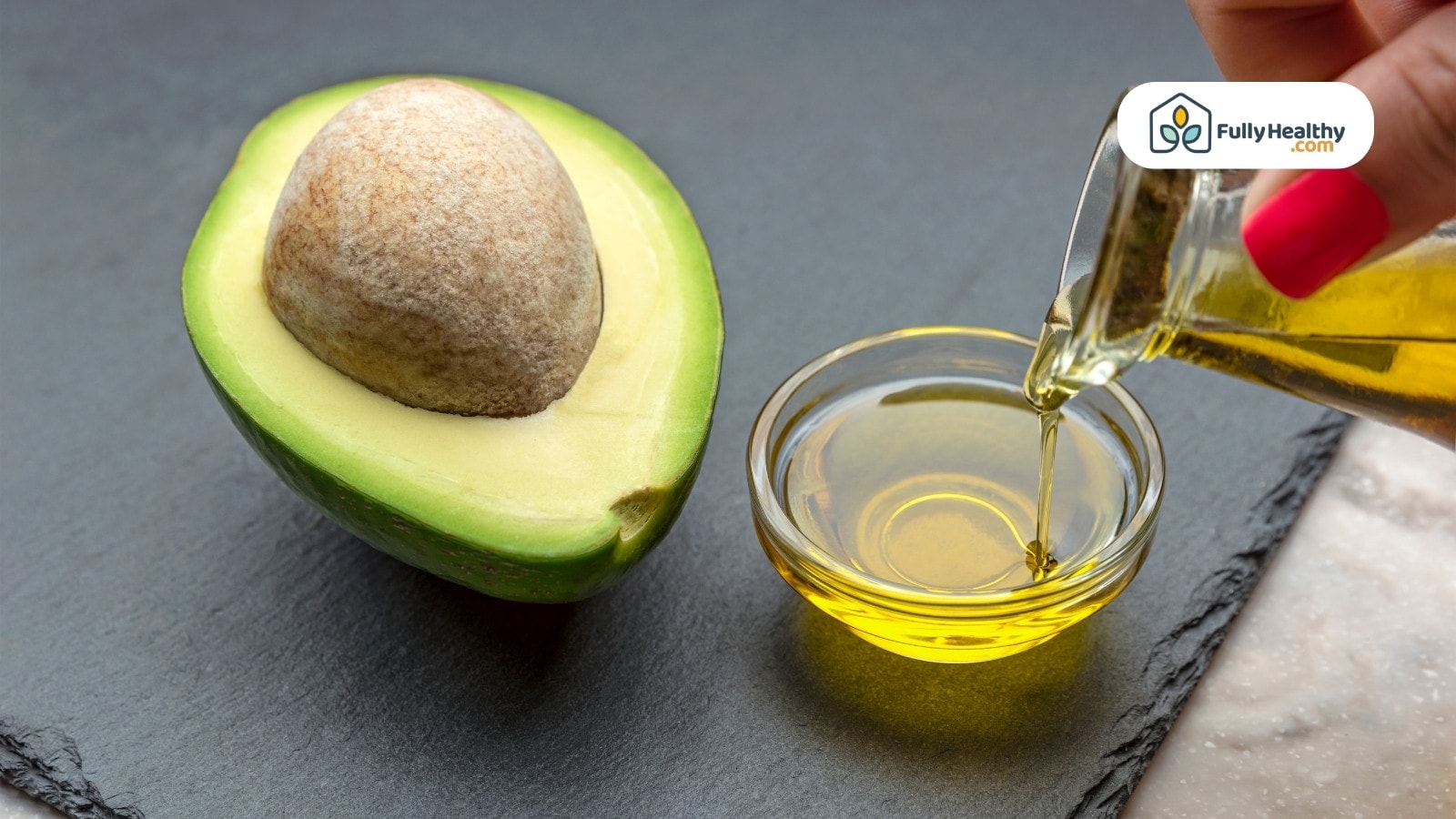 Photo Credit: Canva Pro
A powerful oil that can be eaten, avocado oil is known to help keep check of heart's health, reduce inflammation, and improve eye health. It is in the same group as extra virgin olive oil as speciality oils that are good for you because they are high in nutrients.
Rich in Super Healthy Fat
Numerous monounsaturated fatty acids, especially oleic acid, are found in avocado oil. These acids are good for your heart and overall health.
-
Heart-friendly fats: The super healthy fat in avocado oil helps lower bad cholesterol and raise good cholesterol.
-
Supports absorption: Helps your body absorb key vitamins like A, D, E, and K.
-
Helps reduce inflammation: Oleic acid can help lower inflammation, making it great for daily cooking.
-
Better than refined seed oils: Less processed and more natural than many other oils.
Benefits Beyond the Kitchen
You can cook with avocado oil, but it's also good for your eyes and skin. It has a lot of antioxidants and can also be used for beauty.
-
Good for eye health: Contains lutein, a natural antioxidant that supports long-term eye health.
-
Moisturizes skin: Works well as a skin oil due to its hydrating and soothing properties.
-
Uses the entire fruit: Extracted from the avocado pulp, which contains the highest oil content.
-
Natural and clean: Especially when labeled as extra virgin or unrefined, the oil keeps most of its nutrients.
Is There a Downside to Avocado Oil?
Not everything about avocado oil is great for you. It costs more than a lot of oils, and not all of the ones on the shelf are good. Some may even be labelled wrong or have gone bad.
Cost and Cooking Considerations
Most of the time, avocado oil costs more than extra virgin olive oil. It's still a good choice, though, because it can be used for many things and has a high smoke point.
-
Higher price tag: Cold-pressed or extra virgin avocado oil usually costs more than other options.
-
Great for high heat: Ideal for deep frying, sautéing, and roasting due to its high smoke point.
-
Neutral flavor profile: Offers a neutral flavor, so it won’t overpower your dishes.
-
Use in moderation: It’s calorie-dense, like most oils, so stick to healthy portions.
Quality Can Vary Depending on the Source
The way avocado oil is made and stored affects its quality. Oils that aren't very good might be dark brown or smell old.
-
Color matters: A good oil is light green, not muddy or overly dark.
-
Smell and taste test: A fresh oil should smell clean—not burned or bitter.
-
Check the label: Look for terms like ‘cold-pressed’ or ‘unrefined,’ which indicate minimal processing.
-
Watch for storage: Oils should be in dark bottles and away from direct heat to stay fresh.
What FullyHealthy Can Do for You
FullyHealthy makes it simple to discover safe and clean avocado oil items. We have spray oil, cooking oil, and a creamy spread, so you can find what you need.
Avocado Oil Products You Can Trust
Our products are clean, simple, and made for modern kitchens that care about health. In some recipes, you can even use substitute avocado oil instead of butter or seed oils.
-
Primal Kitchen Avocado Oil: Great for all cooking types, especially at elevated temperatures.
-
Chosen Foods Spray: Easy to use for greasing pans or quick meals, without any chemicals.
-
Avocado Oil Mayo: A clean and creamy option made with real avocado oil for sandwiches or dips.
Clean Eating Made Simple
People with food allergies, special diets, and wellness goals can get help from FullyHealthy. They offer more than just oils; we also offer a new way of life.
-
Specialty-friendly: Products are made for AIP, Paleo, and Whole30 diets.
-
No hidden junk: What you see is what you get, no fake oils or fillers.
-
Helpful content: Their blog posts offer recipes, tips, and product highlights.
-
Thoughtful sourcing: They work with brands that produce oils responsibly and ethically.
Final Thoughts
You can see why avocado oil is one of the best edible oils for cooking, beauty, and even baking now that you know how it's made. Whether you like extra virgin or refined avocado oil, it gives you options in the kitchen, is healthy, and has a clean taste. It's made from the whole fruit, which has been peeled and processed slowly—no short-cuts. Pick good brands, read the labels, and add this very healthy fat to your meals every day.
Avocado oil is great for a lot of things, from sautéing to making salad dressings. This oil, like extra virgin olive oil, has earned its place among today's health promoting specialty oils.
FAQs
Can I use a muslin cloth to make avocado oil at home?
Yes, a muslin cloth can help separate oil from pulp during hand squeeze extraction.
Should avocado paste dry naturally or under heat?
Let it dry naturally before you hand squeeze or use a hand masher for best results.
Is the flavor of avocado oil more mushroom or buttery?
Depends on variety—some oils have more mushroom flavor, especially unrefined ones.
Can I re spread avocado paste after squeezing?
Yes, you can re spread the paste using a hand masher or similar material to extract as much water and oil as possible.
Do avocados need to be de pitted before baking?
Yes, always de pitted avocados before baking or oil making to avoid bitterness and damage.
Leave a comment