

How Long Are Carrots Good For? A Simple Storage Guide
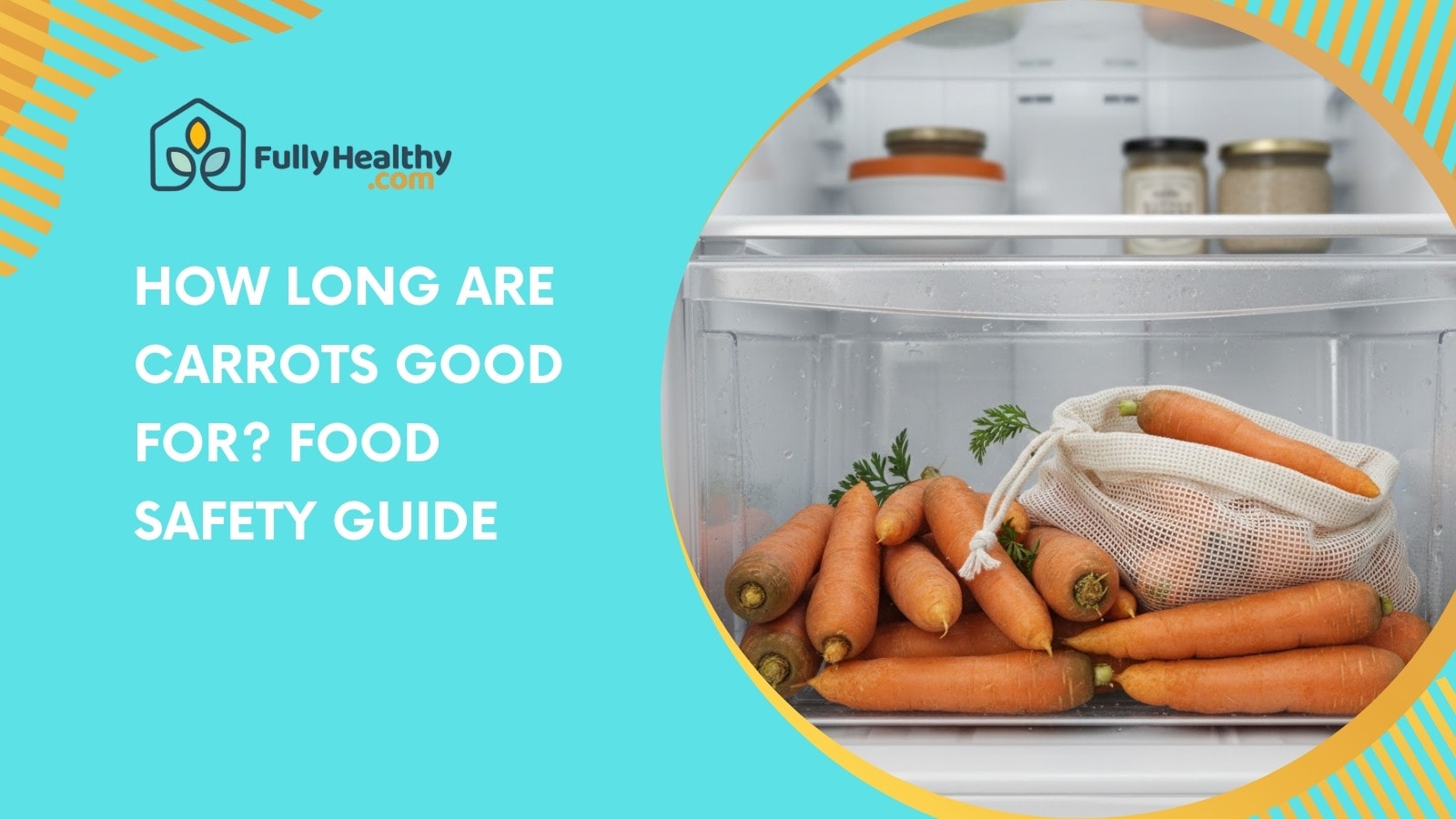
How long are carrots good for? How they are kept makes a difference. Whole carrots can be kept in the fridge for three to four weeks. Carrots cut up last for 2 to 3 weeks. You can store baby carrots for one to two weeks.
Carrots that have been blanched and frozen at 0°F (-18°C) can last up to 12 months, but quality may decline after 10 months depending on freezer conditions. Don't waste food by guessing when to eat or toss away carrots. This guide gives you clear dates, storage tips, and signs of going bad.
🍰 Satisfy Sweet Cravings — All the Carrot Cake Flavor, None of the Guilt!
How Long Are Carrots Good For?
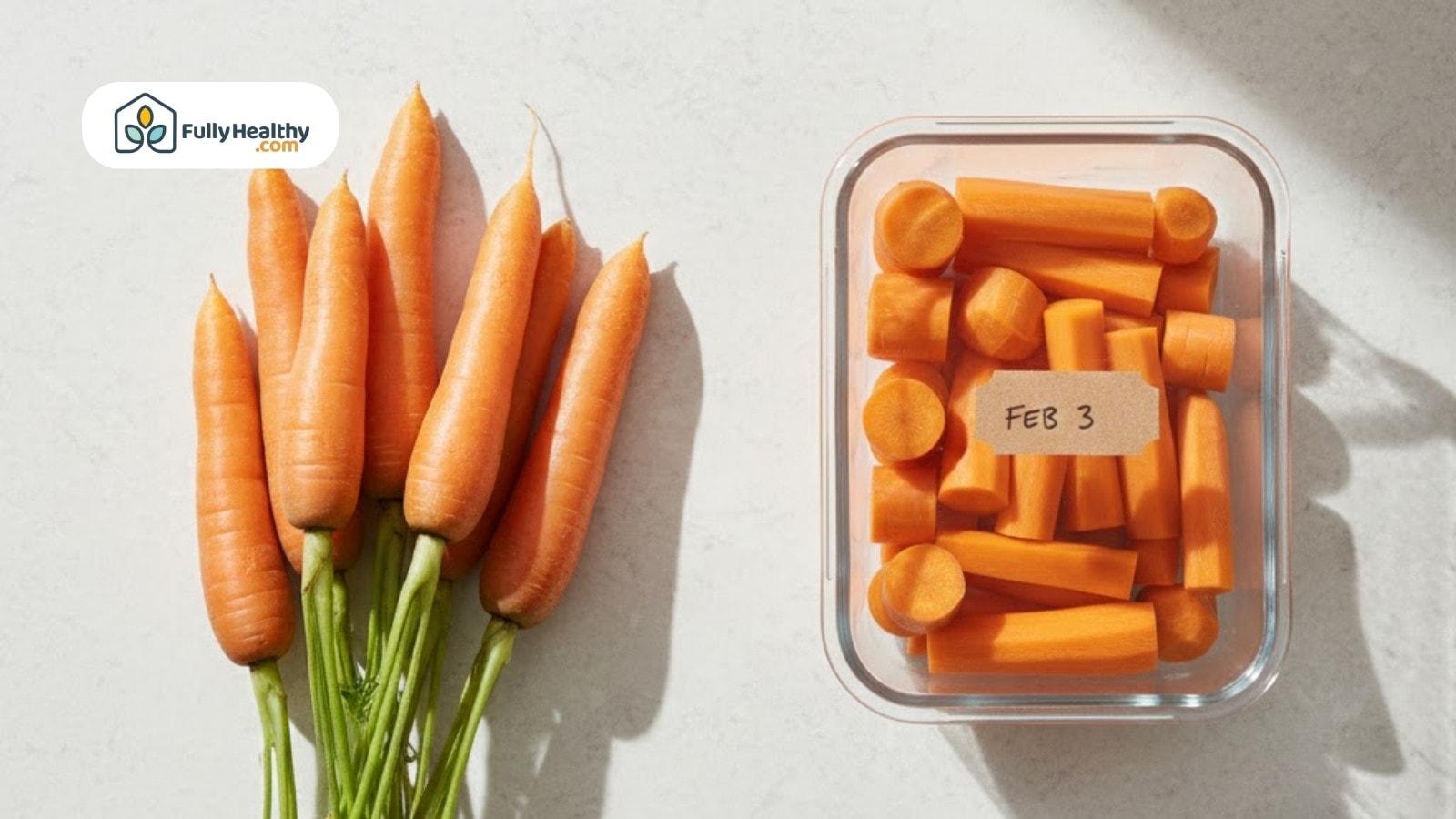
When stored properly, carrots are a root vegetable that can last for a long time. How you handle carrots and where you store them affect how long they stay fresh. Because the skin keeps the carrots moist, whole carrots usually last longer than cut carrots. Fresh carrots can stay safe, crisp, and ready to cook for weeks in the fridge if they are stored in the right way.
Average Shelf Life by Carrot Type
Carrots of different kinds don't always last as long. Getting carrots ready is a big part of how quickly they go bad. Peeled and sliced carrots dry out faster than whole carrots because they lose water more quickly. When carrots are cooked, they don't last long.
-
Whole Carrots: Carrots can last three to four weeks in the fridge when placed in a plastic bag or sealed bag.
-
Baby Carrots And Bagged Carrots: These usually last about two weeks because trapped moisture causes faster spoilage.
-
Cut Carrots And Sliced Carrots: When stored in an airtight container, they stay fresh for two to three weeks.
-
Cooked Carrots: These should be eaten within three to five days after cooking.
-
Frozen Carrots: When you blanch carrots first, frozen carrots can last up to twelve months.
Factors That Affect How Long Carrots Last
Several things influence shelf life beyond the expiration date on the package. Storage techniques and placement in the fridge matter more than many people realize. Freshness can be shortened by not enough airflow or too much moisture.
-
Storage Conditions: Cold temperatures help carrots last longer and stay fresh.
-
Ethylene Gas Exposure: Carrots are sensitive to ethylene gas and spoil faster when stored near high ethylene producers like ripe bananas.
-
Moisture Balance: Too much moisture causes rot, while dry air makes carrots dry and limp.
-
Greens Attached: Green tops pull moisture from carrots and reduce their shelf life.
How Do You Know If Carrots Have Gone Bad?
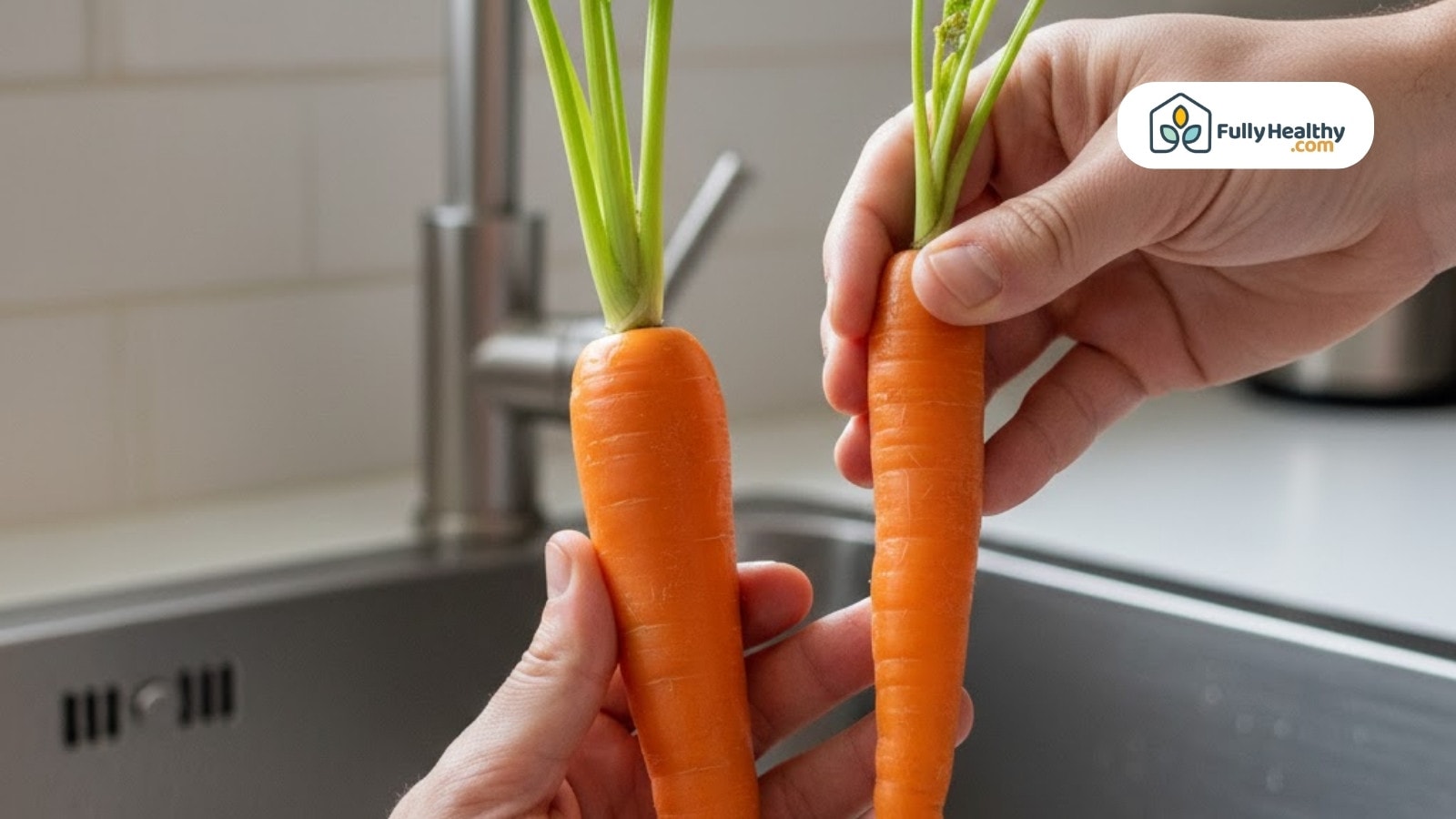
When carrots go bad, they don't always smell bad. The most reliable signs are changes in how things look and feel. If you know what to look for, you can avoid eating food that isn't safe. Carrots that are new should be firm and bright orange.
Texture, Smell, And Visual Warning Signs
Most of the time, rot starts on the surface. Carrots should not be cooked or eaten once they get soft or smell bad.
-
Soft Spots: These indicate internal breakdown and spoilage.
-
Dark Spots: These are signs of decay and bacteria growth.
-
Slimy Texture: This means carrots are no longer safe to eat.
-
Strong Odor: A sour smell means the carrots should be discarded.
White Blush Vs. Spoiled Carrots
White blush is often confused with mold, but it is usually harmless. It happens when carrots dry out after air exposure. These carrots are still safe if used soon.
-
White Blush: A chalky white coating caused by dehydration, not mold.
-
Simple Fix: Soaking carrots briefly in cold water can restore firmness.
-
Key Difference: Mold looks fuzzy, while blush appears flat and dry.
-
Safety Rule: If carrots feel slimy, they are no longer safe.
How Long Are Carrots Good For In The Fridge?
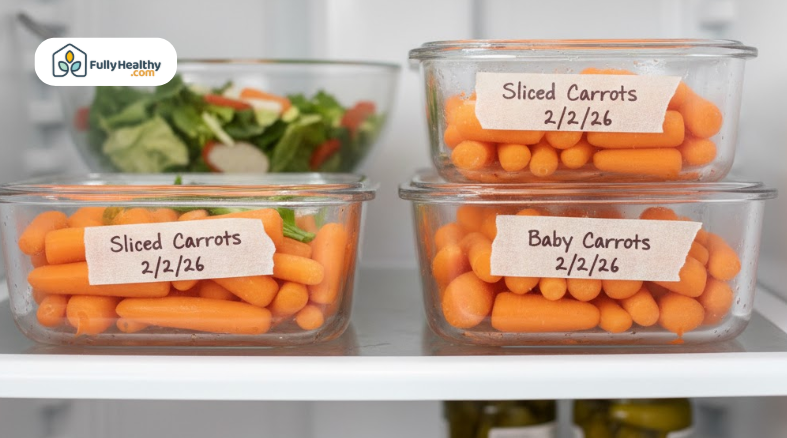
Refrigeration keeps good food fresh and slows down its breakdown. If you store them right, most carrots will last for a few weeks in the fridge. Keeping carrots dry is especially important when the carrots stored next to other fruits and vegetables.
Refrigerator Shelf Life By Preparation
Preparation changes how many weeks in the fridge carrots remain safe. Whole carrots last the longest, while peeled carrots and cooked carrots spoil sooner.
-
Whole Carrots: Stay fresh for three to four weeks when wrapped properly.
-
Peeled Carrots: Last about two weeks when kept submerged in water.
-
Cut Carrots: Remain safe for two to three weeks when sealed.
-
Cooked Carrots: Should be eaten within five days for safety.
Best Fridge Storage Methods To Extend Freshness
Simple storage techniques help carrots stay fresh longer and waste less. These steps help the food last longer and taste better.
-
Plastic Bag Method: Place carrots in a plastic bag with a damp paper towel.
-
Sealed Storage: Use an airtight container or sealed bag to reduce airflow.
-
Moisture Control: Wrap carrots in a damp paper towel and cover with aluminum foil.
-
Freezing Prep: Blanch carrots in boiling water, cool in ice water, dry on a baking sheet, then freeze for future cook needs and delicious recipes.
What Are The Signs Of Mold On Carrots?
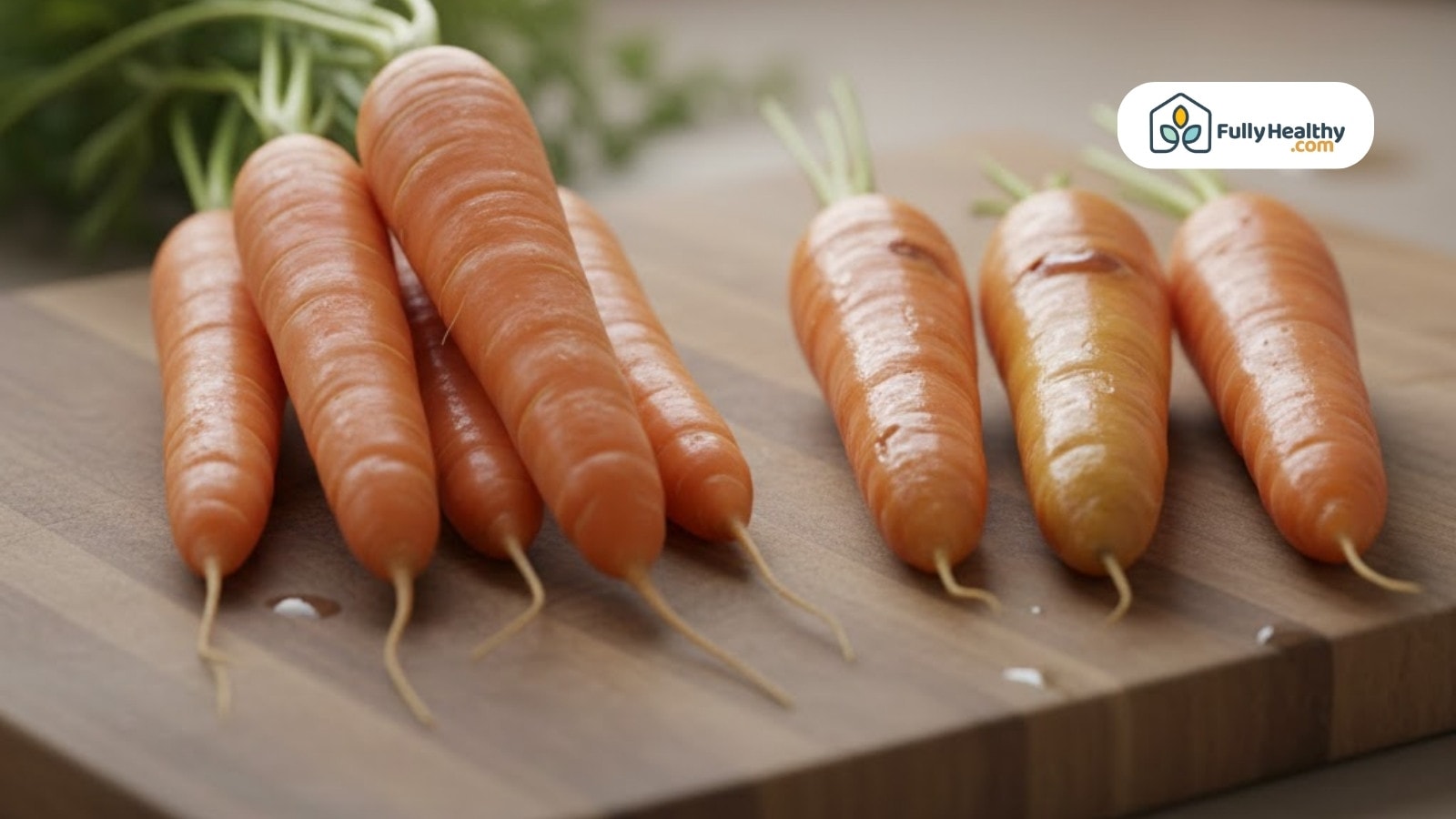
Carrots that have mold on them are no longer safe to eat. Moldy vegetables can make you sick, especially if you are a child or someone with a weak immune system. This part helps answer the main question of when to throw away carrots. Mold often grows on carrots that are stored next to fruits or in bad conditions.
How To Identify Mold Growth
Mold is not the same as dry skin or white blush, which are both harmless. It quickly spreads and covers the whole carrot, even if you can only see one spot. You should never cook with raw carrots that have mold on them.
-
White Fuzzy Growth: This indicates active mold and cannot be washed or trimmed off safely.
-
Dark Or Wet Patches: These often appear near soft areas and spread fast across the carrot.
-
Unpleasant Smell: A sour or musty odor signals spoilage and bacteria growth.
-
Slimy Surface: This shows advanced breakdown and unsafe food conditions.
What To Do If You See Mold
Carrots should be thrown away right away if mold starts to grow on them. They are still not safe even if you cook them in a pot or add them to soup. Mold spores can also get on foods that are close by.
-
Immediate Disposal: Place moldy carrots in a bag before throwing them away.
-
Separate From Produce: Keep moldy carrots away from apples, pears, and other fruits.
-
Clean Storage Areas: Wash bowls or containers used to store carrots thoroughly.
-
Prevention Tip: Store carrots dry and away from moisture-heavy veggies.
Fullyhealthy: Convenient Carrot Based Options For Special Diets
Some people don't have time every day to prepare raw vegetables. FullyHealthy sells ready-to-eat foods that help cut down on waste and make meals easier. These choices are good for people with busy lives and allow for more than just basic produce. They also make it easier to store things and keep them fresh.
How Fullyhealthy Supports Everyday Cooking
Fullyhealthy products reduce the need to store carrots for long periods. Many items are shelf-stable or freezer-friendly, helping prevent spoilage. This is helpful for quick meals and simple cooking.
-
Meal Convenience: Great for soup, one-pot meals, or fast lunches.
-
Easy Storage: Products can be kept in the pantry or freezer.
-
Less Prep Time: No peeling, chopping, or washing required.
-
Flexible Use: Works well with chicken, veggies, and simple sides.
Carrot-Based Products Available On Fullyhealthy
Fullyhealthy carries specific carrot-based products that fit special diets and busy lifestyles. These items offer variety while reducing the need to store carrots long-term.
-
KC Natural Carrot Marinara Paleo Pasta Sauce: A ready sauce that pairs well with meats or vegetables.
-
Wild Zora Quick Quinoa Meal With Chicken, Spinach, And Carrots: A balanced option for quick meals.
-
Wild Zora Instant Grain-Free Hot Cereal Carrot Cake: A simple breakfast option with warm spices.
-
Storage Tip: After opening, place leftovers in a bowl and refrigerate promptly.
-
Clean Handling: Wipe lids with a clean kitchen towel to avoid contamination.
-
Reheating Safety: Heat food fully before serving again.
Final Thoughts
If you know how to store carrots properly, you can avoid waste and keep them safe. Once you know the answer to the main question, you can confidently choose between raw and cooked uses. Put carrots in a bowl with a clean kitchen towel inside it. Keep it away from apples, pears, and other fruits.
Carrots can be kept for a long time in the freezer. You can also cook them with chicken, in soup, or in a pot meal. Be careful with carrots so they stay fresh, taste good, and are safe to use in everyday cooking. These habits help with meals, work well in busy homes, and help people make good decisions.
They help you safely keep track of your fruits and vegetables, prepare them raw, and store them. The results keep getting better for soup, pot, and chicken dinners. Use every day is important. I'm now at home. Today.
FAQs
How should I store carrots to avoid ill effects?
Store carrots away from apples, pears, and other fruits, keep veggies dry, and use a clean kitchen towel in a bowl.
Can raw carrots be used with chicken or soup safely?
Yes, raw carrots work well with chicken or soup when handled cleanly and cooked in a pot properly.
Is the freezer good for storing veggies and fruits?
The freezer helps store carrots long term and prevents ill effects when veggies are sealed properly.
What is the main question about carrots and storage?
The main question is how to store carrots safely with fruits like apples and pears without spoilage.
Can I mix raw carrots with other foods?
Yes, raw carrots can be mixed with chicken, soup, or veggies if kept clean, stored right, and handled carefully.
Leave a comment