

How Long Do Pickles Last? Store Pickles Storage Tips
Pickles last a long time, but they do not last forever. Different ways of making, storing, and opening affect how long pickles last. Opened jars of pickles need to be kept cool for months or even years.
Homemade quick pickles, especially those not heat-processed, spoil faster due to lack of pasteurization. This article tells you how to store pickles and how to tell when they're going bad.
Featured Pantry Pick
Great Plain // Raw Sauerkraut - 16 oz
Loading...
How Long Do Pickles Last?
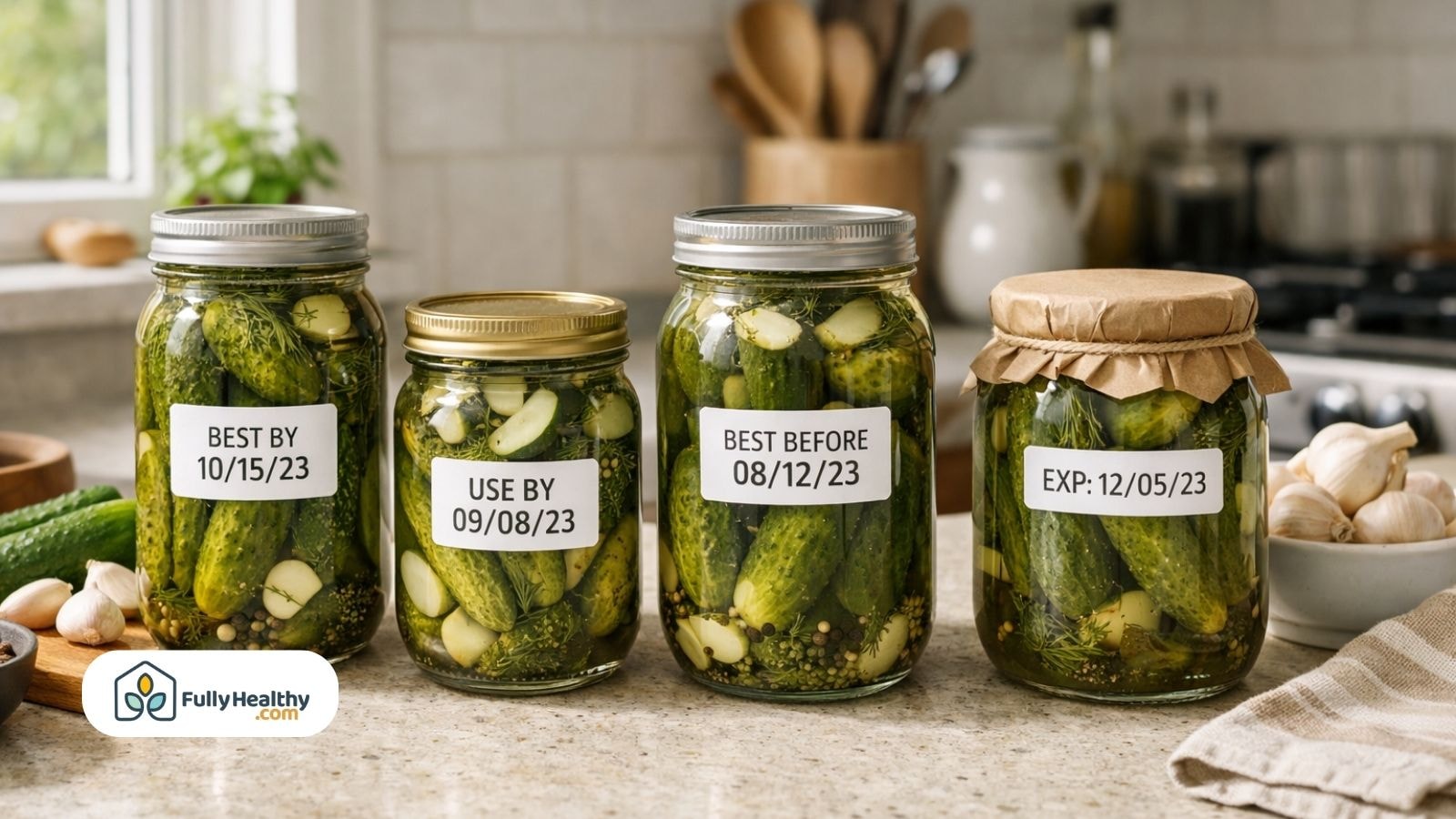
Pickled vegetables are meant to last for a while, but not forever. How pickles are made, how much vinegar and salt they have, and how they are stored all affect how long they last. Pickles don't all last the same amount of time. When you know how long each type will last, you can keep it from going bad and enjoy better taste and texture.
Shelf Life Of Unopened Store-Bought Pickles
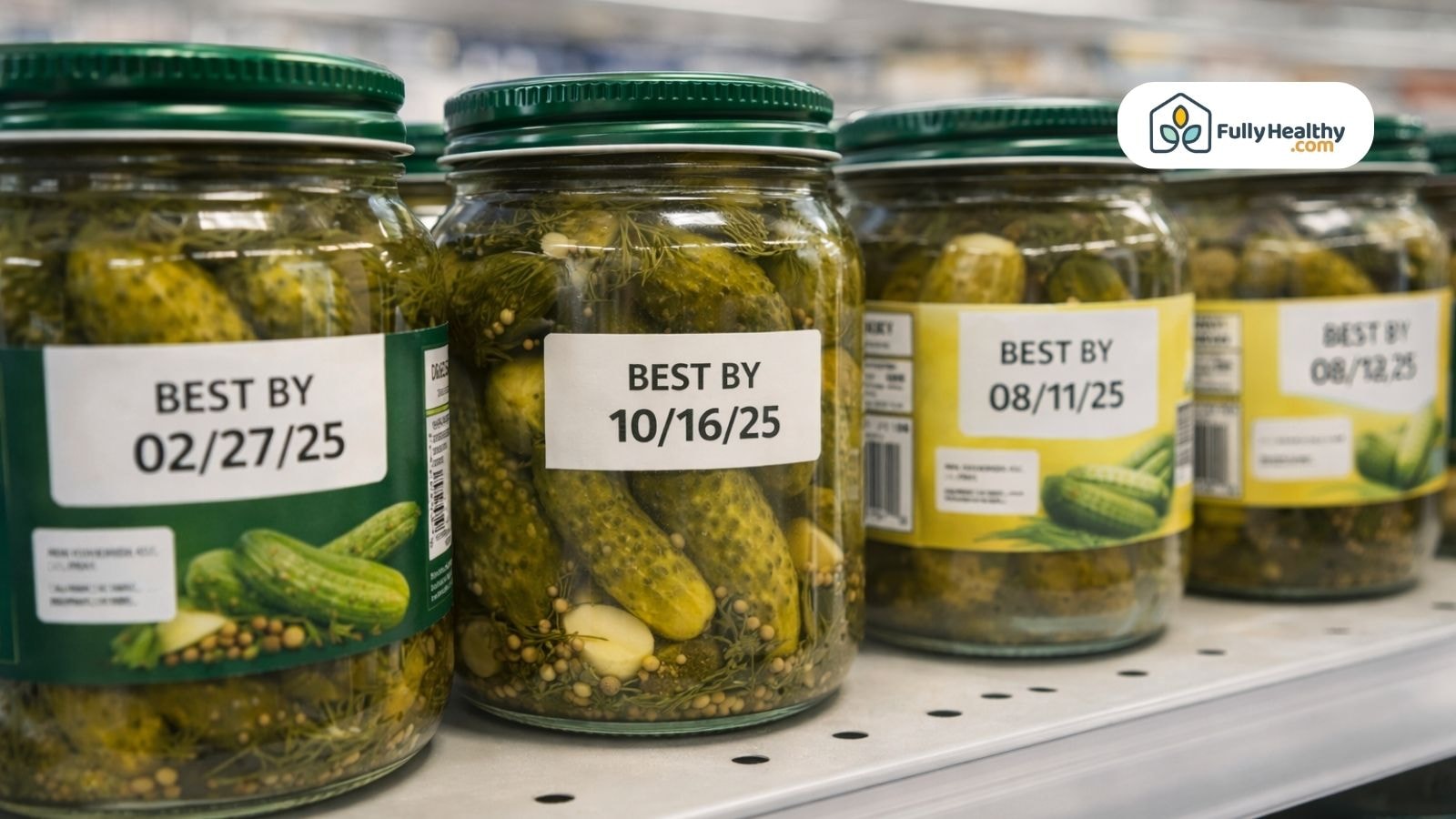
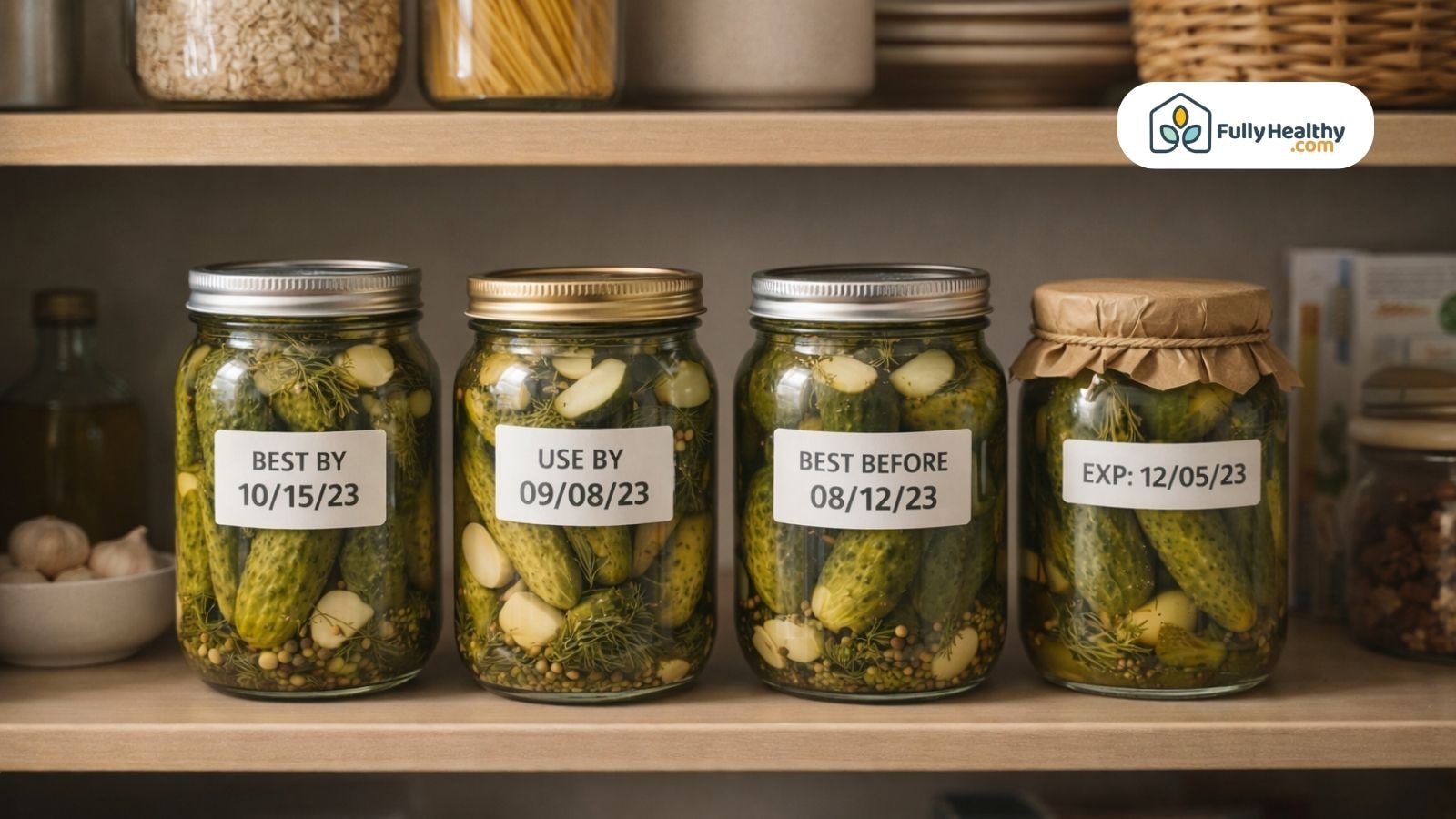
Store pickles that haven't been opened, like those in a can or a jar, are usually heated up. This method gets rid of harmful bacteria and keeps them fresh for a long time. Pickles like these can stay safe at room temperature for a long time if they are stored the right way. The expiration or ‘best by’ date primarily reflects peak quality, but for safety, check for spoilage signs, especially post-opening.
-
Typical storage: Store unopened jars in a cool, dry place away from light and heat.
-
Shelf life range: With proper storage, most pickles can be kept for several months to over a year.
-
Quality changes: Pickles' taste and texture may be changed significantly, but they are still safe to eat.
Differences Between Canned, Refrigerated, And Fermented Pickles
There are various ways to store pickles, and each method has its own impact on how long they last. Pickles that come in a can or a jar need heat and vinegar to work. Refrigerator pickles need to be kept cold. Salt and natural fermentation are used instead of vinegar in fermented pickles.
-
Canned or jarred pickles: Heat processing makes them shelf stable until they are opened.
-
Fermented pickles: Contains both half-sour and full-sour drinks that have been kept fresh through salt and fermentation.
-
Refrigerator pickles: Keep it in the fridge to stay safe and fresh.
How Long Do Pickles Last After Opened?
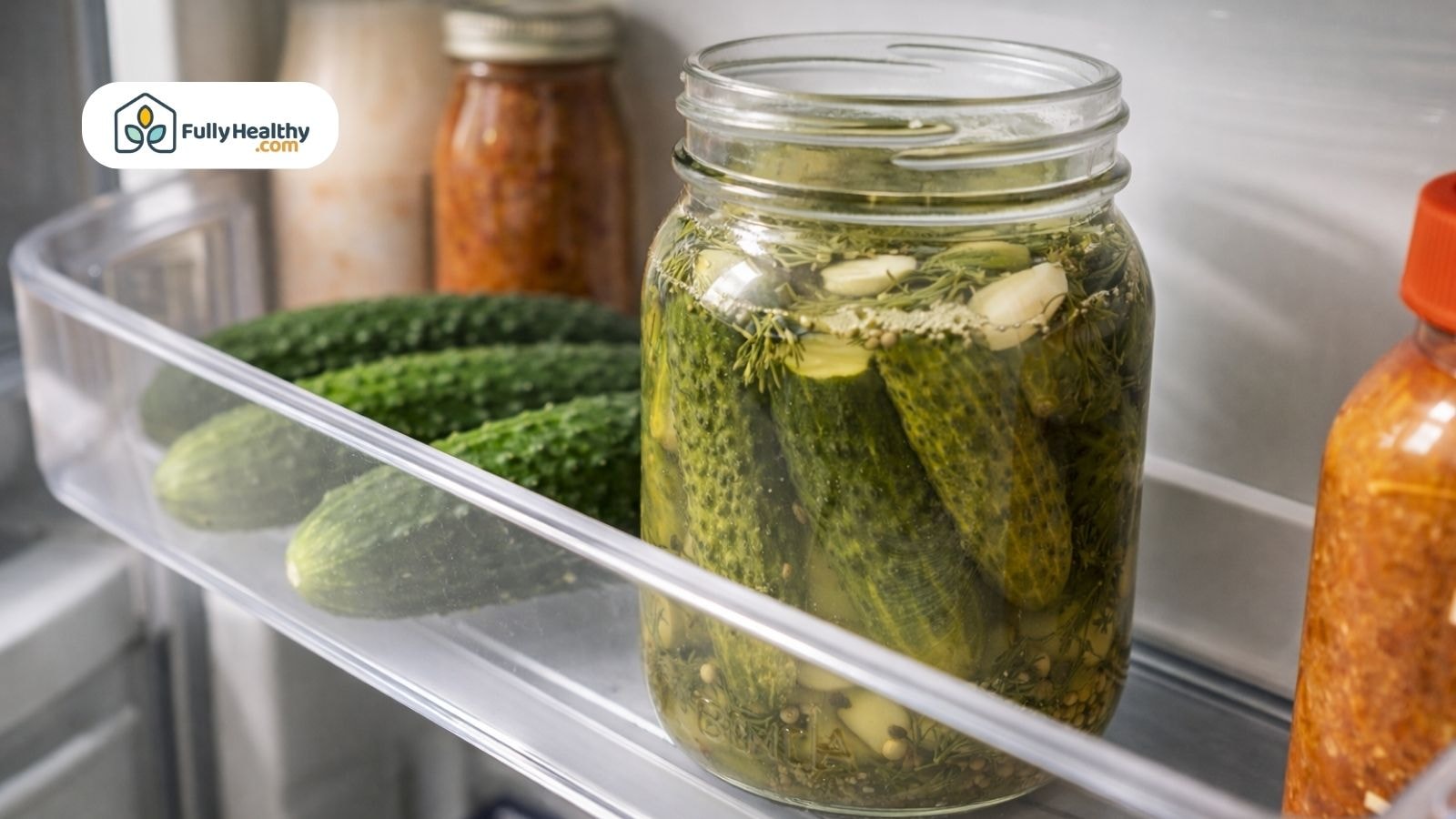
The rules for storing pickles change once the jar is open. Pickles can go bad even if they smell fine at first if they are exposed to air or used over and over again. Even though it's been opened, a jar in the fridge can still last a long time. Pickles last for different amounts of time after being opened, depending on the type and how well they are handled.
How Long Opened Pickles Last In The Fridge By Type
When you open a pickle, it can go bad at different times. Most of the time, vinegar-based pickles last longer than fermented or home-made ones.
-
Vinegar-based store pickles: Usually good for two to three months if kept in the fridge.
-
Fermented pickles: Fermented pickles can last 4 to 6 months or more in the fridge, although texture and flavor may gradually change.
-
Homemade pickles: Shorter shelf life, especially homemade quick pickles with less salt.
Best Storage Practices To Extend Pickle Freshness
Simple storage tips can help prevent pickles from going bad too quickly.
-
Refrigerate promptly: Placing the jar back in the fridge after each use is highly recommended.
-
Cooler temperatures: If you want to keep the pickle jar, put it in the main fridge, not the door.
-
Brine coverage: Keep vegetables fully submerged in brine to reduce air exposure.
-
Clean handling: Keep your tools clean to stop the growth of germs.
How Do I Know If Pickles Have Gone Bad?
Pickles suppose to have long shelf life can go bad. There are also few tell tale signs when pickles are no longer safe to eat. Some changes don't hurt the quality of the food, but others mean it needs to be thrown away.
Visual, Smell, And Texture Signs Of Spoiled Pickles
It's usually easy to tell when pickles aren't good. If you find any of these, throw away the whole jar.
-
Visible mold: Vegetables or the brine have fuzzy or discolored spots.
-
Cloudy brine: It can be normal in fermented pickles and isn’t always a sign of spoilage unless it’s accompanied by mold or foul odor.
-
Texture problems: Soft, mushy, or slimy cucumbers instead of firm ones.
-
Bad smell: A strong, bad, or rotten smell when the lid is opened.
When Fermentation Is Normal Vs Dangerous
Some signs may seem scary, but they are normal for food that has been fermented. Others point out clearly that something is going bad and shouldn't be ignored.
-
Fizzy brine: Pickles made with vinegar don't normally ferment, but fermented pickles do.
-
Bulging lid: A bulging lid suggests gas production, which may result from spoilage or improper sealing. Discard such jars.
-
Additional signs: Coming out in a strong gassy smell or taste, or oozing salt water.
-
Safety rule: You should throw away the entire jar of pickles if they smell or taste bad.
What Is The 321 Rule For Pickles?
Simply follow the 3-2-1 rule to make pickles quickly at home. The short answer is it tells you how to balance the ingredients in pickle brine so that it tastes good and is safe. This is the best way to make pickles when you need them right away for burger night, but not for long-term storage. To stay fresh, these pickles should be kept in a way that makes them easy to eat soon.
What The 3-2-1 Pickle Brine Ratio Means
The rule applies to the right amount of each ingredient to make a balanced pickle brine. It keeps acidity in check while giving you flavor options. This amount works well for many vegetables and is simple to follow for new cooks.
-
Basic ratio explained: Three parts vinegar, two parts water, and one part sugar — suitable for quick pickles but not shelf-stable unless properly acidified.
-
Flavor adjustments: For taste and the recipe, you can change the amount of salt and spices you use.
-
Preservation role: More salt keeps food from going bad faster, while less salt makes the flavor milder.
How The 3-2-1 Rule Affects Shelf Life
Pickles made using the 3-2-1 quick brine should never be stored at room temperature due to botulism risk; always refrigerate. Their shelf life is shorter than home-canned pickles since they are not heated. Temperature control and storage conditions are very important for safety.
-
Typical lifespan: If you keep them cold, these pickles will last for a few months.
-
Storage needs: Always store the jar of pickles in the fridge.
-
Quality changes: There may be big changes in taste and texture over time.
What Does Fully Healthy Offer For People Concerned About How Long Do Pickles Last?
A lot of people want freezer-friendly food that is also safe to eat. Wholesome Foods focuses on using clean ingredients and giving clear instructions to help people know how to handle food properly. This helps people in charge of pickled foods and other pantry items that need to be stored properly to stay fresh.
How Fully Healthy Supports Safe Storage And Clean Eating
Fully Healthy stresses honesty and responsible handling to lower the chance of food going bad. Better eating habits and avoiding problems caused by temperature extremes are supported by their approach.
-
Clear guidance: Labels help show visitors how to properly store things.
-
Ingredient focus: Products include vinegar, salt, and simple spices.
-
Food safety awareness: Promotes habits that cut down on waste and mold on the surface.
Relevant Fully Healthy Products That Pair With Pickling And Storage
Some Fully Healthy products help with routines like pickling and storing food. When stored in the fridge and handled carefully, these things work well.
-
Pantry staples: Blends of herbs and spices that go well with pickling recipes.
-
Storage habits: Properly sealing jars and keeping them cold is encouraged.
-
Spoilage awareness: Note the following signs, such as strange smells or changes you can see.
Safely handling food makes it last longer. For safety reasons, always check the lids, keep food out of the air, and throw away food if surface mold appears. Correctly storing a jar makes the food taste better and keep it safer to eat.
Final Thoughts
You can enjoy pickles safely and at their best if you know how they are made and stored. The shelf life of food depends on the ingredients, how they are prepared, and how they are stored. Cooling, clean handling, and the right balance of salt and water all matter. Check for clear signs of spoilage every time before you eat. If you aren't sure, throw away the jar and put food safety first.
FAQs
How long do pickles last without refrigeration?
Unopened, shelf-stable pickles can last months at room temperature, but opened pickles should not be left unrefrigerated.
Are expired pickles okay to eat?
Expired pickles may be safe if unopened and stored properly, but quality and flavor can decline over time.
When should you throw out pickles?
Throw out pickles if you see mold, notice a bad smell, or observe a bulging lid.
What are the symptoms of food poisoning from pickles?
Symptoms may include nausea, vomiting, stomach cramps, or diarrhea after eating spoiled pickles.
When should you not eat pickles?
Do not eat pickles if they have visible mold, an off taste, or a strong, unpleasant odor.
Leave a comment