

How Long Do Strawberries Last in the Fridge? Facts and Storage That Matter
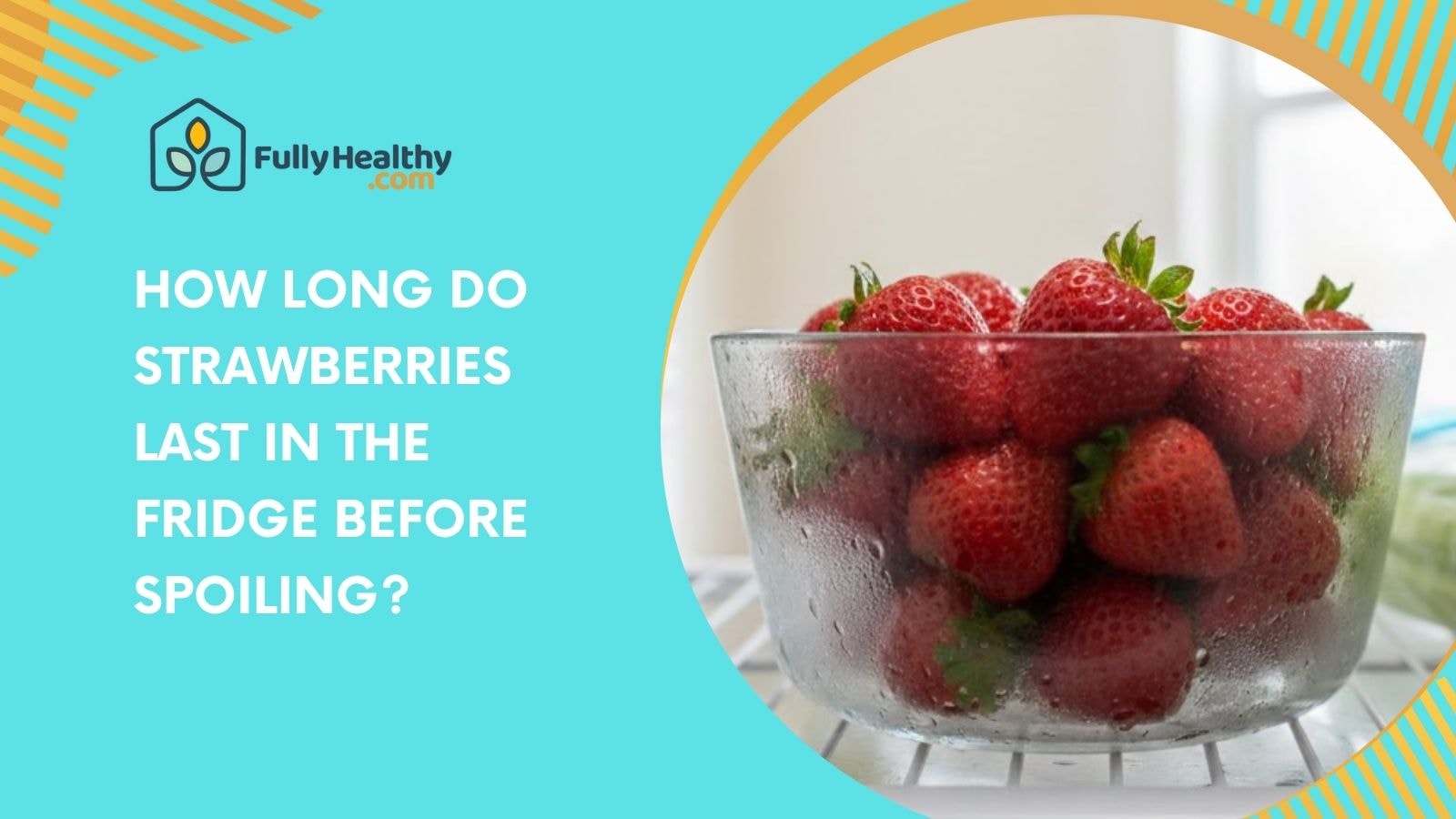 Strawberry that is stored the wrong way won't last long, even in the fridge. So how long do strawberries last in the fridge? In most homes, they stay good for three to seven days depending on moisture, temperature, and handling.
The real shelf life, how to tell when food is going bad, and the best way to store strawberries so they stay fresh longer and are safe to eat are all covered in this article.
Featured Pantry Pick
St. Dalfour // Strawberry Conserves - 10 oz
Loading...
How Long Do Strawberries Last in the Fridge?
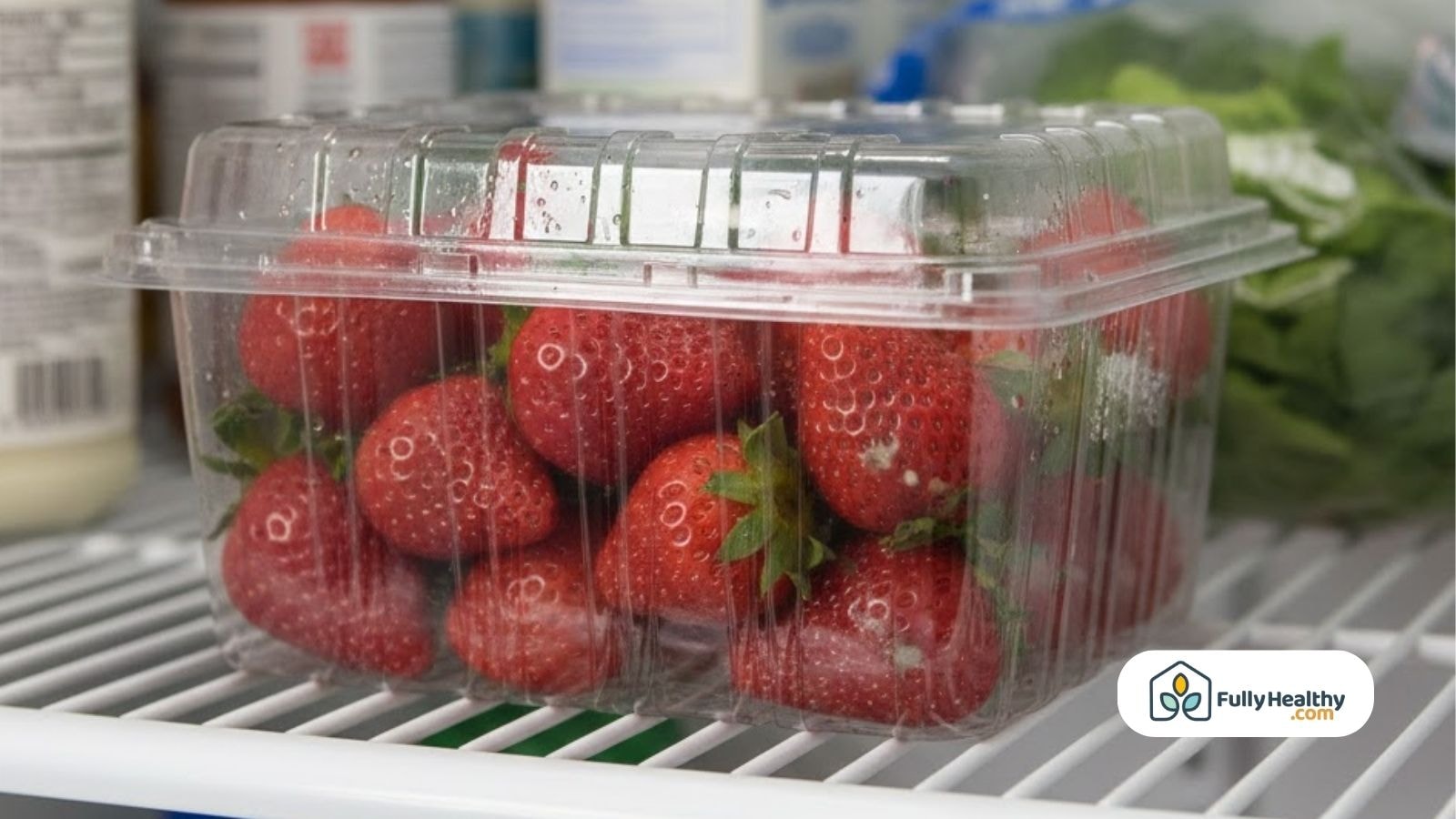
Average Fridge Lifespan Under Normal Conditions
If you handle them carefully and put them away the same day you buy them, fresh strawberries will usually last three to seven days in the fridge. This range assumes unwashed strawberries that are completely dry, kept cold, and not mixed with moldy ones from the entire container.
-
Shelf life: 3-7 days.
-
Fresh strawberries: Firm whole strawberries without bruises or excess liquid stay fresh longer.
-
Same day storage: Placing berries in the fridge the same day helps slow mold growth.
-
Original container: Using the original container can work if moisture is controlled.
-
Food safety: Mold spores from one spoiled berry can quickly spread to the entire container.
How Temperature, Humidity, and Handling Affect Shelf Life
How long strawberries last in the fridge depends on the temperature range, the humidity level, and how gently you handle them. Berries go bad more slowly if you keep them cold, dry, and whole. This way, you don't change their natural texture.
-
Temperature range: A refrigerator set between 32°F and 40°F helps strawberries stay fresh longer.
-
Crisper drawer: This drawer balances moisture and airflow for fresh produce like fruit.
-
Handling: Whole berries spoil slower than cut strawberries because the skin protects them.
-
Moisture control: Excess liquid inside a container increases mold growth.
-
Airflow: Enough space between berries allows as much air circulation as possible.
How Do You Know If Strawberries Have Gone Bad?
Visual and Texture Signs of Spoilage
Strawberries that are bad usually have changes in their appearance that are easy to see when you touch them. These signs usually show up before the fruit's smell or taste changes. They make it clear that the fruit is no longer safe to eat.
-
Mold: Fuzzy white, gray, or green growth indicates active mold that can quickly spread to other berries.
-
Leaking juice: Red liquid pooling in the container signals broken skin and internal decay.
-
Soft texture: Strawberries that feel mushy or collapse when touched are past their prime.
-
Shriveled skin: Wrinkled fruit suggests moisture loss and aging even without visible mold.
-
Discoloration: Dark spots or dull color indicate strawberries are no longer fresh.
Smell and Taste Warning Signs You Shouldn’t Ignore
Smell is one of the most reliable indicators of spoilage, and tasting strawberries to check freshness is not recommended. Once off odors develop, eating the fruit can create food safety risks.
-
Sour smell: A sharp or vinegar-like odor indicates fermentation has begun.
-
Alcohol scent: This smell suggests sugar breakdown inside the fruit.
-
Bitter taste: Any bitter flavor is a clear sign the strawberries are bad.
-
Clear sign: Strong unpleasant odors mean the fruit should be discarded immediately.
Do Strawberries Go Bad If Refrigerated?
Why Refrigeration Slows Spoilage but Doesn’t Stop It
Berries naturally go bad, but refrigeration slows it down. It can't stop it completely because the fruit keeps getting older. Mold spores that are already on fresh food can still grow even when it is cold outside.
-
Respiration: Strawberries continue to breathe after harvest, which shortens shelf life over time.
-
Mold spores: Cold temperatures slow mold growth but do not eliminate it.
-
Moisture: Condensation inside a container accelerates spoilage.
-
Other berries: Strawberries spoil faster than firmer berries due to higher moisture content.
Common Refrigerator Mistakes That Cause Early Spoilage
Some strawberries go bad faster because of how they are stored, not because they are getting old. Mold can grow in places where moisture is trapped and airflow is limited.
-
Wash before storage: Washing strawberries too early introduces moisture that promotes mold.
-
Airtight container: Fully sealed containers trap excess liquid and reduce airflow.
-
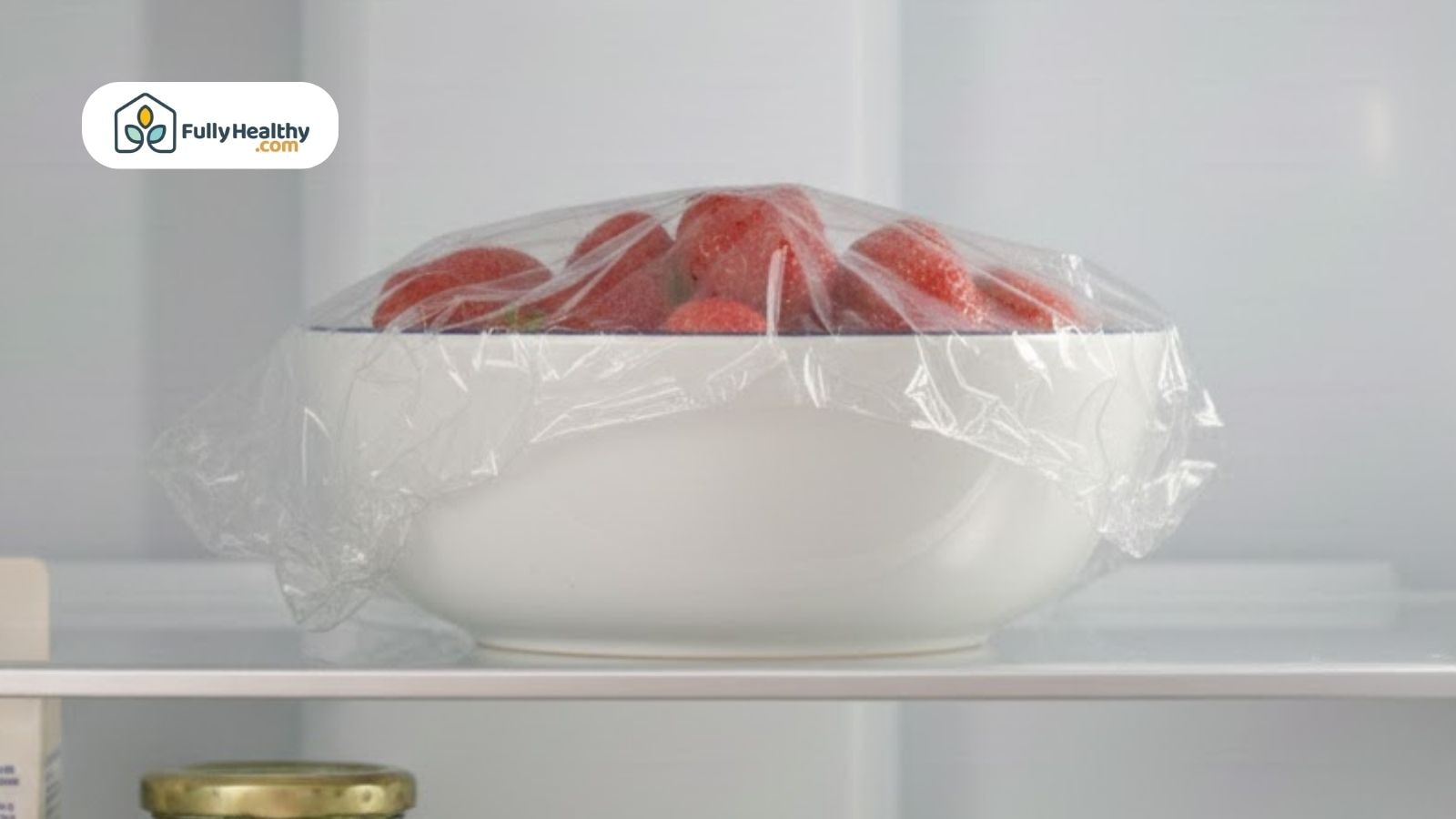
Plastic wrap: Tight cling film holds moisture against the fruit surface.
-
Overcrowding: Storing berries without enough space allows mold to spread quickly.
-
Entire container: One moldy berry can contaminate the entire container if not removed.
Does Putting Strawberries in a Glass Jar Work?
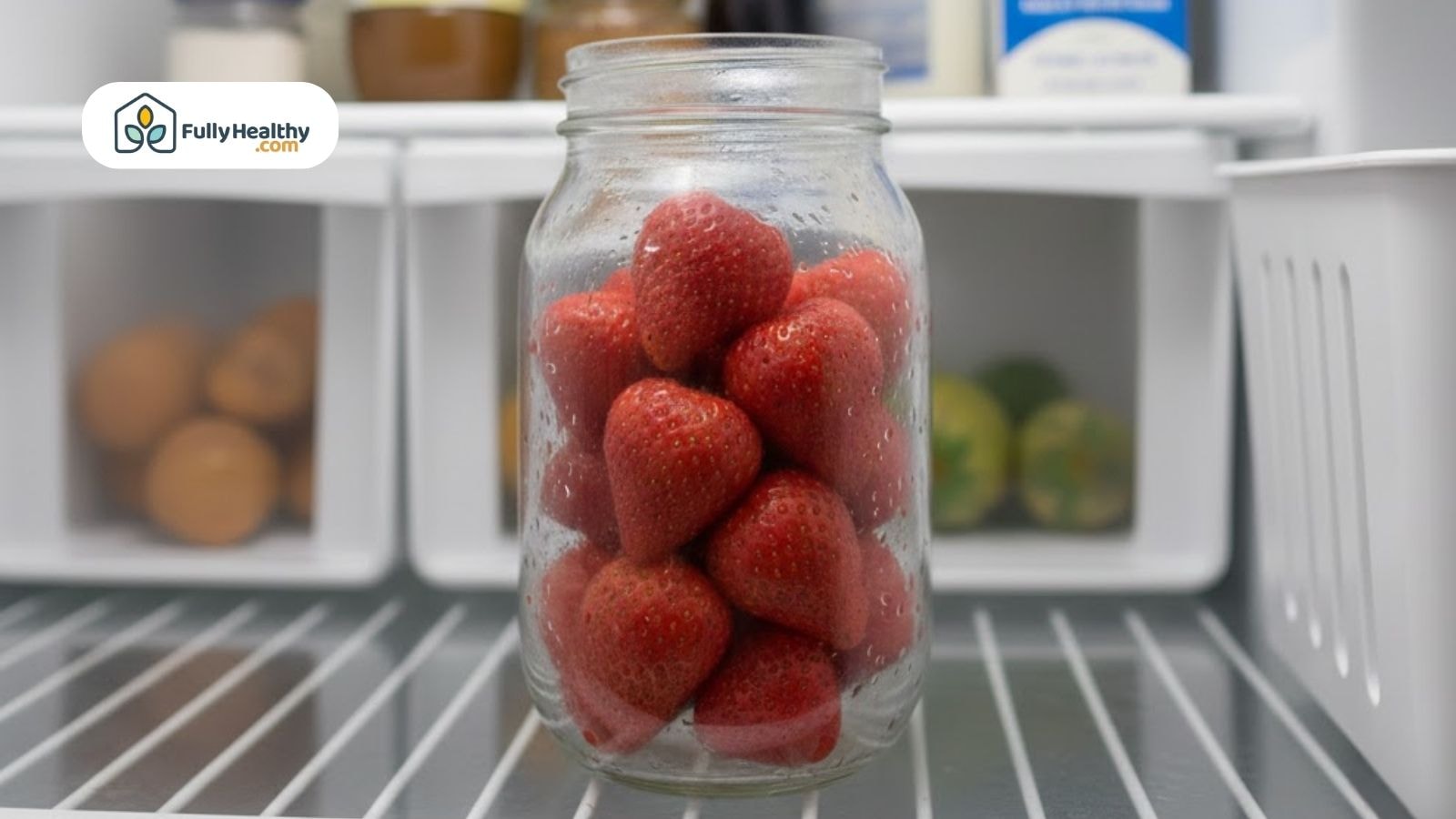
The Science Behind the Glass Jar Storage Method
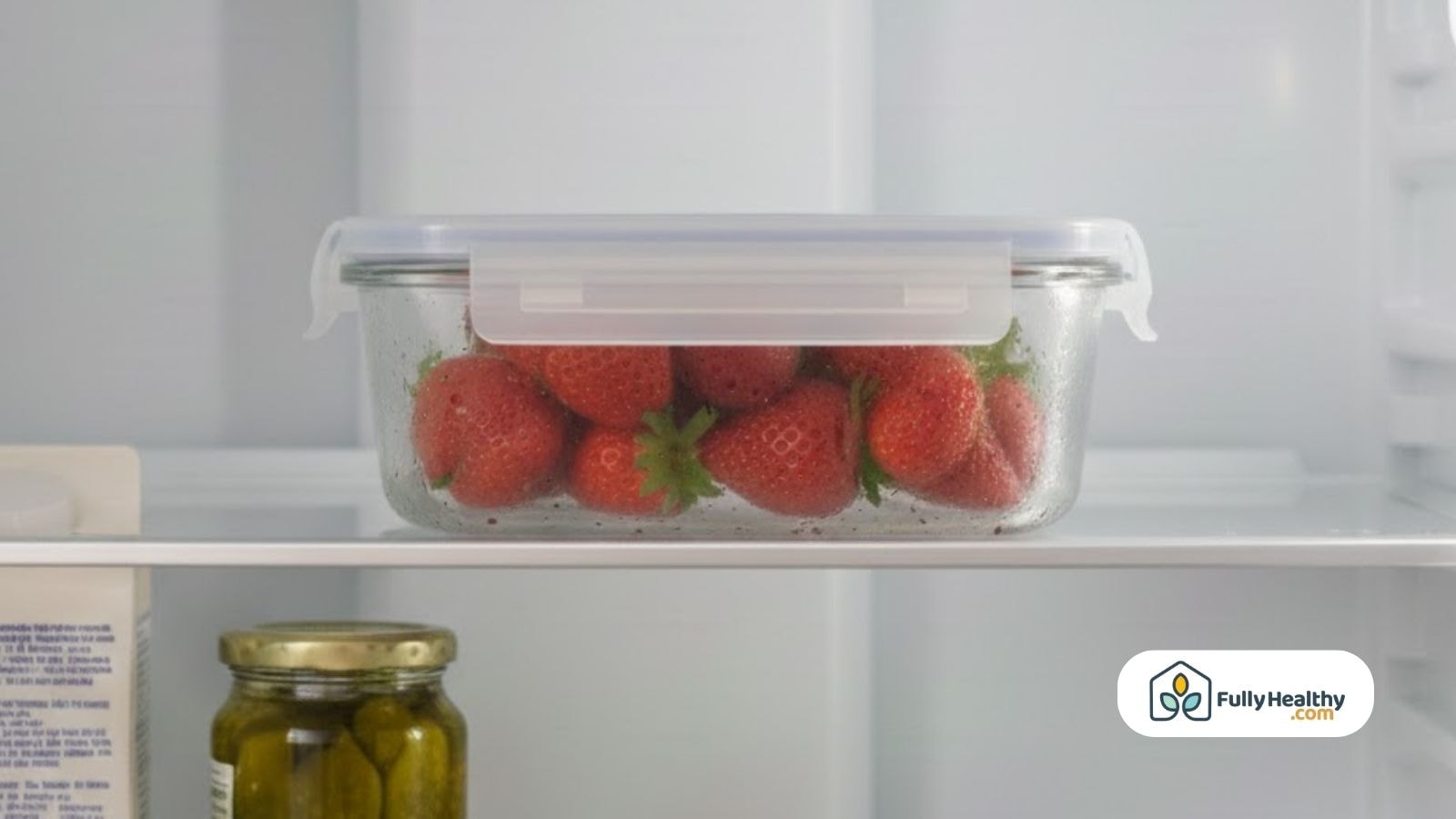
If you want to keep things under control, putting strawberries in a glass jar can help by blocking airflow and protecting them from outside moisture. The berries should be completely dry and handled carefully for this method to work best.
-
Air control: Reduced airflow can slow dehydration in fresh berries.
-
Moisture balance: Any trapped condensation increases mold growth.
-
Storage method: Glass jars require careful preparation to be effective.
-
Whole berries: This method works better for whole strawberries than cut strawberries.
When Glass Jars Help and When They Backfire
Glass jars help only when strawberries are dry and protected from condensation buildup. When moisture collects inside the jar, spoilage accelerates instead of slowing down.
-
Paper towels: Lining the jar helps absorb excess moisture.
-
Completely dry: Berries must be pat dry before storage.
-
Condensation risk: Warm berries placed in cold jars create excess liquid.
-
Mold growth: Moist environments allow mold to quickly spread.
FullyHealthy: Good Food, Better Choices
What is FullyHealthy
FullyHealthy is an online store that offers clean-label, diet-conscious foods for people with specific health and lifestyle needs. The website stresses clear labeling of ingredients and shelf-stable choices that allow for long-term storage.
-
Specialty focus: Products cater to paleo, gluten-free, and allergen-aware diets.
-
Ingredient standards: Items prioritize simple formulations and clear labeling.
-
Everyday use: Offerings are designed for regular eating, not short shelf life fruit.
-
Food safety: Shelf-stable options reduce risks associated with mold growth and moisture.
Strawberry Products Available at FullyHealthy
FullyHealthy offers strawberry-based products that serve as convenient alternatives to fresh strawberries. These choices have a longer shelf life and consistent quality, and they don't need to be refrigerated or handled in a certain way.
-
Paleo Protein Strawberries & Cream: A protein-rich blend with strawberry flavor designed for shelf stability and everyday nutrition without moisture concerns.
-
St. Dalfour Strawberry Conserves: Fruit-sweetened strawberry preserves that offer long term storage and avoid issues like mold growth and leaking juice.
-
That’s It Apple Strawberry Fruit Bar: A compact fruit bar made with simple ingredients that stays safe to eat without refrigeration.
-
Leaky Gut Revive Strawberry Lemonade: A powdered strawberry-flavored supplement that eliminates concerns tied to fresh fruit moisture and spoilage.
Final Thoughts
Fresh strawberries should be kept in a container lined with paper towels. The berries should not be washed and there should be little to no moisture. Strawberries stay fresh in a single-layer, shallow container lined with paper towels. If you want to rinse it with cold running water, white vinegar, cold water, or a hot water bath, and then use a salad spinner.
To store strawberries for a long time, flash freeze them on a baking sheet with lemon juice added. This is the best way to freeze strawberries.
FAQs
Can strawberries last 2 weeks in the fridge?
Yes, strawberries good results can happen when stored properly using a shallow container, single layer, container lined with paper towels, unwashed berries, cold running water rinse, vinegar solution, white vinegar, salad spinner, and best method.
Can spoiled strawberries make you sick?
Yes, food safety matters because mold spreads fast, and even frozen strawberries, baking sheet prep, flash freeze, lemon juice, or hot water bath do not fix spoiled berries stored improperly.
Can you eat 20 strawberries a day?
You can eat them if strawberries good signs remain, they were stored properly, rinsed with cold running water, not soaked too long, and kept in a paper towel lined container.
When can you no longer eat strawberries?
You should not eat them once mold appears, excess moisture builds, or storage method fails despite using vinegar solution, white vinegar, shallow container, and container lined setup.
How long until strawberries mold in the fridge?
Strawberries can mold in days if moisture is trapped, but using unwashed berries, single layer spacing, paper towel lined container, salad spinner drying, and best method slows mold growth.
Is it better to keep strawberries in the refrigerator or on the counter?
The refrigerator is better because cold water rinsing, proper container lined storage, flash freeze options, and frozen strawberries support longer shelf life and safer eating for you.
Leave a comment