

How Long Does Beef Tallow Last? Make It Last Longer Easily
Beef tallow is a stable cooking fat with a surprisingly long shelf life. So, how long does beef tallow last? Most of the time, Properly rendered animal fats can remain stable for extended periods, but typical recommended shelf life at room temperature is several months (commonly 3–6 months) depending on oxidation conditions (light, oxygen, temperature).
Low moisture reduces microbial spoilage, but oxidative rancidity, not water content is the primary limiting factor in shelf life of fats. This guide will tell you the exact times to store tallow, how to keep it fresh for cooking or skin care, and how to tell when it's going bad.
Featured Pantry Pick
EPIC // Grass Fed Beef Tallow - 11 oz
Loading...
How Long Does Beef Tallow Last?
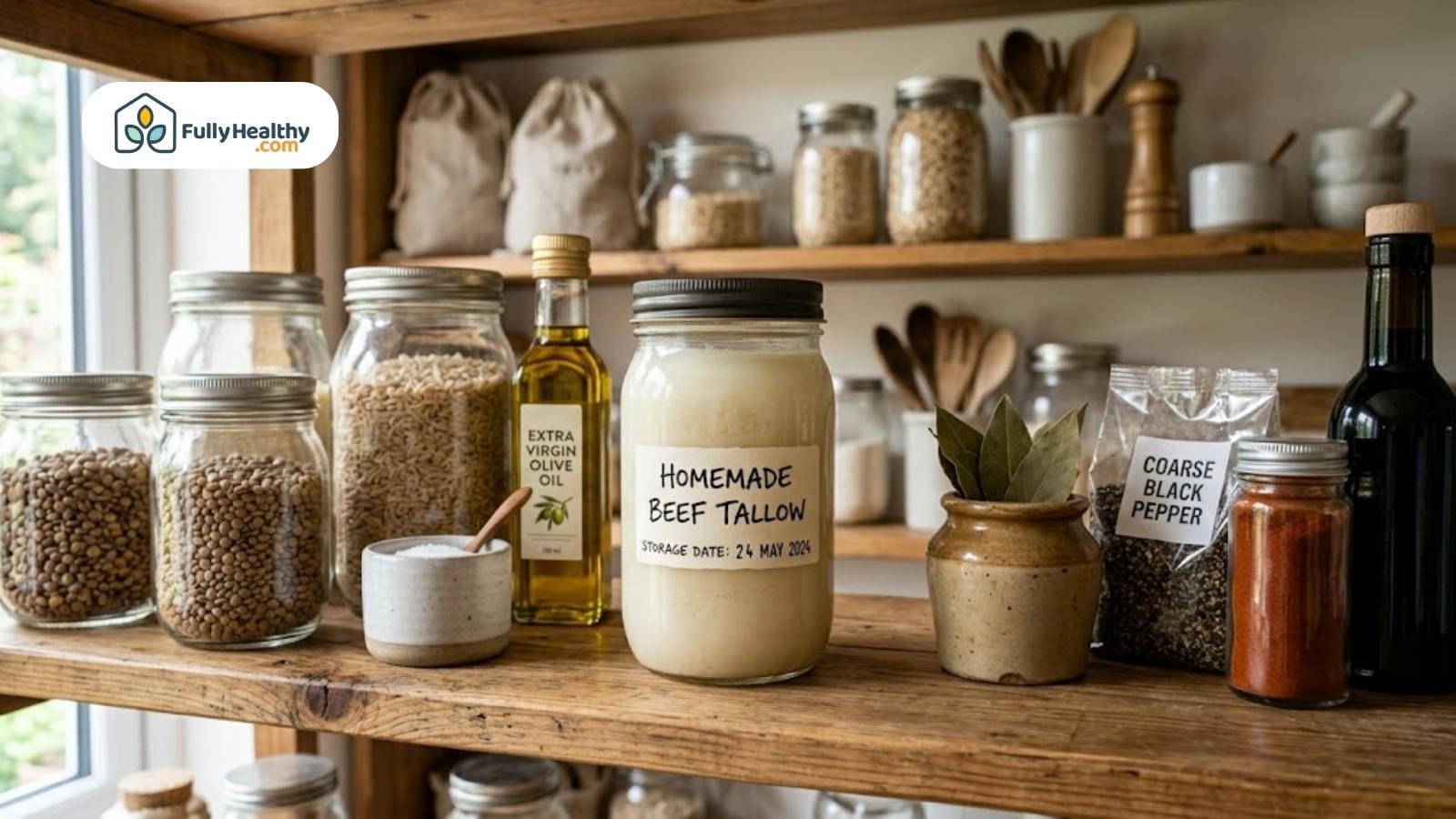
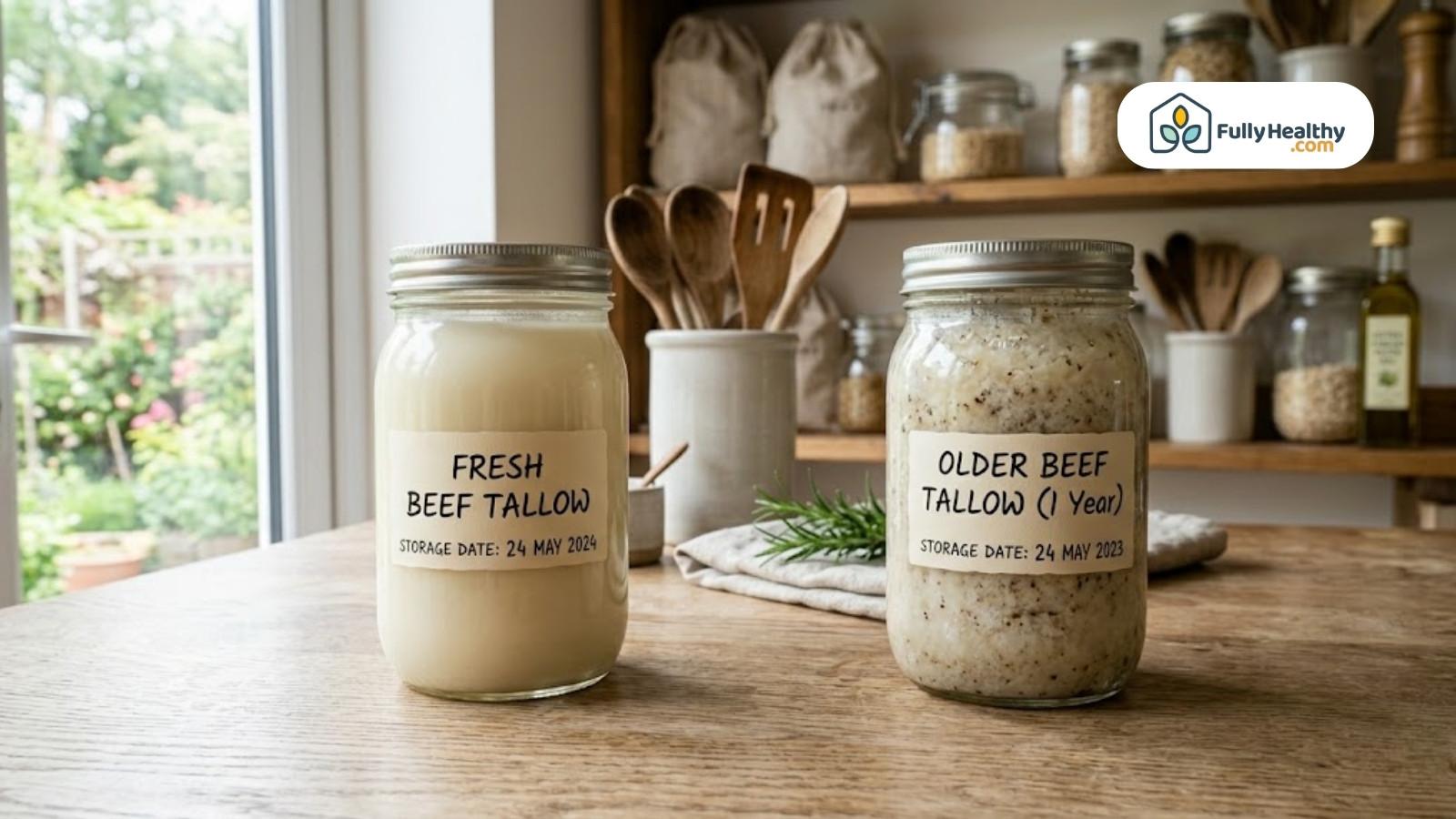
If you store beef tallow the right way, it will stay good for a long time. It stays good for a lot longer than fresh meat because it is rendered fat and not much water. If you store it the right way, it can be used for months or even years, depending on how you store it and how you handle it.
How Long Does Beef Tallow Last at Room Temperature?
Room temperature storage works well if you store beef tallow properly. A cool, dark place helps prevent early spoilage and keeps fresh tallow usable for up to a year. Proper handling is key to keeping beef tallow fresh longer without refrigeration.
Properly rendered beef tallow resists spoilage because moisture and meat particles are removed during processing. This makes homemade beef tallow a reliable option for long-term use if stored correctly.
-
Shelf Life Basics: Properly rendered beef tallow can last up to 12 months at room temperature when kept in an airtight container and away from direct sunlight.
-
Best Containers: Use glass jars, mason jars, or stainless steel containers to reduce air exposure and maintain freshness.
-
Avoid Contamination: Small meat particles left in homemade tallow can lead to mold growth and spoiled tallow over time.
-
Storage Risks: Temperature fluctuations and air exposure can accelerate spoilage and create off flavors.
How Long Does Beef Tallow Last in the Fridge or Freezer?
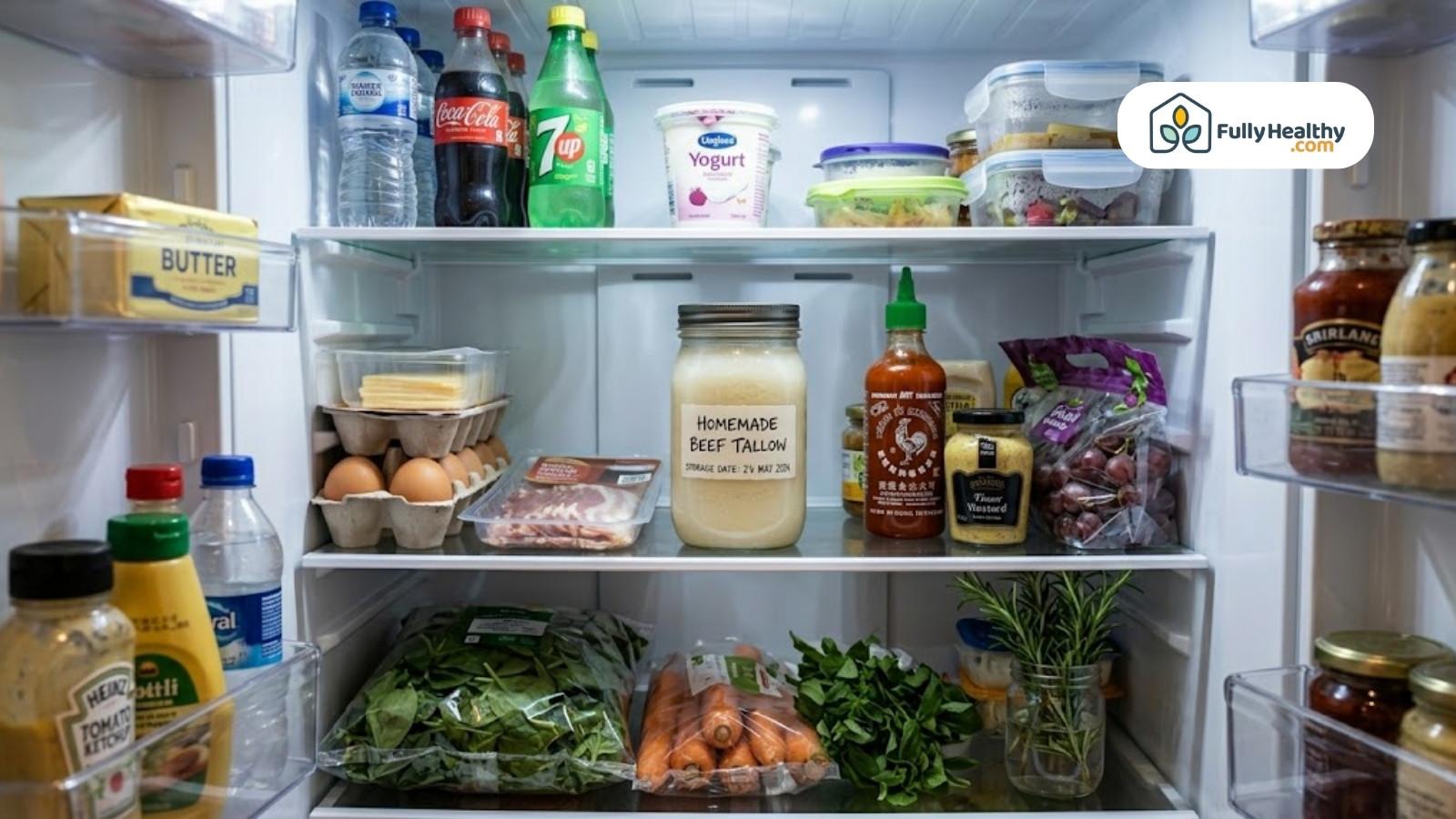
If you want to extend shelf life, refrigeration or freezing is more effective. Refrigeration slows oxidation, which helps preserve quality, while freezing can keep tallow usable for years.
Homemade tallow benefits the most from cold storage, especially if you made a large batch. When you freeze beef tallow, it maintains texture and flavor with minimal changes.
-
Refrigerated Storage: Refrigeration slows oxidation, but quality degradation still occurs over time; shelf life varies widely and is not consistently supported at a fixed 18 months in scientific literature.
-
Frozen Storage: You can freeze tallow for 2+ years in a proper storage container without losing quality.
-
Container Choice: Food grade plastic containers or glass jars both work well for freezing and prevent leaks.
-
Handling Tip: Always seal tightly to limit air exposure and avoid off flavors after thawing.
Does Beef Tallow Help With Rosacea?
Beef tallow is sometimes used in skincare because it contains saturated fats and vitamins that may support the skin barrier. However, its effects on rosacea can vary depending on skin type and sensitivity.
Some people find it soothing, while others may not see results. It is best used as a simple moisturizer, not a medical treatment.
Can Beef Tallow Soothe Rosacea-Prone Skin?
Beef tallow contains fatty acids also found in human sebum, but its composition is not equivalent and varies significantly in proportions and biological function, which may help reduce dryness. Properly rendered tallow also contains vitamins that support basic skin hydration.
Still, results depend on how your skin reacts. Homemade beef tallow may behave differently than processed skincare products.
-
Moisturizing Effect: Helps soften the skin and reduce dryness by locking in moisture.
-
Skin Barrier Support: Saturated fats can support the outer layer of the skin.
-
Simple Ingredients: Fewer additives may lower the risk of irritation for some users.
-
Best Use: Start with a small amount to test how your skin responds.
Potential Risks of Using Beef Tallow on Sensitive Skin
Even with benefits, tallow may not work for everyone. Its thick texture can clog pores, especially for oily or acne-prone skin. Also, using spoiled tallow can cause irritation, so proper storage is very important.
-
Pore Concerns: Thick consistency may clog pores and trigger breakouts.
-
Spoilage Risk: Spoiled tallow can develop off flavors and irritants that affect the skin.
-
Hygiene Factor: Mold growth or contamination from poor storage increases the risk of skin issues.
-
Limited Evidence: There is no strong scientific proof that tallow treats rosacea.
Why Did The US Stop Using Beef Tallow?
Beef tallow was widely used in cooking before nutrition trends changed public opinion. Concerns about saturated fats led to major changes in food production and restaurant practices.
This shift came from health campaigns and government guidelines that promoted vegetable oils instead of animal fats.
The 1990 McDonald’s Shift Away From Beef Tallow
In 1990, McDonald’s stopped using beef tallow for frying and switched to vegetable oil. This marked a major shift in the fast food industry.
The decision was influenced by public health concerns and pressure to offer healthier options.
-
Key Date: July 1990 marked the switch from beef tallow to vegetable oil.
-
Public Demand: Consumers wanted healthier food choices with less saturated fats.
-
Industry Impact: Many fast food chains followed the same change.
-
Flavor Trade-Off: Switching fats altered sensory characteristics; however, taste differences are subjective and influenced by formulation, not solely the presence or absence of tallow.
Health Concerns About Saturated Fats and Heart Disease
In the 1980s, health experts warned that saturated fats could increase the risk of heart disease. This led to major diet changes across the United States.
As a result, many people reduced animal fats and changed how they store tallow or use it in cooking.
-
Policy Shift: The 1980 dietary guidelines advised limiting saturated fats.
-
Diet Trend: Low-fat diets became popular across the country.
-
Food Industry Response: Companies replaced animal fats with vegetable oils.
-
Ongoing Debate: New research continues to question earlier claims about fats.
Is Tallow Really Good For Aging Skin?
Beef tallow is becoming popular as a natural skincare option. It contains nutrients and fats that may support skin health. Still, it is not a complete anti-aging solution. Knowing both its benefits and limits helps you use it safely and get better results.
Skin Benefits of Beef Tallow for Aging
Beef tallow contains vitamins and fatty acids that help keep the skin soft and hydrated. Its rich texture forms a barrier that protects the skin, especially in cooler temperatures. The rendering process also helps remove impurities and keep its nutritional value intact.
When used correctly, it can help the skin stay fresh and moisturized without added chemicals.
-
Moisture Support: Helps the skin stay hydrated and soft, especially in dry or cooler temperatures.
-
Nutrient Content: Contains vitamins that support skin health and improve overall texture.
-
Protective Barrier: Forms a layer that helps prevent moisture loss and dryness.
-
Clean Composition: When impurities are removed during the rendering process, it becomes safer for regular use.
Dermatologist Insights: Limitations and Risks
Even with benefits, beef tallow is not ideal for everyone. It may not replace modern skincare products designed for anti-aging. There are also risks if the product is not handled or stored correctly.
Tallow can eventually spoil, and using a product with an off smell or unpleasant odor may lead to irritation.
-
Limited Evidence: There is little scientific proof showing strong anti-aging results.
-
Pore Concerns: Thick texture may clog pores, especially for acne-prone skin.
-
Spoilage Signs: An off smell or unpleasant odor may mean the product is no longer safe.
-
Safety Tip: Always choose products where impurities were removed during the rendering process.
How FullyHealthy Supports Your Tallow-Based Lifestyle
FullyHealthy makes it easy to find clean and reliable products in one place. It focuses on quality and helps users choose items that match their dietary needs. This makes it easier to maintain a balanced lifestyle with trusted options.
The platform also offers products that support cooking, skincare, and nutrition using traditional ingredients like tallow.
Clean, Diet-Friendly Products for Specialized Nutrition
FullyHealthy helps simplify shopping for special diets. It offers products that are carefully selected for quality and long term storage. This is helpful for people buying larger quantities and wanting items that stay fresh longer.
-
Convenience: One platform to shop for clean foods and personal care products.
-
Diet Support: Suitable for AIP, gluten-free, and other special diets.
-
Quality Focus: Products are prepared to help prevent spoilage and maintain freshness.
-
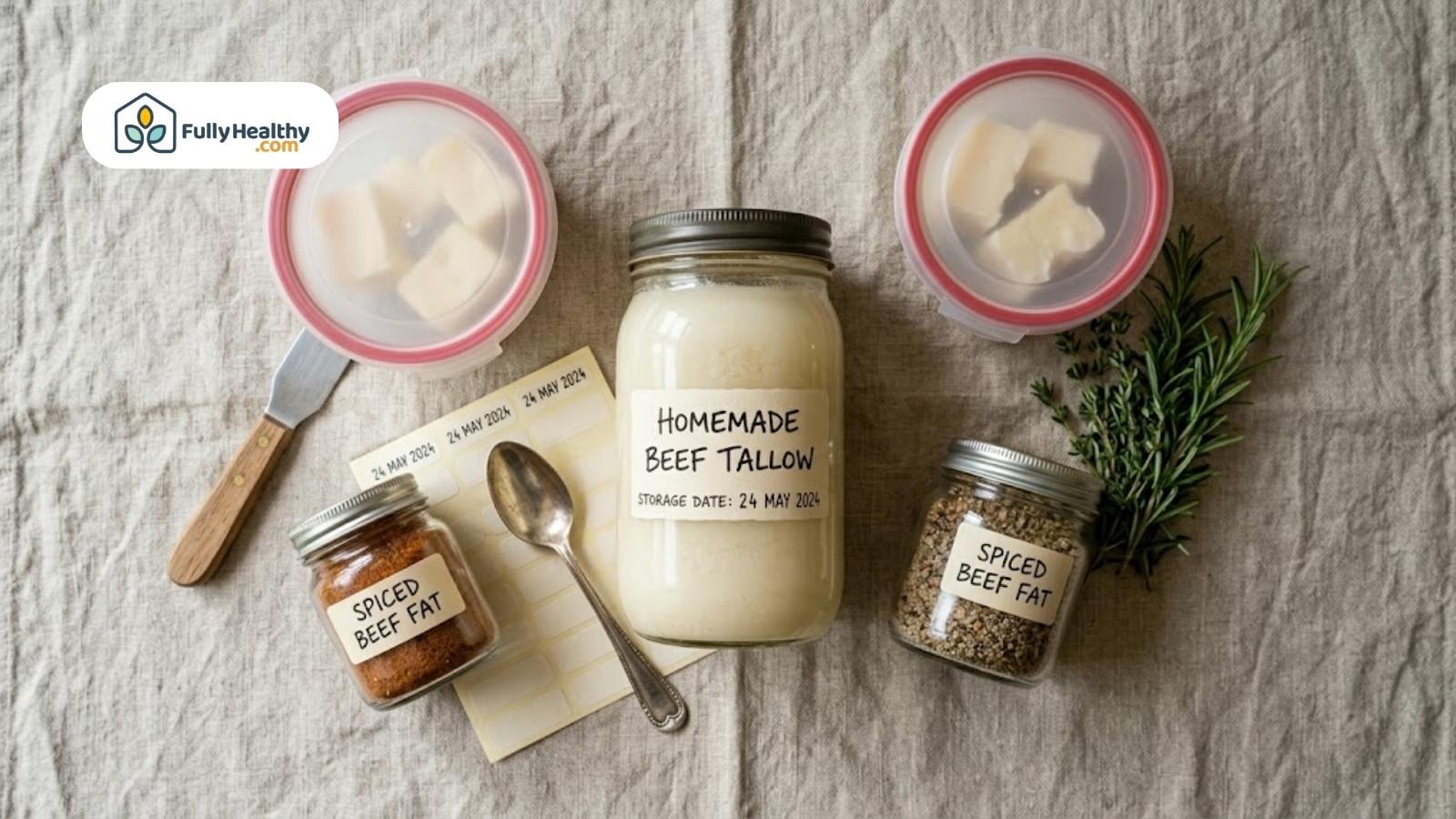
Storage Tips: Encourages labeling containers and using the right container to extend shelf life.
Featured Products for Cooking, Skincare, and Nutrition
FullyHealthy offers products that support different uses of beef tallow and nutrient-dense eating. These items are practical and designed for everyday use while helping maintain maximum freshness.
-
Cooking Essential: EPIC Grass-Fed Beef Tallow provides a high smoke point and rich flavor, making it ideal for frying and roasting.
-
Skincare Option: Hearty Sauces Handcrafted Beef Tallow Balm helps hydrate and protect the skin with simple ingredients.
-
Nutrient-Dense Food: EPIC Beef & Beef Liver delivers strong nutritional value from organ meats in a convenient form.
-
Smart Storage: Use freezer safe containers or silicone molds, keep away from strong smelling foods, and avoid areas where products can absorb odors to prevent spoilage.
Final Thoughts
Beef tallow is a reliable fat when handled with care. It can last long, but it can still spoil quickly if exposed to heat, light, or contamination. Home cooks should always watch for signs that tallow has gone bad, like a rancid smell or unusual texture. Keeping containers clean and non reactive helps reduce microbial growth and bacterial growth. Even small food particles can affect quality over time. When stored properly, tallow remains useful for cooking and skincare, but poor storage can shorten its life. Always check before use to avoid waste and keep it safe.
FAQs
How long does beef tallow last before it spoil quickly?
Beef tallow can spoil quickly if exposed to heat, light, food particles, and conditions that allow microbial growth and bacterial growth.
How do I know if tallow has gone bad?
If tallow has gone bad, it may smell rancid, show changes from light exposure, or have signs linked to microbial growth or bacterial growth.
Can food particles cause beef tallow to spoil?
Yes, food particles can lead to microbial growth and bacterial growth, making tallow spoil quickly and become rancid.
Does heat and light affect beef tallow?
Yes, heat and light can make beef tallow spoil quickly and increase the chance it becomes rancid or unsafe.
What containers should home cooks use to store tallow?
Home cooks should use clean, non reactive containers to reduce bacterial growth, microbial growth, and prevent tallow has gone bad situations.
Leave a comment