

How Long Does Sourdough Bread Last? Shelf Life And Storage Tips
People love sourdough bread because it tastes sour, has a chewy texture, and stays fresh longer than regular bread. But how long does sourdough bread stay good for before it goes bad? How long, how hot, and how wet it is affect the answer. Most loaves stay fresh for a few days, and if you store them right, they can last even longer.
This article tells you how long sourdough usually lasts, how to tell if it's going bad, and the best ways to keep it fresh.
Featured Pantry Pick
Base Culture // Gluten Free Sourdough Bread - 16 oz
Loading...
How Long Does Sourdough Bread Last?
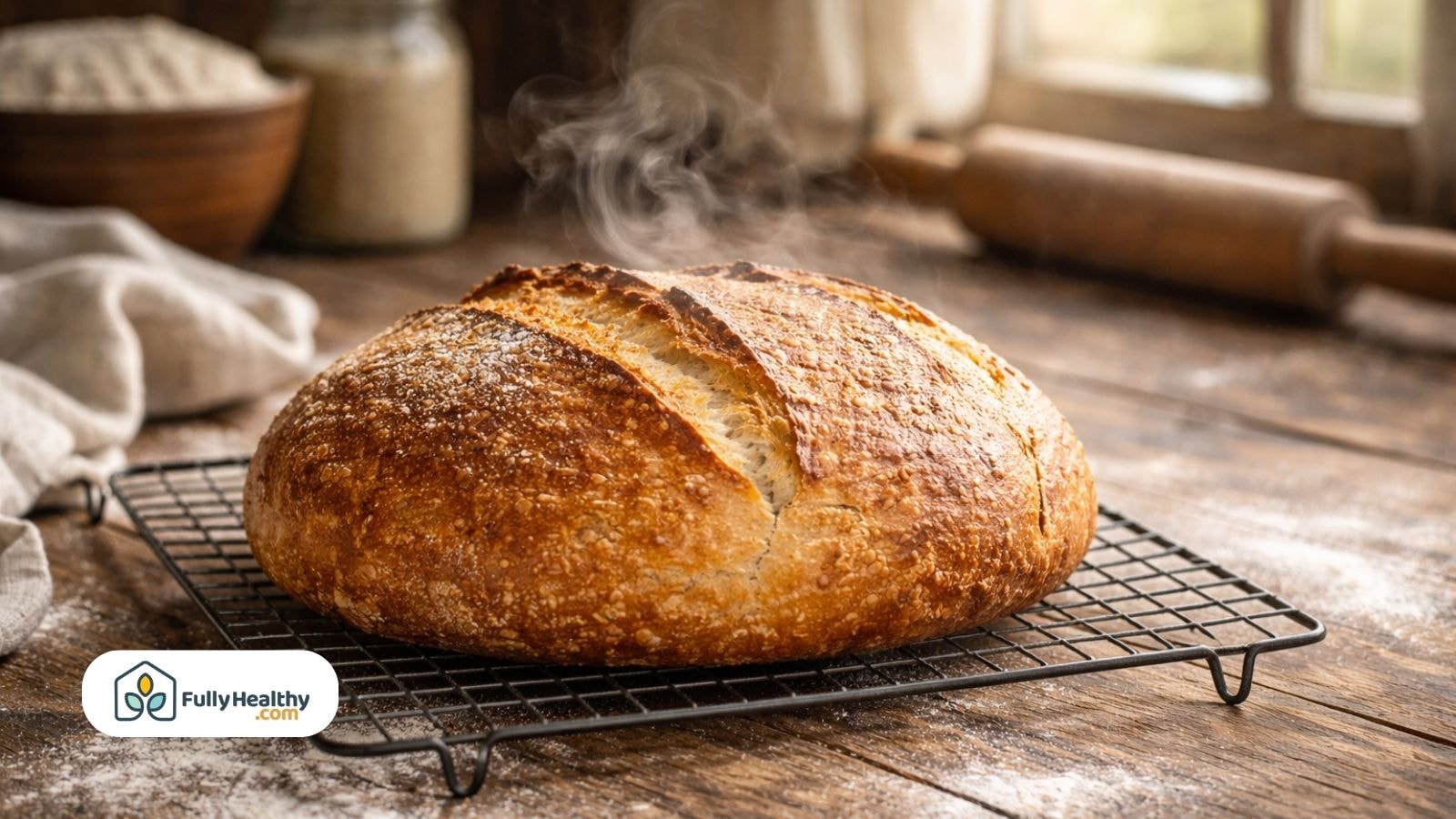
If you know how long sourdough bread lasts, you can avoid throwing it away and get more out of it. Since it ferments, sourdough bread has natural acids that can inhibit or slow mold growth, often extending mold-free shelf life compared with non-acidified breads. Still, the way things are stored matters.
Temperature, moisture, and time in the air can all change how fresh something is. As long as you store sourdough bread the right way, fresh loaves can last for several days before going bad or becoming bad to eat.
Typical Shelf Life Of Sourdough Bread At Room Temperature
If you leave fresh sourdough bread out in the open, it will usually stay good for a few days. Whole loaves of bread last longer than slices because the crust keeps the crumb inside safe. When you cut the bread, air gets to the inside, which dries the bread faster. Also, smaller loaves dry out faster than bigger ones.
-
Average Shelf Life: Fresh sourdough bread often lasts ~3–5 days at room temperature, but mold-free shelf life varies with recipe, acidity, packaging, and temperature/humidity.
-
Whole Loaf Advantage: A whole loaf keeps moisture inside the crumb longer because the crust acts as a natural barrier.
-
Cut Exposure: Once you slice the bread, the crumb is exposed to air, which speeds up bread drying and staling.
-
Loaf Size Matters: Smaller loaves and pre-sliced bread tend to become stale faster than larger fresh loaves.
Factors That Affect How Long Sourdough Bread Lasts
How long sourdough bread stays fresh depends on a number of things. How you store bread, the temperature, and the flow of air all play big roles. In warm kitchens, like those in the summer, mold can grow faster. Bread usually lasts longer in places that are cool and dry.
-
Room Temperature: Store bread at stable room temperature to maintain texture and slow spoilage.
-
Air Exposure: Too much air causes bread drying and leads to stale sourdough bread more quickly.
-
Humidity Levels: Warm and humid conditions increase the risk of mold growth.
-
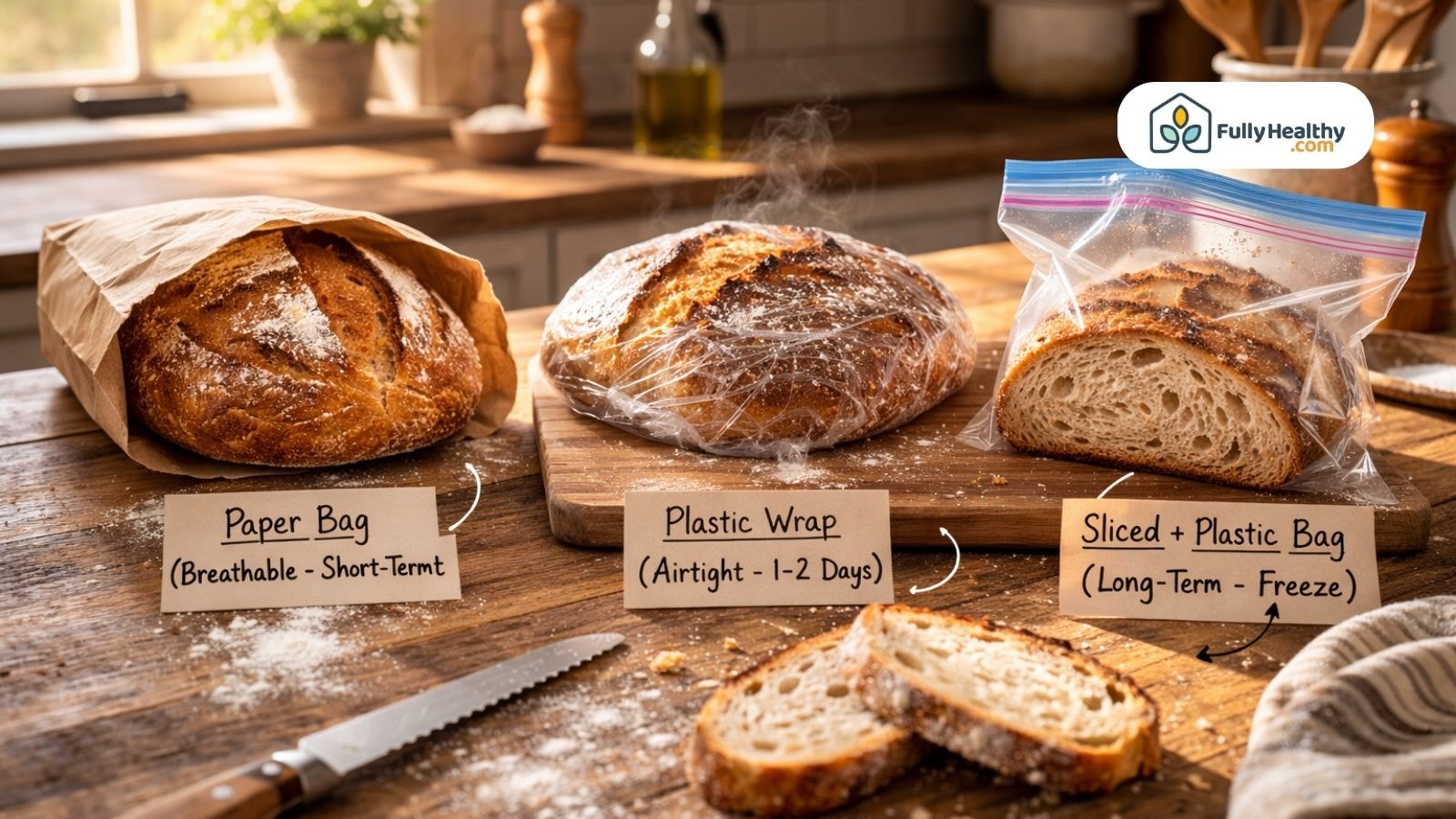
Storage Method: A paper bag or bread box allows some air circulation while still protecting the crust.
How Do You Know If Sourdough Bread Has Gone Bad?
Sourdough bread stays fresh longer than other types of bread, but it will go bad eventually. When you know the signs, you know it's time to throw away old bread. It's easy to follow the general rule. If you see mold, smell something funny, or feel something weird in the bread, you shouldn't eat it.
Visible Mold And Other Warning Signs
Mold growth is the most obvious sign that sourdough bread has been left out for too long. Visible mold indicates fungal growth; hyphae may extend beyond the visible spot, and safety cannot be reliably assessed at home—discard the loaf.
-
Visible Mold: White, green, or dark spots on the crust or crumb indicate mold growth and the bread should be discarded.
-
General Rule: Do not cut off moldy sections because mold can spread inside the entire loaf.
-
Texture Changes: Extremely soft, damp, or sticky crumb may indicate that the bread has spoiled.
Smell, Taste, And Texture Changes
A lot of the time, fresh sourdough bread smells and tastes nice. If the bread starts to smell or taste funny, it might not be safe to eat anymore.
-
Unpleasant Smell: A musty, earthy, or ‘moldy’ odor can indicate spoilage; sour aroma alone is not a reliable sign of mold in sourdough.
-
Taste Change: If the bread tastes bitter or strange, it is best to toss it.
-
Texture Difference: Bread that feels unusually soft, soggy, or sticky may have begun to spoil.
Can I Eat 1 Week Old Sourdough Bread?
Sourdough bread doesn't always go bad; sometimes it just gets stale. It is better to avoid throwing away food when you know the difference between stale bread and moldy bread. Many recipes can still use old bread as long as it doesn't have mold on it and smells fine.
When Week Old Sourdough Might Still Be Safe
Based on how you store it, sourdough bread can sometimes last longer. Sourdough bread goes stale when the starch granules inside the crumb change while it's being stored and cooled.
-
Stale Bread Explained: Bread becomes stale when starch granules shift and moisture moves within the crumb.
-
Safety Check: If there is no mold, strange smell, or unusual taste, the bread may still be safe to eat.
-
Storage Tip: Place the cut side down on a cutting board or wrap the loaf to reduce air exposure.
Best Ways To Use Older Sourdough Bread
There are still many tasty ways to use old bread in the kitchen. Stale (not moldy) sourdough can be repurposed to tasty dishes instead of being thrown away.
-
Quick Toast: Pop slices in the toaster to restore a crisp texture.
-
French Toast: Slightly stale sourdough works well for rich french toast recipes.
-
Homemade Croutons: Cut old bread into cubes and bake in the oven until crisp.
-
Breadcrumbs: Process dried bread into bread crumbs or breadcrumbs for cooking and baking.
What Is The Best Way To Store Sourdough Bread?
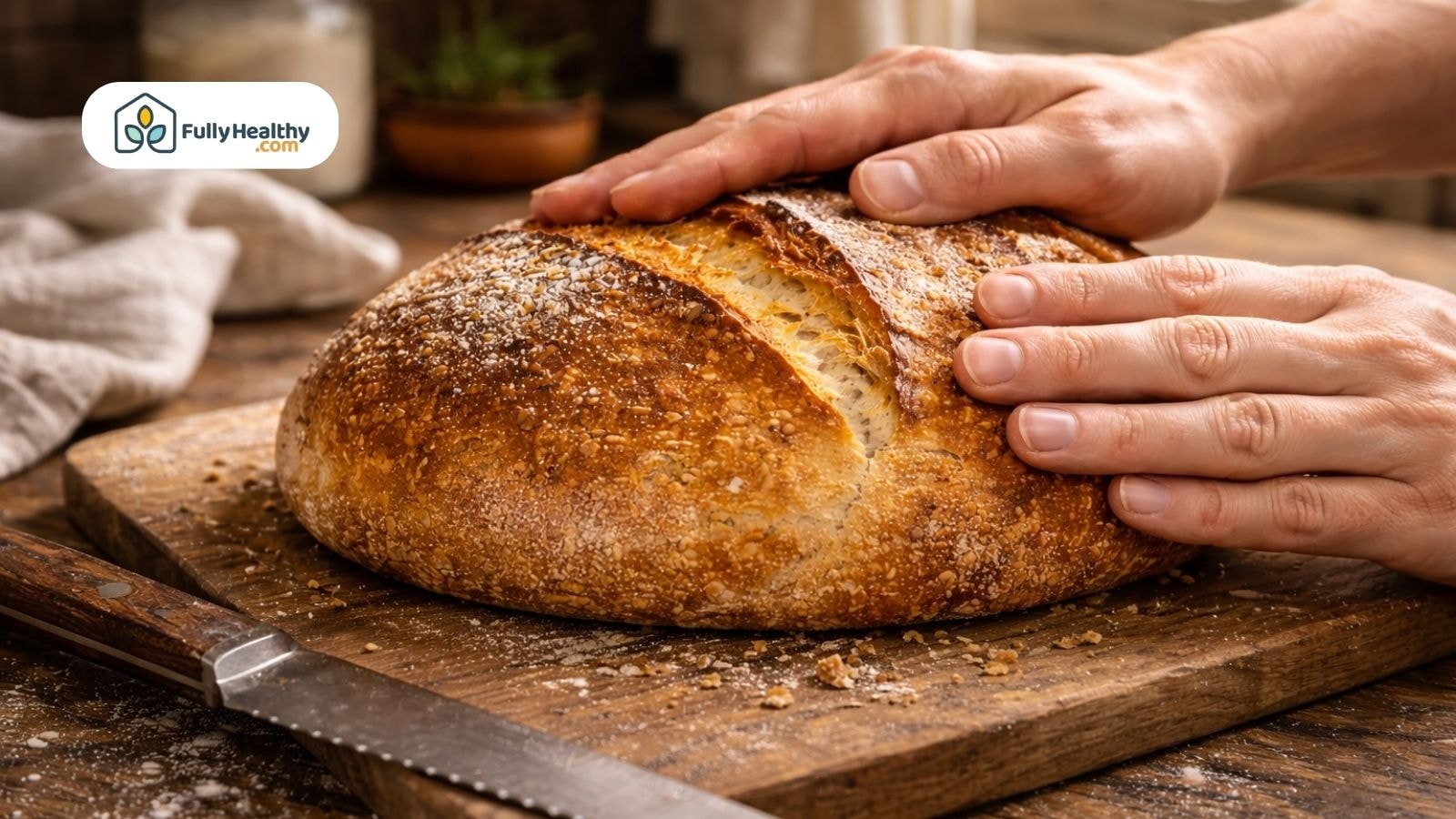
Sourdough stays fresh and tasty for longer if you store it the right way. You can protect the crust and keep the crumb soft if you store the bread the right way. The main goal is to keep moisture and air exposure to a minimum. If there is too much air, things dry out, and if water gets stuck, mold can grow.
The way you store the loaf (on the counter, in the fridge, or in the freezer) has a big effect on how fresh it stays.
Room Temperature Storage Methods That Work Best
Most fresh loaves can be kept at room temperature for a few days. This keeps the inside soft and the crust crisp. Let the bread rest while in cooling process after baking before putting it away. A lot of people just leave the loaf out on the counter and cover it loosely.
-
Counter Storage: Place the loaf on the counter and keep it covered loosely so air can circulate while the bread stays soft.
-
Plastic Bag Option: A plastic bag helps keep moisture inside the bread, but it can soften the crust if used too soon.
-
Plastic Wrap Method: Plastic wrap works well for sliced bread because it reduces air exposure and slows drying.
-
Half Loaf Tip: If only half a loaf remains, wrap the exposed side tightly to keep the crumb from drying out.
Freezing Sourdough For Long-Term Storage
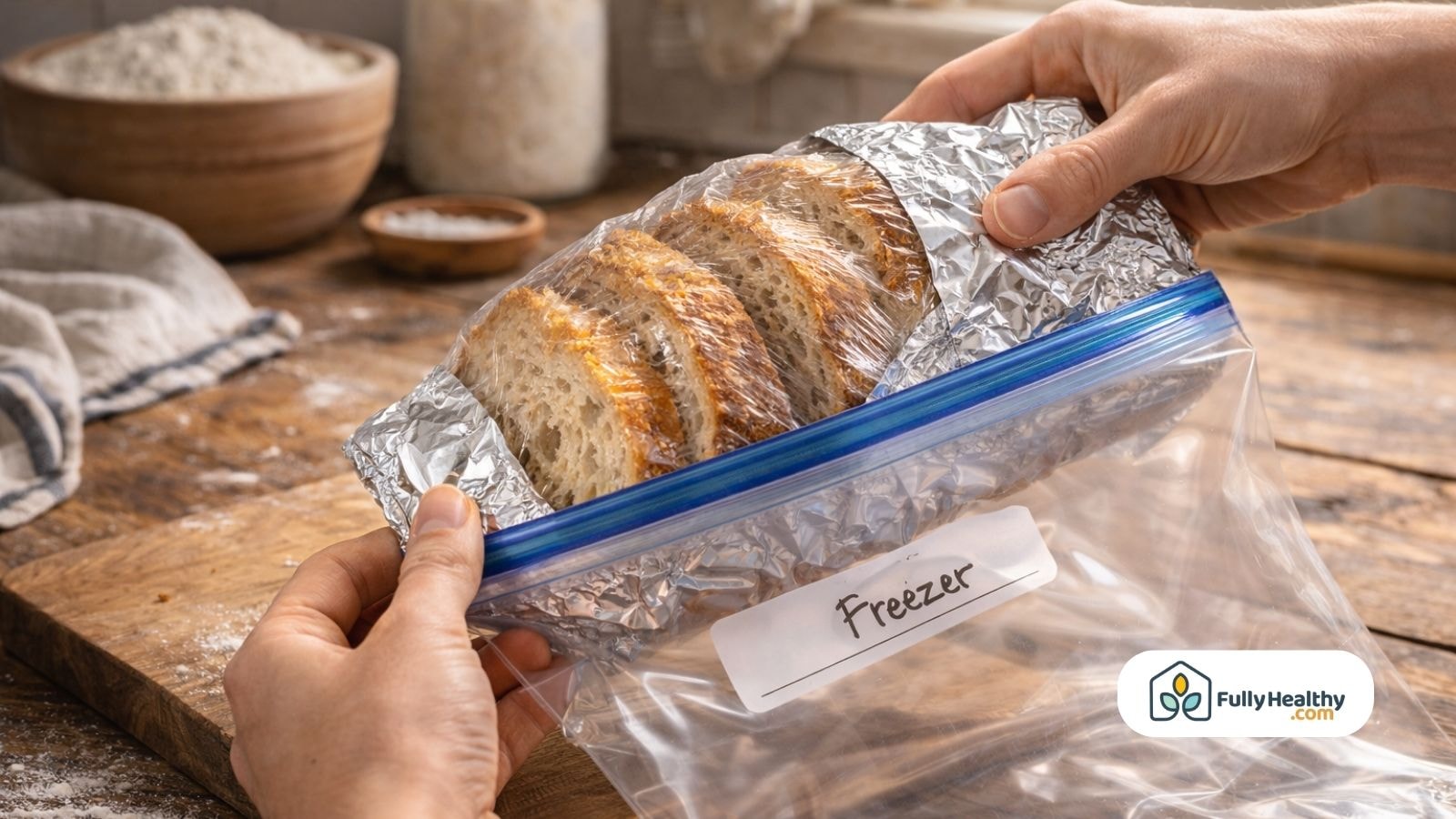
The best place to store bread for a long time is in the freezer. Freezing slows down spoilage and helps keep the texture. Lots of bakers cut the loaf into slices before they freeze it so they can take out only the amount they need.
-
Wrap Before Freezing: Wrap the loaf in plastic wrap or aluminum foil before placing it inside a freezer bag.
-
Freezer Storage: Bread can maintain good quality for 1–3 months (or longer) when wrapped airtight to prevent freezer burn.
-
Defrost Properly: To defrost, remove the bread from the freezer and let it sit on the counter for several hours.
-
Refresh In The Oven: After defrosting, warm the loaf in the oven for a few minutes to bring back a crisp crust.
What Can Fully Healthy Offer If You’re Looking For Specialty Ingredients And Foods For Baking Or Healthy Bread Alternatives?
For reasons like allergies or special diets, some people would rather not use certain ingredients in baking. Customers with special dietary needs can buy foods at Fully Healthy, an online store. It focuses on specialty, gluten-free, and allergy-friendly products. Finding safe ingredients will be easier now that you don't have to look in as many stores.
Fully Healthy Marketplace For Special Diet Foods
Buying specialty foods and baking supplies is easy with FullyHealthy. Product from various brands is gathered on the website, which makes it easier to do healthy grocery shopping.
-
Special Diet Focus: The store offers products that support gluten-free, allergen-friendly, and specialty diets.
-
Convenient Shopping: Customers can browse products online and receive them after several hours or days depending on shipping.
-
Recipe Flexibility: Many products can be used in baking, cooking, or even fruit-based desserts.
Popular Products That Support Healthy Baking
It has baking mixes and natural sweeteners that are good for making healthier desserts. With these ingredients, home bakers can make simple recipes without using common allergens.
-
Baking Mixes: Ready-made mixes allow people to bake breads or desserts without traditional ingredients.
-
Natural Sweeteners: Coconut sugar and maple sugar add natural flavor to baked goods and fruit recipes.
-
Storage Tip: Keep baking mixes covered after opening to protect them from moisture.
-
Refrigerate When Needed: Some ingredients may need to refrigerate after opening to maintain quality and freshness.
Final Thoughts
Knowing how long does sourdough bread last helps you enjoy better flavor while reducing waste. Refrigeration may reduce mold risk in hot/humid conditions but usually speeds up staling; for best quality, room-temperature storage for short term or freezing for longer term is preferred.
Putting baked goods away the right way after baking or even after a meal can protect the crust and crumb during cold months. If you store your loaf correctly, it will stay delicious longer.
FAQs
How Long Will Sourdough Bread Stay Fresh?
Fresh sourdough bread usually stays good for about 3–5 days at room temperature when stored properly.
Can I Eat 2 Week Old Sourdough Bread On Reddit?
If kept at room temperature for ~2 weeks, bread is very likely stale and may be moldy; if frozen promptly, it can remain safe for much longer. Discard if any mold is present.
When Should You Not Eat Sourdough Bread?
You should not eat sourdough bread if it has visible mold, a strange smell, or an unusual taste.
What Are The Downsides To Sourdough Bread?
Although sourdough has benefits, some people may experience digestive discomfort or sensitivity to gluten when eating it.
Can You Freeze Sourdough Bread?
Yes, you can freeze sourdough bread, and it can maintain good quality in the freezer for up to a few months when wrapped properly.
Leave a comment