

How Long is Pasta Sauce Good for in the Fridge? Shelf Life by Sauce Type
How long is pasta sauce good for in the fridge? Opened tomato-based pasta sauce typically lasts 5 to 7 days when refrigerated properly, while homemade, meat-based, and cream-based sauces are best eaten within 3 to 4 days. Proper storage helps maintain quality and supports food safety.
This guide explains storage times, spoilage signs, freezing tips, and simple ways to keep pasta sauce fresh for longer.
How Long Before Pasta Sauce Goes Bad in the Fridge?

The shelf life of pasta sauce depends on its ingredients, storage conditions, and how it is handled after opening. Tomato based pasta sauces usually last longer than dairy or meat recipes because tomatoes are naturally acidic, but every type should be refrigerated promptly after use.
Refrigerator Shelf Life by Pasta Sauce Type
Opened jarred pasta sauce lasts 5 to 7 days in the fridge when stored properly, while homemade pasta sauce, cream sauces, and meat sauce are best eaten within 3 to 4 days.
Following the recommended storage time is safer than checking the smell or taking a small taste because harmful bacteria are not always easy to detect.
| Pasta Sauce Type | Typical Shelf Life |
|---|---|
| Opened jarred tomato sauce | 5 to 7 days |
| Store bought spaghetti sauce | 5 to 7 days |
| Homemade pasta sauce | 3 to 4 days |
| Marinara sauce | 5 to 7 days |
| Meat sauce | 3 to 4 days |
| Carbonara sauce | 3 to 4 days |
| Cream based sauces | 3 to 4 days |
| Oil based sauces | About 7 days |
| Unopened pasta sauce | Until printed expiry dates in a dark pantry |
-
Tomato Sauce: Tomato-based sauces usually last longer because tomatoes are naturally acidic.
-
Homemade Sauce: Homemade sauce contains no commercial preservatives, so it has a shorter shelf life.
-
Jarred Pasta Sauce: Opened pasta sauce should be refrigerated after every use instead of leaving the opened jar on the counter.
-
Unopened Jar: Keep an unopened jar or whole jar in a cool, dark pantry until it is opened.
-
Frozen Pasta Sauce: Frozen pasta sauce keeps good quality for up to three months when properly stored.
Factors That Affect How Long Pasta Sauce Lasts
The ingredients and the way you store pasta sauce have the biggest impact on its shelf life. Tomato-based pasta sauces last longer because they are naturally acidic, while homemade pasta sauce, cream sauces, and meat sauce spoil faster since they contain fewer preservatives or more perishable ingredients.
-
Storage Temperature: Keep pasta sauce in the refrigerator at 40°F (4°C) or below and refrigerate it within 2 hours after cooking or opening.
-
Ingredients: Meat, dairy, and eggs shorten the shelf life compared with plain tomato-based sauces.
-
Airtight Container: Store remaining sauce in an airtight container or glass container to reduce air exposure.
-
Clean Spoon: Use a clean spoon every time to keep food particles and bacteria out of the jar.
-
Proper Storage: Keeping pasta sauce cold and tightly sealed helps it stay fresh for the recommended storage time.
How to Tell if Pasta Sauce Has Gone Bad?
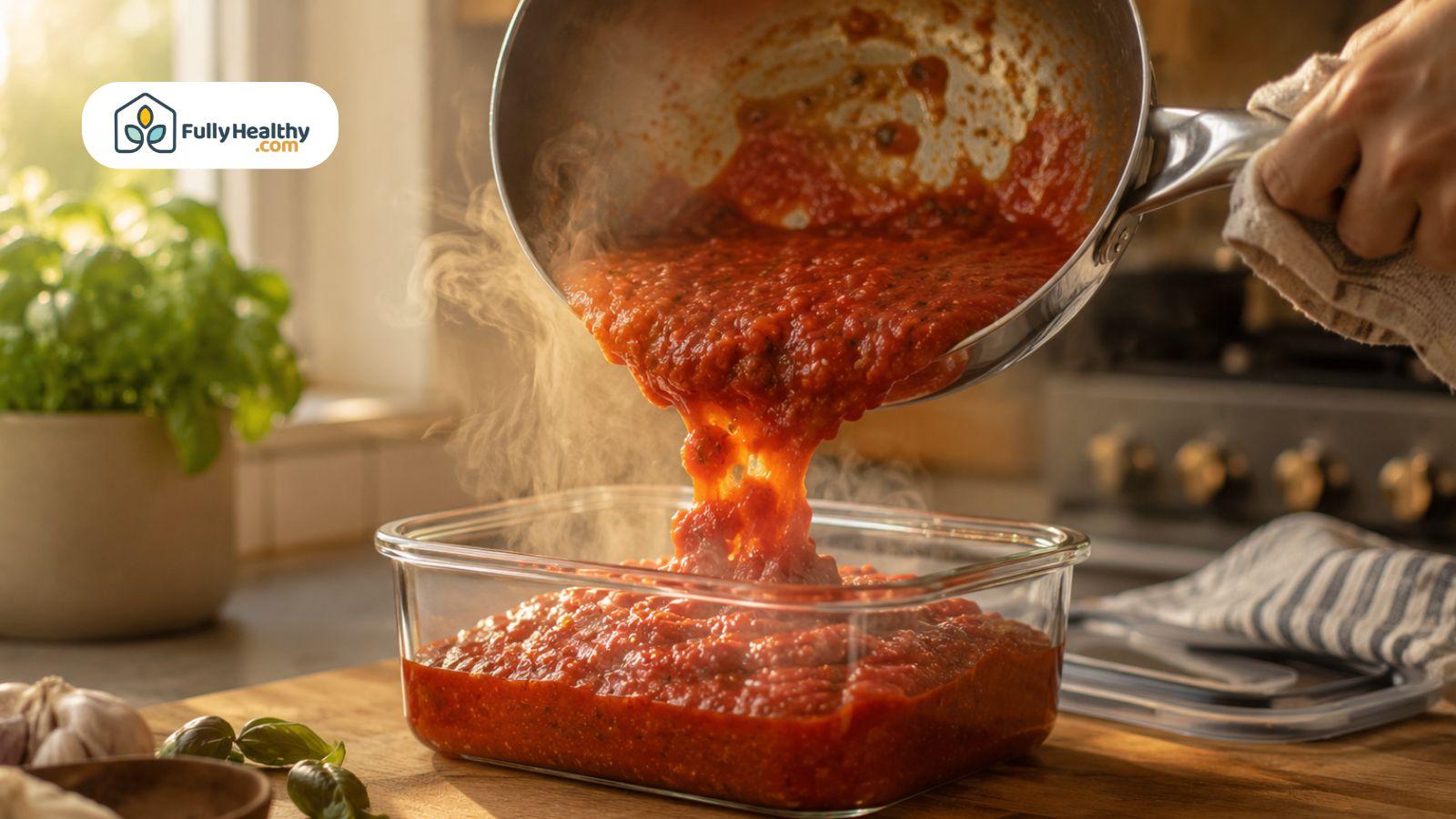
Pasta sauce has gone bad if it develops visible mold, a sour or unpleasant smell, unusual texture changes, or has been stored longer than the recommended time in the fridge. Even if the sauce looks normal, it should be discarded once it exceeds its safe storage window.
Common Signs of Spoiled Pasta Sauce
Pasta sauce has gone bad if you notice mold, unusual odors, leaking containers, or major texture changes. When these signs appear, discard the entire jar instead of removing only the affected portion because contamination can spread beyond what you can see.
-
Visible Mold: Mold growth, fuzzy spots, or discoloration means the sauce should be thrown away immediately.
-
Sauce Smells: Sour, fermented, or unpleasant odors are strong signs of spoiled sauce.
-
Broken Seal: A damaged glass jar or loose lid may allow bacteria to enter before opening.
-
Texture Changes: Thick clumps, unusual separation, or bubbling without heating may indicate spoilage.
-
Leaking Jar: Liquid around the lid or a swollen jar should never be ignored.
Food Safety Risks of Eating Expired Pasta Sauce
Expired pasta sauce can contain harmful bacteria even when it looks normal, making storage guidelines more reliable than appearance alone. Eating spoiled sauce may increase the risk of food poisoning, especially when dairy, meat, or eggs are part of the recipe.
-
Bacterial Growth: Harmful bacteria cannot always be seen, smelled, or tasted.
-
Small Taste: Avoid taking a small taste to test suspicious sauce because unsafe bacteria may still be present.
-
Remaining Sauce: Throw away the remaining sauce if it has been stored longer than the recommended shelf life.
-
Reheat Gently: Reheating does not make spoiled sauce safe to eat once bacteria or toxins have developed.
-
Food Safety: Following recommended storage times is the safest way to protect your meal and your health.
Does Pasta Sauce Go Bad if Not Refrigerated?
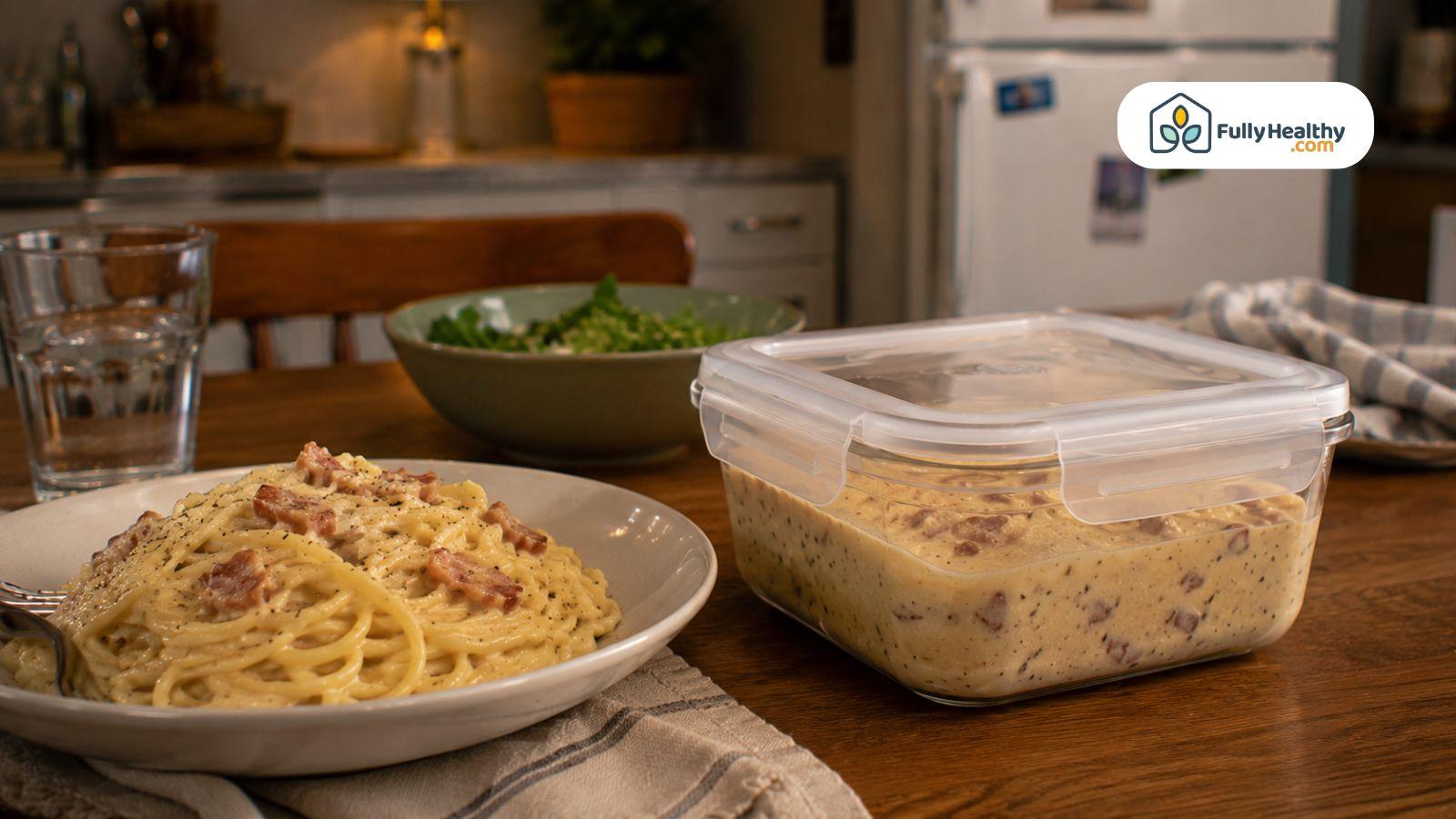
Opened pasta sauce should not be left at room temperature for long because bacteria multiply quickly outside the refrigerator. Unopened products are different because commercial processing keeps them shelf stable until the jar is opened.
Room Temperature Storage Guidelines
An unopened pasta sauce can stay in a dark pantry until the printed expiry dates, but opened pasta sauce and homemade pasta sauce should always go into the fridge within two hours. Refrigeration is essential after opening because exposure to air and food particles allows bacteria to grow more easily.
-
Unopened Pasta Sauce: Store unopened pasta sauce in a cool, dry, dark pantry.
-
Opened Jar: Refrigerate an opened jar immediately after serving.
-
Homemade Pasta Sauce: Homemade pasta sauce should never be left out overnight.
-
Glass Container: Transfer leftover sauce to a clean glass container if needed.
-
Longer Storage: Freeze extra sauce instead of keeping it in the refrigerator for too long.
Why Hot Sauce and Pasta Sauce Have Different Storage Rules
Hot sauce can often stay in the pantry, but opened pasta sauce should be refrigerated. Most hot sauces contain higher amounts of vinegar and salt, while pasta sauce often contains tomatoes, vegetables, olive oil, dairy, or meat that make it more perishable after opening.
-
Acidity: Hot sauce is usually more acidic than tomato-based pasta sauces, helping it resist bacterial growth for longer.
-
Ingredients: Cream-based sauces, homemade sauce, and meat sauce spoil much faster than vinegar-based hot sauce.
-
Manufacturer Instructions: Always follow the storage directions on the jar because recipes differ between brands.
-
Food Safety: Refrigerating opened pasta sauce helps preserve quality and reduces the risk of food poisoning.
-
Comparison: Hot sauce storage advice should not replace recommendations for marinara sauce, spaghetti sauce, or other tomato sauce products.
What Pasta Sauce Lasts the Longest?
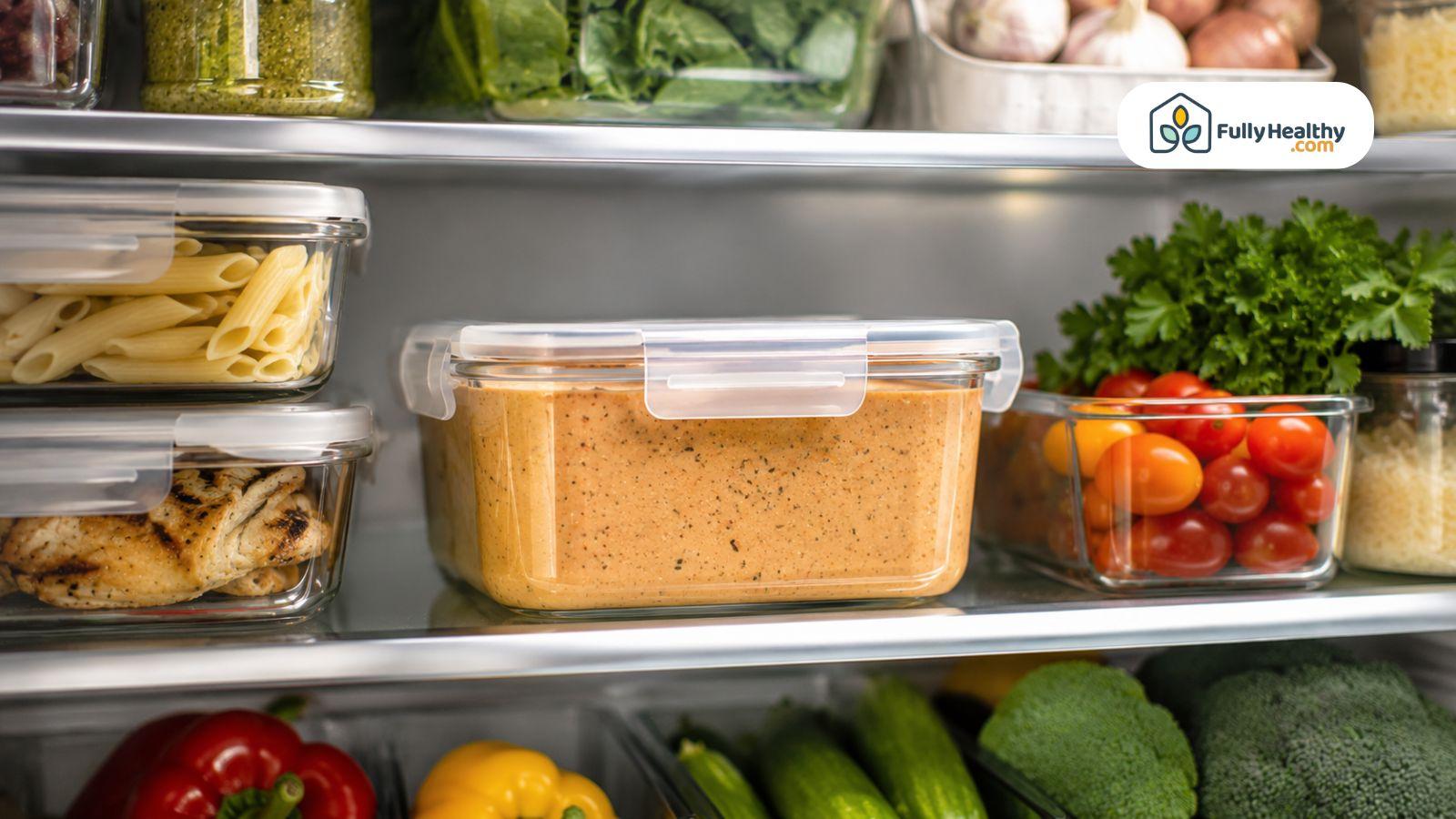
Tomato-based pasta sauces last the longest among common pasta sauces. Cream sauces, meat sauce, and homemade pasta sauce have a shorter shelf life and should be eaten sooner.
Longest-Lasting Pasta Sauce Varieties
Tomato-based pasta sauces are usually the longest-lasting choice in the refrigerator because tomatoes are naturally acidic and most store bought sauce contains preservatives. Dairy and meat recipes have a much shorter shelf life and should be eaten sooner.
-
Tomato-Based Sauces: Store bought spaghetti sauce and marinara sauce commonly last 5 to 7 days in the fridge.
-
Oil Based Sauces: Oil-based sauces may last about a week when properly stored, but always follow the product label.
-
Cream Sauces: Alfredo and other cream-based sauces are generally best within 3 to 4 days.
-
Meat Sauce: Meat shortens the shelf life, so refrigerate promptly and use within a few days.
-
Tomato-Free Alternatives: Shelf life depends on the ingredients, so always check the manufacturer's storage instructions.
Freezing Pasta Sauce for Longer Storage
Freezing is the best way to extend the shelf life of pasta sauce. Tomato-based pasta sauce keeps its best quality for up to 3 months in the freezer, while cream-based sauces can also be frozen but may separate after thawing and should be reheated gently.
-
Freezer Bags: Portion sauce into freezer bags or freezer-safe containers to save space.
-
Labeling: Write the freezing date on each container for easier meal planning.
-
Storage Time: Frozen pasta sauce maintains its best quality for up to three months, although some sauces remain acceptable for at least a month beyond that.
-
Thaw Overnight: Move frozen pasta sauce to the refrigerator and thaw overnight before reheating.
-
Reheat Gently: Warm sauce over medium or low heat and stir occasionally to restore a smoother texture.
Why Shop at FullyHealthy
If you enjoy specialty foods or have dietary preferences, choosing the right pasta and sauce products can make meal planning easier. FullyHealthy offers a wide selection of pantry staples for gluten-free, Paleo, AIP, and other specialty lifestyles.
About FullyHealthy
FullyHealthy is an online marketplace that carries foods designed for specialty diets, including pantry items, pasta, snacks, baking ingredients, and sauces. Its catalog includes products for people looking for gluten-free, grain-free, Paleo, keto, low FODMAP, and other dietary options.
-
Specialty Foods: Browse products for several dietary lifestyles in one place.
-
Pantry Staples: Shop sauces, pasta, baking mixes, snacks, and cooking ingredients.
-
Trusted Brands: FullyHealthy partners with brands focused on specialty food products.
-
Convenience: Order pantry essentials online and have them delivered to your home.
-
Variety: Choose from tomato sauce, tomato-free alternatives, pasta, and more.
Pasta and Sauce Products Available at FullyHealthy
FullyHealthy offers several pasta and sauce options that pair well together for easy meals. KC Natural sauces work with traditional or alternative pasta choices, while Banza and Jovial provide gluten-free alternatives made from chickpeas or cassava.
-
KC Natural Carrot Marinara Paleo Pasta Sauce: A Paleo-friendly marinara made without traditional tomatoes, making it a suitable option for people avoiding tomato-based ingredients.
-
KC Natural Traditional Style Tomato-Free Pasta Sauce: A tomato-free pasta sauce that delivers a classic Italian-style flavor for those who cannot eat tomatoes.
-
Banza Spaghetti: Chickpea-based spaghetti that provides more protein and fiber than traditional wheat pasta.
-
Jovial Cassava Spaghetti: A gluten-free spaghetti made with cassava flour that pairs well with tomato sauce, marinara sauce, or oil based sauces.
-
Jovial Cassava Elbow Pasta: Gluten-free elbow pasta that works well in baked pasta dishes, soups, and creamy recipes.
-
Jovial Cassava Fusilli: Spiral-shaped cassava pasta designed to hold tomato based sauces, pesto, and other flavorful pasta sauce recipes.
Final Thoughts
Storing pasta sauce the right way helps it stay safe, taste better, and reduce food waste. Refrigerate sauce quickly, keep it in a sealed container, and follow the recommended storage time instead of guessing. Avoid eating sauce that has been in the fridge for too long or shows signs of spoilage.
Even if it still looks good, it may no longer be safe. Use these simple tips to keep every meal safer for you and your family.
FAQs
Can I Eat 2 Week Old Pasta Sauce?
No. Pasta sauce stored for two weeks in the refrigerator should be thrown away because it is well beyond the recommended shelf life.
When Should You Throw Out Tomato Sauce?
Throw out tomato sauce if it has mold, a sour smell, an unusual texture, or has stayed in the fridge longer than the recommended storage time, even if it still looks normal. After opening, refrigerate it and use it within 5 to 7 days.
How Long Does Cooked Pasta With Sauce Last in the Fridge?
Cooked pasta with sauce lasts 3 to 4 days in the refrigerator when stored in an airtight container at 40°F (4°C) or below.
What is the 1 10 100 Rule for Pasta?
The 1 10 100 rule is a cooking ratio that recommends 1 liter of water, 10 grams of salt, and 100 grams of dried pasta for the best texture and flavor. It is not a food safety or storage guideline.
Can You Trust Tomato Sauce After Being Opened and Not Put in the Fridge?
No. Opened tomato sauce left at room temperature for more than 2 hours should be discarded because harmful bacteria can multiply quickly.
Leave a comment