

How Long to Boil Chicken Breast? Juicy Simmer Method That Works

Want to know how long to boil chicken breast so it stays safe and juicy? That's how long thin cutlets take to cook. Large breasts without bones can take up to 15 minutes. It can take about 20 minutes to bone-in pieces. Begin by putting the chicken in water.
When it starts to boil, turn down the heat to a low level. A thermometer reading of 165°F (74°C) in the thickest part means it's done. This guide has times, tips, and mistakes that people often make.
Featured Pantry Pick
Wild Planet // Organic Roasted Chicken Breast Salted - 5 oz
Loading...
How Long to Boil Chicken Breast?
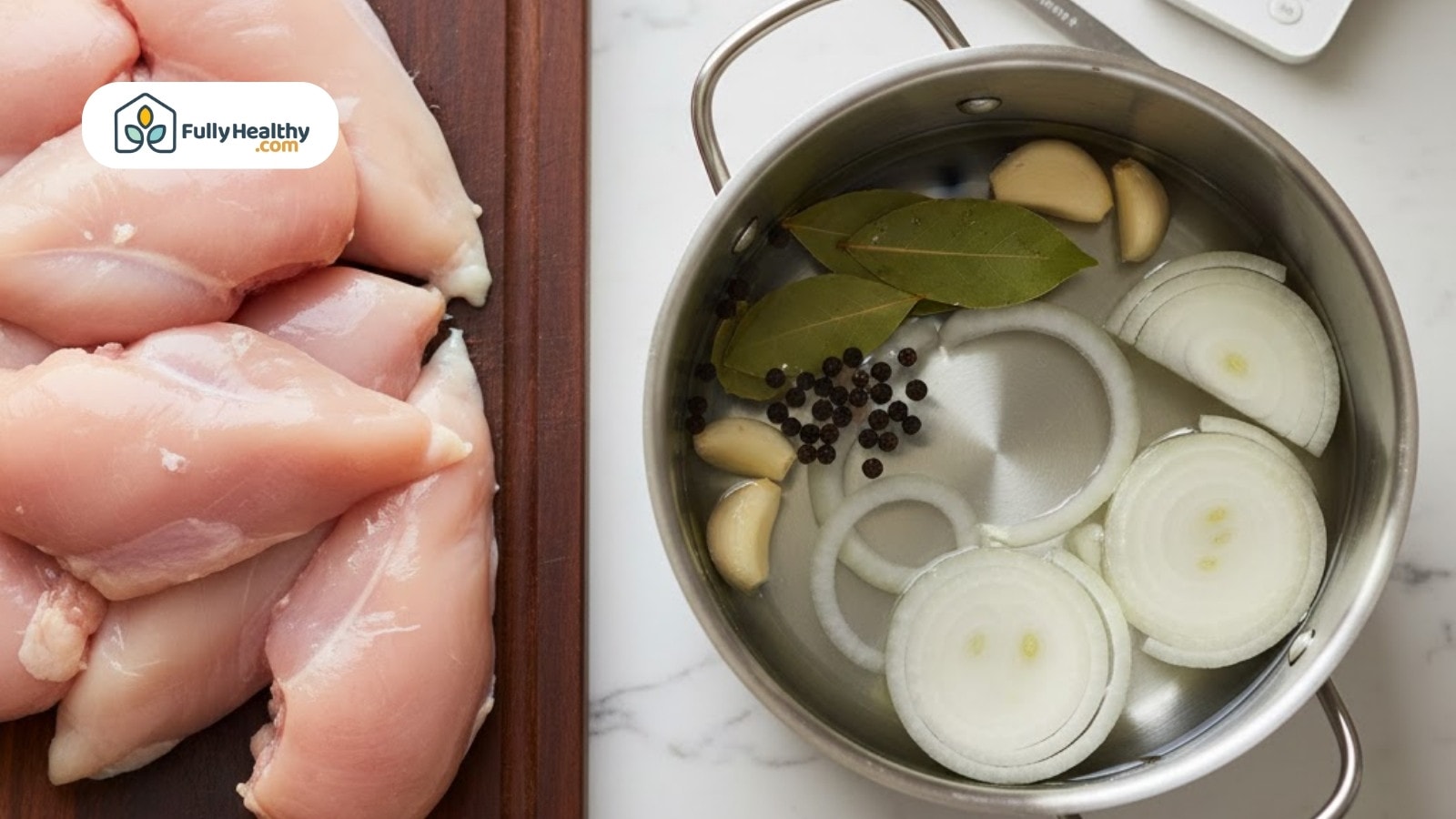
The length of time you need to boil chicken breast depends on how thick it is and if it has bones. The water is brought to a boil, and then the food is slowly cooked, like poached chicken. It keeps the chicken from getting dry because of the gentle heat. Check early and with a thermometer for the best results.
How Long to Boil Chicken Breast by Thickness and Cut
To get perfect chicken breasts, just make sure the time is right for the cut. Skinless chicken breasts cook more evenly and faster than boned skinless chicken breasts. Make sure the pieces are about the same size so they all finish at the same time.
-
Quickest Option: Thin cutlets take about 8 minutes after you reduce heat.
-
Standard Option: Large boneless skinless chicken breasts take up to 15 minutes.
-
Bone-In Option: Bone-in breasts can take about 20 minutes, then check internal temp.
-
Batch Tip: For a big batch, keep chicken in a single layer in the pot.
What Changes the Boiling Time Most
To get perfect chicken breasts, just make sure the time is right for the cut. Skinless chicken breasts cook more evenly and faster than boned skinless chicken breasts. Make sure the pieces are about the same size so they all finish at the same time.
-
Thickness Matters: Thicker meat needs more time, and thin ends finish sooner.
-
Heat Control: Use medium high heat to bring to a boil, then reduce heat to medium low.
-
Crowding Problem: A packed pot cooks unevenly and can cause a rolling boil.
-
Starting Point: Chicken added straight from cold water heats more slowly and evenly.
Do I Put Chicken in Water Before or After It Boils?
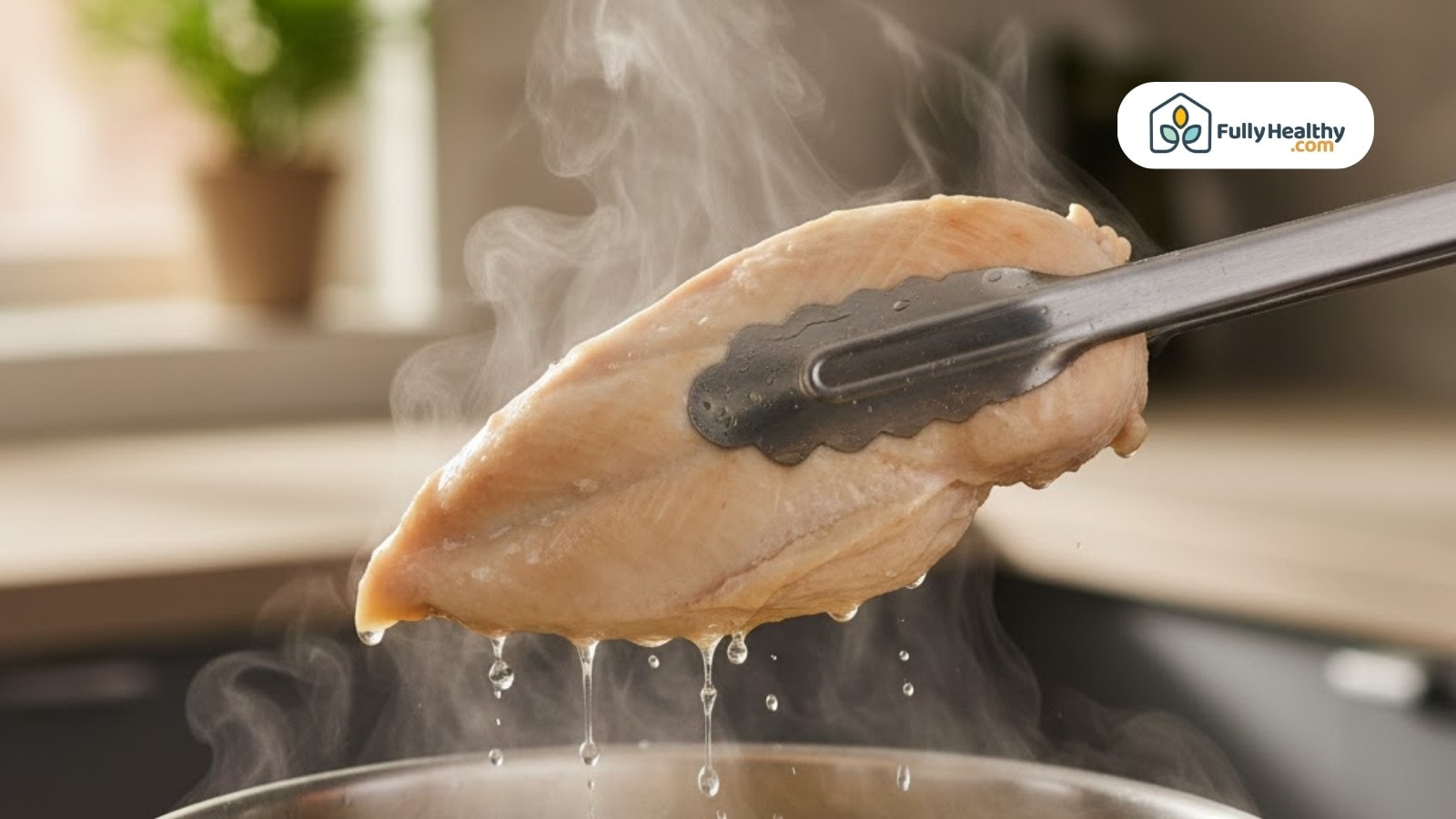
Put the chicken in cold water to start, then bring it to a boil. This makes sure that the chicken cooks the same way all the way through. Of course, this keeps the outsides from getting stringy and overcooked. For a clean taste, use salted water. For a richer flavor, use chicken broth.
Start Chicken in Water First, Then Bring It to a Boil
This is an easy way to set up a recipe that always works. Season the chicken, then put it in a large pot without any bones or skin. You can make chicken salad or shredded chicken taste better by adding aromatics or leaving it as is.
-
Water Level: Cover chicken with cold water by about 1 inch.
-
Season Well: Add kosher salt at the start, and add salt later if needed.
-
Add Flavor: Add smashed garlic, garlic, and bay leaves or a bay leaf.
-
Richer Option: Swap some water for chicken broth to improve the cooking liquid.
Why You Reduce Heat After Boiling
It's not important to have a rolling boil after you bring something to a boil. When you boil meat for a long time, it can get tough and dry. Bringing down the heat helps protect the texture and helps keep tender chicken.
-
Boil First: Bring to a boil over medium high heat.
-
Then Simmer: Reduce heat to medium low so bubbles stay small and steady.
-
Cover Helps: A lid keeps heat even and prevents the pot from boiling too hard.
-
Texture Benefit: Gentle heat gives you poached chicken-style results, not rubbery chicken.
How Do I Know If My Chicken Breast Is Fully Boiled?
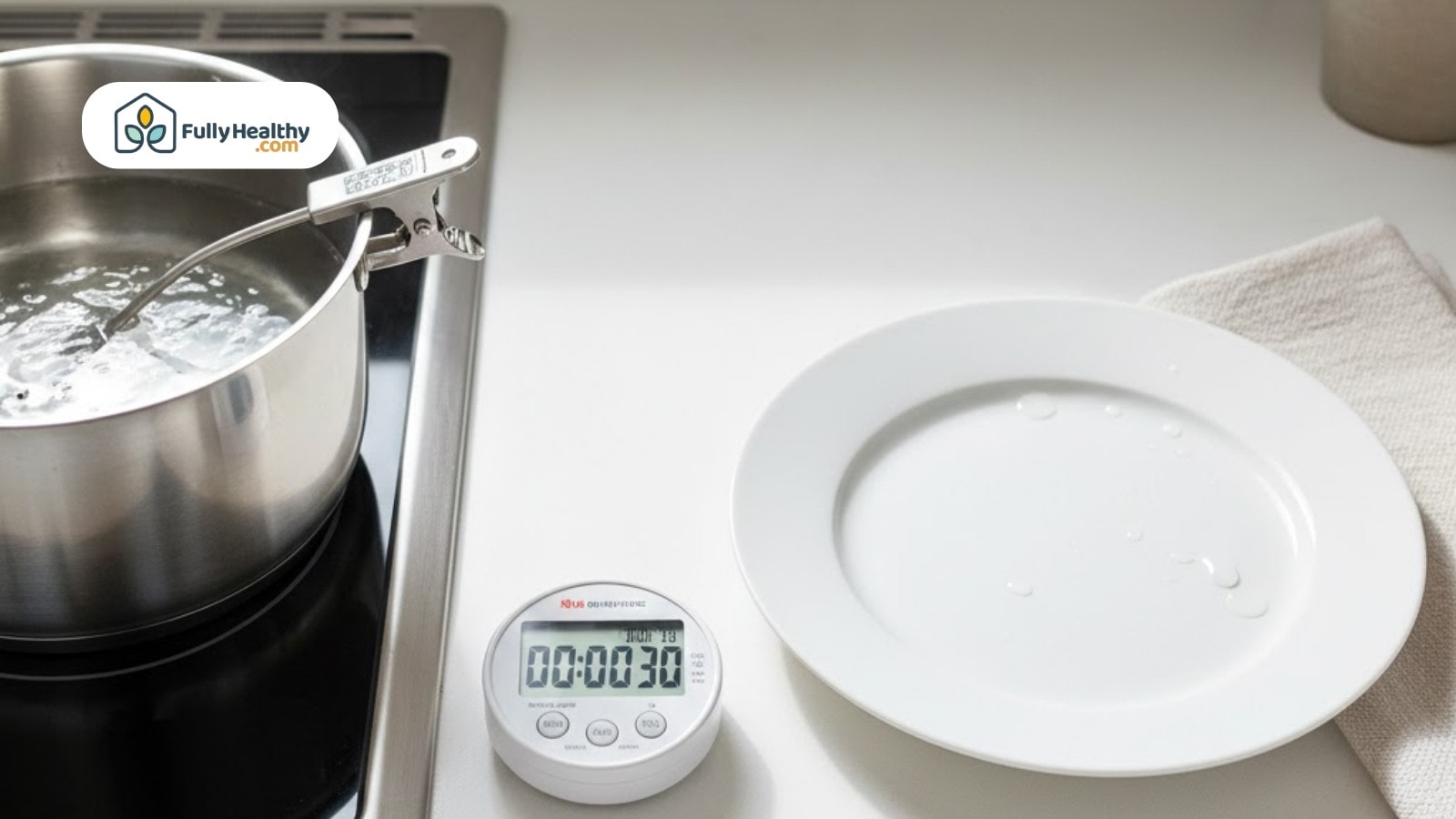
Using temperature is the safest way to find out. To check the temperature, use a meat thermometer or an instant read thermometer on the thickest part. When the internal temperature of the chicken reaches 165°F (74°C), it is done. This is safe and takes away the need to guess.
Use a Thermometer for a Clear Done Signal for the Cooked Chicken
Most quickly, a thermometer will keep food from cooking too much. When cooking skinless chicken breasts, start checking a few minutes before the "expected" time. When it hits the mark, pull it to keep it juicy.
-
Where To Check: Probe the thickest part of the meat, away from the pot.
-
What You Want: Internal temp at 165°F (74°C) as the safe internal temperature.
-
When To Stop: Remove at 165°F, since it may continue cooking briefly.
-
Rest Before Cutting: Move to a cutting board and rest a few minutes.
No Thermometer? Use These Backup Signs
If you don't have a meat thermometer, these checks can help, but they aren't as great. If you're not sure, keep cooking in short bursts and check again. This is very important when you're making chicken tacos with shredded chicken.
-
Center Check: Slice the thickest part and confirm no raw, glossy center.
-
Juice Check: Juices should look clear, not pink.
-
Texture Check: Meat should feel firm but still moist, not dry or stringy.
-
Storage Plan: Cool leftover chicken fast and freeze boiled chicken if you won’t use it soon.
What Are Common Mistakes When Boiling Chicken?
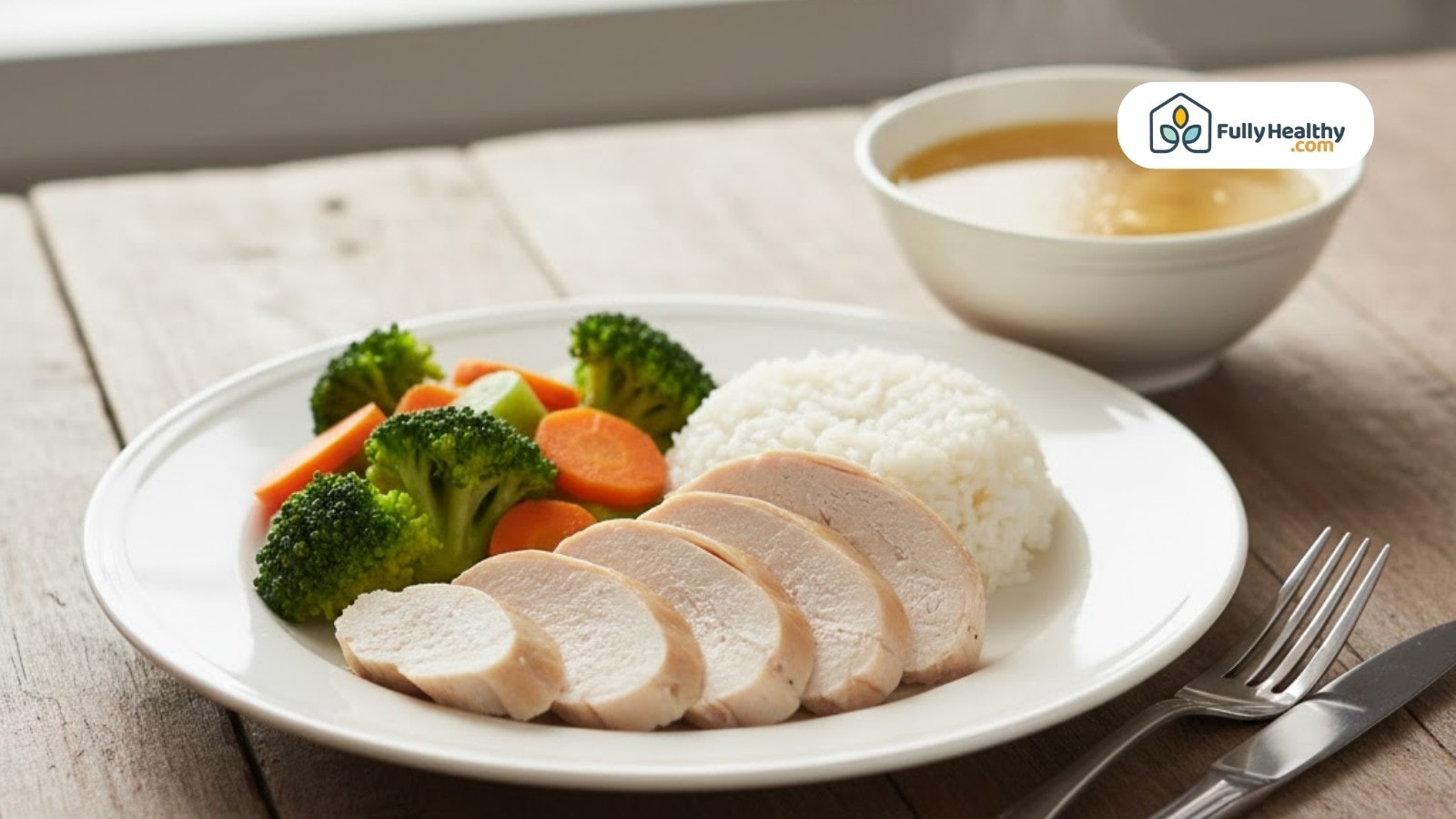
Chicken is easy to boil, but if you make a small mistake, the texture will change quickly. The best method is to bring the water to a boil, then turn down the heat so it cooks slowly. The meat could get dry if you hurry, or you could miss an important step to make sure it's done. Fixing these things will keep your chicken tasting fresh and ready for simple recipes.
Mistakes That Make Chicken Dry or Tough
Most problems with "rubbery chicken" are caused by too much heat or cooking for too long. Make sure the pot stays still and calm so the chicken stays moist.
-
Rolling Boil: A hard boil tightens meat quickly, so reduce heat once it starts boiling.
-
Cover The Chicken: Keeping it covered helps it cook evenly without blasting the outside.
-
Check Doneness: Use a thermometer or slice the thickest part before you serve.
Mistakes That Waste Flavor and Meal Prep Value
It's easy to make boiled chicken taste better by adding a few simple spices. It tastes better and is easier to use for meal prep when you season it and finish it off in the right way.
-
Flavor Base: Add onion, celery, and pepper to keep the taste clean and fresh.
-
Finish With Fat: Toss warm chicken with olive oil or avocado oil to lock in moisture.
-
Shred The Right Way: Use two forks so it pulls clean for casseroles and other dishes.
FullyHealthy: Convenient Options When You Need Chicken Fast
When you want chicken but don't want to watch a pot, FullyHealthy is helpful. Your oven will be running, your pan will be full, or you may not want to bake. This can save you time on busy days. With these choices, it's easy to quickly make chicken meals and get on with your day.
When FullyHealthy Fits Your Week
This is the best way to get protein quickly so you can use it right away. Plus, it helps you plan because you can keep it stocked for quick meals.
-
Fast Meals: Open, portion, and add to salads, bowls, and simple dishes.
-
Easy Use: Place the chicken into soups or casseroles without extra cooking.
-
Smart Backups: Keep a few pantry options so you are not starting from zero.
FullyHealthy Picks From These Links
These items are practical for quick meals and simple prep. The Wild Planet cans give you roasted chicken you can eat cold or warm gently, and the collagen option is easy to mix into a routine.
-
Wild Planet Salted 5 oz: Organic roasted chicken breast with rib meat, seasoned with sea salt.
-
Wild Planet No Salt 5 oz: Organic roasted chicken breast with rib meat, no-salt option for flexible seasoning.
-
Spectrum 5 Collagen: A simple collagen option you can add to drinks or recipes when you want extra support.
Final Thoughts
It's easy to boil chicken breasts if you pay attention to time, temperature, and gentle heat. Put the chicken in cold water and bring it to a boil. Then turn down the heat and keep it simmering. Breasts that are big but don't have bones can take up to 15 minutes to cook, while pieces with bones usually take about 20 minutes. Get an instant-read thermometer and check the thickest part until it reads 165°F (74°C). First let the chicken cool down. Let cooked chicken rest on a cutting board, then shred with two forks for shredded chicken, chicken salad, or chicken tacos. To make the cooking water taste better, add salt, garlic, and bay leaf, or use broth. Do not boil the meat; it should stay soft.
FAQs
How long to boil chicken breast if it is thin?
Simmer it for about 8 minutes, then confirm 165°F (74°C).
How long to boil chicken breast if it is large and boneless?
Simmer up to 15 minutes, then check the thickest part for 165°F (74°C).
How long to boil chicken breast if it is bone-in?
Simmer about 20 minutes, then verify 165°F (74°C) before serving.
How do I store boiled chicken safely?
Cool it quickly and keep it in the refrigerator in a sealed container.
Can I shred boiled chicken for quick meals?
Yes, rest it briefly, then shred and use it in salads, tacos, or bowls.
Leave a comment