

How Long to Boil Penne Pasta? Perfect Timing for Al Dente Results
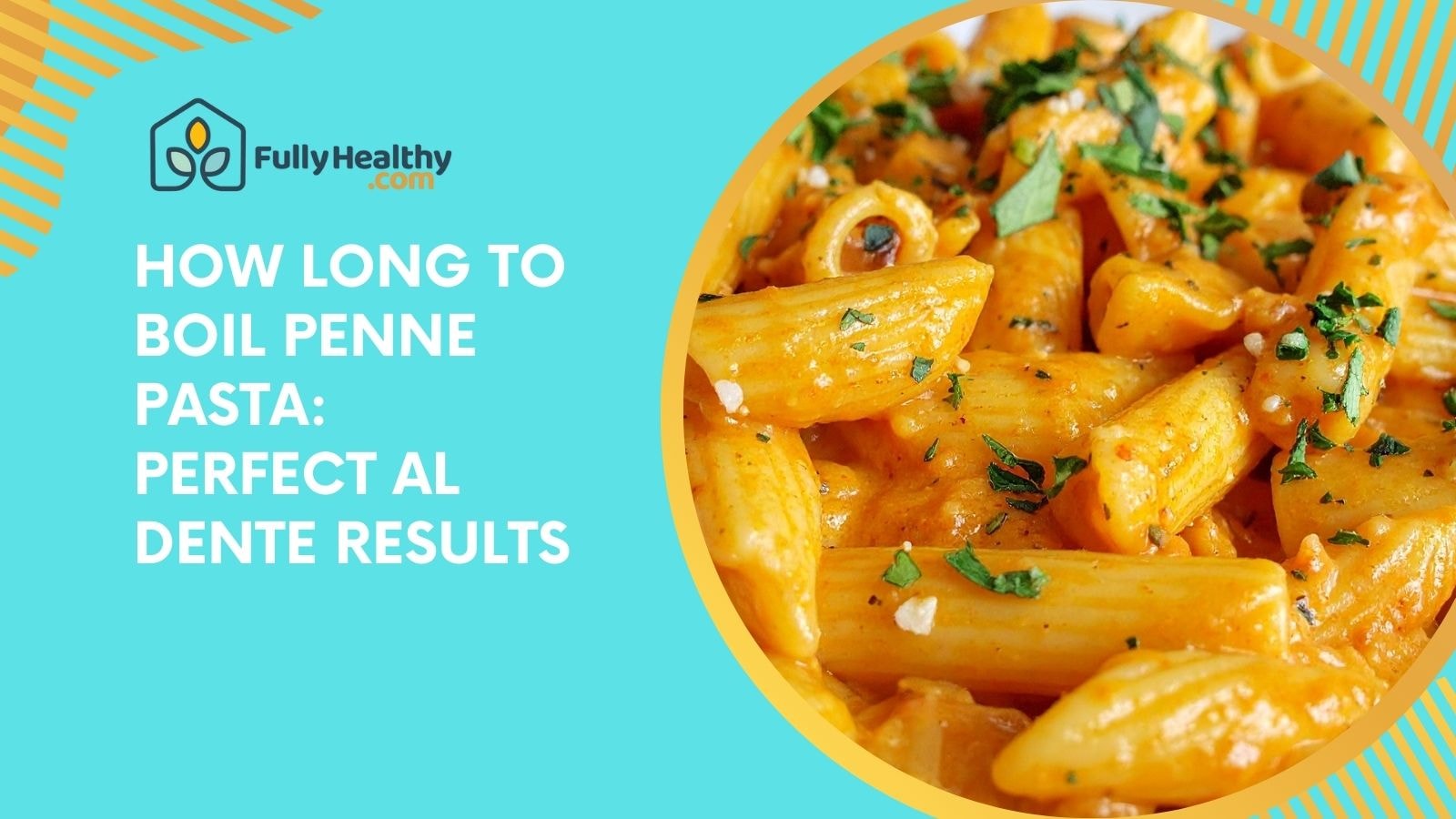 Photo Credit: Canva Pro
Timing is very important when boiling penne pasta. You will need to boil it for about 10 to 12 minutes to get the perfect al dente texture. A lot can also depend on things like the salt and temperature of the water.
If you want the best results, this guide has everything you need, from how to cook fresh pasta to common mistakes, the health benefits, and tips for cooking with a pan on the stove.
✨ First Bite, Best Bite – Try Jovial Grain-Free Penne Tonight!
How Long to Boil Penne Pasta?
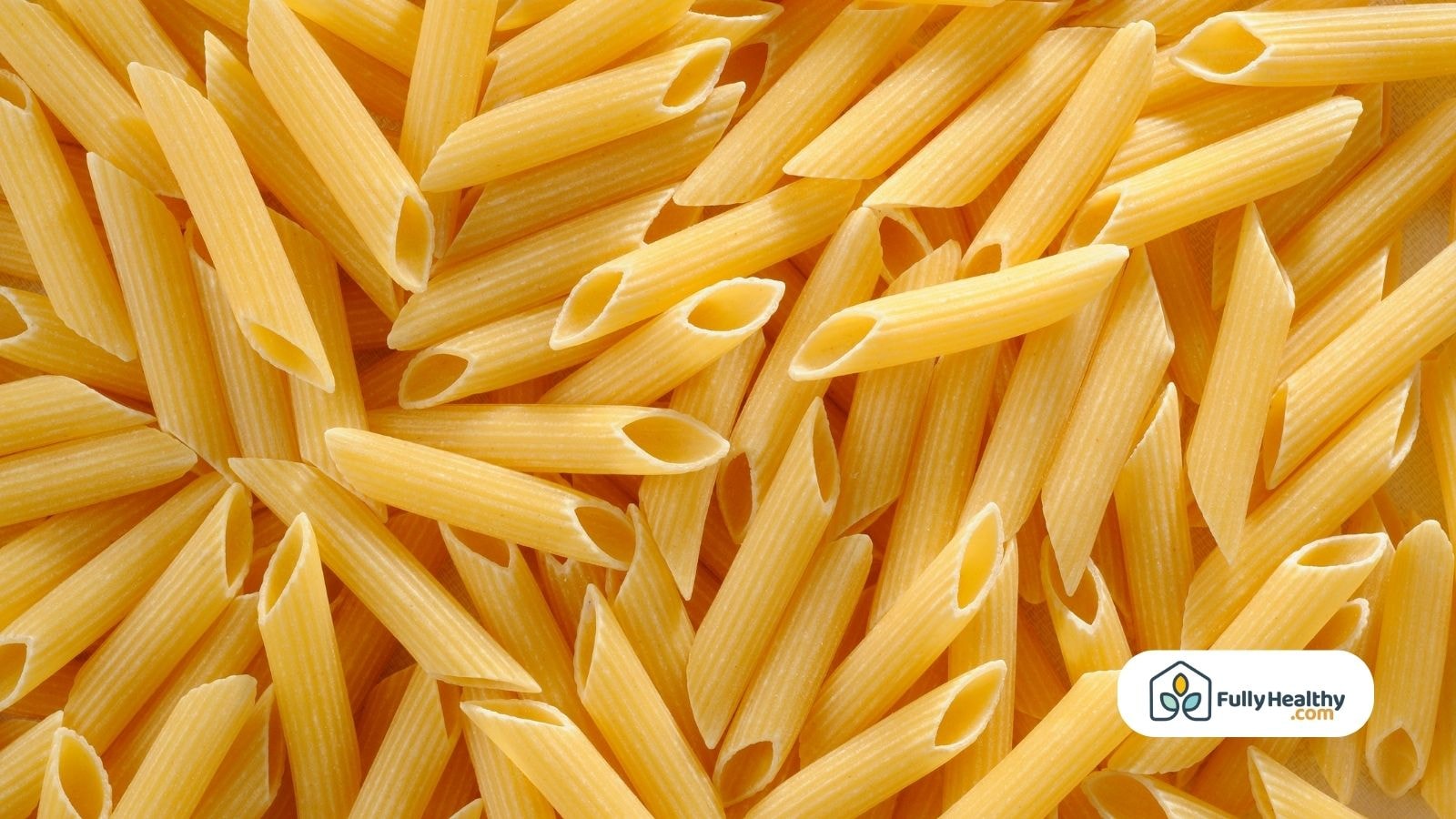 Photo Credit: Canva Pro
The right amount of time is needed to boil penne pasta just right. Dry penne pasta typically reaches al dente in 9 to 11 minutes depending on the brand and thickness. Always check the package instructions and taste test near the end. Making sure there is enough boiling water so the pasta cooks evenly and doesn't stick together is important.
Too much cooking can make penne too soft, and not enough cooking can make it too tough. Here are some tips that will help you make sure your penne is always perfect.
Cooking Directions for Perfectly Cooked Pasta
Follow these easy steps to get pasta that is al dente:
-
As much water as you need for one pound of pasta (about 4 to 6 quarts) should be in a large pot.
-
As soon as the water starts to boil, add salt to it. Use 1 to 1.5 tablespoons of salt per gallon of water for proper seasoning without oversalting.
-
Add the penne pasta and stir it around a few times so it doesn't stick.
-
About a minute before the cooking time of pasta ends, take a bite to make sure it's done the way you like it.
Tips to Finish Cooking Penne Pasta Correctly
Once the pasta is done cooking, drain pasta in a colander, but don’t rinse the pasta for hot dishes, as starch helps sauces cling. For cold salads, rinsing is appropriate.
-
Reserve some pasta water: Save a cup of the pasta water for the sauce before you drain it.
-
Drizzle olive oil: If you're not going to sauce the cooked pasta right away, drizzle it with oil to keep it from sticking.
-
Toss with sauce: Spread your favorite sauce all over the pasta.
How to Cook Penne Pasta Correctly?
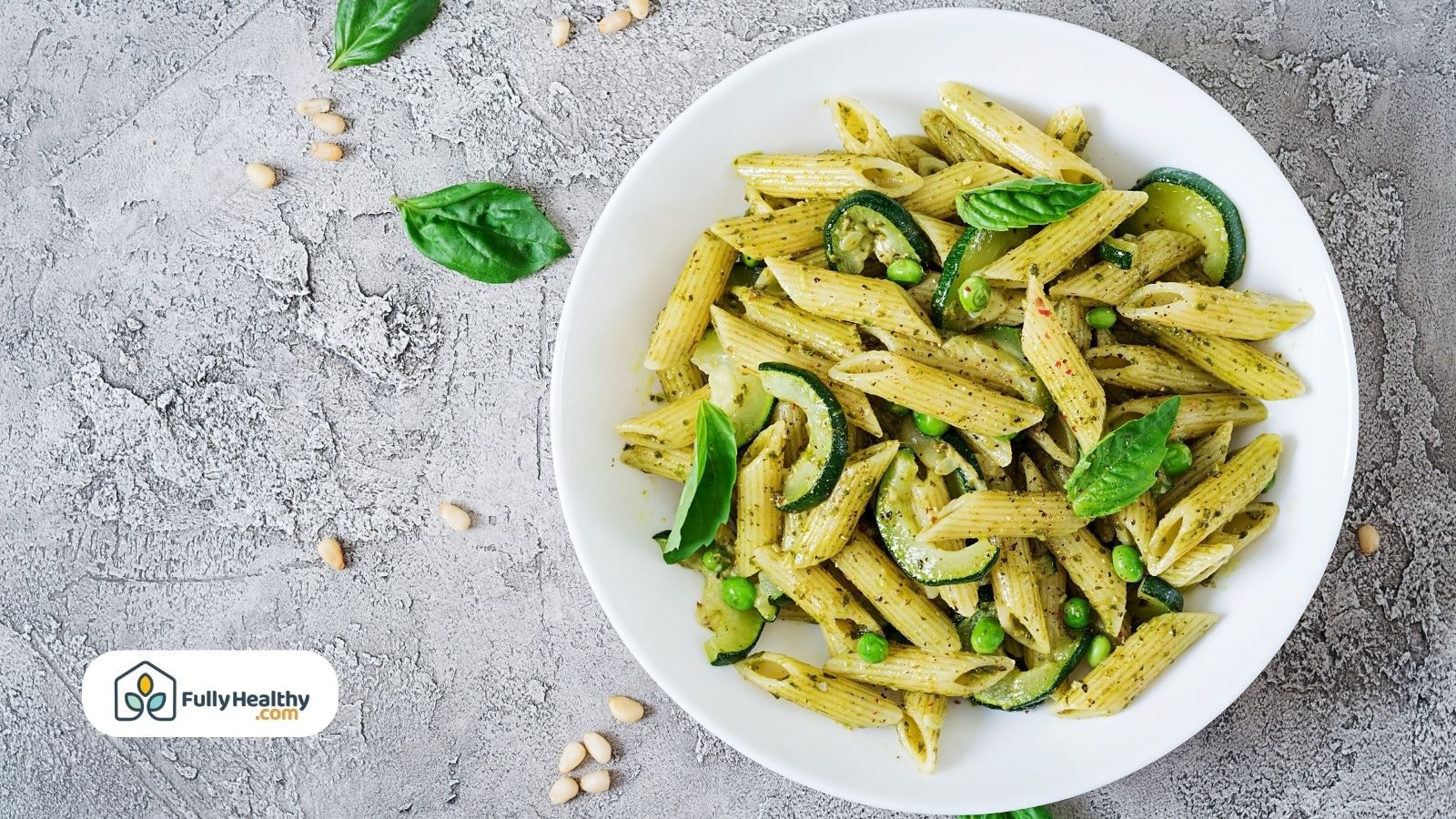 Photo Credit: Canva Pro
There's more to rightly cooking penne pasta than just boiling it for the right amount of time. Getting the right texture and taste is what makes a dish satisfying. How to do it right from beginning to end.
Essential Cooking Tools and Ingredients
These are the things you'll need to cook penne pasta right:
-
A large pot: So the pasta has room to move; this is important.
-
Salted water: Putting salt in the water makes the pasta taste better.
-
High-quality penne: Look for pasta made with bronze dies. This gives the pasta a better texture so that the sauce sticks to it better.
Tips for Best Pasta Cooking Techniques
To make the best penne pasta, do these things:
-
Boil pasta in plenty of water: For even cooking, do this.
-
Stir occasionally: This keeps the noodles from sticking and makes sure they cook evenly.
-
Test pasta for doneness: Taste a piece of pasta about a minute before the time it says to be done cooking to see how it feels.
What Are Some Common Penne Pasta Mistakes?
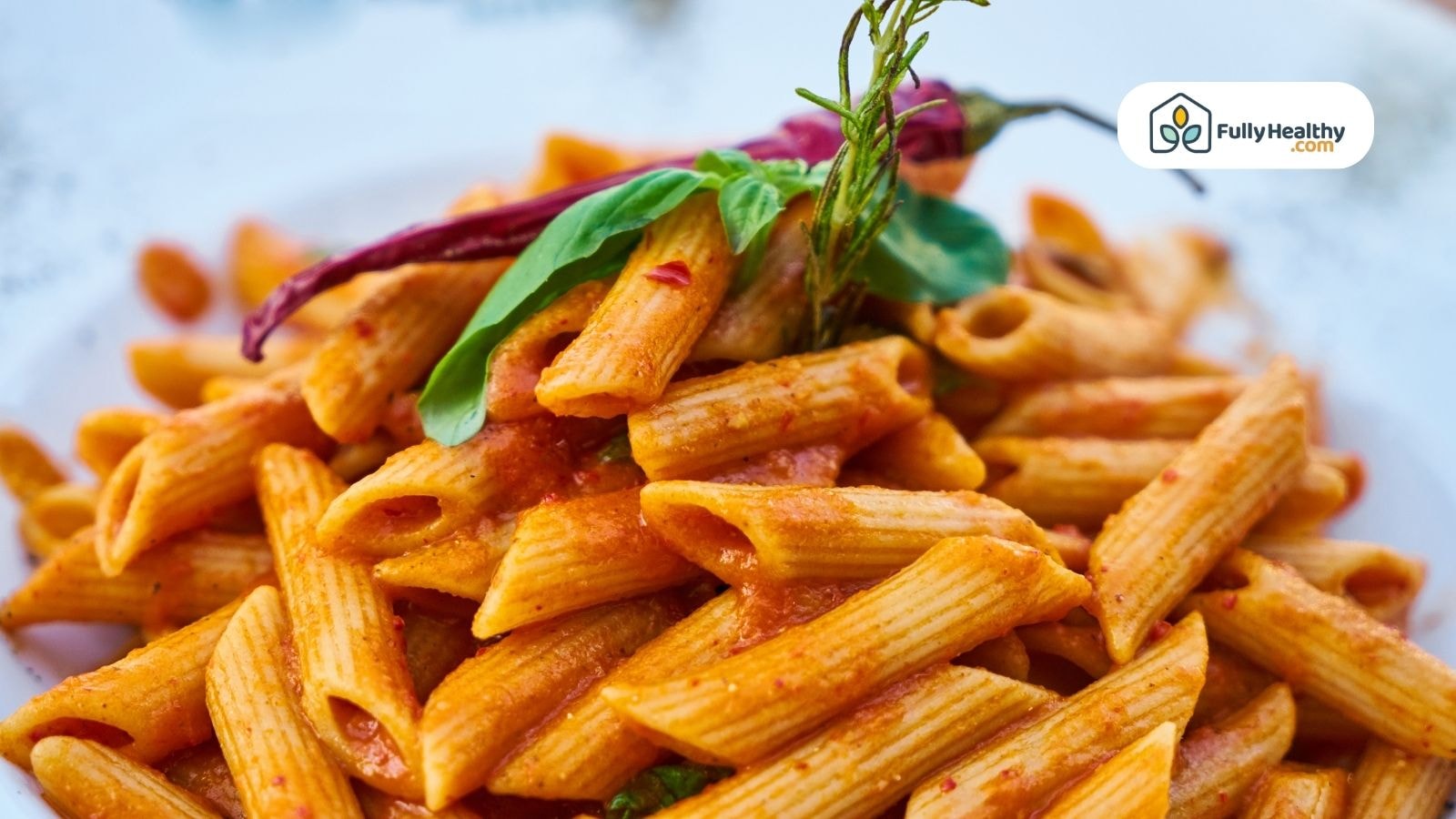 Photo Credit: Canva Pro
Even though it looks easy, making simple mistakes when cooking pasta can ruin your dish. Here's what not to do when cooking penne pasta, from not cooking it enough to cooking it too much.
Mistakes to Avoid When Cooking Penne Pasta
When cooking penne, these are some mistakes that people often make:
-
Under-seasoning: If you don't salt the water enough, the pasta will taste bland.
-
Overcooking pasta: When you cook pasta for too long, it turns into mush. Always take a bite of the noodles before you're done.
-
Rinsing pasta: Once the pasta is done cooking, rinse it to get rid of the starch that makes the sauce stick.
How to Avoid These Mistakes
These tips will help you avoid making common cooking mistakes:
-
Boil in enough water: For every 100 g of penne, add a quart of water.
-
Don’t rinse pasta: Don't rinse, and if you need to, add some pasta water to the sauce to change its consistency.
-
Season the pasta water: If you want the flavor to stick around longer, add salt to the boiling water.
If you cook pasta the right way and for the right amount of time, you can always get it al dente and avoid the mistakes that many people make.
Is Penne Pasta Healthy to Eat?
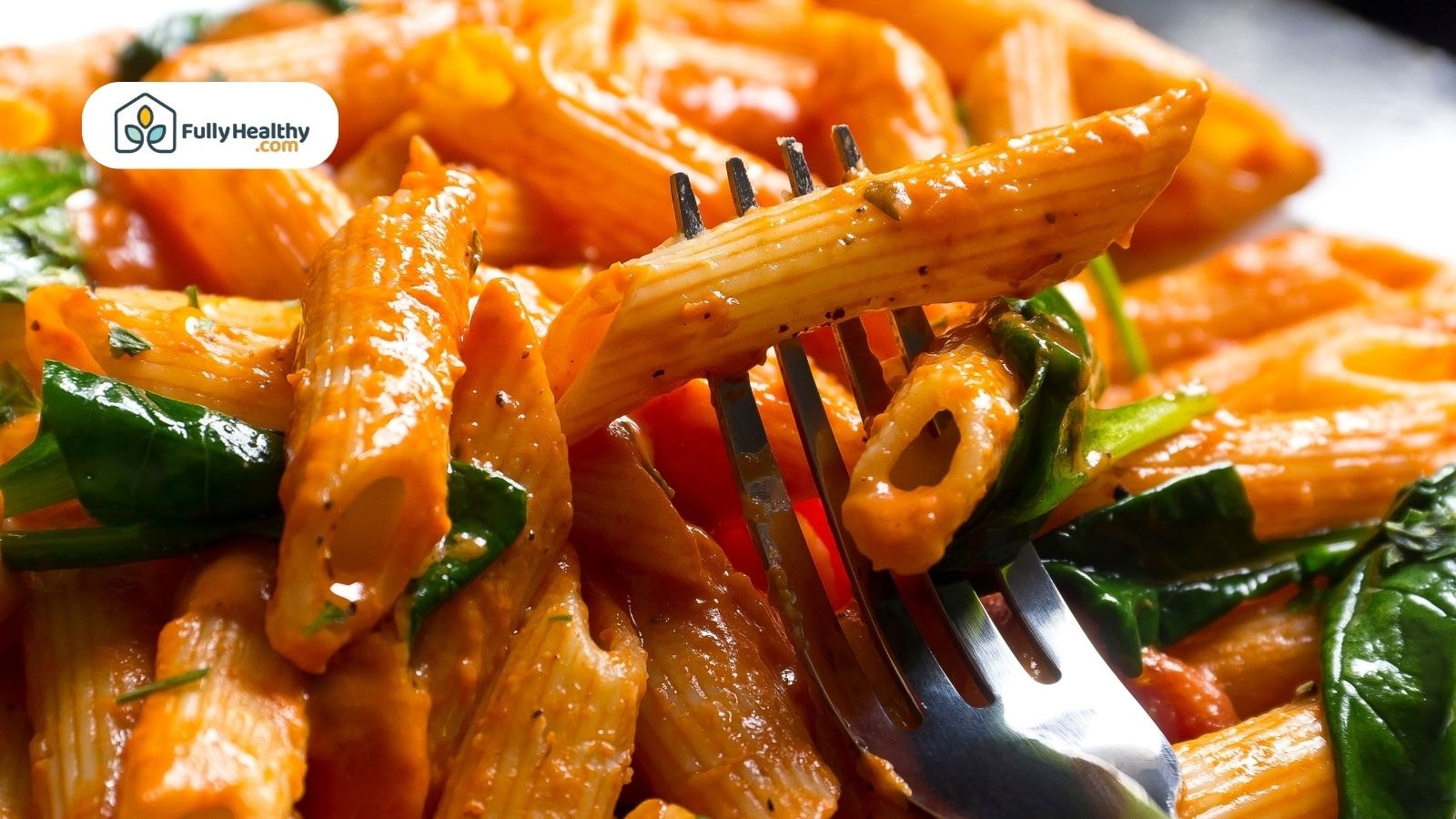 Photo Credit: Canva Pro
When you choose whole wheat or grain versions, penne pasta can be a healthy part of your diet. It's important to think about the type of pasta you're eating, even though penne is a good source of carbs and energy.
Too much refined pasta can make your blood sugar rise, but whole grain penne has more fiber and nutrients. Let's learn more about this popular Italian food's health pros and cons.
Health Benefits of Penne Pasta
When made with whole grains, penne pasta is good for you in many ways:
-
Fiber: Whole wheat penne has more fiber, which helps your body digest food and makes you feel full longer.
-
Vitamins and Minerals: Whole grain pasta has important nutrients like iron and B vitamins that are good for your health as a whole.
-
Protein: Whole wheat penne offers some plant-based protein, though it's not a complete protein source on its own.
Potential Risks of Overconsumption
Penne pasta is sometimes good for you, but eating too much refined pasta can be bad for you in some ways:
-
High Glycemic Index: People with diabetes are more likely to have blood sugar spikes when they eat refined pasta like regular penne.
-
Empty Calories: It's possible that refined penne doesn't have as many nutrients as whole-grain penne, which makes it less good for a balanced diet.
-
Gluten Sensitivity: People who can't digest gluten should stay away from wheat-based penne because it has gluten in it.
What Does Fully Healthy Say About Cooking Penne Pasta?
Fully Healthy has great tips on how to make penne pasta that is also good for you. They talk about how important it is to choose good pasta and cook it in a way that makes it more nutritious. The website tells you how to use fresh, high-quality ingredients and make sauces that are better for you to go with your penne. It's suggested that you make a healthy dish in this way.
Healthier Cooking Tips
Fully Healthy lists a number of healthier ways to cook penne pasta, such as:
-
Use olive oil: Instead of butter, olive oil adds healthy fats to your pasta and makes it taste better.
-
Add vegetables: Mix penne pasta with different colored vegetables to make it healthier.
-
Go easy on cheese: Instead of covering your pasta in cheese, sprinkle a small amount on top to make it taste better.
Creating a Balanced Dish
For a well-balanced meal with penne pasta:
-
Lean proteins: Add grilled chicken, tofu, or an egg to your pasta for extra lean protein.
-
Tomato-based sauces: For a healthy twist, choose a sauce made with fresh tomatoes or a light sauce made with olive oil.
-
Portion control: Pair one size serving of penne pasta with fresh vegetables, lean proteins, or even just half a serving of pasta if you'd rather.
Final Thoughts
If you know how long to boil penne pasta, it's very easy to make pasta. For perfect al dente pasta, make sure that each noodle has a little bite to it. It shouldn't be too tender or too firm. To keep your penne pasta from sticking, don't forget to add salt to the boiling water and stir it around.
It doesn't matter if you boil spaghetti, linguine, or penne. Always drain the pasta. Don't rinse it. If you want the best pasta, mix it with a tasty sauce or butter and serve it in a warm bowl. If you cook penne pasta just right, it is a recipe for success every time, whether you bake it or mix it with your favorite sauce.
FAQs
How much water do I need for penne?
To boil penne pasta, use enough water; about 4-6 quarts per pound of penne. Make sure there’s enough water to allow the noodles to move freely and cook al dente.
Do you rinse pasta after cooking?
No, don’t rinse pasta! Rinsing removes the starch, which helps the sauce coat the penne pasta better. Always drain and mix it with your delicious sauce right away.
How to boil pasta perfectly?
To cook pasta al dente, bring a pot of water to a full boil, add salt, and stir your penne occasionally. Cook for about 10-12 minutes, testing the bite before draining. Avoid the wrong steps, and enjoy perfectly cooked pasta with a nice tooth texture. You can also add milk or other ingredients to your sauce if you prefer. Let it cool before serving!
Does pasta cook faster with a lid?
No, boiling water with a lid can trap too much heat. It might seem like it cooks faster, but it’s better to boil pasta uncovered so the water stays at the right heat and doesn’t overflow.
Should I salt the pasta water?
Yes, always add salt to your boiling water. It enhances the taste of the penne and helps the pasta cook evenly. A good trick is to use about 1–2 tablespoons of salt per gallon (4 quarts) of water.
Leave a comment