

How Long to Brine a Turkey for Juicy and Flavorful Results
Brining turkey keeps it juicy, tender, and full of flavor. One of the most important questions is how long to brine a turkey without making it too salty. The answer changes based on how it is asked. It usually takes 12–24 hours to wet brine. For dry brining, 24 to 48 hours is ideal, though up to 72 hours may be used with proper refrigeration and humidity control.
This article talks about timing, safety, how to rinse, how to store food, and how brining changes the cooking time. It also helps you pick the best method for your week.
🍽️ Wholesome & Hearty — Real Turkey Bolognese Made for All Ages!
How long to brine a turkey?
When you brine turkey meat, salt partially denatures proteins, allowing them to retain more moisture during cooking. Some general rules apply to brined turkeys, but they change depending on the type of turkey and how big it is.
This is important: timing. It can taste salty if you cook it for too long, and it will be dry and flavorless if you cook it for too little time.
Recommended Brining Time by Method
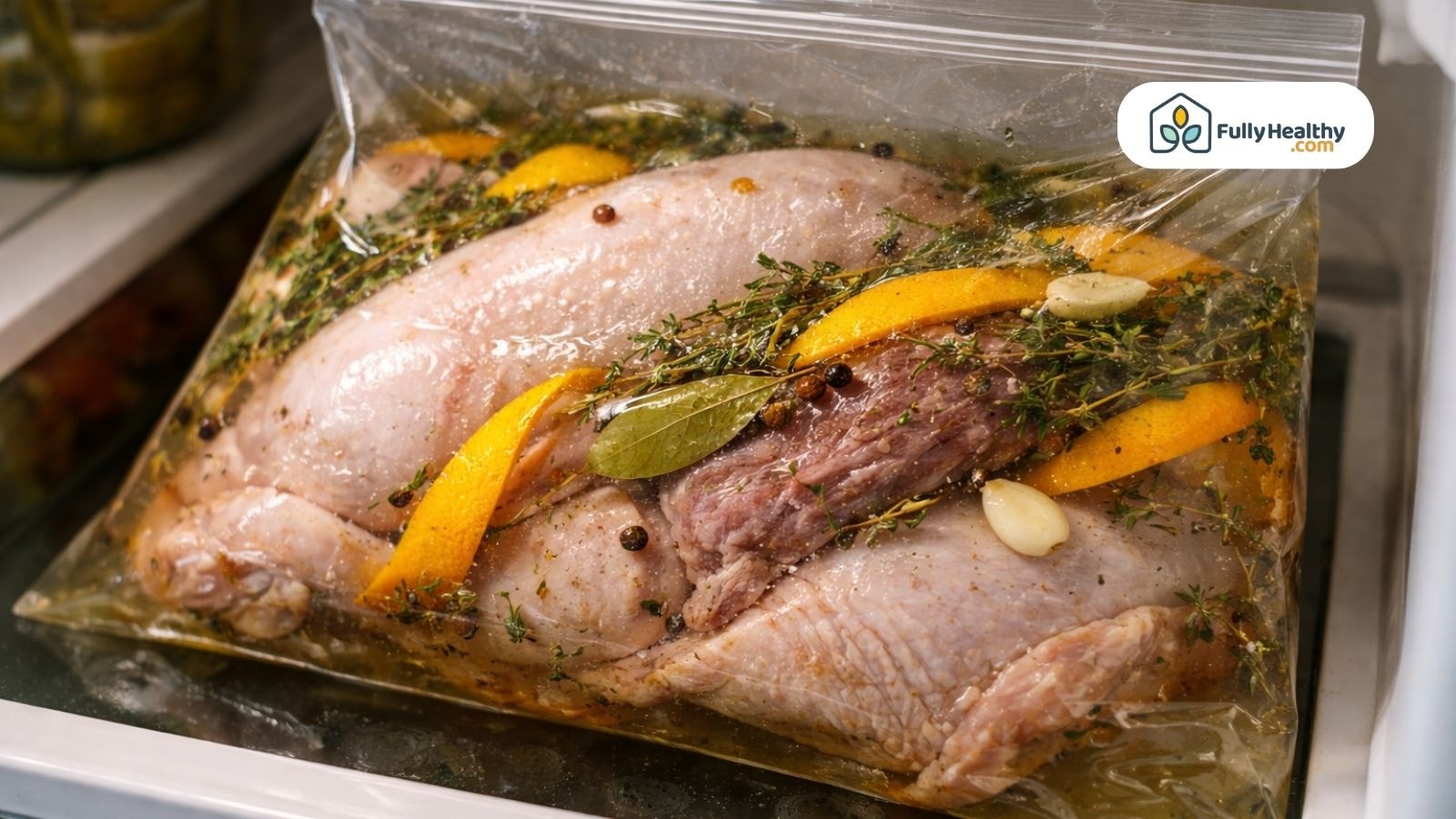
For wet brining, you mix water, salt, sugar, and herbs to make a brine solution. The liquid needs time to reach all of the dark meat and the turkey breast without taking out too much moisture.
-
General timing: Brine your turkey for 12 to 24 hours for a 12–20 pound turkey.
-
Smaller birds: If the turkey is significantly smaller (under 12 pounds), reduce brining time proportionally based on weight.
-
Frozen turkey: You have to let a frozen turkey thaw all the way in the fridge before you brine it.
What Happens If You Brine Too Long or Too Short
When you brine longer than is recommended, you add more salt, which can change the texture. Brining for too short a time may not allow enough salt penetration to significantly impact flavor and moisture retention.
-
Over-brining: You might taste salty meat and feel soft or spongy meat.
-
Under-brining: The bird might be dry and tasteless.
-
Helpful tip: Adjust the brining time based on the size turkey and the way it was cooked.
Do you rinse off a turkey after brining?
Rinsing or not depends on how the turkey was brined. When you wet brine, the salt stays on top, but when you dry brine, the skin gets seasoned. Food safety, taste, and texture are all better when you know the difference.
Rinsing Rules for Wet-Brined Turkeys
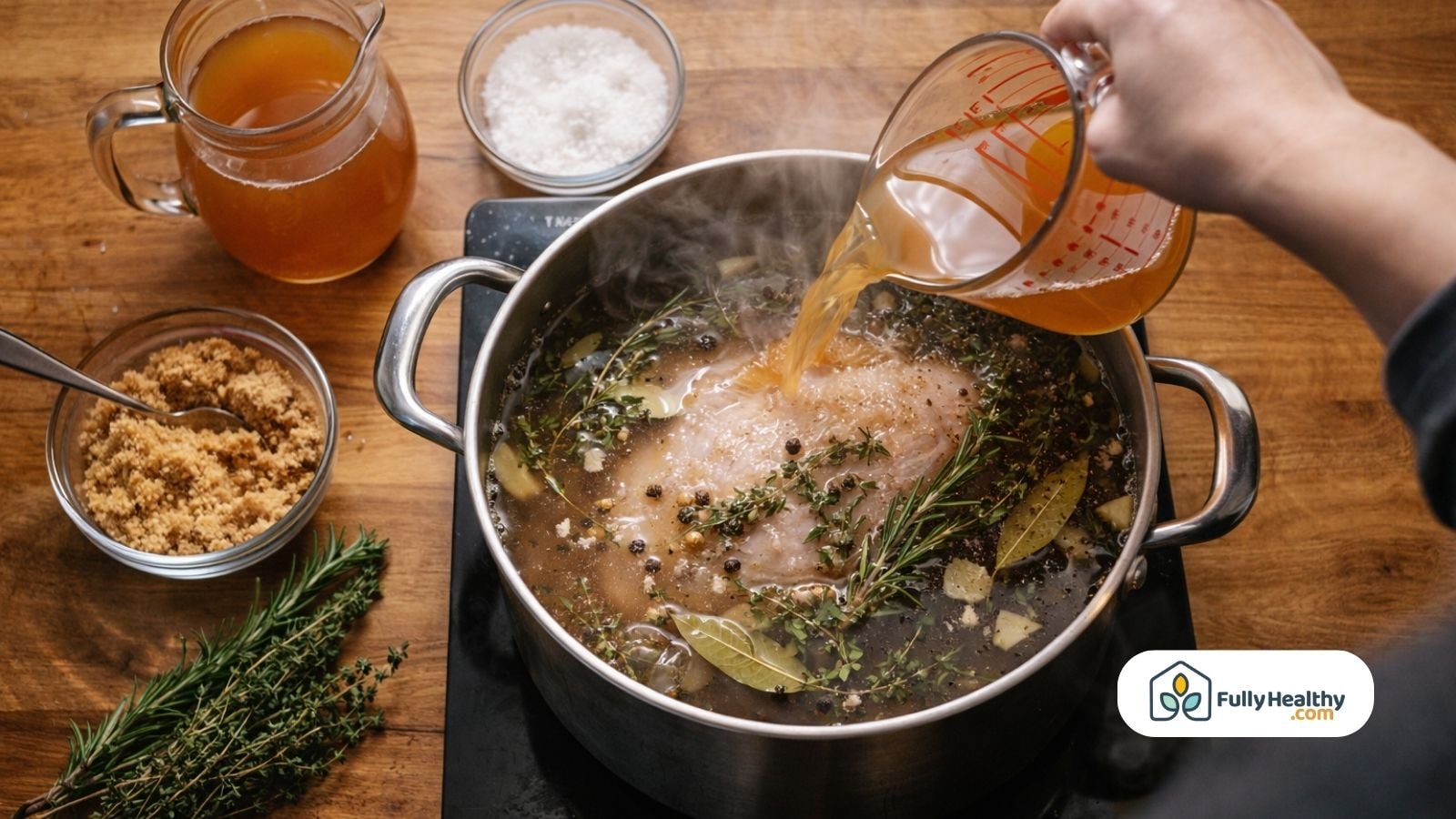
When you take the uncooked turkey out of the brining bag or big pot, you should rinse it to get rid of the salt on the outside that can affect the gravy and roasting results. Rinse carefully with cold water every time.
-
How to rinse: Simply rinse with cold water for a short time and then pat dry with paper towels.
-
Why it matters: Lowers the amount of salt that can make gravy and pan drippings taste too salty.
-
Safety step: After working with the bird, clean and germ-free the sink.
Why Dry-Brined Turkeys Should Not Be Rinsed
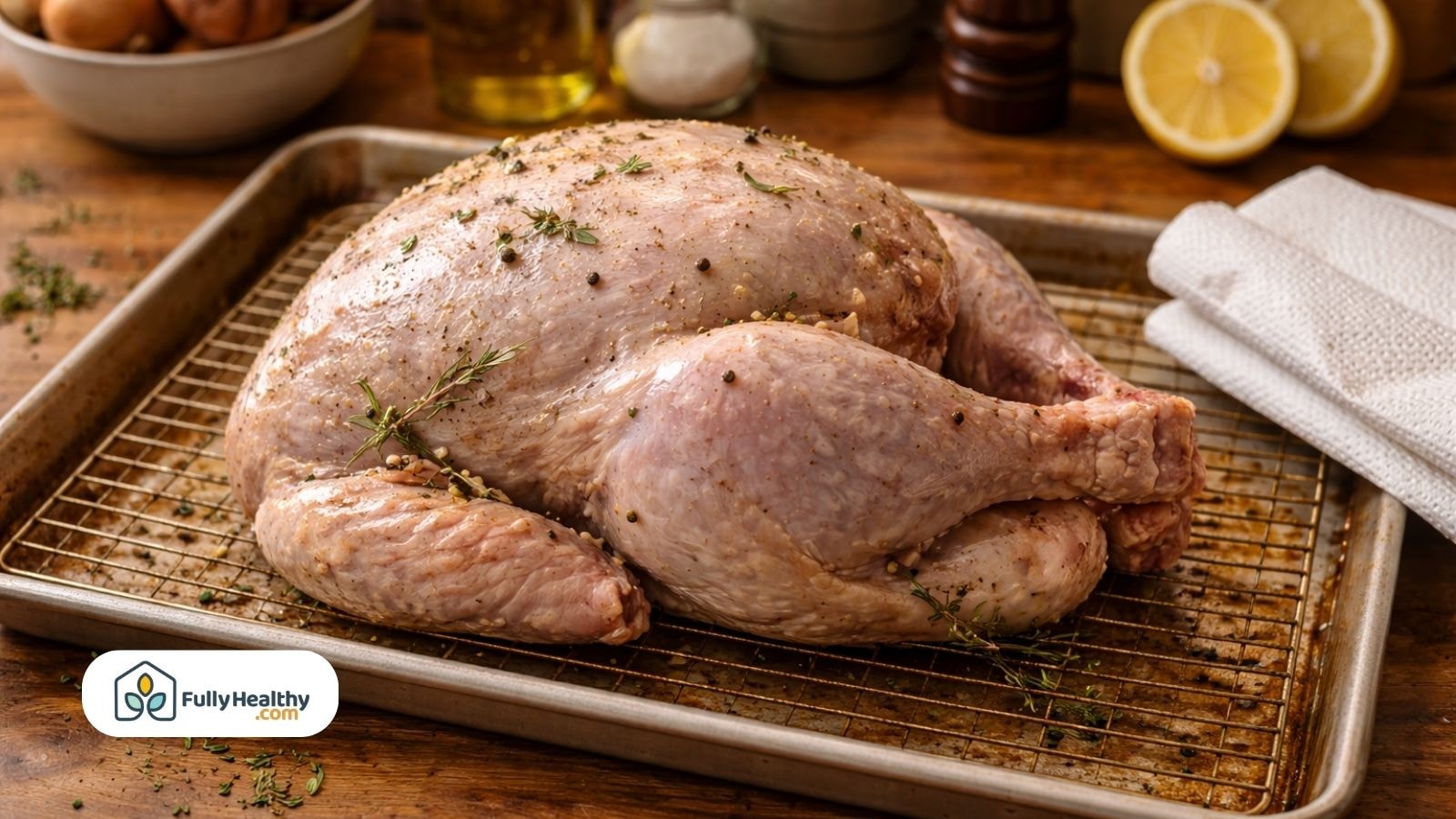
Kosher salt, sugar, rosemary, thyme, and orange peel are mixed together to make a brining blend or rub for dry brining. If you add water at this point, the skin won't get crispy, and the oven will take longer to brown.
-
Best practice: Don’t rinse; just brush off the loose salt.
-
Drying step: Cover the turkey and put it on a rimmed baking sheet. Place it in the fridge.
-
End result: The skin will brown and get crispy skin when you roast it.
Do you refrigerate turkey while brining?
Refrigeration is needed. At higher temperatures, brining causes bacteria to grow, which makes the bird unsafe to eat. Breathing in salt is the same as handling raw meat or chicken.
Safe Temperature Requirements During Brining
Always keep the turkey and brine solution cold. Whether you cook the bird in a pot, a bag, or a brining bag, it needs to stay cold the whole time.
-
Storage rule: Put the brined turkey inside the refrigerator at all times.
-
Temperature goal: Stay with the turkey and keep it cold at all times.
-
Never do this: Remember not to leave the turkey out on the counter.
Brining Containers That Fit in a Fridge
Selecting the right container is important to make sure the turkey stays completely submerged so it brines evenly. Being prepared is key, especially when there is a whole turkey and a lot of liquid.
-
Common options: Food-safe bag, brining bag, or large pot.
-
Proper placement: Ensure that the dark meat and turkey breast are fully submerged.
-
Extra protection: If the bag or pot leaks, put it in a roasting pan.
Does a Turkey Cook Faster If You Brine It?
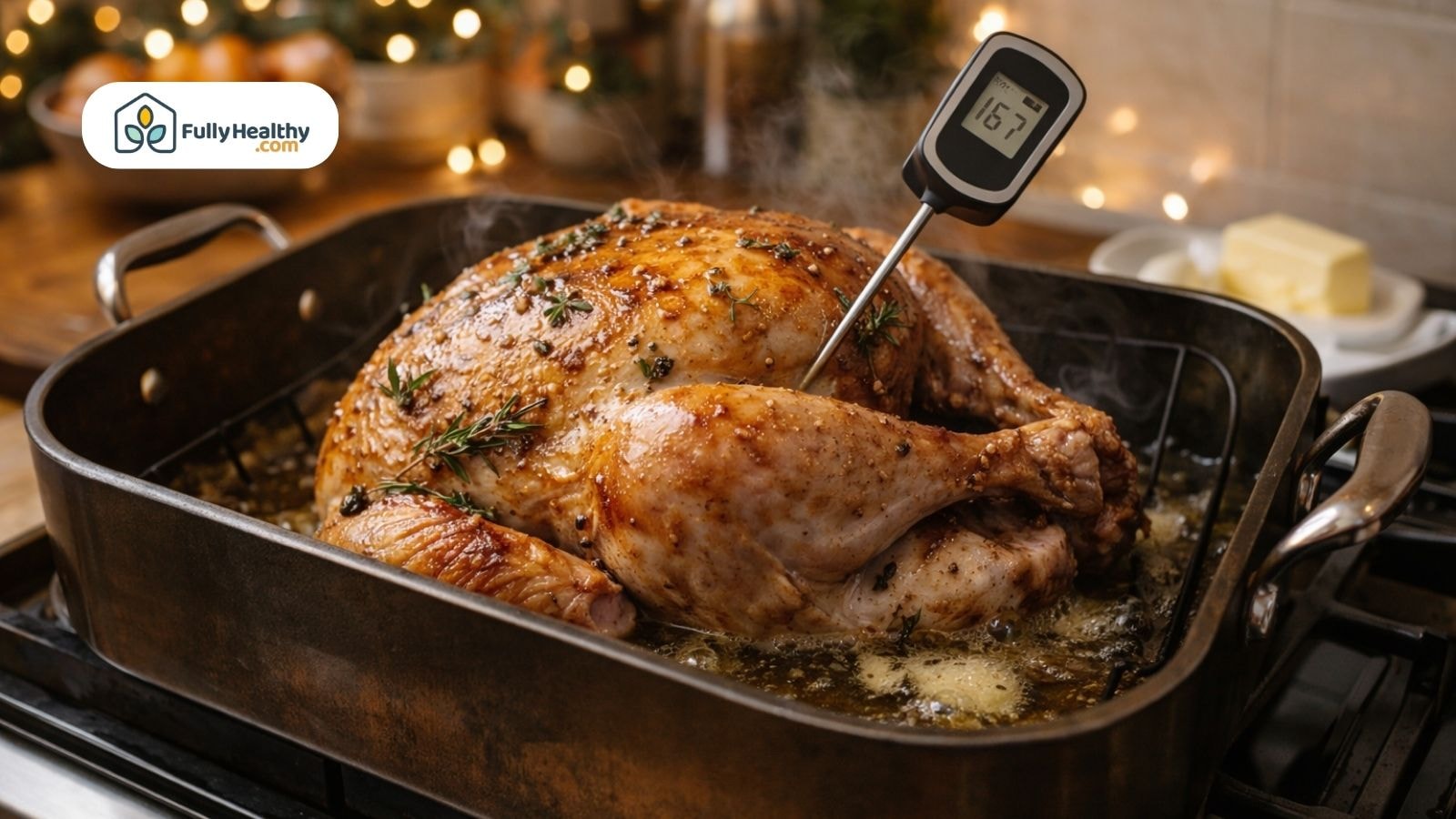
For example, brining changes how heat moves through meat while it's cooking. As a result of the way salt changes muscle fibers, a bird that has been brined usually cooks faster than one that has not been brined.
As a result, you must pay close attention to whether the meat is done when roasting a whole bird.
Why Brined Turkeys Cook More Quickly
Brining helps meat retain moisture and improves texture, though it may slightly affect cooking time due to enhanced water content. That way, the whole bird cooks at the same rate, which is beneficial for big turkeys.
-
Moisture retention: Moisturizing meat spreads heat more quickly and evenly.
-
Balanced cooking: The doneness levels of dark meat and breast meat are closer together.
-
Improved texture: You get tender, tasty meat instead of dry slices.
How to Adjust Cooking and Doneness
Trusting the internal temperature is important because the cooking time may be shorter. This is especially important if you use butter or sugar in the recipe, as sugar can turn brown quickly.
-
Internal temperature: Double-check the measurements by feeling the thickest part of the breast and thigh.
-
Resting step: Letting the turkey rest after cooking allows juices to redistribute, resulting in more moist slices.
-
Food safety: Cooking the stuffing separately will make sure it cooks evenly and safely.
How Can Fully Healthy Support Turkey Brining and Holiday Cooking?
Fully Healthy helps people who have to follow special diets cook, especially around Thanksgiving. It doesn't give you a lesson on how to brine, but it does sell ingredients that work well in traditional brine and turkey preparation recipes.
How FullyHealthy Supports Brining-Friendly Cooking.
A lot of brines depend on the right amount of salt, sugar, herbs, and liquid. FullyHealthy has options that work well in traditional recipes and meet dietary needs.
-
Sweet balance: Adding brown sugar and apple cider to salty foods makes them taste better.
-
Flavor depth: Adding bay leaves to the brine during the boil stage makes it smell better.
-
Reliable results: Ingredients help make sure that the results of a recipe are always the same.
FullyHealthy Products That Fit Turkey Brining and Cooking.
After brining, the way you cook is important. Good ingredients help make the taste and texture better from beginning to end, whether you're roasting or frying.
-
Brine preparation: Ingredients make it easier for sugar dissolve in hot liquid.
-
Cooking phase: It can be used for sauces, butter mixtures, and basting.
-
Final result: Supports a tasty, flavorful turkey with less guesswork.
Final Thoughts
When cooking turkey, brining is an easy way to make it taste better, stay moist, and have better texture. When you know how long to brine a turkey, you can keep the meat juicy and tender without adding too much salt.
Brining can improve flavor and texture, though even cooking also depends on roasting technique and temperature control. Always adjust the brining time based on the bird's size and the method you're using. Your turkey can be the delicious part of any holiday meal if you handle it and cook it at the right time.
FAQs
What is the downside of brining turkey?
The downside of brining turkey is that too much salt can make the turkey inside taste overly salty and affect texture if timing is wrong.
Is it better to brine for 24 or 48 hours?
Brining for 24 hours is generally safe, but 36–48 hours can be used with appropriate salt levels to enhance flavor without over-salting.
What happens if you brine turkey too long?
If you brine turkey too long, the meat structure breaks down and the turkey inside may become mushy and salty.
What is the secret to a moist turkey?
The secret to a moist turkey is proper brining time, correct cooking temperature, and allowing the turkey inside to rest after cooking.
Does brining make turkey salty?
Brining can make turkey salty if too much salt is used or if the turkey inside stays in the brine longer than recommended.
Leave a comment