

How Many Calories in 1 Tsp Olive Oil and What It Means for Your Diet
 Photo Credit: Canva Pro
How many calories in 1 tsp olive oil? The answer is approximately 40. Even though it's small, that teaspoon is full of good. This article talks about how olive oil fits into your diet, why it can help you lose weight, and how it stacks up against other cooking oils in terms of nutrition, health benefits, and fat types.
Featured Pantry Pick
Graza // Sizzle Extra Virgin Olive Oil - 750ml
Loading...
How Many Calories Are in 1 Tsp of Olive Oil?
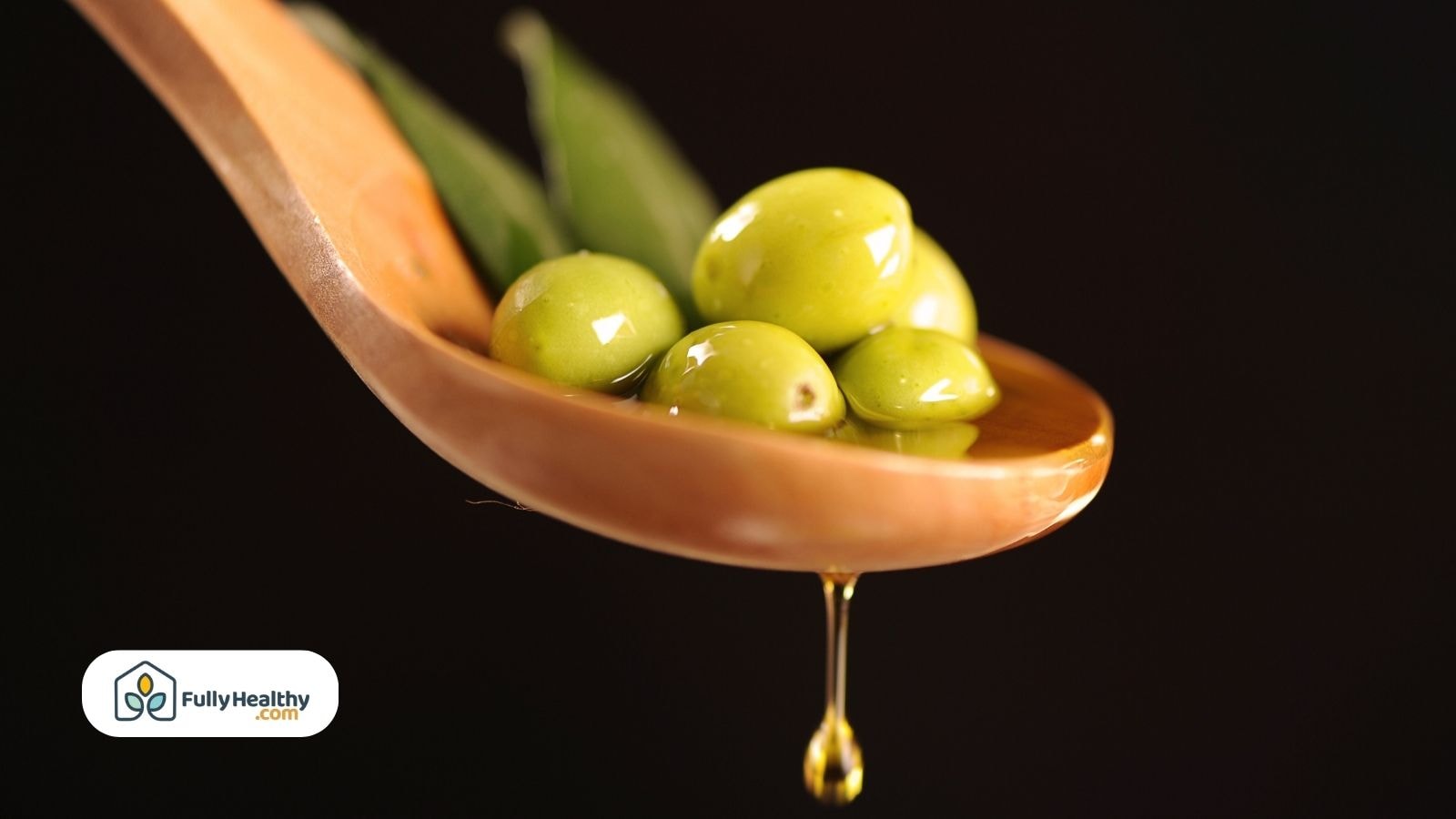 Photo Credit: Canva Pro
Calorie Count and Macronutrient Breakdown
About 40 calories, all of which come from fat, are in one teaspoon of olive oil. Even though it's small, it's very high in calories because it's made up of 100% fat. This makes it a powerful ingredient for salads or cooking.
-
Calories in 1 tsp olive oil: 40 kcal
-
Total fat: 4.5 g
-
Total saturated: 0.62 g
-
Total monounsaturated: 3.3 g
-
Total polyunsaturated: 0.47 g
-
Cholesterol: 0 mg
-
Protein, carbohydrates: 0 g
-
Energy source: Pure fat
Micronutrients per tsp:
-
Vitamin E (alpha tocopherol): ~0.6 mg
-
Vitamin K: ~2.7 mcg
-
Vitamin A, beta carotene, thiamin, niacin, riboflavin, folate, lycopene: 0
-
Minerals: Trace amounts of Fe, Se, Cu, Na
Why Olive Oil Calories Come Exclusively from Fats
Olive oil is pure fat. It contains no protein or carbohydrates. Nearly 75% of its fat is monounsaturated, mainly oleic acid, classified as a healthy fat that supports cardiovascular and metabolic function.
-
Fat-only food: Delivers energy without protein or sugar.
-
Healthy fats: Rich in monounsaturated fatty acids.
-
Trans fat: Absent, unlike processed oils.
-
Supports absorption: Needed for Vitamins A, D, E, K.
-
Fatty acid profile: Contains essential omega-9.
-
Best used: Raw on salad or low-heat cooking.
Is Taking 1 Tsp of Olive Oil a Day Good for You?
 Photo Credit: Canva Pro
Proven Benefits of Daily Olive Oil Intake
A daily dose of 1 teaspoon of olive oil may reduce swelling, defend cells against oxidative damage, and raise blood lipid levels. It also adds important nutrients like Vitamin E and polyphenols to your diet.
-
Heart health: Reduces LDL, raises HDL.
-
Brain function: Linked to slower cognitive decline.
-
Polyphenols: Natural antioxidants that reduce inflammation.
-
Vitamin support: Contains alpha tocopherol (Vitamin E).
-
Digestive health: Promotes bile flow and gut health.
-
Immune balance: Supports healthy immune signaling.
Expert Recommendations and Mediterranean Context
Research from Mediterranean regions shows that olive oil is safe and beneficial even when consumed daily. While 1–2 tablespoons is common, just 1 tsp per day still delivers measurable health benefits.
-
Recommended intake: 1–2 tbsp daily (FDA-supported).
-
Cultural example: Mediterranean diet prioritizes olive oil.
-
EVOO advantage: More nutrients than refined oils.
-
Cold use benefits: Retains antioxidants when unheated.
-
Best timing: Morning or with meals.
-
Common use: For salad or cooking in healthy diets.
Does Olive Oil Burn Belly Fat?
 Photo Credit: Canva Pro
What Science Says About Weight and Fat Loss
Olive oil doesn’t “burn” belly fat directly but helps regulate fat storage hormones and reduce overall appetite, which contributes to improved body composition and less central fat over time.
-
Appetite control: Increases satiety after meals.
-
Hormone regulation: Supports leptin and adiponectin.
-
Fat metabolism: Oleic acid improves fat breakdown.
-
Insulin effect: Low insulin index supports stable blood sugar.
-
Better swap: Replacing butter reduces abdominal fat.
-
Total diet role: Helps balance fat intake.
Studies and Expert Opinions on Weight Reduction
Regularly eating extra virgin olive oil has been linked to a smaller waist size and less body fat. Switching from saturated fats to monounsaturated fats, like those found in olive oil, can help your body lose weight in a healthy way.
-
Clinical trial: Showed smaller waistlines in overweight adults using olive oil daily.
-
Data review: Linked EVOO intake to better fat-to-muscle ratios.
-
Observations: Lower belly fat and healthier weight among consistent users.
-
Expert analysis: Olive oil improved fat metabolism and blood lipids.
-
Conclusion: 1 tsp per day may support fat control and body composition.
-
Common use: Eaten with salad or cooking as part of a balanced diet.
Which Oil Is Lowest in Calories?
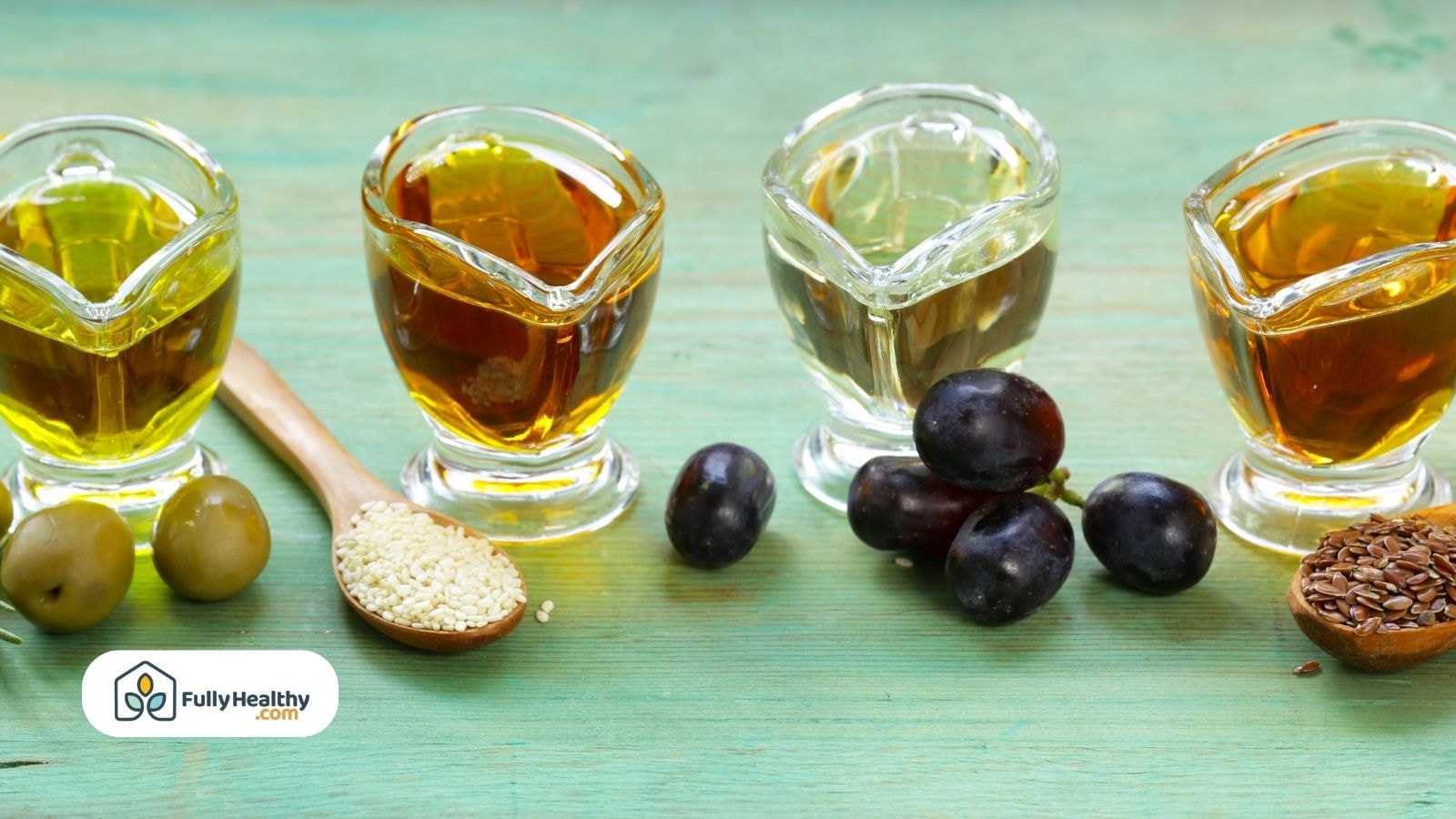 Photo Credit: Canva Pro
Calorie Comparison Across Common Oils
Some oils have more calories than others. Most of them have between 39 and 45 calories per teaspoon, but coconut oil has the fewest calories per teaspoon.
-
Coconut oil: 39–41 kcal per tsp
-
Olive oil: 40 kcal per tsp
-
Canola oil: 40 kcal per tsp
-
Avocado oil: 40–45 kcal per tsp
-
Butter: ~34 kcal per tsp (but more saturated fat)
-
Total intake tip: Portion size affects total calories more than oil type
Why Calories Aren’t the Only Factor to Consider
Counting how many calories an oil contains is important, but the type of fat and nutrient content determine how healthy it is. Olive oil delivers more health benefits than refined seed oils or animal fats.
-
Fat quality: Olive oil is high in total monounsaturated fats
-
Cooking benefit: Higher smoke point than butter
-
Micronutrients: Contains Vitamin E and Vitamin K
-
Polyphenols: Found in extra virgin olive oil only
-
Metabolic effect: Better for cholesterol than saturated fats
-
Conclusion: Healthy fats matter more than minor calorie differences
Inside FullyHealthy: A Store Built for Special Diets
What Makes FullyHealthy a Trusted Source
FullyHealthy is a specialty online store focused on clean, nutrient-rich foods. They offer products that support autoimmune protocols (AIP), paleo lifestyles, and clean eating, helping adults reduce inflammation, balance energy, and simplify healthy cooking choices.
-
Focus: AIP, paleo, gluten-free, and whole food diets
-
Audience: Adults seeking anti-inflammatory, gut-friendly products
-
Mission: Making healthy foods easier to access and understand
-
Transparency: Ingredient sourcing and nutrition facts shown clearly
-
Product curation: High standards for quality, nutrients, and simplicity
-
Education: Tips for meal prep, healthy fats, and oil use
Olive Oil Products and More
From premium olive oils to fish packed in healthy oils, FullyHealthy features rich products loaded with healthy fats, essential nutrients, and low sodium, ideal for everyday salad or cooking use.
-
Graza Sizzle Extra Virgin Olive Oil (750ml): Cold-extracted, full-flavor EVOO for daily cooking
-
Graza Drizzle Extra Virgin Olive Oil (750ml): Finishing-quality olive oil, perfect for dressings and dipping
-
Wild Planet Yellowtail Fillets in Organic Extra Virgin Olive Oil: High-protein, omega-rich snack
-
Wild Planet Mackerel Fillets in EVOO: Clean protein with healthy oils and low mercury
-
Other offerings: Bone broths, nut-free sauces, low-sugar snacks
-
Ideal for: People avoiding seed oils, processed fats, or additives
-
Shop tip: Look for “olive oil” or “healthy fats” in the ingredient list
Final Thoughts
So, how many calories in 1 tsp olive oil? The answer is 40. While small in number, that teaspoon is packed with healthy fats, vitamin E, and total dietary value that supports overall health. One tablespoon gives even more benefits, but 1 tsp daily is a great start. Depending on how much you eat, your age, and your weight loss goal, olive oil can help you lose weight.
This is an important subject to keep in mind in a world full of processed oils. If you want to eat something, always read the label and use every teaspoon.
FAQs
How many calories are in 1 tsp of extra virgin olive oil?
1 tsp of extra virgin olive oil has 40 calories, with healthy fats, vitamin E (alpha tocopherol), and no protein or sugar, perfect for salad or cooking.
Why does olive oil spray say 0 calories?
It says 0 calories because serving size is less than 0.5g, but the real number depends on how much oil is actually sprayed.
Is olive oil ok for fat loss?
Yes, olive oil can support weight loss by replacing butter and delivering fatty acids with fewer total saturated fats.
Does olive oil spike blood sugar?
No, olive oil contains no sugar or carbs, so it won’t spike blood sugar and supports balanced energy for adults of any age.
Is it better to take olive oil in the morning or at night?
It depends, but one tablespoon in the morning helps digestion while evening intake may support absorption of fat-soluble nutrients like vitamin A and 400 iu of vitamin D.
Leave a comment