

How Many Calories In An Avocado? The Simple Size Guide
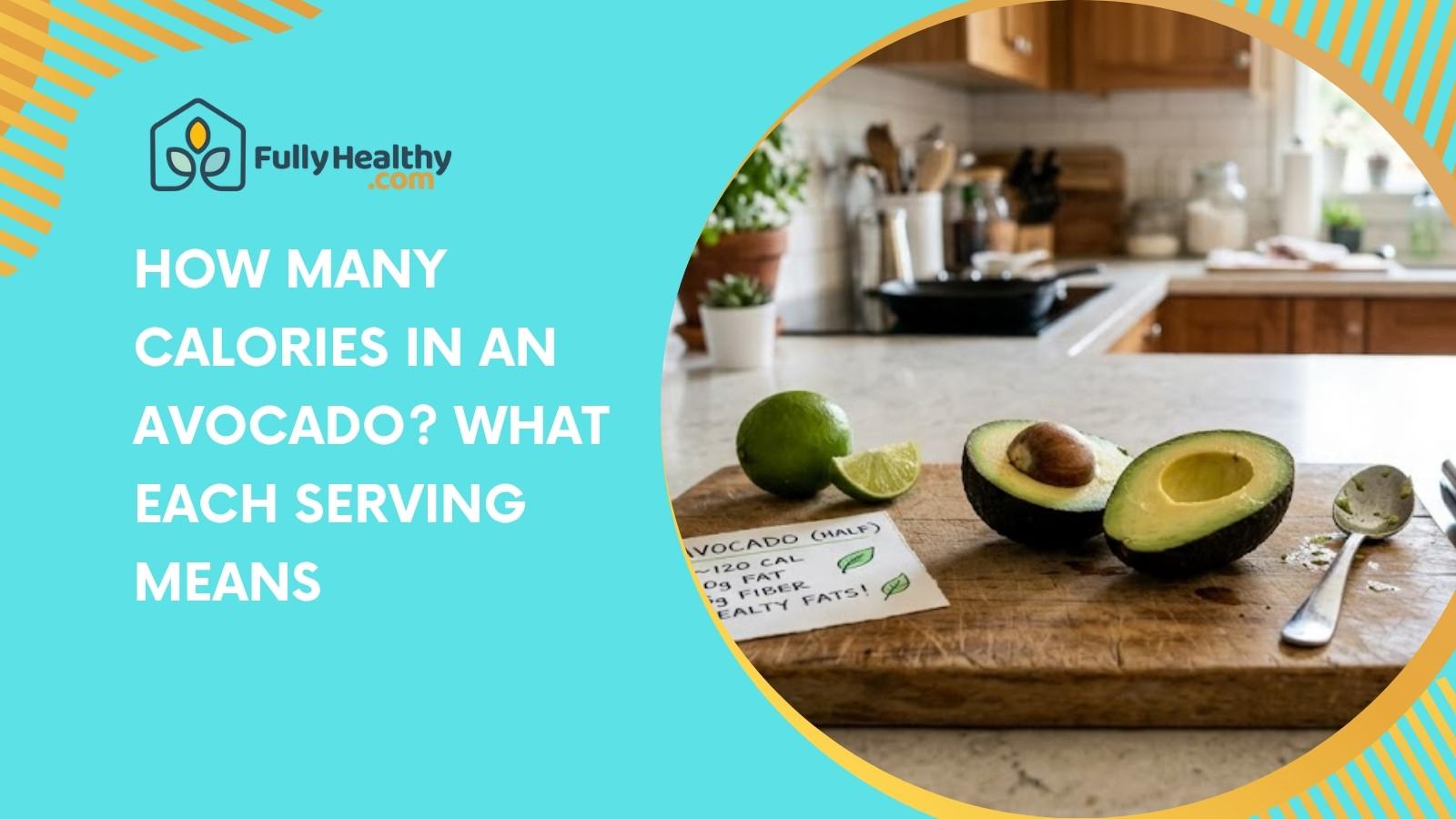
How many calories in an avocado? A medium avocado has about 240 calories, while a large one can have around 320 calories. Most of those calories come from healthy fat, plus fiber, potassium, and key vitamins.
That makes avocado filling, but still worth portioning if you track calories. In this guide, you’ll learn avocado calories by size, how it fits weight loss, if one a day is okay, and how it compares with a banana.
How Many Calories In An Avocado?
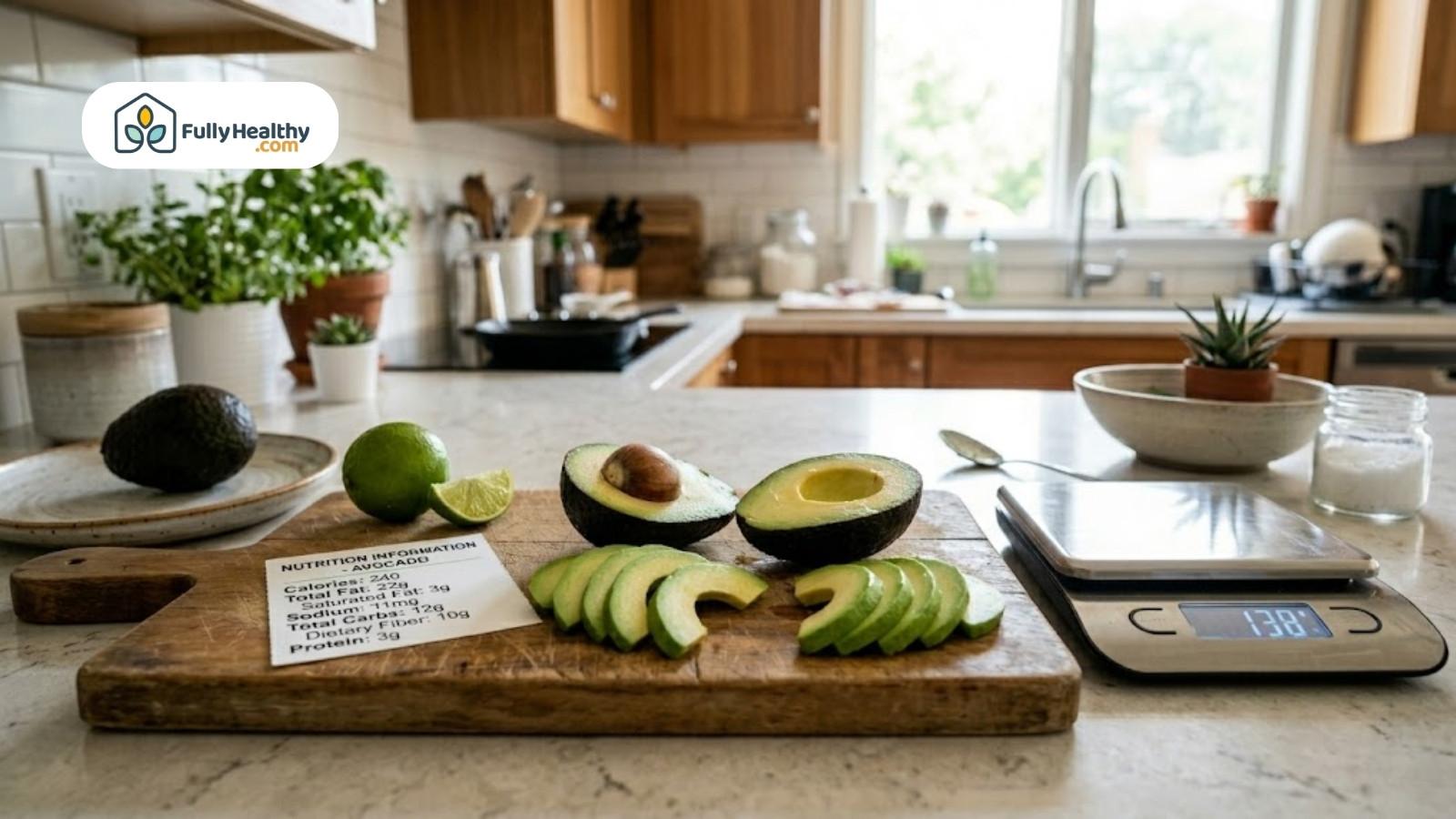
How many calories in an avocado depends mostly on the size. A medium hass avocado has about 240 calories, while a larger one can reach around 320 calories. Avocados contain good fats, fiber, vitamin E, potassium, and plant chemicals, so they give more than just calories. They can be part of a healthy diet when eaten in the right portion.
How Many Calories In An Avocado By Size?
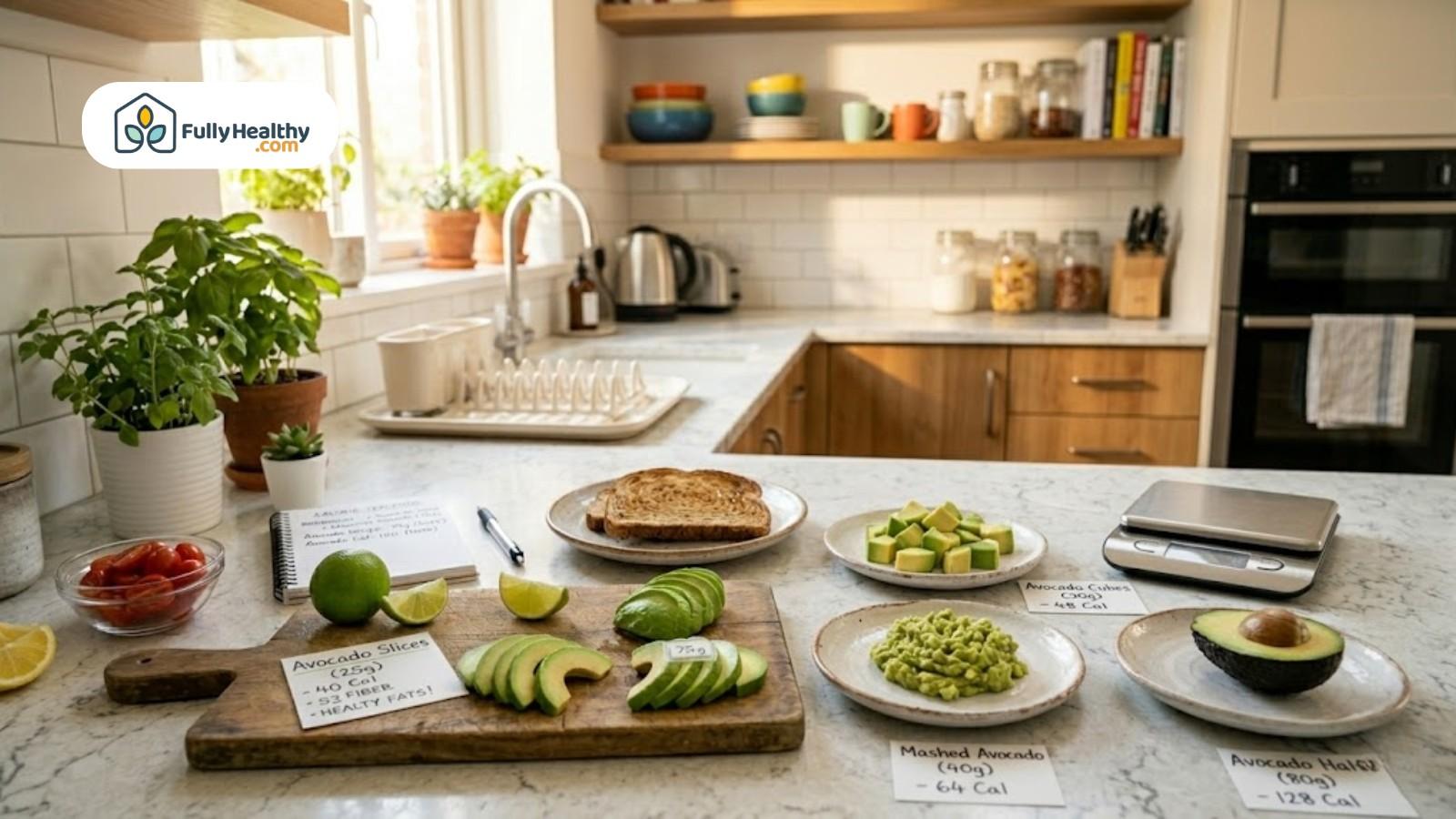
Half of a medium avocado has about 120 calories; half of a small avocado is usually closer to 80 calories. Mashed avocado can be harder to measure because it depends on how much you pack into the cup. For the most accurate number, weigh the avocado flesh or check the serving size on a nutrition label.
-
Size matters: A small avocado has fewer calories than a large hass avocado.
-
Serving tip: Use one avocado half for toast, salads, tacos, or rice bowls.
-
Flavor boost: Add lime juice and black pepper instead of heavy sauces.
Why Avocado Calories Come Mostly From Healthy Fat?
Most avocado calories come from unsaturated fats, especially monounsaturated fat. This is the same type of fat found in olive oil. It is often called heart healthy monounsaturated fat because it may support better blood cholesterol levels when used instead of unhealthy fats.
-
Fat profile: Avocado has low saturated fat and more good fats.
-
Cholesterol note: Avocado is cholesterol free and may help support normal levels of blood cholesterol.
-
Smart swap: Use pureed avocado as a good substitute for sour cream in dips and spreads.
Is Avocado Ok For Losing Weight?
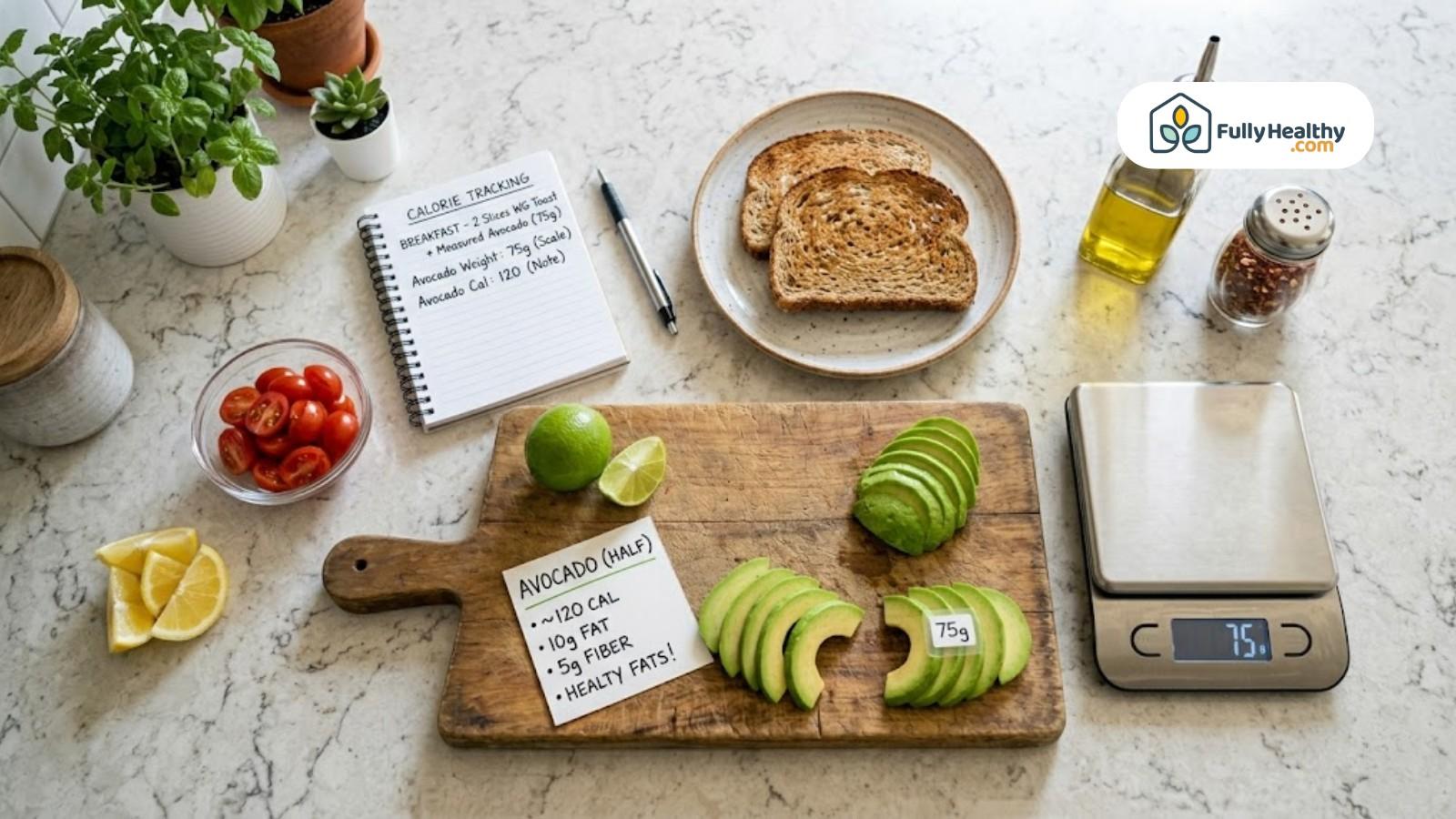
Yes, avocado can fit into a weight loss plan if the portion is controlled. It has calories, but it is also filling because it has fiber and healthy fat. The goal is not to avoid fat completely. It is to replace unhealthy fats with better choices like avocado, avocado oil, nuts, seeds, and olive oil.
Can Avocado Fit Into A Weight Loss Diet?
You can eat avocados while losing weight as long as they fit your daily calorie needs. Their fiber and oleic acid may help meals feel more satisfying. This can make it easier to avoid constant snacking or overeating later.
-
Better pairing: Add avocado to eggs, beans, chicken, fish, or vegetables.
-
Limit extras: Avoid pairing avocado with processed meats, creamy dressings, or fried toppings too often.
-
Balanced plate: Use avocado oil or avocado slices instead of less healthy fats.
Best Avocado Portions For Weight Control and Health Benefits
Portion control helps keep avocado useful without making meals too heavy. Start with one-third or one-half avocado, then adjust based on hunger, activity, and health goals. This keeps the meal filling but still balanced.
-
Easy measure: Spread mashed avocado thinly on toast instead of piling it too high.
-
Recipe idea: Use pureed avocado in baking recipes to replace some butter or cream.
-
Simple rule: Eat slowly and stop when you feel satisfied, not overly full.
Is It Okay To Eat One Whole Avocado A Day?
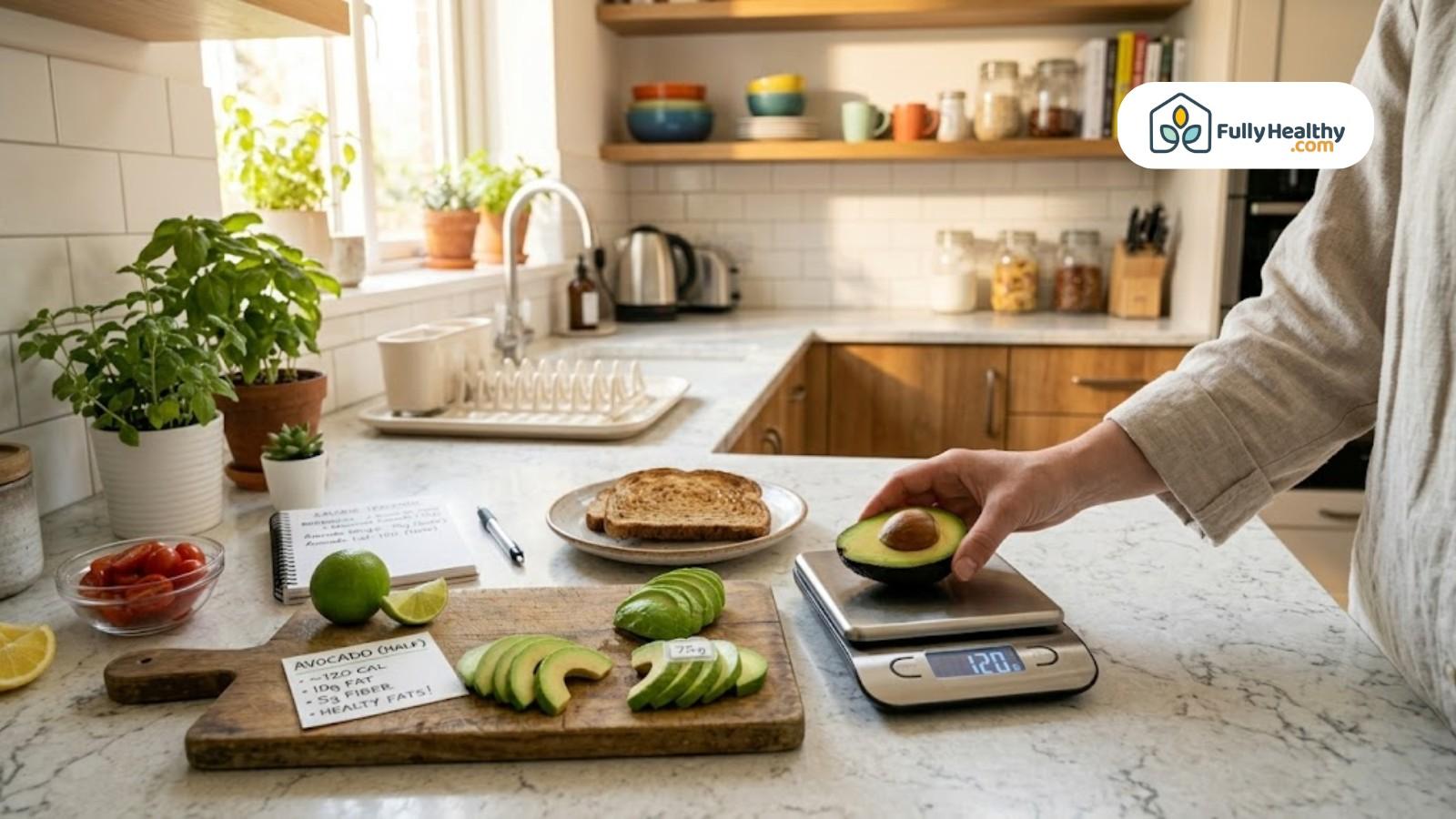
For many healthy adults, one whole avocado a day can be okay. It depends on the rest of the diet and total calories. If avocado replaces unhealthy fats, it may support heart health. If it is added on top of a high-calorie diet, it may be too much.
What Happens If You Eat One Avocado Daily?
Eating avocado daily may support blood cholesterol, LDL cholesterol, blood pressure, and overall heart health when used in balanced meals. Diets higher in unsaturated fats and lower in saturated fat are often linked with a lower risk of heart disease and cardiovascular disease.
-
Heart angle: Replacing saturated fat with unsaturated fats may help lower heart disease risk.
-
Long-term view: Better fat choices may support a reduced risk of chronic diseases.
-
Eye support: Avocado contains lutein and zeaxanthin, nutrients associated with eye health, but avocado itself is not proven to prevent macular degeneration.
Who Should Be Careful With Eating Avocado Every Day? Try with Avocado Oil
Some people may need smaller servings. Avocado is healthy, but it is still rich in calories, fat, and potassium. People with digestion issues, potassium limits, or special medical diets should ask a doctor or dietitian before eating a whole avocado every day.
-
Medical caution: Ask a clinician if you need potassium limits or personal diet advice.
-
Oil note: Avocado oil comes from pressed avocados and has a high smoke point for cooking.
-
Daily choice: Eat avocado as part of a varied diet, not as the only healthy food.
What Is Better For You, Banana Or Avocado?
Banana and avocado are both healthy, but they are not the same. Banana is sweeter, lighter, and higher in quick carbs. Avocado is creamier, higher in calories, and richer in healthy fat and fiber. The better choice depends on your health goal and how you plan to eat it.
What Does Banana & Avocados Contain? Banana Vs Avocado Nutrition Differences
A banana is a good choice when you need quick energy. Avocado may be more filling than banana for some people because it contains more fat and fiber. It has more fat and calories, but it also has more fiber and healthy fats.
-
Calories: Banana is usually lower in calories, so it may be better for a lighter snack.
-
Fullness: Avocado may keep you full longer because it has fat and fiber.
-
Nutrients: Both have vitamins and minerals, but avocado gives more healthy fats.
Which Fruit Fits Your Goal Better?
Choose banana when you want a sweet snack, quick energy, or something easy before a workout. Choose avocado when you want a creamy food that makes meals feel more filling and balanced.
-
For breakfast: Banana works well with oatmeal, yogurt, smoothies, or cereal.
-
For meals: Avocado works well with eggs, salads, sandwiches, bowls, and tacos.
-
For balance: You can eat both, but keep portions in line with your calorie needs.
How FullyHealthy Can Help You Choose Avocado-Based Foods
FullyHealthy can help readers find avocado-based pantry items for different eating needs. This is useful if you want simple swaps for mayo, cooking oil, or salty snacks. Always check the label, serving size, and ingredients so the product fits your diet and health goals.
FullyHealthy Makes Specialty Diet Shopping Easier
FullyHealthy carries products for shoppers who follow diets like gluten-free, paleo, Whole30, keto, vegan, and AIP. This can save time because you can browse foods by diet type instead of checking every item one by one.
-
Easier searching: You can shop by diet needs instead of guessing from regular store shelves.
-
Label help: Product pages show ingredients, sizes, and diet tags for quicker decisions.
-
Better planning: Pantry staples can help you build simple meals without starting from scratch.
Avocado Products You Can Find On FullyHealthy
FullyHealthy lists avocado-based products that fit different kitchen needs. These include Chosen Foods 100% Avocado Oil Based Traditional Mayo, Primal Kitchen Avocado Oil, and Jackson’s Avocado Oil Sweet Potato Chips.
-
Mayo option: Chosen Foods mayo can replace regular mayo in sandwiches, dips, or dressings.
-
Cooking oil: Primal Kitchen Avocado Oil works for cooking, roasting, sautéing, and dressings.
-
Snack choice: Jackson’s chips use sweet potatoes, avocado oil, and sea salt for a simple snack.
Final Thoughts
Avocado is a fruit with useful health benefits, but portion still matters. For many us adults, it can be a good source of good fats, fiber, minerals, and energy. It also has carbohydrates, carbs, and a little protein, but fat is its main source of calories.
The American Heart Association notes that avocado has fiber and monounsaturated fat linked with heart health. You can enjoy it at breakfast with yogurt, lemon, or guacamole.
Avocado is mainly supported as a food; evidence for topical skin benefits is limited and should not be implied as a health benefit. Keep servings balanced, and avocado can fit well into a simple healthy diet.
FAQs
Is avocado a healthy fruit?
Yes, avocado is a fruit with health benefits, minerals, fiber, and good fats that support the body.
Is avocado a good source of protein?
Avocado has some protein, but it is not a main source of protein for most us adults.
Can I eat avocado for breakfast?
Yes, avocado works well for breakfast with yogurt, lemon, cheese, toast, or guacamole.
Does avocado have carbs and energy?
Yes, avocado has carbohydrates, carbs, fat, and calories that give the body energy.
Can avocado help the skin?
Avocado may support skin health because it contains healthy fats, vitamins, and minerals.
Leave a comment